The Can AM Cup Disc Golf Tournament promises an exhilarating showcase of skill, strategy, and community spirit. Disc golf, a dynamic combination of traditional golf and frisbee, has rapidly evolved into a competitive sport that welcomes players of all levels. Understanding the tournament structure is essential for participants and fans alike, as it not only impacts scoring and strategy but also enhances the overall experience.
As you gear up for this exciting event, you may wonder about the intricacies of the tournament format, rules, and how player dynamics play out. Whether you’re a seasoned competitor looking to refine your approach or a newcomer eager to learn, this guide will provide valuable insights into navigating the competitive landscape of disc golf. Prepare to dive deeper into the structure that makes the Can AM Cup a unique and thrilling event, and discover how you can elevate your game and enjoy this captivating sport even more.
Understanding the AM Cup Disc Golf Tournament Structure

The AM Cup is not just a competition; it’s a celebration of the spirit of disc golf, drawing players from all skill levels to engage in a richly structured tournament experience. This tournament format emphasizes inclusivity, fostering a community atmosphere while also providing an avenue for serious competitors to test their skills. Each tournament typically encompasses multiple rounds, allowing players to accumulate points and gain valuable experience over the course of the challenge. Understanding the nuances of the AM Cup structure will not only enhance your tournament experience but also elevate your gameplay.
At the heart of the AM Cup tournament structure is the classification of players into skill divisions, often denoted as Novice, Intermediate, Advanced, and Open. This division ensures that players compete against others of similar skill levels, fostering fair play and encouraging growth. Players navigate through various stages, typically starting with pool play, where they are grouped based on their skill divisions. Following this is often a series of elimination rounds, leading up to finals for the top contenders in each division.
The scoring system in the AM Cup is largely based on the traditional stroke play format, yet incorporates unique elements that reflect the community-driven nature of the tournament. Each player’s performance is carefully tracked, with scores recorded for each hole and cumulative totals tallied to determine standings. This transparency not only engages competitors but also spectators, creating an atmosphere of excitement and anticipation as the tournament progresses.
In addition to the competitive format, a significant aspect of the AM Cup is the emphasis on camaraderie. Players are encouraged to support one another, share experiences, and celebrate achievements regardless of the final standings. This spirit of sportsmanship underpins the event, making it a cornerstone for building connections within the disc golf community. Whether you are a newcomer or a seasoned competitor, each AM Cup offers a chance to learn, grow, and contribute to the vibrant tapestry of disc golf.
Key Disc Golf Terminology You Need to Know
Understanding the language of disc golf can significantly enhance your experience, whether you’re a newcomer just picking up a disc or a seasoned player preparing for competitive events like the AM Cup. Familiarity with key terms not only helps you grasp the game’s strategies but also fosters communication with fellow players.
Basic Terminology
- Drive: The initial throw from the tee pad aimed at covering as much distance as possible.
- Approach: A shorter throw intended to position the disc near the basket for an easy putt.
- Putt: A throw made on or near the green (the final area around the basket), typically characterized by a gentle, controlled release.
- Fore: A warning call shouted when a disc is thrown in the direction of other players or spectators, indicating they should be cautious.
Disc Characteristics
Understanding the different types of discs will enhance your gameplay. Each disc is designed with specific characteristics that affect its flight:
- Driver: Ideal for long distances; they have a sharp nose and are typically faster.
- Midrange: Versatile discs that balance distance and accuracy; they are easier to control.
- Putter: Designed for accuracy, these discs have a thicker rim and are used for short-range throws.
The stability of a disc, often categorized as overstable, stable, or understable, affects how the disc behaves in flight. Overstable discs turn left (for right-hand backhand throws), stable discs fly straight, and understable discs can curve to the right, allowing for various throwing techniques and strategies.
Scoring Terms
In tournaments like the AM Cup, understanding scoring is crucial:
- Par: The standard number of strokes that an expert player is expected to need to complete a hole.
- Birdie: Completing the hole in one stroke fewer than par.
- Eagle: Completing the hole in two strokes fewer than par.
- Bogey: Completing the hole in one stroke more than par.
Being well-versed in these terms will not only help you navigate the AM Cup tournament but also connect with the community, enhancing your overall experience in the sport. By embracing both the technical aspects and the camaraderie of disc golf, every player can find joy in the game, regardless of skill level.
Stages of the AM Cup: A Comprehensive Breakdown

The AM Cup is more than just a tournament; it is a celebration of skill, strategy, and community within the sport of disc golf. Understanding its structure is vital for players aiming to navigate their journey from registration to the final round. The tournament typically unfolds over several distinct stages, each offering players unique opportunities to showcase their talents and hone their competitive edge.
One of the first stages is registration, where players must secure their spots and pay any fee required to enter the tournament. Details regarding registration, including deadlines and necessary documentation, are crucial for ensuring participation. Following this, players find themselves in the practice rounds, where they can familiarize themselves with the course layout, weather conditions, and the specific challenges each hole presents. This is an essential opportunity for players to test their equipment and refine their strategies.
As the tournament officially begins, the format will typically involve qualifying rounds to determine seeding for later stages. Depending on the number of participants, these rounds may consist of multiple groups playing the course simultaneously, often utilizing a stroke play format to keep scores cumulative over several rounds. Strong performance during qualifying can significantly impact a player’s position going into the elimination rounds.
In the final stages, especially for those players who have advanced, the competition can shift to elimination or match play formats, where head-to-head contests add an extra layer of intensity. This is where strategy becomes paramount; players must be adept not only at executing their throws but also at reading their opponent’s strengths and weaknesses. Many tournaments incorporate a final nine, a short, high-stakes segment that can dramatically change the leaderboard and bring thrilling conclusions to tightly contested matches.
Lastly, as players wrap up their experience, the awards ceremony serves as both a recognition of skill and a chance to celebrate the camaraderie built during the tournament. It’s not just about winning; the connections made, the lessons learned, and the sheer joy of participating in the AM Cup enriches the disc golf community, encouraging newcomers and seasoned players alike to return year after year. This comprehensive breakdown of the stages of the AM Cup underscores the tournament’s structure and the vibrant community that surrounds this rapidly growing sport.
Tournament Formats: Stroke Play vs. Match Play

Understanding the fundamental differences between stroke play and match play can greatly impact a player’s approach during the AM Cup. Both formats offer unique challenges and strategies that can affect not only how players prepare but also how they perform on the course. Recognizing these distinctions can help competitors adapt their gameplay and mental focus as they advance through the tournament.
In stroke play, every player competes against all others, with the objective being to complete the course in the fewest number of throws. Scores are tallied cumulatively, and at the end of the tournament, the player with the lowest total score is declared the winner. This format favors consistency and endurance, as players must maintain a high level of performance throughout multiple rounds. As you navigate through each hole, keeping track of your score and how it compares to the field is critical, as even a single bad hole can have significant repercussions on the overall leaderboard.
On the other hand, match play introduces a head-to-head dynamic where players compete against one another in individual matches. Each hole represents a mini-contest, where winning the hole earns the player a point. The objective is to win more holes than your opponent rather than necessarily achieving the best overall score. This format can lead to a more aggressive strategy, where players might take calculated risks to win individual holes, as the pressure can shift dramatically based on the performance of their direct competitor. Understanding when to play conservatively to secure pars versus when to go for birdies can be pivotal in match play.
The choice of format can influence preparation strategies leading into the AM Cup. Players may want to tailor their practice rounds to mimic the intensity of the format they will compete in, focusing on shot execution under pressure or honing their ability to score consistently. The choice of equipment might also be impacted, as specific discs and strategies might be more effective in one format over the other. Ultimately, mastering both stroke play and match play strategies enhances a player’s versatility and competitiveness, making them a well-rounded contender for the AM Cup.
How to Register for the AM Cup Tournament
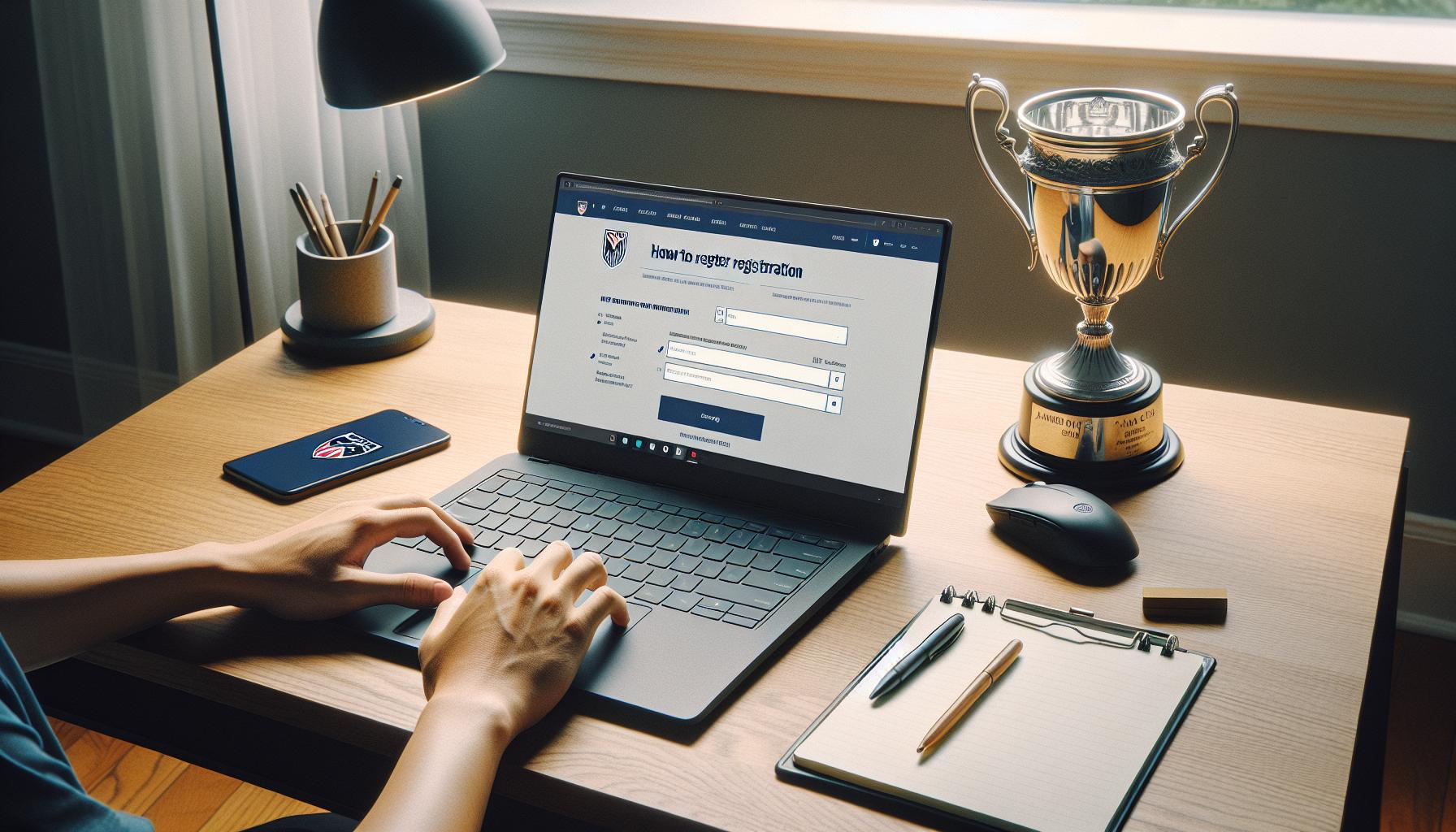
Getting involved in the AM Cup tournament is an exciting opportunity for disc golf players of all skill levels. To ensure a smooth registration process, it’s important to follow a few key steps. Generally, registration for the AM Cup can take place through the official tournament website or designated registration platforms, which may vary each year or by location.
Before you jump into registration, make sure to check the tournament dates and specific requirements, which are often outlined on the event’s homepage. Here’s a step-by-step guide to navigating the registration process:
Steps to Register:
- Visit the Official Website: Start by checking the official AM Cup tournament website. Here, you’ll find crucial information regarding registration dates, fees, and any specific eligibility criteria.
- Create an Account: If you’re new to online tournament registration systems, you may need to create an account. This typically involves providing basic personal information and agreeing to terms and conditions.
- Select Your Division: During registration, you’ll be required to select your division based on skill level. Familiarize yourself with divisions such as Amateur, Advanced, or Junior to ensure you choose the right competitive bracket.
- Pay the Registration Fee: Registration usually requires a fee, which is often tiered by division. Ensure you have your payment method ready; many platforms accept credit/debit cards and PayPal.
- Confirmation: After completing registration, keep an eye out for a confirmation email. It serves as your official entry into the tournament and may include important details about the event.
Additionally, it’s a good idea to familiarize yourself with any player packs and perks associated with registration, which may include swag bags, discounts at local stores, or complimentary discs. Engaging in community forums or social media groups dedicated to the AM Cup can also provide valuable insights and updates.
Remember, whether you’re a seasoned competitor or entering your first tournament, the registration process is the first step toward an unforgettable disc golf experience. Enjoy the journey, and good luck on the course!
Equipment Requirements for AM Cup Participants
Participating in the AM Cup requires more than just enthusiasm; having the right equipment can significantly enhance your experience and performance on the course. While disc golf is accessible to players of all skill levels, understanding the necessary gear can improve your gameplay and ensure that you’re prepared for tournament conditions.
To begin, every player must have a set of discs that meets the guidelines set by the tournament directors. Typically, players should carry a variety of discs, including drivers, mid-range discs, and putters. Each type of disc serves a purpose:
- Drivers: These are used primarily for long-distance throws. They are typically less stable and designed to travel far, making them ideal for tee shots.
- Mid-range Discs: Offering a balance between distance and control, mid-range discs are great for approaching the basket and shorter drives.
- Putters: Used for short-range shots and putting, these discs are more stable and provide better accuracy around the basket.
In addition to discs, participants are advised to wear comfortable, breathable clothing suitable for various weather conditions. Footwear is just as crucial; consider investing in sturdy shoes that provide good traction for navigating diverse terrains.
It’s also beneficial to use a reliable disc golf bag to carry your equipment. The right bag should have enough space to hold multiple discs, as well as compartments for accessories such as scorecards, pencils, and water bottles. As you gain experience, you might discover specific equipment preferences, such as the brand of discs or type of bag that works best for you.
Lastly, familiarize yourself with the local course before the event. Understanding the unique challenges-like elevation changes and obstacles-can influence your choice of discs and strategy. Remember, participating in the AM Cup is not just about competition; it’s an opportunity to grow, learn from fellow players, and immerse yourself in a supportive and vibrant disc golf community. Whether you’re new to the game or a seasoned player, having the right gear will help you bring your best to the course and make the most of your tournament experience.
Scoring Systems: How Points Are Calculated
Understanding how points are calculated in the AM Cup is key for every participant, as it directly impacts strategy and performance throughout the tournament. Unlike many traditional sports where points are scored in a straightforward manner, disc golf has its unique scoring system, allowing players of all skill levels to engage competitively.
In a typical stroke play format, which is often used in the AM Cup, the goal is simple: complete the course in the fewest number of throws. Each time a player throws their disc, that count adds to their total score. For instance, if a player scores a 3 on a par 3 hole, that adds 3 strokes to their overall score. At the end of the round, the player with the lowest total score wins. It’s essential for players to familiarize themselves with the course’s pars assigned to each hole, as this will help them strategize their play around their strengths.
Scoring Adjustments
Moreover, other factors can influence a player’s score. There are instances of penalty strokes, which can occur for various infractions such as out-of-bounds throws or failing to complete a hole correctly. Understanding these common penalties can help players avoid unnecessary strokes. Each player must be mindful of the local tournament rules as they may vary, making it crucial to have a grasp of specific scoring adjustments relevant to their event.
Understanding Ratings and Placement
In addition to basic scoring, players often monitor their ratings, which are calculated based on performance across various tournaments. A higher rating can indicate greater skill and can influence future tournament placements and divisions. For new players, focusing on improving personal score performance rather than just placement in the leaderboard can foster a positive experience, driving growth within the sport.
Ultimately, mastering the scoring system is an integral part of a successful outing at the AM Cup. Players are encouraged to practice regularly and review their performances critically, using this knowledge to refine their strategies. Embracing both the competitive and community aspects of disc golf enhances the overall experience, reinforcing the idea that it’s just as much about personal improvement and participation as it is about winning.
Understanding Disc Flight Characteristics in Competition
Understanding the nuances of disc flight characteristics can be the difference between a great round and a frustrating one for competitors at the AM Cup. A disc’s behavior in flight is influenced by several key factors: its design, the thrower’s technique, and environmental conditions. Knowing how these elements interact will enable players to choose the right disc for different situations on the course, ultimately improving performance.
Each disc is engineered with a particular set of specifications affecting its flight path. The three primary attributes to understand are stability, speed, and glide. A disc’s stability can be categorized as overstable, stable, or understable. Overstable discs tend to resist turning to the right during a right-handed backhand throw, making them ideal for headwinds or hook shots. Stable discs provide a straight flight, while understable discs are better for anhyzer throws, allowing for a left-to-right turn (for right-hand backhand throwers).
For players looking to refine their throwing mechanics, it can help to focus on the release angle and speed. A higher release angle with a powerful flick can maximize distance, but knowing when to tone it down for more control is equally important. For example, during the AM Cup, players might face tight fairways where precise placement is more beneficial than distance. Therefore, practicing with a variety of discs and under different conditions can equip players with the skills to adapt their strategy based on course layout.
Environmental factors, such as wind and humidity, also play significant roles in a disc’s flight. A strong crosswind can disrupt the flight path, so mastering throws that compensate for these conditions-like hyzer or anhyzer angles-becomes crucial in competition. Players should learn to read the environment and adjust their game accordingly, combining technical skills with strategic foresight to navigate the challenges presented by each course.
Incorporating knowledge about disc flight dynamics into practice sessions not only enhances skill but builds confidence for tournament situations. By understanding the interplay between disc design, throwing technique, and external conditions, competitors at the AM Cup can strategically select their equipment and refine their playstyle, turning the complexities of disc flight into opportunities for mastery and success on the course.
Course Strategy: Mastering the AM Cup Layout
Navigating the AM Cup course requires more than just skill; it calls for an insightful strategy tailored to the specific challenges and layouts players will encounter. Each course is uniquely designed, featuring a mix of open fairways, tightly wooded paths, elevation changes, and strategically placed hazards that test a player’s abilities. Understanding the nuances of the course and how to approach each hole can significantly enhance performance and lead to a more successful tournament experience.
Key to mastering the layout is course familiarity. Players should take the time to walk the course before competition begins. Noting the specific features of each hole, such as the location of hazards, the slopes, and the best throwing angles, can inform a player’s strategy for their shots. For example, a hole that might seem straightforward at a glance could have hidden dangers, like thick rough or water hazards, that can derail a round if not properly anticipated.
Additionally, developing a shot selection strategy tailored to the course’s demands is essential. Players should consider the characteristics of their discs and how they align with the course’s design. A disc that performs well on an open hole might not be the best choice on a technical, wooded section. Therefore, it’s beneficial to bring a versatile selection of discs to accommodate various throwing conditions and strategic plays. Experimenting with different shots during practice rounds can help players discover which discs they should rely on for each situation.
Equally important is mental preparation. The pressure of tournament play can affect performance, so it’s crucial to cultivate a calm and focused mindset. Players can benefit from visualization techniques, mentally rehearsing difficult shots or imagining themselves successfully navigating challenging holes. Pairing this mental practice with physical preparation-ensuring proper warm-ups and staying hydrated throughout the tournament-can help maintain a competitive edge.
Finally, engaging with the disc golf community can provide invaluable insights. Discussing strategies with fellow competitors or more experienced players can open up new perspectives on course navigation. Learning from others’ experiences can prevent common pitfalls and enhance one’s own strategy.
By blending careful course analysis, strategic shot selection, mental fortitude, and community engagement, players can master the AM Cup layout and approach each tournament round with confidence and skill.
Tips for New Players Navigating Their First Tournament
Stepping onto the course for your first tournament can be both thrilling and intimidating. Did you know that over half of new players feel overwhelmed in their inaugural competition? Preparing yourself ahead of time can help ease those jitters and enhance your overall experience, setting the stage for many future tournaments.
To start, familiarize yourself with the tournament format and the rules that govern play. Most tournaments follow either stroke play or match play. In stroke play, every throw counts towards your score, while match play focuses on winning individual holes. Knowing this can help you strategize your game plan and understand how to approach each hole based on the format. Be sure to check in with the tournament director or staff if you have any questions-they’re there to help!
Another crucial aspect is planning your equipment. Bring a variety of discs to suit different throwing conditions and holes. For instance, a stable driver might shine on open fairways, while a more controlled mid-range disc could be the key on wooded paths. Pack extra gear like water, snacks, and a rain jacket, just in case the weather turns.
Mental preparation is equally important. Many players find visualization and positive affirmations beneficial in transforming anxiety into confidence. Visualize yourself successfully navigating the course before your first round. Remember, countless players began where you are now, and they all have stories of both struggles and triumphs. Consider connecting with fellow competitors for practice rounds leading up to the tournament. Engaging with seasoned players can provide you with valuable insights and strategies-plus, it’s a great way to build camaraderie within the disc golf community.
Lastly, enjoy the experience! Every shot you take is an opportunity to learn and grow as a player. Embrace the journey, celebrate the small victories, and don’t forget to have fun. Your first tournament is just the beginning of a thrilling adventure in the world of disc golf.
Insights from AM Cup Champions: Player Stories
One of the most inspiring aspects of the AM Cup is the stories shared by champions who’ve navigated its challenges and triumphs. Take, for example, Jessica Lee, who recalls her first tournament experience as both exhilarating and nerve-wracking. “Walking through the registration line, I felt both excited and overwhelmed,” she shares. “But once I stepped onto the course, my focus shifted to the game, and I started to thrive in that competitive environment.” Jessica emphasizes the importance of mental preparation-visualization became a key part of her routine. She encourages new players to spend time imagining successful shots and embracing the adrenaline of competition.
Another champion, Marco Rivera, often reflects on the camaraderie developed during the AM Cup. “What sets the AM Cup apart is the community. Players of all skills come together, share tips, and cheer for one another,” he notes. Marco advises newcomers to engage with fellow competitors. “Don’t hesitate to ask for advice. Most players love to share their insights on gameplay strategies and disc selection.” This communal spirit not only enhances competition but also forms lifelong bonds and friendships among players.
For those eyeing victory, like reigning champion Sarah Kim, mastering disc flight characteristics is crucial. “Understanding how different discs react in various throws can be a game-changer,” she states. Sarah suggests that players conduct their own mini-practice rounds to discover which discs perform best in specific scenarios. “Experimenting with different throws, like hyzer and anhyzer, helped me refine my approach and led to my success at the AM Cup,” she reveals.
As these champions illustrate, the journey through the AM Cup isn’t solely about competition; it’s also about growth, connection, and the shared passion for disc golf. Embracing the experiences of others, from their strategies to their emotional journeys, can guide new players seeking to carve their path in this exciting sport. Each story serves as a reminder that the AM Cup is more than just a tournament-it’s an evolving community of players dedicated to honing their skills and enjoying the game together.
Building a Disc Golf Community Around the AM Cup
Building a vibrant disc golf community around the AM Cup is essential to the tournament’s spirit and success. Every year, players flock not only to compete but to connect with a diverse network of enthusiasts who share a passion for the sport. This community isn’t just about the competition; it’s about forging friendships, sharing knowledge, and supporting each other’s growth in a sport that continues to flourish.
Participating in AM Cup events offers players a unique opportunity to learn from each other. The atmosphere is often filled with camaraderie; more seasoned players are typically eager to share tips with novices. This sharing of knowledge can range from practical advice on throws and disc selection to deeper insights on course strategies. For instance, players might gather after a round to discuss which discs worked best on certain holes or how wind conditions affected their game. Such discussions not only enhance individual performance but also contribute to a collective knowledge pool that elevates the experience of all participants.
The importance of maintaining an inclusive and welcoming environment cannot be overstated. New players often feel intimidated stepping into a competitive scenario, but the AM Cup community actively works to dispel these fears. Organizing workshops or casual meet-ups outside tournament settings can help bridge gaps between experience levels. These gatherings allow newer players to practice their skills and receive constructive feedback without the pressure of competition, making the game accessible and enjoyable for everyone.
Moreover, sharing personal stories and experiences adds a layer of connection among players. For example, when participants share their journeys-whether it’s overcoming challenges during their first tournament or celebrating a personal best-these narratives resonate deeply with others. They serve as powerful reminders of why the AM Cup is more than just a series of matches; it’s a celebration of growth, perseverance, and, most importantly, community. By fostering an environment where every member feels valued, the AM Cup not only elevates the sport of disc golf but ensures that it remains a welcoming haven for all who love to play.
Faq
Q: What is the format of the AM Cup Disc Golf Tournament?
A: The AM Cup typically follows a stroke play format, where players count their total strokes over the course. Rounds can vary, offering different layouts and challenges, allowing players to strategize according to their strengths. For the latest tournament structure details, check out the section on tournament formats in our article.
Q: How are players classified in the AM Cup Disc Golf?
A: Players in the AM Cup are classified based on their skill level and experience, often categorized into divisions like beginner, intermediate, and advanced. This classification ensures fair competition. For more on divisions, refer to the understanding the tournament structure section of the article.
Q: What role does weather play in the AM Cup Disc Golf tournament?
A: Weather can significantly impact the AM Cup, affecting course conditions and player performance. Rain or wind may change strategies and course layout, making adaptability crucial. To prepare, players should stay updated on forecasts leading up to the tournament.
Q: When do AM Cup tournament registrations typically open?
A: Registration for the AM Cup usually opens several months in advance, often in early spring. It’s best to check the official website or specific registration details outlined in our article for exact dates.
Q: Are there prizes awarded in the AM Cup tournaments?
A: Yes, prizes at the AM Cup include trophies, merchandise, or cash payouts, depending on the tournament’s rules and sponsorships. This incentivizes participation and adds excitement to the competition. For more on incentives, see our tournament structure section.
Q: How does the scoring system work in the AM Cup?
A: The scoring system in the AM Cup is straightforward; each player’s strokes are tallied, with the lowest score winning. Point systems may also apply, rewarding players based on their finish position. For a detailed breakdown, refer to our section on scoring systems.
Q: What is the community aspect of the AM Cup Disc Golf tournament?
A: The AM Cup fosters a strong sense of community, bringing players together from various backgrounds. Participation promotes networking, socializing, and sharing strategies, vital for player development. Learn more about building community in our community building section.
Q: Can spectators attend the AM Cup Disc Golf tournament?
A: Yes, spectators are welcome at the AM Cup! They can enjoy watching the competition and engaging with the disc golf community. Check details in our article to understand spectator access and event schedules.
To Wrap It Up
Thank you for diving into our detailed exploration of the “Can AM Cup Disc Golf: Tournament Structure Explained.” Understanding the framework of tournament play is vital for every competitor looking to elevate their game. Remember, every tournament structure is designed not just for competition but to enhance your overall experience and enjoyment of the sport. If you’re ready to take your skills to the next level, check out our guides on disc flight characteristics and throwing mechanics, which provide valuable insights to improve your technique.
Don’t miss out on future tips and tournament updates-subscribe to our newsletter for the latest in disc golf! If you have any questions or want to share your thoughts on tournament experiences, we’d love to hear from you in the comments. Keep exploring our site for advice tailored to both new and seasoned players, and celebrate the community that makes disc golf a truly exciting sport. See you on the course!