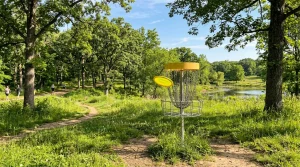
Disc golf tournaments are as exciting as they are complex, often leaving players and spectators wondering, “How long will this last?” On average, an 18-hole tournament can stretch from 3 to 3.5 hours, depending on factors like the number of players and course layout. Understanding the duration of these events is crucial-it not only helps players plan their day but also enhances the viewing experience for fans. As disc golf continues to grow, knowing what to expect in terms of time commitment can significantly enrich your participation, whether as a competitor or a supporter. In this guide, we’ll delve into the various elements that influence tournament length and provide insights to ensure you’re well-prepared for the thrill of competition. Stay with us to discover how to make the most of your disc golf tournament experience!
Understanding Disc Golf Tournament Durations
Understanding the duration of a disc golf tournament is crucial for players, spectators, and organizers alike. While it can be thrilling to watch top professionals navigate through a rigorous schedule, newcomers may find themselves overwhelmed by the time commitment involved. On average, completing an 18-hole disc golf course typically takes between 1 to 3 hours depending on various factors such as player skill level, course design, and tournament format. Knowing the expected duration can help participants plan their day effectively, ensuring both fun and competitiveness blend seamlessly in the thrilling pursuit of disc golf.
The format of the tournament significantly influences its length. For instance, larger tournaments with many competitors set up a staggered schedule to accommodate multiple groups. This often results in each round lasting between 2 to 4 hours, particularly when accounting for rest breaks and player and spectator movement. Also, tournaments may feature additional rounds across several days, culminating in intensively competitive weekends for advanced players while ensuring that casual players have a rewarding experience within a more reasonable time frame.
When assessing specific durations, it’s essential to consider that local tournaments generally run shorter than state or national events. Local competitions can often finish in a day, while larger tournaments may extend across weekends, featuring rounds split over multiple days, which can elongate the overall schedule. This careful structuring not only provides a better experience for players but also allows for fair ranking and rewards. Ultimately, understanding tournament durations empowers players to strategize their preparation, maintain focus, and manage their time effectively, thus enhancing their enjoyment and performance throughout the game.
Typical Duration of Different Tournament Formats
The duration of disc golf tournaments can vary significantly based on the format, number of participants, and overall organization of the event. For example, traditional tournaments designed for casual groups might see rounds completed in approximately 2 to 3 hours, especially when each card is limited to a maximum of four players. In contrast, larger-scale tournaments, such as those organized under the Professional Disc Golf Association (PDGA), may extend this duration to between 3 to 4 hours per round, particularly when accounting for the staggered start times that help manage the flow of competitors through the course.
When it comes to the format of the tournament, the implications on duration can shift dramatically. Tournaments that involve multiple formats-like stroke play or match play-can change the pacing of the day. Likewise, multi-day events with several rounds scheduled each day are common at state and national levels, where competitors might need to commit their entire weekend. This type of setup often leads to a cumulative experience where players can expect to log anywhere from 10 to 15 hours of competitive play over the course of the event.
Other considerations that influence tournament length include the complexity of the course design, player skill levels, and even environmental factors such as weather. For instance, a challenging course with tightly wooded holes may lead to longer rounds as players take their time to strategize their throws and navigate obstacles. In city conditions where spectator interaction is frequent or where players need to wait for their turns, durations can also stretch. By understanding these dynamics, both seasoned players and newcomers can strategize their schedules effectively, ensuring that they arrive prepared for an exhilarating day of disc golf.
Factors Influencing Disc Golf Tournament Length
In the world of disc golf tournaments, duration can vary widely, influenced by a multitude of factors that every player should be aware of. Understanding these elements can not only enhance your tournament experience but also prepare you mentally and strategically for the challenges ahead.
One of the primary factors affecting tournament length is the format of play. Traditional stroke play events generally allow for a faster pace, often completing rounds in about 2 to 3 hours when played with smaller groups. However, other formats, such as match play or unique tournament structures involving handicaps, can extend this significantly. For instance, in larger competitions organized under the PDGA, rounds may stretch to 3 to 4 hours or more, driven by the need to maintain a smooth flow among competitors and staggered start times that help manage the course traffic.
Additionally, the complexity of the course design plays a pivotal role. A well-designed course with varying terrains, tight fairways, and strategically placed obstacles can make each throw a calculated effort, leading to longer durations as players carefully plan their shots. Conversely, simpler and more open courses typically result in quicker rounds. Moreover, environmental factors such as weather can dramatically influence the timeline. Rain, wind, or extreme heat can slow down play, as players may take extra time to ensure their equipment is dry or wait for calmer conditions to throw.
Lastly, the number of participants and their skill levels must be considered. Larger fields can lead to more waiting time, especially in busy sections of the course. In contrast, seasoned players with quicker decision-making processes can keep the pace brisk. Understanding these dynamics can empower players to better prepare for their tournament day, fostering a rewarding experience that balances competition with community spirit.
By recognizing how these factors intertwine, players can approach tournaments not only with a strategy but also with the camaraderie that defines disc golf culture. Whether you’re a newcomer or a seasoned competitor, being well-informed about these elements will set the stage for an enjoyable and successful tournament experience.
Schedule Breakdown: Rounds, Rest, and Play
The rhythm of a disc golf tournament hinges not only on the skill of the players but also on the careful orchestration of rounds, rest, and playtime. Understanding the typical schedule can help players manage their time effectively, ensuring they conserve energy and maintain focus throughout the day. Generally, a tournament day can stretch into a hefty 6 to 8 hours, combining multiple rounds, breaks, and time for warm-ups or practice on the course.
During the competition, players often face a staggered schedule. A common format includes playing one or more rounds of 18 holes, each typically lasting between 2 to 4 hours depending on the aforementioned factors like player number and course complexity. To keep players fresh and engaged, tournaments usually incorporate a break between rounds-ranging from 30 minutes to 1 hour. This downtime is crucial for hydration, nutrition, and mental preparation. It also allows competitors to reflect on their performance, strategize for the next round, and discuss game tactics or experiences with fellow players.
It’s important to plan how to utilize rest periods effectively. Players can use this time to:
- Hydrate: Keep your body fueled with water to maintain optimal performance throughout the long day.
- Nutrition: Consume light snacks or energy bars to refill glycogen levels and prevent fatigue.
- Mental reset: Engage in breathing exercises or visualization techniques to help enhance focus for the upcoming rounds.
- Warm-up: If there’s ample time, practice throws can help maintain your consistency and comfort with your disc choice.
The key takeaway is to respect the time demands of tournament play-both for rounds and breaks. Awareness of the overall timeline allows players to prepare mentally and physically, ensuring they approach their games with the readiness necessary for the competitive environment of disc golf. This organized approach fosters not only individual performance but also enhances the camaraderie that makes disc golf a special community.
Comparing Local, State, and National Tournaments
Disc golf tournaments offer players a unique blend of competition and community, and understanding the differences between local, state, and national events can vastly improve your tournament experience. For local tournaments, typically organized by community clubs or small associations, the duration can be flexible, often lasting a single day. These events might feature a single round of 18 holes, taking around 2 to 4 hours, depending on the number of players and course layout. They are generally more relaxed, allowing for a great atmosphere that’s welcoming to newer players while still providing competitive opportunities for seasoned participants.
When transitioning to state tournaments, you can expect a structured format with multiple rounds spanning over one or two days. For instance, players may compete in two rounds of 18 holes each day, totaling around 8 hours of play, including breaks. These tournaments draw a larger crowd, which can lead to increased competition and more impressive displays of skill. The atmosphere is still encouraging but can feel more competitive as players vie for rankings or spots in larger competitions.
National tournaments, on the other hand, are designed to challenge even the most experienced players. These events can span several days, usually featuring multiple rounds, with some formats extending to three or more days of play. Here, players are not only competing for prizes but also ranking points that contribute to their national standings. The more rigorous schedule demands precise time management and mental endurance, making it vital for competitors to prepare adequately for long tournament days.
Regardless of the level, the camaraderie found in disc golf is unparalleled. Sharing the course with fellow enthusiasts, exchanging tips, and celebrating the love of the game are integral to every tournament type, whether local, state, or national. As you delve deeper into the tournament scene, consider embracing the unique contexts of each competitive level, honing your skills, and enjoying the rich community that surrounds the sport.
Tips for Preparing for a Long Tournament Day
Preparing for a long day of disc golf can significantly influence your performance and enjoyment, especially during multi-round tournaments that can stretch from dawn till dusk. Competitors often face a grueling schedule that requires both physical and mental stamina, making thoughtful preparation essential. To thrive on the course, consider the following practical tips, tailored to enhance your experience and set you up for success.
Firstly, prioritize hydration and nutrition. On tournament day, it’s easy to forget to drink water or grab a snack amidst the excitement. Bring a cooler filled with water, electrolyte drinks, and healthy snacks such as granola bars, nuts, or fruit. These will help sustain your energy levels and keep you focused throughout the day. Aim to eat a balanced breakfast before heading to the course and plan for quick, energizing meals during breaks.
Next, plan your gear carefully. Check the tournament schedule in advance to understand the number of rounds you’ll be playing and the expected weather conditions. Create a checklist of essential items: A comfortable backpack, extra shirts, sunblock, and a rain jacket can all make a difference. Make sure you have enough discs-varied choices for different shot types-packed and consider bringing a portable charger for your electronic devices, especially if you’re using apps for scorekeeping or navigation.
Furthermore, mentally prepare yourself. Long tournament days can become mentally taxing, especially when facing multiple challenges on the course. Set realistic goals for each round and visualize your shots to build confidence. Incorporate relaxation techniques-like deep-breathing exercises or brief moments of reflection-between rounds to maintain your composure and focus. This will help prevent fatigue from overwhelming you during the latter part of the tournament.
Lastly, embrace the community aspect of disc golf. Engaging with fellow competitors can boost your morale and provide camaraderie, which is especially valuable during longer tournaments. Share experiences, tips, or even moments of humor to lighten the mood. The connections you build on the course can enhance your enjoyment and help you tackle the day with a positive mindset, regardless of the outcomes. With these preparations, you’ll not only survive a long tournament day but thrive within the vibrant disc golf community.
How Weather Affects Tournament Timelines
Weather can play a pivotal role in shaping the timelines of disc golf tournaments, influencing everything from the duration of play to the players’ overall performance. Rainy conditions can lead to course delays due to muddy grounds, while strong winds may significantly affect players’ throwing accuracy and consequently force them to take extra time to complete their rounds. For instance, players may find themselves adjusting their strategies and spending more time on each hole, as they consider the wind’s direction, varying disc flight patterns, and the potential for higher scores on windy days.
Moreover, extreme temperatures can have lasting effects on hydration needs and energy levels, leading to slower play as competitors take necessary breaks to stay hydrated or cool down. In particularly hot conditions, tournaments might even require additional cooling breaks, potentially extending the overall time commitment of the day. Conversely, in colder weather, players may find themselves bundled up, requiring longer to execute their throws as they navigate the limitations of their gear.
To prepare for unpredictable weather, it’s advisable for competitors to check forecasts leading up to the tournament. This will allow them to bring appropriate gear and mentally adjust their strategies. Investing in quality rain gear, layering for cold weather, or choosing discs that perform well in windy conditions can help mitigate the impact of these factors. Additionally, players should be ready to engage in quick discussions about course conditions with fellow competitors, allowing for better course management and shared strategies that account for the weather at hand.
Ultimately, the ability to adapt to changing weather conditions is a crucial skill for any disc golfer, impacting not just individual performance but the overall flow of tournament play. By being proactive and understanding how weather affects their game, players can navigate tournament timelines more effectively and enhance their competition experience.
Exploring Player Roles and Responsibilities
Engaging in a disc golf tournament is not just about showcasing throwing skills; it involves a myriad of roles and responsibilities that each player must embrace to enhance the experience for everyone involved. Every tournament, be it local, state, or national, includes a cast of characters that contribute to its smooth operation. Understanding these roles can provide clarity and help athletes prepare better, especially first-time competitors who may be overwhelmed by the day’s demands.
Participants in a tournament typically fall into several categories: players, caddies, and officials. Each role carries its own responsibilities that impact the overall tournament duration. Players are expected to maintain pace while adhering to the rules, which includes making quick decisions on throws and managing game time efficiently. On the other hand, caddies provide crucial support by carrying extra equipment, offering strategic advice on throws, and keeping players focused. A well-prepared caddy can significantly reduce the time taken for players to huddle over decisions on tricky holes.
In addition to players and caddies, officials play an essential role in ensuring that rules are followed and that any disputes are resolved swiftly. Their presence can make or break the flow and timing of rounds. A good official knows the nuances of the game, guiding players through rules and maintaining an atmosphere of fairness and sportsmanship. This becomes particularly vital when unexpected delays occur due to weather changes or course-related issues.
Furthermore, effective communication among these roles enhances the timeliness and enjoyment of the tournament. For example, during downtime (such as waiting on a slower group in front), players and caddies can use the time to mentally rehearse their next holes or discuss strategies. This collaborative energy not only keeps the mood light but also cultivates camaraderie amongst competitors, making the tournament feel more like a community gathering than just a competitive event. Ultimately, embracing these varied responsibilities helps streamline the tournament process, ensuring that everyone has a memorable and efficient experience while also respecting the time constraints inherent to tournament play.
The Impact of Course Design on Duration
The layout and features of a disc golf course significantly affect the duration of a tournament, shaping not only the pace of play but also the overall experience for players and spectators alike. Intricate designs with diverse terrain can challenge even the most skilled players, potentially leading to longer rounds as competitors navigate tricky layouts, steep inclines, and dense foliage. Conversely, a straightforward, well-designed course can enhance flow and reduce time, allowing players to maintain a steady rhythm.
When evaluating how course design impacts tournament duration, several key factors emerge:
- Distance and Difficulty: Longer holes or those that require multiple throws to reach the basket can extend playtime. A course with an average hole length of 300 feet or more may take longer to complete than a shorter layout. Also, challenging obstacles such as water hazards or out-of-bounds areas force players to measure their risks, potentially slowing down decision-making.
- Course Layout: The arrangement of holes can also make a considerable difference. A layout that requires backtracking or excessive walking between holes extends the tournament duration, while a compact course can facilitate a quicker pace.
- Environmental Conditions: Natural elements embedded in the course design, such as wind patterns or uneven ground, can add complexity and require players to adjust their strategies, thus elongating their time on the course.
- Accessibility: A course designed with player access in mind, featuring clear paths and minimal obstructions, supports quicker transitions between throws and holes. Well-maintained courses also contribute to a smooth experience, reducing time spent retrieving discs or navigating hazards.
Creating a balanced course design, where both challenges and opportunities are present, can maintain player engagement while also respecting their time. Tournament directors often strive to incorporate varied hole designs that challenge players of all skill levels while optimizing the flow of play. Player feedback on course layout can be invaluable; many experienced competitors share that holes which allow clear sightlines to the basket minimize wait times and enhance the tournament day experience.
Smart course design can ultimately help to cultivate a communal atmosphere, allowing for faster play while leaving room for camaraderie and connection among players. As the sport continues to grow, understanding these dynamics will help ensure that tournaments remain engaging and efficiently run, making them enjoyable for both players and fans alike.
Time Management Strategies for Competitors
One of the most critical skills for competitors in a disc golf tournament is effective time management. Understanding how to manage your time wisely can make a significant difference in your overall performance and enjoyment of the day. A well-organized approach not only helps you stay relaxed but also ensures that you are mentally and physically prepared to tackle each round of play.
To enhance your time management during tournaments, consider implementing these strategies:
- Arrive Early: Give yourself plenty of time to check in, warm-up, and familiarize yourself with the course layout. Arriving early can also help alleviate pre-tournament nerves, allowing you to settle in and mentally prepare for the day ahead.
- Plan Your Rounds: Familiarize yourself with the format and layout of the tournament. Understanding the average duration of each hole based on their difficulty can help you estimate how long each round will take. Typically, plan for about 2-2.5 hours per round, factoring in breaks and the number of players on your card [[2](https://www.dgcoursereview.com/threads/how-long-do-tournaments-usually-take.42810/)].
- Practice Efficient Play: Adopt a strategy that minimizes downtime during your rounds. For instance, practice pre-throw routines to ensure you’re ready to take your shot when it’s your turn. Assess the next hole while completing your current throw to streamline the mental transition.
- Stay Hydrated and Energized: Keep water and snacks on hand to maintain your energy levels. This is especially crucial during extended breaks or between rounds. Quick, nutritious snacks can boost your stamina and concentration.
- Utilize Breaks Wisely: Use short breaks between holes not only to relax but also to mentally reset. Take a moment to visualize your next hole, strategizing your approach and shot selection. This helps keep you focused and reduces idle time.
- Monitor Your Pace: Regularly check your group’s progress against the expected pace of play. If you’re falling behind, assess whether you need to adjust your strategy or communicate with your cardmates to maintain the tournament’s flow.
Effective time management can transform your tournament experience from stressful to enjoyable. It allows you to focus on your performance, engage with fellow competitors, and fully appreciate the camaraderie and spirit of disc golf. Whether you are a seasoned competitor or a newcomer, these strategies will help cultivate a more exhilarating and fulfilling tournament day.
What to Expect: Tournament Day Timeline
The excitement of tournament day can transform the usual rhythm of disc golf into a vibrant showcase of skill, strategy, and sportsmanship. Participants can expect a structured yet spirited atmosphere where players of all levels come together to compete and connect. The day’s timeline generally starts early, reflecting the importance of preparation and organization in ensuring a smooth experience.
Arriving at the course typically begins around two hours before the first round, providing ample time for check-in and warm-ups. As competitors register, the anticipation builds, and this is when players can meet fellow competitors and discuss strategies while getting a sense of the course. Warm-up sessions are critical; they not only help one shake off the morning jitters but also offer an opportunity to fine-tune throwing techniques and familiarize oneself with different shot requirements for the tournament.
Once check-in is complete and warm-ups are done, the first round kicks off. Depending on the tournament format, rounds can range from 1 to 4 hours, influenced by the number of players, course layout, and hole difficulty. It’s common for each group to be assigned a specific start time, with players beginning at staggered intervals to maintain pace throughout the day. After completing the first round, a break period allows for relaxation and strategy adjustments, often encompassing 30 minutes to an hour. During this time, players can regroup, share experiences, and prepare for the subsequent round by reviewing course conditions and adjusting gear as necessary.
Finally, as the tournament continues, the flow of rounds, breaks, and any award ceremonies will add to the day’s rhythm. Understanding this timeline not only eases anxiety but facilitates an enjoyable and engaging experience, allowing players to focus on what truly matters: showcasing their skills and enjoying the camaraderie that disc golf fosters. By being mindful of the structured timeline, competitors can navigate the competitive landscape with confidence, ensuring a fulfilling day on the course.
Common Myths About Disc Golf Tournament Length
While disc golf is often seen as a casual pastime, misconceptions about the timing and structure of tournaments can lead to confusion among players, especially newcomers. One common myth is that all tournaments take an entire weekend, leading many to believe that they must commit substantial time to participate. In reality, the length of a tournament can vary significantly based on several factors, including the number of participants, course layout, and specific event formats. For instance, smaller, local events may be efficiently completed in a single day, with rounds lasting around 2 to 2.5 hours each, whereas more extensive tournaments could span multiple days due to larger fields and more challenging courses.
Another prevalent misconception is that breaks between rounds are minimal. In fact, most tournaments incorporate adequate downtime for players to rest and strategize between rounds, typically lasting anywhere from 30 minutes to an hour. This allows players to recharge, discuss their game, and make necessary adjustments based on their performance or course conditions. Understanding that these breaks are part of the schedule helps players manage their energy and stay focused throughout a long day of competition.
Moreover, some players believe that because professional tournaments can take a long time-sometimes several hours per round-local events must follow suit. This is not the case. Local tournaments may move at a quicker pace, particularly if they have fewer players or a more straightforward course layout. It’s essential for players to check the tournament’s specific schedule and format beforehand, as this can provide clarity on what to expect and help ease anxieties about the day ahead.
Lastly, the myth that only seasoned players can navigate the complexities of tournament length can deter newcomers. On the contrary, the disc golf community is welcoming, and many local tournaments are designed with beginners in mind, ensuring a supportive environment. By recognizing these myths and seeking accurate details about tournament structures, players can better prepare for and enjoy their competitive experiences on the course.
Faq
Q: How long is a typical disc golf tournament round?
A: A typical disc golf tournament round for a competitive field may last 3-4 hours. Factors such as the number of players and course difficulty can affect this duration. Expect longer rounds for larger events, especially during major tournaments like the PDGA World Championships.
Q: What is the duration of the PDGA World Championships?
A: The PDGA World Championships typically span five days, featuring multiple rounds played on two elite courses. Each day includes competition, practice rounds, and various player meetings, making it a lengthy but thrilling experience for competitors and fans alike.
Q: How many rounds are played in a weekend tournament?
A: Most weekend disc golf tournaments include 2-3 rounds over two days, often with a one-round-per-day format. Larger events may add qualifying rounds, leading to a longer overall tournament duration.
Q: What factors can extend the time of a disc golf tournament?
A: Several factors can extend tournament duration, including weather conditions, course design, player count, and tournament format. Specific layouts or longer layouts can also increase play time due to more challenging holes.
Q: How should I prepare for a long tournament day?
A: To prepare for a long tournament day, ensure you have ample hydration, nutritious snacks, and comfortable clothing. Familiarize yourself with the course layout and rules to reduce downtime and improve your overall performance.
Q: Do weather conditions impact disc golf tournament duration?
A: Yes, weather conditions can significantly impact tournament duration. Rain or strong winds may slow play, while sunny, calm days typically promote faster rounds. Players should be ready for possible delays and schedule adjustments.
Q: What role do volunteers play in tournament duration?
A: Volunteers are essential in managing timing, organization, and scorekeeping during tournaments. Their efficiency in handling tasks can help maintain the flow of play and minimize delays, contributing to a smoother tournament experience.
Q: How does course design affect play time in disc golf tournaments?
A: Course design impacts play time as more complex layouts often lead to longer rounds. Features such as elevation changes, narrow fairways, and water hazards can challenge players, potentially increasing the overall duration of the tournament.
To Wrap It Up
Understanding how long a disc golf tournament lasts can significantly enhance your game day experience. With typical durations ranging from a few hours to a full day, being informed helps you plan better, whether you’re a player or a spectator. Don’t miss out on our other guides on competitive strategies and disc selection to further elevate your skills!
Ready to dive deeper into the world of disc golf? Explore our articles on “Essential Disc Golf Techniques” and “Choosing the Right Discs for Your Game” to discover more tips and insights that can make a difference in your performance. If you found this guide helpful, consider subscribing to our newsletter for regular updates on tournaments and expert advice. Your journey in disc golf is just beginning, so take advantage of the resources available and step onto the course with confidence!
Join the discussion! Share your tournament experiences in the comments below, and connect with fellow disc golf enthusiasts. Together, let’s celebrate this amazing sport and continue to learn from each other!
Get our latest guides, news, and insights highlighted in your Google Search & AI Overviews.