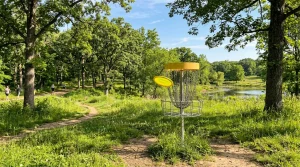
Did you know that disc golf has seen a remarkable surge in popularity, with over 8 million players in the U.S. alone? Organizing a disc golf tournament can not only foster a sense of community among enthusiasts but also elevate the sport’s profile as a legitimate athletic pursuit. Whether you’re a seasoned player looking to give back to the community or a newcomer eager to dive in, this guide on how to run a disc golf tournament is invaluable. You’ll discover practical tips, from planning your event and managing logistics to fostering an inclusive atmosphere that welcomes all skill levels. Join us as we explore the essential steps to create a successful tournament experience, ensuring both camaraderie and competition thrive on the course. Let’s unlock the potential of your disc golf event and leave participants excited for more!
How to Choose the Right Format for Your Tournament
Choosing the right format for your disc golf tournament can significantly impact the experience for both players and spectators. Different formats cater to varying skill levels, group sizes, and event purposes. For instance, if you aim to create a competitive environment, a traditional stroke play format may be most suitable, where each player’s score reflects the number of throws taken to complete the course. This format tends to attract seasoned players looking to test their skills against peers.
However, if your goal is to encourage participation and fun, particularly for beginners or casual players, consider adopting a more relaxed format such as best shot (or scramble). In this setup, each member of a team throws their disc from the tee, and the group selects the best throw to continue from. This format not only fosters camaraderie but also eases pressure, making it more enjoyable for newcomers to the sport.
Key Tournament Formats to Consider
- Stroke Play: The most common format, ideal for serious competitions.
- Match Play: Players compete head-to-head, with the winner determined by holes won.
- Best Shot: Encourages teamwork and is less intimidating for beginners.
- Modified Stableford: Awards points based on scores, promoting aggressive play.
To further enhance the selection process, take into account the anticipated number of participants and their skill levels. A mixed skill level event, for example, might benefit from divisions to ensure a fair competition while still allowing for social interaction. Consult with local disc golf clubs or associations to gain insights into the best practices for your region, ensuring that your format accommodates participant feedback and logistical realities. By strategically selecting the right tournament format, you pave the way for a successful and memorable event that captures the spirit and excitement of disc golf.
Essential Disc Golf Equipment for Tournament Play
In the vibrant world of disc golf, having the right equipment is crucial to ensure a successful and enjoyable tournament experience for players and spectators alike. While the fundamental piece of equipment is, of course, your disc, there’s much more to consider as you gear up for tournament play. High-quality gear not only enhances performance on the course but also contributes to a seamless event from start to finish.
First and foremost, players should arrive with a selection of discs tailored to various throwing situations. Most professionals carry a minimum of three types of discs: drivers for long throws, mid-range discs for accuracy, and putters for finesse shots around the basket. Each disc has unique flight characteristics influenced by its weight, material, and design, making it essential to choose based on personal throwing style and conditions of the course. For beginners, it’s recommended to start with a stable putter and a slightly overstable mid-range disc, as these are generally easier to control.
Additional Essential Gear
- Bags and Storage: A good disc golf bag is designed to hold multiple discs while providing comfort and ease of transport. Look for bags with padded straps and room for extra gear, such as water bottles and snacks.
- Clothing: Participants should wear comfortable and weather-appropriate clothing. Breathable fabrics are ideal for hot days, while moisture-wicking materials can help during unpredictable weather.
- Equipment Accessories: Accessories such as towels, mini markers for putting, and scorecards are vital. A portable scorekeeping app can also streamline the scoring process and help with player communication.
Another critical aspect of tournament equipment is the course infrastructure itself. Proper signage, durable baskets, and tee pads ensure a fair and challenging experience for all skill levels. Consider investing in quality balance and wear-resistant plastic baskets, which maintain their functionality over time. A well-marked course helps players navigate effectively during their rounds, reducing confusion and enhancing the enjoyment of the game.
Whether you’re a tournament director or a player, understanding and utilizing the right equipment significantly elevates the entire disc golf experience. These considerations create not just a competitive atmosphere but also foster a sense of community that keeps players coming back, thrilled for the next challenge on the course.
Planning the Perfect Course Layout for Players
Creating a well-planned course layout is fundamental to ensuring that players have an enjoyable and challenging experience during a disc golf tournament. The course design should cater to a variety of skill levels, striking a perfect balance between accessibility for beginners and a competitive challenge for seasoned players. Engaging tournament participants with diverse layouts can cultivate excitement and improve skill development on the course.
Start by assessing the natural terrain of your course venue. Identify key features such as elevation changes, wooded areas, and open spaces, which can be leveraged to enhance gameplay. For instance, using trees and elevations strategically can create both risk and reward scenarios, compelling players to think critically about each shot. Incorporating different hole lengths-ranging from shorter, more technical holes to longer ones requiring power throws-can showcase players’ diverse abilities, providing an engaging experience for all.
A well-structured course should also prioritize flow and navigation. Ensure that the layout allows for smooth transitions between holes to minimize downtime and keep the tournament moving efficiently. Marking tee areas clearly and establishing distinct paths to the next hole can help avoid confusion. Additionally, consider the positioning of baskets; placing them near natural obstacles can challenge players’ accuracy while making for spectating fun. Include features like challenging doglegs or water hazards where appropriate, as these can add competitive flavor without compromising safety.
Finally, anticipate the type of play conditions that might arise based on local weather and seasonal changes. Proper drainage considerations and the use of durable materials for tees and baskets will help maintain course integrity throughout the event. Gathering feedback from past participants can also offer valuable insights into what works well and what might need adjusting. By emphasizing thoughtful design and player engagement, your course layout will not only present a physical challenge but also foster camaraderie among players, enhancing the overall tournament atmosphere.
In summary, a successful course layout incorporates thoughtful design, navigational clarity, and environmental considerations. By catering to a diverse range of skill levels, you’ll create an enjoyable tournament experience that encourages competitive spirit while promoting the growth of disc golf as a beloved athletic pursuit.
Key Considerations for Tournament Scheduling
Scheduling a disc golf tournament requires careful consideration to ensure a smooth and enjoyable experience for all participants. A well-planned schedule not only enhances the event’s organization but also maximizes player satisfaction and engagement. The right timing and structure can significantly influence attendance and the overall success of your tournament.
Begin by selecting an appropriate date for your event. Consider local weather patterns and significant holidays or community events that might conflict or detract from attendance. Ideally, aim for a time when players are likely to have fewer commitments, such as midseason for many disc golf leagues, when players are looking for opportunities to compete. Moreover, incorporating flexible start times can accommodate various schedules, making it easier for participants to sign up and enjoy the day without feeling rushed.
Once the date is set, creating a timeline for the day of the tournament is crucial. This includes outlining specific start times for each division, scheduling breaks, and planning award ceremonies. Be sure to factor in the time required for each round, including potential delays caused by weather or other unforeseen circumstances. Here’s a simple breakdown of a potential tournament day schedule:
- Registration: 8:00 AM – 9:30 AM
- Player’s Meeting: 9:30 AM – 10:00 AM
- First Round Start: 10:15 AM
- Lunch Break: After first round (approx. 12:30 PM)
- Second Round Start: 1:30 PM
- Awards Ceremony: 4:30 PM
Additionally, communication is key in keeping everyone informed. Use social media, emails, and event platforms to relay vital information such as schedules, course layouts, and any changes that occur closer to the event. Encourage players to check in early, facilitating a quick registration process that keeps the schedule on track.
Finally, engage with your community by soliciting input on preferred scheduling and format styles. Surveys can help you understand what participants value most, whether it’s specific divisions, player divisions based on age, or even just the time of day they prefer to play. Balancing the needs of seasoned players and newcomers fosters a welcoming environment, celebrating the spirit of disc golf while encouraging growth in participation. By crafting a thoughtful schedule, you’ll create an event that not only prioritizes player experience but also reinforces the camaraderie that makes disc golf truly unique.
Creating Effective Promotional Strategies for Your Event
Promoting a disc golf tournament effectively can transform a local event into a well-attended celebration of the sport. With the right promotional strategies, you can reach not just local players, but enthusiasts from neighboring areas, all eager to join in on the fun. To kick off your promotional campaign, consider leveraging social media platforms, which serve as accessible and powerful tools to engage potential participants. Create visually appealing posts featuring eye-catching graphics, action shots from past tournaments, and engaging captions that highlight the unique aspects of your event, such as prize giveaways or special guest appearances.
In addition to social media, maintaining an informative and visually engaging website dedicated to your tournament can maximize reach. Ensure that your site includes essential details such as location, date, registration links, course information, and any other highlights to entice players. Regular updates on the site can keep interested parties informed about registration deadlines and any changes that might arise. A blog section featuring player profiles and training tips can also foster a sense of community and keep visitors returning for more information.
Engaging local clubs and organizations can help boost your outreach further. Collaborating with disc golf communities, school clubs, or local businesses can enhance credibility and expand your audience base. Consider establishing partnerships where sponsors can provide prizes or discounts for participants in exchange for visibility during the event. Such partnerships not only contribute to your event’s success but also build a network that strengthens the local disc golf community.
Finally, don’t underestimate the power of email marketing. Collect email addresses from interested players when they register or attend other local events. Craft a series of emails leading up to your tournament that includes countdowns, registration reminders, and exclusive sneak peeks at what participants can expect. This direct line of communication keeps your tournament top-of-mind and can significantly increase registration numbers as the event date approaches. By embracing these promotional strategies, you can ensure that your disc golf tournament not only attracts participants but also leaves a lasting impression on everyone involved.
How to Manage Player Registration and Communication
Managing player registration and communication is a crucial aspect of running a successful disc golf tournament. A seamless registration experience not only streamlines the logistics but also enhances the overall participant experience, helping to foster a sense of community and enthusiasm around the event. With the right tools and strategies, you can make this process smooth and engaging for all players, whether they are newcomers or seasoned competitors.
Utilizing an online registration platform can simplify the process for both you and the participants. Platforms like Disc Golf Scene or Eventbrite allow players to sign up easily from anywhere, helping you to gather essential information such as names, divisions, contact details, and any special needs participants may have. Ensure that your registration page is detailed and user-friendly, including clear information on tournament structure, entry fees, and deadlines. This transparency can prevent confusion and potential frustration, enabling players to focus on their game rather than the logistics.
Communication is equally important throughout the tournament lifecycle. Regular updates via email or social media about important event details-like schedule changes, weather forecasts, or player check-in times-can keep everyone informed and engaged. Consider creating an FAQ section on your tournament website or sending out a pre-tournament newsletter containing tips for new players, suggested equipment, and local accommodations. This not only helps newcomers feel welcomed but also empowers competitive players with the information they need to prepare effectively.
Additionally, maintain an open line of communication during the tournament itself. Utilize texting apps or group messaging platforms to relay real-time updates about scoring, delays, or any emergency instructions. Having designated staff members responsible for communication, like a tournament director or assistant, can enhance the professionalism of your event and ensure that participants feel supported at all times. By prioritizing effective registration and ongoing communication, you lay the groundwork for a well-organized tournament that celebrates the spirit of disc golf and supports all players in their athletic pursuit.
Setting Up the Rules and Regulations for Fair Play
Establishing a set of clear and fair rules is crucial for maintaining the integrity of any disc golf tournament. By creating an environment where all competitors understand what is expected of them, you not only enhance the overall player experience but also uphold the spirit of the game. Engaging players in this process can lead to a more respectful and enjoyable competition.
In formulating rules for your tournament, it’s important to consider the standards set by official disc golf organizations, such as the Professional Disc Golf Association (PDGA). Here are some key elements to integrate into your rulebook:
- Gameplay Mechanics: Outline the basics of how a disc golf round is played, including the order of play, how to handle disc lost in the course, and procedures for resolving disputes.
- Scoring: Clearly define the scoring system you will use, including how to handle ties. Consider adopting a system that provides transparency and ensures players know the scoring format.
- Course Rules: Specify any local rules that may apply to the specific holes or layout of the course. This might include boundary definitions, out-of-bounds areas, or any unique challenges presented by the terrain.
- Behavior Guidelines: Promote sportsmanship by outlining expected conduct during the tournament. This includes respectful interaction with fellow competitors and adherence to timely play standards.
- Equipment Specifications: Indicate any restrictions on disc types or sizes if applicable, as well as any regulations surrounding other equipment (like bags or carts). This ensures fairness, especially in competitive events.
Additionally, consider organizing a pre-tournament meeting or sending out a video briefing to walk participants through the rules. This proactive approach can help prevent misunderstandings on the day of the event. Engaging with players about the importance of fair play fosters a community spirit, making it more than just a competition but a celebration of the sport. Remember, the rules should serve as a foundation for fun and challenge, allowing all players, from newcomers to seasoned pros, the chance to showcase their skills in an environment built on respect and camaraderie.
Engaging Sponsors and Partners for Your Tournament
Securing sponsors and partners for your disc golf tournament can transform a well-planned event into a remarkable experience with enhanced visibility and resources. With the growing interest in disc golf, businesses are increasingly looking to engage with local communities, making it an opportune time to connect and collaborate. Consider approaching companies that align with the ethos of disc golf-those promoting outdoor activities, fitness, and community engagement. Local businesses such as restaurants, sporting goods stores, and fitness centers, or larger brands investing in sports sponsorship, can bring valuable resources, from financial support to promotional materials.
To effectively engage potential sponsors, it’s crucial to articulate what they’ll gain from the partnership. Prepare a concise sponsorship proposal that outlines the benefits, such as brand visibility through event marketing, on-site presence, and engagement opportunities with players and spectators. Highlight your target audience-people who are passionate about sports, outdoor activities, and community events. Emphasizing the community-oriented nature of disc golf can resonate well with local businesses looking to build goodwill and support their neighborhoods.
When structuring sponsorship packages, consider offering tiered options to attract a range of contributions. For instance, you could provide packages that vary from presenting sponsor with prime logo placement and exclusive rights, to smaller grassroots sponsorships that include logo placement on banners or flyers. Ensure that each package offers clear benefits, like social media shoutouts, on-course signage, or opportunities to set up booths at the tournament for direct engagement with attendees.
Building strong partnerships can also extend beyond monetary support. Look for local organizations and clubs that might provide volunteers in exchange for promotional opportunities. By fostering a collaborative environment among sponsors and partners, you not only enhance the tournament experience for participants but also create a sense of community that underscores the spirit of disc golf. Engaging sponsors isn’t just about financial support; it’s about creating lasting relationships that benefit everyone involved and elevate the sport within your community.
Best Practices for Scoring and Tournament Software
When organizing a disc golf tournament, effective scoring and tournament management are paramount to the success of the event. Investing in the right scoring and tournament software can save time, minimize errors, and enhance the overall experience for both players and spectators. A well-designed system allows for real-time scoring, easy access to player stats, and seamless communication among tournament staff.
One of the most popular choices among tournament directors is the use of platforms like UDisc, Disc Golf Scene, or PDGA’s official software. These tools not only allow for live scoring but also provide features such as player registration management, scheduling, and automatic updates to leaderboards. By using these tools, players can access their scores and stats via mobile devices, keeping everyone engaged throughout the event.
Key Features to Look For
When selecting software for scoring and tournament management, here are some key features to consider:
- Real-Time Scoring: This enables players and spectators to see live updates on scores and rankings, fostering excitement and engagement.
- Player Registration and Check-In: An integrated system helps streamline the registration process, minimizing queue times and allowing for a smoother check-in experience.
- Customizable Formats: Check for software that supports various formats, including stroke play, match play, or skins games, catering to different tournament styles.
- Dynamic Leaderboards: Automatic updates to leaderboards that are displayed on screens or through mobile apps keep everyone in the loop.
- Analytics and Reporting: Post-tournament reports that provide insights into player performance and engagement can be invaluable for future planning.
Creating a Stress-Free Experience
Incorporating technology into your tournament not only streamlines scoring but also adds a level of professionalism that can elevate the perception of your event. Moreover, providing players and fans with easy access to up-to-date information creates a sense of community and excitement around the tournament. Whether you’re running a local event or a larger championship, investing time in selecting the right scoring and management tools will ensure a memorable experience for everyone involved. As you prepare for your tournament, remember that attention to detail, including how you manage the scoring process, goes a long way in legitimizing disc golf as a serious sport while celebrating its community spirit.
Providing Support: Staff Roles and Volunteer Management
Organizing a disc golf tournament relies heavily on effective staffing and volunteer management, as these individuals are the backbone of any successful event. A well-coordinated team can transform your tournament experience, ensuring everything runs smoothly and participants feel supported. From planning and communication to execution and follow-up, the roles your staff and volunteers play are critical in setting the tone and maintaining the spirit of camaraderie that defines the disc golf community.
To begin with, clearly defining roles and responsibilities is essential. Assign specific tasks based on individual skills and interests. For instance, some volunteers may excel in registration and checking in players, while others could be enthusiastic about course marshalling or scorekeeping. This not only maximizes efficiency but also enhances job satisfaction. Consider hosting a pre-tournament meeting to outline expectations and provide necessary training, ensuring everyone understands their responsibilities. This proactive approach fosters a sense of ownership and accountability among team members.
Key Staff Roles
While every tournament is unique, several key roles typically need to be filled:
- Tournament Director: The decision-maker who oversees the entire event, from planning to execution.
- Registration Team: Manages player sign-ups, ensures accurate data entry, and provides welcome packets.
- Coursing Marshals: Monitors the course to ensure rules are followed and players receive assistance when needed.
- Scoring Officials: Oversees scorekeeping and ensures that results are updated and communicated efficiently.
- Promotional/Marketing Coordinator: Manages event promotions, social media engagement, and local sponsorships.
It’s also beneficial to have a designated point of contact for volunteers who can address questions or issues as they arise. This creates an environment where volunteers feel supported and valued, which can lead to higher morale and a better overall experience.
Fostering a Supportive Environment
Incorporating regular check-ins and building a positive culture around your event can make a significant difference. Recognize the hard work of your volunteers through thank-you notes, small tokens of appreciation, or shout-outs during the event. These gestures help cultivate a strong community spirit and encourage volunteers to return for future tournaments.
Encourage open communication channels where staff and volunteers can share feedback or suggest improvements. After the tournament, gathering insights through surveys or debriefing sessions can provide valuable information for planning future events and demonstrate that you value their input. This collaborative approach not only strengthens team cohesion but also enhances the overall quality of your tournament.
By focusing on effective support, clearly defined roles, and maintaining an enthusiastic and inclusive environment, you can create a positive experience that resonates with both players and spectators alike. Remember, the strength of your tournament often lies not just in the competitors but in the dedicated team that brings everything together.
Creating a Memorable Experience for Spectators and Players
Creating an unforgettable atmosphere at a disc golf tournament can elevate the experience for both players and spectators, turning a competitive event into a cherished community gathering. Imagine a vivid scene: players gearing up for their rounds, fans cheering from the sidelines, and a festive vibe filled with camaraderie and enthusiasm. Such an experience is not merely a product of good luck; it requires intentional strategies and thoughtful planning.
One effective way to enhance the tournament experience is through interactive activities. Consider setting up a designated area for demonstrations or workshops focused on throwing techniques, disc grip, or even course strategy. Bringing local players or seasoned pros in to offer their insights not only engages the community but also builds excitement among participants of all skill levels. Encourage spectators to try their hand at skills challenges-ringing the basket from a specified distance or having a putting contest. These activities keep the energy high and draw people in, creating lasting memories.
Moreover, invest in visual and experiential elements throughout the event. A well-designed course layout with clearly marked tee pads, boundaries, and hole signage improves navigation and ensures fair play. Enhance the spectator experience with viewing areas that provide excellent lines of sight for key holes. Additionally, use banners, flags, and thematic decorations that reflect the spirit of the tournament or local culture to create a vibrant atmosphere. Consider inviting food trucks or local vendors to keep everyone refreshed and to further engage the community.
Building a sense of community among participants can also be achieved by organizing social events during the tournament. Potlucks, mixers, or informal meet-and-greets can create opportunities for players and fans to connect outside the competitive framework. Encourage players to share their stories and strategies, fostering a supportive environment that welcomes newcomers while appreciating seasoned competitors’ skills. This community bonding strengthens the fabric of the tournament, making it more than just a competition-it becomes an annual tradition that many look forward to.
Overall, by combining engaging activities, thoughtful layouts, and community-focused events, you can forge an unparalleled tournament experience. This approach celebrates the sport of disc golf as both a serious athletic pursuit and a welcoming, lively community venturing, enriching the journey for all involved.
Post-Tournament Follow-Up: Gathering Feedback and Insights
After a successful disc golf tournament, the work isn’t over; in fact, it’s just beginning. Gathering feedback and insights from participants and spectators can transform future events, ensuring they build upon the successes of the past and address any shortcomings. Effective post-tournament follow-up can enhance player satisfaction, boost community engagement, and refine your event strategy, making it an invaluable part of the overall tournament experience.
One of the most straightforward yet impactful methods to gather feedback is through surveys. Create a simple, concise questionnaire that participants can fill out digitally or through paper forms. Focus on key areas such as organization, course layout, atmosphere, and overall satisfaction. Your survey might include questions like:
- How would you rate the course layout?
- What aspects of the event did you enjoy most?
- Are there any areas for improvement?
- Would you participate in future tournaments?
Incorporate specific questions tailored to different participant groups, such as pros, amateurs, and spectators, to gather nuanced insights.
Beyond surveys, consider holding a debrief meeting with your tournament staff and volunteers shortly after the event. This internal discussion offers a chance to reflect on what worked well, identify any logistical challenges faced, and brainstorm improvements for future events. Document feedback during this meeting for reference in your future planning sessions.
To foster ongoing community engagement, publish a summary report highlighting the tournament’s successes, key statistics (like player turnout and scoring averages), and a recap of comments received. Sharing this information on social media, your tournament’s website, or within local disc golf groups not only demonstrates transparency but also shows participants that their opinions are valued and taken seriously.
Lastly, engage with players on social media platforms to continue the conversation. Encourage them to share their experiences and photos from the tournament. This interaction can enhance community bonds and keep your event at the forefront of the local disc golf scene, making it easier to gain traction for future tournaments.
By implementing these strategies, you can turn feedback into actionable insights, shaping the tournament landscape and cultivating a vibrant community that supports your future disc golf events.
FAQ
markdown
Q: What are the best scoring systems for disc golf tournaments?
A: The best scoring systems often include Shotgun Start, Best Shot, and Match Play formats. Implement software tools like UDisc or Disc Golf Metrix for efficient scoring and leaderboard management. This ensures smooth operation and keeps players engaged throughout the event.

Q: How can I effectively promote my disc golf tournament?
A: To effectively promote your tournament, utilize social media, local flyers, and community boards. Collaborate with local disc golf shops and clubs to spread the word. Consider creating a dedicated website or event page for registration and updates to streamline communication and attract more participants.

Q: What should I include in a tournament briefing for players?
A: A comprehensive tournament briefing should cover formats, rules, schedule, and safety protocols. Include information about course layout and any local rules. Utilizing a digital approach, like an online meeting or video, can enhance accessibility and ensure all players receive the same information.

Q: What are common challenges in organizing a disc golf tournament?
A: Common challenges include managing player registrations, securing sponsorships, and ensuring fair play. Anticipate weather-related issues and have contingency plans. Creating a solid logistical plan beforehand can help mitigate these challenges and improve overall tournament execution.

Q: How can I attract sponsors for my disc golf tournament?
A: To attract sponsors, prepare a sponsorship proposal outlining benefits, audience reach, and promotional opportunities. Highlight your tournament's community impact and offer packages that may include logo placements, announcements during the event, or promotional booths on-site.

Q: What should I consider when choosing a date for my tournament?
A: When choosing a date for your tournament, consider local events, weather, and holidays that may affect attendance. Aim for a time when your target audience is most available, such as weekends or holiday seasons, to maximize participation.

Q: How do I handle disputes or issues during the tournament?
A: To effectively handle disputes during the tournament, establish a clear, accessible channel for players to report issues. Have a designated tournament director or a committee to resolve conflicts based on predefined rules. This maintains fairness and resolves problems promptly.

Q: What post-tournament follow-up should I conduct?
A: Post-tournament, conduct a thorough follow-up survey with participants to gather feedback on all aspects of the event. This can inform improvements for future tournaments. Share results and highlight successes on social media to maintain community engagement and promote future events.
Wrapping Up
Congratulations on taking the first steps towards running a successful disc golf tournament! Remember, effective planning and clear communication are essential to create an engaging experience for all participants. Now is the time to put your newfound knowledge into action-strategize, gather your resources, and rally your community to join the fun!
For more insights, check out our sections on disc flight characteristics and tournament planning tips to further elevate your game. If you have any questions or want to share your tournament experiences, drop a comment below-your input enriches our vibrant disc golf community!
Ready to keep the momentum going? Subscribe to our newsletter for the latest disc golf trends and exclusive resources, and explore our equipment comparison guides for the best gear tailored to your needs. Your journey in disc golf continues, so dare to reach new heights!
Get our latest guides, news, and insights highlighted in your Google Search & AI Overviews.