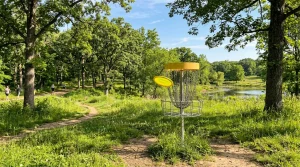
Welcome to “Building a Course: Land & Layout Planning,” where you’ll discover the essential principles of creating an engaging and well-structured course. Did you know that a well-planned course can significantly enhance learner experience and retention? Whether you’re a seasoned instructor or just starting out, understanding the layout and effective land use of your educational space is crucial. This guide will help you navigate key considerations, from selecting an optimal site to incorporating enlightening features that elevate your students’ journey. As we explore best practices and innovative ideas, imagine how a thoughtfully designed course can not only foster learning but also inspire a vibrant community of disc enthusiasts. Join us in unlocking the potential of your course space!
Building a Course: Land & Layout Planning
Building a successful disc golf course requires a thoughtful approach to land and layout planning, transforming raw terrain into an engaging playing experience. The initial stages involve more than just choosing a location; developers must evaluate the land’s characteristics, understanding how its natural features can enhance gameplay. One of the essential elements to consider is the topography. Gentle slopes can create an inviting layout, while strategically placed hills and valleys can introduce challenges and diversity to the play.
Furthermore, the placement of tees and baskets is critical for maximizing both accessibility and challenge. A well-considered layout not only ensures that players of all skill levels can enjoy the course but also encourages repeat visits. For instance, designing shorter, accessible tees can help newcomers build confidence, while longer, more challenging layouts can help seasoned players hone their skills. Engaging community athletes in the planning process can provide invaluable insight, helping to tailor the course to the local player’s preferences and abilities.
Incorporating natural features is another key consideration that enhances both the aesthetic and functional aspects of the course. By integrating trees, water hazards, and unique landforms into the design, course planners can create obstacles that challenge players while showcasing the beauty of the surroundings. Sustainable practices in land development, such as maintaining natural vegetation and minimizing disruption to wildlife, are also crucial for ensuring the longevity of the course and its acceptance within the community.
To successfully implement these ideas, utilizing modern technology can streamline the development process. Tools such as GIS (Geographic Information System) mapping aid in visualizing the terrain and planning out the course’s layout efficiently. With careful consideration and a methodical approach to land and layout planning, course developers can create an environment that meets the needs of the local disc golf community while encouraging growth and appreciation for the sport.
Understanding the Fundamentals of Course Design
Building a disc golf course is not just about placing baskets and tees; it requires a deep understanding of the sport’s dynamics and how to create an engaging environment for players of all skill levels. An essential aspect of course design is recognizing that every player interacts differently with terrain, wind, and obstacles. A well-designed course must balance fun and challenge, contributing to the growth and enjoyment of the sport. The fundamentals of course design encompass a broad range of considerations, each playing a pivotal role in transforming an outdoor space into a captivating disc golf experience.
To begin with, an awareness of disc flight characteristics is crucial. Understanding how discs behave in various conditions can inform placement decisions. For example, players may use different throwing techniques depending on the hole layout. A hole that threads through trees favors players with finesse and precision, while an open hole may allow for power throws. Therefore, incorporating a variety of hole types-straight, dogleg, elevated, and downgrades-can enhance the playability of the course and encourage diverse throwing styles.
Moreover, effective layout planning involves more than just strategic spacing between holes. Course designers should consider the flow of play, ensuring that players can navigate the course easily without excessive backtracking. A well-planned layout often includes alternative routes, providing players with options that cater to different skill levels and preferences. For example, offering shorter tees for newcomers can make the game accessible while still challenging seasoned players with longer and more complex throws.
Another fundamental aspect is maximizing the natural features of the land. Utilizing the existing topography can enhance the course’s visual appeal and provide natural hazards or obstacles that make play more engaging. Features such as water hazards, elevation changes, and mature trees can be leveraged to create a unique and challenging experience, fostering a connection between players and their environment. The integration of these elements not only celebrates the sport but also emphasizes sustainability by minimizing the need for extensive landscaping and alterations to the natural landscape.
By weaving together thoughts on terrain characteristics, player dynamics, and environmental integration, course designers can create a disc golf course that is not only enjoyable for players but also sustainable and holistic, appealing to a wide audience and nurturing a community around the sport. This approach fosters a lasting appreciation for disc golf and can invigorate local interest and participation in this dynamic sporting endeavor.
Key Considerations for Selecting Course Location
When it comes to selecting a location for a disc golf course, the right choice can significantly enhance both player experience and the overall success of the course. Before committing to a specific site, it’s essential to evaluate multiple factors that influence not only gameplay but also community engagement and sustainability.
Choosing land for a disc golf course requires careful consideration of topography and existing natural features. Ideal locations often include diverse terrains that can provide natural obstacles and elevation changes, creating thrilling shots and a varied playing experience. For example, a course that incorporates rolling hills or wooded areas can create unique challenges that keep players returning for more. However, it’s also vital to consider accessibility: the course should be easy to navigate, with clear paths between holes to facilitate smooth flow of play. Additionally, proximity to parking and public facilities can enhance the overall accessibility, making it welcoming for both casual players and serious competitors.
Another key element is ensuring community support and involvement. Before selecting a site, engaging with local residents, disc golf enthusiasts, and potential players can provide valuable insights into the area’s needs and expectations. Furthermore, introducing design plans that incorporate community feedback not only boosts local interest but also fosters a sense of ownership among players. For instance, hosting community meetings to discuss potential layouts and features can lead to innovative ideas that resonate with local interests, cultivating a vibrant and engaged player base.
Lastly, it’s crucial to assess the environmental impact of your chosen location. Selecting land that minimizes disruption to local wildlife and habitats aligns with sustainable practices and helps maintain the natural integrity of the area. Consideration of water drainage, seasonal weather patterns, and vegetation can lead to a well-balanced course that thrives in its environment. Notably, a course designed with the landscape in mind can offer both aesthetic beauty and functional integrity, creating a well-rounded disc golf experience.
In sum, the location of your disc golf course will not only influence gameplay but also determine the course’s sustainability and its acceptance in the community. By prioritizing diverse terrain, community involvement, and environmental responsibility, designers can lay the foundation for a thriving disc golf destination that appeals to players of all skill levels.
Essential Factors in Land Assessment
When embarking on the journey to design a disc golf course, the land assessment process is pivotal to creating a successful and enjoyable playing experience. The ideal site should not only enhance gameplay but also promote sustainability and community engagement. Analyzing natural features and environmental factors will help ensure that the course harmonizes with its surroundings while providing a challenging layout for players of all skill levels.
One of the most crucial aspects of land assessment involves evaluating the topography and overall terrain. This includes examining elevation changes, slopes, and unique landscape features that could both challenge and excite players. For instance, a course that utilizes rolling hills or incorporates natural water hazards can promote varied shot strategies and exciting gameplay. Additionally, understanding soil conditions is vital for planning drainage solutions and maintaining healthy turf.
Key Factors in Land Assessment
- Vegetation and Wildlife: The presence of trees, shrubs, and grasses can affect both play and course aesthetics. Tree coverage can create natural boundaries and obstacles, while open areas may allow for long drives. However, it’s essential to identify any wildlife habitats present to ensure minimal disruption and adhere to local environmental regulations.
- Accessibility and Amenities: The location should be easily reachable with sufficient parking and public facilities like restrooms. Clear pathways between holes can facilitate smooth flow and enhance the overall player experience. Consideration of proximity to community centers or schools can also draw in new players, increasing course popularity.
- Environmental Impact: Sustainable practices should be a priority, including assessing potential impacts on local ecosystems. Incorporating native plant species into the landscape design can support local wildlife and reduce maintenance needs. Additionally, the site should accommodate proper water drainage to prevent erosion and maintain course integrity through different seasons.
- Community Input: Engaging local players and residents during the planning phase is crucial. Their perspectives can help identify what features are most desired, whether that be challenging holes, scenic views, or additional amenities like picnic areas. Community involvement can also foster a sense of ownership and investment in the course, encouraging more players to participate.
By thoroughly assessing these essential factors, course designers can create a disc golf experience that is not only technically rewarding but also environmentally responsible and community-friendly. This careful planning will set the stage for a course that players cherish, making it a staple of the local recreation scene for years to come.
Creating an Accessible and Challenging Layout
Designing a disc golf course that both challenges players and remains accessible to all skill levels is an art form that can significantly enhance the overall experience. A great layout encourages players to employ various techniques, reflecting their skills while also providing enjoyable play for beginners. An effective layout should balance challenging elements, like elevation changes and obstacles, with accessible paths and clear signage that guide players through the course.
To create an inviting environment, consider a variety of hole lengths and types. Shorter holes can serve as “beginner-friendly” starters, while longer, par-4 or par-5 holes can appeal to seasoned players seeking a challenge. This diversity not only accommodates different skill levels but also introduces strategic gameplay elements, such as the need for risk management in shot selection. Making use of the natural terrain not only increases the satisfaction of players but also enhances the course’s visual appeal.
Incorporating accessible pathways is crucial. Ensure that all players, including those with mobility challenges, can navigate the course safely. Respectful design means creating smooth transitions between holes and adequate spacing to prevent congestion, particularly during tournaments or busy weekends. Additionally, respect for the environment can enhance accessibility-natural features like hills can be thrilling to navigate but should include thoughtful erosion control measures to maintain safe playing conditions.
Community involvement can greatly improve accessibility and challenge in course design. Hosting local workshops or design sessions can provide insights on what players desire in terms of holes, challenges, and amenities. Engaging players can help ensure that your layout is both enjoyable and reflective of the local playing culture, fostering a sense of ownership and enthusiasm among the community. By balancing accessibility with challenge in your disc golf course design, you can create a space that grows the sport while welcoming players of all abilities to enjoy the experience.
Designing Tees and Baskets for Optimal Play
Creating a disc golf course that offers optimal play begins with the thoughtful design of tees and baskets. These foundational elements are crucial not only for the aesthetics of the course but also for the challenge and enjoyment they provide to players of all skill levels. The placement, size, and materials used for tees and baskets can greatly influence the way a course plays, guiding both novice and seasoned players through an engaging experience.
When designing tees, consider the height and width that will best accommodate various player abilities. Standard tee pads are typically 5 feet by 12 feet, providing ample space for a full run-up, while junior or beginner tees can be shorter, making disc golf accessible for younger players and newcomers. Materials like concrete or rubber are durable choices that also enhance grip under different weather conditions. Additionally, placing tees at varying distances from the basket creates a strategic challenge; for example, shorter tees may allow for an easier shot, while longer tee positions can tempt more experienced players to take risks.
Baskets are another essential component, and their design can significantly affect gameplay. A high-quality basket should have a reliable catching system, with quality chains that minimize spit-outs. The height of the basket should be consistent with PDGA regulations (about 52 inches from the ground), allowing for fair play across different courses. The strategic placement of baskets is key; consider utilizing natural obstacles and varying terrain to increase difficulty while ensuring that baskets are visible from the tees. Small elevations, trees, or water hazards can add layers of complexity that make each hole unique and exciting.
Ultimately, the most successful courses blend the practical elements of tees and baskets with the natural landscape, promoting gameplay that is challenging yet enjoyable. Engage local disc golfers in the design process to gather insights on preferred layouts and obstacles. By prioritizing player feedback and maintaining a balance between accessibility and challenge in the design of tees and baskets, you position your course as a welcoming destination for players while celebrating the competitive spirit of disc golf.
Incorporating Natural Features into Course Design
Incorporating the natural features of the landscape into a disc golf course design can elevate both the aesthetic appeal and the gameplay experience, transforming a simple course into a memorable adventure for players. Each hole should harness the existing environment to create unique challenges that reflect the course’s natural beauty. The careful integration of trees, elevation changes, water hazards, and native flora not only enhances the visual landscape but also requires players to adapt their strategies based on the terrain, promoting a deeper engagement with the game.
When designing a course, consider the strategic use of trees. Tree-lined fairways can act as both obstacles and guides for players. They force competitors to shape their throws around them, encouraging creativity in shot selection. For example, tight gaps might be ideal for beginners, while seasoned players could face a more complex challenge when they’re forced to navigate skewed lines or avoid hazards. Make sure to assess the health of trees and the potential for growth or removal in the future; ensuring the integrity of these elements will keep your course sustainable long-term.
Additionally, utilizing elevation changes can drastically affect gameplay and difficulty. Hills, slopes, and ravines can be integrated into design to create a sense of depth and challenge. For instance, a downhill throw from a high tee provides an exhilarating moment for players, while uphill shots can demand careful control and power management. However, it’s critical to ensure that these features are safe and playable; steep drops can lead to injuries or damage to the course.
Water elements, like ponds or creeks, offer natural beauty and added difficulty. Carefully placed water hazards can penalize inaccurate throws and encourage more precise play. Installing these features thoughtfully-making them visible from tees while accessible only under optimal throwing conditions-can create dynamic tension during play. Furthermore, incorporating naturalized areas that support local wildlife emphasizes environmental sustainability and enhances the overall course experience.
Incorporating these natural elements should always be done with player experience top of mind. Engage the local disc golf community through consultation and feedback sessions. This approach not only helps gather insights on potential design improvements but also fosters a sense of ownership and connection to the course among its players. Ultimately, a well-designed disc golf course that embraces its natural surroundings will appeal to both competitive and recreational players, offering an enriching experience that showcases the beauty of the outdoors while honoring the sport.
Strategies for Balancing Aesthetics and Functionality
In the art of disc golf course design, achieving a harmonious balance between aesthetics and functionality is essential for creating an engaging and rewarding experience for all players. An aesthetically pleasing course attracts new players and provides a captivating backdrop for seasoned throwers, while functional design ensures safety, playability, and challenges that cater to various skill levels. To strike this balance effectively, consider integrating the following strategies.
Utilize Natural Landscapes
Leveraging the existing natural features of the land is a prime strategy for ensuring both beauty and playability. By maximizing the use of terrain, such as hills, valleys, and bodies of water, designers can create visually stunning courses that naturally guide gameplay. For example, a hole that skirts a pond not only provides an attractive view but also presents a strategic challenge by requiring players to make precise throws to avoid going out of bounds. This connection between design and the landscape enhances the overall experience, fostering a deeper appreciation of the sport and the environment.
Incorporate Variety in Layout
Another effective approach is to introduce a diverse mix of holes with varying lengths, obstacles, and layouts. Incorporating features like tightly wooded areas, open fields, and elevated tees can cater to different skill levels and throwing styles, ensuring that both beginner and advanced players find challenges that suit their abilities. For instance, shorter, tighter holes might engage novice players and encourage them to develop their skills, while longer, more complex configurations can challenge experienced players and push their strategic thinking.
Focus on Safety and Accessibility
Functionality also means prioritizing safety and accessibility for all players. Clear sightlines from tee to basket can help prevent accidents, and thoughtfully placed signage can guide players around the course effectively. When designing walking paths that connect tees to baskets, consider ensuring they are wide enough and well-maintained to accommodate all players, including those with mobility challenges. Additionally, features like seating areas under shade trees and water stations can enhance comfort and encourage a longer stay at the course, enriching the community experience.
Engage Community Feedback
Lastly, engaging the local disc golf community in the planning and design process helps ensure that the course meets their needs and preferences. Regular community meetings and feedback sessions can provide invaluable insights, guiding designers toward features that players genuinely desire, whether those are technical challenges or spaces for socializing. By fostering this sense of ownership and pride in the course, not only do you improve player satisfaction, but you also enhance the long-term sustainability of the course itself.
By applying these strategies, disc golf course designers can create spaces that are not only visually stunning but also functional and inclusive, keeping the player experience front of mind. This holistic approach ensures that every round played is not just a game but a celebration of nature, community, and the artistry of disc golf.
Utilizing Technology in Course Mapping
In today’s digital age, leveraging technology for course mapping can transform the design and implementation of disc golf courses, turning a traditionally analog process into a streamlined and efficient endeavor. Utilizing advanced software and tools not only contributes to the precision of course layouts but also enhances communication with stakeholders and future players. By incorporating technology, designers can visualize their concepts, make adjustments in real-time, and create a course that is both functional and engaging.
One of the most impactful technologies used in course mapping is Geographic Information Systems (GIS). This powerful tool enables designers to analyze the land’s topography and existing features, allowing for a more informed decision-making process when positioning tees, baskets, and fairways. With GIS, designers can create digital elevation models to predict how terrain will impact gameplay, ensuring that challenging features are integrated thoughtfully. Additionally, software like Disc Golf Course Designer (DGCD) offers user-friendly interfaces for mapping out courses, providing templates and graphics that simplify the creation of hole layouts and signage.
Utilizing Mobile Applications
Mobile applications can also play a crucial role in modern course design. Tools such as UDisc not only help players map and track their rounds but also gather data that can be utilized for improving course layouts. Designers can analyze player feedback and statistics on hole difficulty, traffic flow, and overall user experience, making data-driven adjustments to enhance playability. Engaging with players through these apps allows for ongoing feedback, promoting a sense of community and involvement in the course development process.
3D Modeling and Virtual Reality
Another exciting advancement in course mapping comes from 3D modeling and virtual reality (VR). These technologies allow designers to create immersive previews of the course, enabling stakeholders to experience the proposed layout virtually before any physical work begins. By visualizing how players will interact with the course, designers can experiment with different configurations and anticipate challenges that may arise, leading to a more refined final product. This proactive approach not only saves time and resources but also fosters excitement and buy-in from the community.
In summary, goes beyond mere convenience; it represents a shift toward a cohesive and inclusive design approach that values player input and adapts to natural landscapes. Integrating GIS, mobile applications, and 3D modeling can lead to innovative and engaging disc golf courses that attract players of all skill levels while continually evolving based on player experiences and feedback. By embracing these modern tools, course designers can create a disc golf environment that is as dynamic and welcoming as the sport itself.
Engaging the Community in Course Planning
Involving the community in the planning stages of a disc golf course can transform the project from a simple layout to a cherished local hub for recreation and camaraderie. Community engagement is not merely a formality; it breathes life into the design process and ensures that the course meets the needs of its users. By fostering a collaborative environment, course planners can create a space that not only attracts players of all skill levels but also enhances the local community’s appreciation for the sport.
To effectively engage the community, start by hosting open forums where local disc golf enthusiasts and non-players can voice their input. This dialogue can uncover valuable insights into what potential players seek, such as challenging layouts, beginner-friendly options, or scenic walking paths. Using tools like surveys and interactive mapping sessions allows community members to actively contribute to the design process. For instance, participants can mark their favorite areas of the land or suggest locations for tees and baskets based on their experiences and perceptions.
Building Partnerships
Creating partnerships with local organizations, schools, and clubs further enriches the process. By collaborating with these groups, you can host community events like disc golf clinics or tournaments, which not only promote the sport but also integrate valuable community feedback into the course design. These events can serve as an excellent platform for gathering real-time, practical advice on layout configurations and desired amenities. Additionally, leveraging local businesses for sponsorship opportunities can provide both financial support and promotional assistance that are crucial for a successful course launch.
Another significant benefit of community engagement is the potential for increased volunteer involvement during the construction and maintenance phases of the course. A feeling of ownership can inspire locals to contribute their time and effort, leading to a well-maintained and beloved course. For example, organizing volunteer days for landscaping, building tee pads, or installing signage can foster a strong bond between the course and its users. Such initiatives not only promote community spirit but also ensure that the course reflects the collective desires of its players while being cared for by those who use it.
By actively engaging the community throughout the planning and development stages, course designers can create a disc golf course that feels like a true extension of the local landscape-welcoming, inclusive, and aligned with the aspirations of all who play there. Ultimately, this collaborative approach ensures that the course not only serves as a venue for athletic competition but also as a space for gathering, learning, and growth within the community.
Evaluating and Adjusting Course Performance
To ensure a disc golf course remains vibrant and enjoyable for all players, establishing a robust evaluation process is essential. This ongoing assessment not only identifies areas for improvement but also helps adapt the course to the evolving preferences of the community. By taking the pulse of your players and analyzing various performance metrics, course designers can make informed adjustments that enhance both playability and user satisfaction.
One key method of evaluating course performance is through direct feedback. Gather insights from players through surveys, suggestion boxes, or community meetings. Ask specific questions about course layout, safety, and the challenge level presented by each hole. Feedback templates could include aspects such as the difficulty of specific holes, accessibility issues, and overall enjoyment. Consider creating an online platform where players can easily submit their thoughts, promoting greater participation and transparency in the feedback process.
Analyzing play statistics can also provide valuable data. Track how often certain holes are played, average scores, or wait times at popular spots. This statistical information can be instrumental in identifying bottlenecks or holes that may be either too easy or too difficult. For instance, if a particular hole has a significantly lower average score compared to others, it may indicate that it lacks challenge or appeal, prompting a redesign or unique feature addition.
Lastly, maintain flexibility in course design to allow for adjustments over time. As seasons change, so can course conditions; weather, plant growth, and even user population shifts may require tweaks to maintain an optimal experience. For example, if a tree becomes overgrown and affects gameplay or safety, remove or prune it as needed. Engaging with the community for seasonal feedback can keep the course dynamic and responsive, ensuring it remains a lively hub of activity.
By prioritizing evaluation and adaptability, course planners can cultivate an environment that meets player needs, encourages participation, and fosters a lasting love for the sport within the community.
Sustainable Practices for Long-term Course Maintenance
Implementing sustainable practices in the maintenance of a disc golf course is essential not only for environmental stewardship but also for providing an enjoyable experience for players that stands the test of time. Courses that embrace sustainability can enhance their appeal while minimizing long-term operational costs, making them more resilient to environmental changes and community needs.
One of the most effective sustainable practices involves the careful selection and management of vegetation. Utilize native plants that require less water and maintenance, creating plantings that provide natural beauty while also supporting local wildlife. For example, establishing areas of wildflowers not only creates a visually stunning landscape but also attracts pollinators, enriching the ecosystem and adding to the overall aesthetic of the course. Moreover, consider using mulch and organic fertilizers to improve soil health and reduce the need for chemical treatments, which can be harmful to the environment.
Another crucial element is water management. Implementing rain gardens and permeable pathways can help manage stormwater runoff, preventing erosion and waterlogging while enhancing the course’s natural features. Collecting rainwater for irrigation is an excellent way to conserve resources; it can be particularly advantageous in regions prone to drought. Regularly inspecting and maintaining irrigation systems not only prevents water wastage but also ensures that areas of the course remain lush and playable throughout the seasons.
In addition, encourage a culture of community involvement in maintenance activities. Organizing volunteer days where local players help with trash collection, planting trees, or general upkeep can strengthen community ties while empowering players to take ownership of their course. Such practices foster respect and pride in the course environment, encouraging responsible usage and maintenance.
Lastly, always be mindful of potential waste generated from disc golf operations. Establishing recycling and composting stations near high-traffic areas encourages players to dispose of waste responsibly. Not only does this reduce the ecological footprint of the course, but it also promotes awareness of sustainability among players, turning a fun pastime into an educational experience.
By adopting these sustainable practices, disc golf courses can ensure their longevity and appeal while contributing positively to the environment and community spirit.
Innovative Ideas for Course Features and Enhancements
Innovative features and enhancements can transform a disc golf course into a captivating experience, enhancing both playability and community engagement. One of the most exciting ideas is incorporating multi-use pathways that not only serve disc golfers but also encourage foot traffic, biking, and walking. By integrating these paths within the course layout, you can promote fitness and social interaction, making the course a vibrant community hub. Consider adding signage along these paths that not only informs players about the course but also educates them on local flora and fauna, emphasizing the connection between disc golf and environmental stewardship.
Another innovative approach is to create thematic holes that reflect local culture or history. For example, you might design a hole that utilizes unique sculptures or art installations from local artists, turning a typical round of disc golf into a community gallery walk. This not only adds character to the course but also fosters local pride and encourages community involvement. You could also host local art events or competitions centered around these installations, inviting community members to participate and engage with the course in a creative way.
Eco-Friendly Enhancements
Incorporating sustainable technology can also elevate a course’s appeal. Solar-powered tee signs that display real-time weather updates, course maps, or even score tracking can significantly boost the convenience for players and elevate their overall experience. These tech advancements align well with eco-conscious efforts while also appealing to a tech-savvy audience. Additionally, consider efficient waste management systems with strategically placed composting and recycling bins, encouraging responsible disposal and raising awareness about sustainability.
Another enhancement to consider is the integration of nature-based features such as rain gardens or habitat areas designed to attract wildlife. By creating spaces that support local biodiversity, you enhance the aesthetic appeal of the course while simultaneously promoting ecological health. Players will enjoy the enhanced scenery, and your course could become a sanctuary for local species. These features not only improve the course’s environmental footprint but also deepen players’ connection to nature, enriching their overall experience.
Finally, don’t underestimate the power of community engagement through events and volunteer opportunities. Create a calendar of local tournaments, cleanup days, and workshops that build camaraderie among disc golfers, drawing in newcomers while fostering a competitive spirit among seasoned players. This sense of community can enhance your course’s reputation, making it a sought-after destination for both serious competitors and casual players alike. By continually innovating and enhancing your course, you ensure its place as a cherished community asset that grows and evolves with its users.
Frequently Asked Questions
Q: What are the best practices for land assessment when building a course?
A: Best practices for land assessment include evaluating soil quality, topography, and existing vegetation. Conduct a comprehensive site analysis to identify drainage patterns and wildlife habitats, ensuring the land can support the course’s design objectives. For more insights, refer to the section on Essential Factors in Land Assessment.
Q: How can I incorporate sustainability into my course design?
A: To incorporate sustainability into your course design, use native plants and minimize chemical treatments. Opt for renewable materials in construction and include features like rain gardens to manage water runoff. This aligns with strategies detailed in Sustainable Practices for Long-term Course Maintenance.
Q: Why is engaging the community important in course planning?
A: Engaging the community in course planning fosters local support and encourages a sense of ownership. Community input can help identify features that enhance playability and ensure the course meets the needs of diverse users. For effective strategies, explore the section on Engaging the Community in Course Planning.
Q: What technology can I use for mapping out a course layout?
A: Utilizing GIS (Geographic Information Systems) and specialized software like Disc Golf Course Designer can streamline mapping efforts. These tools offer precision in visualizing terrain and can help plan for accessibility and play challenges, as discussed in Utilizing Technology in Course Mapping.
Q: How can I create a challenging yet accessible layout?
A: To create a challenging yet accessible layout, incorporate varying hole lengths, technical shots, and obstacles while ensuring clear paths and adequate signage. Integrate features that accommodate players of all skill levels, enhancing overall playability. See more in the Creating an Accessible and Challenging Layout section.
Q: What factors should I consider when designing tees and baskets?
A: Key factors to consider include elevation changes, player skill levels, and local conditions. Tees should be positioned to offer diversity while ensuring baskets are placed to challenge players without compromising safety. More details can be found in Designing Tees and Baskets for Optimal Play.
Q: How do natural features influence course design?
A: Natural features can enhance a course’s aesthetics and challenge. Utilize existing trees, water bodies, and elevations as strategic elements to create unique holes and integrate the course into the landscape. For more, refer to Incorporating Natural Features into Course Design.
In Retrospect
As we conclude our course on “Building a Course: Land & Layout Planning,” remember that effective course design not only enhances learning outcomes but also fosters a vibrant community of engaged participants. By applying the principles we’ve covered, you’re well-equipped to create immersive learning experiences that resonate with your audience. Don’t miss the chance to further refine your skills-explore our resources on community engagement strategies and course delivery techniques to help you elevate your offerings even more!
Ready to take action? Sign up for our newsletter to stay updated on upcoming courses and exclusive insights, and check out our expert guides on maximizing learner engagement and optimizing your course layout. Your journey doesn’t end here-join the conversation in the comments below and share your thoughts or questions. Together, let’s build incredible learning environments that inspire and connect!
Get our latest guides, news, and insights highlighted in your Google Search & AI Overviews.