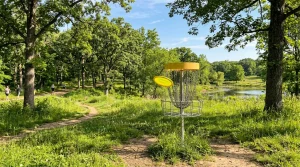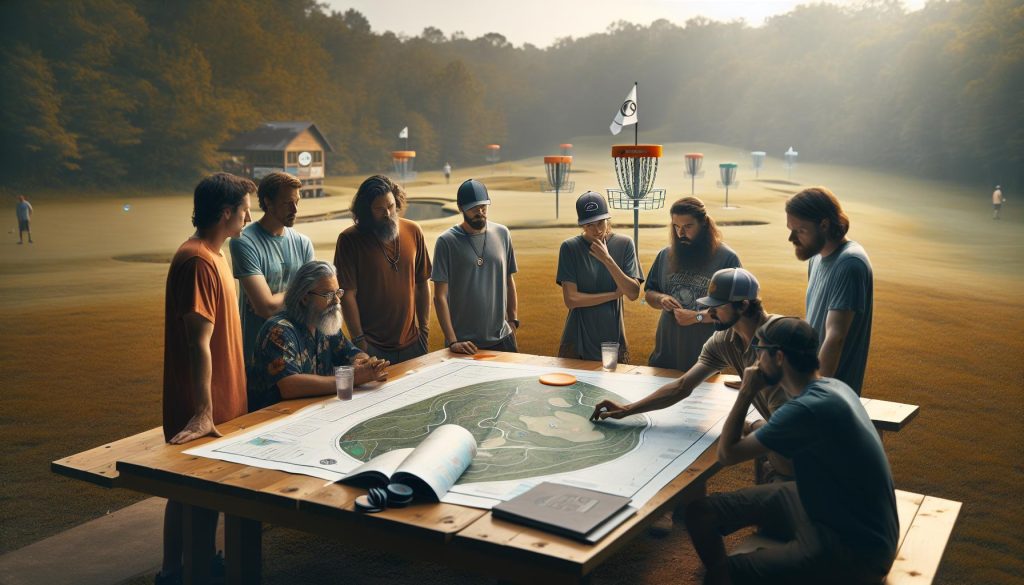
Are you passionate about disc golf and considering hosting your own tournament? You’re not alone! With disc golf’s rapid growth, many enthusiasts are eager to create memorable events that bring the community together. However, starting a tournament at a disc golf course involves understanding specific event planning rules and regulations that ensure a successful day for everyone involved. From securing the right permissions to managing player registrations, grasping these essential aspects can turn your vision into reality. As you read on, you’ll discover practical tips and insights that will empower you to confidently navigate the tournament planning process, making your event a highlight of the local disc golf scene. Whether you’re a seasoned competitor or just diving into the world of disc golf, this guide will provide invaluable information to help you make your tournament a resounding success.
Choosing the Right Venue for Your Tournament
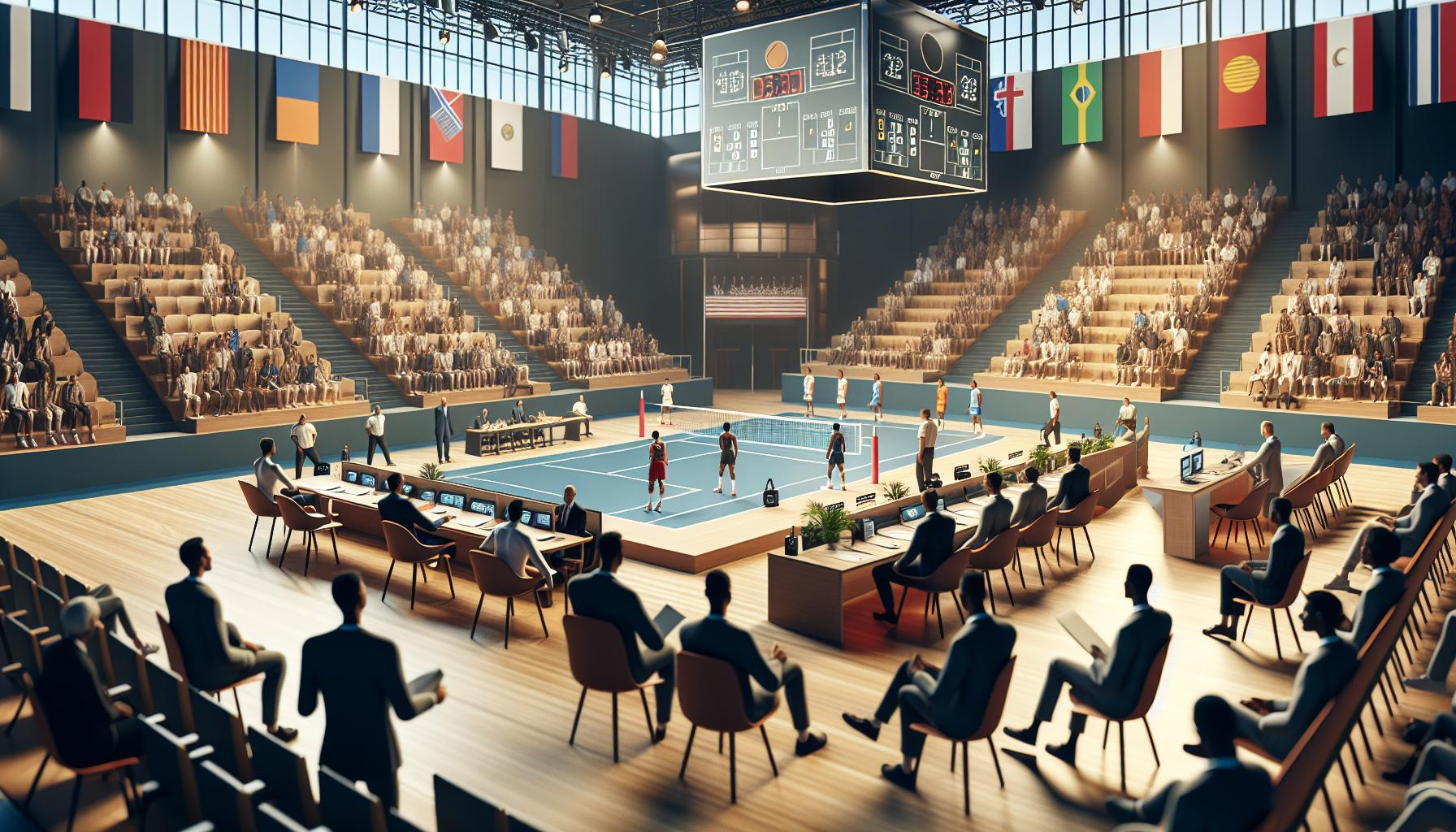
Selecting the right venue is crucial for creating a successful disc golf tournament. The location not only impacts participant experience but also reflects the spirit of the sport. A well-chosen venue can enhance the competition, attract players, and foster a sense of community. Consider venues that not only boast a challenging and accessible course layout but also provide essential amenities such as parking, restrooms, and space for tournament-related activities.
When evaluating potential venues, take into account the course’s layout and overall condition. Look for courses that offer a variety of hole designs and difficulty levels, as this will cater to both novice and seasoned players. If possible, visit the course to assess the space directly. Pay attention to pathways between holes, as congested areas can lead to delays and decreased enjoyment for participants. Additionally, ensure that the venue has the capacity to accommodate your expected number of players along with their support teams and spectators.
It’s important to communicate with the venue management to understand any rules or regulations they may have in place. This includes specifics about alcohol consumption, noise restrictions, and any other activities that may conflict with the tournament. Collaboration with the course’s staff can also lead to valuable insights about the venue’s facilities and could facilitate arrangements for setups like player check-in areas, scoring tents, and refreshments.
Moreover, consider the venue’s accessibility for players of all abilities. A course that is friendly to newcomers, with clearly marked paths and signage, enhances the experience for all participants. By ensuring that the venue caters to a diverse player base, you uphold the values of inclusivity and community, essential tenets of disc golf culture. Well-chosen venues not only boost the tournament’s success but also help promote disc golf as a legitimate sport, setting the tone for future events.
Understanding Disc Golf Tournament Formats
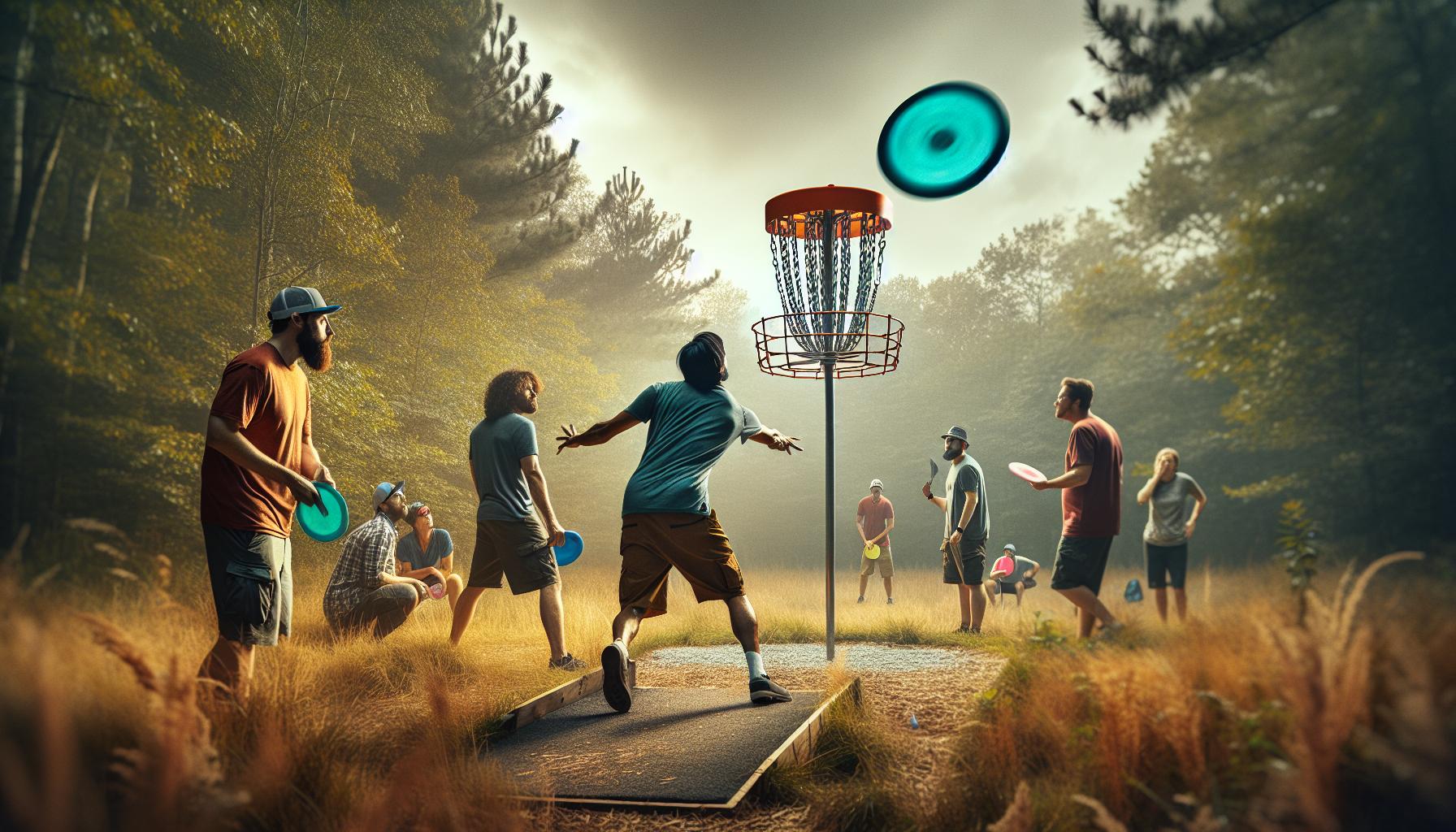
Understanding the different tournament formats in disc golf is essential for any event planner looking to create a successful experience for players of all skill levels. Whether you’re organizing a casual gathering or a competitive showdown, choosing the right format can significantly impact player engagement and enjoyment.
One popular format is Stroke Play, where each participant tries to complete the course in the fewest strokes. This widely recognized format is straightforward and effective, making it ideal for both beginners and seasoned players. Additionally, during Stroke Play events, players typically compete individually, which fosters personal achievement and accountability.
Match Play
Another engaging format is Match Play. In this setup, players compete head-to-head, with the goal of winning more holes than their opponent. This format introduces an element of strategy, as players must consider both their play and that of their opponent throughout the round. Match Play can add excitement, especially in knockout rounds, where the intensity ramps up, and spectators can easily follow the direct competition.
Best Disc and Team Formats
For those looking to encourage camaraderie and fun, Best Disc or team formats are excellent choices. In Best Disc, teams of players each throw from the tee, and the team selects the best throw for the next shot. This format not only enhances teamwork but also makes it easier for players of varying skill levels to contribute to the team’s success.
Additionally, formats like Skin Games or Scrambles allow for more dynamic play. In Scrambles, players work as a team to achieve the best score possible, which can lead to a more relaxed and enjoyable atmosphere, making it perfect for community-focused tournaments.
No matter the format chosen, it’s crucial to clearly communicate the rules and structure to participants ahead of time. This ensures everyone knows what to expect and allows them to engage more fully. Consider the goals of your tournament-whether they include fostering competition or reinforcing community bonds-and choose the format that best aligns with those objectives. Engaging players in the planning process can also enhance their enthusiasm, making your disc golf tournament an event they won’t forget.
Essential Equipment for Disc Golf Events
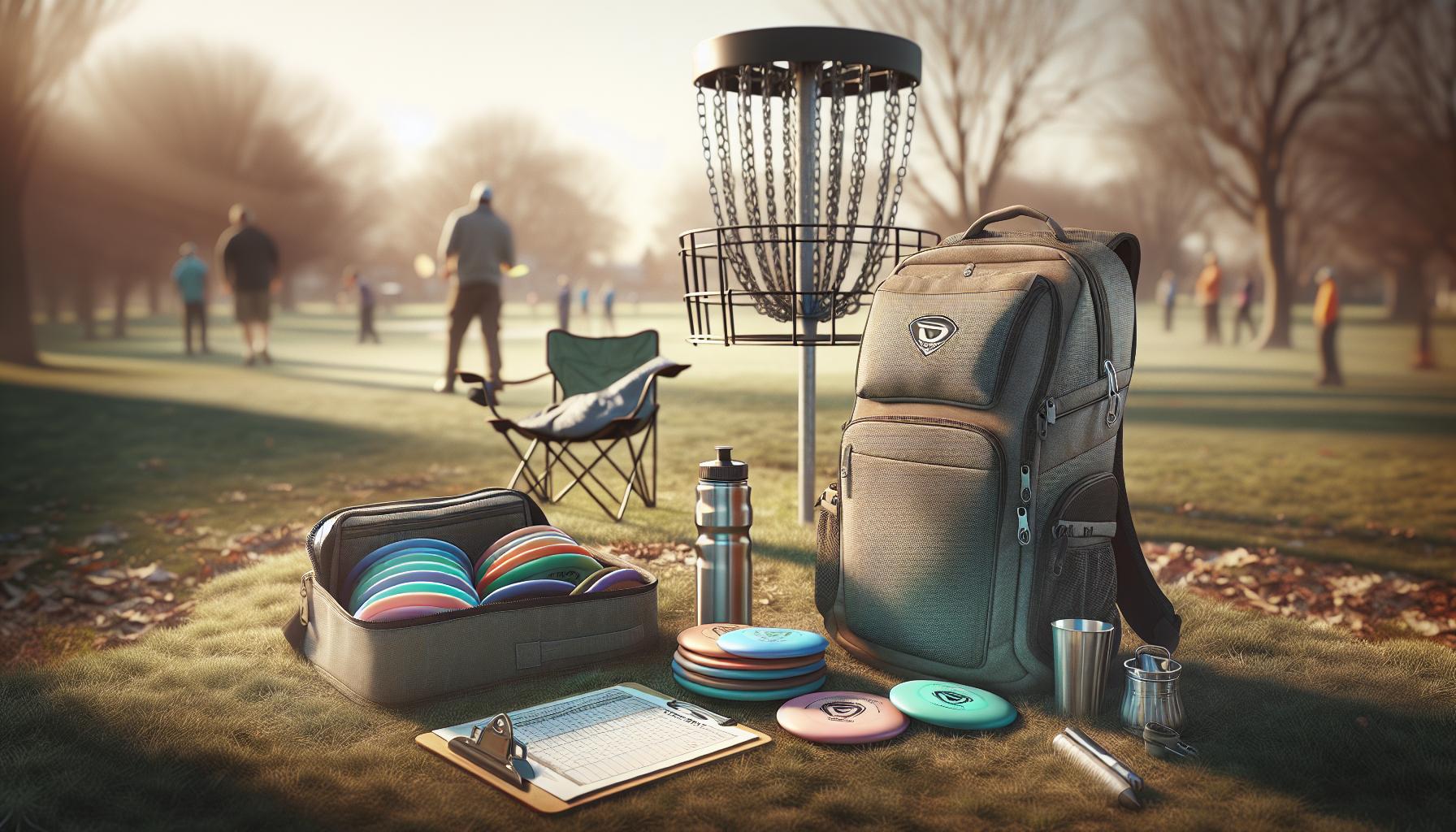
When organizing a disc golf tournament, having the right equipment is essential for ensuring both an enjoyable experience for participants and a smooth-running event. Each item, from discs to scorecards, plays a role in contributing to the professionalism and fun of your tournament. For many newcomers, it might be surprising how diverse the equipment list can be, so let’s explore the essentials you’ll need to gather.
One of the most obvious pieces of equipment is the disc golf discs themselves. Typically, a tournament allows players to use a variety of discs, including putters, mid-range discs, and drivers, each designed for different throwing distances and styles. It is advisable to encourage players to bring their preferred discs, as familiarity with their gear can significantly affect performance. For those entering the sport, consider providing a selection of beginner-friendly discs that players can use for practice or even as giveaways to foster interest.
In addition to the discs, you will require a variety of scorekeeping tools. Whether you opt for traditional paper scorecards or use digital systems via smartphone apps, having a reliable way to track player scores is crucial. Apps can offer live score updates, minimizing the need for manual calculations and providing immediate access to leaderboards. Make sure to test any technology in advance to prevent glitches on the day of the event.
Another vital component is the course setup itself, which includes tournament-specific baskets, markers, and signage. Ensure that you’re using high-quality baskets that comply with PDGA regulations for tournaments. Clear signage will help guide players throughout the course, preventing confusion and helping maintain schedule adherence.
Lastly, don’t overlook the importance of safety and amenities. First aid kits should be readily available in case of minor injuries. Additionally, having water stations will keep players hydrated, especially in warmer weather. Consider setting up a small area for snacks and refreshments, which can enhance player experience and also encourage social interaction among participants.
By carefully selecting and preparing the necessary equipment, you can ensure that your tournament will be a well-organized and memorable event for all involved. Fostering an inclusive atmosphere will help grow the sport within your community, inviting new faces to join the ranks of passionate disc golf enthusiasts.
Planning Your Tournament: Step-by-Step Guide
Planning a disc golf tournament is an exhilarating endeavor that can bring together players of all levels in a friendly yet competitive environment. To ensure your event runs smoothly and accommodates all participants, follow these sequential steps tailored for success, whether you’re a first-time organizer or a seasoned pro.
Start by selecting an appropriate venue-ideally, a disc golf course that can comfortably accommodate the number of players while providing various levels of challenge. Check with local parks or community centers to secure the necessary permissions and verify any specific regulations. It’s highly beneficial to visit the course beforehand, assessing its layout and potential hazards, creating a mental map for effective course design and flow.
Next, define your tournament format. Options can range from casual rounds to more structured competitive formats such as Stroke Play or Match Play. By communicating this clearly in your pre-tournament marketing, you help ensure participants understand what to expect and can prepare accordingly. For example, a fun-filled casual tournament might focus on inclusivity and fun challenges, while a serious, sanctioned tournament will adhere strictly to PDGA rules and scoring systems.
You’ll also want to consider registration logistics. Online platforms greatly simplify this process, allowing you to manage entries and payments seamlessly. Ensure you have a clear plan for check-in on tournament day, coupled with a dedicated team to assist players and handle any questions or issues that arise. This proactive approach minimizes crowding and maximizes player engagement from the outset.
Lastly, think about incorporating elements that enhance the overall experience: from pre-tournament clinics for beginners to post-event awards ceremonies celebrating various achievements. Your goal is to create an event that not only draws players but also strengthens community ties among avid disc golf enthusiasts. By focusing on these details and keeping the player experience at the forefront, your tournament can set a benchmark in your local disc golf scene.
Setting Up Disc Golf Course Rules and Regulations
Establishing clear and comprehensive rules and regulations for your disc golf tournament is essential for ensuring fair competition and an enjoyable experience for all participants. You’ll want to consider several aspects that encompass everything from throw procedures to player conduct. By doing so, you build a respectful environment that encourages spirited competition while maintaining the integrity of the game.
Begin by detailing the general rules that align with established organizations such as the Professional Disc Golf Association (PDGA). Ensure that all players understand the fundamental aspects, including the proper throwing order, how to resolve disputes, and the consequences for rule violations. For instance, outline how to handle out-of-bounds areas, which could include natural obstacles like water hazards or constructed barriers like fences. Clarifying these rules before the event helps avoid confusion and potential conflicts during play.
Additionally, emphasize the importance of player etiquette on the course. This includes maintaining silence when others are throwing, ensuring a clear path for players, and being respectful of the course and its surroundings. You could even create a brief “code of conduct” document that players must read and acknowledge upon registration. This not only highlights the importance of sportsmanship but also fosters camaraderie among participants, further enhancing the tournament atmosphere.
Lastly, communicate any specific local regulations that may apply to the venue. This could encompass rules regarding the use of certain equipment, safety measures, and local ordinances that might affect play times or behavior on the course. By integrating local guidelines with your specific tournament regulations, you demonstrate diligence in following best practices and reinforce community trust in your event management.
By setting a solid foundation of rules and regulations, you create a structured environment that encourages fair play and enriches the overall tournament experience, allowing disc golf to be celebrated for both its competitive edge and community spirit.
Gathering Community Support and Sponsorships
Collecting community support and securing sponsorships is fundamental to the success of any disc golf tournament. Engaging local businesses, enthusiasts, and clubs not only fosters a sense of community but also enhances the tournament experience for players and spectators alike. Start by identifying key stakeholders in your area who have an interest in disc golf or the broader outdoor sports community. This could include local sporting goods stores, breweries, restaurants, and even parks and recreation departments that might see the value in promoting a healthy, active lifestyle.
Establishing Partnerships
Reach out to potential sponsors with a well-prepared proposal outlining the benefits of investing in your tournament. Highlight aspects such as brand visibility, community engagement, and the opportunity to connect with a dedicated audience of disc golf players and fans. Offer various sponsorship tiers with differing levels of exposure, from logo placement on event materials and banners to product giveaways and featured booths at the event. This approach allows businesses to choose a level of investment that suits their marketing budget while ensuring they still receive adequate recognition.
Community Involvement
Hosting informational meetings or social events leading up to your tournament can be an excellent way to build excitement and gather support. These gatherings provide a platform for local disc golfers and businesses to voice their ideas, collaborate, and ensure everyone feels invested in the success of the event. Create a positive narrative around the tournament by emphasizing its community impact, such as promoting local tourism through disc golf events and showcasing the area’s natural beauty.
Moreover, consider organizing pre-tournament events or fun leagues to build momentum. These can serve as a promotional tool that further engages the community, giving local players a taste of the competitive environment while inviting new participants to the sport. Collectively, these strategies will not only solidify support for your tournament but will also help elevate the profile of disc golf as an exciting and legitimate athletic pursuit.
Marketing Your Disc Golf Tournament Effectively
Effective marketing is the backbone of a successful disc golf tournament, capturing the interest of players and spectators alike while creating an energetic community atmosphere. To grab attention, consider using compelling visuals and engaging storytelling that highlights the unique aspects of your tournament, such as special prizes, local sponsorships, and the beautiful natural environment of the disc golf course. Powerful images and video clips of previous events or exciting tournament features can effectively convey the fun and competitive spirit, drawing interest from players of all skill levels.
Utilizing social media platforms is crucial. Craft a comprehensive marketing plan that includes posts, stories, and live videos on platforms like Instagram, Facebook, and TikTok to reach a broad audience. Create an official event page and update it regularly with information about the tournament format, registration deadlines, and participant highlights. Engaging local disc golf communities and organizations by sharing posts in groups can also amplify your reach and encourage word-of-mouth promotion. Consider launching a hashtag specific to your tournament to create a buzz and make it easier for participants to share their experiences.
Collaborative Marketing Efforts
Partnering with local businesses can significantly enhance your marketing outreach. Sponsor partnerships can allow for cross-promotion; for instance, local breweries can offer discounts on drinks to tournament attendees, further incentivizing players and spectators to engage with both their business and your tournament. Create flyers and posters to be displayed in local sporting goods stores and community centers, ensuring to include QR codes leading to your registration page or social media accounts.
Leverage Email Marketing
Don’t overlook the power of email communication. Build an email list by collecting contacts through early registration or community events. Craft newsletters that keep potential participants informed about tournament updates, local disc golf news, and player spotlights. This personal touch not only keeps interest alive but also cultivates a community around the event. Include clear calls-to-action to encourage quick registrations, as timely responses can help solidify the number of participants early on.
Combining these strategies will not only increase visibility for your tournament but also establish disc golf as a vibrant, growing sport in the community. Aim to create an inclusive environment where new players feel welcome while providing competitive energy for seasoned players. The effective marketing of your disc golf tournament can pave the way for future events, fostering a strong culture of disc golf in your area and ensuring every player leaves with lasting memories.
Managing Registrations and Player Communication
Managing registrations and maintaining effective player communication is foundational to the success of your disc golf tournament. A well-structured registration system not only facilitates a smooth sign-up process but also enhances the overall experience for participants, setting a positive tone even before the tournament begins. Utilizing online registration platforms can streamline this process significantly. Services like DiscGolfScene or Eventbrite allow you to manage participant data easily and offer features such as payment collection, automatic confirmations, and user-friendly interfaces that appeal to both tech-savvy players and newcomers alike.
Upon registration, prompt communication is key to keeping participants informed and engaged. Sending confirmation emails immediately after registration ensures players know their spot is secured, while a detailed pre-tournament communication strategy can help address common queries. Include essential details like schedules, course layouts, player meeting times, and any changes due to weather or logistical challenges. Regular updates via email or your tournament’s social media channels can nurture a sense of community, reinforcing that their participation is valued. Consider creating a dedicated event page where players can find all relevant information in one easily accessible location, complete with contact information for direct inquiries.
Interactive communication adds another layer to the experience. Engage with your participants through polls, surveys, or Q&A sessions leading up to the event. This not only allows players to voice preferences or concerns-such as preferred tee times or formats-but also fosters a sense of ownership among participants. For example, if you are considering options like a shotgun start or traditional start times, asking for input can increase excitement and investment in the event.
Finally, being responsive to player communication during the tournament itself is crucial. An easily reachable tournament director can help mediate issues and provide essential information, ensuring every participant feels supported throughout the event. Use tools like a dedicated tournament app or group chat to facilitate quick updates and enable real-time communication among staff and players. This proactive approach will not only help manage expectations but also contribute to a positive overall atmosphere, crucial for the enjoyment of every participant-whether seasoned competitor or enthusiastic newcomer.
Creating an Engaging Tournament Schedule
is a key element in crafting a memorable disc golf event. A well-structured timetable not only enhances the flow of the competition but also ensures that players, spectators, and volunteers stay informed and engaged in the excitement of the day. Consider that each participant is not just there to compete; many come to relish the community and experience that disc golf fosters.
To start, you should carefully consider the ideal timing for various events throughout the day. An effective tournament schedule often includes:
- Player Check-In: Begin with a clear window for check-in to confirm registrations and distribute any materials like scorecards or player packs. Setting this early allows players to familiarize themselves with the area.
- Player Meeting: Host a brief meeting before the round starts to outline rules, share important information about the course, and address any last-minute details.
- Warm-Up Period: Designate a time for players to warm up-this can significantly enhance performance and reduce the risk of injury.
- Start Times: Depending on your format, stagger start times or opt for a shotgun start. This can affect how you schedule lunch breaks and award ceremonies.
- Lunch and Breaks: Incorporating breaks is essential. Allowing players to relax and recharge boosts morale and creates opportunities for social interaction.
- Awards Ceremony: End the day with an uplifting awards ceremony that honors not just the top finishers but also highlights participation and sportsmanship awards.
As you create the schedule, it’s important to communicate it clearly through multiple channels. Utilize social media, email newsletters, and a dedicated event webpage to ensure everyone has access to the schedule in advance. Providing a quick reference guide, such as a downloadable PDF or a mobile-friendly version of the schedule, can enhance accessibility and increase player satisfaction.
Lastly, consider feedback mechanisms to improve your scheduling for future tournaments. Engage with participants post-event through surveys or informal conversations to gather insights on what worked well and what could be improved. This not only helps in refining future events but also fosters a sense of community, encouraging players to return for your next tournament. A well-planned schedule reassures participants that their time is valued, elevating the overall event experience and solidifying the tournament’s reputation in the local disc golf scene.
Implementing Scoring Systems and Leaderboards
Implementing an effective scoring system and leaderboard is crucial for any disc golf tournament, transforming a casual gathering into a competitive and engaging experience. A well-structured scoring approach not only ensures transparency and fairness but also enhances the excitement of the event for players and spectators alike. This guide will explore various methods and considerations for setting up scoring that caters to both newcomers and seasoned pros.
At the core of any disc golf tournament is the scoring system. Most events utilize the traditional stroke play format, where each player’s total strokes for the round determine their score. However, it’s essential to have the right tools in place to record and manage these scores efficiently. Utilizing digital scoring platforms, such as UDisc or PDGA Live, can streamline the process, allowing real-time updates on scores and leaderboards. These platforms often come with features that automate calculations, reducing potential errors and allowing players to focus on their game instead of their scorecards.
Creating Clear Leaderboards
Clear and accessible leaderboards can significantly boost the tournament’s atmosphere. Displaying scores prominently during the event helps to maintain engagement and provides a competitive edge as players can see how they measure up against their peers. Whether using a digital display or traditional leaderboard boards, ensure that all players’ scores are updated consistently. Consider setting up leaderboards for different categories, such as men’s, women’s, and junior divisions, along with special categories like longest drive or closest to the pin. This not only caters to a wider audience but also recognizes various skill sets within the event.
- Scorecards: Prepare scorecards that are easy to understand. Include player names, holes, and boxes for recording scores. Having a small section for additional notes or comments can be helpful for personal reflection later.
- Transparency: Ensure players know how scoring is conducted and how ties will be resolved ahead of time. Clarity in rules fosters trust and enhances the competitive spirit.
- Post-Round Updates: After each round, take a moment to announce the current standings. This allows players to gauge their performance and motivates them for the final round.
Harmonizing your scoring system with comprehensive communication efforts also plays a pivotal role. Utilize social media and a dedicated event website to share live updates and engage with participants before and during the tournament. This creates a vibrant community experience where players feel connected and invested in the event’s outcome. By focusing on effective scoring and leaderboard management, you’ll not only enhance the competitive atmosphere but also celebrate the spirit of disc golf as a thriving community sport.
Tips for Ensuring a Smooth Event Day Experience
Planning a successful event day for your disc golf tournament requires meticulous preparation and a touch of creativity to create an atmosphere that welcomes both seasoned competitors and newcomers to the game. One of the essential aspects of organizing an enjoyable event is effective time management. Creating a detailed schedule that includes registration times, player briefing, course opening, and estimated finish times can alleviate anxieties and keep everything flowing smoothly. Make sure to communicate this schedule clearly to all participants, possibly through an event program or on a prominently displayed board at the check-in area.
To further the sense of community and engagement, consider integrating interactive elements throughout the day. Setting up a welcome booth can serve as a hub for participants to collect their scorecards, get information on course rules, and learn about any local attractions or sponsors. Offering a small clinic or Q&A session with experienced players or coaches can also provide newcomers with valuable insights and confidence-building tips, enhancing their overall experience.
It’s vital to ensure all necessary equipment is ready and accessible on-site. This includes scorecards, pencils, and a reliable system for tracking scores-whether digitally or manually. Volunteers should be stationed at crucial points around the course to assist players with any questions or issues that arise, such as providing directions or equipment for those who might have forgotten essential items. Engaging volunteers not only enhances the event’s efficiency but also fosters a spirit of camaraderie among the organizers and participants.
Lastly, consider the importance of refreshments and relaxation areas. Providing access to water stations and light snacks will keep players hydrated and energized, while creating spaces where participants can socialize or discuss strategies can turn the event into a memorable gathering. Balancing competition with community will not only elevate the tournament experience but solidify disc golf’s position as a beloved sport within the local culture. By fostering an inclusive and engaging atmosphere, you set the stage not just for a successful tournament, but for a thriving disc golf community.
Post-Tournament: Celebrating Success and Feedback
Celebrating the success of your tournament extends far beyond the final score and the top placement trophies; it’s about creating lasting connections and feedback loops that strengthen the disc golf community. After the competition wraps up, it’s essential to take a moment to appreciate the hard work of all involved-organizers, participants, volunteers, and sponsors. Consider hosting a post-tournament gathering, whether it’s an informal picnic at the course or a dedicated awards ceremony. This not only allows everyone to unwind but also fosters a sense of camaraderie that’s fundamental to the sport.
In addition to celebrating, gathering feedback is equally vital to the growth and improvement of future events. A simple survey can collect insights on participants’ experiences, covering aspects like course setup, organization, and overall enjoyment. Asking participants specific questions, such as what they liked best and what could improve, will yield actionable data that can guide future tournaments. Consider incentivizing feedback with a small prize draw; this encourages more responses and demonstrates you value their input.
Creating a robust follow-up plan is fundamental. Send out thank-you notes to all participants and volunteers, along with highlights from the tournament, such as notable moments or personal best scores. Sharing photos and videos through social media or newsletters can keep the excitement alive and showcase the event’s memories. Use this opportunity to start conversations about next year’s event or to gauge interest in different formats or courses, thereby promoting ongoing engagement.
Finally, recognize outstanding performances not just through medals, but by highlighting personal achievements on platforms where your players congregate. Create a leaderboard on your website or social media that celebrates individual accomplishments, such as the most creative throw or the best come-from-behind victory. This not only boosts morale but creates a competitive yet friendly atmosphere that encourages players to aim for personal bests in future tournaments. Ultimately, by focusing on celebration and feedback, you lay the groundwork for a thriving disc golf community that welcomes both newcomers and seasoned players alike.
Frequently Asked Questions
Q: What permits do I need to start a disc golf tournament?
A: To start a disc golf tournament, you may need to obtain a special event permit from your local government or park authority. It’s essential to check with your chosen disc golf course for any specific requirements or rules regarding event hosting. For detailed guidance, refer to the Choosing the Right Venue for Your Tournament section.
Q: How do I promote my disc golf tournament effectively?
A: Promoting your disc golf tournament can be done through social media, local disc golf clubs, and community boards. Create engaging content that highlights the event details and benefits of participation. Leverage email newsletters and consider partnering with local businesses for cross-promotion, as outlined in the Marketing Your Disc Golf Tournament Effectively section.
Q: What is the best format for a disc golf tournament?
A: The best format for a disc golf tournament depends on your audience and goals. Common formats include singles, doubles, or a scramble. For competitive events, using divisions based on skill level can enhance the experience. Explore various Understanding Disc Golf Tournament Formats for more insights.
Q: How can I handle player registration for my disc golf tournament?
A: To handle player registration effectively, use online platforms like DiscGolfScene or Eventbrite to streamline the process. Set clear deadlines and communicate registration details in advance. For organizing your registration process, check the Managing Registrations and Player Communication section.
Q: What equipment is necessary for hosting a disc golf tournament?
A: Essential equipment for hosting a disc golf tournament includes disc baskets, scorecards, pencils, and possibly a portable scoreboard. Ensure you have enough discs for loaner supplies and any required signage. Refer to the Essential Equipment for Disc Golf Events section for further information.
Q: How can I ensure a smooth event day experience for participants?
A: To ensure a smooth event day experience, create a detailed schedule, provide clear instructions for players, and have a team ready for support. Regular updates via a loudspeaker or scoreboards can keep participants informed. See the Tips for Ensuring a Smooth Event Day Experience for more tips.
Q: What should I include in my tournament rules?
A: Your tournament rules should include scoring systems, player conduct expectations, and specific game regulations like allowable equipment. It’s crucial to communicate these rules clearly to all participants prior to the event. Guidance on this can be found in the Setting Up Disc Golf Course Rules and Regulations section.
Q: How do I gather community support for my disc golf tournament?
A: To gather community support, engage local disc golf clubs, seek sponsorship from businesses, and promote the event through community channels. Building relationships with local players can increase attendance and involvement. Refer to the Gathering Community Support and Sponsorships section for strategies.
Final Thoughts
Ready to take the plunge into organizing your very own disc golf tournament? By following the event planning rules outlined, you’re already on the path to creating an unforgettable experience for players and fans alike. Don’t hesitate! Dive into our detailed guides on disc flight characteristics and throwing mechanics that will elevate your game and your event management skills. Explore our competitive tournament strategies to ensure you stay ahead of the competition.
If you have any further questions or need support as you embark on this exciting journey, we invite you to join our community forums and share your ideas or concerns. Remember, every successful tournament starts with solid preparation, so check out our resource page for essential tools and tips. Your tournament isn’t just another event; it’s a chance to celebrate disc golf’s growing community! Keep exploring, and let’s make your tournament the highlight of the season!
Get our latest guides, news, and insights highlighted in your Google Search & AI Overviews.