As disc golf continues to grow in popularity, questions about its accessibility arise-especially concerning the Americans with Disabilities Act (ADA). This vital legislation ensures that individuals with disabilities have equal access to public spaces, including sports facilities. Understanding whether disc golf courses comply with ADA requirements is crucial for promoting inclusivity within the sport. For enthusiasts and newcomers alike, knowing that everyone can enjoy the game not only enhances community spirit but also emphasizes disc golf as a legitimate and welcoming sport. Join us as we delve into the significance of ADA compliance for disc golf courses and explore how we can create a more accessible playing environment for all.
Do Disc Golf Courses Meet ADA Compliance Standards?
Disc golf, often celebrated for its accessibility and community spirit, has recently faced scrutiny regarding its compliance with the Americans with Disabilities Act (ADA). Understanding whether disc golf courses meet ADA standards is crucial for ensuring inclusive play for all individuals, including those with disabilities. While many courses aim to provide a welcoming environment, the reality varies significantly based on local regulations, course design, and maintenance.
To determine compliance with ADA guidelines, it is essential first to recognize that disc golf courses can indeed be classified as public spaces, particularly if they are accessible to the general public. However, the ADA stipulates specific requirements for recreational facilities, including accessible pathways, parking, signage, and restroom facilities. Evaluating how well existing disc golf courses adhere to these standards can reveal significant gaps. Many courses might lack features such as paved paths to tee pads, clear signage for navigation, or accessible rest areas, which can hinder participation for individuals with mobility challenges.
Additionally, incorporating accessibility features into the design of new courses is paramount. Best practices include ensuring that distances between holes are manageable, providing seating areas, and designing tees that are accessible for players with varying physical capabilities. Advocating for ADA compliance not only enhances the experience for individuals with disabilities but also enriches the entire disc golf community, fostering an environment where everyone can enjoy the sport regardless of physical limitations.
As the disc golf community continues to grow, it is vital to raise awareness about the importance of ADA compliance. This not only promotes participation but also uplifts the overall integrity and inclusiveness of the sport. By taking proactive measures to meet ADA standards, course designers and local organizations can create a welcoming atmosphere that respects and celebrates diversity in disc golf.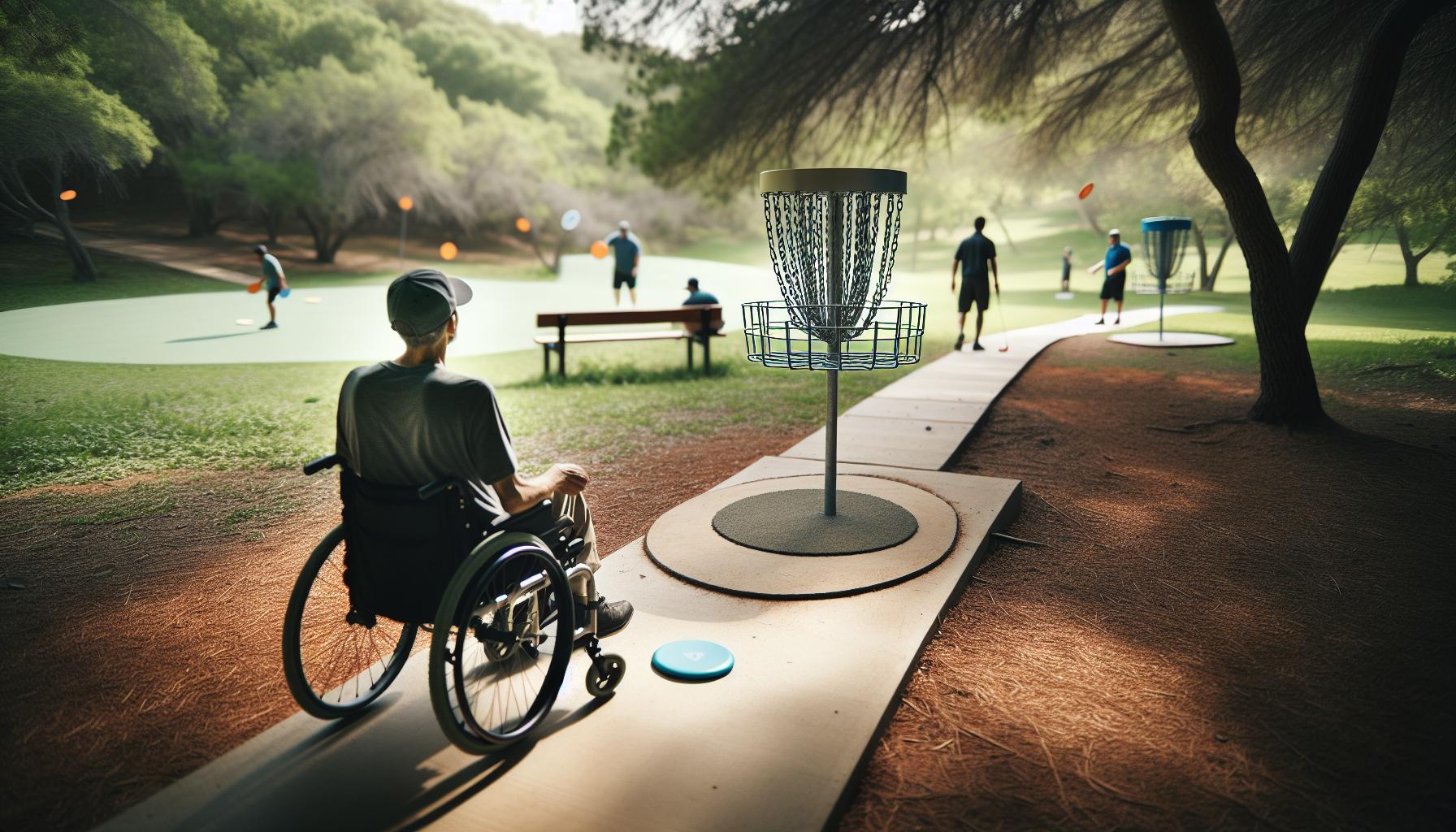
Understanding the Americans with Disabilities Act (ADA)
The Americans with Disabilities Act (ADA) plays a crucial role in shaping how public spaces, including recreational facilities, must operate to ensure accessibility for individuals with disabilities. Established to eliminate barriers and foster inclusion, the ADA mandates that facilities meet certain standards, which can vary based on the type and purpose of the venue. For disc golf courses, understanding these requirements is vital as it helps gauge their commitment to inclusivity and community engagement.
At the core of the ADA’s mission is the principle that everyone should be able to participate in community activities without encountering unnecessary obstacles. This includes provisions for accessible pathways, parking, and restroom facilities, as well as features specifically aimed at making recreational activities feasible for all participants. Disc golf courses, which often blend natural terrain with active play, can sometimes fall short of these standards. Features like uneven terrain and inadequate signage may deter individuals with mobility challenges from fully enjoying the sport.
To fully comply with the ADA, disc golf courses must address these barriers by providing specific accessibility elements. For instance, paths to tees and accessible rest areas should be designed to accommodate wheelchairs and other mobility aids. Implementing clear signage can also assist all players in navigating the course more easily. In fact, many successful courses are setting an excellent example by enhancing their designs to be as inclusive as possible.
By proactively considering these regulations and taking actionable steps to comply with the ADA, disc golf designers not only cultivate an inclusive atmosphere that welcomes all players but also enrich the overall community spirit of the sport. This effort fosters an environment where diversity in abilities can thrive, encouraging broader participation and engagement in disc golf as a valued recreational pursuit. Such inclusivity is not merely a legal obligation; it’s a testament to the spirit of the game itself, aligned with the core values of community and camaraderie.
Key ADA Requirements for Recreational Facilities
The Americans with Disabilities Act (ADA) sets forth key requirements that ensure recreational facilities, including disc golf courses, accommodate individuals with disabilities. At the heart of these requirements is the commitment to eliminating barriers to participation and promoting inclusivity. For disc golf courses, this commitment translates into several essential accessibility features that should be meticulously integrated into course design and maintenance.
Firstly, accessible pathways are crucial. According to the ADA standards, the routes leading to and between tees must be designed to support mobility aids such as wheelchairs, carts, and walkers. Paths should be firm, stable, and slip-resistant, ensuring safety for all players. Moreover, these paths need to be wide enough to allow for comfortable passage, typically a minimum of 36 inches free of obstructions, with a goal of achieving the maximum feasible accessible route across the course.
Another important aspect is the provision of accessible restrooms. Facilities must ensure that restrooms are within reasonable proximity to the course and equipped to meet the needs of individuals with disabilities. This includes proper signage, as well as ensuring that stalls are designed to accommodate the necessary space and grab bars for support.
Signage throughout the disc golf course also plays a vital role in ADA compliance. Clear, high-contrast signs should indicate course directions, tee locations, and any potential hazards to make navigation easier for every player. Additionally, offering information in multiple formats (like Braille) can help enhance accessibility for individuals with visual impairments.
These foundational elements set the stage for a disc golf environment that not only adheres to ADA requirements but truly fosters an inclusive atmosphere. When courses prioritize these accessibility features, they contribute to a culture of community and support, allowing all players to enjoy the sport to its fullest potential. As awareness grows around the importance of such inclusivity, course designers are encouraged to engage with local advocacy groups, take advantage of available resources, and continually assess and improve accessibility in their facilities.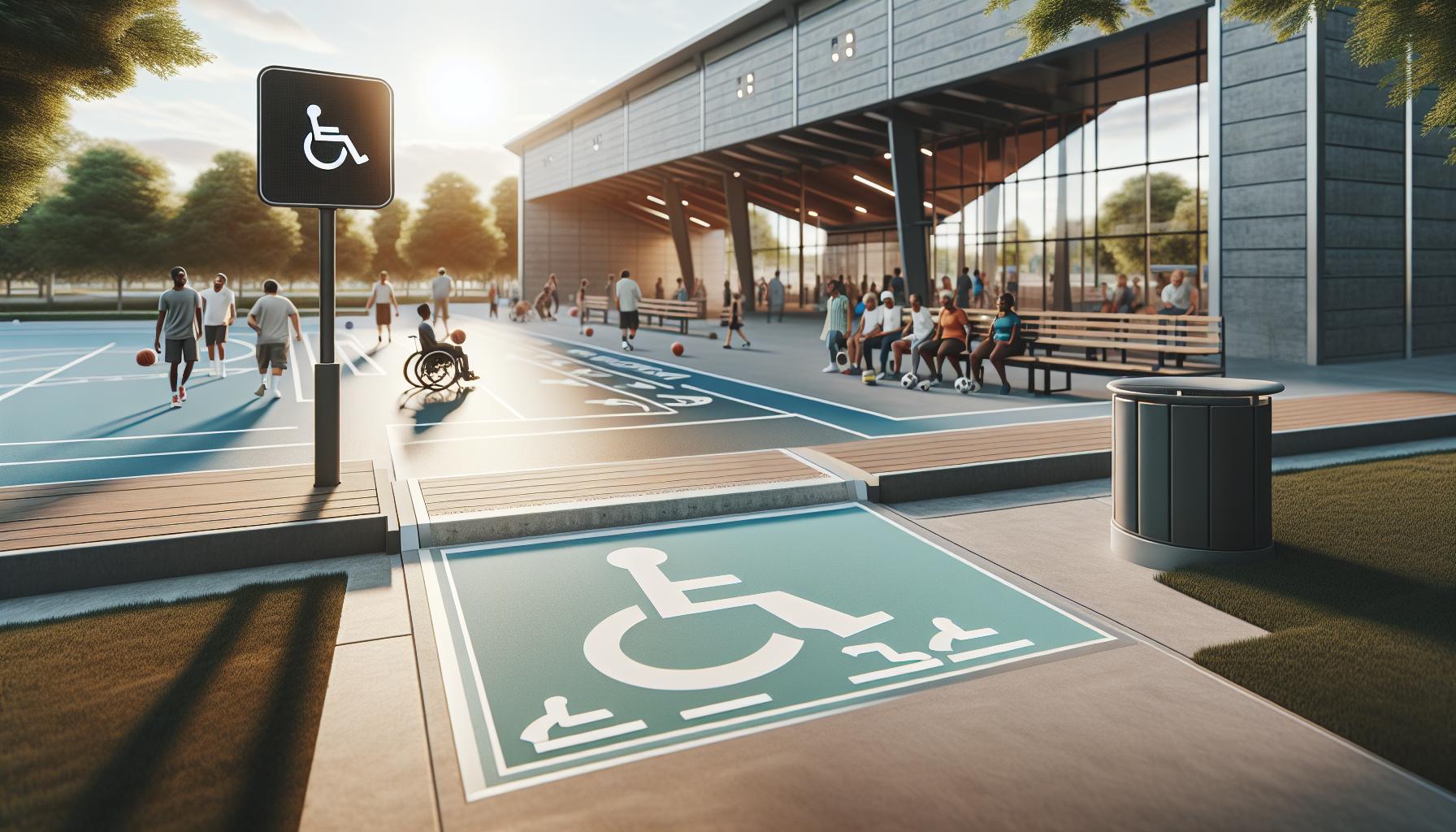
Are Disc Golf Courses Considered Public Spaces?
Disc golf, often lauded for its welcoming nature and community spirit, is increasingly recognized as a sport that deserves the same attention to accessibility as more traditional recreational facilities. As the popularity of disc golf grows, it’s essential to understand whether these courses fall under the category of public spaces, especially concerning compliance with the Americans with Disabilities Act (ADA).
Generally, disc golf courses that are open to the public are considered public spaces. This classification holds significant implications for how these courses must be designed and maintained to ensure inclusivity. Facilities that cater to the general public, which include parks and recreational fields, must comply with ADA standards. This means that course designers and operators have a legal obligation to provide accessible pathways, signage, and amenities for people with disabilities. An inclusive environment not only fosters participation among diverse populations but also enhances the overall experience for all players.
Accessibility features in disc golf courses are not just regulatory requirements; they also reflect the values of the sport itself. Many courses incorporate features such as paved paths, accessible tee pads, and clear directional signage to accommodate players with mobility challenges. This commitment to accessibility can lead to increased participation from individuals with disabilities, enriching the disc golf community and promoting a culture of support and inclusivity. By recognizing disc golf courses as public spaces that must comply with ADA standards, we can work towards making this sport available to everyone, ensuring that players of all abilities can enjoy the thrill of the game.
Evaluating Accessibility Features in Disc Golf Design
While many players cherish the tranquility and challenge of disc golf, it’s essential that all enthusiasts feel welcome and included on the course. Complying with the Americans with Disabilities Act (ADA) is not just a legal obligation; it transforms how we experience disc golf by adapting the environment for everyone. An inclusive course design considers various accessibility features that make it possible for individuals with disabilities to navigate the course safely and enjoyably.
One critical aspect of evaluating accessibility is the pathway structure throughout the course. Paved paths can dramatically enhance mobility for players using wheelchairs or other assistive devices. These paths should be wide enough (typically at least 36 inches) to allow for easy passage, particularly at intersections or areas where players congregate, such as tee pads and baskets. Adequate maintenance of these paths is also vital; they should be free from debris, potholes, or other hazards that could impede mobility.
Another key feature is the design of tee pads themselves. Accessible tee pads should be level and constructed of slip-resistant materials to ensure safety. Ideally, they should provide enough space for a player to maneuver comfortably while throwing. Incorporating tactile features-like raised edges-can help visually impaired players locate and position themselves accurately. Furthermore, clear signage indicating course layout, hole distances, and directions is essential in providing all players with the information they need to enjoy their game fully.
The thoughtful integration of benches and other resting spots throughout the course also encourages inclusivity. Providing accessible seating not only supports players with mobility challenges but also offers everyone a chance to pause and enjoy the surroundings or socialize during play. By addressing these accessibility features, disc golf courses can significantly improve the overall experience for all participants, encouraging a diverse community that thrives on inclusivity and mutual respect.
Ultimately, evaluating and enhancing accessibility features in disc golf design is a shared responsibility among course designers, players, and advocates. By engaging in conversations and fostering awareness around these standards, we can work collectively to ensure that every player, regardless of their abilities, can experience the joy of disc golf.
Case Studies: ADA Compliance in Existing Disc Golf Courses
The journey towards ADA compliance in disc golf is gaining traction as more courses recognize the importance of accessibility. A standout example is the Los Angeles County Disc Golf Course, a prime model for creating an inclusive recreational space. This course has successfully integrated ADA-compliant paths that allow access for players using wheelchairs. By ensuring that pathways are paved and wide enough (at least 36 inches), the course has made it easier for everyone to navigate the terrain, particularly at critical points such as tee pads and basket areas. This commitment not only adheres to the legal requirements of the ADA but also enhances the overall playing experience for all participants.
Another inspiring case is seen at the Disc Golf Course at Villa Maria, which features comprehensive signage designed for players with visual impairments. These signs include braille and tactile elements that help guide players throughout the course, ensuring that everyone can engage with the environment in a meaningful way. Additionally, the course prioritized the design of accessible tee pads that are level and slip-resistant, catering directly to the needs of players with mobility challenges. Such thoughtful design fosters an atmosphere of inclusivity and reflects a wider understanding of accessibility’s significance.
Community Impact and Feedback
Courses that have embraced ADA compliance, like those mentioned, often report not just increased participation but also positive feedback from the community. Players who may have felt excluded in the past now express excitement about being able to join events and play casually without barriers. This reaction highlights the transformative power of accessible design; it allows for a diverse range of players, including those with disabilities, to enjoy disc golf, thus fostering a richer community where every voice can be heard.
Efforts made by existing courses to meet ADA standards provide a powerful precedent for future developments. As more disc golf facilities adopt these practices, it cultivates an inclusive culture where accessibility is a priority rather than an afterthought. These case studies serve as a foundation to inspire new courses and renovations, encouraging designers to consider accessibility in every aspect of their planning and implementation processes. Through such initiatives, disc golf can continue growing as a sport that truly welcomes all individuals, reinforcing its status as a beloved outdoor activity.
Best Practices for Designing Inclusive Disc Golf Courses
Designing disc golf courses that embrace inclusivity not only fulfills legal responsibilities under the Americans with Disabilities Act (ADA) but also enhances the experience for all players, fostering a more diverse and engaged community. One key principle is the creation of accessible pathways that connect various elements of the course. Ensure that all walking paths are wide enough-at least 36 inches-and constructed with smooth, stable surfaces to accommodate wheelchairs and assistive devices. This increases both safety and ease of navigation, allowing players to focus on their game rather than overcoming barriers.
Another important factor is the design of tee pads and basket areas. These should be level and slip-resistant, enhancing safety for players of all abilities. Additionally, the height of baskets should be standardized to ensure that players can reach them easily, with considerations for those who may have mobility challenges. Whenever possible, designing multiple tee placements can also help accommodate various skill levels, further promoting inclusivity in the sport.
Accessible signage plays a crucial role in ensuring all players can enjoy the course. Clear, high-contrast signs that include braille and tactile information make the environment more welcoming for individuals with visual impairments. Providing maps of the course that highlight accessible routes and facilities-such as restrooms or parking-can significantly enhance the experience for all participants.
Community engagement is essential in the ongoing process of designing inclusive courses. Involve local players, especially those with disabilities, in discussions about course layout and features. Obtain feedback through surveys or community meetings to identify specific needs and preferences. This proactive approach not only demonstrates a commitment to accessibility but also fosters a sense of ownership within the community, making everyone feel valued and included. By integrating these best practices into the design of disc golf courses, we can celebrate the sport as an accessible and enjoyable activity for everyone, regardless of ability.
Resources for Course Designers on Accessibility
Designing disc golf courses with accessibility in mind is not just a regulatory requirement, but an opportunity to enrich the community and expand participation across all skill levels. To support course designers in making their layouts inclusive, various helpful resources and guidelines are available, promoting an environment where everyone can enjoy the sport.
One essential resource is the ADA Standards for Accessible Design, which outline the specifications necessary for spaces to be accessible to individuals with disabilities. Creating accessible pathways, ensuring that tee pads are stable and slip-resistant, and placing signage that is clear and easy to read are all fundamental principles that can enhance a course’s accessibility. Designers should make sure that pathways are at least 36 inches wide, unobstructed, and constructed from stable materials to facilitate ease of movement for players using wheelchairs or mobility aids.
Engaging with the community can also provide invaluable insights into the needs and preferences of players with disabilities. Feedback mechanisms such as surveys, focus groups, or community meetings should be integrated into the planning process, allowing designers to gain real-world perspectives on the course’s functionality and accessibility. This collaborative approach not only fosters buy-in from the local disc golf community but also leads to designs that are thoughtful and inclusive.
Additionally, organizations like the Professional Disc Golf Association (PDGA) offer resources, including best practices and case studies of existing disc golf courses that have successfully integrated accessibility features. Reviewing these case studies can inspire new designs that harmonize with the landscape while ensuring everyone can participate comfortably. Promoting awareness and education about accessibility standards within the disc golf community is crucial for driving change and inclusion as a collective goal.
For further support, course designers can tap into training sessions or workshops on ADA compliance, often hosted by disability advocacy groups. Such workshops can provide practical skills and knowledge essential for implementing accessibility best practices on the ground. By utilizing these resources and approaches, disc golf courses can become welcoming spaces that invite everyone to share in the joy and challenge of the game, enhancing both the sport and the community it fosters.
Advocating for ADA Compliance in Disc Golf Communities
Advocacy for ADA compliance in disc golf communities requires passionate engagement and a commitment to inclusivity. As the sport continues to expand its reach, ensuring that course design meets accessibility standards is crucial for fostering a welcoming environment for all players, regardless of their physical capabilities. By focusing on this commitment, disc golf can truly reflect its values of community and competition.
One effective way to advocate for ADA compliance is through education and awareness campaigns. Local disc golf clubs and associations can organize workshops and seminars that highlight the importance of inclusive design. During these sessions, participants can learn about the ADA standards, such as those outlined in the ADA Standards for Accessible Design, which stipulate requirements like the construction of stable, slip-resistant tee pads and pathways that accommodate players using mobility aids. Utilizing expert speakers from disability advocacy groups can enhance these events, providing first-hand insights into the challenges faced by players with disabilities.
Furthermore, involving the community in the advocacy process can yield powerful results. Establishing partnerships with local disability organizations can help course designers gain a deeper understanding of the specific needs of disabled players. Hosting community feedback sessions allows for meaningful dialogue and can foster a spirit of collaboration. During these meetings, stakeholders can brainstorm ways to improve course accessibility, ensuring that everyone’s voice is heard and valued.
Taking proactive steps to implement ADA compliance not only benefits players with disabilities but also enhances the experience for all disc golfers. Accessible courses can often lead to increased participation and interest in the sport, as they welcome new players who might otherwise feel excluded. Disc golf communities that embrace ADA compliance can serve as examples for other recreational sports, showcasing how inclusivity can drive growth and engagement within the sport.
The Impact of ADA Compliance on Disc Golf Participation
Ensuring that disc golf courses are accessible to all players is not just a matter of compliance with legal standards; it fundamentally enhances the community’s growth and inclusivity. The advent of ADA compliance could mark a turning point in the sport, allowing individuals with diverse physical capabilities to participate fully and enjoyably. By making disc golf courses accessible, communities can facilitate greater engagement, elevate participation rates, and cultivate an environment where everyone feels welcome to play.
When disability accommodations are integrated into course design-such as accessible paths, tee pads designed for mobility aids, and clear signage-it sends a powerful message: that disc golf is a sport for everyone. This commitment to inclusivity can attract a broader audience, including those who may have previously felt excluded from recreational activities. Statistics show that participation in adaptive sports grows dramatically when facilities are equipped with accessible features. Not only does this increase the player base, but it also fosters an atmosphere of camaraderie-encouraging players of different backgrounds and abilities to collaborate and learn from each other.
Moreover, disc golf’s community-centric nature thrives on participation and enjoyment. When courses are designed with ADA compliance in mind, it creates opportunities for unique events tailored to individuals with disabilities, such as adaptive leagues or clinics. These initiatives help break down the barriers of entry and demonstrate that disc golf can indeed be a competitive yet inclusive sport, aligning perfectly with the values of fairness and respect that these communities uphold. As people with disabilities participate more, the entire ecosystem-players, clubs, and sponsors-stands to gain. This can lead to increased funding and sponsorship opportunities, essential for the sport’s advancement and the development of more accessible facilities nationwide.
In creating a welcoming environment, disc golf not only strengthens its existing community but also expands it. As more individuals feel encouraged to pick up a disc and join in the fun, the sport can expect to see a surge in interest and advocacy, paving the way for a richer, more diverse experience for all players. Making ADA compliance a priority will ultimately enrich the fabric of disc golf culture, showcasing the sport’s dedication to inclusivity and community growth.
Frequently Asked Questions About Disc Golf and ADA Standards
The integration of ADA standards into disc golf course design is not just beneficial but essential for fostering inclusivity within the sport. Many people wonder how these regulations apply to such recreational areas, leading to key questions about compliance, accessibility features, and benefits for all players.
One common question is whether disc golf courses qualify as public spaces under the ADA. Generally, any facility open to the public and funded by governmental sources, including parks and recreational areas, falls under these requirements. Consequently, disc golf courses that are publicly accessible must implement features that accommodate individuals with disabilities. This means ensuring accessible paths, well-designed tee pads for wheelchair users, and clearly marked signage that guides players effectively.
Another frequent query involves how existing courses can assess their compliance. It’s advisable for course designers and managers to conduct a thorough accessibility audit. This should include evaluating the slope and surface materials of paths, the width of access routes, and the location and design of tee areas. Practically, this can be as simple as arranging for a third-party evaluation or consulting with organizations specializing in ADA compliance.
The impact of embracing ADA standards cannot be overstated. By making changes based on these guidelines, disc golf courses can enhance the overall experience for all participants. Improved accessibility not only accommodates players with disabilities but also encourages a communal spirit, making disc golf a more inviting and diverse sport. For instance, when courses are designed with accessibility in mind, it opens doors for adaptive programs and events, which can round out the offerings of local disc golf communities.
Ultimately, as the sport grows, so does the importance of ensuring that all potential players can participate safely and comfortably. Addressing these frequently asked questions with thoughtful solutions and real-world applications highlights the commitment of the disc golf community to inclusivity, ensuring that everyone has the chance to enjoy this engaging and powerful sport.
Frequently Asked Questions
Q: Do disc golf courses need to be ADA compliant?
A: Yes, disc golf courses must adhere to the Americans with Disabilities Act (ADA) standards if they are open to the public. This includes ensuring accessibility in amenities, pathways, and course features to accommodate players with disabilities.
Q: What are the specific ADA requirements for recreational facilities like disc golf courses?
A: ADA requirements for recreational facilities include accessible paths, signage, restrooms, and seating areas. Disc golf courses should have clear routes for players with mobility aids and ensure that all players can access amenities comfortably.
Q: Are there any existing disc golf courses that have successfully implemented ADA compliance?
A: Yes, several disc golf courses have successfully integrated ADA compliance by featuring accessible paths and facilities. Case studies demonstrate effective design choices that enhance inclusivity, which can serve as models for new courses.
Q: How can I advocate for ADA compliance in my local disc golf course?
A: To advocate for ADA compliance, you can gather community support, present clear suggestions for accessibility improvements, and engage local authorities or course managers. Highlighting the benefits of inclusivity can encourage better facilities for all players.
Q: What features should be included to ensure a disc golf course is accessible?
A: Key features for accessible disc golf courses include paved paths, smooth transition areas, accessible tee pads, and seating areas. Additionally, courses should provide information about accessibility options prominently at the site.
Q: Can local governments require ADA compliance for disc golf courses?
A: Yes, local governments can require ADA compliance for disc golf courses, particularly if they are publicly funded or managed. It’s essential to understand local regulations and advocate for adherence to ADA standards.
Q: What resources are available for designing ADA-compliant disc golf courses?
A: Resources for designing ADA-compliant disc golf courses include guidelines from the ADA, accessibility checklists, and case studies from successful courses. These tools can help course designers implement best practices for inclusivity.
Q: How does ADA compliance impact participation in disc golf?
A: ADA compliance can significantly increase participation in disc golf by making courses accessible to individuals with disabilities. Inclusive facilities encourage more players to enjoy the sport, fostering a diverse and engaged community.
To Conclude
As we’ve explored, understanding ADA requirements for disc golf courses is crucial for ensuring accessibility and inclusivity in our beloved sport. If you’re passionate about making your local courses more accessible, now is the time to take action! Consider engaging with local organizations to advocate for improvements or updates that align with ADA standards.
To deepen your knowledge, check out our guides on “Best Practices for Accessible Course Design” and “How to Advocate for Inclusivity in Sports.” Don’t miss out on valuable tips and community stories that can enhance your disc golf experience! Join our newsletter for updates and insights that keep you informed on all things disc golf.
Your voice matters, and together, we can ensure that everyone enjoys this fantastic sport. Share your thoughts below or explore more of our resources to stay connected to the growing disc golf community!
Get our latest guides, news, and insights highlighted in your Google Search & AI Overviews.