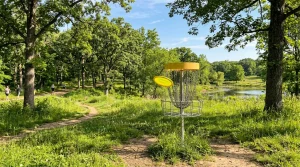
Average acreage of a professional disc golf course is an essential factor in modern disc golf course play, equipment setup, and tactical execution. Our comprehensive guide provides actionable course tips, disc flight mechanics, equipment recommendations, and tournament-tested strategies to help disc golfers optimize their scoring and course performance.
When considering the vibrant sport of disc golf, one of the most common questions that arises is: how much land do you really need to design an engaging and functional course? Surprisingly, you can create an enjoyable disc golf experience on as little as 2 acres, with options ranging from six-hole beginner layouts to full 18-hole courses. This flexibility makes disc golf a fantastic addition to community parks, schools, or even private properties. Understanding the space requirements not only helps in planning a course that fits your unique landscape but also supports the growing interest in this accessible and captivating sport. Whether you’re a seasoned player or a newcomer looking to introduce disc golf to your area, exploring the right size for your course can transform local recreation and foster a strong sense of community. Dive into this guide to discover the essential considerations for sizing up your disc golf course and learn how to make the most of the space you have!
Understanding the Ideal Size for a Disc Golf Course
The ideal size for a disc golf course is a vital consideration for course designers, local communities, and players alike. While many assume that a sprawling landscape is necessary, it’s essential to understand that the required acreage can vary significantly based on the specific type of course being developed. A standard 18-hole disc golf course typically requires around 1 to 2 acres per hole, leading to a total of 18 to 36 acres for a championship-level course. This range allows for varied hole lengths and challenging layouts while providing enough space for safety and natural buffer zones around each hole [2].
In determining the ideal size for a disc golf course, several factors should be considered. The skill level of the intended players plays a crucial role; for instance, a course designed for amateur players (White level) might range from 4,500 to 6,000 feet in total length, while a more advanced course could be significantly longer [1]. Additionally, prevalent environmental factors like terrain type, existing vegetation, and local wildlife should inform course layout and spacing to ensure a harmonious integration with nature.
Key features of a well-designed course should also reflect the needs of diverse players. Courses should cater to different skill levels-beginner-friendly layouts might require shorter holes and wider fairways, while advanced courses can implement more challenges like elevation changes and tighter fairways. To enhance the overall play experience, spacing is critical; holes should be designed to minimize overlap and ensure that players can safely navigate the course without interfering with one another.
In summary, understanding the overall needs of your community and the capabilities of the land can help guide you to the ideal size for a disc golf course. Engaging with local disc golf enthusiasts and seeking input from experienced designers can further refine your vision, ultimately creating a course that celebrates the sport while promoting community engagement and inclusivity.
Essential Factors in Determining Course Acreage
Determining the appropriate acreage for a disc golf course is crucial for ensuring that it meets the needs of players while maximizing the potential of the land. The general rule of thumb is that a standard 18-hole course requires approximately 1 to 2 acres per hole. This leads to a total of about 18 to 36 acres for a regulation-size course, but several essential factors influence these numbers.
One pivotal consideration is the skill level of the intended players. For instance, a beginner-friendly layout might only require shorter holes and wider fairways, allowing the course to fit into a smaller footprint. Conversely, advanced courses showcasing more complex designs and longer holes could necessitate additional space. Generally, a well-rounded course that caters to a wide range of skill levels and includes par 3, par 4, and par 5 holes might benefit from a larger acreage to offer varied challenges and safe separation between holes.
Environmental Factors
Terrain type and existing vegetation are also critical in determining the size needed for your course. For example, heavily wooded areas may allow for tighter hole placements but could limit the length of fairways unless substantial clearing is performed. In contrast, open fields offer more freedom in layout design but may require careful consideration of other aspects, like wind patterns and potential interference from nearby structures or wildlife habitats. Understanding the natural landscape can help you design a course that not only is fun to play but also integrates harmoniously with its surroundings.
Community Needs and Local Regulations
Community input is invaluable when planning course acreage. Engaging local players can shed light on what they value most-whether it’s accessibility, challenge level, or even features that promote sustainability and local wildlife. Additionally, local regulations regarding zoning, land use, and environmental stewardship may dictate how much land can be developed for recreational purposes, thus impacting the overall size and setup of your course.
Ultimately, it’s about striking a balance between maximizing available land while addressing the needs of the community and ensuring a rewarding experience for all players. Insights from experienced course designers and feedback from the local disc golf community can significantly enhance the planning process.
Average Acreage Requirements for Different Course Types
To create a successful disc golf course, understanding the specific acreage requirements based on the intended course type is essential. The total land needed can vary significantly depending on the design goals, player skill level, and course layout. While a traditional 18-hole disc golf course typically requires about 30 to 40 acres for optimal use, beginner-friendly courses may be developed on smaller parcels of land.
For example, a beginner or recreational course that features all par 3 holes may only necessitate around 18 to 25 acres to maintain proper spacing between holes and ensure an enjoyable experience for newer players. This allows for shorter distances, wider fairways, and an accommodating layout that reduces the need for extensive land. In contrast, an advanced course designed for serious competitors, often incorporating multiple par 4 and par 5 holes, can benefit from a larger footprint-typically 35 to 50 acres-to accommodate longer throws and more complex layouts without feeling cramped.
Acreage Breakdown by Course Type
To give a clearer overview, here’s a general breakdown of the average acreage requirements by course type:
| Course Type | Average Acreage Required |
|---|---|
| Beginner/Par 3 Course | 18 – 25 acres |
| Mixed Skill Level Course (Par 3, 4, 5) | 25 – 40 acres |
| Advanced/Championship Course | 35 – 50 acres |
Additionally, when planning your course layout, consider how varying environments contribute to the unique characteristics of your disc golf experience. For instance, heavily wooded areas might limit the length of fairways but can allow for tighter hole placements, while open fields present opportunities for longer throw lengths and creative hole designs, albeit they may require more land.
Ultimately, knowing the empowers designers to maximize land use while catering to the diverse needs of players-from novices enjoying their first taste of the sport to seasoned competitors seeking challenging gameplay.
Key Features of a Well-Designed Disc Golf Course
A well-designed disc golf course is a harmonious blend of natural terrain, strategic hole placement, and player experience, aimed at delivering both accessibility and challenge. Essential features of such a course go beyond mere acreage; they encompass thoughtful design elements that cater to players of all skill levels, ensuring enjoyable gameplay and fostering a sense of community.
First and foremost, natural features like existing trees, elevation changes, and water hazards should be leveraged to create a unique playing experience. For instance, utilizing a wooded area can present tighter fairway challenges, rewarding precision over sheer distance. Conversely, open spaces allow for longer, more dynamic hole layouts, catering to players wanting to showcase their throwing power. Moreover, a balance between shorter and longer holes-such as incorporating a mix of par 3s, 4s, and 5s-can keep the course exciting for everyone from beginners to advanced players.
Another critical aspect is playing safety and accessibility. Clear signage indicating each hole, along with well-defined paths to guide players from one tee to the next, enhances navigation and minimizes the risk of accidents. Additionally, the design should consider the spacing between holes to prevent potential conflicts between groups. Holes should be situated to eliminate overlap, allowing players to experience the course without disruption from errant throws or missed shots.
Lastly, implementing aesthetic elements can significantly enhance the overall experience. Features such as benches, trash receptacles, and rest areas contribute to player comfort and demonstrate a commitment to maintaining a community space. Furthermore, incorporating local flora and fauna into the course design not only enriches the visual appeal but also fosters environmental awareness, making the disc golf course a cherished part of the local ecosystem.
Incorporating these key features will create a disc golf course that appeals to a wide demographic, establishing a vibrant community hub centered around the sport. As players engage, they help cultivate disc golf’s growth, transforming it from a recreational pastime into a recognized athletic pursuit celebrated by all.
Spacing and Layout Tips for Effective Course Design
Creating a well-laid-out disc golf course involves careful planning regarding the spacing and layout of each hole to ensure a safe and enjoyable experience for all players. An effective design prioritizes not only the flow of the course but also prevents interference between groups. Here are some essential tips for achieving this.
One fundamental rule in course design is to maintain adequate distances between holes. A minimum of 150 feet (about 50 meters) is typically recommended between basket positions of adjacent holes. This spacing reduces the likelihood of dangerous situations and allows players to focus on their game without the worry of errant throws impacting others. Additionally, thoughtful positioning of tee pads and baskets can create a natural flow, enhancing the overall experience. For instance, when placing the next tee pad, consider the trajectory of the previous hole’s throw to avoid conflicts.
Another critical aspect is the orientation of the holes. Ideally, they should be designed to take advantage of available land features while also minimizing overlap visually. Use natural barriers-like trees or elevation changes-to separate holes. This not only adds to the aesthetic appeal but also provides strategic challenges. For example, a hole that wraps around a cluster of trees requires a skilled throw that engages players at different skill levels, keeping the course exciting and varied.
Careful consideration should also be given to the layout concerning wind direction and sunlight exposure. For instance, if a course is situated in a predominantly windy area, orienting holes to shield players during play can enhance comfort and performance. Moreover, avoiding bright, glaring sunlight on playing fairways can improve visibility and overall enjoyment.
In summary, effective spacing and layout are crucial to designing a successful disc golf course. By ensuring sufficient distances between holes, utilizing natural features for separation, and accounting for environmental factors, course designers can create an engaging and safe environment that will appeal to players of all skill levels. A thoughtfully designed course not only enhances gameplay but also fosters a vibrant community around the sport.
Environmental Considerations for Course Location
Determining the ideal location for a disc golf course involves more than just the amount of available land; environmental factors play a crucial role in the success and playability of the course. The natural landscape not only influences the aesthetic appeal but also impacts gameplay, safety, and maintenance. Incorporating trees, elevation changes, and existing water features can transform a standard plot of land into a captivating disc golf experience. For instance, utilizing sloped terrain can introduce challenging shots that engage players of different skill levels while providing stunning vistas, enhancing the overall enjoyment of the course.
Accessibility and Land Use
When selecting a site for course development, consider its accessibility to the community. A centrally located course is more likely to attract players, increasing participation and local engagement. Furthermore, ensure the land is suitable for recreational use and free from restrictions that could limit its usage as a disc golf venue. Areas prone to flooding or other environmental hazards should be avoided, as they could disrupt play and discourage players from returning.
Wildlife and Ecological Considerations
The course design should also respect the local ecosystem. An environmentally friendly design not only protects wildlife but can also enhance the course’s natural beauty. Using native plants and minimizing disruption to existing habitats helps maintain the ecological balance. For example, planting trees selectively along fairways can create natural obstacles while supporting local wildlife. Additionally, maintaining open spaces for wildlife corridors will enhance biodiversity, making your course not only a sporting venue but also a sanctuary for nature enthusiasts.
Environmental Sustainability
The sustainability of your course should be a priority. Implementing eco-friendly practices during construction and maintenance can reduce your carbon footprint and contribute to a healthy planet. Using sustainable materials for tee pads and baskets, implementing efficient irrigation systems, and promoting organic landscape management techniques will not only preserve the location but also present a positive image to the community. Engaging with local environmental organizations could further bolster your efforts and provide invaluable insights on best practices.
In summary, the environmental considerations for a disc golf course extend beyond merely choosing the land; they encompass the functionality of the course, its impact on local ecosystems, and its sustainability. Emphasizing these elements will not only improve the gameplay experience but also reinforce the sport’s commitment to environmental stewardship, making your course a valued asset in the community and a pleasant space for both players and nature alike.
How Much Land Do You Need for Multiple Holes?
When planning a disc golf course, understanding the land requirements for multiple holes is critical. The amount of land you need can vary significantly based on the layout, length of holes, and the overall design style of the course. A standard 18-hole disc golf course typically requires between 5 to 20 acres of land, depending on how challenging and lengthy you want the holes to be. For instance, if you’re envisioning longer holes around 1,000 feet, you might lean more toward the higher end of that spectrum-up to 10 acres or more to maintain safety and playability[2].
Creating a balanced course that meets diverse player needs means incorporating various hole lengths and designs. For a beginner-friendly course, you can effectively fit 9 holes within just a few acres, while still allowing ample space between each hole for players to throw without interference[3]. On the other hand, more extensive and competitive layouts might include long holes paired with strategic elevation changes, water elements, and densely wooded areas, which require more space and careful planning.
Effective spacing is vital for safety and enjoyment. Ideally, each hole should be spaced at least 200 feet apart from the next to prevent players from accidentally interfering with one another during play. Utilizing visual boundaries like trees, hills, or natural terrain features not only enhances the aesthetic appeal but also helps in maintaining an appropriate distance between holes.
Ultimately, whether you’re designing a compact 9-hole layout for a local park or a full 18-hole championship course, keeping player safety, flow, and the unique character of the land in mind will help you optimize the disc golf experience for everyone involved.
Local Regulations Impacting Course Size and Setup
When embarking on the journey of creating a disc golf course, it’s essential to navigate the complex landscape of local regulations that might influence its size and setup. These regulations can vary widely based on geographical location, local governance, and the specific land zoned for recreational use. Unfortunately, unfamiliarity with these requirements can lead to unexpected hurdles, making proper due diligence crucial for any course designer.
Local zoning laws often dictate the types of recreational activities permitted in certain areas, which in turn impacts how much land is available for a disc golf course. For instance, certain parks may only allow specific uses, such as sports fields or nature trails, which might restrict the installation of a disc golf course. Moreover, understanding any restrictions on modifications-like tree removal or terrain alteration-is vital. In some cases, an environmental assessment may be required to evaluate the potential impact on local wildlife and ecosystems, particularly in sensitive or protected areas.
It’s also important to consider any local ordinances regarding noise and public safety. Disc golf might seem like a low-impact sport, but the act of throwing discs can produce noise, especially in busy parks or residential neighborhoods. Ensuring that your design minimizes disruptions-whether by careful placement of tee pads and baskets or by selecting locations away from noise-sensitive areas-is a considerate approach that aligns with community relations.
Lastly, developing relationships with local authorities and community stakeholders can play a significant role in navigating these regulations effectively. Organizing community meetings can garner support for your course project, helping you to advocate for favorable regulations and ensure that the course meets the needs of both players and the surrounding community. By fostering positive relationships, you can pave the way for a successful and compliant disc golf course that enhances recreational opportunities for all.
Budgeting for Land Purchase and Course Development
When embarking on the journey to establish a disc golf course, understanding the financial commitment required for land acquisition and course development is crucial. The initial costs can be a significant barrier, but with careful planning and budgeting, you can create a fantastic facility that serves the community and fosters a love for the sport.
First and foremost, it’s essential to determine the acreage needed based on the type and layout of your disc golf course. A typical 18-hole disc golf course can require anywhere from 1 to 2 acres per hole, depending on the course design and the environmental features present on the land [1] In addition to land costs, which can vary widely based on location, zoning, and market conditions, you will also need to budget for expenses such as:
- Course Design and Installation: Hiring an experienced course designer can immensely improve the quality of your course. Costs can range from a few thousand to tens of thousands of dollars, depending on the project’s complexity [2].
- Equipment: Investing in quality baskets, tee pads, signs, and maintenance tools is vital. Each basket can cost between $300 and $600, adding up quickly for an entire course.
- Land Preparation: This includes clearing, landscaping, and possibly grading the land to create safe and accessible paths and fairways. Consider hiring professionals if the land requires significant work, which can also impact your budget.
- Permits and Insurance: Depending on your location, local regulations might impose fees and require permits, plus liability insurance to protect against potential lawsuits arising from injuries on the course.
For communities looking to engage in disc golf, often the best strategy for funding these projects is through a combination of community fundraising, grants, and sponsorships from local businesses. Hosting exhibition games or tournaments can also generate interest and financial support. By actively involving the community throughout the planning and development process, you’ll build a strong support network, which is vital for successful funding and course sustainability.
Ultimately, while establishing a disc golf course requires substantial investment and careful budgeting, the rewards – enhanced community engagement, increased physical activity levels, and a vibrant, welcoming atmosphere for both seasoned players and newcomers alike – make it an endeavor well worth pursuing. By balancing your budget thoughtfully, you can create an inviting and challenging space that celebrates the sport and serves as a lasting community asset.
Creating a Balanced Course: From Beginner to Expert
When designing a disc golf course, meeting the needs of players at different skill levels is crucial for fostering a welcoming and engaging environment. A well-balanced course strikes the right chord between challenging experienced players while still accommodating newcomers who are just beginning their journey with the sport. Achieving this balance requires thoughtful planning and a deep understanding of the various elements that contribute to a successful course layout.
To create a course that engages both beginners and experienced players, consider implementing a range of hole lengths and styles. For instance, shorter, simpler holes with less challenging terrain can provide a confidence boost for less experienced players while still allowing them to practice their fundamental skills. Meanwhile, longer, more technical holes can test the skills of advanced players, pushing them to utilize a variety of throws and strategies. Aim to have lengths ranging from 200 to 400 feet for beginner-friendly holes and over 400 feet for those aimed at seasoned players. This variability creates a course that offers something for everyone.
Effective Course Layout Strategies
- Multiple Tees: Incorporating multiple tee locations can significantly enhance a course’s playability. Set up shorter tees for beginning players and longer ones for advanced players to enable everyone to enjoy the same holes at their skill level.
- Clear Signage: Properly marking tee pads and baskets with clear signs is essential. They should display distances and a basic overview of the hole layout to help players plan their shots effectively, especially for newer players learning the course.
- Variety of Obstacles: Introduce natural elements, such as trees and water features, to challenge experienced players while also creating safe zones for beginners. This will enhance gameplay and provide an opportunity for players at all levels to improve their skills in different contexts.
A balanced course isn’t just about size and challenge; it’s also about community engagement. Hosting clinics and tournaments that pair beginners with experienced players can foster camaraderie within the disc golf community. Not only does this create an environment for skill exchange, but it also helps build a culture that supports growth and participation across all skill levels. Establishing a course that welcomes both new players and seasoned competitors can elevate the entire playing experience and solidify disc golf’s place as a vibrant, growing sport in your community.
Innovative Course Designs for Smaller Properties
Creating a successful disc golf course doesn’t have to require vast expanses of land; innovative designs can thrive on smaller properties while still providing an engaging experience for players of all levels. With the right approach, even just a couple of acres can accommodate a functional and enjoyable course. The secret lies in maximizing the available space by utilizing the unique features of the terrain and designing strategically challenging holes.
One effective strategy is to focus on tight, technical layouts that demand precision rather than sheer distance. For instance, a well-designed 9-hole course can fit in about 2 acres and still offer players a variety of shots and challenges. Incorporating multiple tee pads for each hole can accommodate different skill levels, allowing beginners to play shorter, more forgiving routes while advanced players tackle the full length. This versatility not only maximizes playability but also encourages a sense of community by catering to varying expertise.
Embrace the natural elements of your property-trees, elevation changes, and even existing paths can become integral features of your course design. Utilizing wooded areas can create a fun and engaging experience, as players navigate around trees and obstacles, with skillful throws becoming a key part of the game. Additionally, creative hole designs such as “island” greens or baskets placed on slopes can add excitement and challenge while also using limited space effectively.
In many regions, local regulations and property use ordinances play a significant role in course design. Engaging with local authorities early in the planning process can help ensure that your course meets necessary guidelines while also exploring alternatives that might allow for a more compact layout. Collaborating with experienced disc golf course designers can offer valuable insights into how to effectively use smaller plots of land, ensuring the resulting course is both fun and compliant.
With the right innovative approach, smaller properties can host disc golf courses that are not only functional but serve as a community hub where players of all backgrounds can come together to enjoy this growing sport. Whether through unique design features, adaptive layouts, or active engagement with local players, the possibilities for small space disc golf courses are vast and exciting.
Community Engagement: Building Support for Your Course
To successfully establish a disc golf course, community engagement is pivotal-not only for garnering support but also for ensuring the course serves the needs of its future players. Opening dialogues with local disc golf enthusiasts and stakeholders can foster collaboration and enthusiasm around the project. Consider hosting informational meetings where interested community members can air their ideas and concerns. This grassroots approach not only generates excitement but also gives potential users a stake in the course, making them more likely to advocate for it.
Building local support can extend beyond the immediate disc golf community. Engage with neighboring residents, local business owners, and city officials to highlight the benefits of a disc golf course, such as increased recreational opportunities and potential boosts to local tourism and economy. Share facts about the low maintenance and cost-effectiveness of disc golf courses compared to traditional sports facilities, as they can often be installed in parks with existing infrastructure. For example, courses can coexist with walking trails, picnic areas, and other park amenities, making them an attractive addition.
Sustain momentum by creating volunteer opportunities, like course clean-up days or fundraising events, which invite community members to actively participate in developing the course. Not only does this increase visibility, but it also helps build camaraderie and a shared ownership feel around the project. Reward those who get involved with shout-outs on social media or exclusive invites to early course trials, solidifying their commitment and encouraging further participation.
Moreover, leveraging social media platforms can amplify your outreach efforts. Share updates, seek feedback, and post engaging content such as tutorials or highlights from local disc golf events. This digital strategy not only keeps the community informed but also cultivates an inclusive atmosphere that welcomes newcomers. By focusing on community-centric strategies, you can build a solid foundation of support that will enable your disc golf course to thrive.
FAQ
Q: How many acres do you need for a standard disc golf course?
A: A standard disc golf course typically requires around 10 to 20 acres of land. This space allows for 18 holes with adequate separation to ensure safety and a good flow for players. Ensure to consider the topography and layout to maximize playability and enjoyment.
Q: What factors influence the size of a disc golf course?
A: The size of a disc golf course can be influenced by terrain (flat, wooded, hilly), the number of holes planned, and the desire for variety in gameplay. Incorporating features like water hazards and natural obstacles can also affect the total acreage needed.
Q: Can you build a disc golf course on less than 10 acres?
A: Yes, you can build a disc golf course on less than 10 acres, especially for 9-hole courses or in densely populated areas. However, space will be limited, which may reduce the variety and challenge of the course layout. Consider creative design to maximize use of available space.
Q: What is the minimum land requirement for a disc golf practice area?
A: A disc golf practice area can be established on as little as one to two acres. Focus on creating a few throwing stations and a putting green to help players refine their techniques without needing a full course setup.
Q: How do local regulations affect the size of a disc golf course?
A: Local regulations can significantly impact the size of a disc golf course by dictating zoning laws, the need for environmental assessments, and restrictions on land use. Always check with local officials to ensure compliance before planning your layout.
Q: What is the ideal layout for a small disc golf course?
A: For a small disc golf course, consider a compact layout with shorter holes and strategically placed obstacles. This can make effective use of 5 to 10 acres, providing both challenge and enjoyment. Ensure to maintain appropriate spacing between holes to enhance player experience.
Q: How do environmental considerations impact course size?
A: Environmental considerations like terrain type, existing flora, and fauna can impact course size and design. Courses should avoid sensitive areas and ensure sustainability, which may necessitate adjustments in layout and overall acreage to comply with regulations and preserve the environment.
Q: Are there design strategies for maximizing disc golf acreage?
A: To maximize disc golf acreage, utilize overlapping fairways, create multi-use areas, and employ shorter, unique hole designs. This approach can enrich player experience while making the most effective use of available land. Check out our section on creative layout solutions for more tips!
In Conclusion
Understanding how many acres you need for a disc golf course is crucial for your planning and design process. Remember, a standard 18-hole course typically requires around 20 to 30 acres, but each layout can vary based on terrain and design objectives. If you’re ready to take the next step, check out our guides on “Essential Tips for Designing Your First Disc Golf Course” and “Best Practices for Course Maintenance” to ensure your project’s success.
Don’t miss out on more insights-signature disc flight characteristics and core engagement techniques can elevate your game, whether you’re a beginner or a seasoned pro. Subscribe to our newsletter for the latest updates and expert tips, and join our community discussions to share your experiences and challenges. Keep your passion for disc golf alive and stay engaged with our content to unlock your potential in this ever-growing sport!
Key Course Considerations and Strategic Navigation for Average acreage of a professional disc golf course
When developing a strategic approach around average acreage of a professional disc golf course, players should account for essential technical and environmental factors:
- Course Layout and Terrain: Elevation changes, tree canopy density, and natural water hazards dictate whether to prioritize distance off the tee or controlled fairway positioning.
- Disc Selection and Flight Ratings: Matching disc speed, glide, turn, and fade to wind conditions and arm speed prevents costly kicks into heavy rough.
- Footwork and Release Consistency: Smooth, balanced run-ups and clean follow-throughs produce repeatable release angles on hyzer, flat, and anhyzer lines.
- Mental Strategy and Risk Management: Assessing landing zones and high-percentage scramble routes preserves par and minimizes double-bogeys during tournament rounds.
Disc Golf Equipment Specifications and Flight Matrix
| Disc Golf Element / Category | Primary Specification | Recommended Flight Characteristic | Strategic Application |
|---|---|---|---|
| Distance Driver | Speed 11–14, Wide Rim | High speed, sharp rim, controlled fade | Maximum distance off tee on open fairways |
| Fairway Driver | Speed 6–9, Moderate Rim | Neutral turn, predictable finish | Tight wood lines, tunnel shots, placement drives |
| Midrange Disc | Speed 4–5, Deep Rim | High glide, straight flight path | Accurate approach shots, control in tight gaps |
| Putt & Approach | Speed 1–3, Blunt Edge | Low glide, minimal skip, bead/beadless | Circle 1/2 putting, layups, short upshots |
Frequently Asked Questions About Average acreage of a professional disc golf course (FAQ)
What is the best way to improve accuracy for Average acreage of a professional disc golf course?
Focus on consistent footwork, maintaining a level reachback, and matching disc stability to your natural throwing speed rather than overpowering the disc.
How do wind conditions affect disc selection?
Headwinds make discs fly more understable (turn more), requiring more overstable discs, while tailwinds make discs fly more overstable (fade earlier), requiring lighter or more understable discs.
What equipment is essential for playing disc golf courses?
A balanced starter set with a putter, midrange, and fairway driver, along with a comfortable disc golf bag, chalk bag, and course-ready athletic footwear.
Get our latest guides, news, and insights highlighted in your Google Search & AI Overviews.