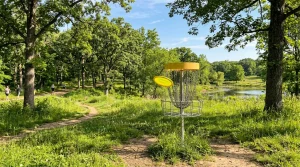
Did you know that disc golf is one of the fastest-growing sports in the world, with its appeal spanning both enthusiasts and casual players? If you’re considering designing your own course, understanding land requirements is crucial. Just how many acres does it take to create a disc golf experience that challenges both beginner and advanced players alike?
In this article, we’ll explore the ideal acreage needed for various course types, the importance of land layout, and how to optimize your space for maximum enjoyment and competition. Whether you’re a passionate disc golfer dreaming of your own course or a community leader looking to bring this exciting sport to your area, grasping the fundamentals of land requirements will not only help you meet local regulations but also enhance the overall playing experience. Join us as we delve into the specifics of creating a disc golf course that captures the thrill of the game while fostering a vibrant community!
Determining Land Requirements for Disc Golf Courses
can be a crucial step in creating an engaging and enjoyable experience for players of all skill levels. The ideal acreage for a disc golf course often ranges between 5 to 30 acres, depending on various factors such as the course layout, number of holes, and the intended difficulty level. This flexibility allows course designers to cater to local communities and demographics, making it a versatile sport that can be adjusted to meet the needs of players from novice to pro.
A standard 18-hole course typically requires around 10 to 20 acres. This space allows for adequately distanced holes that incorporate various natural elements, enhancing the overall challenge and enjoyment of the game. For instance, an intermediate-level course might benefit from additional setbacks between holes to introduce elements like elevation changes, wooded areas, and bodies of water, which not only test players’ skills but also beautify the course. On the other hand, a beginner-friendly course might fit comfortably within 5 to 10 acres, featuring shorter holes and fewer obstacles to promote confidence and skill development among new players.
Moreover, environmental considerations play a significant role in determining the right land for a disc golf course. Suitable locations often require a balance between space and natural features, helping to preserve local ecosystems while creating a fun playing environment. Course planners should also take into account accessibility and safety standards to ensure the course is welcoming for all, including families and individuals with disabilities.
Ultimately, choosing the right land for a disc golf course involves not just understanding space requirements but also incorporating thoughtful design that fosters growth within local disc golf communities. By doing so, facility managers can create a setting that honors the sport’s athletic nature while remaining inclusive and engaging for all participants.
Ideal Acreage for Various Course Types

Choosing the right acreage for a disc golf course isn’t just about the raw number of hectares; it’s about understanding the nuances of design, player experience, and community engagement. Generally, the needs can vary significantly depending on various factors, including the type of course, target skill levels, and specific local attributes. A well-planned course can create a dynamic environment that serves players from beginners to seasoned pros while making prudent use of available land.
For a standard 18-hole disc golf course, most designs recommend between 10 to 20 acres. This space allows for adequate hole separation, which is crucial for maintaining a challenging yet enjoyable course. Adequate spacing helps to incorporate diverse features like elevation changes, wooded areas, and even natural water hazards. These elements not only enhance gameplay by skillfully challenging throwers but also contribute to the beauty of the course, creating a more engaging overall experience. In contrast, beginner courses can be successfully carved into a smaller parcel of land, typically ranging from 5 to 10 acres. These courses often prioritize shorter holes and fewer obstacles, fostering a welcoming environment for newcomers to develop their skills without feeling overwhelmed.
In addition to the basic acreage requirements, multi-use land can also be considered for community-oriented locations. Parks and recreational areas that host different activities can integrate disc golf with limited additional land. Such venues encourage families and casual players to enjoy the sport in an inclusive setting. As you envision your course, it’s crucial to find the right balance between open spaces for long throws and wooded areas that require precise placement and strategy.
Ultimately, the ideal land requirements for a disc golf course come down to thoughtful design choices that prioritize not just how hole lengths and layouts play out, but also how these choices impact player enjoyment and community involvement. By effectively utilizing available acreage, planners can ensure that the course is not only a place for competition but a hub for building a vibrant disc golf community.
Essential Features of a Functional Disc Golf Course

Creating a successful disc golf course goes beyond just mapping out holes; it entails crafting an environment that enhances the playing experience for all skill levels while promoting community engagement. Essential features of a functional course include strategic hole designs, appropriate safety measures, and equitable accessibility. Every element contributes to a course that not only challenges players but also invites newcomers to learn and enjoy the game.
One of the most crucial aspects is the layout of the course itself. Well-designed holes must consider distance, elevation, and obstacles. Incorporating a mix of long and short holes with varying difficulty ensures that players of different skill levels remain engaged and find joy in their rounds. For instance, a par 4 hole with a wide fairway but strategically placed trees can encourage both seasoned players aiming for birdies and beginners looking to navigate safely. The placement of pin locations is equally important; changing these regularly can keep experienced players interested while helping beginners learn strategic approaches to the basket.
Safety cannot be understated in disc golf design. Clear signage indicating the direction of each hole along with warnings for potential hazards can help maintain safe play. Adequate spacing between holes is vital as well; players don’t want to feel like they are inadvertently in the throwing line of someone else. Furthermore, having clear pathways and signage can minimize confusion and ensure that players can easily navigate between holes.
Lastly, ensuring accessibility is key to fostering an inclusive environment. This means creating paths suitable for all abilities, offering tee pads that accommodate wheelchairs, and ensuring that the course is visible and inviting to the community. Community events and tournaments can further engage local players, encouraging them to take ownership of their course while building a vibrant disc golf culture.
By interweaving these crucial features into the design and layout of a disc golf course, planners not only enhance the experience for players but also create a space where everyone feels welcome to participate and grow within the sport.
Designing Courses for Different Skill Levels
Creating a disc golf course that caters to a diverse range of skill levels is essential for cultivating a dynamic and inclusive community around this vibrant sport. It’s important to recognize that players of varying abilities approach the game with different expectations and goals. While beginners often seek enjoyable experiences and a friendly introduction to the sport, seasoned players look for challenges that test their skills and strategies. Designing a course that balances these needs not only enhances the player experience but also promotes a deeper appreciation of disc golf across all demographics.
To achieve this balance, the layout of the course should incorporate a mix of hole lengths and complexities. For beginners, shorter holes with wider fairway options can reduce frustration and encourage confidence as they learn the basics of throwing mechanics and disc flight dynamics. Consider implementing an “open” layout for these players, where obstacles are minimal, allowing them to focus on their technique without the added pressure of navigating tight spaces.
Conversely, advanced players thrive on challenges such as elevation changes, tight fairways, and strategic obstacle placement. These features encourage experienced players to employ various throwing techniques and strategic thinking to navigate through typically more demanding scenarios. For instance, including a par 5 with a narrow fairway that bends around a large tree can create opportunities for advanced players to showcase their skills through strategic shot placement and powerful drives.
In addition to designing the course layout, offering different tee options can significantly cater to various skill levels. By establishing multiple tee pads on each hole-designated for beginners, intermediates, and advanced players-you allow everyone to enjoy the course at their own comfort level. Furthermore, this flexibility encourages progression; as beginners improve, they can challenge themselves by moving to the farther tee pads, providing a sense of accomplishment and motivation.
Ultimately, creating a disc golf course that welcomes both novice and experienced players enriches the sport’s culture, fostering a sense of camaraderie and community. As you plan this crucial element of land use, remember to engage local players in the design process to ensure the course reflects the community’s needs and aspirations. This collaborative approach can only strengthen local ties and enhance the overall appeal of disc golf as a sport for all.
Environmental Considerations for Course Placement
When selecting land for a disc golf course, it’s essential to consider the environmental impact and sustainability of the site to ensure a natural harmony between gameplay and the ecosystem. The placement of a course can significantly influence local wildlife habitats, water sources, and natural flora, making thoughtful planning imperative not only for course functionality but also for ecological preservation.
One crucial aspect is to avoid areas that are fragile or heavily impacted by human activity. Sites rich in biodiversity, such as wetlands or areas supporting endangered species, should be handled with care. Course designers should conduct environmental assessments to identify potential issues such as soil erosion, water runoff, and habitat disruption. Collaborating with local environmental organizations can provide insights into the best practices for course placement that align with ecological standards.
Incorporating native plant species into course landscaping not only enhances the beauty and playability of the course but also supports local fauna. Native plants typically require less maintenance, reducing the need for pesticides and fertilizers that can leach into the environment. Additionally, strategic placement of holes can utilize the geographical features of the land, such as natural elevations and wooded areas, to create a course that interacts gracefully with the natural landscape rather than imposing upon it.
The orientation of the course is another vital consideration; setting up fairways to maximize sunlight exposure while minimizing undue shade can improve grass health and reduce the need for excessive water use. Furthermore, understanding the seasonal weather patterns can aid in selecting the best time for construction and maintenance practices. By fostering a thoughtful relationship with the environment, disc golf courses can not only thrive in their settings but also contribute to the preservation and appreciation of local ecosystems, paving the way for a healthier, more sustainable sport.
Accessibility and Safety Standards in Course Design
Prioritizing accessibility and safety is crucial when designing a disc golf course. A well-designed course not only enhances player experience but also fosters a sense of community and encourages participation among diverse groups. It’s important to ensure that all players, regardless of skill level or physical ability, can enjoy the game while minimizing risks during play.
To create an inclusive environment, consider the following aspects:
- Pathways and Access Points: Ensure that pathways leading to and between teepads and baskets are smooth and wide enough to accommodate players with mobility aids. Avoid steep slopes and ensure that transitions between different terrain types (like from grass to gravel) are marked and safe.
- Teepads and Baskets: Install teepads that provide good traction and stability. The material should be durable and weather-resistant. Place baskets at a height accessible to all players, including those who may be using wheelchairs or other assistive devices.
- Signage: Clear, easily readable signage is essential. Course maps should be present at the start and throughout the course to help players navigate efficiently, and instructions regarding safety protocols and course rules should be clearly displayed.
- Emergency Access: Design the course layout to ensure that emergency services can reach all areas quickly in case of an accident. Design pathways that are free of obstacles and have designated emergency access points.
- Lighting and Course Layout: If the course is intended for evening use, ensure there is adequate lighting for safety. The layout should minimize the risk of players being hit by flying discs, especially in areas where multiple holes may intersect.
By focusing on these key elements, course designers can create a space that not only caters to a wide range of players but also promotes a safe and enjoyable experience for everyone involved. As the popularity of disc golf continues to grow, adhering to accessibility and safety standards will help elevate the sport’s reputation, making it a legitimate and welcoming way to engage with the community. Engaging players from diverse backgrounds will foster a vibrant disc golf scene that celebrates inclusivity while respecting the sport’s competitive nature.
Comparing Urban vs. Rural Course Land Needs
In the world of disc golf, land needs vary dramatically between urban and rural settings, each presenting unique challenges and benefits that influence course design. Urban areas generally face constraints such as limited space, competing land uses, and higher costs, making it essential for course designers to maximize every available square foot. In contrast, rural locations often provide ample land at lower prices, allowing for expansive courses with diverse features, yet they may struggle with accessibility and attracting players.
When designing a disc golf course in an urban environment, it’s crucial to consider the layout meticulously. Urban courses frequently have to navigate around existing structures, streets, and pedestrian pathways. Such courses often feature shorter holes to accommodate smaller plots of land, which can also enhance the pace of play. Additionally, when incorporating multi-use spaces, designers can create versatile areas where disc golf can coexist with other recreational activities, fostering community engagement. For instance, parks that serve multiple functions-like playgrounds or picnic areas-can integrate disc golf elements within their design to maximize land use efficiently.
In rural settings, designers benefit from larger tracts of land, allowing them to create longer holes, varied terrain, and a more immersive natural experience. Courses often leverage existing environmental features, such as forests and hills, creating a unique and challenging landscape. However, the remoteness of rural areas can deter potential players unless sufficient marketing and community outreach are executed. Engaging with local residents and disc golf enthusiasts can stimulate interest and participation, transforming a rural course into a vibrant hub for the sport.
Ultimately, the successful establishment of disc golf courses relies on understanding these regional nuances. Urban courses must maximize limited space while promoting accessibility and community interaction, while rural courses should embrace the opportunity for expansive designs while striving to effectively connect with a wider audience. This dual approach not only legitimizes disc golf as a sport but also ensures its growth and sustainability across diverse landscapes.
Maximizing Space: Multi-Use Disc Golf Areas
Creating multi-use disc golf areas can be a game changer for communities looking to optimize their land while promoting recreational opportunities. By seamlessly integrating disc golf with other activities, venues can attract a wider audience, fostering community engagement and maximizing usage of available space. Consider that many public parks already host sports fields, playgrounds, or walking trails; integrating disc golf into these environments not only enhances the user experience but also makes the best use of often limited land resources.
One effective approach is to design shorter disc golf holes that can easily weave between existing park features. This allows for gameplay that is accessible to beginners while providing challenges for more experienced players. For example, a disc golf course can be laid out in a manner that uses trees, slopes, and water features as natural obstacles, transforming potential blockages into strategic gameplay enhancements. Utilizing signage to indicate shared spaces can ensure safety and clarity for all users, promoting a welcoming atmosphere for families and serious competitors alike.
When planning for multi-use disc golf spaces, consider the following factors:
- Flow and Navigation: Ensure that disc golf paths lead players in a natural flow around other park activities to minimize congestion.
- Shared Amenities: Position tee pads and baskets near picnic areas or exercise circuits to encourage cross-usage.
- Schedule and Maintenance: Implement routines that consider peak usage times for different activities to mitigate conflicts.
Communities can find inspiration from successful models, such as parks that have integrated disc golf with biking trails or walking paths, creating an engaging atmosphere where different groups can coexist without disruption. In these settings, disc golf serves as an inclusive sport, inviting newcomers to join in while maintaining the competitive nature of leagues and tournaments.
Ultimately, maximizing land for disc golf through thoughtful integration not only enhances facilities but also reflects a commitment to community well-being and athletic development. This forward-thinking approach can solidify disc golf as a staple of local recreational culture, ensuring its recognition and sustainability as a valued sport.
Understanding Zoning Laws and Regulations
Navigating the intricacies of zoning laws and regulations is essential when planning to establish a disc golf course. Understanding local land use guidelines can determine not just the feasibility of a course but also its design and operational parameters. Zoning laws vary widely by jurisdiction and often dictate how land can be utilized, thus impacting whether a proposed site is suitable for recreational activities like disc golf. Engaging with local planning departments early in the design process can provide clarity on what’s permissible and what obstacles might arise.
One critical aspect to consider is the classification of the land you aim to use. Parks and recreational zones typically have fewer restrictions, allowing for activities that encourage public engagement and fitness. In contrast, residential or commercial zones may impose stricter limitations on noise, traffic, and land alterations, which can complicate course design. For instance, a public park might accommodate a course seamlessly, but attempting to site a course in a heavily populated residential area could face pushback due to concerns related to noise or safety.
Before laying out your course design, it’s advisable to review local guidelines regarding setbacks, which determine how far structures (in this case, tee pads and baskets) must be from property lines, roads, and other facilities. Certain areas may require additional permits or undergo public hearings, especially if they are situated near sensitive environments or residential communities. Being proactive in assessing these requirements not only streamlines the planning process but also fosters community support, as stakeholders will feel their concerns are acknowledged and addressed.
Additionally, developing a relationship with local officials and stakeholders can provide insights into potential funding sources or community partnerships. For example, municipalities may offer grants for building recreational facilities, creating opportunities to offset construction costs while enhancing community value. This collaboration can also lead to greater acceptance of disc golf as a legitimate sport, paving the way for future course expansions and programming, ensuring the long-term sustainability of the initiative. Ultimately, navigating zoning laws effectively can transform a simple idea into a thriving community asset, demonstrating the value of disc golf as both a recreational and competitive outlet.
Cost Analysis: Land Acquisition and Setup
The financial aspect of establishing a disc golf course can significantly impact the overall success and sustainability of the initiative. Understanding the cost factors involved in land acquisition and course setup is vital for both newcomers looking to start a local course and more established organizations aiming to expand. The preliminary investment varies widely based on location, land size, and the course’s intended complexity. Generally, for a standard 18-hole course, anticipate needing anywhere from 10 to 25 acres of land, which can cost between $50,000 to over $300,000, depending on regional real estate markets and zoning regulations.
When planning your budget, it’s important to consider not just the cost of the land but also additional expenses that will arise during setup. These include:
- Course Design: Hiring a professional designer can range from $2,000 to $10,000, depending on their experience and the intricacies of the course layout.
- Equipment and Infrastructure: Baskets can cost between $300 to $600 each, with around 18 to 27 baskets needed for a full course. Tee pads, signage, and landscaping can collectively add another $5,000 to $30,000.
- Permitting and Legal Fees: Depending on local regulations, factoring in permits or environmental assessments can add $1,000 to $5,000 or more.
- Maintenance Costs: Ongoing expenses for maintenance, upkeep, and potential expansion should also be considered, which may run from $1,500 to $5,000 annually.
Strategically planning for these factors not only ensures smoother development but also positions the course for long-term viability. Consider community involvement in fundraisers or partnerships with local business sponsors to help alleviate the financial burden. Engaging the local disc golf community early in the process can also create a foundational support network eager to contribute to both funding and volunteer efforts.
Ultimately, a comprehensive cost analysis that accounts for both initial and ongoing expenses will better inform decisions about land acquisition and course design. Coupled with a clear vision and community backing, your disc golf course can flourish, providing a valuable recreational space that promotes an active lifestyle while legitimizing disc golf as a growing sport.
Community Impact: Growing the Local Disc Golf Scene
Establishing a disc golf course can profoundly enhance community ties and promote a culture of outdoor activity. Disc golf is not just a sport; it’s a means to bring people together, encouraging participation and engagement across diverse age groups and abilities. When communities invest in a disc golf course, they are, in essence, investing in a multi-beneficial recreational space that can foster social interaction, fitness, and a sense of community pride.
For many localities, a well-designed disc golf course serves as a catalyst for the local economy as well. Courses can attract both amateur and competitive players, leading to increased foot traffic in nearby businesses, such as cafes and sports shops. Events and tournaments organized at these locations can elevate this impact, drawing visitors from outside the area, which further enhances local spending. Establishing leagues or community events not only promotes regular usage of the course but also cultivates a vibrant disc golf culture that supports long-term engagement and development.
Moreover, community involvement in the creation and maintenance of these courses is crucial. By encouraging local residents to participate in the setup process, municipalities can ensure that the course meets the needs of its users while also fostering a sense of ownership. Volunteer days for course maintenance regularly draw out local players to help keep the space accessible and clean, building camaraderie among users. Engaging local schools and youth organizations can also introduce a new generation to the sport, ensuring its growth and sustainability for years to come.
In summary, a disc golf course is more than just an area for throwing discs; it represents a vibrant space for community interaction, economic opportunity, and environmental appreciation. Communities that recognize the potential impact of such recreational spaces can cultivate not only athletes but advocates for active lifestyles, social friendships, and a healthy environment, all while legitimizing disc golf as an increasingly popular athletic pursuit.
Success Stories: How Land Choices Shaped Great Courses
Creating a successful disc golf course hinges not only on careful design and engaging play but also vitally relies on making thoughtful land choices. Courses that leverage their natural surroundings often become iconic within their communities, attracting a diverse range of players and events. For instance, the Idlewild Disc Golf Course in Kentucky was developed in a unique wooded area, integrating the natural topography into a series of challenging holes. This thoughtful land use has not only attracted local players but has also established the course as a regular fixture in the national tournament circuit, showcasing how the right land can elevate a course to national significance.
The Maple Hill Disc Golf Course in Massachusetts presents another exemplary case. Positioned on an expansive property with diverse elevations and landscapes, this course was designed to utilize the natural features of the environment, offering both beginner-friendly and advanced setups. The ample space allowed for a layout that features open fields, technical wooded stretches, and even water hazards, which can change the game’s dynamics. By providing variations within course design based on the land’s characteristics, Maple Hill has succeeded in hosting major events, contributing to the local economy and creating a vibrant disc golf culture in the area.
Choosing the right land can also foster community engagement. In places like Cedar Hill Park in Texas, the city partnered with local disc golf enthusiasts to create a course that not only meets the needs of players but also enhances the park’s appeal to families and non-players alike. The integration of walking trails, picnic areas, and educational signage about disc golf in the park enhances the community’s connection to the sport, inviting newcomers to explore and get involved.
In summary, the selection and development of land for disc golf courses can dictate their popularity and success. Thoughtful design and usage of natural landscapes, as seen in Idlewild and Maple Hill, combined with community involvement like that at Cedar Hill Park, not only benefit the courses themselves but also help bolster local economies and foster a love for disc golf across diverse populations. This approach to land choice not only legitimizes disc golf as an athletic pursuit but also highlights its potential to enhance community spirit and engagement.
Faq
Q: How much land do I need for a disc golf course?
A: Ideally, you need at least 5 to 10 acres for a basic 9-hole disc golf course. For a full 18-hole course, 10 to 20 acres is recommended, allowing space for fairways, tee pads, and greens to ensure a quality playing experience.
Q: What are the minimum requirements for disc golf course design?
A: The minimum requirements include proper spacing between holes, sufficient room for throw trajectories, and accessibility for various skill levels. Consideration for layout and safety is crucial to prevent interference from other users and enhance player enjoyment.
Q: Can I build a disc golf course on uneven terrain?
A: Yes, you can build a disc golf course on uneven terrain, but it requires more careful design consideration. Ensure that the course offers varied challenges while maintaining player safety. Utilizing nature’s contours can add interest while accommodating the sport’s demands.
Q: What zoning laws affect disc golf course land?
A: Zoning laws vary by location and can affect your ability to build a disc golf course. It’s essential to check with local authorities regarding recreational use permissions, land use designations, and any permits needed for construction before proceeding.
Q: How many trees should I leave on a disc golf course?
A: Maintaining a balanced number of trees is crucial. Aim to keep trees that can serve as obstacles and aesthetic features while ensuring they do not overcrowd fairways. Trees strategically placed can enhance the course’s challenge and beauty.
Q: Is it better to use urban or rural land for disc golf?
A: Urban land can provide greater accessibility and community engagement, while rural areas generally offer more space and natural landscapes. Both have pros and cons, so evaluate factors like traffic, safety, and maintenance when choosing the best location.
Q: How can I maximize limited space for disc golf?
A: To maximize limited space, consider creating a multi-use area with shared amenities or a shorter layout that accommodates beginners. Use elevation changes creatively and design holes that incorporate natural features of the land.
Q: What are essential features to include in disc golf course planning?
A: Essential features include tee pads, baskets, clear signage, and accessible pathways. Careful placement of these elements can improve flow, enhance player experience, and help in maintaining the course effectively.
Concluding Remarks
Ready to take your disc golf course planning to the next level? Understanding how many acres you need is just the beginning! Explore our detailed guides on designing the perfect course layout and optimizing your disc golf experience for players of all skill levels. If you’re eager to start your own disc golf journey or enhance your current setup, don’t hesitate to check out our recommended equipment and accessory pages.
Join our newsletter for the latest updates, tips, and exclusive resources tailored for both beginners and seasoned players. Share your thoughts or ask questions in the comments below-we’d love to hear your experiences! Don’t forget to explore related content on disc flight mechanics and throwing techniques to really elevate your game. The disc golf community is waiting for you-let’s hit the course together!
Get our latest guides, news, and insights highlighted in your Google Search & AI Overviews.