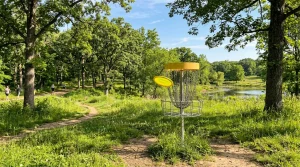
Did you know that the global count of disc golf courses has been steadily increasing, reflecting the sport’s growing popularity and accessibility? Understanding how many courses exist worldwide is crucial, not just for avid players and enthusiasts, but for anyone interested in the evolution of this dynamic sport. As more courses emerge, they create new opportunities for competition, community engagement, and personal development within the sport. Whether you’re a seasoned competitor or just starting, recognizing the scale of this expansion can inspire you to explore new playing environments and connect with fellow disc golf fans. Dive into this article to uncover the current global landscape of disc golf courses and discover what it means for you and the future of the sport!
Understanding the Global Count of Courses Worldwide
With the rapid rise in popularity of disc golf, the global count of courses is a striking reflection of this athletic community’s expansion. As of late 2023, the total number of disc golf courses around the world has soared over 10,000, indicating a sharp increase in interest and participation. This growth is not merely quantitative; it signifies a broader cultural shift towards outdoor activities that emphasize enjoyment, competition, and community bonding. The presence of courses in urban parks, rural settings, and even private properties illustrates the sport’s versatility and appeal.
In various countries, particularly in North America and parts of Europe and Asia, disc golf is not just a casual pastime but an organized sport that hosts a range of tournaments from local events to world championships. What makes this evolution particularly compelling is the diverse types of courses being developed. From highly technical championship-level layouts designed to challenge even the best players, to more accessible recreational courses catering to families and new players, the spectrum is vast.
Moreover, different regions contribute uniquely to the growth narrative. For instance, Scandinavian countries have embraced disc golf enthusiastically, resulting in a network of expertly designed courses that feature stunning natural landscapes. Meanwhile, in the United States, the growth has been fueled by grassroots initiatives led by passionate local communities. These efforts have not only increased the number of courses but also fostered a culture of inclusivity where players of all skill levels are welcomed.
The establishment of a vibrant global community around disc golf further underscores the importance of these courses. Beyond merely being venues for gameplay, they serve as gathering places that encourage social interaction, promote health and fitness, and inspire a sense of belonging among players. As more people discover the joys of disc golf, understanding the global count of courses becomes essential for recognizing the sport’s impact and potential for future growth.
The Growth of Disc Golf Courses: Trends and Statistics
As we delve into the remarkable growth of disc golf courses globally, it’s inspiring to note that more than 10,000 courses are now available, a number that continues to rise as the sport captures the enthusiasm of players and communities alike. This upward trend reflects not merely an increase in participation but a blossoming culture around disc golf that emphasizes inclusivity and community engagement. In countries like the United States, grassroots efforts have propelled local initiatives to introduce more accessible courses, creating spaces where both seasoned players and newcomers can thrive.
One of the most fascinating aspects of this expansion is the diverse types of disc golf courses emerging across various regions. From championship-grade designs that challenge the most skilled competitors to family-friendly layouts that welcome players of all abilities, the variety caters to an extensive audience. These courses are often strategically placed in stunning outdoor environments, enhancing the enjoyment of the game and attracting new players who are drawn to the scenic beauty of disc golf.
Additionally, the growth in course numbers is being driven by both advances in technology and shifts in societal attitudes toward outdoor fitness. With the rise of digital tools and platforms, enthusiasts can easily find and share information about local courses, organize tournaments, and connect with fellow players. This interconnectedness not only bolsters the sport’s popularity but also reinforces a sense of belonging and camaraderie among participants. As the community continues to expand, the future of disc golf looks bright, promising further opportunities for growth and engagement.
Regional Breakdown: Courses by Continent and Countries
As disc golf continues to surge in popularity around the globe, its course distribution reflects a fascinating tapestry of growth across different continents and countries. The sport’s expansion is a global phenomenon, with courses emerging in a variety of landscapes-from urban parks to serene countryside settings. Currently, the United States dominates the count with over 10,000 courses, a testament to the rich disc golf culture that has developed there over several decades. This strong foundation has paved the way for a thriving tournament scene and significant community engagement.
In Europe, countries like Sweden and Finland stand out with their lush forests and breathtaking landscapes, providing ideal conditions for disc golf. Finland alone boasts around 600 courses, fueled by a passionate populace where the sport has achieved status as a national pastime. Meanwhile, the United Kingdom is gradually catching up, with many new courses popping up in scenic locales that blend natural beauty with recreational activity. Germany is another burgeoning market, where disc golf’s popularity is fueled by a strong outdoor lifestyle culture.
Course Distribution by Region
The growth of disc golf courses isn’t just limited to traditional hotspots; it’s increasingly spreading to regions such as Asia and Africa. Countries like Japan are witnessing a rise in access to courses as the sport caters to a younger audience looking for dynamic, outdoor activities. Similarly, South Africa’s outdoor culture is beginning to embrace disc golf, with new courses being established in urban and rural areas alike.
- North America: 10,000+ courses (dominant growth and variety).
- Europe: Over 3,500 courses, with Sweden, Finland, and Germany leading.
- Asia: Emerging interest, particularly in Japan and South Korea.
- Africa: Growing community interest, especially in urban settings.
Engaging with local disc golf communities worldwide can provide valuable insights into course developments. Collaborative efforts among players, local clubs, and parks departments are crucial in sustaining course growth. Additionally, leveraging social media and online platforms allows enthusiasts to share knowledge, organize events, and promote accessibility to courses, thus fostering community and enhancing player experience globally. Understanding these regional dynamics not only highlights the sport’s immense potential for further growth but also connects players with local resources that enhance their journey in disc golf.
Types of Disc Golf Courses: From Recreational to Championship
Disc golf courses vary widely in design and purpose, catering to players of all skill levels and preferences. From simple recreational courses nestled in local parks to intricate championship setups designed for professional tournaments, each type contributes uniquely to the growth and accessibility of the sport. Understanding these distinctions can enhance a player’s experience and help in selecting the right course for practice, competition, or leisure.
At the grass-roots level, recreational courses are often characterized by their accessibility and casual atmosphere. These courses typically feature shorter holes with fewer obstacles, making them perfect for beginners and families looking to enjoy outdoor activities together. Many are integrated into public parks, providing easy entry points to new players. Features like relaxed course layouts and straightforward rules encourage fun over competitiveness, helping newcomers to develop their skills without pressure.
In contrast, championship courses cater to more advanced players, challenging their skills and strategic thinking. These courses are meticulously designed with a variety of hole lengths, elevation changes, and complex terrain, demanding precision in both throwing mechanics and course navigation. Professional tournaments are held on these courses, showcasing the talents of elite players and drawing significant crowds. For example, the courses utilized in events like the PDGA World Championships offer a mix of technical throws and risk-reward scenarios that test even the best players’ abilities.
Additionally, many courses have a hybrid approach, accommodating various skill levels by offering multiple tee pads for each hole. This structure allows beginners to play from shorter, more manageable distances, while experienced players can challenge themselves with longer throws. Such versatility enhances community engagement, as players can compete at their own levels while still enjoying the same course experience.
As disc golf continues to evolve, new trends in course design reflect ongoing innovations and technological advancements. Modern courses often integrate natural landscapes creatively, use advanced materials for course markers, and incorporate player feedback to enhance design and functionality. Emphasizing sustainability, many new courses are being built with an eye toward minimizing environmental impact while maximizing player enjoyment.
In summary, whether you’re seeking a laid-back experience at a local park or ready to tackle the challenges of a championship course, the diversity of disc golf courses worldwide supports a vibrant community, encourages skill development, and fosters a love for the sport.
Factors Influencing Course Development and Popularity
As the popularity of disc golf surges globally, various factors influence the development and popularity of courses. One key element is the increasing interest in outdoor activities, driven by a desire for community engagement and fitness. Disc golf offers a unique combination of social interaction and physical exercise that appeals to a wide audience, from casual players to serious competitors. This accessibility encourages the establishment of courses in diverse locations, including public parks, universities, and private lands, contributing to a growing repository of options for enthusiasts.
Community Involvement
Local communities play a pivotal role in both the creation and sustainability of disc golf courses. Grassroots movements often spearhead initiatives to design and implement new courses, rallying support from players and local businesses. Fundraising events and volunteer efforts for maintenance and updates showcase how community involvement is vital. Many successful course developments are the result of partnerships with local government, which recognize the sport’s potential for promoting environmental stewardship and physical wellness. Engagements through organized tournaments and leagues further solidify the community’s commitment, creating a network where disc golf can thrive.
Environmental and Economic Factors
The site selection for new disc golf courses is also significantly influenced by environmental features. Courses often capitalize on natural landscapes that enhance playability and aesthetics, such as wooded areas, hilly terrains, and water features. This natural synergy not only elevates the game experience but also supports biodiversity and habitat conservation. Moreover, the economic implications of course development cannot be overlooked. Communities see benefits from hosting events that attract players from outside areas, contributing to local tourism and business growth.
Technological Advances
Technological advancements are reshaping how courses are designed and maintained. Modern tools allow for precise mapping of terrains and optimal hole placements to challenge players while ensuring safety and sustainability. Moreover, innovative materials for course signage and equipment help enhance the overall experience. Disc golf courses are increasingly adopting online platforms for managing tournaments and player engagement, further expanding their reach and attractiveness to both new and seasoned players.
Understanding these influencing factors provides invaluable insights into the dynamics of course proliferation around the world. As disc golf continues to evolve, recognizing the interplay of community support, environmental consciousness, and technological integration will be essential for anticipating future growth and keeping the sport accessible to all.
The Role of Communities in Expanding Course Availability
The surge in disc golf’s popularity over recent years has birthed numerous local initiatives aimed at expanding course availability, marking a significant shift in how communities engage with the sport. In many areas, passionate disc golf enthusiasts have come together to form dedicated groups whose mission is to bring new courses to life. These grassroots movements often work hand in hand with local governments and community organizations, emphasizing the benefits of disc golf for physical health, outdoor activity, and social interaction.
Collaboration is key in these efforts; community members host fundraising events, volunteer for course maintenance, and even organize design competitions to involve local architects and landscapers. For instance, some courses have emerged in previously underutilized public spaces such as parks and school grounds, demonstrating the flexibility of disc golf in fitting into various environments. By promoting these courses as communal assets, advocates significantly boost local involvement and ownership over the game. Furthermore, successful course development frequently leads to a ripple effect-once one course is established and thrives, it can inspire adjacent communities to launch their own projects.
Successful course implementations can also enhance local tourism and commerce. Communities hosting disc golf tournaments attract players from neighboring regions, resulting in increased patronage for local businesses. This symbiotic relationship fosters a sense of community pride and engagement. Additionally, many communities utilize these events not just as sporting competitions but as opportunities for awareness about environmental stewardship, showcasing how disc golf can contribute positively to local ecosystems.
Technology further supports community efforts, with online platforms facilitating communication, event scheduling, and even course design feedback from players. By streamlining these processes, communities are able to maintain a steady flow of engagement and innovation in course development, ensuring that the sport continues to evolve while accommodating both newcomers and experienced players. As such, the role of community involvement is pivotal in fostering a sustainable and thriving landscape for disc golf worldwide.
Impact of Technology on Course Design and Maintenance
The integration of technology into disc golf course design and maintenance has marked a transformative era for the sport, ensuring that both new and existing courses meet the evolving needs of players while maintaining the integrity of the game. With access to advanced tools and platforms, designers can create and manage courses that not only challenge players but also enhance their overall experience.
Modern cartography and design software, such as GIS (Geographic Information Systems), allows for precise planning of course layouts, taking into account factors such as terrain, natural obstacles, and player accessibility. By utilizing these technologies, course designers can develop courses that maximize playability while minimizing environmental impact. Additionally, 3D modeling tools enable stakeholders to visualize course designs before implementation, providing communities and players with a tangible sense of what to expect. Collaboratively interactive mapping platforms, where users can leave feedback and suggest modifications, empower local communities to have a say in how their courses evolve, fostering a deeper connection between the sport and its players.
Ongoing maintenance has also benefited greatly from technological advancements. For instance, drone technology can be employed for aerial inspections, helping course managers identify areas needing care or improvements without the labor-intensive process of walking every inch of the course. Maintenance apps allow teams to schedule routine upkeep more efficiently, track progress, and even manage budgets, thereby optimizing resources and ensuring a better experience for all players. Moreover, utilizing social media and dedicated disc golf apps keeps communities informed on course conditions, upcoming events, and volunteer opportunities, reinforcing engagement and participation.
As technology continues to evolve, its integration into disc golf course design and maintenance will likely expand, paving the way for smarter, more sustainable courses capable of accommodating an increasing number of players. By embracing these advances, the disc golf community can ensure that the growth of courses worldwide is not just about quantity, but quality, creating an exceptional environment for the sport to thrive.
Challenges in Course Counts: Definitions and Methodologies
Determining the global count of disc golf courses presents a rich tapestry of challenges, primarily rooted in varying definitions and methodologies employed across different regions. Unlike more standardized sporting facilities, disc golf courses can range from amateur setups in local parks to elaborate designs in championship settings, creating a gray area in how we classify and count them.
One significant challenge lies in the inconsistency of reporting practices. In many countries, there is no unified organization responsible for maintaining an official registry of courses. For instance, while some courses are registered with organizations such as the Professional Disc Golf Association (PDGA), others may not be affiliated at all, potentially leading to undercounting. Additionally, some courses may be temporary or seasonal, further complicating efforts to maintain an accurate and up-to-date global count. To illustrate, it’s not uncommon for community-driven disc golf initiatives to create pop-up courses that exist for a limited time, which can easily fall off the radar of traditional counting methods.
Assessment methodologies also vary widely, impacting the resulting data. Different organizations and websites rely on their methodologies for course counts, whether based on direct surveys, user submissions, or virtual maps. For instance, online resources like Disc Golf Course Review use community input and user-contributed information, which can introduce inconsistencies depending on user diligence and accuracy. Community engagement in reporting course details is crucial, as it helps keep numbers current but also varies in thoroughness by location.
For enthusiasts looking to understand the landscape of disc golf courses globally, focusing on reliable sources is key. Engaging with organizations that prioritize transparency and consistent updates can help paint a clearer picture of disc golf’s growth. As disc golf continues to gain popularity, improving the accuracy of course counts will likely involve collaboration among players, clubs, and national organizations to establish a more standardized approach to course reporting and classification. Such efforts not only legitimize disc golf as an athletic pursuit but also strengthen local communities by fostering connections among players and course developers alike.
Comparative Analysis: Courses vs. Other Outdoor Sports
The popularity of disc golf has seen a remarkable rise in recent years, often inviting comparisons to other outdoor sports like traditional golf, soccer, and even ultimate frisbee. A fascinating aspect of this sport is its accessibility; unlike conventional sports facilities that often require significant investment for maintenance and infrastructure, disc golf courses can be established in a variety of settings, ranging from urban parks to rural landscapes. This adaptability is a primary reason behind the burgeoning number of disc golf courses globally.
One of the most striking contrasts lies in the cost and resources associated with setting up these sports facilities. Traditional golf courses, for example, often span over 100 acres, necessitating substantial land management, water resources, and upkeep that can easily run into millions of dollars. In contrast, a disc golf course can be created with a minimal investment and smaller footprint, making it easier for communities to introduce more courses, particularly in recreational areas. A standard 18-hole disc golf course can fit within 5 to 10 acres, utilizing existing parkland facilities and offering a quick way for cities to promote active recreation.
The increasing integration of technology in sports also plays a pivotal role. Disc golf relies on innovative tools for both players and course designers. Digital mapping applications allow course designers to visualize layouts, improve accessibility, and enhance player experience, all while engaging the community in the process. Conversely, sports like soccer are beginning to adopt similar technologies, but the implementation often faces bureaucratic challenges and higher costs due to more complex infrastructure. This disparity positions disc golf as a nimble sport, capable of quickly responding to player feedback and evolving trends.
Moreover, the nature of participation differs significantly. Disc golf is often played casually with friends or family, which fosters a community spirit that is less pronounced in more competitive outdoor sports. This approachability can lead to higher participation rates among diverse demographics. In comparison, other sports such as soccer have substantial barriers, including the need for organized teams, coaching, and specific facilities. Ultimately, these differences not only reflect the unique spirit of disc golf but also underscore its potential for continued growth and expansion worldwide.
Future Projections: The Course Count Outlook
The rapid expansion of disc golf globally suggests a bright trajectory for the sport’s infrastructure, particularly in terms of course numbers. Current estimates indicate that the number of disc golf courses has surpassed 10,000 worldwide, with this figure likely to double in the next five to ten years. This surge can be attributed to a variety of factors, ranging from increased public interest to the appeal of low-cost recreational facilities, making disc golf an attractive option for communities and parks.
In examining future projections, some pivotal trends stand out. Urban areas are beginning to recognize the benefits of green spaces that encourage social interaction and promote health and wellness. This is leading local governments to support the establishment of disc golf courses in parks, vacant lots, and even on repurposed land. As municipalities prioritize recreational development, disc golf will increasingly be included in future planning initiatives.
Furthermore, the integration of technology is transforming how courses are designed and maintained. Advanced mapping and design software allow for more efficient planning and layout of courses, making it easier for stakeholders to visualize potential sites and gather community input. This level of engagement fosters a communal investment in course development, often accelerating approval processes as more people voice their support for new facilities.
Growing interest in disc golf as a competitive endeavor is also a significant factor in course proliferation. As more players aspire to participate in tournaments, the demand for quality courses that meet regulatory standards will increase. Local clubs and national organizations are actively working to establish better facilities, ensuring that emerging players have access to challenging courses that can also serve as venues for larger competitions.
Ultimately, the future of disc golf courses is not just about numbers; it’s about creating vibrant, accessible spaces that foster community engagement and healthy lifestyles. The combination of urban development initiatives, technology, and competitive demand sets the stage for a thriving disc golf ecosystem in the years to come. As player participation continues to rise, the call for more courses will resonate throughout many regions, allowing this beloved sport to flourish even further.
Disc Golf Course Resources: Where to Find More Information
As disc golf continues to surge in popularity globally, the need for accessible resources has never been greater. Whether you’re a novice looking to find your first course or an experienced player seeking competitive venues, there are extensive resources available to help you connect with the disc golf community and enhance your game. One of the go-to platforms for finding courses is the Disc Golf Course Review, which hosts a comprehensive database of disc golf courses worldwide, complete with user reviews, maps, and details about course layouts. You can filter searches based on various criteria, such as course difficulty, proximity to your location, or whether a course is free or pay-to-play.
For those who thrive on statistics, resources like Disc Golf Course Review for specific states offer insights into regional course counts and quality assessments. This can be particularly useful when planning a trip or participating in tournaments as it helps to identify the best facilities and their amenities. Local disc golf clubs and organizations are also valuable assets; they often host events, tournaments, and community days that can provide insights into the sport while also offering opportunities to meet fellow enthusiasts.
In addition to websites and local clubs, social media platforms and forums have become pivotal for engagement within the disc golf community. Websites like Reddit’s r/discgolf and various Facebook groups facilitate discussions about everything from beginner tips to advanced strategy, and they share alerts on course openings, tournaments, and local events. Connecting with players through these channels not only enriches your understanding of the sport but also builds lasting relationships that can enhance your playing experience.
In summary, there are numerous avenues to explore for anyone interested in disc golf. From course directories and local clubs to digital communities, the information is plentiful and often waiting to be discovered. Embracing these resources ensures that you can take full advantage of the vibrant growth in the sport, whether you are seeking casual play or competitive experiences.
Engaging with the Disc Golf Community: Events and Initiatives
Participating in the disc golf community is not just about playing the game; it’s also about engaging with a vibrant network of enthusiasts and advocates who share a passion for this growing sport. Events and initiatives play an essential role in fostering connections, developing skills, and expanding the reach of disc golf globally. Whether you’re a newcomer seeking to learn the ropes or an experienced competitor looking to fine-tune your game, engaging with these community activities can enhance your experience and deepen your understanding of disc golf.
Volunteering is one impactful way to get involved. Many tournaments and community events rely on dedicated volunteers to help with setup, registration, and on-course support. This not only gives you behind-the-scenes insight into how events operate but also allows you to meet seasoned players and community leaders. Participating in local clean-up days at your favorite courses is another rewarding initiative. It helps maintain the natural beauty of the courses and ensures that they remain accessible for everyone. Many players find that these efforts strengthen their bond with the sport and foster a sense of ownership within their local disc golf scenes.
In addition to volunteer opportunities, there are numerous organized events such as leagues, tournaments, and clinics that cater to all levels of experience. Local clubs often host regular league play where players can improve their skills in a friendly competition setting, while larger tournaments may attract competitors from far and wide, showcasing a range of talent. These events often include workshops with experienced players who share tips on everything from throwing techniques to game strategies. For instance, clinics focused on specific skills-like putting or distance throwing-can take your game to the next level, offering personalized insights and feedback.
Emerging technology and social media platforms are also reshaping how the disc golf community connects. Online forums and groups are bustling with discussions on techniques, gear suggestions, and event announcements. You can follow updates from manufacturers and pro players, engage in rankings, or even find local meetups through platforms like Facebook or Reddit. Engaging in these digital communities can not only expand your network but also keep you informed about the latest trends, tools, and player insights, helping you stay at the forefront of the sport’s evolution.
Overall, engaging with the disc golf community through events and initiatives provides a pathway to not only personal growth but also contributes to the sport’s broader development. By participating actively, you can share your passion, learn from others, and help create an inclusive environment that draws players from all walks of life. As the number of courses-and players-continues to rise globally, the connections you cultivate today will sustain the spirit of community that makes disc golf a uniquely rewarding sport.
Frequently asked questions
Q: How many disc golf courses are there globally?
A: As of now, there are over 8,000 disc golf courses worldwide, reflecting the sport’s growing popularity. This number continues to increase as communities recognize the benefits of disc golf as a recreational and competitive activity. For more details, check out the section on Regional Breakdown in our article.
Q: Which countries have the most disc golf courses?
A: The United States leads with the highest number of disc golf courses, followed by countries like Canada, Germany, and Sweden. This diverse presence showcases the sport’s international appeal. Learn more about specific country statistics in the Regional Breakdown section.
Q: What factors contribute to the growth of disc golf courses worldwide?
A: The growth of disc golf courses is influenced by factors such as community interest, availability of land, and increased visibility through tournaments. As local advocates promote the sport, more courses are developed. For insights, refer to the Factors Influencing Course Development section of our article.
Q: How is the quality of disc golf courses measured?
A: The quality of disc golf courses is often assessed through design, layout, maintenance, and user feedback. Various rating systems consider these aspects to help players choose their destinations effectively. More on this can be found in our section on Challenges in Course Counts.
Q: What is the average number of holes on a disc golf course?
A: Most disc golf courses typically have 18 holes, similar to traditional golf, though many recreational courses feature 9 holes. Each hole presents unique challenges, enhancing the overall gameplay experience. For details on course types, see Types of Disc Golf Courses.
Q: How do disc golf course designs vary by region?
A: Disc golf course designs can vary significantly based on terrain, community resources, and local preferences. Urban areas may focus on smaller, compact designs, while rural regions often feature expansive layouts. Explore regional statistics further in the Regional Breakdown section.
Q: Are there trends in disc golf course development?
A: Yes, current trends include eco-friendly designs, increased accessibility, and the integration of technology for course maintenance. These trends ensure that courses cater to diverse player needs and environmental concerns. Learn more in The Growth of Disc Golf Courses section.
Q: Where can I find a disc golf course near me?
A: You can find disc golf courses near you through online directories such as UDisc or local disc golf clubs. These resources provide detailed maps and course information tailored to your location. For further guidance, check our Disc Golf Course Resources section.
The Way Forward
As we wrap up our exploration of the global count of disc golf courses, remember that each course represents not just a number, but a gateway to adventure and community. Whether you’re a seasoned player or just discovering this dynamic sport, the vast array of courses available worldwide invites you to take your game to new heights. Don’t miss out – grab your gear and find a course near you today!
If you’re looking for tips to enhance your skills or want insights on the best equipment for your disc golf journey, be sure to check out our guides on throwing techniques and course strategies. For those craving more knowledge, explore our resource sections for upcoming tournaments and player stories that inspire growth and participation.
Join the conversation! Share your experiences in the comments, and consider signing up for our newsletter for the latest updates and exclusive content. By engaging with our community, you’re not just playing a game; you’re part of a growing movement that legitimizes disc golf as a vibrant sporting pursuit. Keep exploring, keep playing, and let’s elevate the sport together!
Get our latest guides, news, and insights highlighted in your Google Search & AI Overviews.