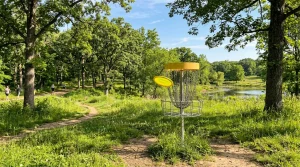
Did you know that disc golf is one of the fastest-growing sports in the U.S.? With thousands of courses scattered across the country, it’s become more than just a pastime; it’s an opportunity for community connection, competition, and outdoor enjoyment. Understanding how many disc golf courses exist in each state can help players discover new locations, plan visits, and connect with fellow enthusiasts. Whether you’re a seasoned player aiming for the next tournament or a newcomer eager to explore your local options, knowing the course landscape is essential. This breakdown by state will provide valuable insights into where the sport thrives, helping you find your next favorite course while contributing to a rapidly-growing community. So grab your discs, and let’s dive into how many courses await you across the nation!
How Many Disc Golf Courses Are in the US?
As of recent estimates, there are over 8,000 disc golf courses in the United States, reflecting the sport’s explosive growth over the past decade. Disc golf has transitioned from a niche activity to a mainstream sport, captivating players of all ages with its accessibility and community-oriented nature. Enthusiasts can enjoy courses ranging from simple, grassy fields to intricate, wooded layouts designed with varying degrees of challenge, perfect for players from novices to seasoned competitors.
The distribution of these courses is not uniform across the country. States like California, Texas, and Florida boast a high number of courses, catering to large populations and vibrant disc golf communities. In contrast, states with smaller populations, such as Wyoming or Vermont, have significantly fewer courses. This variation can often be attributed to factors like local interest, land availability, and the involvement of community organizations in establishing new courses.
In metropolitan areas, courses are often integrated into public parks or maintained by parks departments, promoting leisure and competitive play alike. Meanwhile, rural areas might feature courses that take advantage of the natural terrain, creating unique playing experiences that highlight local landscapes. With various course designs-such as 9-hole courses, which are perfect for beginners, and longer, challenging 18-hole designs for competitive play-there’s something for everyone.
With the rise of disc golf, more towns are recognizing the benefits of adding courses not just for recreation, but also as a means to attract tourism and community events. Players looking to find local courses can use resources like the Professional Disc Golf Association’s directory or apps specifically designed for disc golfers, which provide detailed course maps, player reviews, and tips. As interest continues to grow, the future looks bright for the development and sustainability of disc golf courses across the nation, making it an exciting time to be part of this thriving community.
State-by-State Course Count Breakdown
As of now, the vibrant and rapidly expanding disc golf community in the United States boasts over 8,000 courses, but this number reflects significant disparities across the various states. California, Texas, and Florida lead the way, hosting some of the highest concentrations of courses. For instance, California alone has over 1,000 courses, making it a hub for both casual and competitive players. In contrast, states with smaller populations or less developed sport infrastructure, such as Wyoming and Vermont, struggle to reach even double digits in course count.
The differences in course availability often stem from local enthusiasm and community support for the sport. In states like Minnesota and Oregon, where disc golf is deeply ingrained in the culture, players benefit from extensive facilities that cater to all skill levels, from beginners to seasoned pros. These states not only have numerous well-maintained courses, but they also host a variety of tournaments and leagues, fostering a strong community spirit.
To give you a clearer picture, here’s a breakdown of some states with their respective course counts:
| State | Course Count |
|---|---|
| California | 1,045 |
| Texas | 778 |
| Florida | 708 |
| Minnesota | 615 |
| New York | 545 |
| Wyoming | 11 |
| Vermont | 9 |
As this data illustrates, the variance in course distribution is not just a reflection of population density, but also of the dedication of local players and organizations that promote the sport. Many communities are now recognizing the benefits of disc golf, not just for recreation but also for enhancing tourism and community engagement. This growing awareness is leading to the development of more courses, as towns strive to create inclusive spaces that welcome players of all ages and skill levels, thereby enriching local culture and community.
The Rise of Disc Golf: Trends and Growth
The surge in popularity of disc golf is nothing short of astounding, as evidenced by the rapid growth of courses across the United States. Over the past decade, not only has the number of courses surpassed 8,000, but significant grassroots efforts have spurred community involvement, turning what was once a niche activity into a mainstream sport. This burgeoning popularity can be attributed to several factors, including increased awareness through social media, the accessibility of the game, and the positive social dynamics it fosters. Enthusiasts appreciate that disc golf can be played casually in parks while also offering serious competitive opportunities in various leagues and tournaments.
One major trend contributing to the rise of disc golf is the sport’s ability to adapt to local environmental spaces. Unlike traditional golf, which requires vast and expensive land plots, disc golf courses can be established in smaller, more accessible areas. This has led to a wave of cities and towns recognizing the value of disc golf in promoting outdoor activity and community engagement. Newer courses are often designed with an emphasis on scenic beauty and fun gameplay, incorporating elements such as lakes, wooded areas, and wildlife habitats, which enhance the outdoor experience for players of all ages.
The sport is also witnessing a generational shift, attracting younger players alongside the traditional demographic. With schools and community programs introducing disc golf as part of physical education or recreation offerings, younger audiences are learning the sport early on. Retailers report a significant uptick in sales of disc golf equipment, indicating that the interest is not just a passing trend but rather a fundamental shift in recreational preferences among Americans. Furthermore, the involvement of professional players and organizations, through clinics and exhibitions, boosts visibility and respect for disc golf as a competitive sport, sparking even greater interest.
Advancements in technology and equipment are enhancing the game as well. Manufacturers are constantly innovating disc designs, optimizing flight characteristics that cater to different skill levels, which helps performers at all levels improve their game. The diversity of equipment-including varying disc types for different skills-makes the sport appealing to a wider audience. As more people begin to embrace the art of the throw and the intricacies of course navigation, the growth of disc golf will likely continue, with many communities building more courses and hosting increasing numbers of tournaments. This momentum not only enriches local cultures but also nurtures a vibrant, interconnected community of players across the country.
Understanding Disc Golf Course Types
Understanding the various types of disc golf courses can greatly enhance your playing experience, whether you’re a beginner looking to learn the ropes or a seasoned pro seeking to refine your skills. Disc golf courses are typically categorized based on their layout, environment, and difficulty level, providing diverse experiences tailored to different player preferences and skill sets. The most common types of courses include ball golf-style courses, wooded courses, hybrid courses, and par 3 courses, each offering unique challenges and opportunities for enjoyment.
Types of Disc Golf Courses
- Ball Golf-Style Courses: These courses are often located within traditional golf courses and feature longer holes that require precise throws and strategic shot placement. They typically have open fairways, wide greens, and often include water hazards. Players may benefit from prior experience in traditional golf to navigate these more complex layouts effectively.
- Wooded Courses: These are designed within heavily forested areas, presenting players with shorter, technical holes that require a variety of throwing techniques to navigate trees and other obstacles. Accuracy is key here; players often need to master forehands, backhands, and even specialized shots like rollers to successfully complete these courses.
- Hybrid Courses: Combining characteristics of both ball golf and wooded courses, hybrid layouts offer a mix of long open holes and shorter, more technical sections. This type of course is great for all skill levels, providing opportunities to work on distance throws as well as precision shots.
- Par 3 Courses: Typically shorter and designed for quick play, par 3 courses are perfect for beginners and casual players. They encourage players to focus on accuracy and technique rather than distance, making them ideal for practice and friendly rounds. These courses often feature a mix of open terrain and lightly wooded areas.
As you explore different types of courses, you’ll discover that the environment plays a significant role in your gameplay and strategy. Each course type challenges players differently, from requiring imposing distance throws on ball golf-style courses to demanding precise navigational skills on wooded ones. Additionally, many courses are designed with varying hole lengths and pars, which cater to players of all skill levels. For example, knowing when to employ a powerful drive versus a gentle touch shot can make all the difference in your performance.
Understanding the available disc options can also enhance your game on different course types. Discs are designed with specific flight characteristics, and choosing the right one for the course can impact your performance significantly. Familiarize yourself with different discs, like putters for shorter shots, midranges for versatile throws, and drivers for long-distance launches. As you develop your skills and knowledge about course types and disc dynamics, you’ll find your enjoyment and performance in disc golf will reach new heights.
Popular Disc Golf Destinations Across the US
Disc golf has rapidly transformed into one of the most accessible and enjoyable recreational activities in the United States, boasting thousands of courses that cater to players of all skill levels. From the wooded trails of Oregon to the sun-drenched fairways of Florida, various states have become hotspots for enthusiasts looking to explore the sport. Some renowned destinations elevate the disc golf experience, providing not just challenging layouts but also stunning settings that enhance every round.
California stands out with a plethora of courses, including the famous DeLaVeaga in Santa Cruz, known for its challenging and scenic terrain. Colorado is another favorite, with courses like the Beaver Ranch offering breathtaking views and diverse obstacles that keep players returning for more. The Midwestern states, like Minnesota, host courses that have become the breeding grounds for talented players, including the infamous Blue Ribbon Pines, which offers a unique blend of technical challenges and friendly atmospheres ideal for tournaments and casual play alike.
As interest continues to grow, states like South Carolina are emerging as popular destinations, featuring picturesque courses such as those found in Myrtle Beach. This trend is mirrored across the nation, as facilities increasingly cater to the expanding community, investing in well-maintained courses that enhance playability. Not only do these locations offer engaging competition, but they also foster camaraderie among players, bringing together a diverse community united by their love for the sport.
Exploring local disc golf destinations provides not just a chance to improve one’s game, but also an opportunity to connect with fellow players and participate in events that celebrate the sport. Whether you’re searching for the next great course to conquer or looking to engage with local leagues and tournaments, understanding these popular destinations can elevate your disc golf experience and immerse you in the exciting culture of this growing sport.
Regional Differences in Disc Golf Participation
In recent years, the growth of disc golf across different regions in the U.S. has illuminated distinct patterns in participation and course availability. While some states have embraced the sport with open arms, leading to a rich tapestry of courses and dedicated players, others are still catching up. For instance, states like California and Minnesota lead the way, boasting a high density of courses and enthusiastic communities. California’s sunny climate and varied terrain offer an ideal environment for year-round play. In contrast, Minnesota, often considered the heart of disc golf, is known for its deep-rooted culture in the sport and hosts numerous tournaments throughout the year.
Regional participation also hinges on the availability of resources and community support. In the Northeast, for example, disc golf has grown substantially, fueled by established clubs who promote the sport through tournaments and casual meet-ups. Some local parks have transformed into vibrant disc golf hubs, featuring multiple courses that cater to all skill levels. Meanwhile, states in the South, including Texas and South Carolina, are increasingly recognizing the sport’s appeal, with new courses popping up in urban and suburban areas alike. The pleasant climate enables golfers to enjoy the game almost year-round, fostering a burgeoning community of players eager to engage in friendly competition.
Beyond geography, demographics play a crucial role in shaping these regional differences. Younger generations are driving the expansion of disc golf in many urban locales, while traditional players often dominate in rural areas, creating a blend of experiences across the country. The inclusive nature of disc golf attracts diverse groups, making it common to see families enjoying the course together or friends organizing weekend tournaments. Establishing a welcoming atmosphere is essential, as it ensures new players feel supported, providing opportunities for mentorship and learning from more experienced competitors.
As disc golf continues to rise in popularity, understanding these regional differences can assist players in finding local communities to join and exploring courses that suit their playing style. Whether one is aiming to compete at a high level or simply looking for a leisure activity, participating in regional events and connecting with local clubs can greatly enhance the overall experience of this rapidly growing sport. Embracing the unique characteristics of each location adds richness to the game, allowing disc golf to flourish as a celebrated shared pursuit.
How to Find Local Disc Golf Courses
Finding local disc golf courses can transform your game, allowing you to engage with the vibrant community and discover new challenges. With thousands of courses scattered across the United States, enthusiasts can enjoy casual rounds with friends or test their skills against serious competitors. Here are some effective strategies to locate courses nearby, ensuring you never miss an opportunity to play.
One of the simplest ways to find disc golf courses is through online resources. Websites like PDGA’s Course Directory and Discgolfscene.com offer comprehensive databases that allow you to search for nearby courses based on your location. These platforms provide essential information such as course layouts, hole distances, and user reviews. Many even include interactive maps, making it easy to plan your visit. Utilizing apps like UDisc can further enhance your experience by offering score tracking and course conditions.
Connecting with local community groups is another excellent method. Joining a disc golf club or following regional Facebook groups can provide insider tips on the best places to play and participate in tournaments. Clubs often organize regular meet-ups, allowing newcomers to experience the sport in a welcoming environment while receiving guidance from seasoned players. These interactions can unveil hidden gems: courses that might not be widely advertised but offer fantastic playing experiences.
Explore Disc Golf Through Apps and Maps
Consider using social media and mobile applications to discover disc golf courses. Initiatives like Instagram and TikTok have seen a surge of disc golf content, showcasing local courses through beautiful visuals and player experiences. By searching hashtags related to disc golf, you can uncover recommended places to play, complete with stunning scenic shots. Furthermore, apps like UDisc allow players to find courses based on user-generated data, ensuring that the information is up-to-date.
Lastly, don’t underestimate word of mouth. Engaging with other players in your area or visiting pro shops can provide valuable insights into the local scene. Often, local players can share their favorite courses, helping you find those that fit your skill level and preferences. Whether you’re starting your journey in this rapidly growing sport or looking to compete more seriously, knowing opens up a world of opportunities to enjoy the game and connect with fellow enthusiasts.
Impact of Weather on Disc Golf Courses
Weather plays a pivotal role in the world of disc golf, influencing not only the condition of the courses but also the playability and enjoyment of the game itself. The impact of elements such as wind, rain, and temperature can make or break a round, calling for both players and course managers to adapt their strategies and expectations based on current conditions. For instance, strong winds can significantly affect disc flight, making accurate throws more challenging and requiring players to select different discs or throwing techniques. On the other hand, dry and calm conditions can lead to optimal playing environments, allowing golfers to showcase their skills without external obstacle.
When planning a round of disc golf, it’s essential to keep an eye on the weather forecast. Rain can render courses muddy and slippery, leading to potentially hazardous conditions. This can be especially pronounced on courses that are heavily wooded or lack proper drainage. Players should be prepared to adjust their footwear and consider the importance of grip on wet surfaces. Conversely, hot summer days can lead to course burnout both for the ground and for the players. Dehydration becomes a critical concern when the temperature rises, making it vital for players to stay hydrated no matter what the weather conditions are.
Course Management and Adaptation
Disc golf course managers often have to make tough decisions regarding course maintenance in relation to weather patterns. After substantial rainfall, courses may need to be closed temporarily to allow for recovery, ensuring that the natural landscape is preserved and that conditions are safe for players. This not only protects the integrity of the course but also extends its lifespan, allowing more players to enjoy it in the long run. Similarly, during periods of inclement weather, having a flexible policy regarding tournament rescheduling can help minimize disruptions for players who travel from various regions.
Tips for Players in Various Conditions
Here are some practical tips for players to improve their experience on the course regardless of weather conditions:
- Windy Days: Choose more stable discs that can handle wind gusts, and aim for lower release angles to maintain control.
- Rainy Weather: Use grip-enhancing products on your hands and consider bringing a towel for drying your discs. Waterproof shoes can also make a significant difference.
- Hot Weather: Carry plenty of water and wear light-colored clothing to stay cool. Take breaks in the shade when possible to avoid overheating.
In essence, understanding the weather’s influence on disc golf courses empowers players to adapt their strategies and enhances their overall experience. By embracing the various challenges weather presents, players can not only improve their game but also foster a deeper appreciation for the sport and the environments in which they play.
Courses for Beginners vs. Advanced Players
Engaging in disc golf can be as simple as strolling through a park or as complex as strategizing your way through a championship course, making the sport appealing to a wide range of players. For newcomers, the right course can set the tone for their experience, offering a mix of challenge and accessibility that encourages further exploration. Conversely, seasoned players often seek out courses that push their limits, testing their skill with advanced layouts and technical design.
Courses designed for beginners typically feature shorter distances and fewer obstacles, allowing new players to focus on mastering the basics without feeling overwhelmed. Such courses often have wide fairways, gentle elevation changes, and simple layouts. Here’s what to look for in beginner-friendly courses:
- Shorter Tees: Look for courses that offer shorter tee pads or “family-friendly” layouts.
- Clear Paths: Avoid heavily wooded areas where lost discs can be frustrating.
- Friendly Signs: Courses with clear signage help guide new players effectively.
Advanced players, on the other hand, thrive on the challenge presented by more complex courses, which may feature extended hole lengths, varied terrain, and strategic hazards. These courses often require a deeper understanding of disc flight characteristics, enabling skilled players to utilize a wider array of throwing techniques. Characteristics that define a challenging course include:
- Varied Elevation: Elevation changes can alter disc flight paths, demanding strategic throw choices.
- Risk and Reward: Hazards such as water, dense woods, and tricky layouts create strategic decisions on every hole.
- Multiple Tee Options: Advanced courses often feature multiple tees that accommodate different skill levels while providing an escalating challenge.
Selecting the right course based on skill level not only enhances the enjoyment of the game but also fosters growth as players advance. Beginners can develop their skills in a supportive environment, while more experienced disc golfers can continually refine their techniques on courses that test their mastery. Each round on the course offers a unique opportunity to appreciate the game and connect with the vibrant community that supports it, making every play-beginner or advanced-a step toward something greater.
Top-rated Disc Golf Courses You Must Visit
For enthusiasts and newcomers alike, exploring the top-rated disc golf courses across the United States is a thrilling adventure that unfolds in vibrant settings and diverse terrains. With over 10,000 courses available, the U.S. offers a rich tapestry of options that cater to all skill levels. Whether you seek the challenge of a championship course or the accessibility of a beginner-friendly layout, the following highlights will guide your journey through some of the country’s must-visit courses.
One standout destination is the famous Maple Hill Disc Golf Course in Massachusetts, acclaimed for its stunning views and challenging layout. Known as one of the best courses globally, it features a mix of wooded and open holes, offering players an engaging and picturesque experience. The course is particularly revered for its well-maintained greens and strong tournament history, making it a favorite for competitive players.
Another noteworthy mention is the Boulder Reservoir Disc Golf Course in Colorado. Set against the backdrop of the Rocky Mountains, this course is not just visually breathtaking; it also demands strategic thinking and skillful executing of throws. With a variety of elevations and water hazards, Boulder Reservoir provides a perfect balance of challenge and beauty, making it a rewarding stop for any serious disc golfer.
In California, the DeLaveaga Disc Golf Course in Santa Cruz boasts a reputation for its technical layout and spectacular coastal views. This course is often described as a “must-play” due to its blend of elevation changes and tight fairways, challenging even the most experienced players while remaining enjoyable for beginners. The vibrant disc golf community here often hosts events that foster camaraderie and competition, further enriching the playing experience.
When planning a visit to these top-rated courses, consider not just the playing experience but also the local community and amenities. Many areas surrounding these renowned spots offer disc golf shops and eateries that celebrate the sport, providing players with a chance to connect and share their passion. Additionally, tools like the Disc Golf Course Review make it easy to discover additional courses tailored to your skill level, ensuring that every visit is filled with exploration and improvement.
With such a wealth of options, exploring the top disc golf courses in the U.S. can enhance your skills and deepen your love for the game. Whether you’re drawn to serene landscapes or complex layouts, each course offers a unique narrative within the ever-growing story of disc golf. So grab your discs and prepare for an unforgettable journey across this dynamic sport!
Future of Disc Golf Course Development
As the disc golf community continues to grow exponentially, the future of course development looks promising and innovative. The surge in popularity has invigorated interest from local governments, private landowners, and enthusiasts to design and implement new courses across diverse landscapes. In fact, many municipalities are recognizing the benefits of these courses, not only as recreational areas but also as tools for enhancing community engagement and promoting healthy lifestyles.
One major trend in the development of new disc golf courses is the increasing focus on sustainability and environmental impact. Course designers are now more often incorporating natural elements into their layouts, creating courses that blend seamlessly with the surroundings while minimizing ecological disruption. This approach not only preserves local wildlife habitats but also ensures that courses are enjoyable by offering players unique challenges, such as navigating through existing flora and adapting to varying terrains.
Furthermore, the integration of technology into course design is paving the way for smarter and more interactive experiences. From GPS-enabled maps for players to high-tech scoring systems, technology is making it easier to play and enjoy the game while connecting players within the community. Virtual course previews using augmented reality are also becoming popular, allowing players to familiarize themselves with layouts before they arrive, enhancing both their skills and overall enjoyment.
As we look ahead, the potential for expansion across states is substantial. In regions where disc golf is already flourishing, such as California and Colorado, local clubs are advocating for new courses in underserved areas or urban settings. These efforts are fueled by ongoing grassroots movements, which emphasize the need for inclusivity and access, aiming to introduce more individuals to the sport. Communities are often seeing the benefits firsthand-improved mental health, increased physical activity, and stronger social ties.
In summary, the indicates a direction that balances growth with community needs and environmental stewardship. As more individuals and organizations contribute to this evolution, we’ll see a continued expansion in the number and quality of courses, making the sport accessible to an even broader audience.
Connecting with the Disc Golf Community
As disc golf continues to surge in popularity, connecting with the local disc golf community can greatly enhance your experience, whether you are a seasoned pro or a newcomer just picking up a disc for the first time. Engaging with fellow enthusiasts not only enriches your understanding of the sport but also opens up numerous opportunities for learning, competition, and camaraderie.
Local clubs and online forums serve as excellent starting points for getting involved. Many cities have their own disc golf clubs that facilitate regular meetups, tournaments, and practice sessions, creating an inviting atmosphere for players of all skill levels. These clubs often host events that allow newcomers to learn from experienced players in a supportive environment, fostering a sense of belonging and shared passion. Online platforms like Facebook groups, Reddit, and dedicated disc golf forums offer platforms for players to exchange tips, discuss strategies, and even organize carpooling for distant tournaments.
Participating in tournaments is another fantastic way to connect with the community. While competing at a higher level can be intimidating, local tournaments often welcome players of all abilities, emphasizing fun and skill development over strict competition. Each tournament is not just a chance to improve your game, but also an opportunity to forge friendships that can last well beyond the season. Many players find that sharing experiences, whether it’s discussing course layouts or sharing equipment tips, builds strong social ties that enhance their overall enjoyment of the sport.
Strong community connections also often lead to volunteering opportunities, where you can contribute to course maintenance, design new holes, or even assist in organizing events. These activities not only help improve local courses but also provide a deeper insight into the logistics of course management and design. Whether you’re planting trees, clearing paths, or building tee pads, being an active participant can make you feel invested in the local disc golf scene and help ensure it thrives for future generations of players.
Ultimately, as you connect with the disc golf community, you’ll discover that it’s about more than just playing a game; it’s about building relationships, sharing experiences, and celebrating a shared love for this increasingly popular sport. So grab your discs, find your local group, and start making connections that will help you grow both as a player and a member of the disc golf family.
Frequently Asked Questions
Q: How many disc golf courses are there in the US?
A: As of now, there are over 10,000 disc golf courses across the United States. This number continues to grow as interest in the sport expands, offering players a variety of options to enjoy. For more information on specific counts, check the State-by-State Course Count Breakdown in the article.
Q: Which states have the most disc golf courses?
A: States like California, Texas, and Florida lead with the highest number of disc golf courses. These states boast extensive outdoor spaces and established communities that foster the growth of the sport. Explore the State-by-State Course Count Breakdown for detailed numbers.
Q: What is the trend in the number of disc golf courses in the US?
A: The trend shows a steady increase in the number of disc golf courses, reflecting the sport’s growing popularity. Many new courses are being developed, attracting both recreational players and competitive leagues. See The Rise of Disc Golf: Trends and Growth for more insights.
Q: How can I find disc golf courses near me?
A: To find disc golf courses near you, use online resources like Disc Golf Course Review or apps designed for course locating. Additionally, you can check local parks and recreation departments. For tips on finding local courses, refer to the How to Find Local Disc Golf Courses section.
Q: Are there any disc golf courses suitable for beginners?
A: Yes, many disc golf courses are specifically designed for beginners, featuring shorter holes and friendly layouts. Look for courses that highlight less challenging terrain and clear signage. Check the Courses for Beginners vs. Advanced Players section for recommendations.
Q: How does weather affect disc golf courses?
A: Weather can significantly affect disc golf courses, with rain making courses muddy and wind impacting throw stability. Players should check weather forecasts and adapt their gear accordingly. More on this can be found in the Impact of Weather on Disc Golf Courses section.
Q: What types of disc golf courses exist in the US?
A: Disc golf courses vary widely, including wooded, open field, and hybrid layouts. Each type offers distinct challenges and experiences for players, catering to different skill levels and preferences. For a deeper understanding, see Understanding Disc Golf Course Types in the article.
Q: How can I get involved in the disc golf community?
A: Joining local leagues and participating in community events are excellent ways to get involved in the disc golf community. Many clubs host regular tournaments and casual playdays, making it easy to meet fellow enthusiasts. Check out the Connecting with the Disc Golf Community section for more ways to engage.
Final Thoughts
Now that you’ve explored the breakdown of disc golf courses across the US, it’s clear that this sport is thriving and offers countless opportunities for players of all levels. Whether you’re a seasoned player looking to expand your course list, or a newcomer eager to discover your local options, the variety of courses available means there’s something for everyone. Don’t miss out on our related articles about disc golf techniques and equipment recommendations that can enhance your game-check out our guides on “Mastering Disc Flight Characteristics” and “Choosing the Right Discs for Your Style”.
Ready to take your disc golf journey to the next level? Join our community newsletter for exclusive tips, local events, and insights on upcoming competitions that could enrich your experience. Plus, share your thoughts in the comments below and connect with fellow enthusiasts! By engaging with our content, you not only learn more but also help grow our vibrant disc golf community. Explore now and keep the momentum going-your next favorite course might just be a click away!
Get our latest guides, news, and insights highlighted in your Google Search & AI Overviews.