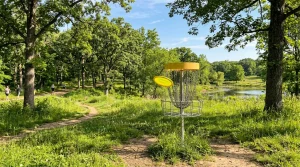
Did you know that the standard disc golf course typically features 18 holes, but variations can exist? This dynamic layout is pivotal in shaping the player experience, presenting unique challenges and strategic opportunities at every turn. Whether you’re a seasoned competitor striving for a personal best or a newcomer eager to explore the sport, understanding how many holes are in a disc golf course can enhance your appreciation of this growing athletic pursuit. The course design not only influences game mechanics but also impacts the overall enjoyment for players of all skill levels. As we delve deeper into course layouts, you’ll discover insights into the diverse structures that define various disc golf experiences. Join us as we unpack what makes each hole significant and how it contributes to the thrill of the game!
Understanding the Basics of Disc Golf Courses
Disc golf courses come in various shapes and sizes, tailored to accommodate different skill levels and objectives. At the core, most standard disc golf courses are designed with 18 holes, similar to traditional golf. However, you will find courses ranging from just 9 holes to 27 or even more, which presents an intriguing variety for both casual players and competitive enthusiasts. Understanding how many holes are on a course is essential for planning your outing and gauging the expected duration of play.
A typical disc golf course layout includes a series of fairways that players navigate using specialized discs. Each hole features a designated tee area and a target, which is usually a basket with hanging chains that catch the discs. As players progress from one hole to the next, they encounter an array of obstacles-including trees, water hazards, and elevation changes-which not only test their throwing skills but also encourage strategic thinking. Course designers often aim to create a mix of open and wooded areas, allowing players to experience diverse throwing patterns and techniques.
Factors influencing the number of holes on a course can vary significantly. Local regulation and land availability often dictate whether a course can support 9, 18, or more holes. In urban areas, limited space might lead to shorter courses, while larger parks can accommodate longer and more complex layouts. Additionally, the target demographic of the course-whether it aims to attract casual throwers or serious competitors-can drive these decisions. For instance, recreational courses might focus on fun and accessibility, while championship-level courses prioritize challenge and skill development.
Ultimately, the growing popularity of disc golf has led to innovations in course design, with an emphasis on providing variety and challenge. Some courses incorporate unique configurations, such as doglegs, elevated tees, and even temporary layouts for special events. These creative features not only enhance the player’s experience but also help to cultivate a vibrant disc golf community that celebrates the sport’s athleticism and accessibility.
Exploring Common Course Layouts and Design
Disc golf courses are not only a playground for seasoned players but also a welcoming environment for newcomers, and understanding their layouts can profoundly enhance one’s experience. Most courses typically feature 18 holes, mirroring the traditional golf layout, but variety is abundant. Some courses offer only 9 holes-ideal for casual play-while others can stretch to 27 or even beyond, providing differing lengths and challenges. Each course is intricately designed, combining diverse terrains, obstacles, and strategic elements that elevate the sport beyond mere disc tossing into a tactical sport.
At the heart of every disc golf course lies a thoughtfully planned path from the tee to the target basket. Holes are meticulously positioned to utilize available land, creating challenges such as narrow fairways, sharp doglegs, and elevation changes that test a player’s skill set. For example, a course might offer a mix of long, open throws paired with tighter, wooded holes that mandate finesse and precise control. This variation not only enhances the enjoyment but also pushes players to develop a broader range of throwing techniques, from powerful drives for distance to delicate touch throws in tighter situations.
Many courses also incorporate unique features such as elevated tee pads or hanging baskets. These elements add excitement and require players to adapt their strategies and disc selections on the fly. It’s not uncommon to find courses that demand alternate routes, where a player must choose between a risky shortcut laden with hazards or a safer, longer path. Such choices are crucial as they increase the complexity and enjoyment of each round, encouraging strategic thinking and improving overall gameplay.
Ultimately, the design and layout of disc golf courses are crucial for fostering a robust community and supporting the sport’s growing popularity. By integrating natural obstacles and a range of hole types, course designers are creating spaces where athletes of all levels can challenge themselves, connect with nature, and engage with fellow disc golf enthusiasts. Whether you’re navigating a tight wooded area or launching a disc across an open field, the thoughtful design of each hole enhances the overall thrill of the game, making every outing a unique experience.
How Many Holes Typically Exist on Courses?
Among disc golf courses, the standard typically features 18 holes, paralleling the layout of traditional golf. However, this norm does not limit the creativity and diversity found in disc golf course designs, which can vary significantly to meet the needs of players of all skill levels. For those just starting, courses with 9 holes provide a perfect introduction, allowing newcomers to enjoy a shorter round without feeling overwhelmed. This setup is ideal for families or casual players looking to unwind without dedicating an entire afternoon to their game.
Conversely, many courses extend beyond the traditional 18, incorporating 21, 27, or even 36 holes designed to challenge more seasoned players. These extended layouts introduce variations that can heighten the thrill of competition, often featuring a mix of long-distance throws and intricate short shots requiring precision. Players love the opportunity to experience diverse terrains and obstacles, as each hole can bring a new challenge, making every round unique. This variety not only enriches gameplay but also encourages players to hone different throwing techniques, expanding their skill repertoire on more complex designs.
Factors Influencing Hole Count
Several factors influence the decision on how many holes a course will have. The available space is paramount; a sprawling park might accommodate a longer course with more holes, whereas a compact urban setting might necessitate a smaller 9-hole layout. Additionally, the target demographic plays a role-courses designed primarily for competitive play may lean towards longer, more intricate configurations, while those aimed at recreational users often remain simpler and shorter.
Ultimately, the flexibility in the number of holes reflects the sport’s inclusivity and growing interest. Whether you’re navigating a cozy 9-hole course or tackling a challenging 27-hole layout, the essence of disc golf remains about enjoyment, skill building, and fostering community, making it accessible and appealing to everyone, from novices to pros.
Factors Influencing the Number of Holes
The number of holes on a disc golf course is influenced by a variety of factors, making each course unique and catering to different player needs. One of the primary considerations is the available land space. In expansive parks or natural areas, designers often have the flexibility to incorporate longer and more intricate layouts, featuring additional holes that enhance the variety of challenges players face. For instance, a sprawling landscape might host a 27-hole course with diverse terrains, from wooded areas to open fields, creating an engaging experience that encourages players to explore different throwing techniques and strategic approaches.
Another significant factor is the target demographic. Courses intended for competitive play tend to feature more holes and complex layouts, as they challenge advanced players to showcase their skills and strategies. Conversely, recreational courses, especially those designed for families or casual players, may opt for a simpler nine-hole setup. This approach allows newcomers to enjoy the game without being overwhelmed, creating an inviting environment that fosters learning and enjoyment. In some regions, community-built courses reflect local interest, often showcasing unique configurations that may not adhere to traditional standards but celebrate creativity and accessibility.
Environmental conditions also play a vital role in determining hole count and layout. Areas prone to heavy rain or flooding often necessitate shorter courses or less complex designs to ensure safety and usability throughout the year. Furthermore, the presence of natural obstacles such as trees, water hazards, or elevation changes can influence hole design and subsequent hole counts, necessitating adjustments that produce both engaging gameplay and maintain player interest.
Ultimately, the flexible nature of disc golf course design allows for a wide array of experiences, whether players are navigating a beginner-friendly 9-hole course or tackling an advanced 21-hole layout. The variety not only enriches gameplay but also embodies the spirit of inclusivity and community that defines the sport, making it accessible to everyone from budding enthusiasts to seasoned competitors.
Unique Disc Golf Course Configurations
Creating engaging disc golf course configurations is an essential component of making the sport accessible and appealing to players of all skill levels. While traditional courses frequently feature a standard 18-hole layout, many designers are innovating with unique configurations that can enhance the gameplay experience. For example, tactical 12-hole courses are gaining popularity as they allow players to enjoy a quick round without committing a significant time investment, making it perfect for casual outings or community events.
Each configuration offers distinct advantages that cater to different segments of the disc golf community. A 21-hole course can challenge even the most seasoned players, introducing a variety of layouts that incorporate elevation changes, wooded sections, and water hazards. This type of course can help develop advanced skills in throwing techniques and strategic shot selection, providing a comprehensive training ground for players preparing for competitive rounds. In contrast, shorter 6- or 9-hole “coming soon” courses often allow beginners to practice the fundamentals in a less intimidating environment. These shorter designs can be set up in local parks or schoolyards, making them a fantastic introduction to the sport.
Innovative Features for Unique Courses
Some courses are pushing the boundaries of traditional designs by incorporating creative features. Examples include temporary or pop-up courses set up for special events, using innovative obstacles like artificial capes and hanging baskets to increase difficulty and delight players. Night golf courses, equipped with glowing discs and illuminated targets, add a fascinating twist that engages players looking for a new challenge. Similarly, urban courses built in non-traditional settings, such as abandoned lots or alongside highways, demonstrate how dynamic and flexible disc golf can be, reaching out to new audiences in areas previously untouched by the sport.
Ultimately, the diversity found in enriches the overall experience and encourages more players to engage with this growing sport. By establishing courses that reflect local landscapes, community interests, and individual player needs, disc golf continues to transform into an inclusive and enjoyable athletic pursuit. By understanding the intricacies of course design and layout, both newcomers and seasoned players can appreciate the beauty and strategy that goes into each throw, fostering a deeper connection to the sport.
The Importance of Course Variety and Challenge
In the world of disc golf, course variety and challenge play crucial roles in enhancing player experience and skill development. A single uniform course can soon become monotonous, but a well-designed course that incorporates various elements keeps the game fresh and engaging. Players often seek out different courses not only to enjoy the scenery but also to test their abilities against diverse obstacles and layouts, each contributing to their growth as athletes.
Courses that feature a mix of hole lengths, elevation changes, and natural elements encourage players to adapt their strategies and techniques. For instance, a course that includes both open fields and wooded areas demands a range of throwing styles, from long drives to precise approaches. This variety not only sharpens technical skills but also hones decision-making abilities under different conditions. Having short and long holes within the same course allows players to experiment with different discs and shots, enhancing their understanding of disc flight characteristics and mechanics.
Moreover, the challenge presented by varying hole configurations can foster a deeper community connection among players. As competitors share their strategies for tackling specific holes, they build camaraderie and mutual respect. Engaging in discussions about the nuances of a challenging course can lead to invaluable insights for players of all skill levels-from beginners learning the ropes to advanced players refining their competitive strategies.
In summary, cannot be overstated. They are integral to creating a rich and rewarding disc golf experience, encouraging lifelong learning and satisfaction within the sport. By offering unique layouts and obstacles, courses contribute to the athletic pursuit while also inviting new players to join the ever-growing disc golf community.
Comparing Disc Golf with Traditional Golf Courses
While both disc golf and traditional golf share a passion for precision, strategy, and a love of the outdoors, they diverge significantly in their course layouts, gameplay dynamics, and overall accessibility. Traditional golf courses typically feature 18 holes, designed with expansive fairways, manicured greens, and various hazards such as sand traps and water features. In contrast, disc golf courses usually comprise 9 to 21 holes, often set in natural environments that utilize trees, elevation changes, and terrain variations as part of their challenges.
One of the most striking differences lies in the equipment and throwing mechanics. In traditional golf, players use a range of clubs designed for different shot types and distances, while disc golfers wield specialized discs that can be categorized into putters, mid-range discs, and drivers. Each type of disc has unique flight characteristics that influence its distance, stability, and control. This variety allows players to hone specific skills, experimenting with different throwing styles and techniques necessary to navigate the diverse hole designs encountered on disc golf courses.
Accessibility is another area where disc golf shines. Many disc golf courses are free to play and are often integrated into community parks, making them more accessible to a wider audience compared to traditional golf, which typically requires green fees and often entails a more significant investment in equipment. The informal nature of disc golf encourages participation from players of all ages and skill levels, fostering a welcoming community atmosphere where both novices and seasoned players can enjoy the sport together.
Ultimately, both sports offer their own unique experiences and set of challenges. While traditional golf emphasizes a slower pace and meticulous shot planning, disc golf introduces a more dynamic and varying experience that can adapt quickly to the player’s strengths and strategies. With each sport cultivating its own dedicated following, the growing popularity of disc golf continues to attract enthusiasts seeking an engaging and community-oriented way to enjoy the great outdoors.
Understanding Course Par and Its Significance
In disc golf, understanding the concept of “par” plays a crucial role in both casual play and competitive settings. Par represents the expected number of throws it should take a skilled player to complete a hole or an entire course. For most disc golf courses, par values typically range from 3 to 5 per hole, and establishing these values involves careful consideration of various factors such as distance, obstacles, and technical difficulty. Each course may design its holes differently, with some being short and straightforward, while others may challenge players with tight wooded routes or water hazards, reflecting a balance in par design.
The significance of par extends beyond just a number; it serves as a benchmark for players to gauge their performance. Knowing the par for a course can help players set goals and create strategies for improvement. For instance, a player who consistently finishes above par may want to analyze their throwing technique, disc choice, or mental game, while one who regularly scores under par might be ready to challenge themselves with harder courses or compete in tournaments. Scoring under par, often referred to as being “in the red,” is a celebrated achievement that can foster motivation and a sense of competition among players.
When playing, it’s essential to remember that disc flight dynamics play a significant role in achieving lower scores. Understanding how different discs behave under various throwing conditions-such as wind speed or elevation changes-can significantly impact a player’s ability to reach or exceed the course par. By practicing with various disc types, including drivers, mid-ranges, and putters, players can develop a well-rounded skill set. Additionally, many courses allow for experimentation with alternative lines of sight to the basket, providing opportunities to find creative routes that could lead to lower scores.
Ultimately, par is more than just a score metric; it influences the way players approach the game. Whether you’re exploring a new course or competing in a local tournament, keeping track of par informs strategy, enhances enjoyment, and contributes to the growth of skills. As the sport matures, understanding and respecting the par will help cultivate a culture that values both competitive spirit and the community aspect that disc golf so beautifully represents.
Touring Popular Disc Golf Courses Worldwide
Exploring the scenic landscapes and unique designs of popular disc golf courses worldwide is an exhilarating endeavor that can enhance any player’s experience. Across the globe, courses vary not only in the number of holes-typically ranging from 9 to 27-but also in layout, terrain, and the challenges they present. Capturing the spirit of camaraderie and competition, these courses often reflect the local culture, making each visit a delightful blend of sport and exploration.
Many renowned courses, such as the iconic Maple Hill in Massachusetts and the stunning Northwood Black in Illinois, showcase how diverse disc golf can be. These courses often feature a combination of open fairways, dense woods, and substantial elevation changes, which demand different throwing techniques and strategic planning. Players looking to improve their skills can benefit greatly from these varied environments, as they encourage experimentation with disc flight dynamics and throwing mechanics. For instance, tight wooded holes might necessitate a finesse approach with controlled mid-range discs, whereas expansive fields allow for powerful drives with distance drivers.
Additionally, the atmosphere of popular courses can foster a sense of community among players. Events and tournaments held at these venues often attract participants from far and wide, offering opportunities to learn from others, share tips on navigating specific holes, or simply enjoy a round together. Engaging with local players can provide invaluable insights into course strategy and design, enhancing one’s understanding and appreciation of the sport. As a newcomer or a seasoned competitor, touring these acclaimed disc golf courses not only improves your game but also deepens your connection to the growing disc golf community around the world.
For those planning their disc golf tours, consider checking resources like course reviews and player feedback to find the best spots suited to your skill level. Look for courses that not only challenge your abilities but also offer features like scenic views or unique obstacles, creating memorable playing experiences. Ultimately, each course presents a new adventure-embracing the diversity of layouts worldwide can lead to continuous improvement and greater enjoyment of this beloved sport.
Community and Local Courses: A Growing Trend
As disc golf continues to grow in popularity, the rise of community and local courses is playing a significant role in shaping the sport’s landscape. These courses, often created and maintained by local enthusiasts, provide accessible environments for players of all skill levels. For beginners, they serve as welcoming spaces to learn the ropes, while seasoned players can find fresh challenges close to home. Enhanced by a grassroots spirit, these community-driven initiatives not only foster participation but also encourage lasting social connections among players.
Local courses typically range from simple 9-hole layouts to more complex 18-hole designs, allowing municipalities to adapt to available space and existing landscapes. For instance, many community parks feature shorter layouts that make the game approachable for newcomers, integrating elements of nature and local features that highlight the area’s unique character. As community members band together to establish and maintain these courses, they create opportunities for collaboration, such as organizing events, leagues, and casual game nights. These gatherings not only build camaraderie but also bolster local interest in disc golf, ensuring the sport’s growth is sustainable.
Additionally, many communities are beginning to recognize the importance of disc golf as an athletic pursuit. Local governments often support the development of permanent courses through funding and maintenance efforts, understanding the value these courses bring in promoting outdoor recreation and community health. As clubs and organizations form around these courses, they collaborate on initiatives like charity tournaments or youth clinics, introducing new players to the sport while providing seasoned players opportunities to give back.
For those looking to explore disc golf further, visiting local courses that reflect your community’s ethos can be immensely rewarding. Engaging with fellow players, sharing tips, and learning about ongoing developments not only enhances your skills but also embeds you deeper in the ever-expanding disc golf community. With such a vibrant network of local courses popping up across the globe, every throw on the course becomes a chance to join in the fun, immerse yourself in a growing sport, and possibly even witness the making of the next big disc golfing hotspot.
How to Design Your Own Disc Golf Course
Designing your own disc golf course can be an exciting endeavor, whether you’re a seasoned player looking to create a unique challenge or a community member eager to foster local engagement in the sport. The first crucial step is selecting the right location, which should ideally be a flat, open area that can accommodate the necessary space for each hole. Consider factors such as terrain diversity, natural obstacles like trees or water features, and accessibility for players of all skill levels.
When laying out your course, think about the standard configurations-most courses feature 9 to 18 holes, with each hole typically offering a variety of distances and challenges. A balanced mix of short and long holes, alongside different types of throws (e.g., forehand, backhand), can enhance player experience. Incorporating elements like elevation changes or strategically placing baskets near obstacles can add intrigue. Use the following tips to give your course character and challenge:
- Natural Features: Utilize existing trees, bushes, and land elevations to shape the course design.
- Safety First: Ensure there’s enough space between holes to prevent potential hazards from errant throws.
- Par Considerations: Define each hole’s par based on its length and difficulty-typically par 3 for shorter holes, par 4 for moderate lengths, and par 5 for the most challenging.
- Tees and Baskets: Invest in quality tee pads and baskets that meet PDGA standards for a professional feel.
After your layout is complete, enlist feedback from local disc golfers and make necessary adjustments. Community involvement is key, as it fosters ownership and encourages more players to take advantage of the facility. Organizing local play days can help assess the flow of the course and identify any areas that might need improvement.
Additionally, don’t overlook the importance of signage that provides clear information about each hole’s layout, distance, and par. Engaging in events or tournaments can also elevate the course’s reputation and attract players from surrounding areas, helping to build a vibrant disc golf community. With thoughtful planning and a clear vision, anyone can create a disc golf course that not only provides a fun challenge but also enhances the local sporting landscape.
Tips for Playing Different Course Types
Playing disc golf can be a thrilling experience, but each course presents its own unique challenges and opportunities. Understanding how to adapt your playstyle can significantly enhance your enjoyment and success on different layouts. Here are some tips to consider when tackling various types of disc golf courses, whether they feature 9 or 18 holes.
Courses with a mix of open fields and wooded areas demand versatility in your throwing techniques. In open courses, you can often let loose with powerful drives, but be cautious of wind conditions that can alter the flight path of your discs. Practice your control by focusing on a stable, straight throw, which will help you navigate through large distances while maintaining accuracy. In contrast, wooded courses require a more strategic approach. Use slower, more stable discs when shooting under tree canopies to avoid hitting branches. Opt for shorter, controlled throws, and take time to assess your options at each hole, aiming for placement over distance to set yourself up for an easier next shot.
Embrace the Elevation
Another crucial aspect is the elevation change found in certain courses. Hillsides and sloped terrains not only affect the distance your disc travels but can also influence how you approach your shots. When playing uphill, adjust your throwing angle to achieve a higher flight path, allowing your disc to reach the target despite the rising ground. Conversely, for downhill shots, be mindful of the increased speed; a more controlled grip will prevent throws from getting away from you. Consider the potential for roll-aways, especially on downhill baskets, where a well-placed putt can unexpectedly roll back down if not aimed precisely.
Course Strategy and Mental Play
Always take the time to observe fellow players and learn from their strategies. Each course has nuances, whether it’s wind patterns, common obstacles, or preferred throwing paths. Join local leagues or casual play days to discuss strategies and discover tips from more experienced players. Community engagement not only improves your own skills but also builds camaraderie, making the sport more enjoyable.
Finally, regardless of course type, maintaining a positive outlook is essential. Disc golf is as much about the mental game as it is about physical ability. Course layouts can challenge your patience and focus, but approaching each hole with a clear mind and a strategy can lead to improved performance and more enjoyable rounds. Celebrate your successes, learn from mistakes, and connect with others-this is what makes disc golf a vibrant and growing sport.
Frequently Asked Questions
Q: How many holes are in a standard disc golf course?
A: A standard disc golf course typically has 18 holes, similar to traditional golf. However, many courses feature 9 holes for shorter rounds, and some may have unique configurations with more than 18 holes. For a detailed understanding of various layouts, check the Exploring Common Course Layouts and Design section.
Q: What is the maximum number of holes allowed on a disc golf course?
A: There is no strict maximum number of holes for a disc golf course; however, most courses cap around 21 holes. This allows for varied play without becoming unwieldy. For more on unique configurations, see Unique Disc Golf Course Configurations.
Q: Why do some courses have different numbers of holes?
A: The number of holes can vary based on available land, course design goals, and the intended skill level of players. Shorter courses with fewer holes are often designed for beginners. Explore factors influencing holes in the Factors Influencing the Number of Holes section.
Q: How is the layout of a disc golf course determined?
A: The layout of a disc golf course is determined by several factors, including terrain characteristics, obstacles, and player skill levels. Course designers work to create a balanced challenge that enhances player enjoyment. For insights into specific design principles, see Exploring Common Course Layouts and Design.
Q: What are the typical lengths of holes on disc golf courses?
A: Typical hole lengths on disc golf courses can vary significantly, ranging from 200 to 600 feet. Short holes are often designed for beginner-friendly play, while longer holes pose a challenge for advanced players. For tips on challenging yourself, refer to The Importance of Course Variety and Challenge.
Q: Are there disc golf courses with fewer than nine holes?
A: Yes, some disc golf courses feature 6 holes or even 3 holes designed for quick rounds, practice, or beginner use. These shorter courses provide great accessibility and learning opportunities. Check out Community and Local Courses: A Growing Trend for more on these types.
Q: Can I play disc golf on a traditional golf course?
A: Many traditional golf courses allow disc golf, but they’re typically not designed for it. If you find a course permitting use, check for any regulations or designated areas. For comparisons, see Comparing Disc Golf with Traditional Golf Courses.
Q: How can I design my own disc golf course?
A: To design your own disc golf course, assess available land, plan hole locations for variety, and consider safety and accessibility. You can start with a small layout and expand as you gain experience. For a step-by-step guide, go to How to Design Your Own Disc Golf Course.
In Summary
Now that you’re equipped with insights on how many holes make up a typical disc golf course and the layout variations, it’s time to hit the course! Understanding the layout will enhance your gameplay and provide a richer experience, whether you’re a beginner or a seasoned pro. Don’t forget to check out our detailed guides on disc flight characteristics and throwing mechanics, which can help you refine your skills even further.
If you’re looking to deepen your disc golf journey, sign up for our newsletter for the latest tips, tricks, and exclusive resources. Explore our other posts on equipment comparisons and course strategies, where you can discover more about optimizing your gear and tactics on the course.
Sharing your experiences in the comments below enriches our community, so we invite you to connect with fellow disc golfers! Remember, each throw is a chance to improve, so get out there, play, and enjoy the growing sport of disc golf!
Get our latest guides, news, and insights highlighted in your Google Search & AI Overviews.