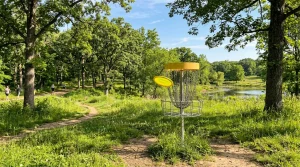
Disc golf course costs is an essential factor in modern disc golf course play, equipment setup, and tactical execution. Our comprehensive guide provides actionable course tips, disc flight mechanics, equipment recommendations, and tournament-tested strategies to help disc golfers optimize their scoring and course performance.
Are you thinking about creating a disc golf course but unsure about the financial commitment? You’re not alone! Budgeting for a disc golf course can seem daunting, but understanding the costs involved is crucial for success. With disc golf’s rising popularity and the community’s spirit, establishing a course can bring immense joy and connectivity to players of all ages and skill levels.
From land acquisition and design to equipment and ongoing maintenance, there are various expenses to consider. Whether you’re a passionate player looking to give back to the sport or a newcomer eager to understand what it takes, this guide will break down the costs, helping you make informed decisions that align with your vision. Join us as we explore the financial landscape of building a disc golf course and equip you to turn your dreams into reality!
Understanding the Cost Factors of a Disc Golf Course
When considering the expenses associated with establishing a disc golf course, it’s essential to understand that costs can vary significantly based on multiple factors. The average price for a public disc golf course can range from as low as a few thousand dollars for a simple, DIY setup on minimal land to upwards of $100,000 for a professionally designed course with premium features. Each component contributes to the overall investment, so it’s crucial to conduct thorough research and planning.
One of the primary cost determinants is the land itself. Securing a suitable location requires an understanding of local real estate markets and zoning laws. In urban areas, land can be expensive, while rural locations might offer cheaper options but come with their own sets of challenges regarding accessibility and community engagement. Costs can also escalate based on the terrain; for instance, courses incorporating natural obstacles like trees, lakes, and hills can enhance the experience but may require additional design and maintenance efforts.
Moreover, the essential features of the course-such as the quality of baskets, tee pads, and signage-can add significantly to your budget. Investing in durable and well-placed baskets is vital for long-term usability and can impact player satisfaction and course reputation. Additional considerations include maintenance costs, which will be ongoing and can vary depending on the chosen materials and landscaping practices.
Lastly, while evaluating the financial aspect, it’s imperative to consider potential revenue streams. Establishing strong community ties through fundraising events and sponsorships can help offset initial costs and create a sustainable financial model, ensuring your course not only thrives but contributes positively to the sport’s growing popularity. Engaging the local disc golf community early in the process can foster support, bringing both financial backing and volunteer labor to the table.
Average Costs: Building vs. Purchasing a Course

Building a disc golf course is a thrilling endeavor, and potential course designers often find themselves weighing the options of constructing their own versus purchasing an existing course. Both routes have their own sets of costs, advantages, and challenges that can affect the overall budget significantly.
When opting to build your own disc golf course, costs can start relatively low, around $3,000 to $10,000 for a basic setup if utilizing existing public land or informal settings. If you have access to a space that needs only light maintenance and little infrastructure, your expenses may primarily include supplies such as baskets, tees, and signage. The DIY approach also allows for creative freedom, enabling you to customize the course layout and features that fit your vision and community interests. However, a more comprehensive course that features professional-grade elements-including premium baskets, concrete tee pads, and well-designed landscaping-can easily escalate costs to $50,000 or more.
In contrast, purchasing an already established disc golf course can involve a higher upfront investment, often exceeding $100,000, depending on the location and amenities. The benefits of purchasing a course usually include an established user base and possibly immediate revenue generation, which is appealing for those looking to quickly integrate into the disc golf community. However, it’s essential to conduct due diligence: ensure the course is viable and assess any additional costs for renovations or upgrades that may be necessary to meet current player desires, such as improved signage or restroom facilities.
Ultimately, deciding on whether to build or purchase hinges on several factors, such as location, budget, community involvement, and long-term goals for the course. A thoughtful approach to community engagement and funding strategies will lay a solid foundation for whichever route chosen, ensuring your investment contributes positively to the sport’s growth and the enjoyment of disc golf enthusiasts.
Essential Features That Impact Course Pricing
Creating a disc golf course is more than just marking out a few holes and placing baskets; it’s an intricate balance of various features that can substantially influence the overall budget. Understanding these essential features is critical for anyone looking to create or improve a course, as they can lead to significant variations in costs and player experience.
The type of terrain plays a key role in determining both the initial setup costs and long-term maintenance. Natural terrains often require minimal alterations, potentially lowering installation costs. However, if you’re developing a course in an area that requires heavy grading, landscaping, or drainage adjustments, those costs can escalate quickly. Moreover, features like elevation changes, water hazards, and natural obstacles can enhance playability and interest but might also increase both construction and maintenance costs.
In addition to terrain, the quality and style of the equipment directly impact pricing. Professional-grade baskets, which are critical for defining the course experience, range widely in cost-from budget options at around $300 to high-end models exceeding $700 each. The decision to use concrete tees over natural surfaces adds another layer of expense. While concrete tees are more durable and provide a better playing surface, they can significantly raise the upfront costs compared to gravel or turf alternatives.
Course layout and design complexity are also pivotal features that influence pricing. A straightforward, nine-hole layout is generally more economical than an 18-hole course with varied lengths and strategic challenges. The inclusion of amenities such as restroom facilities, parking lots, and picnic areas can significantly enhance user experience and attract a broader audience, but they also add to the overall investment. Lastly, considerations regarding local regulations and permitting can throw additional costs into the mix, especially if environmental assessments or community consultations are required.
To sum up, when evaluating the economic feasibility of a new disc golf course, it’s essential to thoughtfully consider how terrain, equipment quality, course design, and additional facilities can all contribute to both initial and ongoing costs, ultimately shaping the player experience and community engagement surrounding your course.
Budgeting for Land: Finding the Ideal Location
Finding the right location for a disc golf course is a pivotal step that can significantly impact both the initial investment and the long-term success of the facility. The ideal site not only needs to accommodate the technical requirements of a course, such as proper terrain and sufficient space, but it should also be accessible to the community it serves. A well-chosen location can generate excitement and foster local engagement, elevating the disc golf experience.
When searching for a site, consider both public and private land options. Parks, schools, and forest preserves often allow public access and may have the infrastructure needed (like parking and restrooms), which can lower development costs. However, if you’re considering private land, negotiate terms that benefit both parties, such as profit-sharing or hosting community events to build good relations. Regardless of the type of land, ensure that it meets zoning regulations and other legal requirements to avoid future complications.
Assessing Terrain and Layout
The course’s layout heavily relies on the natural terrain. Ideal locations offer a variety of elevation changes, tree coverage, and natural obstacles that enhance the course’s appeal without requiring extensive modifications. Before committing to a site, walk the area to visualize how the course might fit within the landscape. Create a preliminary layout design to identify potential challenges and areas for improvement, like drainage solutions or additional landscaping needs.
In addition to terrain, consider the environmental impact and longevity of your investment. Areas prone to flooding or heavy erosion may cause maintenance headaches down the line. Engaging an environmental consultant to assess the land can provide insights into sustainable practices that preserve the local ecosystem while enhancing the player experience.
- Foot Traffic: Locations near existing recreational areas often experience higher foot traffic, increasing visibility and potential usage. Look for spots near schools, residential areas, or major landmarks.
- Community Involvement: Reach out to local disc golf clubs and players during the site selection process. Their insights can guide you to optimal locations and encourage community-backed initiatives.
- Future Growth: Investigate plans for area development. A rapidly growing community could mean increased players and interest in your course over time.
Choosing the right location is more than just finding open land-it’s about aligning with community needs, ensuring accessibility, and considering how the site can integrate with natural features to create an engaging experience for all players. By thoughtfully assessing potential locations, you can establish a course that not only meets the demands of the sport but also fosters a passionate disc golf community.
Maintenance Costs: Sustaining Your Disc Golf Course

Sustaining a disc golf course involves a thoughtful approach to maintenance that preserves the playability and aesthetics of the layout while maximizing the enjoyment for all players. One key aspect to understand is that maintenance costs can vary significantly based on several factors, including the course’s design, the natural environment, and the level of care required to keep the course in excellent condition. On average, annual maintenance expenses can range from a few hundred to several thousand dollars, making it essential to plan accordingly.
Consistent upkeep includes routine tasks such as mowing grass, clearing debris, repairing tee pads, and maintaining baskets. Regular inspection and maintenance can mitigate larger, more costly repairs down the line. For example, if a course experiences drainage issues or wear on pathways, proactive measures can prevent safety hazards and prolong the lifespan of the installations. Utilizing local volunteers or forming a maintenance club can also significantly reduce labor costs and foster community ownership of the course.
When budgeting for maintenance, consider seasonal factors that may influence costs. Areas with heavy rainfall might require more frequent drainage work, while regions prone to drought might lead to increased irrigation responsibilities. Engaging with local environmental services to identify native plants that require less water and attention can also enhance the course sustainably.
Finally, connecting with the community not only aids in volunteer efforts but can also lead to funding opportunities. Many players are passionate about their local courses and may be willing to contribute to maintenance funds through local tournaments, sponsorships, or fundraising events. Such initiatives not only alleviate financial burdens but also strengthen community ties, enhancing the overall experience for everyone involved in the sport. By effectively planning and budgeting for maintenance, you can ensure your disc golf course remains a vibrant and enjoyable destination for players of all skill levels.
Equipment Investments: Discs and Baskets Breakdown

Investing in the right equipment is crucial for establishing a successful disc golf course. The two primary expenditures in this domain include disc golf baskets and discs. While baskets form the permanent fixtures of the course, discs are essential for play and also provide opportunities for branding and community engagement.
Baskets: The Heart of the Course
When selecting baskets, quality and visibility should be at the forefront of your decision-making process. A high-quality disc golf basket can range from $300 to $600 per unit, depending on the design and materials used. Popular choices include brands like Innova, Dynamic Discs, and Discraft, known for their durability and ease of maintenance.
Consider the following factors when choosing baskets:
- Durability: Opt for galvanization or powder coating to prevent rusting.
- Visibility: Baskets should be fluorescent or brightly colored to aid player focus.
- Portability: If planning to reuse or relocate, consider collapsible options.
For a standard 18-hole course, budget for at least $5,400 to $10,800 solely for baskets. However, investing in higher-quality models can enhance the player’s experience and may lead to less long-term replacement costs.
Discs: A Community Connection
While baskets are crucial, discs represent the game’s accessibility and active engagement with the community. If you’re looking to host events or tournaments, providing introductory discs can attract newcomers while also cultivating a more inclusive atmosphere. Basic starter sets usually cost around $30 to $50 and typically include a driver, mid-range, and putter.
Encouraging local businesses to sponsor discs can turn this essential equipment into a revenue stream. Custom discs featuring local branding can provide excellent visibility for sponsors and deepen community ties. If your budget allows, consider offering themed or special edition discs for tournaments and fundraising events.
Ultimately, while the initial investment in baskets and discs can seem daunting, approaching these expenses strategically can foster a vibrant disc golf community. Engaging players through participatory events and providing quality equipment will not only enhance their experience but also ensure the sustainability and growth of your course in the long term.
Permitting and Legal Costs: What You Need to Know

Navigating the bureaucratic landscape of permits and legal costs is essential when planning to build a disc golf course. Many aspiring course designers may underestimate the time and budget required for securing necessary approvals. In fact, depending on the location, failing to adhere to local regulations can lead to setbacks that may delay your project or incur additional costs.
Before breaking ground, you will typically need a variety of permits, including zoning, environmental assessments, and possibly tree removal permits if the course’s design requires alterations to the natural landscape. Engaging with local authorities early in the planning process can provide clarity on which permits are necessary. It’s crucial to understand local zoning laws to ensure that the land you’re interested in is approved for recreational use. For instance, even if the land is designated as park space, there could be specific restrictions regarding the types of activities allowed, possibly requiring a variance.
Legal costs can also include expenditures for professional services such as surveying, legal consultation, or environmental impact studies, which could collectively range from a few hundred to several thousand dollars. Hiring a lawyer with experience in recreational land use can prove invaluable, particularly when drafting agreements with landowners, navigating easements, or if disputes arise during the development process.
Finally, building a positive relationship with the community is just as important. Hosting public meetings to inform local residents about your plans can help build goodwill, which may ease the permitting process. Demonstrating how the course can benefit local recreation, health efforts, and even economic development-by attracting visitors to the area or hosting tournaments-can bolster community support, making it easier to secure the necessary permissions.
Terrain Considerations: Natural vs. Designed Courses
When considering the development of a disc golf course, the choice between natural and designed terrain is pivotal and can significantly influence costs and player experience. Natural courses, often set in pre-existing parks or woodland areas, can provide a stunning backdrop and an immediate sense of adventure for players. However, the benefits of natural terrain come with unique challenges. Developers need to be mindful of the existing ecosystem, ensuring that the course design preserves natural features while complying with environmental regulations. Such considerations might require additional expenses for habitat assessments and potential reshaping of the landscape to mitigate impact.
On the other hand, designed courses offer a tailored experience, where every hole is meticulously planned for optimal gameplay and aesthetic appeal. These courses can include various terrains – from open fields to wooded areas – with strategically placed obstacles to challenge players of all skill levels. However, creating a designed course often involves significant upfront costs, including land grading, landscaping, and possibly re-dedication of land use, which can add to regulatory and construction expenses. The advantage, though, is a potentially higher attraction and retention of players due to the thoughtfully engineered layout that enhances enjoyment and promotes progression in skills.
Investing in designed features, such as elevated tees or water hazards, can significantly ramp up both the initial costs and ongoing maintenance. Yet, such investments can pay off through community engagement, as visually striking courses are more likely to attract tournaments and events, thereby creating additional revenue streams. Furthermore, leveraging local natural features, like hills or streams, can lead to a hybrid approach that balances cost with creative design, marrying the raw beauty of nature with expert course crafting.
In conclusion, the decision between pursuing a natural or designed course relies not just on budget but also on the intended player experience and the long-term vision for community engagement. Understanding the pros and cons of each option will help guide developers to make informed choices that not only appeal to players but also sustain financial viability.
Community Engagement: Fundraising & Sponsorship Ideas
Building a successful disc golf course is not just about the initial investment; it requires an ongoing commitment to community engagement, which can significantly impact funding and sustainability. Engaging local players, supporters, and businesses can create a vibrant ecosystem that supports the course financially and socially. One effective approach to fostering community involvement is through fundraising initiatives. Hosting events such as tournaments, clinics, or “disc golf days” can gather local players and raise funds through entry fees, merchandise sales, and sponsorships. Consider organizing seasonal tournaments where profits can go directly towards course maintenance or future expansions. Such events not only generate income but also strengthen the community ties that enhance the player experience.
Sponsorships are another crucial avenue for securing funds. Local businesses, especially those promoting outdoor activities or sports, can benefit from aligning their brand with the growing popularity of disc golf. Creating sponsorship packages that outline the visibility businesses will receive-through course signage, programs, and event promotions-can entice local owners to invest financially. It’s crucial to articulate clearly how their contributions will enhance the course and the community. Additionally, consider reaching out to larger brands in the disc golf industry for support in the form of donations or equipment sponsorships, which can further alleviate costs.
Community engagement can also be supplemented by volunteer workdays. Inviting local players to participate in maintenance days fosters a sense of pride and ownership over the course. Providing incentives like free disc golf merchandise or complimentary passes while working on maintenance tasks not only helps in keeping the course in excellent condition but also encourages social connections among players. By involving the community in the upkeep of the course, you encourage a loyal player base that values the facility and its sustainability.
Lastly, leveraging social media and community boards can enhance outreach efforts. Regular updates about events, progress on fundraising goals, and volunteer opportunities keep the community informed and engaged. Create engaging content, share player stories, success highlights from events, or tips about disc golf to foster a sense of belonging. By building a strong, engaged community around your disc golf course, you not only aid its financial stability but also promote the sport’s growth and legitimacy within the local culture.
Cost-Saving Tips for Building a Disc Golf Course
Building a disc golf course can be an exciting venture, but the associated costs can add up quickly. Implementing cost-saving strategies is essential for ensuring that your course is both sustainable and enjoyable for players of all skill levels. One of the most effective methods to save money is to carefully plan your design and layout. By utilizing the existing terrain to your advantage, you can reduce the amount of grading and landscaping needed. For instance, consider designing your course around natural features like trees and elevation changes, which can enhance player experience while minimizing expenses.
Another significant area where costs can be cut is in materials and equipment. Consider purchasing used baskets or sourcing materials locally to lower your capital investment. Additionally, opting for simpler, fewer-hole designs, or even a temporary course while you gauge community interest, can help manage initial outlays. Engage with local disc golf communities or clubs to organize collective purchases, which can lead to discounts and shared resources. Leveraging volunteer labor for course maintenance and setup days can not only save costs but also foster a sense of ownership among local players.
Furthermore, maximizing community engagement can lead to innovative funding solutions. Host fundraising events such as tournaments or disc golf clinics where entry fees contribute directly to course development. These activities not only bring in revenue but also elevate the visibility and support for your course within the community. Additionally, consider reaching out to local businesses for sponsorship opportunities; a well-crafted proposal can entice them to support your course financially or through donations of materials and supplies.
By creatively combining these strategies-designing with nature, leveraging community resources, and engaging local businesses-you can effectively manage costs while building a thriving disc golf course that serves players for years to come. Doing so will not only make your course financially viable but also help solidify disc golf as a respected and beloved community sport.
Comparative Analysis: DIY vs. Professional Course Designs
Creating a disc golf course offers a unique challenge, merging creativity and strategic planning to cater to players of all skill levels. Whether you decide to take on a do-it-yourself (DIY) approach or hire a professional designer can significantly influence both the budget and the course’s overall quality. Each option comes with its advantages and limitations, requiring a careful assessment of your goals, resources, and community support.
A DIY course can drastically reduce initial costs. By leveraging your free time, personal knowledge, and volunteer help, you can keep expenditures minimal. Many successful DIY courses start with a small budget, often ranging between $1,000 to $10,000, depending on the number of holes, the type of baskets used, and additional features such as signage or tee pads. Key to success is maximizing the natural terrain, incorporating existing trees and hills as obstacles, and opting for a simple layout that encourages a variety of throwing techniques. Moreover, engaging the community not only cultivates a sense of ownership but also garners ongoing support for maintenance and improvements.
On the other hand, professional course designs, while typically more expensive-often costing $20,000 or more for a full 18-hole setup-bring a wealth of experience and industry insight. Professionals can create an aesthetically pleasing and strategically challenging course by utilizing advanced design software, ensuring an engaging experience that aligns with competitive standards. They often have access to better quality materials and equipment, paving the way for important features such as durable tee pads and high-quality baskets. Furthermore, professionals can help navigate the permitting process, reducing potential setbacks and streamlining development efforts.
Ultimately, the choice between DIY and professional course design depends on your budget, the desired quality of play, and your community’s involvement. Whichever path you opt for, ensuring that the course reflects the spirit of the sport and the needs of the players will lead to a successful and enjoyable disc golf experience. The potential for creative expression in a DIY course can beautifully complement professional insights, making collaborations a powerful option for communities eager to grow the sport and foster engagement among players.
Exploring Revenue Streams: Making Your Course Profitable
Creating a profitable disc golf course goes beyond sheer passion for the sport; it also requires strategic planning and a keen understanding of various revenue streams. One of the most effective ways to enhance your course’s financial viability is through charging for play. Implementing a pay-to-play model allows you to collect fees for individuals or groups, thereby generating a steady income. Consider offering various pricing structures, such as annual passes, single-day fees, and family discounts to attract a wider audience. Regular tournaments can also significantly boost revenue, with entry fees and sponsorships helping cover operational costs while increasing visibility within the community.
Beyond direct fees, courses can explore additional revenue opportunities through merchandise sales, including branded apparel, discs, and accessories. Setting up a pro shop or mobile vendor near the course can enhance the player experience while providing a stream of income. Additionally, collaborating with local businesses for promotional events or exclusive discounts can create a mutually beneficial relationship, increasing foot traffic while supporting the local economy.
Event Hosting and Sponsorships
Organizing events such as tournaments, clinics, and leagues not only builds community engagement but can also be lucrative. Consider hosting multiple formats-like singles competitions, team events, or charity tournaments-to cater to various skill levels and interests. When doing so, seek sponsorships from local companies in exchange for advertising on banners or promotional materials during events, which can help offset costs and increase your overall profit margin.
Moreover, fostering relationships with local disc golf clubs can lead to increased participation and better-run events, which in turn can boost your course’s reputation and draw more players. Encourage these clubs to use your facility for regular meetings or practice sessions, cementing your course as a hub for the local disc golf community.
Lastly, consider exploring online platforms for merchandise or memberships that extend beyond just your course’s local community. By embracing technology, like a well-managed website with e-commerce capabilities, you can reach a broader audience. Packages that include exclusive content, such as instructional videos or community forums, may encourage players who cannot physically visit your course to engage, supporting your overall goal of sustainability and profitability.
Faq
Q: What is the average cost to build a disc golf course from scratch?
A: The average cost to build a disc golf course from scratch typically ranges from $15,000 to $50,000. This budget includes land purchase or lease, course design, installation of baskets, signage, and landscaping. Consider financially assessing individual site conditions for a more tailored estimate.
Q: How can I reduce costs when building a disc golf course?
A: To reduce building costs, consider DIY projects for installation, sourcing used equipment, or partnering with local organizations for fundraising. Engaging the community in design decisions can also lower expenses while ensuring the course meets public needs.
Q: Are there any ongoing costs associated with maintaining a disc golf course?
A: Yes, ongoing maintenance costs for a disc golf course can include mowing, trash removal, signage upkeep, and basket maintenance. An annual budget of $1,000 to $5,000 may be necessary, depending on course size and usage.
Q: What permits are required to build a disc golf course?
A: Building a disc golf course typically requires local zoning permits, environmental reviews, and possibly land use permits. Consult your local government or parks department to determine specific requirements and ensure compliance before starting.
Q: How do land location and terrain affect disc golf course costs?
A: The location and terrain significantly impact course costs; prime spots with easy access may incur higher land costs, while rugged terrain might require additional excavation and preparation expenses. Budget accordingly based on location analysis and terrain assessment.
Q: Can a disc golf course generate revenue, and how?
A: Yes, a disc golf course can generate revenue through tournament fees, merchandise sales, and course memberships. Additionally, offering clinics or casual leagues can enhance community engagement while providing additional income streams.
Q: What are typical costs for disc golf equipment beyond course installation?
A: Beyond installation, disc golf equipment costs include discs and baskets, averaging $20 to $300 per basket and $15 to $25 per disc. Total costs will depend on the number of players and available equipment on the course.
Q: How long does it take to build a disc golf course?
A: Building a disc golf course can take anywhere from a few weeks to several months, depending on design complexity, land acquisition processes, and permit approvals. It’s essential to plan for potential delays due to regulatory requirements or weather conditions.
In Conclusion
Now that you have a clearer picture of what it takes to budget for a disc golf course, remember that investing in this growing sport can lead to countless fun and rewarding experiences. Whether you’re setting up a basic layout or aiming for a top-tier course, every step counts. Don’t hesitate to check out our guides on “Choosing the Right Equipment for Beginners” and “Essential Course Design Tips” for more insights that could enhance your journey.
Ready to take your knowledge further? Subscribe to our newsletter for the latest updates and expert tips straight to your inbox. If you have questions or need personalized advice about your disc golf course project, feel free to reach out-we’re here to help! By exploring these resources, you’ll not only enrich your understanding of disc golf but also become part of a vibrant community that shares your passion.
As you dive deeper, consider sharing this article with fellow enthusiasts. Join the conversation in our comments section; we love hearing your thoughts and experiences! Keep disc golf thriving by continuing your journey with us-every throw counts!
Key Course Considerations and Strategic Navigation for Disc golf course costs
When developing a strategic approach around disc golf course costs, players should account for essential technical and environmental factors:
- Course Layout and Terrain: Elevation changes, tree canopy density, and natural water hazards dictate whether to prioritize distance off the tee or controlled fairway positioning.
- Disc Selection and Flight Ratings: Matching disc speed, glide, turn, and fade to wind conditions and arm speed prevents costly kicks into heavy rough.
- Footwork and Release Consistency: Smooth, balanced run-ups and clean follow-throughs produce repeatable release angles on hyzer, flat, and anhyzer lines.
- Mental Strategy and Risk Management: Assessing landing zones and high-percentage scramble routes preserves par and minimizes double-bogeys during tournament rounds.
Disc Golf Equipment Specifications and Flight Matrix
| Disc Golf Element / Category | Primary Specification | Recommended Flight Characteristic | Strategic Application |
|---|---|---|---|
| Distance Driver | Speed 11–14, Wide Rim | High speed, sharp rim, controlled fade | Maximum distance off tee on open fairways |
| Fairway Driver | Speed 6–9, Moderate Rim | Neutral turn, predictable finish | Tight wood lines, tunnel shots, placement drives |
| Midrange Disc | Speed 4–5, Deep Rim | High glide, straight flight path | Accurate approach shots, control in tight gaps |
| Putt & Approach | Speed 1–3, Blunt Edge | Low glide, minimal skip, bead/beadless | Circle 1/2 putting, layups, short upshots |
Frequently Asked Questions About Disc golf course costs (FAQ)
What is the best way to improve accuracy for Disc golf course costs?
Focus on consistent footwork, maintaining a level reachback, and matching disc stability to your natural throwing speed rather than overpowering the disc.
How do wind conditions affect disc selection?
Headwinds make discs fly more understable (turn more), requiring more overstable discs, while tailwinds make discs fly more overstable (fade earlier), requiring lighter or more understable discs.
What equipment is essential for playing disc golf courses?
A balanced starter set with a putter, midrange, and fairway driver, along with a comfortable disc golf bag, chalk bag, and course-ready athletic footwear.
Get our latest guides, news, and insights highlighted in your Google Search & AI Overviews.