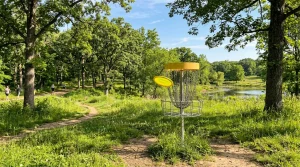
Did you know that the right disc golf course design can elevate a casual player’s experience while challenging seasoned pros? Designing a disc golf course is more than just placing baskets and tee pads; it’s about creating a strategic tapestry that tests skills, preserves nature, and fosters community. Whether you’re a passionate player looking to share the sport with others or a seasoned veteran aiming to refine your local course, understanding effective design principles is key. This guide will take you through essential strategies, from analyzing terrain and selecting obstacles to optimizing flow and safety. Join us as we explore the vital components of course design that can transform any layout into a memorable experience for all players, offering insights that cater to both beginners and competitive enthusiasts alike.
Understanding Disc Golf Course Design: The Basics
Designing a disc golf course is a blend of creativity, strategic thinking, and an understanding of the nuances that make the game enjoyable and challenging. The essence of a well-designed course lies in its ability to engage players of all skill levels while providing a unique experience that harmonizes with its surroundings. A successful course should seamlessly integrate natural terrain features, such as hills, trees, and water bodies, while also maintaining a flow that keeps players moving from one hole to the next.
The layout should emphasize variety; offering a mix of long and short holes, as well as those that require different throwing techniques. For instance, placing a basket on an elevated platform can challenge players to master their throws, while a wooded area can test accuracy and control. In addition, considering the local climate can influence decisions on course materials and maintenance practices, ensuring the course remains playable year-round.
Safety is paramount in course design. Clear signage indicating the path to the next tee and the proximity of other players can help prevent accidents. Moreover, incorporating walking paths not only enhances player accessibility but also encourages non-players to enjoy the course. Engaging with the community during the design process is essential, as it helps to gather feedback and fosters a sense of ownership, which can lead to higher participation rates and support for maintenance efforts.
Finally, as disc golf continues to grow in popularity, staying updated on trends in course design, such as eco-friendly practices and innovative hole concepts, can contribute to creating a modern, engaging, and sustainable disc golf experience that attracts both newcomers and seasoned players alike.
Key Elements of a Successful Disc Golf Course
Designing a successful disc golf course is akin to crafting an enjoyable, challenging adventure that caters to a wide array of players-from beginners to seasoned pros. At its core, a proficiently designed course balances creativity with strategic flair, ensuring that each hole presents unique challenges while maintaining a natural flow from one tee to the next. By thoughtfully considering various elements, designers can create a course that not only highlights the beauty of its surroundings but also enhances the overall gameplay experience.
One of the is diversity in hole design. This includes a mix of short and long holes, doglegs, and varied elevation changes to challenge players’ skills and throwing techniques. For instance, some holes could incorporate tight fairways that require precise control, while others might feature open areas that allow for distance throws. Such variety keeps players engaged and encourages them to use different types of discs and techniques throughout their round.
Another essential aspect is engagement with natural terrain. Effective course designers leverage existing features such as trees, water hazards, and slopes to create natural barriers and challenges. Placing a basket on an elevated area can add a thrilling challenge that requires players to perfectly execute their throws. Additionally, integrating the landscape not only adds difficulty but can also enhance the aesthetic appeal of the course, making it a more enjoyable outing for both players and non-players alike.
Safety and accessibility should also be paramount in the design phase. Clearly marked paths and signage help players navigate the course efficiently, reducing the risk of accidents, especially in areas where players may accidentally cross paths. Furthermore, incorporating walking trails can invite non-players to enjoy the course, fostering a community atmosphere. By prioritizing these elements, designers can ensure that their courses are not only functional but also welcoming to all visitors.
Engaging with the local disc golf community during the design process is invaluable. Gathering feedback helps to foster a sense of ownership among players, which can lead to increased usage and support for maintenance efforts. By listening to the community’s needs and preferences, course designers can create spaces that are truly reflective of the players they aim to serve, ensuring the course remains a cherished local amenity for years to come.
Essential Strategies for Course Layout
Creating a well-structured disc golf course layout is similar to crafting a narrative where each hole tells a story, challenging players while providing an enjoyable experience. To achieve this, designers should start with a clear understanding of the playing flow, ensuring that players can move seamlessly from one hole to the next. A successful layout not only considers the overall length and difficulty but also incorporates variety to keep players engaged.
One effective strategy is to intersperse shorter and longer holes throughout the course. This not only provides rest periods but also allows for different throwing techniques and disc choices. For example, a short hole might encourage finesse and precision, while a longer, open hole demands power and accuracy. Additionally, mixed-use challenges-such as combining technical, wooded holes with open, distance-driven ones-can cater to players of varying skill levels, promoting inclusivity in the sport.
Layout Considerations
When planning the layout, consider the following key components:
- Natural Features: Utilize existing trees, water hazards, and elevation changes as integral components of the course. These elements can provide strategic challenges without the need for extensive construction.
- Visibility and Accessibility: Ensure that tee pads and baskets are easily visible and that there are clear pathways for players. This reduces confusion and enhances the overall experience.
- Distance Markings: Clearly mark the distance to each basket to aid players in selecting the appropriate discs. Adding distance markers along the fairway gives a clear indication of challenges ahead.
Elevation and Terrain Use
Course designers should take advantage of elevation changes creatively. Elevated baskets can be beautiful but also present additional challenges that require players to adjust their throwing mechanics. Including downhill throws can create excitement, while uphill shots can test a player’s endurance and skill. Incorporating these varied terrains encourages players to think strategically about their throws and can heighten the competitive nature of a game.
In essence, a thoughtful course layout combines creativity, strategy, and community engagement, making each disc thrown an adventure in itself. By mixing challenges and accommodating a wide range of skills, designers can build courses that not only enhance competitive play but also foster lasting enjoyment for all who partake.
Incorporating Terrain and Environment in Design
Incorporating the unique features of the terrain and environment into a disc golf course design can significantly elevate the experience for players. Every hill, tree line, and water feature presents an opportunity to craft challenging yet enjoyable holes that engage players of all skill levels. By embracing the natural landscape, designers can create a course that feels authentic and harmonizes with its surroundings, making each round an adventure that draws upon the beauty and complexity of nature.
To start, consider the natural elements available at the location. Trees can serve as critical obstacles or integral parts of the layout, forcing players to navigate their throws and strategize their paths toward the baskets. For instance, tight fairways lined with mature trees can demand precision and skill, while wider paths may allow for more aggressive play. Additionally, strategically placed water hazards can add an exciting element of risk, challenging players to weigh the potential reward of a risky throw against the safety of a conservative approach.
Elevation changes also play a pivotal role in creating dynamic gameplay. Baskets situated atop hills require players to adjust their throwing techniques, often making a seemingly straightforward putt more complex. Including downhill throws can create exhilarating moments as players watch their discs soar toward the target, while uphill shots test endurance and skill with added difficulty. Mixing these elevation alterations within the course layout not only enhances physical challenge but also stimulates strategic thinking as players plan their shots.
A well-designed course should also consider the local environment by honoring the ecosystem. Preserving native vegetation and minimizing disruption to wildlife can evoke a deeper appreciation for the sport among players. Incorporating pathways, clear signage, and strategically marked tee pads can improve overall accessibility, making the experience welcoming for newcomers while providing seasoned players with the challenges they crave.
By thoughtfully weaving together terrain and environmental elements, designers can create a disc golf course that is both challenging and enjoyable, fostering a sense of community among players and elevating the sport as a legitimate athletic pursuit. Ultimately, embracing the unique character of each landscape can transform every game into a unique story worth telling.
Choosing the Right Disc Golf Equipment for Your Course
Choosing the right equipment for a disc golf course is crucial in shaping the playing experience and can significantly influence both enjoyment and competitiveness. Discs, baskets, and accessories not only impact gameplay but also the overall aesthetic and environmental integration of the course. Making informed choices here can cater to a diverse range of skill levels and preferences, ensuring that each round is memorable and challenging.
When selecting your discs, consider the flight characteristics that best fit your course design. Discs are categorized into three main classes: drivers, midranges, and putters, each serving distinct purposes. Drivers are designed for long-distance throws with a lower profile, making them suitable for the open stretches of your course. In contrast, midrange discs offer versatility and are ideal for shorter, more technical throws where accuracy is paramount. Lastly, putting discs, which typically have a wider rim, are essential for short-range shots near the basket. When introducing players to the sport, providing a variety of discs can aid in their development, allowing them to find the right fit for their style.
Baskets are another vital consideration that impacts both functionality and player experience. Opting for high-quality, durable baskets that meet established standards (such as those from the Professional Disc Golf Association) will ensure longevity and consistency. Single-chain vs. double-chain baskets also warrant attention; double-chain models tend to catch discs more reliably, reducing frustrating bounce-outs, which can be especially important for novice players. Placement of these baskets should also reflect strategic considerations, such as targeting seasoned players with challenging positions while still ensuring accessibility for beginners.
In addition to discs and baskets, consider the supporting accessories and layout features that can enhance the gameplay experience. Items like tee pads offer a designated area for throwing, helping players maintain correct form and minimizing wear on the terrain. Signage not only guides players through the course but can also communicate key rules and distances to each basket, fostering a respectful and informed playing environment. Furthermore, communal amenities, such as benches and waste bins, show care for player comfort and course cleanliness, promoting community engagement and responsible usage.
Ultimately, equipping your course with the right tools is about creating an environment that nurtures player growth while challenging experienced competitors. By thoughtfully integrating various elements, you can celebrate the vibrant community of disc golf while ensuring each round is a rewarding adventure. Emphasizing the blend of enjoyment and strategy is essential in legitimizing disc golf as a compelling athletic pursuit.
Creating Challenging Holes to Enhance Gameplay
Creating a truly engaging disc golf course involves designing holes that not only challenge players but also enhance their overall experience. Consider that a well-thought-out hole can be the difference between a boring round and an exciting challenge that players look forward to returning to. Holes that force players to think strategically about their shots and employ various throwing techniques will keep the game fresh and invigorating.
To design challenging holes, start by incorporating a variety of obstacles. This could include natural elements like trees, bushes, or water hazards that players must navigate. For instance, a hole that requires a precise throw over a small pond to reach the basket can test a player’s finesse and control. Alternatively, placing a basket strategically behind a cluster of trees encourages players to consider different angles and disc choices. When designing these obstacles, it’s essential to ensure they are fair; the challenge should not be so extreme that it leads to frustration.
Additionally, consider the distance and layout of each hole. For example, shorter holes can be designed with more intricate obstacles, while longer holes might reward power throws coupled with strategic placement. A great approach is to mix up the hole lengths so that players can experience both short, technical holes and longer, open shots on the same course. This balance keeps players engaged and allows for different playing strategies.
Always remember to factor in the skill level of your target audience. Novice players might benefit from clearer lines to the basket, while seasoned competitors could appreciate a more intricate layout that challenges their skills. You might set up a course where each hole offers multiple teepad options-shorter pads for inexperienced players and longer ones for pros. This way, everyone can have a rewarding experience, regardless of their skill level.
Lastly, don’t hesitate to seek feedback from the community. Local players can provide valuable insights into which holes are challenging yet enjoyable, helping you to iterate on your designs. Engaging the community not only improves the course but also fosters a sense of ownership among players, encouraging them to return and bring friends. By focusing on these elements, you can create holes that genuinely enhance gameplay and contribute to a memorable disc golf experience.
Designing for Different Skill Levels: Novice to Pro
Creating a disc golf course that caters to players of all skill levels is crucial for fostering a welcoming environment and promoting growth in the sport. Contrary to the belief that only advanced players can enjoy challenging designs, a well-balanced course can be a playground for novices and seasoned pros alike. It’s important to understand how to structure your course effectively, ensuring that every player finds an experience both enjoyable and educational.
To accommodate beginners, start by designing tees that provide simpler, clearer paths to the basket. This could involve minimizing obstacles such as thick woods or water hazards on initial holes to allow players to focus on fundamental throwing mechanics. Consider incorporating features like shorter tee pads, which enable newbies to practice their throws without becoming overwhelmed. For example, a straight path with minimal turns allows new players to develop confidence in their ability to throw straight and accurately, enhancing their enjoyment of the game.
As players progress in skill, they crave more complexity and variety in their challenges. This is where strategically placed obstacles and a mix of hole lengths come into play. Introducing advanced elements, like elevated baskets or sharp doglegs, can elevate the experience for seasoned players. Such challenges encourage strategic thinking about disc selection and shot execution, promoting a deeper understanding of disc flight characteristics-all while ensuring that the course remains engaging and skill-enhancing.
A vital aspect of course design is the feedback loop with the local community. Involve players of all levels in the planning and testing phases of your course design. This collaborative approach not only enriches the design process but also builds a community around the course. Organizing playtests where both novices and pros can share their experiences and suggestions can lead to improvements that cater to a broad spectrum of skill levels. Ultimately, an inclusive course encourages more players to participate, fostering a greater appreciation for the sport across diverse skill sets.
Safety Considerations When Designing a Course
When designing a disc golf course, safety should be a top priority to ensure an enjoyable experience for all players. Inevitably, disc golf involves throwing discs in a variety of environments, and understanding how to mitigate risks is crucial. A well-planned course can minimize hazards for both players and non-players alike, fostering a safe atmosphere conducive to fun and recreational growth.
First, it’s critical to strategically position tees and baskets to maintain a safe distance from one another. A common mistake is to have crowded fairways where players can unintentionally strike each other with discs. Ideally, each tee pad should be at least 150 feet away from the next basket to reduce the risk of cross-throws. Additionally, incorporating clear sight lines between holes allows players to keep track of each other’s movements, which is essential for safety communication.
Next, consider the surrounding environment. It’s beneficial to avoid designing holes that overlook busy paths, roads, or playgrounds where non-players might be present. If this is unavoidable, it’s wise to install adequate signage to warn pedestrians when a disc might fly in their vicinity. Employing barriers or natural boundaries, such as trees, can help delineate the playing area and keep unaware bystanders out of harm’s way.
Lastly, providing adequate amenities such as rest areas, clearly marked paths, and first aid kits can enhance safety. Organizing community events or courses to educate players about disc golf etiquette can further reinforce a culture of safety. Creating a welcoming environment that encourages players to look out for one another fosters camaraderie, ensuring everyone can enjoy the sport without undue concern for their well-being. By emphasizing safety as a core component of your course design, you help cultivate a positive and inclusive experience for both novice and experienced players alike.
Engaging the Community: Feedback and Participation
Engaging with the local community is not just beneficial; it’s essential in the process of designing a disc golf course that meets the needs of players while promoting inclusivity and excitement in the sport. Players, spectators, and potential new enthusiasts can offer invaluable insights that aid in creating a layout that is both fun and functional. By actively seeking feedback and participation from the community, you can ensure that your course reflects the desires and preferences of those who will use it the most.
To foster this engagement, consider hosting community meetings or workshops where individuals can share their thoughts on course design, layout, and specific features. Utilize tools like surveys or social media platforms to collect opinions. Questions could range from the difficulty of current hole designs to suggestions for adding amenities like picnic areas or restrooms. By making it easy for people to participate and convey their ideas, you not only gather critical information but also create a sense of ownership among community members regarding the course.
Moreover, establishing a volunteer program can be an effective way to involve local disc golf enthusiasts in the construction and maintenance of the course. Organizing volunteer days for tasks like clearing fairways, installing baskets, or painting tee signs encourages community spirit and collective investment in the course’s success. Additionally, consider creating local clubs or leagues that foster regular interaction and participation, further enhancing camaraderie and engagement around the sport.
Ultimately, connecting the course design process with community participation not only benefits the physical layout of the course but also cultivates a vibrant disc golf culture. This engagement paves the way for friendly competition and brings together players of all skill levels, igniting a shared passion for the sport while respecting its competitive nature. By prioritizing community involvement, you’re not just building a course; you’re building a community.
Navigating Local Regulations and Permits
Designing a disc golf course can be an exhilarating venture, but navigating the maze of local regulations and permit requirements is often where many aspiring designers encounter their first hurdles. Each municipality has distinct laws regarding land use and recreational activities, making it essential for course designers to conduct thorough research within their specific areas. To get started, connect with local government offices or park services to identify any zoning laws that may affect your plans. Many communities have specific sections dedicated to parks and recreation that can provide you with valuable insights on permitted uses of land for public courses.
Once you’re familiar with the general regulations, you may also need to consider environmental assessments, especially if your proposed course is near protected natural areas. Understanding the potential ecological impact of your course design is crucial not only for compliance but also for maintaining community support. Engaging with environmental experts early in your project can provide a clear understanding of any restrictions, and they can help identify ways to design your course to minimize disruption to local wildlife.
In many cases, submitting a well-crafted proposal will be necessary to secure permits. This should include detailed maps of the course layout, descriptions of the materials you plan to use, and the intended benefits of the course to the community. Highlighting elements like community engagement initiatives in your proposal can strengthen your stance. Additionally, considering building partnerships with local organizations can aid in smoothing the permit process, as these entities often have established relationships with regulatory bodies.
Finally, it’s beneficial to keep an open line of communication with community members throughout the permitting process. Hosting informational sessions can allow local residents to voice concerns or support, thereby creating a collaborative atmosphere. Not only does this increase transparency, but it also helps build a sense of community ownership over the course, which can prove invaluable when you move towards construction and eventual course maintenance. Ultimately, while may seem daunting, clear communication and thorough preparation can lay a solid foundation for an exciting new addition to your community.
Marketing Your Disc Golf Course for Success
Creating a successful disc golf course is not just about the layout and design; effective marketing plays a crucial role in attracting players and establishing the course as a vibrant hub for the community. Did you know that proper marketing can increase foot traffic by over 30% within the first year? To capitalize on this potential, start by defining your target audience-are you focusing on families, competitive players, or casual park-goers? This clarity will inform your marketing strategies and help tailor your messaging effectively.
An engaging online presence is vital in today’s digital age. Utilize social media platforms like Instagram and Facebook to showcase stunning visuals of your course, engage with the community, and announce events such as tournaments or open days. Regular updates featuring not only course highlights but also player stories can foster a sense of community and excitement. Consider leveraging promotional videos or virtual tours that allow potential visitors to experience the course from their screens, enticing them to visit in person.
Word-of-mouth remains one of the most powerful marketing tools. Encourage players to spread the word by offering incentives such as referral discounts or loyalty programs. Additionally, hosting tournaments, family events, or clinics can introduce new players to the sport and the course, organically boosting your visibility. Collaborating with local businesses for sponsorship opportunities or cross-promotional events can also enhance your reach while supporting the local economy, solidifying your course’s reputation as a community-focused and inclusive space.
Finally, don’t underestimate the power of traditional marketing methods. Flyers in local coffee shops, ads in community newsletters, and participation in local fairs or sports events can help reach individuals who might not be active on social media. By combining these strategies, you can create a dynamic marketing approach that not only attracts players but also fosters a loyal community around your disc golf course.
Future Trends in Disc Golf Course Design
The evolution of disc golf course design is dynamic, reflecting the sport’s growth and increasing popularity. Future trends will focus on sustainability, technology integration, and enhanced player experience, ensuring that courses remain engaging for diverse skill levels while preserving the environment.
One notable trend is the incorporation of eco-friendly materials and practices in course design. Designers are now considering how to minimize environmental impact by using recycled materials for tee pads and baskets, as well as choosing native plants for landscaping to reduce water usage and promote local fauna. This commitment to sustainability not only protects natural resources but also resonates with the growing community of environmentally conscious players.
Another trend on the rise is the use of technology to enhance both course design and player engagement. Innovations such as virtual reality (VR) and augmented reality (AR) are entering the disc golf scene, allowing for immersive course previews and interactive scoring systems. Additionally, the use of drone technology during course planning can provide a unique aerial perspective, helping to visualize the layout and terrain more effectively. Furthermore, mobile apps that track players’ scores and progress are becoming increasingly popular, fostering a sense of community and competition among players.
As the sport continues to grow, there is an emphasis on designing courses that cater to various skill levels, from novice to advanced players. This may include creating multiple tee options per hole, allowing players to choose the level of challenge that suits them best. Innovative hole designs that incorporate elements like elevation changes and natural obstacles will enhance the strategic aspect of the game, encouraging players to develop their skills and adapt their techniques.
In summary, the future of disc golf course design is poised to blend ecological responsibility with technological advancements, creating enjoyable and challenging experiences for players of all levels. By embracing these trends, course designers not only elevate the game but also ensure that it remains accessible and relevant in a rapidly changing world.
Q&A
Q: What factors should I consider when designing a disc golf course?
A: When designing a disc golf course, consider terrain variety, natural obstacles, and player skill levels. Analyze the environment to incorporate hills, trees, and water hazards for a dynamic experience. Additionally, ensure you allow for community engagement and feedback during the planning stages to enhance the design process.
Q: How can I make my disc golf course accessible for beginners?
A: To make your course beginner-friendly, create shorter hole lengths and use wider fairways. Include easier obstacles and clear signage to help new players navigate effectively. It’s also beneficial to establish a mix of difficulty levels to accommodate gradual skill progression.
Q: What are the common mistakes to avoid in disc golf course design?
A: Common mistakes in disc golf course design include neglecting player safety, neglecting clear course flow, and failing to account for varied skill levels. Additionally, avoid designing overly complex holes that can frustrate players; simplicity can enhance enjoyment and replayability.
Q: How do environmental factors impact disc golf course design?
A: Environmental factors such as topography, vegetation, and climate greatly influence course design. They dictate hole placement, available materials, and potential challenges. For example, using natural features like trees for hazards can create engaging layouts that utilize the existing landscape.
Q: What is the ideal spacing between disc golf holes?
A: The ideal spacing between disc golf holes generally ranges from 300 to 500 feet, but this can vary based on terrain and layout design. Ensure sufficient distance to allow for varied gameplay while maintaining a comfortable flow for players transitioning between holes.
Q: How can I involve the community in the course design process?
A: Involve the community by hosting feedback sessions and surveys to gather input on course layout and desired features. Engage local disc golf associations and players to ensure the design meets their needs, which can foster a sense of ownership and enhance community support.
Q: What resources are available for learning about disc golf course design?
A: Many resources are available, including books on disc golf design, online forums, and websites dedicated to the sport. The PDGA (Professional Disc Golf Association) offers guidelines and tips on creating successful courses, which can help you in your design journey.
Q: How does course design affect gameplay experience?
A: Course design significantly impacts gameplay by influencing player strategy and challenge levels. Thoughtful layouts with a variety of obstacles and elevation changes can enhance engagement and fun. Balancing difficulty and enjoyment is key to satisfying both novice and experienced players.
In Conclusion
Congratulations on taking the first steps towards designing your very own disc golf course! Remember that incorporating thoughtful strategies on layout, obstacles, and player experience can significantly enhance the appeal and challenge of your course. If you’re eager to dive deeper, check out our guides on disc flight characteristics and throwing mechanics to refine your skill set further, or explore how to select the best equipment for your design needs.
As you embark on this exciting journey in the disc golf community, don’t forget to sign up for our newsletter for the latest tips and resources to elevate your design game. Have questions? We’d love to hear your thoughts in the comments below! Together, let’s make disc golf an enriching experience for everyone. Stay passionate, stay informed, and let your creativity flourish as you create a unique space for players to enjoy.
Get our latest guides, news, and insights highlighted in your Google Search & AI Overviews.