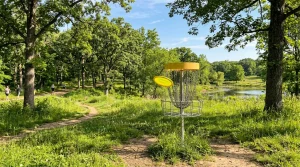
Did you know that there are over 8,000 disc golf courses worldwide, each offering unique challenges and experiences? Finding the perfect course is essential for players looking to improve their game or simply enjoy a day outdoors. Whether you’re a seasoned pro or a curious newcomer, understanding how to locate these gems will elevate your disc golf journey. This guide will provide valuable tips for discovering local courses, maximizing your time on the fairways, and connecting with fellow enthusiasts. As you read on, you’ll unlock secrets to finding not just any course, but the right course tailored to your skill level and preferences. Get ready to throw, have fun, and explore the vibrant community that disc golf has to offer!
How to Use Online Resources to Find Disc Golf Courses
Finding the perfect disc golf course can transform your game and enhance your enjoyment of this rapidly growing sport. Online resources have become invaluable for both seasoned players and newcomers looking to explore their local disc golf scene. By utilizing various websites and apps, you can easily locate courses, access detailed information about each, and plan your outings effectively. With just a few clicks, you can unlock a wealth of data on course layouts, player reviews, and even statistical insights about each location.
To start, consider visiting dedicated disc golf course directories such as UDisc. This platform not only lists courses but also provides essential details like hole layouts, distance, par, and even user-generated reviews that give you a sense of what to expect. For instance, if you’re traveling to Columbus, Ohio, you can check out Griggs Reservoir Park DGC, where you’ll find GPS-enabled maps and the ability to record your rounds directly through the app [1[1]. Such resources are crucial for planning your visit and maximizing your time on the course.
Additionally, engage with forums and social media groups focused on disc golf. These platforms are excellent for connecting with other players who can share their personal experiences and recommend hidden gems that you may not find in standard listings. Many players often discuss their favorite local courses or tournaments, enriching your understanding of what makes a course stand out. Interacting with fellow disc golfers can lead to new friendships and even playing opportunities that would otherwise remain unavailable.
Lastly, don’t overlook the power of GPS-enabled mobile apps, which simplify the process of finding courses on the go. With features like live scorekeeping and course statistics, these apps can turn an ordinary outing into a fully immersive experience. As you navigate your local disc golf landscape, embrace these tools, stay connected with the community, and enjoy discovering the diverse array of challenges and beauties each course has to offer.
Local Community Engagement for Discovering Courses
Engaging with your local disc golf community can greatly enhance your experience as a player while opening doors to new courses and opportunities. By tapping into the social aspect of disc golf, you can discover courses that may not be heavily marketed online and gain insider knowledge that makes every round more enjoyable. From casual meet-ups to organized tournaments, the community can be your best ally in navigating the disc golf scene.
One effective way to start is by attending local leagues and tournaments. Most cities have established leagues that welcome players of all skill levels, creating a supportive environment where you can learn from others and showcase your skills. For instance, cities like Columbus and Canton, Ohio, boast numerous leagues and events that foster camaraderie and competition, making it easy to connect with fellow enthusiasts looking to share their favorite courses or even introduce you to hidden gems in the area [1][2]. Engaging in these events not only helps you improve your game but also builds lasting friendships in the sport.
Joining social media groups dedicated to disc golf is another powerful way to engage with the community. Platforms like Facebook and Reddit have vibrant groups where players share insights, photos from their rounds, and recommendations on local courses. These spaces often highlight lesser-known courses that might be overlooked in traditional directories, offering a more personal view of what to expect. Don’t hesitate to ask questions or seek advice; most members are enthusiastic about sharing their experiences.
Lastly, consider volunteering for local disc golf events or helping with course maintenance activities. This not only demonstrates your commitment to the sport but also allows you to meet seasoned players and gain deeper insights into the logistics of managing courses. Such involvement often leads to exclusive opportunities to play new or challenging courses that are still on the radar of the broader community.
By actively participating in your local disc golf community, you’ll not only discover excellent courses but also enhance your overall enjoyment and understanding of the game, elevating your experience both on and off the course.
Understanding Course Ratings and Types for Better Selection
Understanding the nuances of course ratings and types can dramatically enhance your disc golf experience, helping you to select courses that align with your skill level and desired challenges. Each disc golf course features unique characteristics that can significantly influence gameplay, making it essential to familiarize yourself with course classifications and ratings when planning your rounds.
Course Ratings Explained
Course ratings, often found on sites like UDisc, signify the difficulty level of a course based on various factors such as length, terrain, and the presence of hazards. Here’s a breakdown of common rating systems:
- Beginner (up to 900): These courses are typically shorter, have straightforward layouts, and are free from major obstacles, making them perfect for newcomers.
- Intermediate (900-950): These courses offer a balance of challenge and accessibility, featuring longer holes and some obstacles, ideal for players looking to improve their skills.
- Advanced (950-1000): These courses demand strategic play and advanced skills, often incorporating significant elevation changes, tight fairways, and complex layouts.
- Professional (1000+): Reserved for the elite, these courses present extraordinary challenges with long distances, harsh terrain, and a variety of hazards.
Understanding these ratings allows players to make informed decisions about which courses to tackle, ensuring a satisfying blend of challenge and enjoyment.
Types of Courses
Disc golf courses can vary widely in their design and layout. Here are a few types that you might encounter:
- Municipal Courses: Often found in parks, these are typically free or low-cost and cater to beginners and casual players.
- Private Courses: Owned by individuals or disc golf clubs, these may require fees but often feature well-maintained facilities.
- 18-Hole Courses: Standard in competitive environments, these offer a full round of golf and usually have a diverse range of holes and challenges.
- 9-Hole Courses: A shorter option that is great for practice or quick rounds, often found in community parks.
By understanding course types and ratings, you can select courses that challenge your fitness and skill, while also facilitating enjoyable outings with friends or fellow enthusiasts. Whether you’re a newcomer to the sport or a seasoned competitor, utilizing these insights can elevate your game and ensure you find the perfect course match.
Essential Tips for Using Disc Golf Course Maps
Using disc golf course maps effectively can transform your experience on the course, equipping you with crucial information that enhances navigation and strategy. Many maps are available through various online platforms like UDisc, which not only showcase the layout of the course but also detail the distance of each hole, par scores, and even possible hazards like water bodies or dense vegetation. This information is invaluable in planning your throws and managing your game.
When first examining a course map, pay close attention to the layout and the positioning of trees, elevation changes, and any obstructions that could affect your throws. Understanding how each hole plays – whether it’s a straight shot, a dogleg, or a par 3 compared to a par 5 – can inform your disc selection and throwing strategy. For instance, if you see a long par 4 with a heavily wooded area on the left, you might choose a more stable disc to ensure a safe landing zone, thereby mitigating the risk of losing your disc or setting yourself up for a challenging second throw.
Moreover, many maps provide additional context, such as current course conditions and user reviews, giving insights into the playability of certain holes. Always check for the latest updates since weather and maintenance can change how a course plays rapidly. Some online resources also feature photos of the holes, providing a visual element that can help you familiarize yourself better before you even set foot on the course.
Lastly, consider joining community forums or social media groups dedicated to disc golf. Here, players often share their own maps and insights for more unconventional courses not covered extensively in popular mapping tools. This information can help you uncover hidden gems and enhance your overall enjoyment and understanding of the sport. By combining official course maps with community-driven insights, you not only become a better player but also connect deeper with the disc golf community around you.
Mobile Apps That Simplify Course Locator Tasks
Finding the perfect disc golf course is easier than ever with the help of mobile apps designed to simplify the course locator process. These applications not only showcase a vast array of courses but also provide essential details such as user reviews, maps, and local events, making them indispensable tools for both newcomers and seasoned players.
One of the standout apps in this area is UDisc, an all-encompassing resource for disc golf enthusiasts. UDisc features an extensive database of courses globally, equipped with interactive maps that display each hole’s layout and distance. Users can track their scores, view stats, and even check in on course conditions. The app’s community aspect allows players to post reviews and photos, which can help others in choosing the right course based on their preferences.
Another noteworthy app is Disc Golf Course Review (DGCR), which functions similarly to UDisc but with a more focused approach on course reviews and player feedback. Users can rate courses and share their experiences, providing valuable insights into the amenities and challenges each location presents. This user-generated content plays a crucial role in guiding others who may be unaware of what to expect when they visit a new course.
Additionally, MapMyDiscGolf serves as a simple tool for those looking to record their rounds while discovering new courses. The application allows users to map out their favorite routes, track scores, and compare performance over time. This capability is especially useful for players looking to refine their skills and monitor their progress throughout the season.
Lastly, don’t overlook the power of traditional mapping apps like Google Maps. While not disc golf-specific, they can often provide accurate location details, directions, and satellite imagery that can help you scout a course before arrival. Pairing these resources with dedicated disc golf apps can lead to a comprehensive preparation process, ensuring you are ready for a great day on the course.
Incorporating a mix of these mobile applications can greatly enhance your disc golf experience, making it more enjoyable and informed. Whether you’re hunting for the nearest course or planning a disc golf road trip, these tools empower you to connect with the sport and the community like never before.
Creative Ways to Connect with Local Disc Golf Players
Connecting with local disc golf players can significantly enhance your experience, whether you’re a newcomer looking to learn the ropes or a seasoned player seeking competitive play. One of the best ways to forge these connections is through local disc golf clubs or leagues. Many communities have organized groups that host regular events. These leagues not only provide an excellent opportunity to meet fellow players but also offer structured play that can help improve your skills while fostering friendships. Most clubs can be found on social media platforms or through disc golf apps like UDisc, which features event listings and player meetups.
Another engaging method is to participate in local tournaments. These events range from casual tournaments organized by local clubs to more formal competitions, allowing you to meet players of various skill levels. Even if you’re not competing at the highest level, the camaraderie and shared passion for the game can be invigorating. Plus, many tournaments welcome volunteers, providing a unique chance to learn from more experienced players while contributing to the sport.
Social media platforms are also valuable for connecting with local disc golf communities. Join relevant groups on Facebook or follow local players and clubs on Instagram and Twitter. These platforms often share information about meetups, casual rounds, and course explorations. Additionally, apps like UDisc not only help you locate courses but also feature community boards where players share insights, questions, and plan casual rounds. Engaging in discussions and sharing your experiences can help you form connections, fostering a sense of community.
Lastly, don’t overlook the power of word of mouth. Chat with fellow players at your local courses, ask for recommendations on where to play, or even join a friendly pickup game. Players are often eager to share their favorite spots and insights, leading to a more extensive network. By actively participating in these community interactions, you will find yourself becoming a part of the growing sport, enriching your disc golf journey with friendships and collaborative learning experiences.
Hidden Gems: Finding Lesser-Known Disc Golf Courses
Many players seek out popular disc golf courses known for their challenging layouts and scenic views, but some of the best experiences can be found at lesser-known gems tucked away in unexpected corners. These hidden courses often offer unique characteristics-like quirky layouts, natural beauty, or peaceful settings-that make them stand out from the more well-trodden paths. Exploring these courses not only enhances your game but also enriches your overall appreciation of the sport.
To uncover these lesser-known courses, start by utilizing various online resources. Websites such as UDisc provide user-generated course ratings and reviews that can lead you to hidden treasures within your region. Check the feedback on courses that might not have made the top lists, as these often have enthusiastic local supporters who can share insights about playability, maintenance, and unique features. For instance, a local park with a 9-hole layout may not seem impressive at first glance, but it could have a vibrant community, interesting hole designs, and unexpected challenges that delight newcomers and seasoned players alike.
Engaging with local disc golf communities can also unveil hidden gems. Many players share recommendations on forums, social media groups, and community boards. Don’t hesitate to ask for suggestions on Facebook groups dedicated to disc golf or post inquiries on apps like UDisc, where local players often highlight their favorite off-the-beaten-path courses. You might find that a simple conversation with fellow enthusiasts at a popular course can lead you to a nearby hidden treasure, described as having beautiful scenery or particularly creative hole design.
Additionally, when searching for these hidden courses, keep an open mind about different types of environments. Courses located in urban settings, unconventional parks, or even temporary installations can provide unique experiences that differ significantly from traditional disc golf courses. Some of these spots may host informal play or casual leagues that welcome newcomers, offering a relaxed and friendly atmosphere that’s perfect for practice or just enjoying a day outdoors.
In summary, while the quest for top-rated disc golf courses is less thrilling, the adventure of discovering hidden gems can lead to unforgettable experiences and connections. So, grab your discs, connect with local players, and explore the unexpected-you may just find your new favorite place to play!
How to Evaluate Course Amenities and Challenges
Evaluating the amenities and challenges of disc golf courses can significantly enhance your overall experience and help you choose the right course for your individual needs. Each course has unique features that can either contribute to a fulfilling day of play or pose unexpected difficulties. Understanding what to look for ensures you can prepare and make informed decisions before you arrive.
When looking at course amenities, consider facilities such as restrooms, water fountains, and picnic areas, which can make for a more enjoyable day, especially during longer outings or tournaments. Organized seating areas and benches near the tees or along the fairways also provide convenience for resting and strategizing. Additionally, check if the course hosts on-site retailers or rental services for discs, bags, and other gear. This can be particularly advantageous for newcomers who might not have all the necessary equipment yet.
- Course Layout: Evaluate the structure of the course. Are the tee pads concrete, natural, or rubber? Do they provide enough grip? A solid tee pad enhances a player’s ability to launch their disc effectively.
- Navigation: Consider the clarity of the course layout. Signs indicating the next hole, distance from tee to basket, and hazard warnings not only ease navigation but also add to a course’s professionalism.
- Challenges: Analyze the types of challenges presented. Does the course have elevation changes, water hazards, or unique terrain features? Different types of challenges can cater to various skill levels, making a course suitable for beginners while still engaging advanced players.
Another essential factor in evaluating a course is its condition. Well-maintained fairways with manicured grass, clear pathways, and regularly emptied trash bins can greatly enhance your playing experience. If possible, visit the course in advance or consult online reviews to gauge its current state-are the baskets rusted or missing? Do players frequently comment on course management? These insights will help you avoid disappointing trips.
Lastly, the surrounding environment can affect both the enjoyment and challenge levels during play. Courses situated in scenic locations may enhance your experience, offering beautiful views and a relaxing atmosphere, while wooded or rugged areas can provide an additional layer of difficulty with obstacles and diverse terrains. Familiarizing yourself with these characteristics will prepare you for what to expect and contribute to a successful day on the course. Whether you’re a seasoned competitor or a curious newcomer, assessing course amenities and challenges is vital to maximizing your disc golf journey.
Leveraging Social Media for Course Recommendations
Harnessing the power of social media can drastically enhance your disc golf experience by connecting you with fellow enthusiasts and uncovering valuable course insights. Platforms like Facebook, Instagram, and Reddit serve as vibrant hubs where players can share recommendations, post reviews, and discuss local conditions. Engaging with specific groups or pages dedicated to disc golf not only helps you locate popular courses but also uncovers hidden gems that might not be widely known.
Within these communities, members frequently share experiences about their recent rounds, including course layouts, maintenance levels, and recommended times to play. This firsthand insight can be invaluable, especially for newcomers looking to avoid crowded weekends or to find a course that suits their skill level. For instance, you might join a local disc golf Facebook group where players post about a new course opening nearby, including photos and tips on navigating its challenges. Don’t hesitate to ask for recommendations specific to your skill level-most players are eager to help fellow enthusiasts improve their game.
Additionally, utilizing hashtags on platforms like Instagram can lead you to a treasure trove of course overviews and player experiences. Search terms like #DiscGolf or #DiscGolfCourse along with your location can yield posts that showcase the best courses to try and provide visuals that help you gauge what to expect. Moreover, look for local events and tournaments advertised on social media; these gatherings not only highlight popular courses but also offer opportunities to meet and connect with seasoned players who can share their secrets.
To make the most of these platforms, consider maintaining a small notebook or digital notes app where you can compile course suggestions and personal notes on each course you play. This way, you can easily track what you loved or what to prepare for when visiting new courses. Through active participation in social media communities, you will not only expand your knowledge of available courses but also forge connections that enrich your overall disc golf journey.
Visiting Disc Golf Tournaments: Course Insights
Attending disc golf tournaments can be an exhilarating way to enhance your grasp of the game while discovering new courses in a dynamic atmosphere. These events bring together players of all skill levels and offer a firsthand look at competitive play, course design, and the strategies employed by advanced players. By engaging in tournaments, whether as a participant or a spectator, you gain insights that are invaluable for your own disc golf journey.
One of the greatest benefits of attending tournaments is the opportunity to see various courses in action. Tournaments often showcase unique layouts and challenging terrain that you might not encounter in casual play. For example, courses at these events may incorporate natural obstacles like hills and water, which provide insight into how to navigate diverse environments. By watching skilled players, you can learn about shot selection, disc flight paths, and effective strategies for tackling tricky holes. This observation can enhance your understanding of course dynamics, empowering you to tackle these challenges yourself.
Moreover, tournaments serve as a hub for community engagement. Players and fans alike gather to share their experiences, discuss strategies, and recommend hidden gems in the area. Engaging with fellow enthusiasts can lead to valuable connections and local insights that might otherwise go unrecognized. Don’t hesitate to ask participants about their favorite local courses; seasoned players often have tips about which courses offer the best amenities or the most enjoyable playing experience. If you’re lucky, you might even find someone willing to invite you to play a casual round after the tournament, giving you a chance to experience the course yourself.
In addition, tournaments frequently have vendors showcasing the latest in disc golf equipment, from cutting-edge discs to high-quality bags and accessories. This is a perfect opportunity to ask questions and receive expert advice on gear that best suits your playing style. Whether you’re a beginner or a seasoned player, learning about the latest innovations and gathering recommendations from industry experts can significantly improve your game.
Engaging with the recreational and competitive sides of disc golf through tournaments not only enhances your playing skills but also deepens your connection to the disc golf community. Keep an eye on local tournament schedules via social media, community boards, or disc golf websites, and make it a plan to visit a tournament near you. The experience could inspire your own game and lead you to discover nearby courses that you’ve never played before.
Seasonal Considerations for Course Selection and Play
The enjoyment of disc golf extends beyond the mechanics of throwing and putting; it’s also significantly influenced by the seasons. Choosing the right course during specific times of the year can elevate your experience and help you to hone your skills under varying weather conditions. In winter, courses can be blanketed with snow, transforming familiar layouts into challenging terrains where adjustments in technique are necessary. Players may opt for courses that accommodate winter play or those that are clear and accessible, thus avoiding potentially hazardous icy conditions.
In spring and autumn, the changing landscapes provide an exhilarating backdrop for disc golf enthusiasts. This is often the most beautiful time to play, with flowers blooming and leaves changing colors, respectively. However, these seasons also bring unpredictable weather, so it’s crucial to check forecasts before heading out. Rain can create muddy conditions, impacting grip and trajectory, while gusty winds in fall may require adaptive shot strategies. Knowing in advance how the seasonal elements affect a course can prepare you both mentally and technically, ensuring you bring the right discs and gear.
Summer presents its challenges too, mainly in the form of heat and potential thunderstorms. Opt for courses that have shaded areas or water sources to keep cool during hot days. Early morning or late evening rounds can provide a more pleasant experience. Additionally, being aware of the potential for sudden weather changes is vital; always check local conditions and be prepared to seek shelter if storms roll in.
To maximize your seasonal play, consider these tips:
- Research Local Courses: Some courses may be designed to accommodate winter play, featuring rugged pathways and areas that drain well during rain.
- Apparel Choices: Dress in layers during cooler months, and opt for moisture-wicking fabrics in the summer. Proper footwear is vital across seasons to navigate various terrains with stability.
- Equipment Adjustments: Certain discs work better in specific conditions; for example, overstable discs are useful for windier days while lighter discs may be advantageous in calmer conditions.
Engaging with the sport seasonally not only enhances your skills but also enriches your overall appreciation of disc golf’s diverse playing environments. Whether you’re playing in the sun, snow, or rain, being attuned to seasonal shifts will help you navigate the game effectively, making every round a rewarding experience.
The Impact of Weather on Disc Golf Course Experience
The weather plays a crucial role in shaping the disc golf experience, influencing not just the day’s ambiance but also the strategic elements of the game. As players step onto the course, they must consider how different weather conditions affect everything from grip to disc flight. For example, wet conditions can lead to slippery discs and muddy terrain, while high winds can turn a routine putt into a challenging feat. Understanding these elements empowers players to adapt their strategies and equipment choices, enhancing their overall experience.
When the forecast predicts rain, it’s wise to adjust your approach. Consider bringing extra towels to keep your hands and discs dry. Some players prefer to use discs with textured grips, which can provide better handling in wet conditions. It may also be beneficial to select courses that offer a mix of open and wooded areas; wooded courses tend to shield players from strong winds, making hole plays more manageable. Similarly, in the winter, look for courses that are well-maintained and have sufficient drainage, as these will be less likely to remain muddy and difficult to navigate.
As for seasonal shifts, each brings its own set of challenges and opportunities. Spring blooms create picturesque courses, but be prepared for sudden rain showers that can soak the ground and affect play. Fall courses can be stunning with vibrant foliage, yet gusty winds may require a keen understanding of your discs’ flight patterns. In summer, the heat can be oppressive; picking an earlier tee time or seeking out shaded courses can make the game much more enjoyable. Always check the local weather conditions before heading out-being prepared could mean the difference between a delightful round and a frustrating one.
Adapting your wardrobe and gear according to the weather is crucial. In colder months, layering is key; wearing moisture-wicking clothing can help you stay comfortable as temperatures fluctuate. Conversely, choosing lightweight, breathable fabrics during the summer months will help keep you cool. Additionally, selecting the right footwear for the season is essential-opt for shoes with good traction to navigate various terrains, especially when rain or snow is in the forecast. Ultimately, being aware of the weather and making thoughtful adjustments not only improves your game but makes each outing a unique adventure.
FAQ
Q: How can I find disc golf courses near me?
A: To find disc golf courses near you, use online maps like Google Maps, enter “disc golf courses,” and filter by distance. Additionally, websites like UDisc provide comprehensive listings and user reviews to help you discover nearby options.
Q: What are the best apps for locating disc golf courses?
A: The best apps for locating disc golf courses include UDisc, which offers course maps, user reviews, and GPS navigation. Disc Golf Finder is another excellent option, showcasing courses and local events, making it easy to connect with the disc golf community.
Q: Why should I check course reviews before visiting?
A: Checking course reviews helps you understand the layout, difficulty, and amenities of a course. User experiences can inform you of potential challenges and highlights, ensuring you choose a course that matches your skill level and preferences.
Q: How do I get involved with local disc golf communities?
A: To get involved with local disc golf communities, attend local tournaments or events, join online forums, or participate in social media groups. Engaging with clubs can lead to discovering new courses and meeting fellow players, enriching your playing experience.
Q: What should I consider when selecting a disc golf course?
A: When selecting a disc golf course, consider its difficulty level, the number of holes, available amenities, and course ratings. Understanding these aspects helps you choose a course that suits your skill level and preferences for a more enjoyable experience.
Q: How can I find hidden gem disc golf courses?
A: To find hidden gem disc golf courses, explore local disc golf podcasts, check community boards using social media, and ask local players for recommendations. These avenues often reveal lesser-known courses with unique challenges and landscapes.
Q: What should I expect from a disc golf course layout?
A: A disc golf course layout typically includes various hole lengths, a mix of open and wooded areas, and obstacles such as water or elevation changes. Understanding course layouts will help you strategize your throws and improve your game.
Q: How important are course amenities in choosing a disc golf course?
A: Course amenities, such as restrooms, parking, and picnic areas, are important for enhancing your overall experience. Ensuring the course offers essential facilities helps accommodate longer visits, making your day more enjoyable and relaxing.
To Conclude
Now that you’ve gathered essential tips on how to find disc golf courses, it’s time to put them into action! Explore nearby locations using your newfound knowledge and discover local gems nestled in your community. Don’t forget to check out our articles on Disc Golf Course Etiquette and Top Gear Recommendations for Beginners to enhance your experience and play confidently.
As you hit the courses, share your favorite finds in the comments below! We love hearing from fellow disc golf enthusiasts-your input helps build a vibrant community. If you’re eager to learn more or stay updated, consider subscribing to our newsletter for tips, tricks, and exclusive insights that will elevate your game. Don’t wait-your next disc golf adventure is just around the corner! Keep throwing and keep discovering!
Get our latest guides, news, and insights highlighted in your Google Search & AI Overviews.