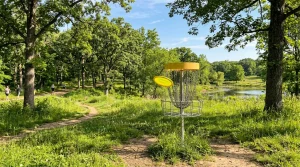
Did you know that adding a disc golf course can transform a park into a vibrant community hub? Disc golf is not just an accessible sport; it’s a growing movement that fosters social connections, promotes outdoor activity, and enhances local landscapes. If you’ve ever dreamed of bringing this engaging sport to your town, you’re in the right place. This guide will take you through the essential steps for developing a disc golf course, from understanding the community’s needs to finding the right design and construction teams. Whether you’re a passionate player or a community leader, this roadmap will equip you with the knowledge needed to turn your vision into reality. Let’s explore the possibilities for your town and discover how a disc golf course can create excitement, camaraderie, and a lasting legacy for future generations.
How Disc Golf Courses Impact Communities
The installation of disc golf courses has the power to transform communities in myriad ways, fostering connections and enhancing local culture. Disc golf appeals to a wide audience and promotes an active lifestyle, providing an affordable recreational outlet for people of all ages. With over 11,500 courses globally and many situated in public parks, it’s clear that this sport is both accessible and engaging, inviting individuals to come together in a shared passion for disc golf [2[2].
One notable impact of a local disc golf course is the opportunity it creates for community bonding and social interaction. Clubs and leagues often emerge around these courses, forging friendships and cultivating a sense of belonging. As neighborhoods rally around the common interest of disc golf, they can host tournaments and casual meet-ups that not only bring local players together but also attract visitors, stimulating economic activity in surrounding businesses such as cafes and sporting goods shops [1[1].
Furthermore, the installation of a disc golf course is relatively low-cost compared to other recreational facilities. It requires minimal land alteration and can be built and maintained with community involvement, promoting volunteerism and local investment [3[3]. This community-driven approach not only bolsters civic pride but also emphasizes the importance of sustainable practices as courses focus on preserving natural landscapes while enhancing the local environment. As disc golf continues to gain popularity, it has the potential to elevate community spirit, contribute to local economies, and create lasting memories for participants and spectators alike.
Understanding the Basics of Disc Golf Course Development
Developing a disc golf course can be a transformative process for any community, creating a vibrant hub for recreation and social interaction. With the increasing popularity of disc golf, understanding the essential elements of course development is crucial for local enthusiasts keen on bringing this sport to their area. From planning to execution, establishing a well-designed course requires careful consideration of various factors, including site selection, course layout, and community involvement.
To start, identifying a suitable location is paramount. Look for land that is accessible and aligns with the community’s needs-local parks, school grounds, or undeveloped public parcels can be great options. It’s essential to consult with local government and parks departments to ensure any proposed site is viable and permitted for public recreational use. Engage community members early in the process through surveys and town hall meetings to gauge interest and gather feedback.
Once a location is secured, developing a course layout involves strategic design principles that balance fun and challenge for players of all skill levels. Taking into account the natural landscape can enhance the gameplay experience while minimizing environmental impact. Utilize tools like topographic maps or software specifically for course design to help visualize and optimize the layout. Considerations such as tee pad placements, basket locations, and pathways between holes can significantly influence the flow and enjoyment of the course.
Involving the local community in the development process not only fosters ownership but can also lead to a successful establishment of the course. Organizing volunteer days for course construction and maintenance can help build camaraderie among players and local residents. Promote the idea of creating a disc golf club that can oversee future events and maintenance to ensure ongoing community engagement and course sustainability. By emphasizing inclusivity and accessibility, the new course can attract a diverse range of players, including families, competitive leagues, and recreational players alike.
In summary, an effective approach to disc golf course development combines careful planning with active community participation. By identifying a favorable location, designing a thoughtful layout, and engaging local stakeholders, communities can create a lasting space for fellowship, competition, and cherished memories. The benefits extend beyond the sport itself, promoting health, wellness, and community spirit through the shared enjoyment of disc golf.
Engaging Your Local Community for Support
Engaging your local community is a crucial step when aspiring to establish a disc golf course. Research indicates that neighborhood involvement not only enhances the chances of success but also fosters a strong sense of ownership and pride among residents. A well-attended community meeting can generate enthusiasm, costume discussions, and produce invaluable feedback. Kick off your initiative by hosting an informal gathering-perhaps at a local park or community center-where you can present your vision for the course, share information about disc golf, and invite everyone to contribute their thoughts and ideas.
To effectively gather support, consider employing various outreach strategies. Utilize social media platforms to spread the word, post informative content about disc golf, and highlight its benefits for community health and recreational opportunities. Creating a visually appealing website or dedicated social media group can serve as a hub for information, updates, and ongoing discussions. Furthermore, partner with local schools, clubs, and organizations to reach a broader audience-one approach might be setting up a demo day where community members can try out the sport for themselves, guided by experienced players.
It’s essential to articulate the potential benefits of a disc golf course beyond just providing a fun activity. Highlight how it can enhance community wellness, provide a low-cost recreational option, and stimulate local economic activity by attracting visitors and hosting events. Collect testimonials from existing players, showcasing how disc golf has positively impacted their lives. Additionally, organizing volunteer events around the construction of the course can galvanize community support, encouraging hands-on involvement that deepens connections among residents.
Above all, emphasize inclusivity. Disc golf is a sport that welcomes all ages and skill levels, making it an excellent opportunity to draw diverse groups together. Promote family-friendly activities and community tournaments to enhance participation and camaraderie. By prioritizing community engagement and addressing local needs and preferences, the path to securing support for a new disc golf course becomes clearer, paving the way for an inviting space where everyone can play and connect.
Navigating Zoning Laws and Regulations
Navigating the complex terrain of zoning laws and regulations is a pivotal step in the journey to establishing a disc golf course in your community. Understanding the legal landscape not only facilitates a smoother development process but also helps to preempt setbacks that could stall your project. Engage with local zoning ordinances, as these can significantly influence where and how a disc golf course can be constructed. Many communities have specific regulations regarding land use, which dictate whether outdoor recreational facilities are permissible in certain zones.
Start by conducting thorough research on local zoning regulations related to parks and recreational spaces. This typically involves reviewing the municipal code, which outlines the various zoning districts and the conditions for permitted land uses. Here are some key steps to take:
- Consult with Local Planning Officials: Schedule meetings with the planning department or city council members to clarify any uncertainties. They can provide insights into the feasibility of your proposed location and any specific requirements you’ll need to meet.
- Gather Community Input: Hosting community workshops can serve the dual purpose of building support while also addressing neighbors’ potential concerns. Addressing issues like noise, foot traffic, and parking in your plans can preempt objections.
- Review Environmental Regulations: If the proposed site is near sensitive areas like wetlands or conservation zones, additional environmental reviews may be necessary. This often requires collaboration with environmental agencies to ensure compliance.
- Public Hearing and Approval Process: Be prepared for a public hearing where community members can voice their opinions. This often is a requirement for zoning variances or special use permits, depending on the zoning classification of the proposed location.
Securing proper zoning approval can feel daunting, but a well-prepared application that clearly outlines the benefits of the course-such as promoting public health, providing low-cost recreation, and enhancing community ties-will bolster your case. Additionally, demonstrating that your course design includes considerate layouts that minimize disruption to neighbors can create a more favorable view of the project.
In short, navigating zoning laws requires time, patience, and proactive communication with various stakeholders. Understanding and following local regulations can enhance your project’s viability and foster community support, paving the way for a successful disc golf course that enriches the lives of residents for years to come.
Finding the Perfect Location for Your Course
Finding an ideal location for your disc golf course can be the difference between a thriving community resource and a forgotten plot of land. Not only does the right site attract players of all skill levels, but it also enhances community involvement and appreciation for the sport. Look for areas that are accessible to the public, ideally situated in parks or recreational spaces where families and individuals already congregate. The location should have adequate parking and be easy to reach by foot or bicycle, promoting eco-friendly transportation options.
When scouting potential sites, consider the existing topography and natural features of the land. Disc golf courses thrive on diverse terrain that offers both challenge and beauty-think rolling hills, wooded areas, and open fields. Water hazards can add excitement to the course, while shade from trees can make for a comfortable playing environment during hot summer days. Engaging local terrain not only enhances playability but also creates a more aesthetically pleasing experience that could attract non-players to visit.
Engagement with Local Authorities
Getting in touch with local authorities is essential when searching for the perfect location. Begin with the parks and recreation department, as they will provide insights on available land and any conditions for use. Collaborating with them ensures you understand any zoning restrictions, and it can often ease future processes concerning permits and community approval. As part of your efforts, consider organizing community events, such as informal get-togethers or cleanup days, to foster goodwill and build interest around the project. Community involvement can significantly influence the decision-making process and make it easier to overcome objections.
Evaluating Ground Conditions
Another crucial aspect of site selection is evaluating the ground conditions. A thorough examination of the soil and drainage patterns can highlight whether additional landscaping or earthwork is necessary before installation. Areas prone to flooding or that become muddy in rain may not be ideal for long-term playability. To further validate your chosen location, conduct a survey with local disc golf enthusiasts or groups that can provide input on what they’d like to see in a course layout-this not only fosters community spirit but helps old and new players alike get excited about the potential of a new course.
In short, finding the perfect location for your disc golf course involves careful consideration of accessibility, natural features, local collaboration, and environmental conditions. By strategically choosing your site and engaging with the community, you lay the groundwork for a successful course that enhances recreation opportunities and builds lasting connections among players and residents.
Designing an Inclusive and Fun Disc Golf Experience
Creating an inclusive and fun disc golf experience is essential for fostering a vibrant community around the sport. When designing a course, consider accessibility features that ensure players of all abilities can participate and enjoy the game. This might involve creating concrete tees that are wheelchair-friendly or offering ample space between baskets for players who may require extra room to navigate safely. Additionally, providing a variety of tee locations can cater to different skill levels, enabling both beginners and seasoned athletes to find enjoyment in the same space.
Moreover, incorporating elements that resonate with the local community can enhance the overall experience. For instance, consider including unique obstacles that reflect the area’s culture or natural environment, such as art installations from local artists or landscaping that incorporates native plants. This not only makes the course more appealing but also encourages community pride and participation. Creating a family-friendly atmosphere is crucial; consider adding amenities like picnic areas, restrooms, and even a small playground nearby, making the course a destination for both disc golf enthusiasts and spectators.
Engaging Local Players and Groups
Building relationships with local disc golf clubs or community organizations can significantly contribute to a course’s success. Engaging with these groups allows for valuable insights into what players want in a course design, from hole layout to amenities. Host design workshops or feedback sessions to gather input and build excitement around the project. Additionally, initiating regular community events such as tournaments, disc golf clinics, and family days can increase participation and foster a supportive environment.
Creating an approachable and dynamic disc golf community is not just about the course design; it’s also about developing programs that invite everyone to play. Consider offering ‘Learn to Play’ workshops, where experienced players mentor newcomers, or organize leagues that facilitate competition across skill levels. Providing guidance on the fundamentals-like disc flight characteristics and throwing mechanics-will empower new players and enrich their experience, ensuring that disc golf is seen as both an accessible recreational activity and a serious athletic pursuit.
In summary, an inclusive and fun disc golf experience arises from thoughtful course design, community engagement, and ongoing support for players at all levels. By prioritizing accessibility, unique local elements, and opportunities for community interaction, you set the stage for a thriving disc golf scene that attracts players and builds lasting connections.
Securing Funding and Sponsorship Opportunities
Identifying funding sources and securing sponsorships are vital steps in bringing a disc golf course to your community. As interest in this growing sport surges, many organizations are eager to support projects that promote community engagement and outdoor activity. A key asset in your funding quest is to highlight not only the recreational benefits of a disc golf course but also its potential economic impact-such as increased foot traffic in local businesses and the promotion of health and wellness initiatives.
To tap into funding opportunities, consider a multi-faceted approach. Start by researching local, state, and national grants specifically aimed at enhancing park programs and community events. For instance, organizations like the Edge Disc Golf Experience have awarded substantial funds to schools and youth programs to introduce disc golf into their physical education curriculum, which could be leveraged to gain support from local schools and educational institutions [[2]]. Additionally, the NEFA (Northeast Florida Alliance) provides grants to promote the growth or improvement of public disc golf courses-an excellent parent organization to align with if you’re located in the New England area [[3]].
Connecting with local businesses to establish sponsorships can also significantly bolster your funding efforts. Consider proposing a tiered sponsorship model that offers varying levels of visibility at the course. In exchange for their support, businesses can have their logos displayed on signage, baskets, or course maps, enhancing their community profile while supporting a popular recreational choice. For instance, local breweries or cafes could be approached to host disc golf nightlife events, creating a symbiotic relationship that keeps the course engaged while benefiting local commerce.
Furthermore, ensure that your funding proposals are well-crafted and tailored to the specific interests of potential sponsors and grant providers. Include detailed plans on how the course will benefit the community, address concerns about maintenance and sustainability, and outline how community members will be involved in the course’s development and upkeep. By presenting a compelling case focused on the communal and economic benefits, you can significantly enhance your prospects of securing the necessary funding and sponsorships to realize your disc golf course vision.
Sustainable Practices for Course Maintenance
Creating a disc golf course is not only about providing a space for play; it’s equally crucial to ensure that the maintenance of that course aligns with sustainable practices that benefit the environment. By adopting eco-friendly methods, course developers can promote longevity, reduce costs, and garner community support, all while fostering a love for the sport in a way that respects and enhances the natural landscape.
One essential aspect of sustainable maintenance is the use of native plants and grasses in course design. These species require less water and fewer chemical treatments, making them much easier to manage. Integrating native flora not only supports local wildlife but also creates a more natural playing experience for golfers. Maintaining a healthy ecosystem can also lead to fewer pests, reducing the need for pesticides that can harm surrounding environments. Additionally, employing organic fertilizers instead of synthetic options promotes soil health and reduces runoff, keeping local waterways clean.
Regular maintenance practices can also focus on minimizing environmental impact. Implementing a schedule for mowing that follows seasonal plant growth cycles can help preserve habitats and encourage biodiversity. Utilizing eco-friendly equipment-such as electric mowers and trimmers-can significantly cut down on noise pollution and emissions. Furthermore, rain gardens and bio-swales can be incorporated into the course design to manage water runoff and filter pollutants naturally before they reach larger bodies of water.
Lastly, engaging the local community in upkeep can enhance the sustainability of the course. Organizing volunteer days not only nurtures a sense of ownership among players but can also serve as educational opportunities about sustainable practices in landscaping and maintenance. By fostering partnerships with local environmental groups or schools, courses can host events that focus on habitat restoration or invasive species removal, integrating environmental stewardship into the fabric of the disc golf culture.
By prioritizing sustainability in course maintenance, developers can create spaces that are not only enjoyable for players but also beneficial for their surrounding ecosystems, ensuring that the love for disc golf can be cherished for generations to come.
Promoting Your New Disc Golf Course Effectively
Creating excitement around a new disc golf course is essential for its success and can greatly contribute to building a vibrant community of players. The key to effective promotion lies in a multifaceted approach that combines social media engagement, local partnerships, and active participation in community events. Engaging potential players before the course opens can help establish a loyal following eager to hit the fairways as soon as the course is ready.
Utilizing social media platforms allows for dynamic interaction with the community. Share captivating content such as videos showcasing the course design process, sneak peeks of the course layout, and interviews with local disc golfers who can speak to the benefits of the sport. Hosting contests on social media that encourage sharing and tagging can increase visibility and draw in a wider audience. Engaging visual content is particularly powerful in attracting interest; consider using drone footage to highlight the natural beauty of the course location or illustrating key features that set your course apart, like unique hole designs or beautiful landscapes.
Partnerships with local businesses can also enhance visibility and promote the course effectively. Collaborating with nearby shops or restaurants to offer discounts to disc golfers or hosting joint events can create a sense of community around the course. Consider setting up booths at local festivals or community events where attendees can engage with the sport firsthand-bringing portable baskets for putting practice can provide a fun and interactive experience that introduces newcomers to disc golf in a relaxed setting. These actions not only promote the course but also position it as a valuable community asset.
Moreover, leveraging local media can expand your reach. Drafting press releases to share news about the course’s construction, upcoming opening events, or community initiatives can attract media coverage, while hosting local tournaments or demonstration days can provide great local stories to help increase visibility. By showcasing disc golf not just as a recreational pastime but as a legitimate sport and a source of local pride, you can effectively plant the seeds for a thriving disc golf community that embraces players of all skill levels.
Enhancing Community Engagement Through Events
Building community engagement through events is a fundamental strategy for the success of a disc golf course. Not only do events increase visibility and excitement about the new course, but they also foster a sense of ownership and community pride. With the right mix of events, you can create an inviting atmosphere that appeals to both seasoned players and newcomers, establishing your course as a hub for local activity.
Hosting a grand opening tournament is a fantastic way to kick off your course’s introduction to the community. This type of event can attract players of all skill levels and generate buzz in local media. Consider creating a fun format that encourages participation, like a “doubles” tournament where experienced players are paired with beginners. Adding prizes donated by local businesses can incentivize participation and strengthen community ties, reinforcing the notion that the course is a shared space to enjoy.
Regularly scheduled events, such as weekly leagues or monthly tournaments, can help maintain engagement long after the initial opening. These gatherings provide a consistent opportunity for players to connect, improve their skills, and compete in a friendly environment. Set aside time for themed events, such as charity tournaments or holiday celebrations, to keep the community involved and excited about the sport. Such initiatives not only promote inclusivity but also contribute to the overall sustainability of the course by building a dedicated player base willing to support its ongoing maintenance and growth.
Moreover, it’s crucial to provide a welcoming atmosphere for newcomers. Consider offering free “Intro to Disc Golf” clinics where local experts can share techniques and rules of the game. This can demystify the sport for beginners and encourage more people to participate actively. Pair these clinics with social events, like barbeques or potluck dinners, to further foster relationships within the community. In doing so, you create an inviting culture that encourages both competition and camaraderie, solidifying your course as a valued resource for all community members.
By thoughtfully planning and executing engaging events, you can significantly enhance community involvement and loyalty, positioning your disc golf course as not only a destination for sport but also a catalyst for social interaction and community development.
Long-Term Growth: Expanding Disc Golf Beyond One Course
Expanding disc golf beyond a single course can significantly enhance community involvement, bolster local tourism, and elevate the sport’s profile in your area. As you cultivate interest and engagement around your initial course, consider implementing a strategic plan for the establishment of additional courses, thereby forming a network of accessible disc golf facilities. This approach not only fosters a broader player base but also allows for increased competition opportunities and events, enriching the overall experience for both beginners and seasoned players alike.
To lay the groundwork for future courses, it’s imperative to demonstrate the success and popularity of your current site. Gather data such as average attendance at events, player demographics, and feedback on course layout and amenities. Foster partnerships with local governmental bodies and community organizations that can champion the sport’s growth, and ensure that these stakeholders are aware of the benefits that multiple courses can provide, including economic boosts from tournaments and increased public park usage.
Another key element is establishing a strong local disc golf club or organization. Engaging passionate players and fans can lead to grassroots initiatives that promote the sport and advocate for more courses. Organize community meetings to discuss the vision for additional courses, invite public input, and identify potential locations using local parks or underutilized spaces. Seek to create a unified calendar of events that spans all courses, which could include series tournaments, casual leagues, and social gatherings.
Furthermore, promoting initiatives like “disc golf days” where clubs run clinics or casual play at different courses can encourage players to try out new locations. As the interest grows, you can also target sponsorships from local businesses that may wish to benefit from signage at multiple courses or event sponsorships, helping to secure funding for future projects. This collaborative and community-focused approach fosters a vibrant disc golf culture and can pave the way for both recreational and competitive play within your locale.
By leveraging community engagement, demonstrating the sport’s viability, and creating a structured plan for expansion, you can set your town on a trajectory of sustained growth in disc golf, ultimately enhancing both individual fitness and the community’s quality of life.
Bringing Professional Tournaments to Your Town
Professional disc golf tournaments can be a game-changer for your community, infusing excitement and drawing visitors who are eager to explore what your town has to offer beyond the course. Hosting a high-profile event does not just shine a spotlight on your local disc golf scene; it illustrates the sport’s growing stature and potential to connect people to our shared passion for disc golf as both a sport and a lifestyle. Notably, by securing a PDGA-sanctioned tournament, such as those taking place across the U.S. and internationally, you can elevate the profile of your courses and engage a wider audience.
To successfully bring a professional tournament to your town, consider collaborating with established local disc golf organizations or clubs that can provide experience and resources. Start by gathering support from local officials and sponsors who see the economic potential in hosting such events. This could include local businesses that benefit from increased foot traffic and visibility. For instance, events like the PDGA B-tier tournaments or A-tier tournaments listed on Disc Golf Scene (like the Cool Down V – Pro in Rocklin, CA) often rely on community sponsors to cover costs and enhance the experience for participants and spectators alike [[1]](https://www.discgolfscene.com/tournaments).
When planning the tournament, create a detailed event timeline and consider the following critical components:
- Course Preparation: Ensure each hole is in optimal condition and clearly marked. Organize volunteers to help with practice rounds and setup.
- Marketing Efforts: Utilize social media, local news outlets, and disc golf forums to promote the event. Share what makes your course unique to attract participants.
- Amenities for Participants: Think about providing food, water stations, and rest areas. These small touches can create a welcoming atmosphere.
- Engagement Activities: Incorporate side events, such as clinics or exhibitions featuring local talent or professional players, to maximize community involvement.
Long-term, the impact of consistently hosting professional tournaments can be monumental. Not only does it bolster local economy through increased tourism and participant spend, but it also fosters community pride and engagement around disc golf as a legitimate sport. Look to programs that offer tournament circuits like the Disc Golf Pro Tour to keep the momentum going, creating a schedule that could attract not just local players but visitors from afar eager to experience the challenges and joys of your courses.
By emphasizing the collective benefits of these events-community engagement, economic stimulation, and camaraderie among players-you can set the stage for a vibrant disc golf culture that grows alongside the sport itself.
Faq
Q: What are the initial steps to propose a new disc golf course in my town?
A: To propose a new disc golf course, start by gathering community support through local interest groups or meetings. Next, research potential locations and verify zoning laws. Consider drafting a proposal that outlines the benefits, including community engagement and recreational opportunities.
Q: How much does it cost to install a disc golf course?
A: The cost to install a disc golf course can range from $5,000 to $50,000, depending on the size and complexity. Initial costs include signage, baskets, and installation. Ongoing maintenance costs are generally low, making it a cost-effective recreational option.
Q: What types of land are suitable for a disc golf course?
A: Ideal land for a disc golf course includes public parks, school grounds, or undeveloped land. Look for areas that are not suitable for traditional sports, as they often make great disc golf locations due to their existing natural features.
Q: How can I engage my local government in developing a disc golf course?
A: Engage your local government by presenting the benefits of disc golf, such as increased park usage and community health. Schedule meetings with local officials and provide evidence of community interest, including signatures from supporters and data on disc golf’s popularity.
Q: What environmental impacts should I consider when creating a disc golf course?
A: Consider the local wildlife and plant life when designing your course. Aim for a design that is sustainable and minimally disruptive to the environment. Utilizing existing topography helps ensure the course fits harmoniously into its surroundings.
Q: How do I find sponsors or funding for a disc golf course?
A: To find sponsors, reach out to local businesses, disc golf organizations, and community foundations. Offer advertising opportunities on the course or during events. Research potential grants aimed at recreational development or public health initiatives to support funding.
Q: What resources are available for learning to design a disc golf course?
A: Utilize resources like the DGA Disc Golf Course Development Guide and Innova’s development materials for comprehensive design advice. These guides provide step-by-step instructions, including safety considerations and optimizing playability within the environment.
Q: How can I ensure the course is accessible for all skill levels?
A: To make your disc golf course inclusive, design multiple tee pads and hole lengths to cater to different abilities. Conduct community feedback sessions to incorporate community suggestions, ensuring a fun experience for beginners and experienced players alike.
Insights and Conclusions
Thank you for exploring “How To Get A Disc Golf Course In Your Town: Development Roadmap”! By now, you should have a solid foundation on the essential steps to bring this exciting sport to your community-an endeavor that not only promotes physical activity but also fosters community engagement. Remember, the journey doesn’t stop here. It’s crucial to connect with local enthusiasts, city planners, and potential sponsors to ensure your plans come to fruition.
For more valuable insights, check out our guides on “Fundraising Strategies for Disc Golf Courses” and “Building Community Support for Your Course.” Don’t forget to subscribe to our newsletter for the latest tips and updates, ensuring you’re always in the loop about disc golf developments. Your passion is what will drive this project forward, so take action today-your town deserves its own disc golf course!
We’d love to hear your thoughts! Share your ideas or questions in the comments below, and stay tuned for more content that can help elevate your disc golf journey. Together, we can make disc golf an integral part of our communities!
Get our latest guides, news, and insights highlighted in your Google Search & AI Overviews.