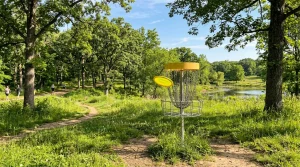
Setting up a disc golf course is more than just placing baskets; it’s an exciting opportunity to foster community, promote fitness, and introduce others to the joys of this popular sport. Did you know that disc golf is one of the fastest-growing recreational activities in the world, appealing to players of all ages and skill levels? Whether you’re a passionate player wanting to establish a local course or a community leader looking to enrich your area, understanding the nuances of course planning is crucial. This guide will walk you through the essential steps and considerations in designing an effective disc golf course, addressing everything from site selection to layout optimization. By the end, you’ll have the tools to create a vibrant, engaging space where players can develop their skills, connect with others, and enjoy the great outdoors. Join us as we explore how to turn your vision into reality and contribute to the thriving disc golf community!
How to Choose the Perfect Location for Your Course
Choosing the right location for a disc golf course can significantly impact the player experience and community engagement, making it one of the most critical steps in the planning process. An ideal course location should not only be accessible and safe but also offer a variety of challenges and scenic views that enhance the overall enjoyment of the sport. Analysis of potential sites involves considering factors such as terrain, existing natural features, and proximity to urban centers, all of which can contribute to a successful course that attracts players of all skill levels.
When scouting locations, consider accessibility for both players and maintenance crews. Look for areas with ample parking and pathways that facilitate smooth movement to and from the course. Additionally, safety is paramount-ensure that the site is free from hazards such as steep cliffs or heavy traffic areas. If possible, choose locations that have natural barriers like trees or water bodies, which can serve as natural obstacles and enhance course aesthetics.
A varied terrain can create interesting and challenging gameplay. Locations that offer elevation changes, for example, can provide unique throwing angles and shot selections, making for a dynamic experience. Incorporating existing natural features, such as ponds or forests, can enhance the course’s design and provide strategic challenges. Moreover, proximity to parks or recreational facilities can foster a community atmosphere, making it easier to engage locals and host events.
Finally, community engagement should be a top priority. Connecting with local disc golf enthusiasts, parks departments, and community organizations can provide valuable insights and support. Hosting informational meetings can generate excitement and involve local players in the planning process, ultimately leading to a course that meets the needs and interests of its future users. Choosing the perfect location goes beyond just a parcel of land-it’s about creating a welcoming environment that encourages play, fosters community, and celebrates the sport of disc golf.
Essential Design Elements for Disc Golf Courses
Designing a disc golf course is not just about placing baskets in an open field; it’s an intricate process that harmonizes nature, player experience, and strategic creativity. A well-thought-out course design can elevate the game, challenge players, and engage the community. Key design elements to consider include the layout of the course, the use of natural features, the variety of hole lengths and difficulties, and the incorporation of essential amenities.
One of the foundational elements of course design is the course layout. This involves strategically placing tees and baskets to create a compelling sequence of throws that challenge players of all skill levels. Designers should aim for a mix of straight, curving, and elevated shots. For instance, integrating sharp doglegs can necessitate careful throws while encouraging players to showcase their skill. It’s important to keep the holes varied in length, incorporating both short, technical holes for beginners and longer, more challenging ones for advanced players. A thoughtful layout not only enhances gameplay but also helps maintain the flow of the course, minimizing bottlenecks and ensuring that groups can play without unnecessary delays.
Natural features play a crucial role in creating an engaging course. Utilizing the terrain, such as hills, trees, and water, can add both aesthetic beauty and strategic complexity to each hole. For example, a course that meanders through a grove of trees can introduce naturally occurring obstacles, forcing players to adapt their throwing techniques and strategies. Furthermore, emphasizing existing environmental characteristics, such as wetlands or rock formations, can create unique challenges that differ from typical courses. This not only enriches the playing experience but also fosters a connection to the landscape.
In addition to these elements, amenities and facilities are essential for ensuring a positive experience for players. Providing adequate tee pads made from durable material can improve foot stability and enhance throwing accuracy. Baskets should be quality constructs that withstand the elements, featuring visible targets for easier identification from a distance. Signage is also critical; clear markers indicating hole numbers, distances, and next tee locations can help players navigate the course more easily.
Ultimately, the key to a successful disc golf course lies in balancing these design components while maintaining focus on player engagement and community involvement. Courses should be designed to cater to varying skill levels, encouraging local players to get involved and grow in their abilities. By paying attention to these essential design elements, developers can create a thriving disc golf course that players will love and community members will support.
Understanding Disc Golf Course Layout and Flow
Designing a disc golf course requires a careful balance between strategy and natural features, ensuring that players remain engaged while enjoying a seamless flow throughout their game. A well-planned layout can transform a simple game of throwing a disc into a dynamic experience filled with unique challenges and excitement. Understanding how to effectively map out the course is key to enhancing player satisfaction, building skill diversity, and minimizing wait times on the course.
To create an effective course layout, start by assessing the land available. Identify natural features such as hills, trees, and water bodies that can be incorporated into your design. The integration of these elements not only adds to the aesthetic appeal but also creates distinctive gameplay scenarios that test various throwing techniques. For example, placing a basket near a cluster of trees can challenge players to execute precise throws, while elevated areas can be used to enhance the difficulty by introducing gravity as a factor in the player’s approach.
Another critical component of the layout is the sequencing of holes. A logical progression from easier to more difficult challenges can help players build confidence and skills as they advance through the course. This could mean starting with shorter, more forgiving holes and gradually introducing longer, more technical ones. Incorporating both straight and curved holes, as well as some that require players to navigate obstacles, further enhances the diversity of the playing experience. Additionally, consider the flow of play: ensuring that each hole naturally leads to the next can minimize confusion and keep the pace of the game steady. Providing clear signage indicating the distance and next tee location can significantly aid in this aspect.
Finally, think about the various skill levels of potential players. Designing with inclusivity in mind means providing a balance of holes that cater to novices and seasoned players alike. This can be achieved by offering multiple tee pads on each hole-one set for beginners that shortens the distance, and another for advanced players that presents a greater challenge. By creating a course that encourages growth and accommodates all skill levels, you foster a community atmosphere that welcomes new players and respects seasoned competitors alike.
In conclusion, a thoughtful course layout that’s responsive to natural terrain, player skill diversity, and flow not only enhances the game but also strengthens community ties around the sport. This attention to detail is what can turn a good disc golf course into a destination that players return to time and again.
The Importance of Elevation and Terrain
Incorporating elevation and varied terrain into your disc golf course design not only adds excitement but also increases the strategic depth of the game. A well-placed hill or the gentle slope of a valley can drastically change how players approach each hole, challenging them to adapt their throwing techniques and strategies based on the course’s unique features. For example, an uphill throw often requires a stronger drive and more precision, while a downhill basket may tempt players into overly aggressive throws that could lead to difficult putts or rollaways.
Strategic Use of Elevation
When considering how to utilize elevation effectively, think about the impact it will have on gameplay. Courses that include both uphill and downhill shots can create significant variation in difficulty and enjoyment. Hills can serve as natural barriers or enhance the risk/reward factor of certain holes. For instance, if a basket is located on a high point, players need to calculate not just distance but also the angle of their throw to effectively land their disc close to the target. Moreover, incorporating sloped terrain can enhance fairway design by encouraging players to throw varying angles and using different disc types, such as stable and understable discs, to navigate challenges.
Here’s how varied terrain can influence gameplay:
- Throwing Mechanics: Different elevations require adjustments in throwing mechanics. An uphill throw demands more power and stability, while a downhill shot encourages finesse and control.
- Disc Selection: Players might choose different discs based on terrain. Heavier, overstable discs are often favored for windy or elevated shots, whereas lighter discs may be better for precise, level throws.
- Practice Opportunities: Having an assortment of elevation changes allows players to practice a wider range of shots, improving their overall skill set and adaptability on different course conditions.
While the aesthetic appeal of natural terrain cannot be understated, it’s the strategic advantage it provides that truly elevates the game. For example, placing a hole near a water hazard or at the edge of a forest not only tests players’ skills but also enhances the overall fairness of the sport. Players develop tactical decision-making skills regarding risk management and shot selection, sharpening their competitive edge in the process.
Ultimately, a thoughtful design that integrates elevation and varied terrain creates a disc golf course that appeals to players of all skill levels, invites community engagement, and contributes to the growth of the sport as a legitimate athletic pursuit. By leveraging these natural features, you can craft a memorable experience that resonates with both novice and seasoned players alike, making your course a favored destination for disc golf enthusiasts.
Selecting the Right Disc Golf Equipment
Selecting the right equipment for disc golf is crucial for both performance on the course and overall enjoyment of the game. With such a diverse range of discs available, it’s essential to understand the different disc types, their flight characteristics, and how they align with your throwing style. Whether you’re just starting or looking to enhance your skills, the right selection can make a significant difference in your game.
When choosing discs, consider the three primary types: distance drivers, fairway drivers, and putters. Each type serves a distinct purpose and is designed for specific throwing situations. Distance drivers, with their aerodynamic shapes, are built for maximum distance and speed, making them ideal for long throws off the tee. Fairway drivers offer more control and accuracy, perfect for navigating tighter fairways or achieving more moderate distance. Finally, putters are designed for accuracy when approaching the basket or executing short-range throws. Understanding the flight ratings, which include speed, glide, turn, and fade, will help you select the right disc for each scenario.
Understanding Disc Flight Characteristics
Each disc’s unique flight profile allows players to utilize various throwing techniques. For example, a disc with a high glide rating maintains loft longer and can carry further for subtle throws, while a disc with a high speed rating can cover distance quickly but may require more skill to control. Here’s a breakdown:
- Speed: The higher the number, the faster the disc and the longer the distance it can achieve. Beginners may benefit from slower discs that are easier to throw.
- Glide: Indicates how well the disc continues to stay in the air. Higher glide discs are great for long-distance throws.
- Turn: A negative rating indicates the disc will turn right (for right-hand backhand throwers) before it starts to fade back left. This can help in navigating obstacles.
- Fade: Representing the disc’s tendency to finish to the left, a higher fade can provide stability for longer throws.
Selecting the right bag is also a key component. A good disc golf bag will not only hold your discs but also carry your accessories comfortably. Standard bags range from simple, single-strap designs perfect for casual rounds to larger backpacks designed to hold multiple discs, snacks, water, and other necessities for tournament play.
In addition to discs and bags, consider investing in other essential gear like disc markers and towels to keep your discs clean and ensure your throws are as precise as possible. Overall, effectively understanding and choosing your equipment promotes better performance, enhances your experience on the course, and facilitates a deeper appreciation for the sport. As you grow in your skills and commitment to disc golf, the right equipment will accompany you every step of the way.
Cost Considerations for Course Development
Developing a disc golf course can be an exciting initiative, but it’s essential to approach the financial aspects thoughtfully. A well-planned budget not only ensures that resources are allocated efficiently but also helps in preventing unexpected expenses that could derail the project. The costs associated with creating a disc golf course can vary significantly based on location, design, features, and regulations, making it crucial to conduct thorough research and planning.
When assessing the financial requirements, consider the primary components that influence overall costs. Land acquisition or leasing, which may entail fees or permits, represents a significant investment. If you’re using public land, understanding the associated costs for permits can help mitigate budget surprises. Additionally, you will need to allocate funds for high-quality baskets and tee pads, both of which are central to any disc golf course. Quality baskets can range from $300 to $600 each, depending on brand and durability, while tee pads can vary in price based on materials used.
Moreover, it’s advisable to factor in labor costs and equipment needed for the course’s construction. If you plan to hire contractors, budget for their fees or consider volunteer opportunities within the disc golf community to help reduce expenses. Environmental considerations may also affect costs, especially if the design incorporates eco-friendly practices like native plantings, which can sometimes be more expensive initially but offer long-term benefits in maintenance and sustainability.
Finally, don’t overlook ongoing maintenance costs. Once the course is developed, it will require regular upkeep, such as trimming vegetation, repairing tees and baskets, and possibly water management. Building a reserve fund for these ongoing expenses will help ensure the longevity and enjoyment of the course for all skill levels. Engaging the community through events or tournaments can create a source of income that supports these maintenance costs.
In conclusion, while setting up a disc golf course involves various expenses, careful budgeting and community involvement can transform this vision into a vibrant reality that promotes outdoor recreation and engagement.
Creating Tee Pads and Baskets: Best Practices
To kickstart the enjoyment of your new disc golf course, the installation of quality tee pads and baskets is paramount. These elements not only enhance the player experience but also serve as foundational components of the course, influencing playability and safety. Did you know that a well-placed tee pad can significantly improve shot accuracy and player confidence? As you embark on this aspect of course design, understanding best practices for tee pads and baskets will ensure your course remains inviting and challenging for players of all skill levels.
Designing the Perfect Tee Pad
The ideal tee pad is spacious, durable, and strategically positioned. Size matters: a standard tee pad should be at least 5 feet by 12 feet to accommodate various throwing styles. When selecting materials, consider using concrete or asphalt, as these provide a stable and weather-resistant surface. In areas with a lot of rain, elevating the tee pads slightly or adding drainage can prevent them from becoming muddy-improving safety and usability throughout the year.
It’s also crucial to orient tee pads according to the course design. Position them to allow players to leverage natural terrain features while facilitating an enjoyable experience. For instance, placing the tee pad at an angle that promotes a hyzer throw can add challenge and enjoyment, especially for advanced players looking to showcase their skills.
Choosing Quality Baskets
Baskets are the heart of any disc golf course, and investing in quality is essential. Look for models that offer durability and visibility; baskets should withstand the elements and be easily spotted from the tee pad. A popular choice among courses is the Prodigy or Innova baskets, which are known for their exceptional catching ability and are regularly used in professional tournaments. When installing baskets, ensure they are set at 5 feet off the ground and follow standard specifications for target spacing-this improves both safety and the overall flow of play.
Additionally, when choosing locations for your baskets, consider the landscape’s natural features. Positioning baskets on slight inclines or near obstacles like trees can create strategic shots that test players’ skills while also enhancing the scenic appeal of your course.
Combining well-constructed tee pads with high-quality baskets cultivates an engaging atmosphere for disc golf enthusiasts and newcomers alike. By prioritizing functionality and player feedback during course development, you will lay the groundwork for a community hub that can host tournaments, casual rounds, and everything in between.
Incorporating Environmental Sustainability in Course Design
Integrating environmental sustainability into the design of your disc golf course not only benefits the ecosystem but also enhances the overall player experience and community engagement. With increasing awareness of eco-friendly practices, courses that prioritize sustainability can attract environmentally conscious players and foster a sense of community responsibility. For instance, by incorporating native plant landscaping, you can reduce maintenance needs and provide natural habitats for local wildlife, creating a more vibrant and inviting course atmosphere.
One practical approach to sustainable course design involves carefully selecting materials for construction and maintenance. Opt for recycled or locally sourced materials for tee pads and signs to minimize your carbon footprint. Implementing low-impact development techniques, such as permeable surfaces for walking paths and drainage areas, can help manage stormwater runoff while preserving the natural landscape. Furthermore, using composting toilets and recycling stations throughout the course encourages environmentally friendly practices among players.
Additionally, consider how the course layout interacts with its surrounding environment. Designing holes that work with existing terrain features and promoting responsible gameplay can significantly reduce the impact on local ecosystems. For example, avoiding sensitive areas or wetlands not only protects wildlife habitats but also creates unique challenges for players. This thoughtful placement enriches the experience, encouraging players to appreciate the natural beauty around them.
Finally, fostering a culture of sustainability within the local disc golf community can lead to ongoing initiatives like clean-up days or tree planting events. Engaging players in the stewardship of their course not only enhances their connection to the sport but also instills a sense of pride in maintaining a sustainable environment. By integrating these eco-conscious elements into your course design, you’ll create a lasting impact that resonates with players of all skill levels while ensuring the beauty and health of the landscape for future generations.
Tips for Engaging the Local Community
Engaging the local community is vital for the success of any disc golf course. Not only does it establish a solid user base, but it also fosters a sense of ownership and pride in the course, which can lead to increased maintenance support and event participation. One of the most effective ways to involve the community is to host introductory events or “disc golf days” where newcomers can learn the game in a fun and friendly environment. Providing free equipment for first-time players can lower the barrier to entry, encouraging them to give the sport a try.
Another strategy is to leverage local organizations and clubs. Partnering with schools, youth programs, and local businesses can create a network of support while also increasing visibility. Offering sponsorship opportunities for local businesses can help fund course improvements or events, turning your project into a shared community asset. This collaborative approach not only enhances local relationships but also encourages more community members to participate regularly.
Utilizing social media is equally crucial for maintaining engagement. Create an online presence where you can share updates, upcoming events, and highlight player achievements. Consider creating a dedicated group on popular platforms where players can share tips, organize meetups, or post about round scores. Building this digital community will keep the enthusiasm alive and draw in both experienced players and newcomers alike.
Finally, consider running volunteer days for course maintenance and improvement. This hands-on approach not only keeps the course in top condition but also bonds players through shared activities, enhancing their connection to the course and each other. Incorporating these strategies will not only enrich the community’s engagement but also solidify disc golf as a valued part of local culture.
Navigating Permits and Regulations for Course Setup
Setting up a disc golf course can be an exhilarating venture, but one of the most critical steps often involves navigating the skein of permits and regulations. Many aspiring course designers overlook this aspect, mistakenly believing that the enthusiasm for the sport alone will carry them through. However, understanding the local legal landscape is essential not just for compliance but also for fostering community support and avoiding costly setbacks.
First, it’s vital to research the specific regulations that apply to your area. This can vary widely depending on the location, so check with local parks and recreation departments, zoning boards, and environmental agencies. You might need to prepare documents that demonstrate how the course aligns with community values and environmental considerations. Engaging with these authorities early on can provide critical guidance and potentially expedite the approval process. For example, some communities may require environmental impact assessments if the proposed course site is near sensitive habitats.
Consider forming partnerships with local disc golf associations or clubs. They can offer valuable insights into the permitting process, and their established relationships with local officials can facilitate discussions and approvals. Additionally, gathering community support through petitions or letters of support can strengthen your case when applying for permits. Demonstrating that your course will promote physical activity, community engagement, and outdoor recreation is a compelling argument for local stakeholders.
Finally, always be prepared to adapt your plans based on the feedback from regulatory bodies. Sometimes, adjustments to your course layout or design may be necessary to meet safety standards or environmental guidelines. This flexibility not only ensures compliance but also demonstrates your commitment to creating a responsible and inclusive space for all players. By taking the initiative to understand and navigate the permitting process, you’ll lay a strong foundation for the long-term success of your disc golf course.
Designing for Various Skill Levels: A Course Guide
Designing a disc golf course that caters to various skill levels is essential for fostering a thriving community and ensuring that players of all ages and abilities feel welcome. By considering the unique needs of beginners, intermediates, and advanced players, course designers can create an engaging experience that encourages skill development and social interaction. A thoughtfully designed course helps newcomers gain confidence and provides seasoned players with a challenging environment to refine their skills.
Begin by analyzing the target audience for your course. If your location is frequented by families or casual players, it’s wise to incorporate a range of short and accessible holes. These can be encouraging for beginners while still providing opportunities for more seasoned players to fine-tune their strategies. For example, including a few par-3 holes that allow for impressive drives and putts can engage newcomers without overwhelming them. On the other hand, for more competitive players, consider introducing longer holes with obstacles that demand precision and strategic shot placement.
Key Elements to Consider
When designing for varying skill levels, consider the following essential elements:
- Tee Placement: Use multiple tee pads to adjust the difficulty of each hole. This allows players to choose a tee that matches their skill level, enhancing their overall enjoyment.
- Hole Length: Provide a variety of hole lengths. Shorter holes can encourage beginners to complete a round without frustration, while longer par-4 and par-5 holes can challenge more experienced players.
- Obstacle Variety: Incorporate a mix of natural and manufactured obstacles, such as trees, elevation changes, and water hazards. This keeps the course interesting and challenging for all players.
- Open vs. Technical Design: Balance open fairways with technical holes that require precision. Players will gain confidence on less technical holes, allowing them to tackle more challenging ones as they progress.
Creating a Supportive Environment
Encouraging a culture of support and inclusivity is paramount. Consider organizing league events that cater to all skill levels, such as “bring a friend” tournaments or beginner clinics led by more experienced players. Additionally, providing clear signage that includes tips on throwing techniques and disc selection can aid beginners and help them feel more comfortable navigating the course. Establishing a welcoming atmosphere encourages players to return and improve their skills while celebrating the communal spirit of the sport. And remember, every player, regardless of their skill level, contributes to the vibrant tapestry of disc golf culture, making your course a vital community hub.
Marketing Your Disc Golf Course to Attract Players
Engaging potential players and creating buzz around your disc golf course involves a multifaceted approach that combines effective marketing strategies with community involvement. With the sport’s growing popularity, leveraging social media, local events, and partnerships can significantly enhance your course’s visibility. A well-executed marketing strategy not only attracts players but also fosters a sense of community around the sport, encouraging both newcomers and experienced disc golfers to visit and play regularly.
Utilizing platforms like Facebook, Instagram, and TikTok allows you to showcase your course through captivating photos, videos, and course highlights. Share player testimonials and interesting course facts to create narrative-driven content that resonates with your audience. Regularly post updates about events, promotions, and new features on the course to keep your followers engaged. Consider highlighting local players or clubs to foster a sense of inclusivity, making your course a home base for the regional disc golf community.
Networking with Local Entities
Building relationships with local businesses and organizations can enhance your reach and generate additional support. Partner with nearby sports shops for promotional events, such as discount days or demo events featuring the latest disc golf products. You may also collaborate with schools and community centers to introduce disc golf as an accessible sport for younger audiences. Student engagement can be particularly fruitful; consider hosting school tournaments, which can serve both as a tool for promotion and a way to inspire the next generation of players.
Events and Tournaments
Organizing regular tournaments and casual meetups can create a vibrant atmosphere around your course. These events attract both seasoned players and newcomers. Consider holding themed events or leagues catering to specific skill levels, like “Beginner Nights” or fun tournaments. Promote these events through community bulletins, social media, and local flyers to maximize attendance. Additionally, offering small prizes or incentives can further encourage participation and build a community spirit.
By focusing on these marketing methods and community-building strategies, you can cultivate a thriving disc golf environment that attracts players of all skill levels. Emphasizing your course’s unique features and fostering inclusive experiences will not only attract players but also contribute to the sustainable growth of disc golf in your area.
Frequently Asked Questions
Q: What are the essential materials needed to set up a disc golf course?
A: To set up a disc golf course, you’ll need baskets for each hole, tee pads for launching discs, and signage to guide players. Additionally, scorecards and rules signage enhance player experience. Consider including benches and waste disposal options to promote a welcoming environment.
Q: How do I determine the best layout for my disc golf course?
A: Evaluating the terrain is crucial for layout design. Look for natural features to create varied and challenging holes. Consider spacing between holes to prevent interference, and ensure the course flows logically to enhance player experience. Use our section on “Understanding Disc Golf Course Layout and Flow” for detailed guidance.
Q: What factors should I consider when selecting equipment for my course?
A: When selecting equipment, focus on durability and visibility. Baskets should withstand weather and frequent use, while tee pads must offer good grip and stability. Check out our section on “Selecting the Right Disc Golf Equipment” for comprehensive options to meet your course needs.
Q: How can I engage my local community in the course setup process?
A: Involve your community by hosting informational meetings and creating volunteer opportunities to participate in course design and maintenance. Utilize social media to spread the word about your efforts. Refer to the “Tips for Engaging the Local Community” section for more strategies to increase involvement.
Q: What permits are required to set up a disc golf course?
A: The permits needed vary by location but typically include land use permits and environmental assessments. It’s vital to consult your local regulations early on. The article’s “Navigating Permits and Regulations for Course Setup” section provides more details on acquiring necessary permits.
Q: How do elevation and terrain affect the design of a disc golf course?
A: Elevation can create challenging shots and enhance the visual appeal of a course. Incorporating hills, valleys, and natural obstacles into your design can provide variety. Rely on our insights in “The Importance of Elevation and Terrain” to effectively utilize these elements in your course design.
Q: What are some cost-effective measures for developing a disc golf course?
A: To keep costs down, consider utilizing existing land features for the layout and sourcing second-hand equipment where possible. Engaging local businesses for sponsorships or donations can also help. See our “Cost Considerations for Course Development” for detailed budgeting strategies.
Q: How can I promote my disc golf course to attract players?
A: Utilize social media platforms to promote your course and host events to draw in players. Creating a website and engaging with local disc golf clubs can enhance your visibility. Our section on “Marketing Your Disc Golf Course to Attract Players” offers additional marketing ideas to reach a broader audience.
Future Outlook
As you embark on your journey to set up a disc golf course, remember that thoughtful planning is key to creating an inviting and enjoyable experience for all players. With the right layout, strategic hole placements, and adequate signage, you can establish a course that not only challenges experienced players but also welcomes beginners. Don’t forget to check out our detailed guides on disc flight characteristics and throwing mechanics to further enhance your understanding and training approach.
Now is the perfect time to take action! Gather your friends, choose your favorite location, and start sketching out your course layout today. If you’re still unsure about any aspect, feel free to explore our resources on equipment specifications and course strategy breakdowns. And while you’re here, why not sign up for our newsletter? Join our community of passionate disc golfers and stay updated with tips, tournament news, and industry insights. Your journey in the world of disc golf starts now-let’s make it unforgettable!
Get our latest guides, news, and insights highlighted in your Google Search & AI Overviews.