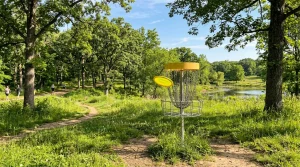
Did you know that disc golf is one of the fastest-growing sports worldwide, with millions of players enjoying its unique blend of athleticism and strategy? Understanding what constitutes a disc golf course-the layout, design, and flow-is essential for both newcomers eager to learn and seasoned players aiming to refine their game. In this guide, we’ll dive into the key elements of a disc golf course layout, exploring how each component influences gameplay and strategy. Whether you’re considering your first round or preparing for a competitive tournament, grasping these concepts will enhance your appreciation and skill in this engaging sport. Join us as we demystify the layout and empower you to navigate any course with confidence and insight.
What is a Disc Golf Course? Understand the Basics
A disc golf course typically consists of a series of designated holes, much like traditional golf but adapted for flying discs. Each hole begins at a tee pad and is played to a target, usually a metal basket, which is designed to catch the disc. These courses can range in difficulty and design, from open fields with minimal obstacles to challenging wooded areas that require precise throwing skills. The total length of a course can vary significantly, with some comprising just a handful of holes for beginners, while professional courses can stretch over 18 or more holes, often incorporating various terrains and elevation changes.
The layout of a disc golf course plays a crucial role in the game, influencing both strategy and skill development. A well-designed course will strategically place obstacles like trees, water, and elevation changes to challenge players while still allowing for enjoyable play. Essentially, the design should offer a balance that accommodates all skill levels, providing a rewarding experience for casual players and a competitive challenge for seasoned athletes. Courses use different layouts, such as par 3s, par 4s, and par 5s, to create varied challenges.
Understanding the basics of disc golf course design helps players appreciate and navigate their playing environment effectively. By recognizing how layout affects gameplay, players can strategize their approach to each hole, choosing the appropriate disc and technique to use based on distance, wind conditions, and obstacles. Engaging with local courses also fosters community connections as players share tips and stories, enhancing the overall disc golf experience. The sense of camaraderie is significant; players often come together to host tournaments, improve course conditions, or introduce newcomers to the sport, aligning with the values of inclusivity and sportsmanship cherished within the disc golf community.
Key Components of a Disc Golf Course Layout
Each disc golf course is a unique landscape, with specific elements that define its layout and challenge players of varying skill levels. Understanding the key components of a disc golf course can significantly enhance both play and appreciation of the game. These elements not only influence the strategy a player must adopt but also accentuate the enjoyment and engagement players experience during a round.
One of the foundational components is the tee pad, where each hole begins. Tee pads can vary in surface material, typically made from concrete or matting, providing a stable launching area. They are usually marked with specific measurements, reflecting the hole’s distance. The basket, which serves as the target, is another critical piece; it often features chains that help the disc drop through a central catching area when thrown successfully. Baskets are positioned strategically to incorporate various terrains and obstacles, from trees to elevation changes, enhancing the complexity of shots required.
Course Features and Challenges
A well-designed disc golf course integrates a mix of obstacles and open space to challenge players effectively. Some of the features to consider include:
- Natural Obstacles: Trees, bushes, and bodies of water create tactical challenges, forcing players to navigate their throws carefully.
- Elevation Changes: Hills and slopes can alter the dynamics of a throw, impacting both distance and accuracy.
- Course Layout: The arrangement of holes, whether a linear or more circular design, can affect flow and pacing, impacting the overall experience.
- Distance and Par Ratings: Holes are rated as par 3, 4, or 5 based on expected number of throws to complete them, influencing strategy and approach.
The combination of these elements results in dynamic gameplay where players are continually adapting their strategies. For example, a long par-4 hole may require a player to execute a specific drive followed by an accurate approach, while a shorter par-3 may challenge them with tight technical throws. A thoughtfully designed course enhances engagement, encouraging players to explore various throwing techniques and disc choices, ultimately fostering growth and enjoyment of the sport.
The community aspect of disc golf also thrives on these layouts, as individuals often gather to experience the shared challenges and victories inherent in each course. Understanding the nuances of a course’s design elevates the game beyond mere competition, fostering camaraderie among players and enriching the overall experience.
Popular Disc Golf Course Design Styles
The diversity of disc golf course design styles reflects the unique challenges and experiences they offer to players. These styles not only influence how a course looks but also how players navigate its complexities and strategize their gameplay. Understanding these designs can enhance a player’s skills and appreciation for the sport, while also highlighting the artistry involved in course creation.
One popular design style is the wooded course, which immerses players in natural surroundings filled with trees and foliage. These courses often require precise throws and the ability to navigate obstacles while maintaining control over distance. The strategic placement of baskets among trees can challenge even seasoned players, encouraging them to develop accuracy and finesse in their throws. In contrast, open courses provide a different experience, typically characterized by large fields with few obstacles. While they may seem straightforward, these courses challenge players to master distance control and placement, as wind and other environmental factors can play a significant role in the game.
Another engaging style is the technical course, which combines elements of both wooded and open designs. These courses often feature tight fairways that may intermittently open up to larger putting areas. Players must adopt a well-rounded approach, employing a variety of throwing techniques and disc selections to navigate the intricacies of the layout. For those looking for an extra challenge, elevation courses incorporate hills and slopes, significantly affecting gameplay. Throws on elevations not only test players’ strength and technique; they also require an understanding of how disc flight can change depending on the incline or decline.
Ultimately, the allure of disc golf courses lies in their capacity to foster community and challenge players of all skill levels. Engaging with the diverse design styles allows novices to learn from experienced players, fostering an environment of growth and camaraderie. Whether a player is new to the sport or a seasoned competitor, appreciating the nuances of course design can take their disc golf game to new heights, making every round an opportunity for learning and enjoyment.
The Importance of Course Difficulty Ratings
Understanding the difficulty ratings of disc golf courses is essential for players at all skill levels, from beginners picking their first course to seasoned veterans seeking a challenge. These ratings serve as a guide for players to select courses that match their playing abilities, ensuring a more enjoyable and appropriately challenging experience. Just like in traditional golf, where courses are rated based on their difficulty, disc golf courses utilize a similar system that factors in various elements such as distance, elevation changes, and the layout’s technicality.
One key aspect to consider is the balance between challenge and fun. Players who are new to the sport may find themselves overwhelmed on a course rated as highly difficult, which can lead to frustration and a negative experience. Conversely, advanced players might seek out more challenging courses to test their skills and improve their game. Course difficulty ratings provide a clear framework for matching players with suitable courses, contributing to overall player satisfaction and progression.
Additionally, difficulty ratings often reflect more than just how physically challenging a course may be. They encapsulate the strategic elements involved in navigating a course effectively. For instance, a course with tight fairways and numerous obstacles may require a higher level of precision and strategy compared to a wide-open course that primarily tests distance. This nuanced understanding not only aids players in selecting courses but also encourages strategic thinking around shot selection, disc choice, and course management.
When considering a course, players can also look for additional information, such as course reviews and player feedback, to gain insight into what the rating entails in practice. The community aspect of disc golf shines here, as players often share their experiences, offering valuable perspectives that go beyond numerical ratings. By thoughtfully considering course difficulty ratings, players can ensure that their disc golf outings are both enjoyable and rewarding, fostering a deeper connection to the sport and its community.
How to Choose the Right Discs for Your Course
Choosing the right discs for your disc golf course can dramatically impact your performance and enjoyment of the game. Each disc has unique flight characteristics influenced by its weight, shape, and type of plastic, making it crucial to select discs that align with your playing style and the specific challenges of the courses you frequent. For instance, understanding the differences between distance drivers, fairway drivers, midranges, and putters will empower you to craft a versatile bag that caters to various scenarios on the course.
When evaluating which discs to carry, consider the following factors:
- Course Layout: Assess the length and layout of the course. If you’re navigating a shorter, technical course, midranges and putters may become your best friends, allowing for more precision where power isn’t as critical. Conversely, a longer course may necessitate reliable distance drivers to maximize your throwing potential.
- Terrain: The natural features of the course-such as elevation changes, obstacles like trees and water hazards, and the overall terrain-will also inform your disc selection. For hilly courses, you might prefer discs that can handle various angles of release and can maintain stability in the air.
- Wind Conditions: Wind can dramatically affect your shots. Opt for discs that are stable or overstable in high winds to maintain control during throws. Beginners might benefit from slightly more understable discs that can help mitigate errors in power and form.
- Your Skill Level: New players may find it easier to start with lighter, more understable discs that offer a greater margin for error, while experienced players might opt for heavier, more stable discs that require greater skill to manipulate their flight paths effectively.
A practical approach is to rent or borrow different discs before committing to purchases. Many local disc golf shops or community events will allow you to try various discs on a course, giving you hands-on experience with how they fly in real conditions. Pay attention to how each disc reacts to your throwing style and the course’s demands-this practice can help you find your go-to discs faster.
Lastly, don’t underestimate the importance of building a cohesive collection of discs that can cover multiple aspects of a round. Aim for a balanced setup that includes:
| Disc Type | Function |
|---|---|
| Distance Driver | For long drives and open fairways |
| Fairway Driver | More control for less distance; good for tight fairways |
| Midrange | Excellent for approach shots and accuracy |
| Putter | For short-range precision and putting |
By thoughtfully selecting discs based on your course’s characteristics and your personal skill level, you’ll find greater enjoyment and improvement in your game. Experimentation, experience, and an understanding of the dynamics of disc flight will slowly hone your choices, making you a more confident and capable player on the disc golf course.
Disc Golf Course Etiquette: Rules and Best Practices
Respect and camaraderie are central to the game of disc golf, making proper etiquette essential on the course. Much like traditional golf, maintaining good manners and consideration for others not only enhances your experience but also fosters a positive environment for all players. Understanding the unspoken rules of disc golf etiquette can make a significant difference in the enjoyment and flow of a round, especially for newcomers who may not yet be familiar with the communal spirit of this growing sport.
One of the fundamental practices is to always be aware of your surroundings. Wait for others to finish their shots before you throw, ensuring that no one is in danger of being hit. If you receive a shout of “fore!” from a fellow player, take it seriously and be alert. Additionally, be mindful of pace. Maintaining a smooth flow on the course is important; keep your group moving and avoid lengthy deliberations over shot selection. If your group is playing slower than the players behind you, consider letting them play through, a courteous gesture that demonstrates respect for fellow disc golfers.
Another critical aspect of course etiquette involves the care of the environment and course itself. Always pick up after yourself by disposing of trash properly, not just to maintain the beauty of the course but also to set a good example for future players. If you notice any debris, such as fallen branches that can hinder play, consider helping out and clearing them when it’s safe to do so. Furthermore, be respectful of the course’s design; never attempt to alter natural obstacles or course features to gain an advantage. Instead, learn how to navigate these challenges with skill and strategy.
Lastly, embracing the spirit of community is vital in disc golf. Offer encouragement to fellow players, whether they’re friends or strangers, and be gracious in both victory and defeat. Simple gestures, such as complimenting a great throw or sharing tips between rounds, contribute immensely to building camaraderie on the course. After all, disc golf is not only about honing your skills but also about enjoying the shared experience with others who love the game. By adhering to these etiquette principles, you’ll not only enhance your own experience but also help cultivate the welcoming atmosphere that is a hallmark of the disc golf community.
Strategies for Playing Different Course Layouts
Playing on various disc golf course layouts can significantly influence your game strategy, and understanding how to adapt your approach is vital for success. Whether you’re facing a densely wooded course, a sprawling open field, or a layout with tricky water hazards, each environment presents unique challenges and opportunities. Recognizing these differences and adjusting your gameplay can not only improve your score but also enhance your enjoyment of the sport.
One of the first strategies to consider is course mapping. Before you step onto the course, take a few moments to study the layout and identify potential obstacles such as trees, bushes, and elevation changes. Most courses provide signage that outlines each hole’s distance and direction, often indicating specific risks. Familiarize yourself with the best routes to the basket, and determine which throwing techniques-such as forehand or backhand-play best in the given conditions. For example, heavily wooded courses may require more precision, making approaches like anhyzer or hyzer flips particularly effective.
Additionally, consider disc selection based on the course type. In open courses, you might opt for more distance-oriented discs that can handle the wind and cover the necessary yards. In contrast, for tight, technical layouts, controlled drivers or mid-range discs will allow for greater accuracy and manageable distance. Understanding the flight characteristics of your discs can be a game changer; a stable disc might work best under windy conditions, while a more overstable disc could help navigate tricky turns.
Mental preparation is another critical aspect often overlooked. Disc golf demands not only physical skills but also a strategic mindset. Each course will challenge you with different scenarios; rather than forcing your favorite throw, be open to adapting your strategy based on the hole’s specific layout and your own abilities. When faced with a challenging hole, visualize your shots and approach with a plan. This mindset will enhance your decision-making, helping ensure that you remain composed under pressure.
In essence, the key to mastering various disc golf course layouts lies in a combination of mapping, disc selection, and mental adaptability. By embracing the unique characteristics of each course, you can elevate your game, showcasing both your skills and strategic thinking. Engaging with the community through shared experiences and insights can also provide you additional perspectives, making every round a chance to learn and progress in this rewarding sport.
Exploring Disc Golf Course Signage and Markings
Understanding the layout of a disc golf course is greatly enhanced by the effectiveness of its signage and markings. Clear and informative signs not only guide players through the course but also ensure a fair and enjoyable experience for everyone involved. In fact, well-designed signage contributes significantly to a player’s strategic decisions, as it conveys critical information about each hole.
Each hole typically features a tee sign that displays important details such as the hole number, distance, par, and layout. These signs often include a map of the hole that illustrates its unique features, including obstacles like trees, water hazards, and changes in elevation. This visual representation is particularly useful for players unfamiliar with the course, enabling them to plan their throws more effectively. Additionally, directional arrows can help guide players from one hole to the next, reducing confusion and keeping the pace of play steady.
Beyond the tee signs, course markings like painted lines or flags on the ground aid in defining tee areas and out-of-bounds zones. Some courses incorporate innovative features such as color-coded links that indicate different disc flight paths based on various skill levels. This not only makes the game accessible for beginners but also challenges seasoned players to improve their skills by navigating through more complex routes. Furthermore, baskets are often marked to show the “desired” route, which can assist players in understanding where to focus their throws.
Lastly, the aesthetic aspect of signage and markings can also enhance the overall experience of the course. Engaging visuals that reflect the local environment or themes can foster a sense of community and pride among players. When the signage is not only functional but also visually stimulating, it creates an inviting atmosphere that encourages more individuals to partake in the sport. Embracing clear, creative signage and effective course markings exemplifies a commitment to quality disc golf experiences, thereby promoting player enjoyment and skill development.
The Role of Natural Terrain in Course Design
The landscape of a disc golf course is not merely a backdrop; it is an integral part of the game’s challenge and enjoyment. Utilizing natural terrain effectively can transform a simple layout into a dynamic and engaging experience that tests players’ skills while immersing them in the beauty of the outdoors. Whether it’s rolling hills, dense woods, or open fields, the natural features found on a site can dictate how a course is designed, influencing not only how players throw but also the strategy they must apply.
For example, a course that weaves through a forest can incorporate trees as obstacles, requiring precision and control. Players may need to execute various throwing techniques, such as flex shots or hyzers, to navigate tight routes. On the other hand, a course that utilizes elevation changes can introduce exciting challenges like throwing uphill or downhill, where club selection and throw mechanics can drastically impact disc performance. The variations in slope and terrain can either reward bold throws or punish overshooting, adding a layer of complexity to what might initially seem like a straightforward hole.
Embracing Terrain Features
Designers often take advantage of unique landscape features to enhance the playing experience. Consider the following elements:
- Water Hazards: Strategically placed ponds or streams can serve as both aesthetic features and significant obstacles, encouraging players to work on their accuracy and risk assessment.
- Wind Exposure: Open areas can be prone to wind, influencing disc flight and forcing players to make adjustments in their throws. Understanding wind patterns is crucial for a successful game.
- Wildlife and Vegetation: Integrating the local ecosystem can create an immersive experience. Signage can educate players about local flora and fauna, fostering a connection to the environment.
By respecting and incorporating natural elements, designers can create a course that not only challenges players but also enriches their experience with nature. Players often find that navigating the natural beauty of a well-designed course adds to the joy of the sport, fostering a deeper appreciation for both the game of disc golf and the outdoors.
Ultimately, thoughtful integration of natural terrain is key to delivering a memorable disc golf experience that caters to all levels of players, encouraging both personal growth and community engagement within the sport. As disc golf continues to evolve, embracing natural features in course design will remain a crucial aspect of creating enduring and exciting layouts.
How Disc Golf Courses Foster Community Engagement
The vibrant and inclusive environment of a disc golf course often serves as a central hub for community engagement. Regular players and newcomers alike find that participating in this sport fosters a sense of belonging and camaraderie that extends beyond the game itself. Whether it’s casual rounds with friends or organized tournaments, the interactions that occur on the course create lasting bonds and shared experiences.
One significant aspect of community engagement in disc golf can be seen through local leagues and tournaments. These events not only attract players of various skill levels but also encourage participation across age groups. For instance, many courses host weekly leagues that welcome everyone, from seasoned competitors to first-time players. This inclusivity promotes mentorship opportunities, where experienced players willingly share tips on disc selection, throwing techniques, and course strategy. As new players develop their skills, they often form friendships with those they meet on the course, building a supportive network within the sport.
Moreover, disc golf courses frequently act as venues for community-building activities such as fundraisers and charity events. Many clubs partner with local organizations to host charity tournaments, where proceeds support various causes, from environmental protection initiatives to youth sports programs. These events not only raise awareness but also motivate participants to give back to their communities, reinforcing the sport’s positive impact on local culture.
The design of disc golf courses can further enhance community engagement. Courses that incorporate social areas, like picnic spaces or benches, encourage players to stay and socialize after their rounds. Events such as disc swaps or clinic days can bring people together, promoting a shared passion for the sport while also introducing newcomers to disc golfing basics. By fostering an inviting atmosphere, disc golf courses cultivate a sense of community pride and involvement that helps the sport grow and thrive.
In summary, disc golf courses are more than just playing fields; they are vital components of community life. Through organized events, mentorship, and social spaces, they create environments where relationships flourish and local culture is celebrated. This sense of community not only enhances the enjoyment of the sport but also legitimizes disc golf as a meaningful pursuit within the wider athletic landscape.
Upcoming Trends in Disc Golf Course Development
The evolution of disc golf courses is a testament to the sport’s growing popularity and the increasing demand for high-quality, well-designed playing spaces. One emerging trend is the incorporation of sustainable design practices that prioritize environmental stewardship, weaving the course seamlessly into its natural surroundings. Designers are now focusing on minimizing the ecological impact of courses, using native vegetation and creating pathways that preserve wildlife habitats. This not only enhances the playing experience but also fosters a deeper appreciation for the environment among players.
Another significant trend is the integration of technology, particularly in course management and player engagement. Many courses are now utilizing mobile apps to provide real-time data, such as weather updates, course maps, and digital scorekeeping. Some facilities have even started incorporating GPS-guided baskets and interactive signage to enhance the overall player experience. As technology becomes more pervasive, players can expect an increasingly connected environment that not only informs but also enriches their gameplay.
Moreover, the design of courses is becoming more adaptive to cater to different skill levels and playing styles. With a focus on inclusivity, many new layouts feature multiple tee pads and basket placements, allowing for varied distances and difficulty levels. This adaptability encourages all players-from beginners to seasoned pros-to engage with the course at their own pace and ability, making the game more enjoyable and accessible to a wider audience.
Finally, there’s a growing recognition of the role disc golf courses play in community and wellness. Future developments are likely to see more courses being built in community parks and public spaces, integrating recreational and fitness opportunities into everyday life. This trend not only benefits disc golfers but also encourages other community members to partake in physical activity, further cementing the sport’s role as a vehicle for health and social connection.
Through these innovations and community-focused designs, the future of disc golf courses looks promising, enhancing the experience for both newcomers and experienced players while ensuring that the sport continues to thrive and evolve.
A Beginner’s Guide to Finding Local Courses
Finding a local disc golf course is an exciting first step into the sport, offering gateways to both competitive play and community engagement. One of the best resources at your disposal is the internet, where dedicated platforms like Disc Golf Course Review provide comprehensive listings of courses based on your geographical area. Simply input your location, and you’ll find a curated map of disc golf courses nearby, complete with user reviews, course layouts, and amenities like restrooms and picnic areas. This allows beginners to choose a course that fits their skill level and desired experience,-from beginner-friendly layouts to more challenging designs.
Another effective approach to discovering local courses is to connect with the vibrant disc golf community online and in person. Many areas have active disc golf clubs or social media groups where players share information about new courses, upcoming tournaments, and casual meet-ups. Attending a local event or joining a club can also provide invaluable information, along with the opportunity to play with more experienced players who can share insights about the best local courses.
When visiting a new course, it’s helpful to familiarize yourself with its specific layout and any unique characteristics it may have. Many disc golf courses are designed to blend with the natural landscape, which means each course may feature different terrains such as wooded areas, elevated baskets, or water hazards. Understanding these elements can enhance your strategy and overall enjoyment of the game. Before heading out, check course signage and maps, often available at the course or online, to plan your game better and navigate the course smoothly.
Lastly, don’t forget to incorporate practice into your routine as you explore various courses. Each layout can provide different challenges that will help you develop your throwing techniques and strategy. As you grow more comfortable with disc golf, visiting various courses can also enhance your skills, leading to a more rewarding playing experience. Whether you’re playing for fun or aiming to compete, each course visit can become a stepping stone in your personal growth within the sport.
Frequently Asked Questions
Q: What are the different types of disc golf course layouts?
A: Disc golf courses typically feature layouts such as traditional, which follow a linear design with 18 holes, and alternative layouts, which may use temporary or multi-use spaces. Other styles include short courses for beginners and championship layouts designed for advanced players, incorporating various obstacles like trees and water hazards.
Q: How is the difficulty of a disc golf course determined?
A: Course difficulty is assessed through factors like hole length, design complexity, and environmental challenges. Ratings are often expressed in par values, helping players choose courses that match their skill level. Veteran players often give insights on this in reviews available on various disc golf platforms.
Q: What should I look for in a disc golf course layout as a beginner?
A: Beginners should seek shorter hole lengths, fewer obstacles, and clear signage. A simpler layout aids in learning basic techniques without discouragement. Consider checking local clubs or resources to find courses designed for newcomers to the sport.
Q: Why is natural terrain important in disc golf course design?
A: Natural terrain is crucial because it adds challenge and variety to a course. Designers use features like hills, trees, and water to create engaging and dynamic layouts, enhancing the overall playing experience and helping to develop players’ skills by presenting diverse obstacles.
Q: How can course signage improve a player’s experience on a disc golf course?
A: Effective course signage provides crucial information such as hole distance, par, and downhill/uphill indicators. This aids players in strategizing their shots and understanding course layout, leading to a more enjoyable and informed round of disc golf.
Q: What materials are typically used to mark disc golf courses?
A: Disc golf courses commonly use weather-resistant signs, tee pads, and basket markers. Materials like plastic, wood, or metal for signage are prevalent, ensuring visibility and durability against the elements. This enhances navigation and safety on the course.
Q: How does course layout affect my choice of discs?
A: Course layout impacts disc choice by determining which types of throws are necessary. Long, open holes may favor distance drivers, while tight, technical holes might require midranges or putters. Understanding the course layout helps in selecting the most effective discs for each hole.
Q: Where can I find detailed reviews of disc golf courses?
A: Detailed reviews of disc golf courses can be found on platforms like Disc Golf Course Review and Infinite Courses. These platforms provide player feedback, ratings, and insights regarding course conditions and design, helping you decide which course to play next.
In Conclusion
Now that you understand the layout of a disc golf course, it’s time to take your knowledge and enthusiasm to the next level! Whether you’re planning your first round or looking to improve your strategy for upcoming tournaments, remember that mastering course design and layout is key to enhancing your game. Don’t miss out on our in-depth guides on throwing mechanics and equipment recommendations to further elevate your skills.
If you have questions or thoughts about your disc golf journey, feel free to share them in the comments below! Your experiences enrich our community, and we’d love to hear how layout affects your gameplay. Be sure to subscribe to our newsletter for the latest tips and updates, and explore our related articles to keep the momentum going. Your next ace could be just a throw away-let’s hit the course!
Get our latest guides, news, and insights highlighted in your Google Search & AI Overviews.