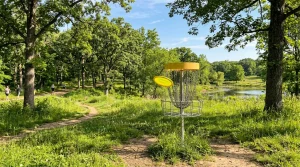
Are you looking to discover local spots to enjoy the exciting sport of disc golf? Whether you’re new to the game or a seasoned player, finding the right course is crucial to enhancing your experience. Did you know that disc golf is one of the fastest-growing sports in the U.S., with thousands of courses available to explore? In this guide, we’ll help you locate nearby disc golf courses tailored to your skill level and preferences. Get ready to ignite your passion for disc golf and improve your game, all while connecting with a vibrant community of enthusiasts. Whether you seek a casual round with friends or aspire to hone your competitive edge, our course finder will guide you to the best resources and tips to make the most of your disc golf journey. Let’s dive in and find your next favorite course!
Finding Disc Golf Courses in Your Area
Finding the right disc golf course nearby can significantly enhance your experience as a player, whether you’re a novice just getting started or a seasoned competitor. One of the best ways to discover local disc golf courses is through dedicated online platforms that provide comprehensive listings. Sites like Disc Golf Course Review allow players to search for courses based on their location, rating, and specific features such as free or pay-to-play options. You can explore courses through an interactive map that highlights the most popular places to play, ensuring you find a course that suits your skill level and game preferences [1].
When scouting for a course, consider what type of playing conditions you enjoy. Each course varies in difficulty, layout, and environment. For instance, some courses might offer open spaces suitable for beginners looking to practice distance throws, while others may provide technical layouts that challenge even the most experienced players. Make sure to read reviews and player feedback on these platforms; they often share personal experiences that can help you decide which course aligns with your expectations. Additionally, checking for nearby communities and clubs can also be beneficial-they often organize events, providing excellent opportunities to connect with fellow enthusiasts and learn about hidden gems in your area.
Moreover, leveraging technology can streamline your quest to find local courses. Apps and tools that cater to disc golf enthusiasts not only help locate courses but can also track your game performance and connect you with local players. Engaging with these resources enriches your disc golf journey, from playing on different courses to forming friendships with others passionate about the sport. Ultimately, finding the perfect disc golf course near you is about exploring options and immersing yourself in the vibrant community surrounding this growing sport.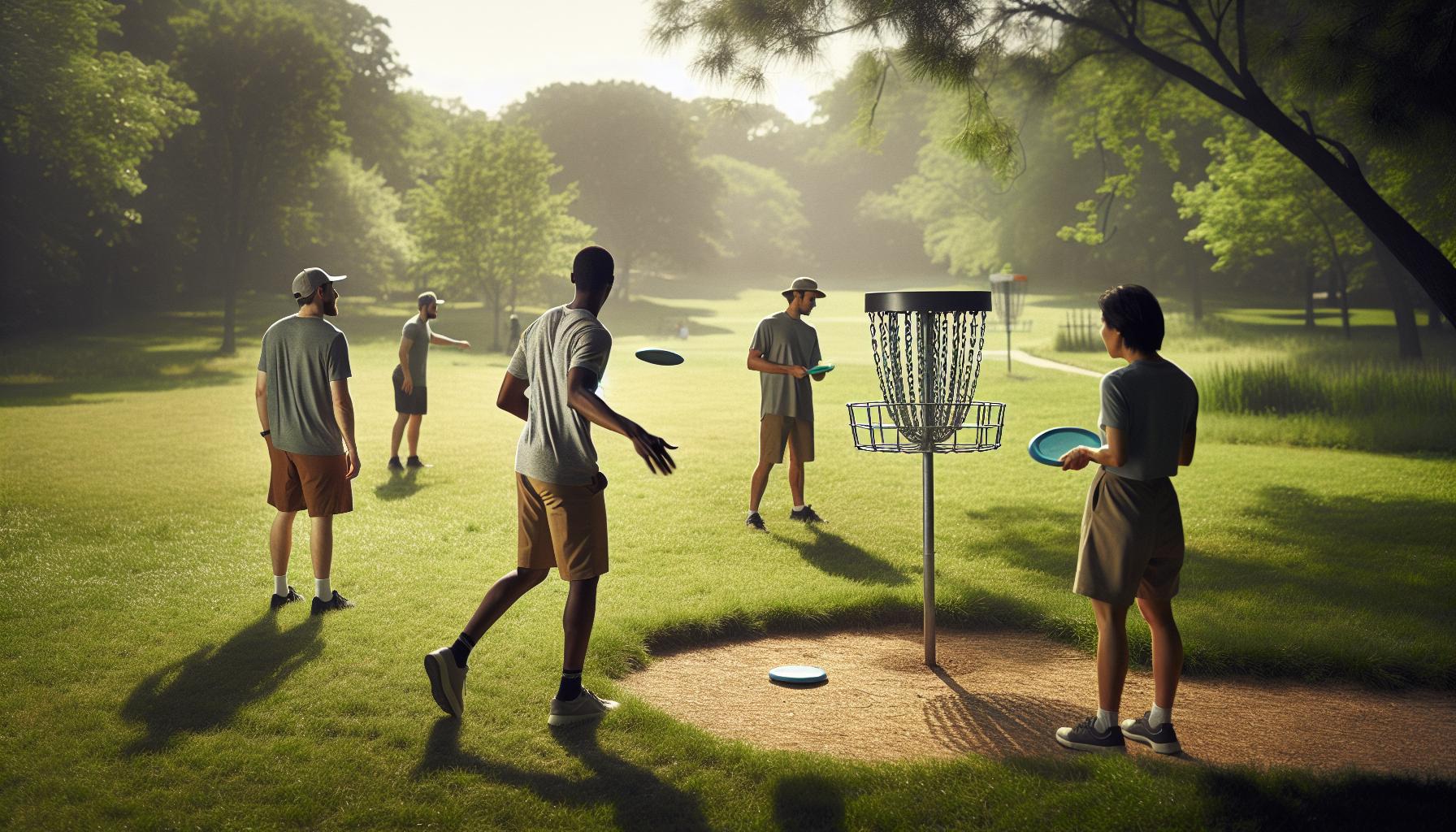
Essential Gear for Disc Golf Beginners
Starting your journey in disc golf can be thrilling, but having the right gear can make all the difference in your experience. You don’t need to invest heavily to play-just a few essential items will set you up nicely and help enhance your play. Discs are the cornerstone of the sport, and as a beginner, it’s best to start with a few specific types: a driver, a mid-range disc, and a putter. These three discs will cover the majority of shots you’ll need on the course.
Choosing Your Discs
A solid starter driver, like the Innova Leopard or Dynamic Discs Witness, offers a great balance of distance and control, perfect for beginners still mastering their throwing technique. For mid-range shots, discs such as the Discraft Buzzz are highly recommended for their versatility and accuracy, making them ideal for navigating tighter fairways. Lastly, for putting, a stable putter like the Axiom Soft Electron Anode will provide consistent performance close to the basket.
- Driver: Innova Leopard or Dynamic Discs Witness
- Mid-range: Discraft Buzzz
- Putter: Axiom Soft Electron Anode
Other Essential Gear
Aside from discs, a few additional items can greatly benefit your game. A good-quality disc golf bag is essential for transporting your discs comfortably. Many bags also have pockets for water bottles, towels, and other accessories you may need on the course. To keep your grip in various weather conditions, consider carrying a towel or a specialized disc golf glove.
Don’t overlook the importance of comfortable footwear-shoes with good grip will help you maintain stability as you make your throws. As you continue to play and grow your skills, you can start to expand your collection of discs, experimenting with different brands and weights to suit your throwing style.
Conclusion
Starting out in disc golf doesn’t require an overwhelming amount of equipment. By focusing on a couple of well-chosen discs, a reliable bag, and appropriate footwear, you’ll be well on your way to enjoying this engaging sport. Remember, like any sport, practice and familiarity with your gear will lead to improvement, so don’t hesitate to get out on the course with your new essentials!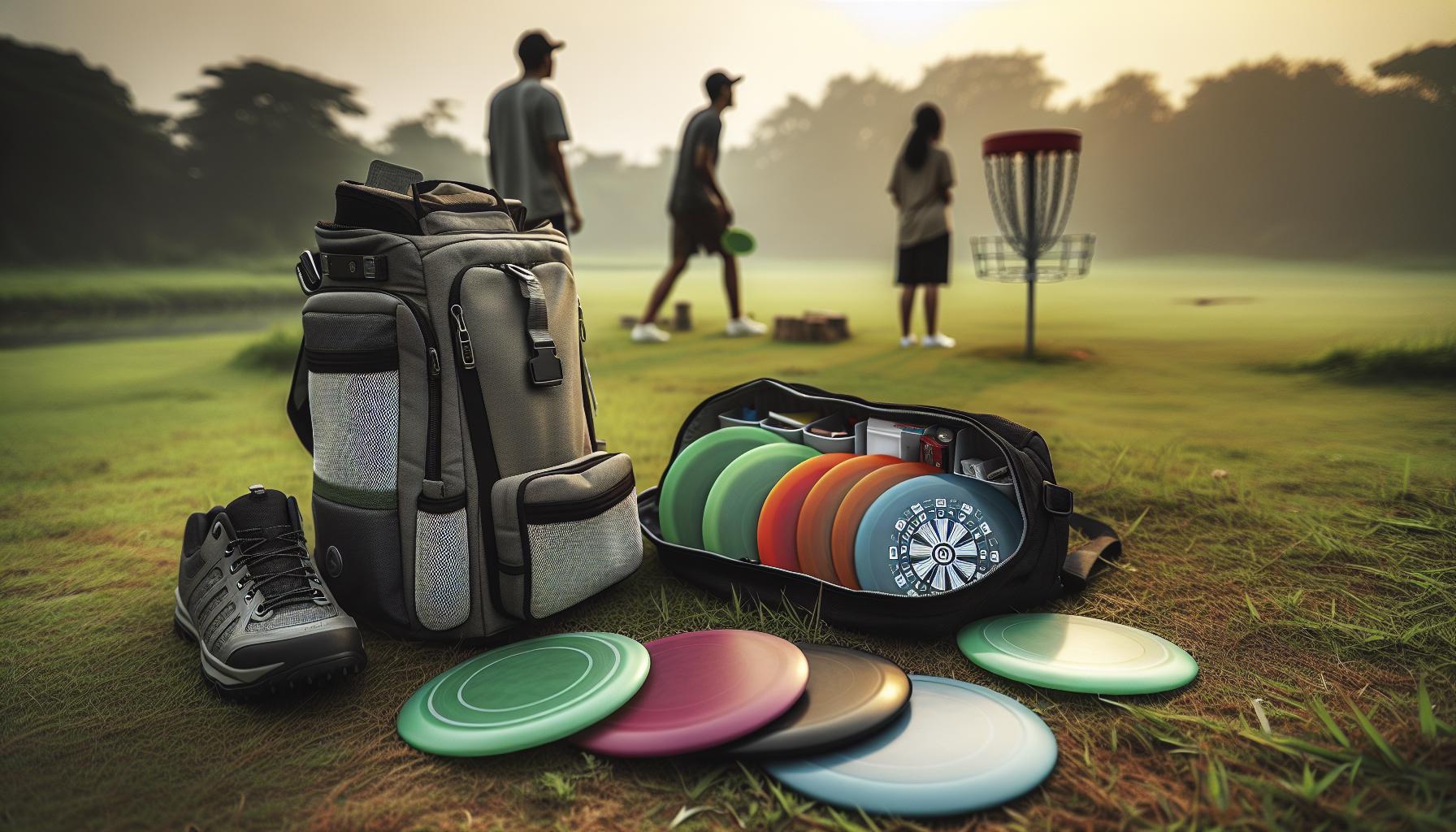
How to Choose the Right Disc for You
Selecting the perfect disc for your game can feel overwhelming at first, especially with the vast array of options available. The right disc not only enhances your performance but also brings you joy as you connect with the sport. Understanding the basic flight characteristics and how they align with your throwing style is crucial. Discs are generally categorized into three primary types: drivers, mid-range discs, and putters. Each has its unique role and design, contributing to your overall game strategy.
Understanding Disc Flight Characteristics
Every disc behaves differently depending on its design. They are rated based on three main attributes: speed, glide, turn, and fade. Speed indicates how fast the disc can travel; glide refers to how well it stays in the air; turn measures the disc’s tendency to drift right (for right-handed backhand throws); and fade is about how sharply it hooks left towards the end of its flight. For instance, beginner-friendly discs often feature higher glide ratings and moderate speed, as these characteristics help new players achieve longer and more controlled flights.
- Drivers: Ideal for long distances, these discs have higher speed ratings. Choose a fairway driver like the Innova Leopard for stability as you develop your throwing technique.
- Mid-range Discs: These versatile discs are crucial for various approaches and usually offer a good balance of control and distance. Discraft Buzzz is an excellent choice for refining your skills.
- Putters: Designed for accuracy during short-range throws, a reliable putter like the Axiom Soft Electron Anode can significantly improve your putting game.
Choosing the Right Weight
Weight also plays a significant role in how a disc performs. Lighter discs (under 170 grams) are generally easier for beginners to throw as they require less strength and allow for smoother flicks and releases. However, they may not fare as well in windy conditions. Conversely, heavier discs can maintain stable flight in gusty weather but may require more skill to throw effectively. Experimenting with different weights will help you find the sweet spot that fits your throwing style and comfort level.
Ultimately, selecting the right disc is about matching your personal throwing mechanics with the disc’s characteristics. Pay attention to how different discs behave on the course and don’t hesitate to ask for advice from seasoned players in your local disc golf community. With practice and time, you’ll discover which discs feel most intuitive to you, enhancing not only your gameplay but also your enjoyment of this community-driven sport.
Exploring Different Types of Disc Golf Courses
When it comes to immersing yourself in the sport of disc golf, understanding the variety of course types available can significantly enhance your experience. Each course offers its unique challenges, layouts, and environments, catering to different skill levels and preferences. Whether you’re a novice eager to learn or an experienced player seeking competitive play, exploring various course types can match your gameplay style and improve your skills.
One of the most common course types is the traditional 18-hole layout, found in most public parks. These courses often feature a mix of open fields and wooded areas, providing a well-rounded introduction to different throwing techniques and strategies. Players can practice their drives on open holes while navigating obstacles on more wooded sections. Many public courses are free or low-cost, making them accessible to anyone looking to get started without a significant financial commitment [1].
In contrast, championship courses are designed for serious competitors, featuring longer holes and more complex layouts. These courses challenge players with a combination of distance, elevation changes, and intricate obstacles. They often host tournaments, allowing players to test their skills against others in a competitive environment. If you’re aspiring to elevate your game, seeking out a nearby championship course could provide the perfect opportunity to gauge your progress against skilled opponents.
Disc golf parks are another exciting venue where multiple courses are integrated into a single location. These parks usually feature a variety of courses with different difficulty levels, accommodating both beginners and advanced players. Groups and families can enjoy the versatility of playing on shorter, simpler courses while others can tackle the more challenging ones, making it an ideal environment for community engagement and friendly competition.
Additionally, urban courses are popping up in city landscapes, often utilizing existing parks or green spaces to create unique playing experiences. Urban courses can incorporate elements of the city’s architecture and natural surroundings, further enriching the game. These courses often come with their challenges, such as navigating concrete landscapes or adapting to shorter, technical designs.
As you explore the disc golf community, don’t forget to check out dedicated resources such as [3] to find courses tailored to your preferred style and environment. This exploration isn’t just about honing your skills but also about discovering local clubs and fellow players who share your passion. Whether you are playing a casual round with friends or preparing for a tournament, the variety of course types in disc golf allows for endless enjoyment and improvement in this dynamic sport.
Understanding Disc Golf Course Ratings and Layouts
Understanding how disc golf courses are rated and laid out can greatly enhance your playing experience, whether you’re a newcomer learning the ropes or a seasoned player seeking competition. Course ratings provide insight into the difficulty and design of a course, allowing players to choose environments that match their skill levels and goals. Courses are typically rated using the PDGA (Professional Disc Golf Association) system, which evaluates various factors like length, number of obstacles, and overall configurability.
Here’s what you need to consider when assessing disc golf course ratings and layouts:
- Course Par: Each hole is assigned a par, which indicates the expected number of throws to complete it. A course’s overall par is the sum of all its holes, guiding players on what to aim for during play.
- Length and Layout: Courses vary in length, with shorter courses (like 9-hole layouts) generally appealing to beginners, while longer, more complex 18-hole championship courses cater to advanced players. Understanding the layout, including elevations and obstacles, helps players strategize their throws.
- Course Ratings: Courses receive a rating from 1 to 5 stars based on player reviews, with higher ratings indicating better maintenance, design quality, and overall playing experience. Checking these ratings through platforms like DGCourseReview is beneficial before heading out.
- Condition and Maintenance: The state of a course plays a critical role in your playing experience. Look for descriptions or reviews that mention recent maintenance, cleanliness, and safety, as these factors can significantly affect your play.
Additionally, unique layouts may include elevated baskets, water hazards, and wooded areas, all of which not only test your skills but also make gameplay more enjoyable. As you seek out courses, consider your own skill level relative to the course ratings-don’t just gravitate towards what looks popular or challenging. Playing within your range helps build confidence and skills, ultimately leading to more enjoyable rounds.
In essence, familiarizing yourself with course ratings and layouts empowers you to choose the right playing field for any given day, whether you’re honing your skills, enjoying a casual game, or gearing up for competitive play.
Tips for Improving Your Disc Golf Skills
Improving your disc golf skills is a journey filled with both challenge and rewarding experiences. No matter your current skill level, there’s always room to elevate your game and refine your technique. One of the most effective ways to grow is through deliberate practice and focused skill development. Start by breaking down your technique into manageable parts, focusing on your grip, stance, and throwing mechanics. For instance, ensure that your grip is firm yet relaxed, allowing for better control and consistent release. Practicing in front of a mirror or recording your throws can help you identify areas for improvement.
Engaging the local disc golf community can also significantly enhance your growth. Joining clubs or participating in meet-ups not only provides invaluable opportunities for practice but also connects you with more experienced players who can offer tips and mentorship. Many communities hold casual tournaments, which serve as great platforms to challenge yourself and learn from the competition. Additionally, consider pairing up with a practice buddy; two heads are better than one for sharing feedback and encouragement.
As you dive deeper into the sport, spend time studying disc flight characteristics and how different discs behave under various conditions. This understanding will help you choose the right disc for your throwing style and the specific challenges a course presents. Start experimenting with different discs that suit your throwing style-whether you prefer drivers for distance or putters for precision. Many local pro shops or disc golf retailers offer demos, allowing you to trial different equipment before committing.
Lastly, never underestimate the importance of fitness and mental preparedness in disc golf. Incorporate strength training and flexibility exercises into your routine, focusing on core stability and balance. Additionally, cultivating a positive mindset through visualization techniques can significantly improve your performance. Picture successful throws and positive outcomes before stepping up to your next tee. By marrying physical skill with mental agility, you’ll create a comprehensive approach to enhancing your disc golf game that can carry you through any course you encounter.
Finding Local Disc Golf Communities and Clubs
Finding connections in the disc golf community can be one of the most rewarding aspects of the sport. Whether you’re a newcomer wanting to learn the ropes or a seasoned player looking to share your passion and compete, local clubs and communities provide the perfect environment for growth and camaraderie. One engaging way to start is by checking platforms like Facebook, MeetUp, or dedicated disc golf forums where local groups often organize events, tournaments, and casual play days.
- Local Clubs: Many areas have established disc golf clubs that welcome players of all skill levels. These clubs often host regular meet-ups, tournaments, and skill-building clinics. Joining a club can provide access to exclusive events, private courses, or discounted rates at local pro shops.
- Casual Groups: If clubs feel too formal, consider seeking out casual player groups in your area. Often, these groups focus on social play and creating a welcoming atmosphere where players can improve together without the pressures of competition.
- Online Resources: Websites like the Professional Disc Golf Association (PDGA) offer extensive resources for finding clubs and communities. Check their club directory or event calendar to discover upcoming tournaments and activities nearby.
Participating in community events not only improves your skills but also allows you to forge lifelong friendships with fellow disc golf enthusiasts. You may find that local players have invaluable knowledge about nearby courses and can introduce you to unique gameplay styles. Embrace the journey by attending local tournaments as well, as they are fantastic opportunities to challenge yourself and learn from more advanced players.
Moreover, many clubs prioritize inclusivity and encourage mentorship, so don’t hesitate to reach out and ask questions or request tips. The disc golf community thrives on shared experiences and respect for the sport as both a leisure activity and a competitive pursuit. Remember, everyone started somewhere, and the friendships and insights you gain through local communities can significantly enhance your overall enjoyment and performance in disc golf.
Participating in Disc Golf Tournaments and Events
Participating in disc golf tournaments can elevate your game and deepen your connection to the sport. Tournaments provide an excellent opportunity for players to put their skills to the test, learn from others, and enjoy the camaraderie that comes from competing, regardless of skill level. Many players find that the excitement of a tournament can lead to personal breakthroughs in their performance, while also forging lasting friendships with fellow competitors.
Before entering your first tournament, it’s helpful to familiarize yourself with the various formats and rules that govern play. Most tournaments feature different divisions based on skill level-amateur and professional-so there’s always a spot for you, whether you’re a novice or an experienced player. Consider starting with a local or smaller tournament to ease into the competitive atmosphere. Websites like the Professional Disc Golf Association (PDGA) host an event calendar where you can find opportunities in your area.
To prepare for a tournament, practice is key. The week leading up to your event should focus on refining your throws, improving your putting, and walking through potential course layouts. Understanding the course’s challenges can make a significant difference in your overall strategy. Take the time to read reviews or watch course flyovers online; these resources can give you insights into specific holes, elevation changes, and potential hazards you might face.
During the event itself, remember to stay relaxed and enjoy the process. Each hole presents a fresh opportunity to apply what you’ve practiced and to learn from others. If possible, find a mentor in the disc golf community who can share their experience. Many seasoned players are eager to offer tips on technique and strategy, helping newcomers to navigate the competitive scene.
As you become more involved in tournaments, consider volunteering at these events as well. Volunteering offers a behind-the-scenes look at how tournaments are organized, which can deepen your appreciation for the sport and its community. Whether you’re on the course or behind the scenes, participating in events helps promote the growth of disc golf while enhancing your personal skills and enjoyment of the game.
Navigating Disc Golf Course Etiquette
Maintaining proper etiquette on the disc golf course is essential for ensuring a positive experience for everyone involved. As a rapidly growing sport, disc golf thrives on a sense of community, and good etiquette helps preserve that spirit. Whether you’re a seasoned pro or a newcomer stepping onto the course for the first time, understanding these unwritten rules can make your time on the course more enjoyable and respectful for all.
One of the cardinal rules of disc golf etiquette is to always be aware of your surroundings. Before you throw, take a moment to scan the area for other players and obstacles. If there are people ahead on the same fairway, wait until they are out of range before making your throw. Being patient not only shows respect but also enhances safety. Additionally, keep noise levels down while another player is preparing their throw; a quiet environment can help them focus and improve their performance.
Another important aspect of course etiquette is maintaining the course itself. This includes responsibly disposing of your trash and leaving the course as you found it. If you notice any litter, kindly pick it up-this small act contributes to the overall enjoyment of the course for others. When it comes to lost discs, there’s a common courtesy to follow: if you find a disc, make an effort to return it to its owner by contacting them if they’re nearby or leaving it at the course’s lost and found.
Finally, engaging positively with others on the course can enhance the community atmosphere of disc golf. Take the time to greet fellow players and share tips if asked. If you’re playing with people you don’t know, introducing yourself can break the ice and encourage a sense of camaraderie. Remember, disc golf is both a competitive and social game; valuing the interactions you have fosters a welcoming environment for newcomers and seasoned players alike.
By prioritizing these etiquette principles, you’ll not only improve your own experience but also contribute positively to the disc golf community. A little courtesy goes a long way in keeping the sport enjoyable and inclusive for everyone.
Strategies for Playing Disc Golf in Various Conditions
Playing disc golf can be an exhilarating experience, but varying weather and environmental conditions can significantly impact your game. Understanding how to adapt to rain, wind, or even extreme temperatures empowers you to make strategic decisions that can enhance your performance and enjoyment on the course.
When battling windy conditions, it’s essential to adjust your throwing technique. A common strategy is to use a lower throw angle to reduce the disc’s exposure to the wind. This can help minimize wobble and ensure a more stable flight. Additionally, selecting discs that are heavier or have a more stable flight rating can combat the effects of wind. For instance, opting for a driver with a low glide and a high stability can prevent it from being overly affected by strong gusts.
In rainy weather, control becomes paramount. Throwing techniques may need to be modified to accommodate a less-than-ideal grip. One effective tip is to keep your discs in a towel or dry bag when not in use to prevent them from getting soaked. Additionally, focusing on shorter, more controlled throws can improve accuracy and reduce the likelihood of slips caused by wet conditions. When approaching the basket, be cautious of muddy areas; this will not only help maintain your footing but also keep your disc clean and dry for optimal performance.
For those facing the challenges of extreme heat, staying hydrated is crucial. Being mindful of your energy levels can help maintain performance throughout your round. Seek shaded areas during breaks to cool down whenever possible. Adjusting your gear can also make a difference; wearing lighter clothing with moisture-wicking properties can keep you comfortable and focused. Moreover, considering the course layout is important; some holes may offer more shade than others, and planning your route accordingly can help you manage your energy throughout the game.
By recognizing and adapting to varying playing conditions, you not only improve your chances of success but also enhance your overall enjoyment of the game. Each condition offers unique challenges, but with the right strategies, you can turn potential obstacles into opportunities for growth as a disc golfer.
Using Technology for Disc Golf Course Finding
In the digital age, technology has become an essential ally for disc golf enthusiasts, whether they’re seasoned pros or new players just discovering the sport. Modern tools make it incredibly easy to locate disc golf courses nearby, ensuring you spend less time searching and more time throwing. There are several apps and websites specifically designed for this purpose, making them invaluable resources for players looking to enhance their experience on the course.
One of the most popular tools for finding disc golf courses is UDisc, a mobile application that not only helps players locate nearby courses but also provides valuable course information, such as layout details, hole distances, amenities, and even user reviews. With UDisc, players can filter courses by various criteria, including difficulty level and user ratings. This allows you to choose a course that fits your skill level and preferences, enhancing your enjoyment and ensuring a suitable challenge.
Another effective method is using Google Maps to search for disc golf courses. By simply entering terms like “disc golf course near me,” you can access a wide array of options, along with directions, photos, and additional user-contributed details. Google Maps also allows you to see the layout of the area, which can help in planning your approach to a particular course. This functionality is especially handy for those who want to combine disc golfing with other local activities.
In addition to these digital tools, many disc golf communities actively engage on social media platforms. Joining local disc golf groups on Facebook or following regional organizations on Instagram can connect you with fellow players who often share insights about new or lesser-known courses in your area. These platforms can also be a great way to find local events and tournaments, helping you get involved in the disc golf community and improve your skills through friendly competition.
By embracing technology and utilizing these various resources, you can effortlessly discover new disc golf courses, learn about different layouts and conditions, and immerse yourself in the vibrant community that surrounds this exciting sport. Whether you’re exploring a new city or sticking to your local favorites, tech tools provide a pathway to connect with the game and fellow enthusiasts, making every outing an exciting adventure.
The Future of Disc Golf: Trends and Innovations
The world of disc golf is evolving rapidly, with new trends and innovations pushing the sport into the spotlight. As more players take to the courses, we’re seeing a surge in exciting developments that enhance the experience of both casual players and competitors alike. From state-of-the-art equipment to community-driven initiatives, disc golf is more than a pastime-it’s becoming a movement.
One notable trend is the increasing integration of technology within the sport. Beyond traditional tools like scorecards, players are embracing apps such as UDisc for real-time scoring and course updates, allowing for a more interactive experience on the course. Additionally, advancements in disc design-like those featuring enhanced aerodynamics and materials for better grip-are helping players achieve their best throws yet. Innovations in environmental sustainability are also making waves; many new courses are designed with eco-friendly practices in mind, ensuring that the growth of disc golf does not come at the expense of our planet.
Moreover, the community aspect of disc golf is thriving. Local clubs are becoming more inclusive, adopting outreach programs that attract new players of all ages and skill levels, creating a welcoming environment for beginners while respecting the competitive nature of the sport. Events like “fly packs”-where clubs lend discs to newcomers-demonstrate the community’s initiative to expand participation. Tournaments are also stepping up, with a focus on making events accessible to a wider audience through lower entry fees and divisions tailored for different skill levels.
As the sport continues to gain popularity, we can expect to see even more innovations. Future developments may include augmented reality features for course navigation and player stats during competitive play. This blend of technology, community engagement, and a commitment to growing the sport represents a promising future for disc golf, making it a dynamic and inclusive athletic pursuit for everyone.
Faq
“`markdown
Q: How do I find disc golf courses near me?
A: To find disc golf courses nearby, use online course directories like UDisc or Disc Golf Course Review. These platforms allow you to search by location and filter by course ratings and amenities. Additionally, check local parks and recreation departments for public disc golf offerings.
Q: What should I look for in a local disc golf course?
A: When evaluating a local disc golf course, consider the layout, difficulty level, and amenities such as restrooms and parking. Some courses offer unique features like elevation changes or water hazards, which can enhance your playing experience. For a complete guide on course types, refer to the section on Exploring Different Types of Disc Golf Courses.
Q: Are there any mobile apps to help me locate disc golf courses?
A: Yes, several mobile apps can assist you in finding disc golf courses. UDisc and Disc Golf Scene are popular choices that provide maps, course details, and user reviews. Use these apps to check course availability and connect with local communities.
Q: Can I play disc golf on public land?
A: Yes, many disc golf courses are set up in public parks and recreational areas. However, ensure to check local regulations and any required permits for playing or organizing events. Look for community signs or maps to find these public courses effectively.
Q: Is there a cost associated with playing disc golf at local courses?
A: Most public disc golf courses are free to play, but some may charge a small fee or require a pass for certain amenities. Always verify course rules beforehand and respect any donation boxes that support course maintenance.
Q: How do I join a local disc golf community or club?
A: To join a local disc golf community, search for clubs on social media platforms or visit local disc golf forums. Many clubs organize regular meetups and tournaments, providing a great way to connect with fellow players. Explore the Finding Local Disc Golf Communities and Clubs section for more tips.
Q: When is the best time to play disc golf near me?
A: The best time to play disc golf often depends on local weather conditions, typically spring and fall. Weekends are ideal for community events, while weekday mornings may offer quieter course conditions. Check local forecasts and club schedules to plan your outings.
Q: Are there disc golf tournaments I can participate in near me?
A: Yes, numerous local and regional disc golf tournaments take place throughout the year. Check platforms like Disc Golf Scene or the PDGA tournament listings to find events tailored to your skill level and area. Participating is a great way to meet players and improve your skills.
“`
In Summary
Now that you know how to find the best disc golf courses near you, it’s time to take action and hit the greens! Whether you’re a beginner looking to practice your throw or a seasoned player ready to take on new challenges, exploring local courses can elevate your game and connect you with fellow enthusiasts. Remember to check out our guides on disc flight characteristics and throwing mechanics or explore competitive tournament information to sharpen your skills even further.
Don’t forget to sign up for our newsletter for the latest tips, course reviews, and exclusive events! Have questions or want to share your experiences? We invite you to leave a comment below and join the conversation. Keep discovering where to play disc golf and elevate your passion for this amazing sport! Your next great disc golf adventure awaits-let’s go!
Get our latest guides, news, and insights highlighted in your Google Search & AI Overviews.