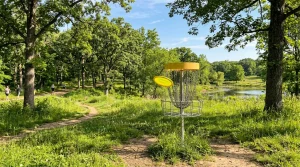
Did you know that disc golf is one of the fastest-growing sports in the world, with over 250,000 active players in the U.S. alone? This fun, low-cost outdoor activity not only encourages physical exercise but also fosters social interaction and mental concentration, making it perfect for children. In this Youth Participation Guide, we’ll explore how kids can effectively engage with disc golf, highlighting essential skills and techniques that cater to all levels of experience. Whether you’re a parent looking for a new activity to share with your child or a coach seeking to inspire young players, understanding the benefits and basics of disc golf can lead to countless memorable experiences in the great outdoors. So grab a disc and let’s dive into the exciting world of youth disc golf!
Can Kids Play Disc Golf? Understanding the Basics of the Sport
Playing disc golf can be a thrilling and accessible sport for kids, serving not only as a fun outdoor activity but also as a way to develop athletic skills and foster social connections. It offers an opportunity for children to engage in physical activity in a relaxed environment while learning the fundamentals of throwing and course navigation. The beauty of disc golf lies in its focus on skill rather than strength, making it an ideal sport for kids of varying ages and abilities.
To start, understanding disc flight characteristics is essential for young players. Discs are designed to behave differently based on their weight, shape, and materials; these factors influence distance and accuracy. Kids can benefit from using lighter discs, which are easier to handle and control. A basic knowledge of how discs fly can dramatically affect their success on the course. Good options for beginners include putters and mid-range discs, which offer stability and ease in achieving distances without sacrificing control.
Moreover, throwing techniques play a crucial role in a young player’s development. Techniques such as the backhand and forehand throws can be taught progressively. Beginning with simple mechanics – achieving a firm grip, maintaining a balanced stance, and following through – can help kids develop a solid foundation. For those new to disc golf, setting up practice sessions that involve repetitive throws can build muscle memory and improve confidence. By breaking down the throwing motion into manageable steps, parents and coaches can make the learning process both educational and enjoyable.
Playing disc golf is not only about individual skill; it also includes cooperation and camaraderie. Kids often find joy in playing with friends, which enhances their social skills and encourages teamwork. To foster a welcoming community atmosphere, organizing friendly games and inviting peers can significantly enrich their experience. With the right guidance and encouragement, children can certainly enjoy the game, leading them down the path of lifelong participation in a sport that embraces inclusivity and fosters growth.
Essential Disc Golf Equipment for Young Players
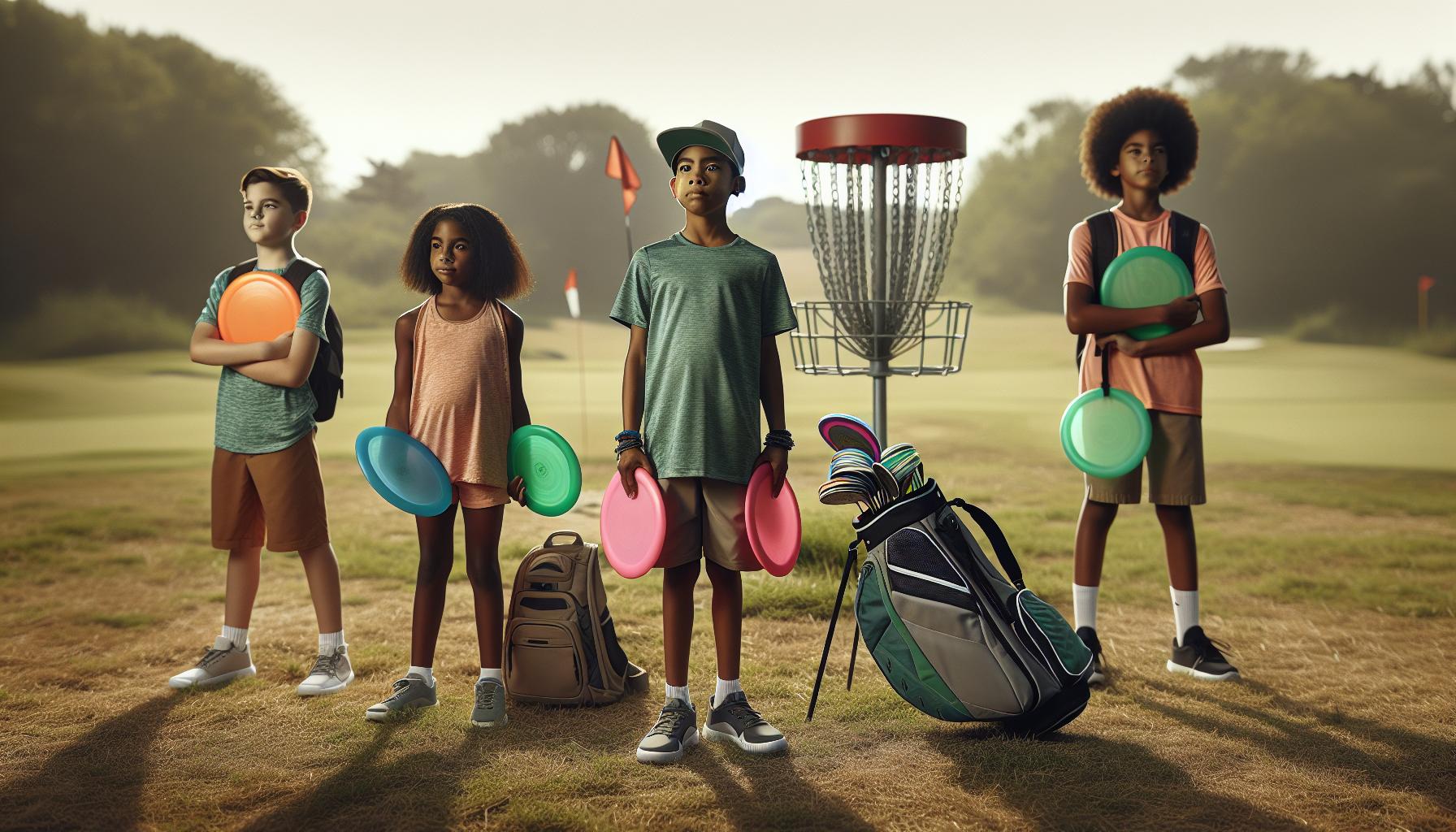
Playing disc golf is not only entertaining for kids; it’s also an activity that enhances physical skill and fosters a love for the outdoors. One of the key components to ensuring a successful introduction to the sport is having the right equipment. Young players benefit greatly from equipment that is designed specifically for their size and skill level, allowing them to enjoy the game while developing their abilities.
When it comes to discs, children should aim to use lighter and smaller models that fit comfortably in their hands. Discs generally come in three main categories: drivers, mid-range, and putters. For beginners, mid-range discs are often recommended as they offer a good balance between distance and control. As players progress, they might explore drivers for longer throws and putters for accuracy around the basket. It’s crucial to consider the disc’s weight-generally, discs weighing between 150-170 grams are ideal for kids, as they can achieve greater distances without straining their arms.
In addition to discs, having a comfortable backpack or bag to carry their gear is essential for young players. Look for bags designed for youth; these often feature adjustable straps and compartments that can hold extra discs, snacks, and water bottles. A well-fitted bag encourages kids to take responsibility for their equipment while making the overall experience more enjoyable.
Besides selecting the right discs and bags, investing in sturdy, supportive footwear is vital for a safe and enjoyable experience on the course. Disc golf often requires walking on uneven terrain, so shoes with good grip and support can help prevent slips and injuries. Parents should also consider sun protection gear, like hats and sunglasses, to keep young players safe during sunny outings.
By providing access to age-appropriate equipment and encouraging young players to engage with the sport, parents and coaches can create a positive environment for developing their skills and love for disc golf. Remember, the goal is to foster fun and enjoyment, so choosing equipment that boosts confidence and performance is a great way to start their disc golf journey.
Fundamental Throwing Techniques for Kids
Throwing a disc in disc golf is more than just a simple toss; it’s an art that combines technique, strength, and precision. For young players eager to get started, mastering basic throwing techniques not only enhances their performance but also boosts their enjoyment of the game. When children learn the correct form early on, they develop habits that will serve them well as they progress and perhaps pursue the sport competitively.
Start by teaching kids the grip. A solid grip is critical for control and accuracy. For most throws, the power grip is effective: children should hold the disc with their thumb on top, their index finger and middle finger underneath, and the other two fingers resting against the outside rim. This grip allows for maximum control and optimal spin when releasing the disc.
Next, focus on the stance and posture. Kids should stand with their feet shoulder-width apart, positioning one foot slightly in front for balance. Encourage them to keep their knees slightly bent and their weight centered. As they get ready to throw, they will rotate their shoulders back, which will help store energy.
The throwing motion is where the magic happens. Steps for practicing the throw include:
- Wind-up: Begin with the disc held in front of the body. As they step forward, their non-throwing shoulder should pull back while their throwing shoulder moves forward.
- Release: At the peak of their motion, they should release the disc in a forward motion, snapping their wrist to create spin and lift.
- Follow-through: Finish strong by allowing the throwing arm to swing across the body, which helps to maintain balance and ensures their stance is not compromised.
To enhance their skills, kids can practice various throwing techniques, such as backhand throws, forehand (or sidearm) throws, and even overhead throws. Beginners might start with backhand throws as it is generally the easiest to master. Over time, they can incorporate forehand and overhand throws to develop a versatile skill set.
Incorporating playful elements into practice can make learning these techniques enjoyable. For instance, set up targets around the yard or at a local park, where kids can aim for specific objects. This not only helps with accuracy but also builds confidence as they see improvement in their throws.
By focusing on these fundamental techniques, young disc golfers can develop a strong foundation that will serve them well throughout their disc golf journey, whether they’re playing casually with friends or entering local tournaments. Cultivating these skills in a fun and encouraging environment helps foster both competence and a love for the game.
Choosing the Right Course for Youth Participation
Selecting the perfect disc golf course for young players is crucial in fostering their interest and skill development in the sport. Courses designed with youth participation in mind can provide an engaging and supportive environment, ensuring kids not only learn the fundamentals of disc golf but also enjoy the process. Ideal courses should feature shorter hole distances, a variety of challenges, and an emphasis on fun, all conducive to young players’ abilities.
When evaluating a course, look for shorter tee distances that accommodate the less powerful throws typical of younger players. Holes that range from 150 to 300 feet are often suitable, allowing kids to complete them without becoming frustrated. Additionally, consider courses that incorporate varied terrain-gentle hills or safely placed obstacles can offer intriguing challenges without overwhelming young players. Such features encourage exploration and help kids adapt to different throwing techniques necessary to navigate courses effectively.
Accessibility and layout also play significant roles in choosing a course. Courses that are family-friendly, with clear pathways and minimal risk of interference from other players or pedestrians, contribute to a safer and more enjoyable experience. Look for courses that cluster holes together to minimize walking distances, making the game more physically manageable for kids. It’s also beneficial to select courses that have a welcoming atmosphere, complete with supportive signage that promotes youth participation and guidance on etiquette and rules.
Engaging in local community events or tournaments can enhance the learning experience. Many youth-focused events are designed to introduce kids to the basics of competition in a fun and non-intimidating setting. Participating in these gatherings not only builds camaraderie among young players but also allows them to gain confidence in their skills and foster bonds with peers who share similar interests in disc golf.
In summary, is all about accessibility, appropriate challenges, and a supportive community environment. With these elements in place, kids can cultivate a lifelong passion for disc golf while developing essential athletic skills in a playful and encouraging atmosphere.
Safety Guidelines for Youth Disc Golf Players
Ensuring the safety of young players in disc golf is paramount for fostering a positive and enjoyable experience. As kids engage in this athletic pursuit, understanding and adhering to safety guidelines can prevent accidents and enhance their confidence on the course. Proper supervision, appropriate equipment, and safe course navigation can significantly contribute to a secure environment.
One essential guideline is to always supervise younger players, especially those who are just starting out. Adult guidance helps maintain safety by monitoring the play area, ensuring that players are aware of their surroundings, and teaching them proper etiquette when it comes to both throwing and retrieving discs. Children should always be reminded to wait until the area is clear before throwing. This means checking for other players, pedestrians, and potential obstacles that could interfere with their shot.
In terms of equipment, selecting discs designed for youth is critical. Lightweight and smaller discs are easier for kids to handle, reducing the risk of strain or injury. It’s also important to ensure that the discs are appropriate for their skill level, as overly complicated or heavy discs may lead to frustration. Additionally, wearing proper footwear can prevent slips and falls, particularly on uneven terrain or in wet conditions.
When navigating the course, encourage kids to be aware of their surroundings. This includes staying alert for thrown discs, watching for other players, and being cautious around natural elements like bushes, trees, or steep hills. Establishing a system of clear shout commands, such as “fore” when a disc is thrown towards someone, can further enhance safety measures.
Moreover, embracing a culture of inclusivity and teamwork can help instill a sense of responsibility among young players. Encouraging them to look out for one another fosters camaraderie and a supportive atmosphere, which is beneficial not just for safety, but also for building friendships within the disc golf community. With these safety guidelines in place, children can enjoy the thrill of disc golf while developing their skills in a secure and encouraging environment.
Promoting Inclusivity: Disc Golf for All Ages
Disc golf is not just a sport; it is a community-building activity that welcomes participants of all ages. By fostering an inclusive environment, disc golf promotes values like teamwork, respect, and friendship, while making the game accessible to everyone-from children to adults. Engaging youth in this sport opens doors to lifelong participation and enjoyment, making it crucial to create spaces where young players feel valued and supported.
One effective way to promote inclusivity is through mixed-age play. Incorporating family-friendly tournaments or community events allows kids to compete alongside adults, breaking down barriers and building bonds between generations. This not only provides younger players with role models but also demonstrates to adults the joy and enthusiasm that kids bring to the game. Offering various divisions-such as beginner, intermediate, and advanced-ensures that players of all skill levels can participate comfortably and enjoy the game without feeling overwhelmed.
Moreover, providing adaptive equipment and varying course difficulties can significantly enhance accessibility. Lightweight discs designed for small hands and shorter courses cater to young beginners, helping them build confidence in their abilities. Hosting youth clinics or workshops led by experienced players can also create a welcoming space for newcomers, offering guidance on fundamental techniques while emphasizing the fun and social aspects of the sport.
Creating a sense of community around disc golf further strengthens inclusivity. Local clubs can host regular “bring a friend” days, encouraging current players to invite newcomers. Not only does this expand the player base, but it also cultivates a vibrant, supportive atmosphere that celebrates diverse backgrounds and experiences. Ultimately, as more children pick up a disc, they not only enhance their skills but also contribute to a richer disc golf community that thrives on collaboration, encouragement, and shared enjoyment of this exhilarating sport.
Organizing Youth Tournaments and Events
in disc golf can be an exhilarating way to introduce kids to the sport while fostering valuable skills such as teamwork, sportsmanship, and responsibility. It’s estimated that youth participation in sports like disc golf not only enriches their lives but can also spark a passion that continues into adulthood. By creating inclusive and engaging events, young players can experience the thrill of competition and the joy of community, all while honing their disc golf skills.
To start, selecting the right venue is crucial. Look for local disc golf courses that are youth-friendly, ideally featuring shorter, simpler layouts that cater to various skill levels. When organizing the tournament, it’s beneficial to incorporate divisions based on age and ability, ensuring everyone has a chance to compete fairly. For example, you might set up categories for 6-8 years, 9-12 years, and 13-16 years, as well as beginner and advanced brackets within those groups. This way, each child can play at a level that matches their comfort and skill, promoting a positive experience.
Event planning should also emphasize a fun atmosphere. Create a schedule that includes not only the tournament rounds but also activities like clinics or workshops led by experienced players. These sessions can cover techniques such as putting, driving, and understanding disc flight dynamics, providing younger players with insights from seasoned professionals. Furthermore, consider adding fun games or contests between rounds, where competitors can win prizes, enhancing engagement and excitement.
Lastly, don’t underestimate the value of community involvement. Collaborate with local disc golf clubs or organizations to promote the event and secure sponsorships. This could lead to donations of discs or other equipment, which can then be given as prizes or participation gifts. Volunteers from local clubs can also serve as mentors during the event, helping to guide and support the young players. By creating a sense of community and belonging, youth tournaments in disc golf can thrive, leaving participants with cherished memories and skills that they can take with them as they grow.
Benefits of Disc Golf for Kids’ Physical Health
Engaging in disc golf offers children unique physical health benefits that extend beyond mere recreational fun. This dynamic sport encourages regular physical activity, which is crucial for growing bodies. As kids traverse through courses, throwing discs and walking between holes, they not only improve their cardiovascular fitness but also develop critical motor skills. A study by the University of Florida indicates that playing disc golf can burn an impressive number of calories-approximately 400-600 calories over an hour, depending on the player’s weight and pace. This level of activity is vital in combating childhood obesity, promoting healthier lifestyles from a young age.
Another significant advantage of disc golf is its ability to enhance coordination and balance. The throwing motions required-such as driving, approaching, and putting-demand a combination of strength, balance, and technique. These physical skills are fundamental not only in disc golf but in various other sports and daily activities. Moreover, as children learn to manipulate their throws with greater finesse, they also cultivate hand-eye coordination and spatial awareness, which are essential skills that benefit them across multiple contexts.
Social interaction is another layer to the health benefits that disc golf provides. Playing in group settings fosters friendships and promotes teamwork among players, which is crucial for mental well-being. The sport encourages communication and cooperation as participants navigate courses together, prompting essential social skills development. This community-focused approach helps alleviate feelings of isolation and anxiety, contributing positively to children’s emotional health.
To maximize these benefits, parents and coaches should encourage regular practice and friendly competition. Setting aside dedicated time for disc golf sessions can help instill healthy habits while providing children with a supportive environment to grow physically and socially. By promoting an active lifestyle through engaging activities like disc golf, we can help nurture healthier, happier youth ready to take on the challenges of tomorrow.
Building Skills: Drills and Practice Tips for Young Players
Building skills in disc golf requires a blend of proper technique, practice, and patience. One exciting aspect of this growing sport is that it can be adapted for young players, allowing them to develop essential throwing mechanics while having fun. To start, consider focusing on the fundamental skills behind each type of throw. For instance, beginning with the backhand throw is crucial since it is the most common technique and forms the basis for future throws.
Drills for Effective Throwing Techniques
- Target Practice: Set up different targets around a field or park. Using various types of discs, players can practice their accuracy. Start with tosses that are 15-20 feet away and gradually increase the distance as confidence builds.
- Short Putting Drill: With a putting target, practice short putts from different angles and distances. Aim to make five consecutive putts to build both skill and confidence.
- Footwork Fundamentals: To master driving techniques, encourage players to focus on their footwork. Practicing the X-step can improve balance and power. Set markers for the first step and practice the movement without throwing to develop muscle memory.
- Form Checks: Using mirrors or recording throws from different angles can help young players visualize their form and make adjustments. Watching professional players can provide additional inspiration and insights.
Understanding Disc Flight Characteristics
To further enhance their skills, young players should learn about various discs and how they fly. Understanding the flight characteristics-such as stability, speed, and glide-can help players choose the right disc for their style. For example:
| Disc Type | Speed | Glide | Turn | Fade |
|---|---|---|---|---|
| Driver | 10-14 | 3-6 | -1 to +1 | 1-4 |
| Mid-range | 4-7 | 4-5 | -1 to +1 | 1-3 |
| Putters | 2-4 | 3-5 | 0 to -1 | 1-3 |
When picking discs, beginners can start with stable putters for short-range throws, moving to mid-range discs as they gain confidence, and finally to drivers for long-distance shots.
Community Engagement and Friendly Competition
Building skills isn’t just about practice; it’s also about community and competition. Encourage young players to join local clubs or participate in friendly tournaments. This not only makes practice enjoyable but also helps them learn from more experienced players. Connecting with a supportive community cultivates a love for the game and fosters lasting friendships.
By mixing knowledge of techniques, understanding disc properties, and engaging with local disc golf communities, young players will find themselves not only improving their skills but also deepening their appreciation for this dynamic and inclusive sport.
Exploring Disc Golf Communities and Clubs for Kids
Involving kids in disc golf can be one of the most rewarding experiences for both young players and their families. Engaging with local disc golf communities and clubs opens the door to learning, camaraderie, and healthy competition. These supportive environments provide an excellent platform for children to develop their skills, make friends, and cultivate a love for the sport. Many communities host youth-focused events and leagues, creating opportunities for kids of all skill levels to participate and thrive.
To get started, parents can look for local disc golf clubs that offer youth programs. Many clubs have organized practices, clinics, and tournaments tailored specifically for younger players. These initiatives not only teach essential skills, such as putting and driving techniques, but also reinforce the importance of sportsmanship and teamwork. Community involvement is key; clubs often encourage mentorship, where older or more experienced players guide and inspire newcomers, fostering an inclusive atmosphere.
Moreover, some clubs participate in national organizations like the Professional Disc Golf Association (PDGA), which offers resources, support, and event organization. Joining these clubs can provide children with access to structured training sessions and the chance to compete in official tournaments. It’s also beneficial for kids to participate in fun community events, such as family days or charity tournaments, which not only enhance their skills but also promote social interaction and community spirit.
Connecting with local disc golf communities can be truly transformative. Young players can share stories, learn valuable techniques, and celebrate each other’s successes. The friendships formed in these clubs often extend beyond the sport itself, offering lifelong connections that can inspire continued engagement in disc golf and other athletic pursuits. In this way, community involvement becomes an essential part of a child’s disc golf journey, nurturing their growth and passion for the game.
Inspiring Success: Stories of Young Disc Golf Champions
Young players are not just participating in disc golf; they are making a mark on the sport with their incredible achievements. For instance, consider the story of a young prodigy, Ethan, who at just 12 years old, clinched the title at a regional tournament against seasoned adult competitors. His journey began in a local community league, where he honed his skills and developed a passion for the game, fueled by the support of mentors from his local disc golf club. This progression showcases how youth involvement in disc golf can lead to remarkable successes, encouraging other young players to strive for their best.
Another inspiring example is Mia, who started playing disc golf with her family during weekend outings. As she improved her throws and developed strategic course management techniques, she decided to take her skills to the next level by entering youth competitions. Mia’s persistence paid off when she qualified for a national tournament, drawing attention for her spirited play and execution under pressure. Her story illustrates the power of family support and community engagement in nurturing young talent, proving that disc golf can be a serious athletic endeavor for aspiring champions.
To foster such success stories, it’s essential to emphasize a holistic approach to the sport that combines competitive play with personal growth. Young athletes should be encouraged to embrace challenges, celebrate their progress, and learn from both victories and defeats. Practicing fundamentals, like proper grip and throwing mechanics, increasingly becomes second nature, allowing young players to focus on strategy and course navigation during competitions. Clubs that offer mentorship programs where experienced players guide youths can significantly impact their development, reinforcing the spirit of sportsmanship and community.
In summary, the stories of young disc golf champions like Ethan and Mia serve as a beacon of inspiration for newcomers and seasoned players alike. They highlight the potential within every child to achieve greatness when given the right opportunities and support. Engaging with disc golf at a young age not only cultivates physical skills but also builds confidence and resilience, key attributes for any athlete. As the sport continues to grow, these young players are paving the way for future generations, ensuring that the love for disc golf remains vibrant and alive.
Resources for Parents and Coaches in Disc Golf
Engaging young players in disc golf is an exciting journey that can be greatly enhanced by the right support and resources for parents and coaches. Utilizing effective strategies can help ensure that children develop a genuine passion for the sport while learning essential skills. For instance, creating a welcoming environment where kids feel comfortable experimenting with their throws and learning from mistakes fosters a love for the game. Providing constructive feedback and celebrating their achievements, no matter how small, can keep them motivated.
To help guide youth participation effectively, consider these resources:
Essential Resources for Parents and Coaches
- Local Disc Golf Clubs: Connecting with local disc golf clubs creates opportunities for mentorship and social interaction. Many clubs offer youth-focused events, lessons, and leagues, making it easy for new players to integrate into the community.
- Online Communities and Forums: Platforms such as DiscGolfUnited and PDGA provide invaluable advice, drills, and discussions that can assist both parents and coaches in nurturing young talent. These resources often feature coaching tips tailored to various skill levels.
- Instructional Videos: Websites like YouTube host numerous channels dedicated to disc golf training. From throwing techniques to course management strategies, these videos serve as excellent supplemental learning tools for both players and coaches.
- Books and Training Guides: There are many excellent books on disc golf that cover everything from the basics to advanced techniques. Investing in educational materials can deepen understanding and improve coaching effectiveness.
- Safety Equipment: Ensuring safety through proper equipment-such as lightweight discs designed for younger players-can enhance the playing experience. Familiarity with suitable gear helps children feel confident and reduces the risk of injury.
By utilizing these resources, parents and coaches can significantly enhance the experience of young players in disc golf. A well-rounded approach that includes both practice and community engagement not only nurtures their skills but also instills values of teamwork, respect, and perseverance. With the right support, the next generation of disc golfers can thrive, enjoying a sport that encourages both fitness and fun.
Q&A
Q: What age is suitable for kids to start playing disc golf?
A: Kids can start playing disc golf as early as five years old. At this age, they can enjoy the sport with lightweight discs and simplified rules. Introducing them to fun, informal play is a great way to spark interest and skill development. For detailed gear recommendations, refer to the Essential Disc Golf Equipment for Young Players section.
Q: How can beginners improve their disc golf skills?
A: Beginners can improve their disc golf skills by practicing fundamental techniques such as proper grip, stance, and throwing motions. Engaging in regular practice drills focused on these fundamentals is beneficial. The Building Skills: Drills and Practice Tips for Young Players section offers specific drills to enhance their skills effectively.
Q: Are there any specific safety considerations for kids playing disc golf?
A: Yes, safety is crucial when kids play disc golf. Ensure they wear appropriate footwear, stay hydrated, and understand course etiquette. Additionally, supervise younger players closely, especially near busy tee pads and disc flight paths, as mentioned in the Safety Guidelines for Youth Disc Golf Players section.
Q: Can kids participate in disc golf tournaments?
A: Absolutely! Many disc golf tournaments offer special divisions for kids, fostering a competitive yet fun environment. Participating helps them build confidence and meet other young players. Check the Organizing Youth Tournaments and Events section for tips on getting involved.
Q: What equipment do kids need to play disc golf?
A: Kids need a few essential items to play disc golf, such as a lightweight disc that suits their age and size, comfortable clothing, and proper footwear. Exploring fun, colorful discs can make the sport more appealing. For further insights, dive into the Essential Disc Golf Equipment for Young Players section.
Q: How does disc golf benefit kids physically?
A: Disc golf offers numerous physical benefits for kids, including improved coordination, strength, and aerobic fitness. The sport encourages active lifestyles and can enhance focus and mental health, as discussed in the Benefits of Disc Golf for Kids’ Physical Health section.
Q: Where can kids find local disc golf communities or clubs?
A: Kids can explore local disc golf communities through online platforms or social media. Many parks host youth leagues and clinics. Visiting the Exploring Disc Golf Communities and Clubs for Kids section provides various resources and contact details for clubs in your area.
Q: How to promote inclusivity in youth disc golf?
A: Promoting inclusivity in youth disc golf involves creating welcoming environments where all kids feel valued. Encourage participation regardless of skill levels and provide diverse opportunities-often highlighted in the Promoting Inclusivity: Disc Golf for All Ages section. Consider organizing mixed-gender teams and events to foster community.
In Retrospect
As we wrap up our exploration of whether kids can play disc golf, remember that this sport not only fosters physical activity but also builds important life skills like teamwork and strategic thinking. Encourage your child to grab a disc and hit the local course today; every throw is a step towards fun and healthy growth!
For deeper insights, check out our resources on disc golf throwing techniques and age-appropriate equipment guides. Don’t forget to sign up for our newsletter for tips, upcoming events, and expert advice tailored for young players. If you have any questions or want to share your child’s disc golf journey, leave a comment below-we’d love to hear from you! Keep the enthusiasm alive, and let’s cultivate the next generation of disc golfers together!
Get our latest guides, news, and insights highlighted in your Google Search & AI Overviews.