How much does it cost for round of disc golf is an essential factor in modern disc golf course play, equipment setup, and tactical execution. Our comprehensive guide provides actionable course tips, disc flight mechanics, equipment recommendations, and tournament-tested strategies to help disc golfers optimize their scoring and course performance.
Disc golf is rapidly growing in popularity, serving as an exciting outdoor activity that combines strategy, skill, and social interaction. However, one of the most common questions from beginners and seasoned players alike is: what does it actually cost to get involved in this sport? Whether you’re looking to buy your first disc or considering competitive play, understanding the financial commitment is crucial.
In this guide, we’ll break down the various expenses associated with disc golf, from essential gear to course fees and tournament entry costs. We’ll address your concerns about affordability while showcasing how investing in the right equipment can elevate your game. By the end, you’ll have a clear perspective on what to expect financially as you embark on your disc golf journey, empowering you to make informed decisions without breaking the bank. Let’s explore the true cost of playing disc golf and help you plan your path from casual play to serious competition.
Understanding Disc Golf Costs: A Beginner’s Guide
When diving into the world of disc golf, understanding the costs associated with the sport can significantly enhance your experience and preparation. Many new players underestimate the financial aspect of disc golf, often believing that picking up a few discs will suffice. However, while disc golf is known for being a relatively affordable sport compared to others, there are several key expenses that can impact your budget depending on how deeply you get involved.
To get started, the most basic necessity is a set of discs. While you can find starter sets ranging from $20 to $40, more specialized discs-like putters, drivers, and mid-range discs-can cost between $10 to $25 each. This allows for a range of options that cater to all skill levels and throwing styles. Moreover, investing in a quality bag can enhance your overall experience; prices for decent disc bags vary from $30 to over $100, depending on features such as storage capacity and comfort.
Understanding Additional Costs
As you progress, consider additional costs like course access fees. Many public courses are free or have a minimal fee (typically $5-$10), but some private courses may charge higher rates ranging from $10 to $30 per round. Additionally, participation in local leagues or tournaments often comes with fees that can range from $5 to $50, depending on the event.
Furthermore, there are hidden costs that can arise from ongoing practice or travel for tournaments. If you’re attending a tournament, expect to spend on travel, meals, and accommodations, which can add up, especially if multiple players are involved. It’s essential to budget not just for the initial investment but also for routine expenses to fully enjoy the sport.
Long-Term Investment
Ultimately, the value you derive from disc golf will correlate with how much you’re willing to engage with the community and the sport. Many players find that the connections and experiences gained through disc golf far outweigh the costs. Embracing disc golf as both an athletic endeavor and a social experience can lead you to consider the money spent as an investment in enjoyment and community, making your initial financial commitment feel far more worthwhile.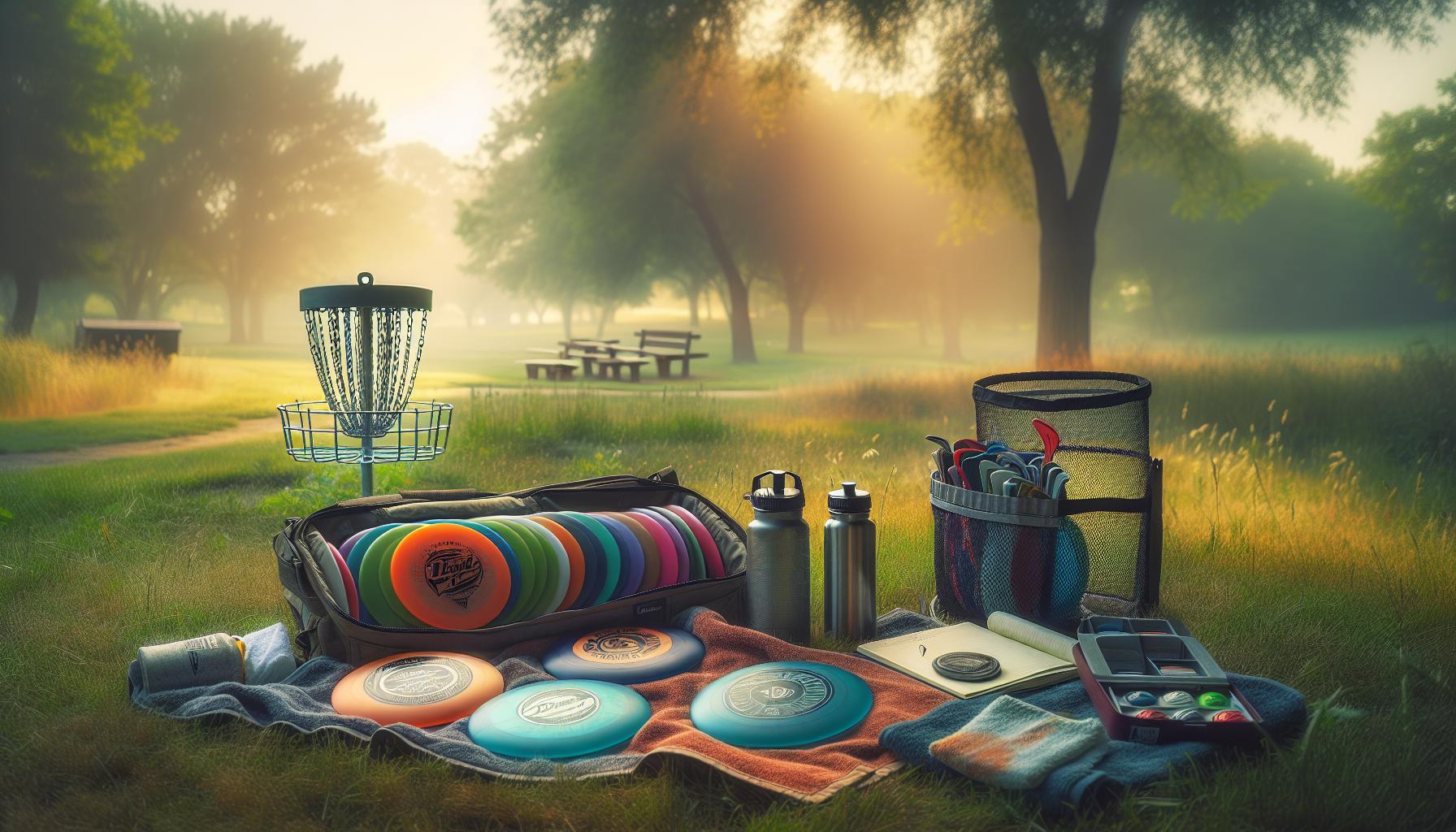
Essential Gear for Disc Golf and its Price Range
When you step onto the disc golf course, the joy of playing often starts with the right equipment. Understanding the essential gear and its corresponding prices will not only prepare you for your first game but also enhance your overall experience in this rapidly growing sport. A typical beginner’s gear bag includes a few key items: discs, a bag, and optional accessories, which collectively can set you back anywhere from $50 to $150, depending on your needs.
At the heart of your setup are the discs themselves. Beginners usually find starter sets that include a driver, a mid-range disc, and a putter ranging from $20 to $40. As your skills develop, investing in specialized discs becomes crucial. Individual discs can range from $10 to $25, with many players finding particular brands and weights that suit their throwing style. For instance, lighter discs are often recommended for beginners, as they are easier to control and can achieve longer distances with less effort.
The bag you carry is equally important. A simple, functional disc golf bag that can hold around 5 to 10 discs typically costs between $30 to $70. If you plan to play regularly or participate in tournaments, you might want to consider investing in a larger, more comfortable bag that accommodates more gear, which can set you back anywhere from $70 to over $150. Comfort is key, especially on longer courses or during tournament days.
Beyond the basics, many players choose to invest in accessories that can improve their game. These extras can range from disc retrievers ($10 to $30) to towels, scorecards, and even specialized shoes. Altogether, planning your budget with these essential items in mind will not only equip you for success but also make your entry into the disc golf community smoother and more enjoyable. Each investment made in your gear can enhance your performance on the course, making your experience both fun and rewarding.
Comparing Disc Types: Quality and Cost Analysis
When diving into the world of disc golf, one of the most exciting yet confusing aspects is the variety of discs available. Each type of disc-drivers, mid-range discs, and putters-offers unique flight characteristics, which can drastically affect your game. Understanding these differences and their associated costs is essential for both newcomers eager to hit the course and seasoned players looking to refine their skills.
Discs come in various materials and weights, influencing their performance and price. For instance, beginners often prefer lighter discs (around 150-170g), as they tend to be easier to throw and control. These beginner-friendly discs are generally priced between $10 and $20 each. Conversely, specialized discs, like premium plastic drivers that offer better durability and glide, can range from $15 to $25. When selecting discs, consider the following factors that contribute to their quality and cost:
- Material: Discs made from durable plastic are pricier but provide long-lasting performance, while cheaper options may sacrifice longevity for cost.
- Flight Ratings: Each disc has ratings indicating its speed, glide, turn, and fade, which can impact your choice based on your throwing style and the specific demands of a course.
- Brand Reputation: Established brands often command higher prices due to their proven performance and community trust, but many up-and-coming brands offer competitive quality at lower prices.
In terms of investing wisely, it’s helpful to balance cost with the desired outcome. Beginners can start with a mixed set of discs to understand what works best for their style, while experienced players might focus on investing in high-quality, specialized discs that enhance their game. A practical approach is to allocate a budget of around $60 to $100 for a solid starter set that includes all three types of discs. This investment allows players to experiment and find their preferences without overspending initially.
Moreover, joining a local disc golf community or participating in leagues can provide additional insights into what types of discs perform well in specific local courses while potentially opening up opportunities for buying gear at discounted rates. As you explore the nuances of disc types, remember that the best disc for you is one that feels right in your hand and aligns with your playing style, balancing quality with cost effectively.
Budgeting for a Disc Golf Set-up: What to Expect
Getting into disc golf doesn’t require breaking the bank. In fact, many beginners are surprised to learn that they can enjoy this rapidly growing sport without a hefty initial investment. However, understanding the costs associated with getting started can help you plan effectively and enjoy your time on the course even more. A basic disc golf setup typically includes a few important items: discs, a bag, and potentially some accessories like a water bottle or a towel.
When budgeting for discs, beginners should expect to spend around $60 to $100 for a starter set, which usually includes a driver, a mid-range disc, and a putter. These are essential for different aspects of the game, allowing players to develop their skills across various throwing techniques. Additionally, if you opt for premium plastics or specialized designs, this initial investment can slightly increase, but the added durability and performance can be worthwhile.
Aside from discs, don’t forget about the bag to carry your gear. A quality bag can range from $20 to $100, depending on its features and brand. Budget models work well for starters, while more serious players may want to invest in a built-in cooler or extra storage for additional discs. Moreover, if you get involved in leagues or tournaments, consider the costs associated with membership fees, which can vary widely but typically range from $10 to $50 annually.
Finally, it’s wise to keep in mind some hidden costs. While many parks offer free access to disc golf courses, some private courses or leagues may charge fees. Setting aside funds for travel to tournaments or additional practice rounds can enhance your experience, so consider adding $10-$30 monthly to your budget for course fees or transportation. By staying informed and organized about these expenses, you can enjoy everything disc golf has to offer without overspending-and who knows, you might just find yourself hooked for life!
Hidden Costs of Playing Disc Golf Explained
Once you dive into the world of disc golf, the initial costs are often just the tip of the iceberg. While many find the sport accessible and affordable, various hidden expenses can sneak up on new players, shaping their overall experience and financial commitment. Understanding these potential costs is essential for effective budgeting and enjoying the game without the sting of unexpected fees.
One significant overlooked cost pertains to course access. Many parks offer free disc golf courses, which is fantastic for beginners. However, some private courses charge entry fees that can range from $5 to $20 per round, significantly impacting your budget if you play regularly. The allure of well-maintained private courses with premium amenities could tempt players, but these fees can accumulate quickly, especially if you prefer to play more often or if you participate in league sessions that meet at such locations.
League or tournament participation can also add to your costs. Membership for local leagues often comes with annual fees of $10 to $50, and while this can foster a stronger sense of community and competitive spirit, it’s one more expense to consider. Entry fees for tournaments can climb even higher, sometimes requiring participants to pay between $15 to $100, depending on the event’s prestige and potential prizes. Players keen on honing their skills and gaining experience in a competitive environment should keep these fees in mind when planning their disc golf journey.
Lastly, consider the incidental costs that can crop up. Snacks for long days on the course, drinks to stay hydrated, and gear replacements for lost or damaged discs can add to your overall spending. Establish a small reserve in your budget-around $10-$30 monthly-for such expenses, ensuring that your passion for the sport doesn’t come with unwelcome surprises. With these factors considered, you’ll be better equipped to enjoy disc golf fully and sustainably, making the most of both practice rounds and competitive play without financial strain.
Local League Fees: What You Need to Know
Participating in local disc golf leagues can be a fantastic way to enhance your skills, meet fellow enthusiasts, and enjoy the competitive spirit of the game. However, it’s vital to understand the associated costs before diving in. Most local leagues require membership fees, which typically range from $10 to $50 annually. This fee not only grants you access to league events but often includes perks like discounted entries for tournaments or access to exclusive league-only competitions. Budgeting for these fees can help you prioritize your involvement in the disc golf community, leading to not just improved play but lasting friendships.
When considering the financial commitment, remember that entering individual tournaments can add more to your costs. Tournament entry fees usually fall between $15 and $100, depending on the event’s scale and prestige. While these fees can seem daunting, many players find them worthwhile for the chance to compete for prizes, gain exposure to higher levels of play, and challenge themselves. For those aiming to elevate their game, investing in a few tournament entries throughout the year can catalyze significant improvements in their skills.
In addition to the league and tournament fees, there are minor costs that can accumulate over time. Think about the essentials: a reliable bag for your discs, a good water bottle, and perhaps snacks to keep your energy up during events. It’s advisable to set aside a small portion of your budget each month-about $10 to $30-to cover these incidental expenses, ensuring you’re always prepared for those weekend tournaments or casual league nights.
Ultimately, investing in local leagues and tournaments creates a richer disc golf experience. The opportunity to engage in friendly competition and camaraderie can elevate your enjoyment of the sport, making it a fulfilling endeavor both on and off the course. Embrace the costs as part of your journey in disc golf, and you’ll find yourself not just improving your game but also becoming part of a vibrant community.
Travel Expenses for Disc Golf Tournaments
Traveling for disc golf tournaments can be an exhilarating experience, not just for the competition itself but for the journey and stories that come along with it. Many players find that participating in tournaments outside of their local area offers opportunities to explore new courses, connect with other enthusiasts, and embrace the camaraderie that the sport fosters. However, it’s essential to be aware of the travel expenses involved, which can significantly impact your budget.
When planning your travel, consider the main expenses you’re likely to incur:
- Transportation: Depending on the distance, you might drive, fly, or even use public transportation. If you’re driving, calculate gas expenses based on your vehicle’s mileage and current fuel prices. For longer distances, flying may be more convenient, but don’t forget to include costs for checked bags if you’re taking your discs.
- Accommodation: Expenses here can vary widely. If the tournament is in a popular location, hotel prices might be steep. Look for local budget-friendly options like motels or Airbnbs. Some players opt to camp or stay with friends to save money.
- Meals: Eating on the road can quickly add up. Plan ahead by bringing snacks and meals to avoid higher costs at restaurants and convenience stores. Budgeting around $10-15 per day for food is a good rule of thumb.
- Tournament Fees: Aside from travel costs, don’t overlook the entry fees for the tournament itself, which can range anywhere from $15 to $100.
To maximize value, consider carpooling with fellow players or staying in shared accommodations, which can lower your overall costs. Also, some tournaments offer discounted fees for early registration or for participating in multiple events, so keep an eye out for those deals.
Overall, while travel expenses can add up, the journey to a tournament can enhance your disc golf experience. Preparing a detailed budget not only alleviates financial stress but also allows you to focus on enjoying the competition and connecting with the vibrant disc golf community. Embrace the adventure, and you might just find that the journey is as rewarding as the destination.
The Cost of Course Access: Public vs. Private
Playing disc golf often leads to the question of how much it actually costs to access different courses. The type of course you choose-public or private-can significantly influence your overall expenses. Understanding the financial dynamics of each can help you make informed decisions and maximize your enjoyment of the sport.
Public courses typically offer the advantage of lower or no fees for access. Many municipalities have recognized the growing popularity of disc golf and have developed free-to-play parks featuring well-maintained courses. For instance, a day spent at a local park may only require a minimal parking fee or no charge at all, making it an attractive option for budget-conscious players. Furthermore, public courses generally are more accessible, often open year-round with fewer restrictions, allowing for spontaneous outings without the worry of membership dues.
In contrast, private courses may require a membership or daily fee, which can range from $5 to $30, depending on the course’s exclusivity and amenities. These private venues often boast higher-quality facilities, including professionally designed layouts, upkeep of the greens, and sometimes even additional services like pro shops or on-site tournaments with prize pots. For enthusiastic players or those looking to hone their skills in a more controlled environment, the extra costs associated with a private course can translate into a more fulfilling experience.
Deciding between public and private courses can also depend on your playing frequency and goals. If you’re a casual player just looking to have fun and socialize, public courses are likely your best bet. However, if you’re serious about improving your game and pursuing competitive play, investing in a club membership for the added benefits of private courses may be worthwhile.
In summary, understanding the cost of accessing disc golf courses, whether public or private, is crucial in shaping your experience. Weighing the pros and cons of each option-not just in terms of dollars, but also the quality of play and community engagement-will enhance your journey in this rewarding sport. Choose wisely, and you can enjoy all that disc golf has to offer without breaking the bank.
Investing in Disc Golf: Is it Worth It?
Investing in disc golf can yield tremendous personal and financial rewards, but the decision hinges on understanding the balance between costs and the unique benefits the sport provides. For newcomers, the initial outlay for equipment-such as a starter set of discs, which can range from $30 to $70-may seem daunting. However, this expense is a small fraction compared to lifetime costs associated with other sports, making disc golf an attractive entry into the world of recreational activities.
One key reason to consider investing in disc golf is the community aspect. Joining local leagues or clubs, although they may charge fees ranging from $5 to $30 per event or membership, provides access to a network of players who often share tips, organize events, and create camaraderie. The social connections forged on the course can enrich your experience, transforming a solitary sport into a communal event, which is invaluable in a world where personal interaction is increasingly rare.
Maximizing Your Investment
The financial advantages of disc golf extend beyond initial gear. With public courses often free or low-cost, players can enjoy the game without significant recurring expenses. In addition, many courses are designed to maintain good conditioning and accessibility, allowing for countless rounds at minimal cost. Consider also the potential of entering local tournaments, which usually carry reasonable entry fees while offering opportunities for prizes or merchandise. This not only enhances the experience but can also make your involvement in the sport economically viable if you consistently place well.
Investing in high-quality discs and equipment can further elevate your game. Many players find that the right gear-like a good putter, mid-range discs, and distance drivers-can dramatically improve their performance. High-performance discs tailored to your throwing style can range from $15 to $25 each but can enhance your accuracy and distance. Moreover, understanding disc flight characteristics will enable you to make informed choices about which discs to carry in your bag, thereby optimizing your spending based on what best fits your game.
In conclusion, the decision to invest in disc golf is not merely about the monetary aspect but encompasses community building, personal development, and significant enjoyment derived from the sport. Its affordability, combined with the physical benefits and social opportunities, make it a worthy investment for anyone interested in exploring an engaging and fulfilling activity.
Cost-effective Tips for New Players
While stepping onto the disc golf course for the first time may seem overwhelming, there are numerous strategies to keep your initial expenses manageable without sacrificing your experience. One of the best ways to save money is to take advantage of local disc golf communities. These groups often have rental equipment available or host events where you can borrow gear rather than purchasing your own immediately. Many players are eager to share their knowledge and lend extra discs, which allows you to try different types without the commitment of buying them outright.
Another effective approach is to start with a basic starter set. These typically include a putter, a mid-range disc, and a driver, offering a great entry point for beginners at a much lower cost compared to purchasing individual discs. Prices for starter sets usually range from $30 to $70, and choosing these can significantly minimize your initial investment. As you gain confidence and develop your throwing skills, you’ll have a better understanding of the specific discs that suit your style, allowing for more informed purchases down the line.
Additionally, take advantage of free or low-cost public courses in your area. Unlike many sports that require expensive memberships or fees, disc golf is often accessible. Many parks offer free or nominal fees for course access, enabling you to practice regularly without significant financial strain. Look for local leagues or group outings, as joining these can often provide more practice opportunities and valuable tips from seasoned players while fostering a sense of community that enhances your enjoyment of the sport.
Investing time into learning about disc flight characteristics can also save you money. Understanding how different discs behave-whether they are overstable or understable-will allow you to select the right discs that complement your throwing mechanics. Many websites and forums offer resources, including flight charts and videos that break down disc types, so you can make strategic purchases based on your skill level and throwing style. This knowledge will pay off in the long run, helping you choose equipment that fits your personal game, ultimately ensuring a more enjoyable and cost-effective disc golf journey.
Quality vs. Cost: Choosing Equipment Wisely
Investing in quality disc golf equipment can significantly enhance your game, but with so many options on the market, finding the right balance between cost and quality becomes paramount. Did you know that a well-chosen disc can not only help you achieve greater distances but also improve your accuracy? For beginners, understanding the differences in disc materials and flight characteristics can lead to more informed purchases that fit both your budget and your playing style.
When considering your purchases, it’s essential to recognize the value of established brands known for their high-quality discs, such as Innova, Discraft, and Dynamic Discs. These manufacturers invest in research and technology to create discs that consistently perform on the course, often translating to better throws as you refine your technique. Although premium discs may come at a higher price point-typically ranging from $15 to $25 each-it’s crucial to weigh this against the long-term benefits of having reliable, performance-oriented equipment. Investing in two or three quality discs instead of a larger set of lower-quality options can be more advantageous for a beginner’s development in the sport.
There are also various types of plastics used in disc manufacturing, each providing different levels of durability, grip, and flight behavior. For instance, premium plastics might cost more but generally offer extended lifespan and better grip under varying weather conditions. New players should aim for a versatile set of discs-one that includes a reliable putter, a stable mid-range, and a distance driver. This selection enables you to experiment and find out what works best for your throwing style without an overwhelming financial burden. Investing in a starter set from a reputable brand can often provide a good mix of these essential types while keeping costs reasonable.
Ultimately, in the pursuit of balancing cost and quality, remember that the disc golf community is rich with shared knowledge and resources. Utilize forums, social media groups, and local clubs to gain insights and recommendations, and don’t hesitate to ask experienced players about their gear. Many disc golfers love to share tips on what works best for them, helping you make the right choices that will enhance your gameplay while remaining cost-effective. The right equipment paired with dedication and practice will undoubtedly lead to a more enjoyable disc golfing experience.
Community Resources to Reduce Disc Golf Expenses
Many disc golfers are unaware of the wealth of resources available to help reduce the costs associated with the sport. Engaging with the community can not only enhance your game but also make it more affordable. Local clubs and social media groups often host events, where players can borrow equipment, swap discs, or participate in group buys, allowing newcomers to access high-quality gear without the hefty price tag of retail options.
Utilizing Local Clubs and Events
Joining a local disc golf club offers benefits beyond just camaraderie. Many clubs organize tournaments and events, which can include free or low-cost entry, as well as the opportunity to win equipment or store credit. Clubs also often have partnerships with local shops, which can translate to discounts for members. Additionally, these clubs can serve as invaluable networks for learning about special promotions, seasonal sales, or even demo days where companies feature their latest products for players to test before purchasing.
Online Marketplace and Community Sharing
The rise of online communities has also created new avenues for cost savings. Websites and forums dedicated to disc golf allow players to buy, sell, or trade equipment at a fraction of retail prices. Engaging with these communities means you can acquire gently used discs or gear, which are often still in excellent condition. Furthermore, sharing resources, such as buying in bulk with friends for a discount or organizing group orders for starters sets, can significantly lower overall expenses.
Engage in Social Media Groups
Social media platforms like Facebook have numerous groups focused on disc golf, where members share tips, events, and even items for sale. By participating in these groups, new players can ask for advice on budget-friendly gear and glean insights on where to find the best deals. Seasonal sales often get highlighted here, ensuring you won’t miss out on the chance to save when you’re ready to upgrade your equipment.
Consider DIY and Upcycling
For the creatively inclined, consider DIY projects or upcycling old gear. Crafting custom bags or repurposing old discs into décor or practice tools can not only save money but add a personal touch to your experience. Shared tutorials and ideas within the disc golf community can inspire and guide you through these projects, further enriching your engagement with the sport without straining your wallet.
By tapping into these resources and actively participating in the disc golf community, players can maximize their enjoyment of the sport while effectively managing costs. Whether through local clubs, online marketplaces, or social media engagement, a wealth of opportunities awaits to make disc golf accessible and enjoyable for everyone.
Frequently Asked Questions
Q: What is the average cost of a disc golf disc?
A: The average cost of a disc golf disc ranges from $8 to $20. Premium plastic or specialty discs can cost more, typically around $20 to $30. When starting, it’s wise to purchase a set of three basic discs, which often come at a discounted rate.
Q: How much should I budget for a complete disc golf set?
A: You should budget between $50 to $100 for a complete disc golf set, including a driver, mid-range, and putter. This pricing allows for decent quality discs and a bag. Investing in a simple bag will help carry your gear comfortably on the course.
Q: Are there recurring costs associated with playing disc golf?
A: Yes, recurring costs may include course fees, which can range from $0 to $10 per round at public courses. If you join a local league, expect to pay fees of around $20 to $50 annually. Additional expenses may arise from travel, snacks, or special event participation.
Q: How much do disc golf tournaments cost to enter?
A: Entry fees for disc golf tournaments typically range from $20 to $100, depending on the level of the event. Higher-tier tournaments may charge more, often offering payouts for top finishers. It’s advisable to check the tournament details for specific pricing.
Q: What are the hidden costs of playing disc golf?
A: Hidden costs can include travel expenses, gear upgrades, and food. Maintenance costs, like replacing worn discs or bags, should also factor in. Initially budgeting for these can help avoid surprises later on. Consider exploring community resources for cost-saving tips.
Q: How can I save money on disc golf gear?
A: To save money on disc golf gear, look for used equipment in online marketplaces or local buy/sell groups. Additionally, many stores offer discounts on sets or during seasonal sales. Joining a community can also provide tips on budget-friendly options.
Q: Is it worth investing in higher-quality disc golf equipment?
A: Investing in higher-quality disc golf equipment is generally worth it as it enhances performance and durability, leading to better gameplay. Quality discs can improve your throwing distance and accuracy, making your game more enjoyable. Refer to the section on Quality vs. Cost for more insights.
Q: What costs should I consider when traveling for disc golf?
A: When traveling for disc golf, consider transportation, accommodation, food, and any entry fees for local tournaments. Planning ahead can help you manage these costs effectively. Look for carpooling options to share travel expenses with friends or teammates.
The Conclusion
As you explore the true costs of disc golf, remember that investing in equipment, courses, and community can greatly enhance your experience. The fun doesn’t have to drain your wallet-start with affordable basics and gradually upgrade as you develop your skills. Ready to dive deeper into this exciting sport? Check out our comprehensive guides on disc throwing techniques and course strategy tailored for all skill levels!
Don’t forget to subscribe to our newsletter for the latest tips and exclusive offers, and share your thoughts in the comments below-we love hearing from fellow disc golf enthusiasts! With each throw, you’re not just playing a game; you’re joining a vibrant community that respects the sport and celebrates every player’s journey. Keep learning, keep throwing, and let’s make each round count!
Key Course Considerations and Strategic Navigation for How much does it cost for round of disc golf
When developing a strategic approach around how much does it cost for round of disc golf, players should account for essential technical and environmental factors:
- Course Layout and Terrain: Elevation changes, tree canopy density, and natural water hazards dictate whether to prioritize distance off the tee or controlled fairway positioning.
- Disc Selection and Flight Ratings: Matching disc speed, glide, turn, and fade to wind conditions and arm speed prevents costly kicks into heavy rough.
- Footwork and Release Consistency: Smooth, balanced run-ups and clean follow-throughs produce repeatable release angles on hyzer, flat, and anhyzer lines.
- Mental Strategy and Risk Management: Assessing landing zones and high-percentage scramble routes preserves par and minimizes double-bogeys during tournament rounds.
Disc Golf Equipment Specifications and Flight Matrix
| Disc Golf Element / Category | Primary Specification | Recommended Flight Characteristic | Strategic Application |
|---|---|---|---|
| Distance Driver | Speed 11–14, Wide Rim | High speed, sharp rim, controlled fade | Maximum distance off tee on open fairways |
| Fairway Driver | Speed 6–9, Moderate Rim | Neutral turn, predictable finish | Tight wood lines, tunnel shots, placement drives |
| Midrange Disc | Speed 4–5, Deep Rim | High glide, straight flight path | Accurate approach shots, control in tight gaps |
| Putt & Approach | Speed 1–3, Blunt Edge | Low glide, minimal skip, bead/beadless | Circle 1/2 putting, layups, short upshots |
Frequently Asked Questions About How much does it cost for round of disc golf (FAQ)
What is the best way to improve accuracy for How much does it cost for round of disc golf?
Focus on consistent footwork, maintaining a level reachback, and matching disc stability to your natural throwing speed rather than overpowering the disc.
How do wind conditions affect disc selection?
Headwinds make discs fly more understable (turn more), requiring more overstable discs, while tailwinds make discs fly more overstable (fade earlier), requiring lighter or more understable discs.
What equipment is essential for playing disc golf courses?
A balanced starter set with a putter, midrange, and fairway driver, along with a comfortable disc golf bag, chalk bag, and course-ready athletic footwear.
Get our latest guides, news, and insights highlighted in your Google Search & AI Overviews.