
Every year, lightning strikes claim lives and cause injuries, often striking when least expected. In the United States, between 2006 and 2021, a stark total of 444 individuals fell victim to lightning, with states like Florida and Texas experiencing the highest fatalities[2]. Understanding the risks and statistics surrounding lightning strikes is crucial for everyone, especially for those who spend time outdoors during stormy weather.
By exploring how many people get struck by lightning, we not only raise awareness about the dangers but empower ourselves with knowledge that could potentially save lives. Whether it’s during a summer storm or an afternoon fishing trip, knowing the facts can help you make informed decisions, enhancing your safety and well-being. Join us as we delve deeper into this often-overlooked topic, highlighting the importance of understanding lightning strikes and how you can protect yourself and your loved ones.
How Common Is Lightning Striking People?
Lightning strikes are more common than many people realize, with an average of 54 fatalities and over 1,000 injuries reported in the United States each year due to lightning strikes [[1]](https://iemaohs.illinois.gov/content/dam/soi/en/web/iemaohs/preparedness/documents/lightning-safety-awareness-guidebook.pdf). Understanding the prevalence of these natural events can help raise awareness about safety measures that can be taken to reduce the risk of being struck.
Factors such as geographical location, weather conditions, and specific activities increase the likelihood of lightning strikes. For instance, individuals who work outdoors or engage in recreational activities during thunderstorms face a higher risk. Regions with frequent thunderstorms, such as Florida, see a higher number of strikes and associated injuries. In fact, certain demographics, including males and individuals aged 15 to 34, are statistically more likely to be struck, often due to outdoor activities like fishing, camping, or playing sports [[2]](https://www.osha.gov/sites/default/files/publications/OSHA3863.pdf).
Protective measures are critical when thunderstorms are approaching. Seeking shelter indoors and avoiding contact with electrical appliances or plumbing can significantly decrease the risk of a lightning strike. Awareness of storm patterns and early warnings can help individuals make informed decisions about when to seek shelter, especially during summer months when thunderstorms are most prevalent [[3]](https://www.safetytalkideas.com/safetytalks/lightning-safety/). By understanding the commonality of lightning strikes and implementing safety practices, individuals can better protect themselves and those around them.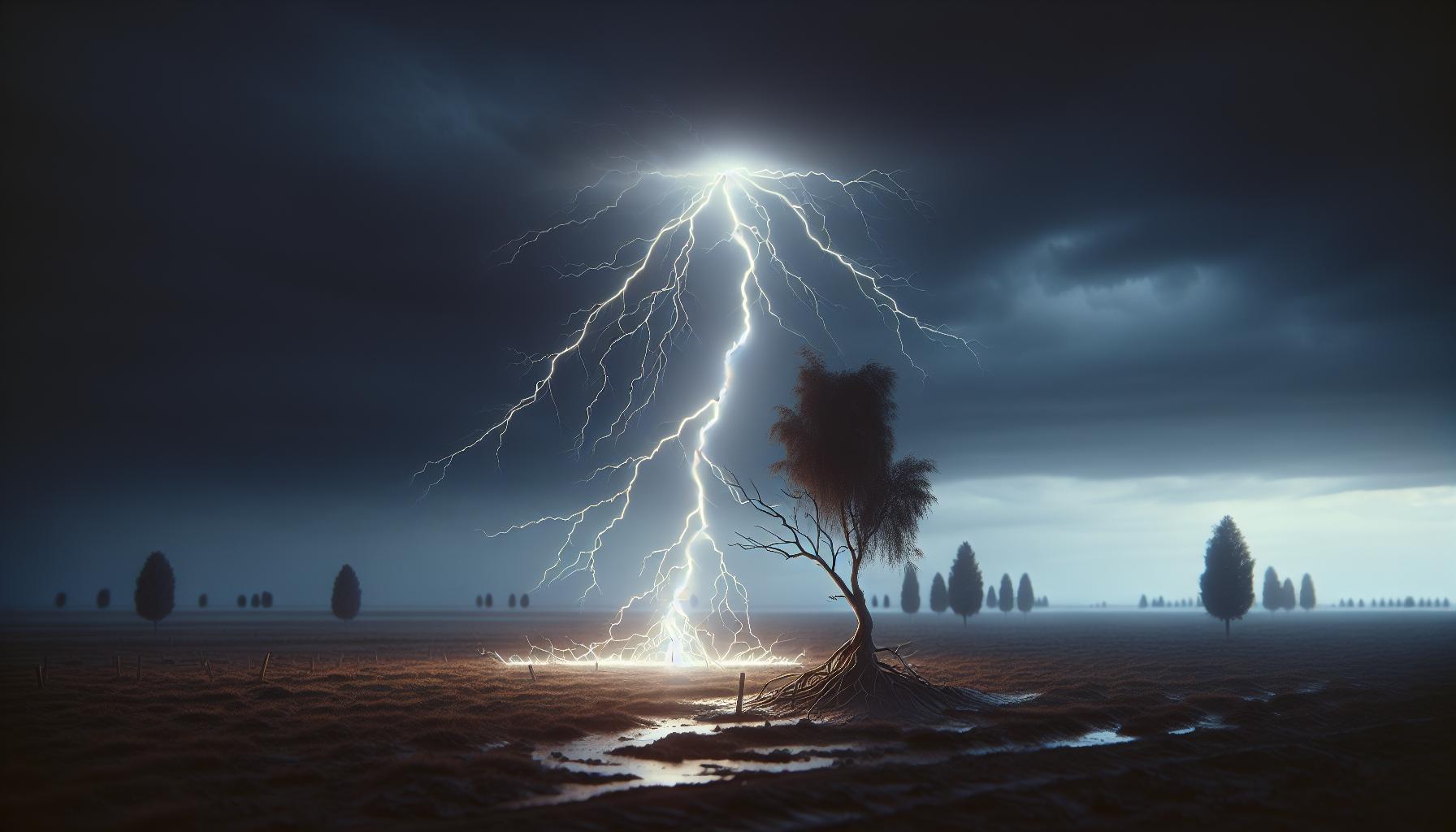
The Science Behind Lightning Strikes
Did you know that a bolt of lightning can pack up to 1 billion volts of electricity and can heat the air around it to temperatures five times hotter than the surface of the sun? Understanding not only fascinates but also underscores the risks posed during thunderstorms and highlights the importance of safety measures. Lightning occurs when there is a buildup of electrical charges in the atmosphere, typically within storm clouds. This build-up of energy creates an imbalance between the negative charges at the base of the cloud and the positive charges on the ground, leading to a discharge of electricity – the lightning strike.
The process begins with the formation of thunderclouds, known as cumulonimbus clouds, which contain both ice and water particles. As these particles collide and interact, they create electrical charges through a process called charge separation. The lighter ice particles tend to carry a positive charge and rise to the top of the cloud, while heavier, negatively charged water droplets settle at the bottom. When the voltage difference becomes large enough, a lightning bolt forms, traveling at speeds of up to 60,000 miles per hour.
Lightning can strike in various forms, including cloud-to-ground, intracloud, and cloud-to-cloud strikes. The most dangerous among these is the cloud-to-ground lightning, which represents about 20% of all lightning strikes but accounts for the vast majority of lightning-related injuries and deaths. Individuals caught outdoors during thunderstorms are particularly at risk, as standing near tall objects or open areas increases their likelihood of being struck.
Understanding the factors that influence lightning strikes is crucial for improving safety protocols. These include geographical characteristics, such as elevation and terrain, along with weather conditions like humidity and storm intensity. Regions prone to summer thunderstorms, for example, often experience higher strike rates. It’s vital to always be aware of weather forecasts and take appropriate precautions to minimize the risks associated with lightning strikes.
In conclusion, knowledge about the scientific aspects of lightning not only broadens our understanding of this natural phenomenon but also emphasizes the need for vigilance and preparedness during storm events. Being informed can literally save lives and significantly reduce injury risks during thunderstorms.
Factors Influencing Lightning Strikes and Risks
Lightning is not just a spectacular natural phenomenon; it poses serious risks, and various factors can greatly influence the frequency of strikes and the risks associated with them. Understanding these elements is fundamental for safeguarding against lightning strikes, especially in areas prone to thunderstorms.
One of the primary factors influencing lightning strikes is geographical location. Regions located at higher elevations or on open plains often see increased lightning activity, as these areas provide minimal obstruction for electrical discharge to occur. For instance, places like Florida, known as the “lightning capital” of the United States, experience an annual average of 1.7 million lightning flashes, primarily due to the frequent development of thunderstorms in the humid subtropical climate. Meanwhile, mountainous areas may see lightning activity that is influenced by the varying terrain, where storms may form rapidly and unpredictably.
Meteorological conditions also play a crucial role. High humidity levels, warm air, and storm intensity can contribute to the likelihood of lightning formation. Thunderstorms develop when warm, moist air is lifted and cools, causing condensation and charge separation within cloud systems. The stronger the storm, the greater the electrical potential, which raises the chances of lightning strikes. Additionally, the time of year matters; summer months often lead to more thunderstorms, increasing the risks of lightning strikes during outdoor activities.
Human behavior and outdoor activities further amplify the risks associated with lightning. Many lightning injuries occur when individuals are engaged in activities such as hiking, golfing, or fishing during a thunderstorm. Ignorance of weather warnings or improper response to impending storms can heighten the danger. Awareness and preparedness are crucial-those outdoors should seek shelter at the first sign of thunder or lightning to mitigate their risk. It’s essential to remember that lightning can strike as far as 10 miles away from the center of a storm, making proactive measures vital for safety.
In summary, improving safety protocols and understanding the factors influencing lightning strikes can substantially reduce risk. Always prioritize staying informed about weather conditions and adopt a lightning safety plan, particularly in areas with a history of frequent thunderstorms.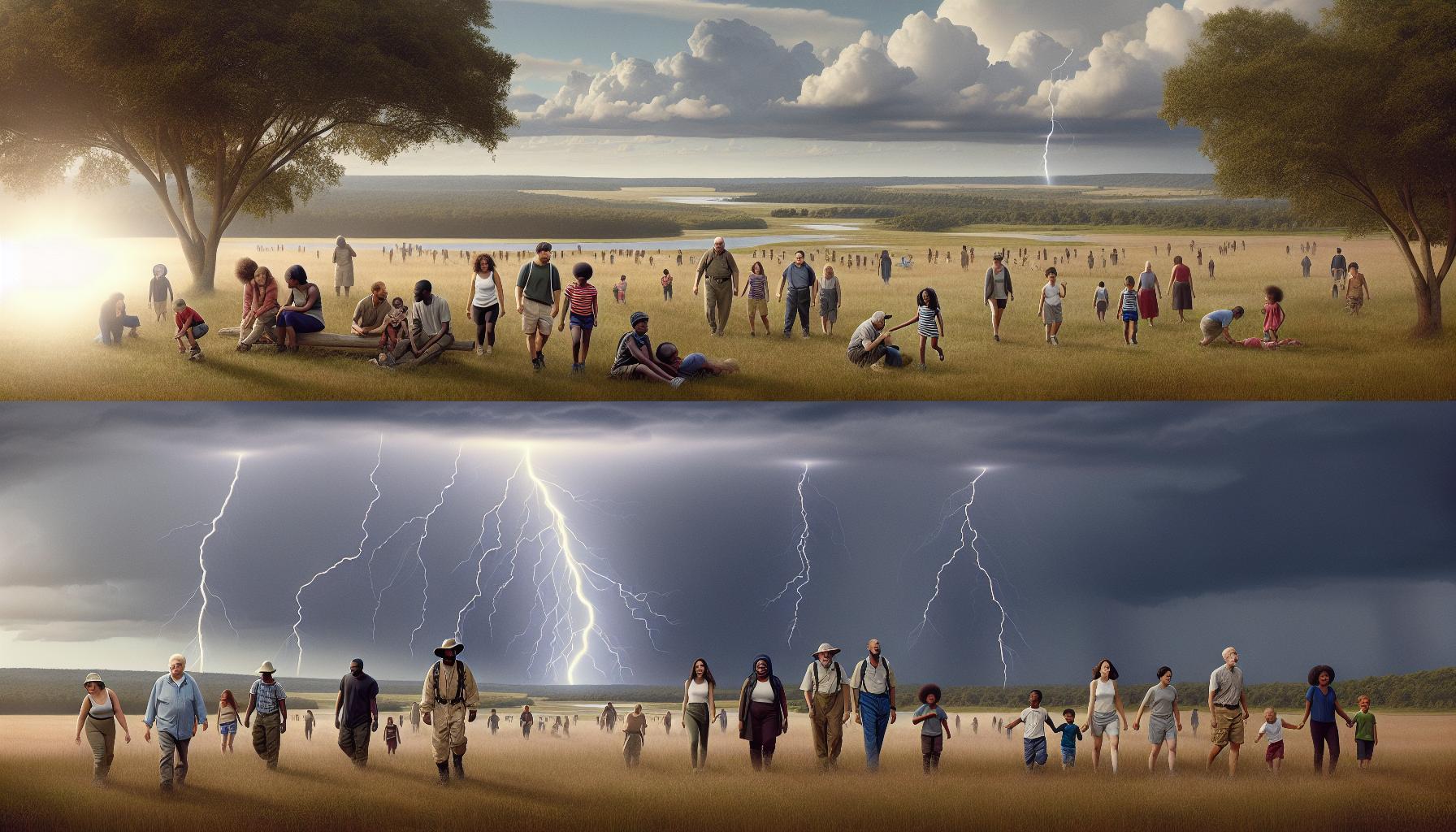
Demographics of Lightning Strike Victims
Lightning strikes are not only dramatic occurrences but also significant threats to human safety, with varying demographics affected by these events. Recent data highlights that while lightning fatalities are relatively rare, they tend to show distinct patterns based on age and activity. For instance, around 21 percent of lightning-related deaths in the United States since 2006 have been individuals in their 20s, illustrating that younger adults are particularly vulnerable during activities like outdoor sports and recreation under thunderstorm conditions [[1]].
The types of activities people engage in during thunderstorms also play a crucial role in determining the demographics of victims. Many lightning strikes occur while individuals are golfing, fishing, camping, or engaged in other outdoor pursuits. This intensifies vulnerability as awareness of weather conditions may be lower or disregarded in the moment. Furthermore, males account for approximately 80% of lightning-related deaths, which might correlate with men being more likely to participate in outdoor sports and risky behaviors that expose them to storm conditions [[2]].
Geographic factors also influence demographics, with certain states experiencing higher lightning activity than others. For instance, Florida is known to be the “lightning capital” of the United States, seeing a disproportionate number of strikes due to its humid subtropical climate and frequent thunderstorms. States like Texas and Colorado also report high incidence rates, which may lead to localized patterns in victimization. Understanding these demographic trends is essential for tailoring safety measures and educational campaigns to effectively target those most at risk of lightning strikes. Awareness, education, and preparation remain key strategies for reducing lightning-related injuries and fatalities across all demographics.
What Happens When You Get Struck by Lightning?
Being struck by lightning is a rare but harrowing experience that can result in severe consequences for the victim. Each year in the United States, about 54 people lose their lives due to lightning strikes, and many more suffer serious injuries, which can include burns, neurological damage, and cardiac arrest. The intense heat of a lightning bolt can reach temperatures of around 30,000 degrees Fahrenheit, leading to immediate and often catastrophic injuries. However, the effects of a lightning strike can extend beyond the initial moment of impact, resulting in a variety of long-term health issues.
When lightning strikes, it can affect the body in several ways. One of the most common injuries is known as electrical burns, which are caused by the high voltage and current passing through the body. Victims may also experience neurological problems, including confusion, memory loss, and personality changes. This occurs due to the disruption of the nervous system from the electrical surge. Moreover, the force of a lightning strike can throw a person, resulting in blunt force trauma, which adds to the potential for serious injury.
In terms of physiological responses, the heart and respiratory system are particularly vulnerable. Lightning can cause the heart to stop briefly, a situation known as cardiac arrest. Victims may appear lifeless, but immediate medical attention can often revive them. This emphasizes the critical importance of prompt emergency response when someone is struck. Despite the intense and damaging nature of lightning strikes, survivors often face a long recovery process, which may involve rehabilitation and mental health support due to the trauma experienced during the event.
Understanding what happens when someone is struck by lightning not only highlights the dangers associated with thunderstorms but also serves as a poignant reminder of the importance of safety measures during such weather conditions. Far from being mere folklore, the risks of lightning serves as a crucial message for anyone outdoors during a thunderstorm. It is essential to take shelter and be aware of the symptoms and necessary responses in the aftermath of a lightning incident, ensuring that victims receive the help they need as quickly as possible.
Emergency Response: How to Help Lightning Victims
When someone is struck by lightning, the immediate response can mean the difference between life and death. It is crucial to act swiftly and correctly in these high-stress situations. First and foremost, ensure your safety; never attempt to help a victim in a storm without ensuring the environment is safe. Lightning can strike multiple times, and your safety must be the priority.
The first step in responding to a lightning strike victim is to call emergency services without delay. Dial 911 or your local emergency number immediately. Communicate clearly and provide details about the victim’s condition, as well as the circumstances of the incident. Remember, many victims may appear lifeless due to cardiac arrest, but this does not mean they are beyond help. Emergency responders can provide life-saving interventions if summoned promptly [[2]](https://greenlinearms.com/responding-to-lightning-strike-victims/).
While waiting for help to arrive, check the victim’s breathing and pulse. If there is no breathing or pulse, be prepared to perform cardiopulmonary resuscitation (CPR). Lightning can cause the heart to often stop; however, timely CPR can often lead to successful resuscitation [[3]](https://respondandrescue.com/first-aid-for-lightning-strikes/). If the victim exhibits signs of a burn, resist the urge to touch the burn area directly; instead, cover it with a clean cloth, avoiding any direct contact, and keep the person calm and still.
After the initial response, it’s essential to monitor the victim’s vital signs and reassure them until medical professionals arrive. This is particularly important as many lightning strike survivors experience not just physical injuries but psychological trauma as well. Maintaining a calm presence can help alleviate some distress while ensuring the victim remains conscious and alert until help arrives. With lightning strikes capable of causing severe injuries such as burns and neurological damage, understanding how to respond effectively can save lives and contribute to better recovery outcomes [[1]](https://www.binghamton.edu/emergency/emergency-procedures/lightning.html).
Survival Stories: Inspiring Accounts from Strike Survivors
Survivors of lightning strikes often share incredible and life-altering experiences that not only highlight the unexpected nature of weather but also emphasize resilience and recovery. One notable account is that of Scott Knudsen, a lightning survivor who emphasized the importance of education about lightning safety. His story illustrates that even in seemingly calm environments-like a sunny day-lightning can strike, leaving victims with life-threatening injuries. Scott encourages others to share their experiences to foster a stronger understanding of weather dangers, which can ultimately save lives. He believes that better-informed individuals are more likely to devise plans to avoid dangerous situations during storms [[1]](https://www.weather.gov/safety/lightning-survivor-story-scottK).
Another compelling narrative comes from Minko Nikolov, who survived a nearly fatal lightning strike while climbing in Rocky Mountain National Park. After being hit, Minko experienced a range of physical effects, including burns and temporary paralysis. His journey through recovery was arduous yet transformative, altering his approach to life and outdoor activities. Minko now actively shares his story, aiming to raise awareness about lightning safety, particularly among adventurers and outdoor enthusiasts who may underestimate the risks of thunderstorms in remote areas [[3]](https://www.backpacker.com/survival/survival-stories/i-survived-a-lightning-strike/).
These personal accounts serve as powerful reminders that lightning strikes are not just statistical events, but real-life occurrences that can dramatically impact lives. They compel us to acknowledge the unpredictability of nature and promote proactive measures in recognizing storm signs and understanding safety protocols. Engaging with the stories of survivors can inspire others, instilling a respect for the dangers of lightning and the necessity for preparedness. As lightning victims share their truths, they foster a community of awareness, urging all to prioritize safety in vulnerable situations like outdoor activities during thunderstorms.
Preventing Lightning Strikes: Safety Tips for Outdoor Activities
Outdoor activities can be invigorating, yet they come with inherent risks, especially when thunderstorms are brewing. Despite common misconceptions that lightning only strikes during severe weather, it’s crucial to recognize that lightning can and does strike even on clear days. Approximately 20-30 people are killed by lightning each year in the United States, with many others left with severe injuries. Therefore, understanding how to stay safe during outdoor activities is essential.
To minimize the risk of lightning strikes while enjoying the great outdoors, planning ahead can make all the difference. Here are some practical safety tips:
Safety Tips for Outdoor Activities
- Check the Forecast: Always check weather forecasts before heading outside. There are apps and websites that provide real-time weather updates. If thunderstorms are predicted, delay your plans.
- Have a Lightning Safety Plan: Discuss with your group what you will do if a storm approaches. Identify safe shelters nearby-these could be buildings or cars. Avoid being in open fields or near tall trees.
- Recognize Warning Signs: Pay attention to the sky. Darkening clouds, increased wind, or distant thunder are signs that a storm may be approaching.
- Seek Shelter Immediately: At the first sound of thunder, move to a safe location. Ideally, wait at least 30 minutes after the last thunderclap before leaving your shelter.
- Avoid Hazardous Locations: Stay away from water, metal objects, and high ground. Avoid using corded phones and electrical devices when lightning is nearby, as these can conduct electricity.
By adopting these strategies, you not only protect yourself but also encourage those around you to prioritize safety. Lightning safety is not just about personal preparations; it’s about fostering a culture of awareness and readiness within your community. Sharing information about lightning risks can empower others to make informed decisions, ultimately reducing the likelihood of being caught in dangerous situations.
Remember, when it comes to thunderstorms, no one is invincible. Prioritize safety by respecting nature, being prepared, and making conscious choices during your outdoor adventures.
Understanding Thunderstorms and Lightning Patterns
Understanding the intricacies of thunderstorms and their relationship with lightning is crucial for anyone looking to stay safe outdoors. Thunderstorms arise from atmospheric instability, usually due to warm, moist air being lifted into cooler, drier areas. This process creates towering clouds known as cumulonimbus, which are capable of producing severe weather, including heavy rain, strong winds, hail, and, significantly, lightning. Each year, lightning strikes the Earth approximately 25 million times, underscoring its omnipresence during these storms.
Lightning forms when electrical charges within a storm cloud build up and eventually discharge. The process begins with the separation of positive and negative charges; typically, the upper part of the cloud becomes positively charged while the lower part becomes negatively charged. When the difference in charges becomes too great, a powerful bolt of lightning can leap through the air, seeking the fastest pathway to neutralize this charge imbalance. It’s a startling reminder of nature’s power, and one that poses risks to anyone caught outdoors during a storm.
In terms of risk, certain geographical regions are more prone to thunderstorms and lightning. The southeastern United States, for instance, experiences frequent thunderstorms due to warm, humid air from the Gulf of Mexico colliding with cooler air from the north. On average, Florida records the highest number of lightning strikes per square mile each year. Understanding these patterns can significantly enhance your preparedness when planning outdoor activities.
To mitigate risks during thunderstorms, it’s vital to be aware of weather patterns. Pay attention to local forecasts and understand the types of clouds indicating potential thunderstorm activity. Recognizing warning signs such as darkening skies, sudden shifts in wind, and distant thunder can give you valuable minutes of preparation time. Always have a plan: know your nearest safe shelter places and ensure that everyone in your group understands when to seek them out. By cultivating this knowledge and awareness, you empower yourself and others to navigate outdoor activities safely, even when thunderstorms approach.
Global Statistics: Where Lightning Strikes the Most
Lightning is a powerful natural phenomenon, striking the Earth millions of times each year. However, where these lightning strikes occur and the implications for people present in those areas can vary significantly. Research shows that certain regions are not just more susceptible to lightning strikes, but they also have higher incidents of lightning-related fatalities, which can help guide safety practices for outdoor activities.
In the United States, Florida is notorious for having the highest frequency of lightning strikes, with some areas experiencing more than 100 strikes per square mile each year. This intense activity can be attributed to the state’s unique meteorological conditions, including its warm, humid climate that fosters frequent thunderstorms. The southeastern U.S. generally sees higher lightning strike rates compared to other regions, making awareness and preparedness crucial for individuals living or vacationing in these areas.
Globally, countries near the equator experience significant lightning activity, with regions in Africa and South Asia reporting the highest annual incidences of lightning fatalities. For instance, areas like the Democratic Republic of the Congo and Bangladesh have alarmingly high fatality rates, indicating that many lives are at risk where lightning storm patterns are common. These statistics serve not only to highlight the regions at risk but also to emphasize the importance of safety measures and preparedness during thunderstorm conditions.
Many factors contribute to the likelihood of lightning strikes, including geographical location, topography, and local climate conditions. Awareness of these risks can empower individuals, guiding decisions related to outdoor activities in known lightning-prone areas. By staying informed and following safety guidelines, it is possible to enjoy the outdoors while minimizing the risk of being caught in a dangerous storm.
Myths and Facts About Lightning Strikes
Lightning is often surrounded by myths, which can lead to misunderstanding the reality of lightning strikes and the associated risks. One common myth is that lightning only strikes tall objects. In truth, lightning can strike anything-including people-if conditions are right. Being outside during a thunderstorm without proper shelter increases your risk of being struck, regardless of your height or surroundings.
Another prevalent notion is that rubber soles on shoes or being inside a vehicle guarantees safety from lightning. While it’s true that rubber does provide some insulation, it isn’t foolproof. The key factor is seeking safe shelter. For instance, buildings and fully enclosed metal vehicles offer better protection than standing under trees or in open areas, which heighten your vulnerability. Also, it’s important to note that lightning can travel through electrical systems and plumbing, so touching these systems during a storm can be dangerous.
Many believe that the effects of lightning strikes are purely physical, but the psychological impact is significant as well. Survivors can deal with long-term neurological and emotional issues, including PTSD, which can be overlooked in discussions about the dangers of lightning. According to the National Weather Service, around 90% of people who are struck by lightning survive, but they may face lifelong health challenges as a result.
Understanding these misconceptions is crucial for safety. Here’s a practical list to remember during thunderstorms:
- Seek shelter indoors; do not wait until the storm is overhead.
- Avoid contact with electrical appliances and plumbing.
- Do not stand under trees or near water.
- Stay informed about weather conditions through reliable sources.
By debunking these myths and grounding our understanding in facts, we can better prepare ourselves and others to stay safe in the face of lightning hazards.
Lightning Strike Prevention Technologies and Innovations
Lightning continues to be a formidable force of nature, with striking implications for both safety and technology. Advances in lightning strike prevention technologies are not only aiding in mitigation efforts but also enhancing our understanding of how best to protect ourselves from these powerful electrical discharges. Building owners and outdoor enthusiasts alike can benefit from innovative solutions designed to reduce the risk of lightning strikes and their potentially devastating consequences.
One of the most effective ways to prevent lightning damage is the installation of lightning protection systems (LPS). These systems typically include external conductors, grounding systems, and surge protection devices that work together to redirect lightning strikes safely into the ground. By installing a professional-grade LPS on homes, commercial buildings, and critical infrastructure, you can significantly decrease the likelihood of a lightning strike causing damage. Additionally, these systems are constantly evolving, with new materials and techniques improving their effectiveness.
Another key component in preventative technology is whole-home surge protection. Lightning can cause power surges that travel through electrical lines, leading to damage or destruction of appliances and electronic devices. By integrating surge protection systems at the service panel along with point-of-use surge protectors, homeowners can safeguard their electronics against unexpected spikes in electrical current caused by nearby lightning strikes.
For communities prone to thunderstorms, advanced warning systems utilizing lightning detection technology are also gaining traction. These systems utilize networks of sensors to monitor lightning activity in real-time, allowing for timely alerts that can help people take shelter before a storm escalates. Furthermore, educational programs using this technology can inform the public about lightning safety and encourage proactive measures during storms.
As awareness grows and technology advances, individuals can reap the benefits of these preventative measures. Investing in lightning protection technologies not only secures property and protects lives but also offers peace of mind during stormy weather. In a world where extreme weather events are becoming more frequent, these innovations are essential to keeping us safe.
Frequently asked questions
Q: How many people are struck by lightning each year in the world?
A: Approximately 24,000 people are struck by lightning globally each year. However, the number can vary significantly depending on weather conditions and geographical location. Awareness and safety measures can drastically reduce this number.
Q: What countries have the highest rates of lightning strikes on people?
A: Countries like India, Bangladesh, and Brazil report the highest rates of lightning strikes on people. These regions experience frequent thunderstorms and high lightning density, increasing the risk of strikes.
Q: What are the chances of getting struck by lightning in a lifetime?
A: The average person’s chance of being struck by lightning in their lifetime is about 1 in 15,300. This likelihood can vary based on geographic location and outdoor activities, making awareness and preparedness essential.
Q: Is there a specific time of year when lightning strikes are more common?
A: Yes, lightning strikes are most common during the summer months, particularly in regions prone to thunderstorms. Increased humidity and rising temperatures contribute to the likelihood of electrical storms during this time.
Q: What should you do if caught outside during a lightning storm?
A: If caught outside during a storm, seek shelter immediately in a sturdy building or enclosed vehicle. Avoid tall objects and stay low to the ground, but do not lie flat, which can increase the risk of being affected by ground currents.
Q: Can lightning strikes cause injuries other than direct hits?
A: Yes, lightning can cause injuries through splash effects, where the electrical energy travels through the ground, or through secondary effects like fires and explosions. These injuries can be severe and may result in long-term health issues.
Q: Are certain professions at greater risk of lightning strikes?
A: Yes, individuals in outdoor professions such as construction workers, farmers, and firefighters are at greater risk of lightning strikes. Awareness of weather conditions and implementing safety protocols are crucial for these workers.
Q: How can people prevent lightning-related injuries?
A: To prevent injuries, individuals should stay indoors during thunderstorms, avoid using wired electronics, and implement lightning rods or surge protectors in buildings. Educating the public about the dangers of lightning is key for safety.
To Conclude
As we explored the surprising facts about lightning strikes, remember that understanding these events can empower us to stay safe during storms. Before you go, check out our related articles on lightning safety tips and the science behind thunderstorms to deepen your knowledge and ensure you’re well-prepared for nature’s fury.
Don’t forget to subscribe for more enlightening content, and if you found this information valuable, share it with friends and family to help them stay informed as well! We’d love to hear your thoughts on this topic-drop a comment below or explore our other fascinating articles linked here. Stay safe, and seek out more knowledge to enrich your understanding of our incredible world!
Get our latest guides, news, and insights highlighted in your Google Search & AI Overviews.