
In the world of gaming, group size can significantly impact gameplay experience and strategy. Did you know that the number of players in a game can influence everything from team dynamics to individual roles? Understanding optimal group sizes is essential for both casual gamers and competitive players, as it ensures that everyone is engaged and contributing to the success of their team. Whether you’re planning a board game night, hosting an online raid, or participating in a local tournament, choosing the right group size can elevate your experience and enhance camaraderie. In this article, we’ll explore the intricacies of how many players are ideal in various gaming contexts, the pros and cons of different group sizes, and tips for optimizing your gameplay. Join us as we delve deeper into this fascinating aspect of gaming that can transform your next gaming session!
Understanding Group Sizes in Games

Understanding the ideal group size in games can dramatically enhance the experience for players. Whether it’s a competitive team sport or a casual board game night, the number of participants influences not only gameplay but also the dynamics of interaction among players. For instance, games designed for larger groups often introduce elements of chaos and unpredictability, fostering a lively atmosphere, while smaller groups allow for deeper strategy and personal connection. A popular rule of thumb is that games designed for two to four players tend to focus on strategic play and deeper interactions, making them ideal for thoughtful discussions and complex strategies.
The type of game being played also dictates the optimal group size. Fast-paced games, like party games, typically excel with larger groups where participation can be quick and engaging, fostering an energetic environment. Alternatively, turn-based strategy games thrive with fewer players, as they require time for decision-making and planning. Recognizing the type of game will assist in choosing a group size that promotes engagement and excitement.
When considering different group sizes, various factors come into play. These include the nature of the game, the intended atmosphere, and even logistical constraints such as space and time. For instance, outdoor games like capture the flag can comfortably accommodate larger groups due to the ample space, whereas board games often have strict player caps that limit how many can join. By carefully considering these elements, players can better appreciate how group size can elevate or hinder their gaming experience.
In conclusion, understanding group sizes allows players to tailor their gaming experiences effectively. By aligning the number of participants with the game’s design and the group’s dynamics, players can ensure a more enjoyable and engaging session. Whether aiming for laughter and spontaneity or tactical depth and concentration, the right group size is key to achieving the desired atmosphere and enjoyment in any game.
Factors Influencing Ideal Group Size

Determining the ideal group size for games is not a one-size-fits-all answer; it’s a dynamic interplay of various factors that can significantly influence the overall gameplay experience. One of the primary considerations is the type of game being played. For instance, social party games thrive in larger settings where players can engage in fast-paced rounds, while strategic board games typically require fewer participants to allow for deeper engagement and thoughtful decision-making. Think about the popular game “Codenames” which works well with 4-8 players, capitalizing on team dynamics and social interaction, versus a game like “Chess,” which is best suited for just two players focused on a duel of wits.
Another important aspect is the game’s intended atmosphere. If the goal is to create a lively and energetic environment, larger groups can introduce excitement through spontaneity and volume. In contrast, smaller groups can foster intimacy, allowing players to form deeper connections and engage in complex strategies. For instances like a trivia night at a pub, having teams of 3-5 can balance competitive spirit with social engagement. On the flip side, playing a cooperative game like “Pandemic” with a smaller crew can enhance collaboration and communication, as each decision carries weight in the fight against global outbreaks.
Logistical constraints also play a crucial role in determining group size. Space availability, for example, can dictate how many players can comfortably participate. Outdoor games such as soccer can accommodate a larger number of players spread across a field, while a game of “Settlers of Catan” needs a table that comfortably fits the players without feeling cramped. Additionally, consider the time commitment required for certain games. Quick, casual games can handle larger audiences as players cycle in and out, while more involved games-taking multiple hours-might focus better on smaller groups where everyone can remain engaged for the duration.
Finally, consider the experience and skill levels of the players. A mixed-skill level group can benefit from larger sizes in casual games, allowing beginners to learn from seasoned players. Conversely, competitive environments may require tighter controls on group size to uphold standards of fairness and challenge, enhancing the overall experience for serious competitors. Understanding these influential factors enables players to select the appropriate group size, ensuring everyone has a memorable and enjoyable gaming experience.
Benefits of Different Group Sizes

In the world of gaming, the size of the group can dramatically affect not only the gameplay dynamics but also the enjoyment experienced by all participants. Larger groups tend to amplify the social aspect of games, creating an energetic atmosphere filled with laughter and spontaneity. For instance, games like Werewolf or Mafia thrive on large numbers, as the interaction and deception become more complex and engaging with more players involved. The thrill of having multiple roles and shifting allegiances keeps everyone on their toes, ensuring that no two games are ever the same.
Conversely, smaller groups can deliver a more intimate and focused experience. In games that require strategy and deep thinking, such as Terraforming Mars or Gloomhaven, fewer players often lead to a richer narrative and more meaningful interactions. Players can take their time to consider moves without feeling rushed, fostering a collaborative environment where communication is key. The bond formed during these games can deepen friendships as players celebrate victories or strategize under pressure together.
Moreover, balancing group sizes can offer unique benefits. For example, mixing larger and smaller groups can allow players to experience different facets of a game. A party game might be played in larger teams, promoting a festive environment at first, but switching to smaller groups for a more nuanced game session can enhance strategy and decision-making. This adaptability helps cater to various skill levels and player preferences, enriching the overall gaming experience.
Ultimately, the choice of group size allows for flexibility in gameplay. Adjusting the number of players not only brings diversity to gaming sessions but also ensures that each participant’s preferences are respected. Whether players seek a competitive edge or a social gathering, understanding the empowers them to select the ideal setup for a memorable game night.
Common Group Sizes in Popular Games
In the realm of gaming, the size of a group not only dictates the overall atmosphere but also influences the strategic depth and engagement levels of the gameplay. Popular games cater to various group sizes, with each configuration offering a unique experience. For instance, party games are often designed for larger groups, typically ranging from 6 to 20 players. Games like Codenames or Telestrations thrive in these settings, where laughter, interaction, and social dynamics are the core focus. Larger groups can ignite creative energy, making every session feel fresh and electric, as players cheer, collaborate, and sometimes conspire against each other.
On the other hand, many strategic board games, such as Carcassonne or 7 Wonders, often work best with fewer players-typically between 3 to 5. These games benefit from the intense decision-making required and allow for meaningful interactions that can pivot the game’s outcome. In smaller groups, players are likely to engage more deeply with each other’s strategies, enhancing the competitive edge and fostering a tight-knit experience. This also allows for a more contemplative pace, where players can take their time to devise complex plans without the distraction of too many simultaneous actions.
Some games, such as Dungeons & Dragons, provide even more flexibility. While classic setups typically involve about 4 to 6 players plus a Dungeon Master, groups can vary greatly depending on the campaign type and desired experience. Adaptability here allows the game to cater to both intimate storytelling and expansive adventures, welcoming new players while offering seasoned veterans the chance to explore intricate narratives and complex character developments.
Ultimately, understanding the optimal group sizes for popular games can greatly enhance the gaming experience. When selecting a game, consider not just the number of players but also the social dynamics you wish to encourage. Larger groups are perfect for energetic, social interactions, whereas smaller groups can delve into more complex strategies and narratives. Making an informed choice about group size ensures that every game night is memorable, whether filled with laughter or intense competition.
How Group Size Affects Gameplay Experience
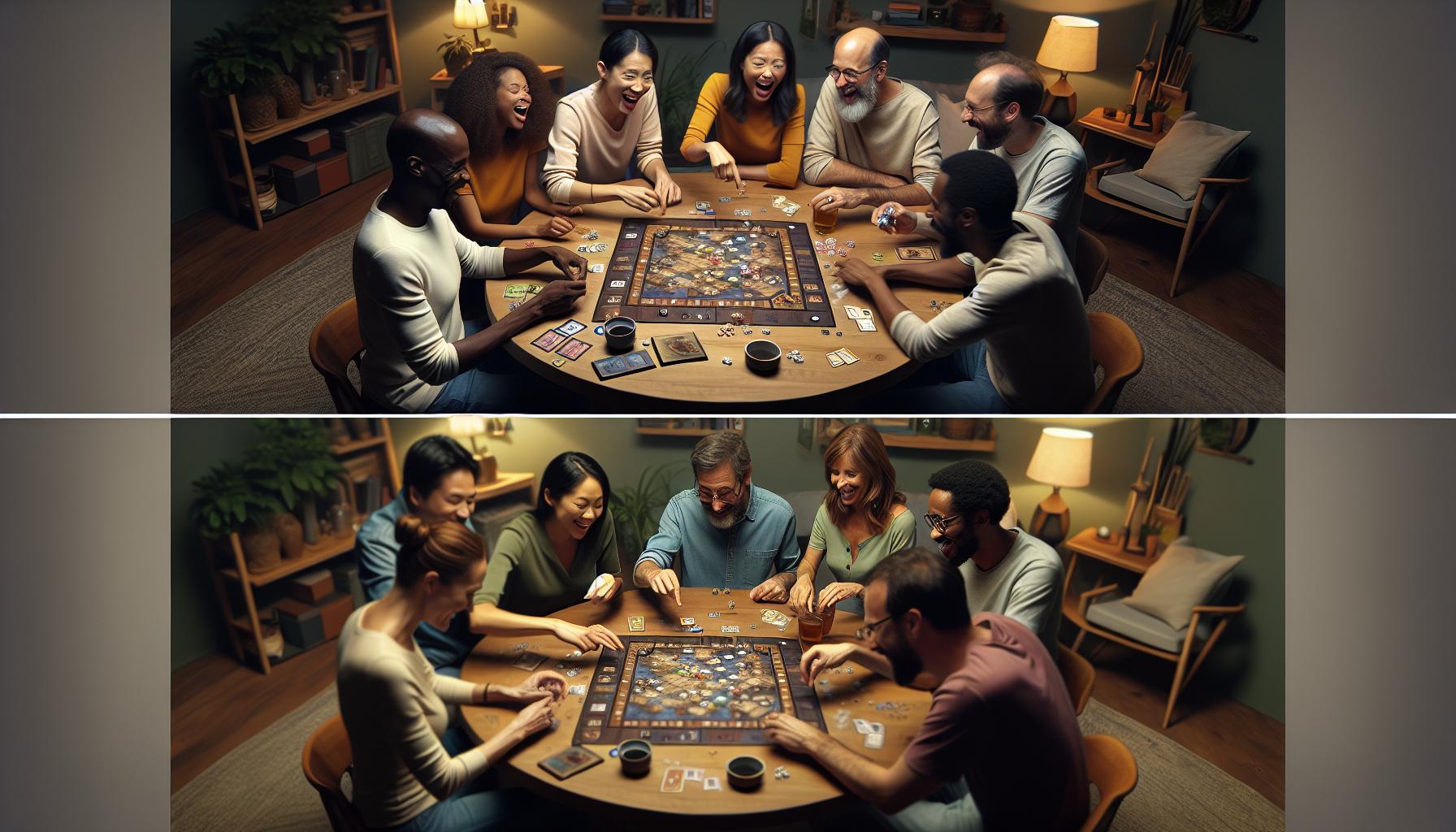
In the dynamic landscape of gaming, group size plays a pivotal role in shaping the overall experience. The number of players can transform a game from an intimate gathering into an electrifying social event or vice versa, affecting everything from interaction levels to strategic depth. For example, in a lively party game such as Codenames, a larger group can spark collaboration and banter, making the experience highly engaging and often resulting in a raucous atmosphere filled with laughter. With players feeding off each other’s energy, larger groups can create spontaneous moments of joy that add to the fun.
Conversely, smaller groups typically foster deeper strategic thinking and personal interaction. In games like Carcassonne, where players must carefully consider their moves to outmaneuver their opponents, a tighter player count allows for richer communication and understanding of each player’s tactics. This increased engagement can lead to more meaningful experiences, where players refine strategies based on their direct interactions and carefully observe the strategic choices of others.
The adaptability of certain games can further highlight how group size impacts gameplay. In roles like Dungeons & Dragons, campaigns can be tailored to fit a wide range of group sizes, from a cozy two-player session focused on storytelling to a bustling game with seven or more participants engaging in layered narratives. The flexibility of group size here can introduce various dynamics, such as character development in smaller groups or larger scale battles with grand narratives in bigger assemblies.
Ultimately, the interplay between group size and gameplay experience underscores the importance of aligning the number of players with the intended atmosphere-whether it’s a friendly gathering, a competitive showdown, or an epic adventure. By understanding these nuances, players can make informed choices that enhance their gaming nights, tailoring each experience to reflect the desired level of social interaction, strategy, and creativity.
Strategies for Managing Larger Groups
Managing larger groups in games can be a thrilling yet complex task. The dynamics shift significantly with more players, and it’s crucial to harness that energy effectively to ensure everyone enjoys a fulfilling experience. One key strategy is to establish clear roles within the group. By assigning specific responsibilities, such as a scorekeeper or a game master, you can help streamline the gameplay and reduce confusion, making it easier for players to focus on their strategies rather than the overall logistics.
Another effective approach is to utilize breakout sessions or smaller sub-groups within the larger gathering. For instance, in games that can accommodate team play, dividing players into smaller teams for certain rounds can enhance collaboration and make it easier to manage discussions. This method not only encourages more interaction among players but also allows for varied gameplay experiences within the same game session. Encourage teams to strategize independently before coming together, fostering a sense of involvement and investment in the game outcome.
Additionally, setting time limits for turns or overall gameplay can help maintain pace and engagement. When larger groups are involved, it’s easy for discussions to drag on and for players to lose focus. By implementing a timer, you not only keep the game moving but also create an environment that promotes quick thinking and decision-making. This can heighten excitement and prevent lulls that often occur in larger group settings.
Lastly, don’t underestimate the power of feedback loops during the game session. Encourage players to share their thoughts on pacing and game dynamics, allowing for adjustments on the fly. This practice helps everyone feel heard and can innovate how the game is played in real-time. By collaborating on the experience, players contribute to a collective ownership of the game, fostering community spirit and ensuring that everyone has a memorable time regardless of the group size.
Challenges of Smaller Game Groups
Smaller game groups often bring unique challenges that can significantly affect the overall gaming experience. For many players, the thrill of group dynamics is a vital aspect of gaming-whether it’s cooperative teamwork or competitive rivalry. In smaller numbers, however, the atmosphere can sometimes feel less intense, leading to a less engaging experience. This can result in players feeling more exposed; with fewer inputs and perspectives, discussions can become stagnant, and the excitement may begin to dwindle.
One of the primary obstacles in smaller groups is the limited diversity of opinions and strategies. In a larger setting, a wide array of ideas contributes to a richer gameplay experience. When players are restricted to a smaller cast, opportunities for creative problem-solving often diminish. Players may struggle to adapt their strategies, making it difficult to maneuver against the same few opponents repeatedly. This can lead to predictable outcomes, reducing the thrill of competition. To combat this, incorporating rotating roles or responsibilities can build depth. For instance, assigning each player a different character or role that shifts each game can keep engagement high and maintain a fresh approach to strategy.
Another difficulty that arises in smaller groups is the pressure on individual players. In larger games, one player’s mistakes can be mitigated by their teammates; however, in a smaller group, each action carries more weight. This can create a sense of anxiety, especially for competitive players who feel they must consistently perform at their best. To alleviate this stress, fostering a supportive environment is crucial. Players should be encouraged to share their concerns and suggest strategies openly. Creating a culture where mistakes are viewed as learning opportunities can transform the gameplay experience, allowing for growth rather than pressuring individuals solely for performance.
Finally, the dynamics of social interaction often shift significantly in smaller groups. With fewer players, the ability to form alliances or rivalries can become more pronounced. While this is beneficial for fostering connections, it can also lead to divisions that may sideline certain players or cause discomfort during heated moments. To address this, establishing ground rules about communication and sportsmanship at the beginning of each session can set a positive tone. This ensures that while competitive spirit thrives, respect and enjoyment remain the focus.
Ultimately, adapting play styles and expectations to suit smaller groups can result in a fulfilling experience. By acknowledging challenges and finding proactive solutions, players can successfully navigate the intricacies of smaller games, ensuring that every session remains dynamic and enjoyable.
Balancing Group Dynamics in Games
Creating an engaging and dynamic gameplay experience often hinges on how well group dynamics are managed, particularly in games where teamwork and competition are essential. In larger groups, the challenge lies in ensuring everyone feels included and valued, while in smaller groups, the intensity of interactions can lead to pressure and discomfort among players. Understanding and balancing these dynamics can significantly enhance the enjoyment and effectiveness of the gameplay.
Effective communication is vital to achieving harmony in group settings. Establishing clear channels for discussion helps players express their thoughts and strategies, fostering an inclusive environment. Regular check-ins during gameplay can encourage quieter members to share insights or concerns. One approach is to implement “round-robin” discussions where each player has the chance to voice their ideas without interruption. This not only levels the playing field but also taps into the diverse perspectives that can enrich the gaming experience.
Additionally, defining roles and responsibilities within the group can create a sense of ownership and accountability. For instance, in games that require strategy and cooperation, assigning specific roles-like leader, strategist, or supporter-can help distribute tasks evenly and leverage each player’s strengths. This clarity enhances teamwork and encourages players to contribute actively, resulting in a balanced and cooperative playstyle that benefits the entire group.
To handle competitive elements, establishing ground rules around conduct and sportsmanship is crucial. Before gameplay begins, players can agree on behavioral expectations, such as respecting each other’s decisions and maintaining a positive atmosphere, even when the stakes are high. Celebrating small achievements and fostering an encouraging environment not only improves relationships among players but also elevates the overall experience, making it enjoyable for everyone involved.
Finally, adapting gameplay and rules to suit the size and dynamics of the group ensures that everyone stays engaged. For example, if a game typically suits a large audience but your group is smaller, consider modifying the victory conditions or introducing new objectives that require cooperation rather than competition. This kind of flexibility keeps gameplay fresh and exciting, allowing players to explore new strategies and interactions that might not arise in a more rigid format.
In short, successfully managing group dynamics is about creating a space where players feel valued, engaged, and motivated to participate actively. Through inclusivity, clear roles, established ground rules, and adaptive gameplay, both newcomers and seasoned participants can enjoy a fulfilling gaming experience fostering community spirit and athletic growth.
Adapting Game Rules for Different Group Sizes
The ability to adapt game rules according to group size can transform an average gaming experience into an unforgettable one. In many cases, the typical mechanics designed for a standard group might not translate well to a larger or smaller cohort. This adaptability not only enhances engagement but also ensures that gameplay remains fun and inclusive regardless of the number of participants.
When playing with larger groups, consider incorporating elements that promote collaboration and teamwork rather than competition. For instance, in games that usually feature individual turns and scores, modifying the structure to allow for team-based scoring can bolster camaraderie. This structure could involve dividing players into smaller teams where they compete against other teams, thus promoting a sense of community. An effective way to categorize teams is by skill level or by random selection to encourage social mixing among players of various backgrounds. When everyone contributes toward a collective goal, it can significantly boost morale and enjoyment.
Conversely, smaller groups can benefit from more personal interactions and in-depth strategies. For these instances, consider modifying the game’s complexity. For example, you can introduce advanced rules or additional challenges that are generally left out in larger settings. This could mean adding strategic elements like individual player challenges or special roles that affect game outcomes. Additionally, reducing the number of phases within a game can increase the pace, keeping everyone engaged without overstaying the welcome-something smaller groups often appreciate.
Furthermore, accommodating different pacing and game structures will profoundly impact group dynamics and overall satisfaction. Whether through quick rounds, alternative victory conditions, or even unique objectives that change based on size, adapting rules will lead to more thrilling yet balanced gameplay. An example of this could be adjusting scoring systems to reward teamwork over individual performance in larger games, while fostering fierce competition in smaller groups where every decision counts immensely.
In creating flexible gameplay, consider the players’ diverse skill levels and preferences. It’s crucial to cultivate an environment where newcomers feel welcome, motivated to learn, and empowered to contribute, while also respecting and challenging experienced players. Adapting rules not only acknowledges these differences but also creates a more enriched gaming experience for everyone involved.
Real-World Examples of Group Size Variability
In the world of gaming, the size of your group can dramatically alter the dynamics and enjoyment of the experience. Take, for example, team-based first-person shooters like Overwatch. These games thrive on larger teams-often six players per side-allowing for diverse strategies and roles. The synergy created among players can lead to exhilarating moments where teamwork wins the day, providing a thrilling sense of community. In contrast, a smaller party of just two or three players might opt for a different experience, perhaps choosing a more intimate, cooperative game like Lovers in a Dangerous Spacetime, which is designed with a maximum of four players. In these settings, the close quarters allow for personalized communication and strategic depth, enabling each player’s actions to significantly impact the outcome.
Board games also illustrate the variability of group sizes. A game like Catan is typically enjoyed with three to six players, where trading and negotiation become pivotal. However, when played with just two players, the game changes-trading becomes less competitive, and strategy shifts to more aggressive expansion rather than community building. This flexibility demonstrates the adaptability of gameplay based on group size, encouraging players to explore different strategies that may not prevail in larger settings.
Another real-world example comes from role-playing games (RPGs). A typical Dungeons & Dragons session might involve 4 to 6 players and a Dungeon Master. In larger groups, the gameplay can become unwieldy, with long waits between turns and difficulties in keeping everyone engaged. Conversely, a smaller group of two to three players allows for deep immersion and character development but may lack the diverse party dynamics that larger groups can offer.
Ultimately, whether engaging in digital games, board games, or RPGs, understanding how group size impacts gameplay can enhance the overall experience. Players are encouraged to experiment with different sizes to discover unique dynamics and benefits, fostering a deeper appreciation for the variety that gaming has to offer. Adapting to the strengths and weaknesses of various group sizes can lead to a richer and more fulfilling gaming session.
Tips for Choosing the Right Group Size
When it comes to selecting the most enjoyable group size for your game, the balance between engagement and enjoyment is critical. A significant factor to consider is the type of game being played, as different genres inherently favor varying group sizes. For instance, cooperative games like Pandemic or Forbidden Island are often more enjoyable with three to four players, allowing for effective teamwork without overwhelming coordination. On the other hand, competitive strategy games such as Catan or Ticket to Ride thrive with five to six players, where social interaction and negotiation can elevate the excitement.
Here are some essential tips to help you choose the right group size:
Assess the Game Type
Understanding the mechanics and goals of the game can guide your decision. For strategic and tactical games, a larger group can create richer interactions. However, for narrative-driven games or complex RPGs, smaller groups can permit deeper storytelling and character development. Always check the recommended player count provided in the game’s rules; these suggestions are based on optimal gameplay experiences that the designers have tested.
Consider Player Experience Level
The familiarity and skill level of your group can significantly influence the ideal size. If you’re playing with newcomers, a smaller group may help players learn the game mechanics without being overwhelmed. For experienced players, larger groups could enhance strategic depth and competitive tension, fostering a more intense and engaging environment.
Evaluate Social Dynamics
Different group sizes can shift the social dynamics at play during a game. Smaller groups tend to foster closer connections and allow every participant to contribute more directly. Larger groups can bring diverse perspectives and strategies, but they can also lead to disengagement if some players feel overshadowed. To promote inclusivity, ensure your chosen size allows everyone to participate meaningfully.
Experiment with Different Sizes
Don’t hesitate to try the same game with varying group sizes. Each configuration can bring a unique flavor and experience. Keep track of how different group sizes make you feel and adjust future game nights accordingly. For example, some may find a two-player setup of 7 Wonders insightful, while others may relish the chaos of a full seven-player game. Experimenting can unlock new strategic possibilities and social interactions you might not have anticipated.
Choosing the right group size for a game involves balancing personal preferences, player engagement, and the unique demands of the game itself. By thoughtfully considering these factors, you can optimize your gaming experience and cultivate a memorable atmosphere for all involved.
Future Trends in Group Size for Games
The landscape of tabletop gaming is evolving rapidly, as developers and players alike seek innovative experiences that cater to diverse preferences and group dynamics. One notable trend is the increasing popularity of hybrid and flexible games that easily adapt to different group sizes. These games not only accommodate traditional player counts but also allow for variations in player numbers, ensuring that groups of all sizes can enjoy a fulfilling experience.
As technology continues to influence gaming, online platforms and digital interfaces are redefining how players engage. Many board and card games now offer digital versions that support remote play, effectively merging physical and virtual settings. This shift not only broadens accessibility for players in different locations but also allows for larger groups to participate simultaneously, enhancing social interaction across distances. The concept of “asynchronous play” is gaining traction, where players can take turns at their convenience, breaking the limitations of traditional session-based games.
Moreover, the rise of social deduction and party games illustrates a shift toward experiences that can scale with group size while maintaining engagement. Games like “Among Us” or “Werewolf” thrive in larger contexts, harnessing the unique dynamics and strategies that come with varying player counts. These games often rely on interaction and social manipulation, making them versatile and adaptable for both larger gatherings and intimate settings.
In summary, the future of group sizes in gaming is characterized by flexibility, technology integration, and a focus on inclusive experiences that cater to diverse preferences. Whether through hybrid gaming formats, digital adaptations, or the rise of scalable social games, players can expect increasingly engaging and personalized gaming experiences that accommodate their unique group dynamics.
FAQ
Q: What is the ideal group size for cooperative games?
A: The ideal group size for cooperative games typically ranges from 3 to 5 players. This size allows for effective communication and strategy development without overwhelming participants. For more on balancing group dynamics, check the Balancing Group Dynamics in Games section of the main article.
Q: How does group size impact competitive team games?
A: In competitive team games, smaller groups (like 3 to 5 players) often allow for better coordination and chemistry. Larger teams can introduce complexity and potential for divides, impacting overall performance. Review the Common Group Sizes in Popular Games section for more insights.
Q: What are the challenges of very large game groups?
A: Very large game groups, often exceeding 8 to 10 players, can lead to difficulties in communication, slower decision-making, and potential disengagement. Managing larger groups effectively is crucial to maintain engagement; see Strategies for Managing Larger Groups for practical tips.
Q: Are there games specifically designed for small groups?
A: Yes, many games are specifically designed for 2 to 4 players, focusing on intimacy and strategy that fosters better teamwork. For examples and recommendations, check the Common Group Sizes in Popular Games section.
Q: How can I choose the right group size for a new game?
A: To choose the right group size for a new game, consider the game’s rules, intended experience, and the dynamics of your player group. Balancing these factors will help you achieve an enjoyable gameplay experience. Refer to Tips for Choosing the Right Group Size for further guidance.
Q: What are the benefits of playing in larger groups?
A: Playing in larger groups can enhance social interaction and team dynamics, leading to shared experiences and creativity. However, careful management is needed to keep everyone engaged; see Challenges of Smaller Game Groups for a fuller understanding.
Q: How can I maintain engagement in a large gaming group?
A: To maintain engagement in a large group, implement structured roles and clear communication channels. This approach helps ensure that all players are involved and active. Check the Strategies for Managing Larger Groups section for more practical strategies.
Q: What factors should I consider when selecting a group size?
A: When selecting a group size, consider game mechanics, player experience, and desired interaction levels. Each factor influences the overall enjoyment and effectiveness of gameplay. For more detailed insights, explore the Factors Influencing Ideal Group Size in the main article.
Concluding Remarks
Now that you understand the various group sizes in games, consider how much more engaging gameplay can be with the right number of players. Whether you’re organizing a casual get-together or a competitive tournament, finding that sweet spot of participants can make all the difference. Don’t hesitate-gather your friends, family, or fellow players and put this knowledge to action today!
For more insights on game strategies, check out our articles on Maximizing Player Dynamics and Choosing the Right Games for Your Group. If you have questions or want to share your favorite game experiences, drop a comment or connect with us on social media. Stay informed and keep exploring our resources on improving your gaming experiences, because every session can be a new adventure! Remember, understanding group sizes isn’t just about numbers; it’s about fostering connection and fun among players. Happy gaming!
Get our latest guides, news, and insights highlighted in your Google Search & AI Overviews.