
Disc golf has transformed from a niche pastime into a global sensation, captivating millions with its blend of skill, strategy, and community. With an estimated 10 million players worldwide, the sport continues to grow at an astonishing rate, driven by accessibility and the rise of public courses. Whether you’re a seasoned competitor or a curious newcomer, understanding these growth statistics not only showcases the sport’s burgeoning popularity but also highlights the tight-knit community that makes disc golf so special. As we delve deeper into the numbers behind the rapid expansion of this exhilarating sport, you’ll discover insights that reveal why now is the perfect time to get involved. Join us in exploring the fascinating trends that shape the future of disc golf and learn how you can be part of this exciting movement.
The Global Rise of Disc Golf Participation
The recent surge in disc golf participation across the globe speaks volumes about its growing appeal as not just a recreational activity but a legitimate sport. With millions of enthusiasts taking to courses worldwide, disc golf now stands at the intersection of community engagement, fitness, and skill development. As of 2023, estimates suggest that there are over 6 million disc golf players in the United States alone, reflecting a movement that is rapidly gaining traction. The sport’s accessibility-requiring minimal equipment and low initial costs-serves as a significant draw for newcomers.
The simple premise of throwing a disc into a basket resonates with people of all ages and backgrounds, fostering a welcoming atmosphere for both competitive and casual players. This inclusivity is further enhanced by the proliferation of local clubs and community events that cater to a diverse demographic. Players often describe disc golf as a perfect blend of fitness and social interaction, allowing them to enjoy the outdoors while honing their skills. Clubs and regional leagues create a robust network that helps nurture new talent and maintain the sport’s growth momentum.
Many new players are eager to understand the sport’s nuances, from the types of discs suited for different throws to the strategies involved in navigating various courses. While seasoned players often share tips on techniques like hyzer and anhyzer throws, these principles are becoming increasingly accessible through tutorials on social media and dedicated platforms. This sharing of knowledge not only helps elevate the game but also tightens the community bond that is essential for the sport’s ongoing success.
As disc golf continues to skyrocket in popularity, with professional tournaments attracting larger audiences and sponsorship deals becoming more common, the future looks bright. With changes in technology, from advanced disc materials to innovative training tools, more players can improve their skills effectively. The blend of competition and camaraderie ensures that disc golf remains a dynamic and evolving sport, welcoming newcomers while offering seasoned competitors the challenges they crave.
In essence, the growth of disc golf participation isn’t just about numbers; it’s about building a vibrant community that encourages people to embrace the sport while promoting physical activity and social connection.
Demographic Insights: Who Plays Disc Golf?
The community of disc golfers is as diverse as the courses themselves, reflecting a vibrant tapestry of participants that spans demographics, ages, and skill levels. Recent data suggests that there are over 6 million disc golf players in the United States alone, with an increasingly global reach as the sport gains popularity across continents. Enthusiasts come from all walks of life-students looking for a fun, low-cost way to spend weekends, families enjoying quality time outdoors, and seasoned athletes seeking new competitive avenues. This diversity not only enriches the sport but also fosters an inviting atmosphere where newcomers can feel welcomed and engaged.
Disc golf appeals to a broad audience due to its minimal entry barriers. Unlike many traditional sports that require expensive gear and extensive training, one can start playing disc golf with just a few discs and a desire to have fun. The typical player profile skews towards younger participants, particularly millennials and Generation Z, who embrace the sport’s ability to combine fitness with social interaction. However, the demographic landscape is continually evolving; it’s not uncommon to see individuals aged 50 and above enjoying the game, showcasing the sport’s universal charm.
Key Demographics of Disc Golf Players
- Age Range: While a significant portion of players are between 18-34 years old, participation among middle-aged and older adults is on the rise.
- Gender Representation: Traditionally male-dominated, efforts to include women in the sport have been gaining traction, with an increase in female participation noted in recent years.
- Location: Urban areas often feature more courses, attracting urban dwellers and creating community hubs, while rural courses cater to local enthusiasts.
As you dive deeper into the world of disc golf, you’ll discover a wealth of resources and communities eager to help you improve your skills. Whether you are drawn in by the competitive spirit of local tournaments or the camaraderie of casual rounds with friends, there’s a place for everyone. Engaging with local disc golf clubs can be particularly beneficial for newcomers-these organizations often host events, tournaments, and beginner clinics that can significantly enhance your experience and help you connect with fellow players.
Investing in the right equipment is also essential to enjoy the game fully. Understanding the different types of discs-putters, midranges, and drivers-and how each one can affect your game is a crucial step. From beginner-friendly discs designed for easier throws to professional-grade discs capable of advanced flight paths, there’s an enormous variety to explore. As you progress, consider joining online communities or forums where you can share experiences, seek advice, and learn about techniques to elevate your game.
In summary, the world of disc golf is not just about throwing discs; it’s about embracing a lifestyle that celebrates fitness, community, and fun. With an ever-growing network of passionate players and advocates, disc golf stands poised for sustained growth, welcoming both seasoned competitors and curious newcomers alike.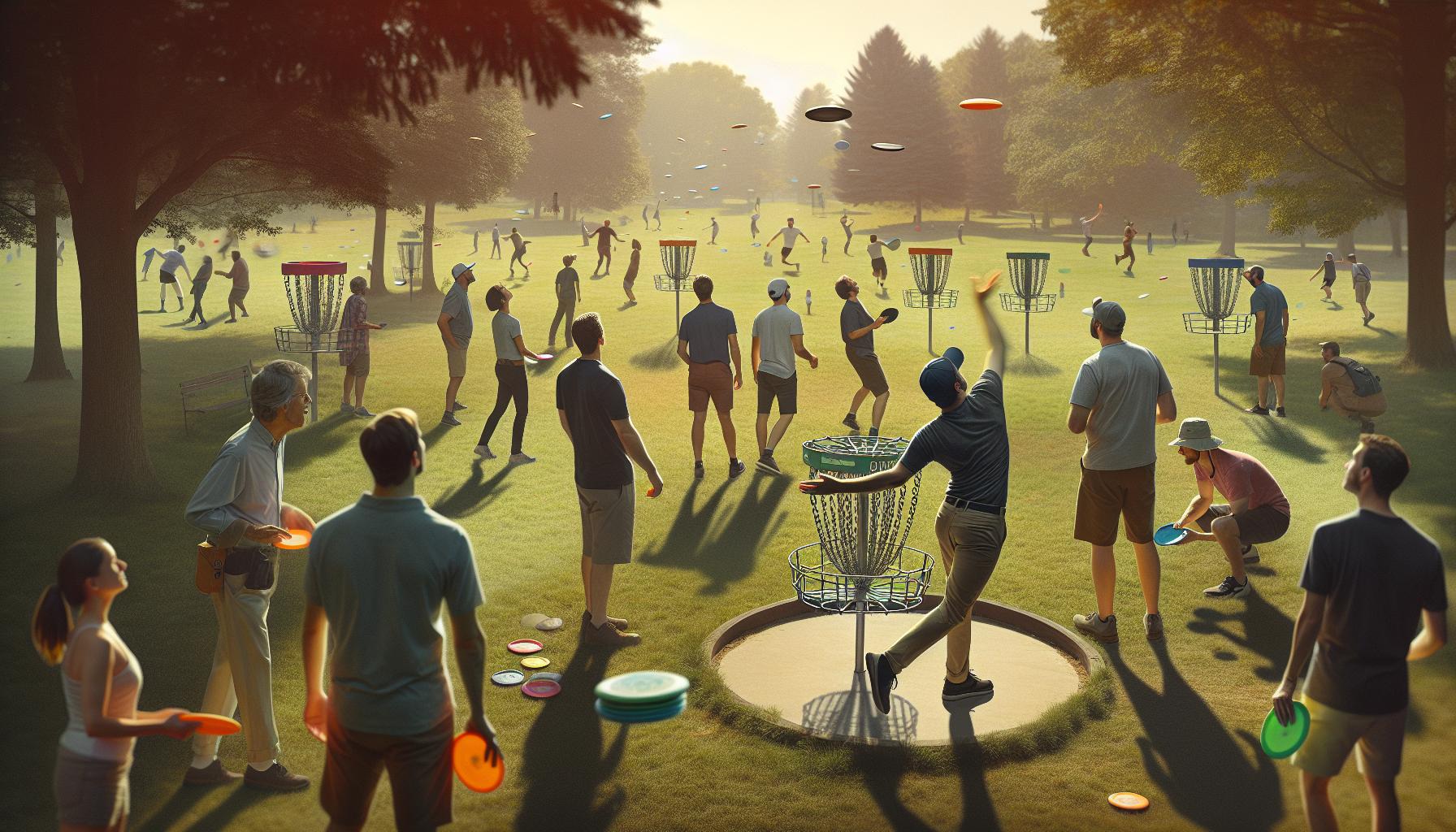
The Growth of Disc Golf: Trends and Statistics
The increasing popularity of disc golf is not just a trend; it’s a movement that reflects the growing appreciation for outdoor activities, community engagement, and accessible sports. Recent reports indicate that more than 6 million players are currently enjoying disc golf across the United States, with participation rising steadily year after year. This growth is not limited to the U.S.; around the globe, disc golf is finding new enthusiasts in countries like Finland, Sweden, and Canada, where courses are thriving and competitive play is gaining traction.
As urban and rural areas alike continue to embrace the sport, the number of disc golf courses has skyrocketed. The Professional Disc Golf Association (PDGA) reports that there are over 10,000 courses worldwide, a significant increase from just a few thousand a decade ago. This rapid course expansion is critical to the sport’s accessibility; more courses mean more opportunities for players to engage with the game in their local communities. For those considering joining this vibrant sport, the average cost to play a round is remarkably low-often free or nominally priced-making it an appealing option for families and groups of friends seeking affordable recreational activities.
Engaging with the Community
The growth trajectory of disc golf is also bolstered by professional tournaments and community events. Organizations like the PDGA are instrumental in promoting tournaments that draw spectators and participants from various regions, creating a festival-like atmosphere that showcases the sport’s competitive spirit. These events not only elevate the profile of disc golf but also foster a sense of community among players, both competitive and casual. Local clubs often organize leagues, beginner lessons, and social gatherings that help demystify the game for newcomers and provide seasoned players with opportunities to hone their skills.
As the demographic landscape shifts, efforts to promote inclusivity-such as initiatives aimed at increasing female participation and reaching out to underrepresented communities-are yielding positive results. New players are welcomed into a vibrant ecosystem that encourages learning, sharing tips, and enjoying the outdoors. The sport’s growth is further highlighted by the rise of social media communities and online resources, where players can connect, share experiences, and continue improving through e-learning platforms.
Embracing the exciting journey of disc golf comes with the promise of both fun and fitness. With its accessible entry points and supportive community, more people than ever are discovering the thrill of a well-placed throw, making disc golf not just a sport, but a lifestyle embraced by millions globally.
Comparing Disc Golf to Other Sports: Popularity Analysis
The landscape of sports participation is continually shifting, and disc golf is rapidly emerging as a compelling option for outdoor enthusiasts seeking both competition and community. As of now, there are over 6 million active players in the United States alone, showcasing a remarkable surge in interest comparable to the early days of popular mainstream sports like soccer and basketball. This growth trajectory points to a broad, diverse demographic that includes individuals of all ages and backgrounds, effectively democratizing the sport and making it accessible to many.
In analyzing disc golf’s popularity, it’s essential to consider factors such as ease of entry and low cost. Many sports require significant financial investment in equipment, facilities, or coaching, but disc golf offers a remarkable contrast. A single disc can often be purchased for less than $20, and many courses are free to play, making it an appealing choice for families and communities. This economic accessibility fosters a welcoming environment where newcomers are encouraged to try their hand at throwing a disc without the pressure of substantial financial commitment.
Moreover, the social aspect of disc golf cannot be understated. In a world increasingly drawn to social media and digital interactions, disc golf provides a physical space for building relationships and fostering community engagement. Many players partake in local leagues, tournaments, and charity events, creating a vibrant network of support and camaraderie. This sense of belonging can be a significant draw compared to more solitary or expensive activities like golfing or skiing.
As disc golf finds its place among popular sports, it will continue to evolve alongside trends in player engagement and community outreach. For those wishing to join the ranks or improve their skills, understanding simple throwing mechanics and investing in a few essential pieces of equipment can open the door to a fun and rewarding athletic experience. Whether you’re a casual thrower or a competitive player, the growing disc golf community is excited to welcome you into its fold, proving that this sport is not just a pastime but a lifestyle.
Disc Golf Courses Around the World: Exploring Locations
With over 6 million players in the United States alone, the surge in disc golf’s popularity has led to the rapid development of disc golf courses across the globe. From urban parks to scenic mountain ranges, players can enjoy this growing sport in diverse environments, making it accessible to enthusiasts no matter their location. The unique nature of disc golf courses not only provides an engaging outdoor experience but also fosters community connections and healthy competition among players of all skill levels.
Many courses are designed to blend seamlessly with their natural surroundings, offering various terrains and challenges that cater to beginners and seasoned players alike. In the U.S., the Professional Disc Golf Association (PDGA) reports that there are now over 10,000 disc golf courses, a substantial increase from just a few hundred a couple of decades ago. Notable courses include the famous Maple Hill Disc Golf Course in Massachusetts, which hosts the annual MVP Open, and the scenic DeLa Veaga in California, known for its technicality and breathtaking views. Internationally, countries like Finland and Sweden are renowned for their premier disc golf courses, often integrated into beautiful landscapes that enhance the playing experience.
For those looking to explore disc golf further, it’s beneficial to seek out local clubs and events that host course outings. Many regions also host tournaments that allow players to experience different courses, providing insights into course layouts and the strategic play necessary to excel. Whether navigating the wooded paths of a local park or tackling a championship-level course, players can gain valuable experience and meet fellow disc golf enthusiasts along the way.
Tips for Exploring Disc Golf Locations
- Research Local Courses: Utilize apps and websites like UDisc to find nearby courses, read reviews, and get directions.
- Join Local Clubs: Engaging with local disc golf clubs can enhance your experience as they often have organized events and casual meet-ups.
- Participate in Tournaments: Test your skills and learn from others by entering local competitions which can be a gateway to discovering some exceptional courses.
Investing time in understanding the intricacies of different courses, from their unique challenges to their aesthetics, can transform your disc golf journey and deepen your appreciation of this exciting sport. From relaxed rounds with friends to competitive play, disc golf courses are more than just locations; they are gateways to friendship, fitness, and fun.
The Role of Professional Tournaments in Growth
There’s no denying that professional tournaments play a pivotal role in the expansion and popularity of disc golf. Each event brings together not just competitors, but also fans, sponsors, and an ever-growing community of enthusiasts. These high-stakes competitions showcase the sport’s talents and techniques, further legitimizing disc golf as a serious athletic pursuit. With a multitude of tournaments annually, including the well-respected PDGA Championship and the European Open, players and fans alike can engage with the sport on multiple levels – from local leagues and amateur events to prestigious international competitions.
Tournaments serve as a powerful platform for players to improve their skills and gain visibility. Many professional disc golfers began their journeys in local tournaments, honing their abilities and gaining valuable experience. These events often feature varied course layouts and challenging conditions, which help competitors learn about their strengths and weaknesses. Importantly, the visibility provided by professional tournaments attracts sponsors and media coverage, which can lead to increased funding for courses and greater investment in player development programs.
Additionally, the social aspect of tournaments cannot be overstated. They cultivate a sense of community among participants and fans. Players bond over shared challenges and triumphs, whether they are competing or spectating. This camaraderie is enhanced by sponsorship deals that foster a connection between brands and the sport, ensuring that as disc golf grows, so too does the network of support for players of all skill levels.
To further your understanding of tournament play, consider attending events not just as a competitor but as a spectator. This involvement provides insight into strategies employed by top players and exposes you to different styles of play and disc selection. Moreover, investing in the latest equipment, such as specialized discs tailored for competition, can make a significant difference in performance. Staying engaged in the community and regularly participating in tournaments, whether at a local or professional level, will not only improve your game but also keep you connected to the thriving disc golf scene.
Equipment Essentials for Every Disc Golfer
The right equipment can make a significant difference in a disc golfer’s performance, whether you’re a novice throwing your first disc or a seasoned competitor preparing for a championship. In the growing world of disc golf, understanding your gear is crucial, as it not only enhances your game but also contributes to your overall enjoyment of the sport. As more people gravitate towards disc golf, being informed about the essentials will help you get the best experience out of every round.
One of the most important aspects of disc golf equipment is the variety of discs available. There are three primary types that every player should consider:
- Drivers: Designed for long-distance throws, these discs have a sharp edge and a streamlined shape. They come in various weights and speeds, allowing players to choose based on their throwing style.
- Midranges: These discs are versatile and easier to control than drivers. They are ideal for approaches and mid-range shots because they provide a balanced flight and accuracy.
- Putters: Essential for making accurate shots close to the basket, putters have a thicker edge and a more stable flight path. They are great for short distances and offer more control during putting.
When selecting discs, it’s crucial to consider their stability ratings, which indicate how the disc will perform under different conditions. Stable discs fly straight, while those with a slight turn are excellent for curve throws, and overstable discs tend to fade left or right for right-handed backhand throws. This intimate knowledge of disc flight can dramatically influence your strategy on the course.
In addition to discs, accessories like bags, towels, and markers play a role in comfortable gameplay. A good bag not only holds your discs but also provides easy access and organization. Many brands offer bags specifically designed for disc golfers, featuring compartments for different types of discs along with space for personal items. Towels are also essential, particularly during wet or humid conditions, as they help maintain grip and prevent slips.
To ensure you’re making the right choices, it may be beneficial to visit local shops or attend disc golf events where you can test various discs firsthand. Many retailers now offer demo days, providing an excellent opportunity to throw different types of discs and see how they perform. This experiential approach will help you build a disc collection suited to your playing style, improving your game as you grow within this vibrant community.
As disc golf continues to expand globally, new innovations in equipment and technology will likely emerge, enabling players at all skill levels to refine their techniques and strategies further. Keeping an eye on the latest gear and participating in the community through clubs and events will not only enhance your experience but also contribute to the sport’s ongoing growth and popularity.
Techniques for Improving Your Disc Golf Game
The art of throwing a disc may seem straightforward, but mastering the various techniques can elevate your game significantly, whether you’re just starting out or competing at a higher level. One of the first steps to improve your disc golf game is to understand the fundamental mechanics of throwing. A solid throw begins with your grip; a proper grip helps create a consistent release and spin. For beginners, the power grip, which involves holding the disc tightly with all four fingers underneath and the thumb on top, can provide a good foundation. As you advance, you may explore different grips like the fan grip or the modified power grip to achieve various flight patterns.
Another vital aspect is your stance and footwork. The *X-step* is widely used among experienced players for a reason; it helps generate momentum and transfer your body’s energy into the throw. Start from a balanced open stance, push off with your back foot, and pivot on your front foot as you bring the disc back. Practice this step repeatedly to refine your timing and balance. Remember, your aim with each throw should not only be distance but also precision. This is particularly important for approach shots and putting, where control often outweighs sheer power.
Disc Flight and Strategies
Understanding the flight characteristics of your discs is crucial for improving your gameplay. Each disc type has unique stability ratings-whether it’s stable, understable, or overstable-and knowing how these discs perform under various conditions can dramatically influence your strategy on the course. For instance, using a stable driver for a straight throw and an understable midrange disc for a controlled turnover shot provides versatility in your arsenal. Spend time experimenting with your discs to learn their flight paths during practice rounds; this will help build confidence in your decision-making during competition.
Practice and Community Engagement
Regular practice should be coupled with community engagement. Join local disc golf clubs or attend throw sessions where you can gain insight from more experienced players. These interactions not only enhance your skills but also deepen your appreciation for the sport. If you attend competitions, observe the techniques of professional players-notice how they handle pressure, strategize shots, and adapt their techniques mid-game. Such experiences can greatly enrich your understanding and execution of advanced disc golf techniques.
Finally, consider documenting your throws, perhaps with video analysis, to identify areas for improvement. Sometimes watching yourself can reveal subtle mistakes that you might not notice while playing. Combine these insights with knowledge from community members, and your gameplay will evolve rapidly, allowing you to play not just for fun but also as a serious athlete. Each skill you develop contributes to the broader momentum of disc golf as a rapidly growing sport, welcoming newcomers while fostering a competitive spirit.
Community Impact: Disc Golf Clubs and Events
The surge in disc golf participation has not only transformed the sport into a widely recognized recreational activity but also created vibrant communities across the world. With more than 8 million disc golfers estimated globally, disc golf clubs and events are at the heart of this growth, providing platforms for players of all ages and skill levels to connect and compete. These clubs are more than just groups of players; they foster a sense of belonging and camaraderie that is essential for newcomers and seasoned players alike.
Local clubs often organize events such as leagues, tournaments, and casual meets, promoting friendly competition while encouraging skill development and social interaction. For instance, many clubs host weekly leagues that cater to varying skill levels, where players can enjoy the game in a relaxed, encouraging environment. This accessibility has been crucial for attracting new players, many of whom may be intimidated by more formal competition structures. Moreover, these clubs play a vital role in education, offering clinics and workshops that teach the fundamentals of gameplay, including proper throwing techniques, disc selection, and course strategy.
The Role of Events in Community Building
Events, both large and small, contribute significantly to the community’s vibrancy. Major tournaments, such as the Disc Golf Pro Tour, not only showcase elite talent but also draw significant spectator and media attention, elevating the sport’s profile. These events often include side activities like clinics with professional players, which further engage fans and aspiring players. Additionally, smaller, local tournaments create opportunities for players to test their skills in a competitive setting without the pressure of large-scale events.
Involvement in a disc golf community also extends beyond mere participation; many players find themselves volunteering for club activities, helping with course maintenance, or even organizing events. This sense of ownership and responsibility fosters a healthier and more sustainable disc golf environment, encouraging members to take pride in their local courses. Clubs frequently collaborate with parks and recreation departments to host clean-up days and fundraisers, strengthening community ties and promoting environmental stewardship, which aligns with disc golf’s inherently outdoor nature.
The growing presence of disc golf clubs and events underlines the sport’s appeal and inclusivity. Whether you’re a newcomer eager to learn or a seasoned competitor looking for your next challenge, engaging with your local disc golf community can make a substantial difference in your experience. By providing support, camaraderie, and a shared passion for the game, disc golf clubs help sustain the sport’s remarkable growth, ensuring that its rich culture continues to thrive for years to come.
The Future of Disc Golf: Predictions and Opportunities
The forecast for the future of disc golf is increasingly bright, with participation numbers projected to surge even further as the sport garners attention globally. With an estimated 8 million disc golfers around the world, trends indicate that we could see this number double in the next decade, particularly with the rise of youth programs and growing support from organizations focused on promoting the sport at the grassroots level. Communities are recognizing the value of disc golf not just as a recreational activity but as a means to enhance public spaces and foster a culture of health and wellness.
Several pivotal trends are evident in disc golf’s trajectory. One of the most significant is the development of youth programs. Schools and local clubs are introducing disc golf into physical education curricula, helping to instill a love for the game at an early age. Additionally, initiatives like “Disc Golf for Kids” are being implemented, creating accessible opportunities for young players to learn skills and compete within their age brackets, thus ensuring a steady influx of new talent and enthusiasm into the sport.
The prevalence of professional tournaments is another vital factor pushing disc golf into mainstream recognition. Events like the Disc Golf Pro Tour are spotlighting top athletes and drawing substantial media coverage, which significantly elevates interest in the sport. As more sponsors come on board-providing funding for events and player support-we can expect better facilities, higher-profile tournaments, and an ever-greater influx of talent. This professional infrastructure not only aids current players but also attracts newcomers who aspire to compete at higher levels.
Technology will also play a key role in the future of disc golf. Innovations in disc design and the introduction of advanced materials are allowing players to enhance their game. Additionally, apps and software dedicated to round tracking, course mapping, and even virtual competitions are making the sport more engaging and accessible. Moving forward, the ability to leverage these technologies will enable players of all skill levels to improve their game and enjoy an enriched playing experience.
Finally, as disc golf continues to permeate different cultures and communities, it stands poised for further growth. With a reach extending into urban environments where traditional sporting spaces may be limited, disc golf’s adaptability allows it to thrive anywhere-from city parks to school playgrounds. As we celebrate the sport’s achievements so far, there is a palpable excitement about the innovations and opportunities on the horizon that promise to make disc golf an even more integral component of the global sports landscape.
Challenges Facing the Disc Golf Community
Amidst the exciting growth of disc golf, the community faces several challenges that could impact both its development and sustainability. One significant hurdle is the limited availability of courses. As interest in the sport surges, the demand for well-maintained and appropriately designed disc golf courses is greater than ever. Many regions still lack sufficient facilities to accommodate both new and existing players, which can lead to overcrowded courses and diminishing experiences for all. Local clubs and organizations must push for community support and municipal investment to build and maintain these essential resources.
Another pressing issue is the need for education and outreach about disc golf. While the sport is gaining traction, misconceptions about its accessibility and athleticism still persist. Many newcomers may feel intimidated by the competitive nature of disc golf, overshadowing its welcoming community spirit. By emphasizing the inclusive and recreational aspects, advocates can attract a more diverse range of participants. This could include organizing local “Learn to Play” events or beginner-friendly tournaments, fostering an environment where enthusiasm can flourish alongside competitiveness.
Moreover, the sport is grappling with environmental concerns. As disc golf courses are often situated in natural settings, there is a need for proper stewardship to protect these areas. Trash accumulation, disruption of local wildlife, and course sustainability necessitate responsible management practices. Engaging local conservation groups and promoting sustainable course design can not only preserve the environment but also enhance community relations, making disc golf a holistic approach to outdoor recreation.
Lastly, funding and sponsorship present ongoing challenges. While the growth of professional tournaments has attracted attention, many smaller events and grassroots initiatives struggle financially. Building relationships with local businesses and creating sponsorship packages can help secure necessary resources while promoting community involvement. As the disc golf landscape evolves, it’s crucial for the community to navigate these challenges proactively, ensuring that the sport continues to thrive for generations to come.
Engaging strategies not only combat these issues but also enhance the overall experience for players of all ages and skill levels, making disc golf an even more inviting sport.
Contributions of Technology to Disc Golf Growth
As disc golf continues to surge in popularity around the globe, technology plays a pivotal role in shaping the experience of players and broadening the sport’s appeal. From advanced disc manufacturing techniques to comprehensive apps that track performance, the integration of technology not only enhances gameplay but also fosters a vibrant community and supports the growth of the sport.
One of the most noticeable contributions of technology is in the design and production of discs themselves. Modern materials and manufacturing processes allow for highly specialized discs that optimize flight characteristics such as distance, stability, and grip. Players can access a diverse range of discs tailored for different throwing techniques and conditions, making the game more accessible to beginners while allowing seasoned competitors to refine their strategies. For instance, beginner-friendly putters and mid-range discs are designed with more stability, helping newcomers achieve greater control and confidence.
Mobile applications and online platforms have also transformed how players engage with disc golf. Apps like UDisc and Disc Golf Metrix provide features for score tracking, course mapping, and even player statistics analysis. These tools not only help users improve their skills through detailed performance insights but also encourage friendly competition within the community. With features like course reviews, player ratings, and event scheduling, technology has effectively shrunk distances, connecting disc golf enthusiasts worldwide.
Moreover, social media platforms significantly boost visibility for tournaments and local events, catalyzing participation. Streamed competitions and highlight reels draw attention to top players and inspire new fans to pick up the sport. This online presence empowers clubs to organize events and engage with local communities, fostering growth at grassroots levels.
In conclusion, as technology continues to evolve, its role in disc golf growth will likely expand, making the sport increasingly accessible and enjoyable. By embracing these advancements, players can not only enhance their skills but also contribute to the collective growth narrative of a sport that is welcoming to all, regardless of experience level. Whether you’re a casual player or a competitive athlete, the future of disc golf is bright, paved by innovative solutions that enhance every throw.
Faq
Q: How many people play disc golf worldwide?
A: As of 2023, there are approximately 5 million disc golfers globally. This number has grown significantly as disc golf gains popularity, particularly in North America and Europe. Community events and increased media coverage are driving participation rates upward.
Q: What factors contribute to the growth of disc golf?
A: The growth of disc golf is driven by factors such as accessibility, affordable equipment, and rising interest in outdoor activities. Many parks now include disc golf courses, making it easier for newcomers to try the sport, which enhances local communities’ engagement.
Q: What is the demographic profile of disc golfers?
A: Disc golfers are primarily male, aged 18 to 35, but participation among women and older adults is increasing. The sport appeals to a wide range of skill levels and backgrounds, fostering a diverse community that embraces all players.
Q: How does disc golf compare to traditional golf in terms of growth?
A: Disc golf is experiencing a surge in popularity, outpacing traditional golf due to lower costs and fewer time commitments. While traditional golf has seen a decline in participation, disc golf’s growth suggests a shift in recreational preferences.
Q: What role do professional tournaments play in disc golf’s growth?
A: Professional tournaments significantly boost the visibility of disc golf and inspire novices to participate. These events showcase elite players and draw media attention, which helps to attract new players and sponsors.
Q: Are there more disc golf courses being built globally?
A: Yes, the number of disc golf courses is on the rise, with thousands of new courses established each year. This expansion supports growing interest and participation, providing more opportunities for enthusiasts to play.
Q: How can beginners get started in disc golf?
A: Beginners can start playing disc golf by visiting local courses, where they can often rent or borrow discs. Joining community clubs or attending introductory clinics can further enhance their skills and encourage social interaction.
Q: What are the main challenges facing disc golf today?
A: Challenges include land access for courses, competition from other sports, and maintaining player interest. Addressing these issues requires community engagement and promoting the unique benefits of disc golf to potential players.
To Wrap It Up
As we’ve explored, disc golf is witnessing remarkable growth with millions participating worldwide. This surge not only highlights its appeal as a recreational activity but also positions it as a competitive sport deserving recognition. If you’re passionate about disc golf or looking to dive deeper into this vibrant community, don’t miss out on our comprehensive guides on disc flight characteristics and throwing mechanics [insert relevant internal links].
Now is the perfect time to get involved-whether by picking up your first disc or joining a local tournament. Have questions or insights to share? We encourage you to comment below and connect with fellow enthusiasts! For ongoing updates and expert tips, consider subscribing to our newsletter. Let’s continue celebrating this fantastic sport together-join us on the journey!
Get our latest guides, news, and insights highlighted in your Google Search & AI Overviews.