
Have you ever wondered what it costs to step into the world of disc golf? This rapidly growing sport not only offers a fantastic way to enjoy the outdoors but also comes with surprisingly accessible pricing for enthusiasts at all levels. From beginner-friendly discs to competitive gear, understanding the financial aspects of disc golf can help you make informed decisions and enjoy this rewarding sport more fully. In this guide, we’ll break down the costs associated with everything from equipment to course fees, ensuring that you can hit the basket without breaking the bank. Whether you’re looking to play casually or dive into serious competition, knowing how to budget effectively can enhance your overall experience. Let’s explore how much you can expect to invest in your disc golf journey!
How Much Do Disc Golf Discs Cost? A Breakdown of Options
The cost of disc golf discs varies widely based on factors like brand, type, and material, making it an accessible sport for all budgets. Beginning players can typically expect to pay between $10 to $25 for a basic disc, while more specialized options, like those used by advanced competitors, can reach prices of $30 to $40 or more. This range allows newcomers to get started without a heavy financial commitment while offering seasoned players the chance to invest in high-performance discs that suit their throwing styles.
When purchasing discs, it’s important to consider the different types available, including drivers, midranges, and putters. Each type has its own price spectrum; for instance, drivers may be slightly more expensive due to their design and manufacturing complexity. Furthermore, limited edition or specialty discs, often produced by well-known brands, can command even higher prices due to their collectors’ appeal. For those starting out, buying a few discs from the mid-range price point typically provides a good balance between cost and performance, allowing beginners to learn the nuances of disc flight and handling without breaking the bank.
Comparison of Disc Types and Costs
| Disc Type | Price Range | Best For |
|---|---|---|
| Drivers | $10 – $30+ | Long-distance throws |
| Midranges | $10 – $25 | Versatile throws, accuracy |
| Putters | $8 – $20 | Short-range, precision |
| Specialty/Collectible Discs | $20 – $75+ | Collectors, advanced players |
Finding the right disc suited to your skill level and play style is key to enjoying the sport. With such a variety of options, players can tailor their purchases to fit both their budget and their ambition in the game, reflecting the community’s welcoming spirit and dedication to growth in skill and enjoyment.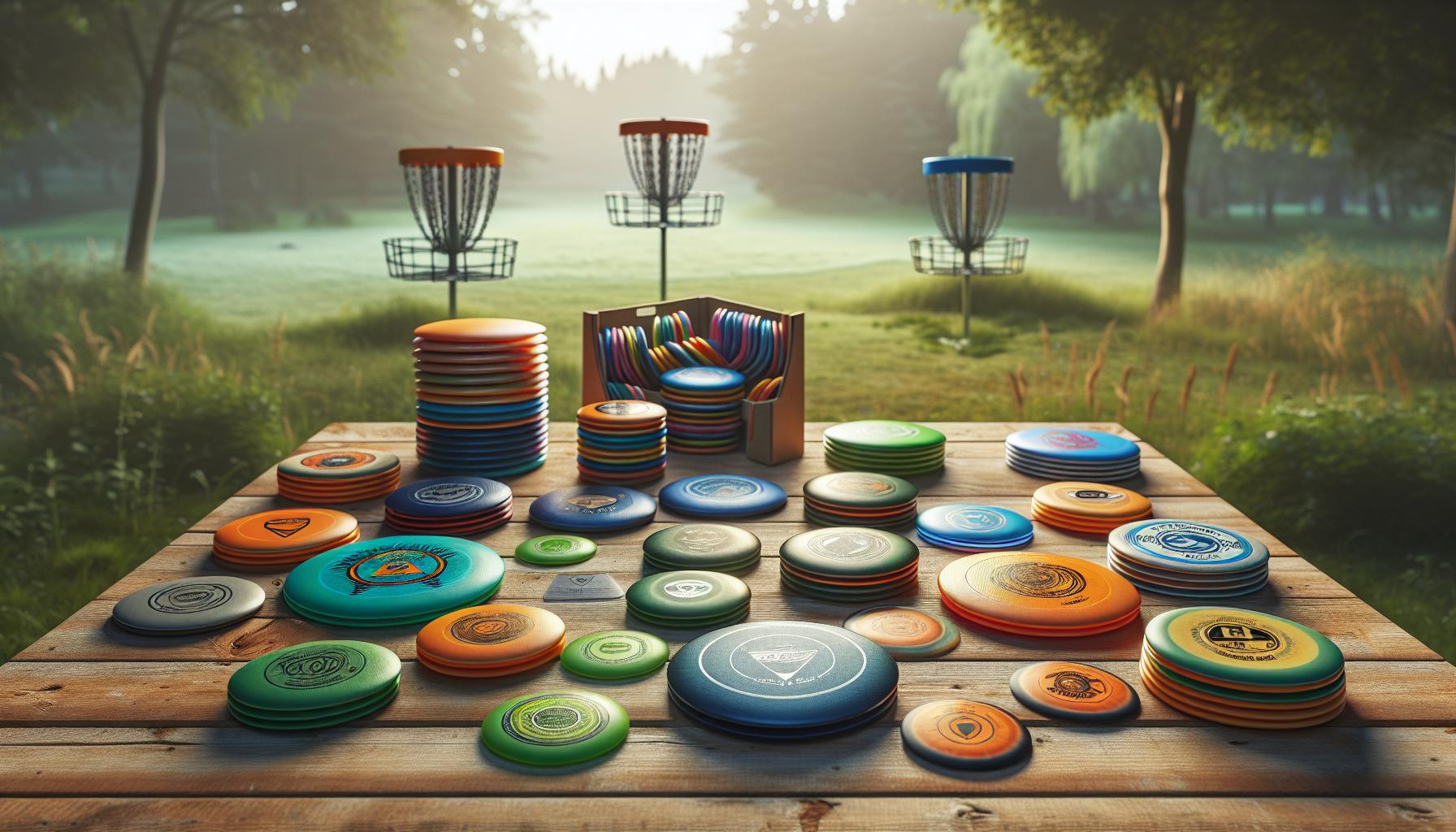
Pricing for Disc Golf Baskets: What You Need to Know
Investing in a disc golf basket can elevate your practice sessions and enhance your overall experience in the sport. While many players flock to local courses, having your own basket for backyard use or casual meetups with friends provides the convenience of practicing anytime. Understanding the pricing and options available is essential for making a solid investment.
Disc golf baskets generally range in price from around $100 to $500, depending on quality, durability, and features. At the lower end, budget-friendly options often include portable and collapsible models that are great for casual players or families looking to enjoy the game in their backyard. These baskets typically weigh less and are easy to transport but may not withstand harsh weather conditions over time. Conversely, premium-level baskets are constructed from robust materials, often featuring heavier chains and a more professional design that provides excellent stability and consistent playability. These are particularly suited for serious players or those looking to set up a course in their community.
When considering your purchase, think about factors such as durability, assembly time, and whether you want a portable or permanent option. Here are a few points to help compare different styles and their respective costs:
Types of Disc Golf Baskets and Price Ranges
| Type | Price Range | Best For |
|---|---|---|
| Portable Baskets | $100 – $250 | Casual play, easy transport |
| Mid-range Baskets | $250 – $400 | Regular use, backyard setups |
| Professional Baskets | $400 – $500+ | High-level practice, tournaments |
Before making your purchase, consider your level of commitment to the sport. If you’re just starting, a portable basket may suffice, whereas seasoned players may want to invest in a more durable and professional basket that replicates the experience found on official courses. By investing wisely in a disc golf basket, you’ll not only improve your skills but also enrich your engagement with the sport, making it a worthwhile addition to your disc golf journey.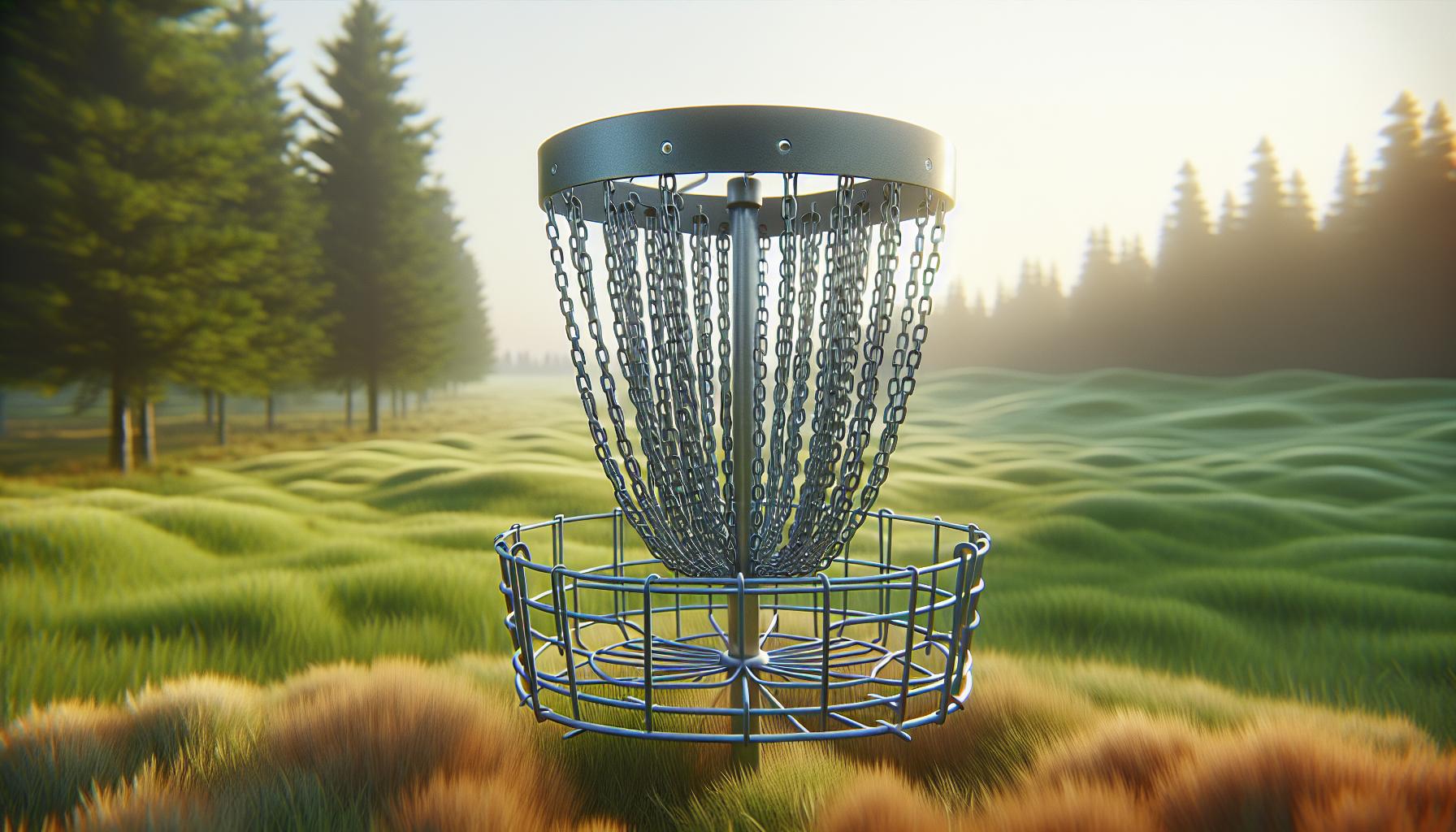
Essential Accessories for Disc Golf: Budgeting Your Setup
When diving into the vibrant world of disc golf, investing in the right accessories can greatly enhance your experience without breaking the bank. While many newcomers may focus solely on discs and baskets, overlooking essential gear could lead to missed opportunities for improvement and enjoyment on the course. Each accessory serves a purpose that contributes to skill development and simplifies your play, making it crucial to budget wisely.
One of the most important items for any player is a reliable bag. Disc golf bags come in various styles and price ranges, from budget-friendly options around $30 to higher-end models exceeding $100. Look for features like padded straps for comfort, ample storage compartments, and durability to withstand outdoor conditions. Many players prefer bags that fit a specific number of discs, ranging from 5 to 30+, depending on their playing style. Investing in a quality bag can make transporting your gear more manageable and keep your discs protected.
Additionally, consider investing in accessories like towels, water bottles, and markers. A simple towel is invaluable for keeping your discs clean and dry, which is essential for maintaining optimal grip and throwing accuracy, especially in changing weather conditions. Quality water bottles ensure you stay hydrated during rounds, enhancing your endurance and focus. Marker discs for indicating your lie can help you maintain good etiquette on the course, and they often come in sets that are very affordable.
Finally, don’t underestimate the importance of a good pair of shoes designed for comfort and traction. A shoe that offers good grip can exponentially improve your stability and footwork, essential components of any successful throw. While you can find decent options for around $50, investing more in a durable, specialized shoe could yield long-term benefits, especially for regular players.
In sum, while the costs of accessories might seem minor compared to larger investments like discs and baskets, they collectively contribute to a more successful and enjoyable disc golf experience. By budgeting for these necessities, you set yourself up for progress and deeper engagement with this growing sport. The combination of proper gear, practice, and passion will continue to drive your journey toward becoming an accomplished disc golfer.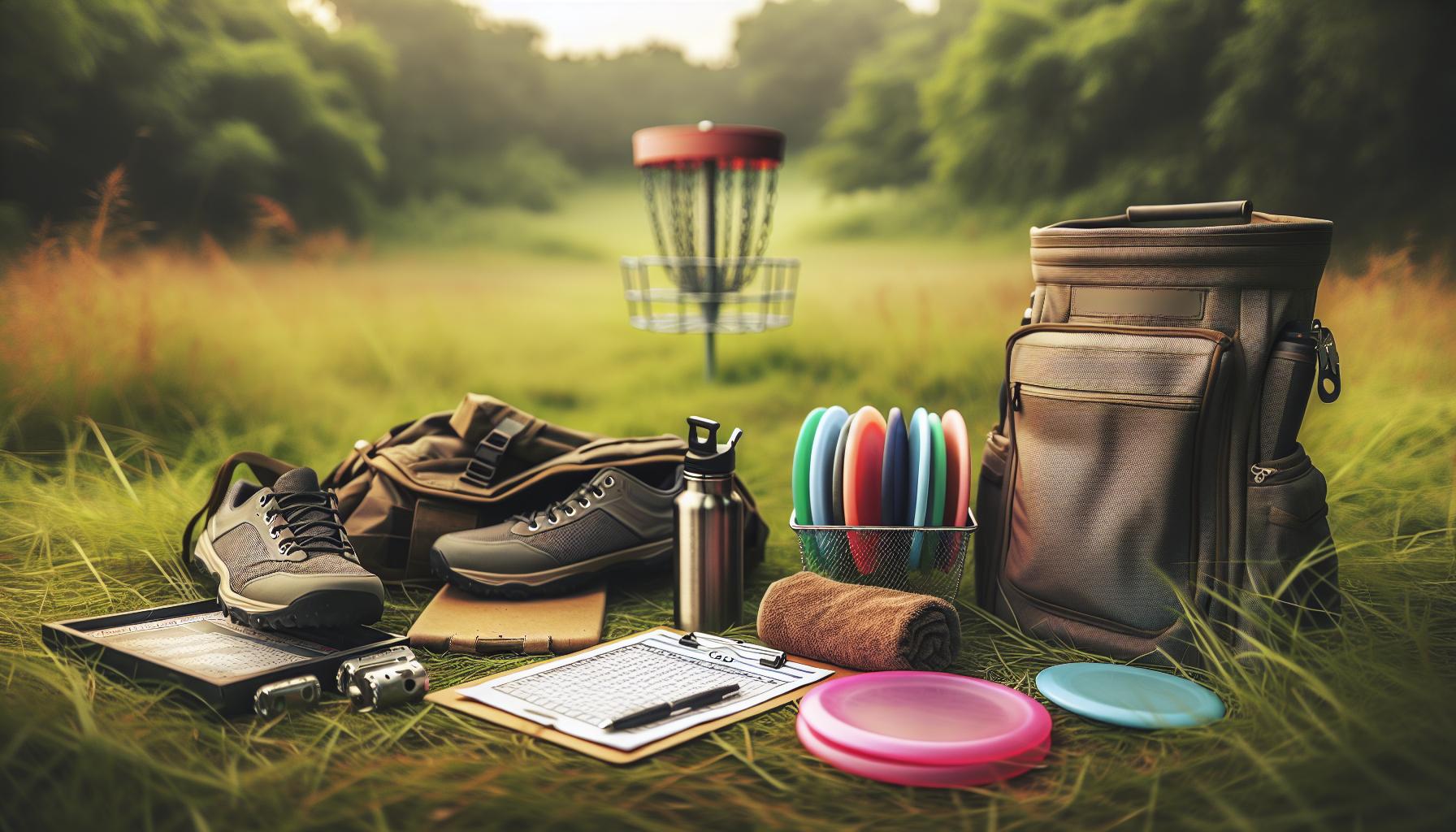
Understanding Course Fees: Public vs. Private Courses
While exploring the fantastic world of disc golf, one crucial element to consider is the cost associated with courses, as it can dramatically affect your overall budget for the sport. Disc golf is unique in that it offers both public and private course options, each with its own fee structure and community vibe. Understanding these differences can help you choose the right courses for your playstyle and budget.
Public courses tend to be the most widely accessible and often feature minimal fees, typically ranging from free access to a modest fee of $5 to $10 per visit. These courses are funded through community parks and recreation budgets, making them a great option for newcomers and casual players. Many public courses also sponsor casual tournaments or leagues, fostering a welcoming atmosphere for players of all skill levels. In addition, public courses frequently provide various amenities like restrooms and picnic areas, enhancing the experience for friends and families.
On the other hand, private courses might require a bit more investment. Membership fees can vary significantly, ranging anywhere from $50 to several hundred dollars annually, depending on the club’s prestige and facilities offered. Private courses often boast expertly designed layouts, well-maintained grounds, and exclusive events, providing an elevated level of play and community engagement. Many competitive players prefer private courses for their structured tournaments and leagues, which can also add to the overall cost incurred but often lead to higher-level competition and networking opportunities.
Ultimately, when planning your disc golf outings, consider both the financial implications and the community benefits each type of course offers. Whether you choose to frequent public spaces for casual laughs or private clubs for serious play, the experience should align with your personal goals and enjoyment of the game. Balancing costs and being mindful of the unique offerings at each course can help enhance your journey as a disc golfer, allowing you to embrace the sport’s camaraderie and competition alike.
Traveling for Disc Golf: Costs of Tournaments and Events
When venturing into the world of disc golf tournaments and events, understanding the costs associated with traveling can significantly impact your budget and overall experience. Tournament fees can vary widely, typically ranging from $20 to $100 for entry, depending on the event’s prestige and location. Larger, more competitive tournaments, such as those affiliated with the PDGA (Professional Disc Golf Association), often command higher fees, but they can also offer greater prize pools and more extensive competition.
Travel expenses add a layer of complexity to budgeting for tournaments. Considerations include transportation, accommodation, and food. If you’re traveling out of state or across the country, flight tickets can vary significantly based on distance and season, and road trips come with their own set of costs, including gas and wear on your vehicle. Budget hotels or campgrounds can help mitigate lodging costs, but it’s wise to book early during popular tournament seasons to avoid inflated prices.
To make the most of your travel budget, plan ahead. Here are some practical tips to consider:
- Carpool: Sharing rides with fellow players can reduce travel expenses significantly.
- Stay with Friends: If you have friends or disc golf community contacts in the area, see if you can stay with them.
- Pack Meals: Bringing snacks or meals can help you save on food, which adds up quickly during multi-day events.
- Look for Early Bird Registration: Some tournaments offer discounts for early sign-ups, which can save you money down the line.
Engaging in tournaments also introduces other potential costs, such as merchandise, professional coaching clinics, or side games. Many players find value in these opportunities, enhancing their skills and expanding their networks. As you plan your travels, balance these expenses against the potential benefits, weighing your desire for competition and experience against your budget constraints. By approaching your tournament travel with a well-structured budget and clear priorities, you can fully embrace the passion and community spirit that makes disc golf such a vibrant and growing sport.
Maintaining Your Equipment: Long-Term Expenses Explained
Maintaining your gear in disc golf isn’t just about keeping your discs clean; it’s a crucial aspect of preserving performance and managing long-term expenses. Just like any sport, investing in the upkeep of your equipment can pay off in the form of better play and potentially extended life of the gear, saving you from frequent replacements. Regular maintenance can help avoid unexpected costs that may arise from damaged or worn equipment.
One essential consideration in gear maintenance is the condition of your discs. Discs wear out over time, losing their intended flight characteristics. A new driver might start off with a specific glide and stability, but as it gets scuffed or warped through use, you might find it no longer performs as you expect. This degradation means you may need to replace your discs more frequently than anticipated, which can add up. Budgeting for one or two new discs per season, depending on your frequency of play, can prevent unpleasant surprises.
Storage and Care
Proper storage is fundamental to preserving your discs and other equipment. Consider these best practices:
- Keep discs out of extreme temperatures: Storing discs in a hot car can warp them.
- Use protective cases: Investing in quality bags or cases can help shield your discs from impact and UV damage.
- Clean discs regularly: Simple soap and water can remove dirt and debris, helping maintain grip and flight performance.
Taking care of your bag and accessories, such as your disc retriever or towel, is also important. These items might seem small, but wear and tear here can lead to additional costs if they have to be replaced. Regular checks can help you identify any repairs or replacements needed before they become urgent.
Total Cost Considerations
It’s also smart to evaluate the overall financial impact of your gear maintenance. Setting aside a small amount each month for maintenance-perhaps $10 to $20-can provide a safety net for replacing fragile items or making necessary upgrades without derailing your budget. This proactive approach not only spreads costs over time but also encourages you to think about longevity in your disc golf journey, making maintenance an integral part of being a responsible player.
By adopting good habits and being mindful of how you treat your equipment, you can enhance your enjoyment of the game while minimizing the financial impact of maintaining your gear. After all, each disc and accessory contributes to your unique play style, and maintaining it well ensures you play at your best.
Comparing Brands: Are Higher Prices Worth It?
When looking to invest in disc golf discs, one of the most pressing questions players face is whether to spend more on higher-end brands or stick with budget-friendly options. The decision can significantly influence your game experience, making it a vital consideration for both newcomers and seasoned players. Premium brands like Innova and Discraft often promise superior materials, innovative designs, and refined flight characteristics that can enhance performance on the course. But are these advantages worth the investment?
Higher-priced discs typically offer carefully engineered designs that cater to specific throwing styles and conditions. For instance, a disc branded as a “distance driver” may have a unique combination of weight, stability, and aerodynamics that enhances your ability to throw far and straight. Experienced players often endorse certain models because they’ve tested the differences in performance and found that a higher cost can mean greater consistency in flight paths and in handling wind conditions. This can be particularly important in competitive settings where every throw counts.
On the other hand, budget options can still provide excellent performance for casual players or those new to the sport. Many less expensive brands offer decent quality discs that can perform well with the right technique. For newcomers, investing heavily in expensive discs right away may not be necessary, as part of the learning process involves discovering which types you prefer and how to utilize them effectively. Additionally, as you develop your skills, you might find that your preferences evolve, meaning that an initial investment in high-end gear may not be the best use of your funds.
Ultimately, the key to determining if the price is justified lies in your personal goals and commitment to the sport. If you’re serious about improving your skills and competing, allocating a budget for premium discs can lead to better performance and, consequently, more enjoyment on the course. For those who play recreationally, there are plenty of affordable options that provide great value without breaking the bank. It all comes down to balancing your budget with your playing goals and trying out different options until you find what works best for you.
Joining a Disc Golf League: Membership Costs and Benefits
Joining a local disc golf league opens up a vibrant community of like-minded enthusiasts and serious competitors, making it an excellent way for players of all skill levels to enhance their game while having fun. Many leagues charge a nominal membership fee, typically ranging from $20 to $50 a season, which often covers essentials like league administration, event organization, and sometimes even your entry into tournaments. In addition to this fee, many leagues also collect a small fee for each weekly round you play, generally between $5 and $10. This price often includes ace pools or other prize pots that can make your league experience even more exciting.
The benefits of joining a disc golf league extend beyond just the competitive aspect. First and foremost, players gain access to structured play, which can significantly enhance your skills through consistent practice and friendly competition. Participating in league play encourages you to develop various throwing techniques and strategies that you might not refine during casual rounds. Moreover, many leagues host educational clinics or workshops featuring experienced players or local pros who provide insights on improving your form, mastering disc selection, and understanding course management.
Being part of a league also fosters camaraderie; it’s not just about competition-it’s about community. You’ll meet players of different skill levels who can provide support, tips, and encouragement, making the sport more enjoyable and less isolating. This connection can lead to lasting friendships or partnerships for tournament play, vastly enriching your disc golf experience. Some leagues even organize social events, which strengthen bonds and create an inclusive atmosphere that celebrates the sport.
Additionally, for serious competitors, league play often serves as a stepping stone to more competitive tournaments. Regular participation not only helps you build your skills but also helps you adapt quickly to various pressures encountered in tournament settings. Many players report that their league experiences significantly improve their competitive edge, as regular match play can help develop a player’s mental game alongside their technical skills. So, while there are costs associated with membership and play, the return-both in skill improvement and community connection-can be invaluable.
Tips for Saving Money on Disc Golf Gear
In the enthusiastic world of disc golf, players often find themselves curious about how to maintain their love for the game without breaking the bank. With new discs, bags, and accessories constantly hitting the market, costs can add up quickly, but there are numerous strategies to keep your expenses in check while still enjoying the sport.
One effective way to save is by taking advantage of sales and seasonal discounts. Many retailers offer sales during major holidays or at the end of the season, providing a great opportunity to stock up on essential gear. Besides traditional stores, don’t overlook online marketplaces and dedicated disc golf retailers, which often have clearance sections where you can snag great deals on slightly older models or overstock items. Additionally, consider following your favorite brands and retailers on social media; they frequently announce exclusive promotions or flash sales that can lead to significant savings.
Another smart approach is to explore the second-hand market. Websites, forums, and community groups about disc golf often have sections for buying and selling used equipment. Players continually upgrade their gear, which means you can find gently used discs and bags at a fraction of the original price. When purchasing second-hand items, make sure to check the condition, especially for discs, which can wear down over time. It’s also a good idea to ask the seller about the disc’s flight characteristics, as worn discs might not perform as expected.
Additionally, investing in multi-disc sets can save you money in the long run. Many brands offer bundle packages that include various discs designed for different throws-drivers, mid-range discs, and putters-at a lower total price than if purchased separately. This way, you can build your collection with essential discs while also ensuring that you have the right tools for a variety of shots.
Finally, participate actively in your local disc golf community. Engaging with fellow players not only enhances your game through shared knowledge and tips but can also lead to opportunities to borrow or trade gear. Many disc golf leagues or clubs organize events where members can exchange equipment, allowing you to try out different discs without any financial commitment.
In conclusion, while investing in disc golf gear is necessary for enhancing your gameplay, following these strategies can significantly reduce costs and ensure you keep enjoying the sport without feeling the financial squeeze. Whether you’re a seasoned competitor or a casual newbie, these tips can help you play smartly and economically.
Second-Hand Disc Golf Equipment: Pros and Cons
The pursuit of disc golf can often lead players to explore various avenues to save money, and one of the most appealing options is the purchase of second-hand equipment. Buying used discs and gear can be an excellent way to build your collection without the financial burden that comes with buying new. However, it’s essential to weigh the pros and cons carefully to make informed decisions that will enhance your game without compromise.
Benefits of Second-Hand Equipment
Opting for second-hand equipment allows players to tap into a broader selection of gear, often at drastically reduced prices. For example, many seasoned players sell their gently used discs when transitioning to newer models. This creates a unique opportunity for newcomers to acquire high-quality discs that may have been barely used at a fraction of the retail price. Additionally, by purchasing second-hand, you can find unique discs that may no longer be available in stores. Local communities and online forums often host classified sections where players can buy and sell, making it relatively easy to find good deals.
Moreover, buying used can lead to cost-effective experimentation. As different disc flights and variations become more relevant to your playing style, exploring the second-hand market allows you to try out multiple options without making a significant financial commitment. It’s an excellent method for beginners to understand their preferences in terms of weight, stability, and overall performance of different disc models, ultimately leading to smarter purchasing decisions in the future.
Considerations and Risks
On the flip side, purchasing second-hand equipment comes with its own set of challenges. One of the main concerns is the condition of the gear. Discs wear down over time, affecting their flight characteristics, distance, and overall performance. If you’re not careful, you might end up buying a disc that’s too worn for optimal use or one that does not perform as advertised. Always ask the seller detailed questions about the disc’s history and check for signs of wear, such as scuff marks, deep scratches, or warping.
Another risk is the uncertainty of flight characteristics. Discs change with use, and a previously owned disc may not behave the same way it did when new. For experienced players, this might not be much of a concern, but beginners might struggle to understand how the failure to achieve a manufacturer’s flight ratings could affect their performance. It’s often helpful to seek advice from community members who can help assess the quality and suitability of used discs for different skill levels.
In conclusion, the decision to invest in second-hand disc golf equipment hinges on understanding both the valuable opportunities it presents and the potential pitfalls involved. By being proactive and informed in your purchasing choices, you can significantly enhance your disc golf experience while keeping costs manageable as you navigate this exciting sport.
A Beginner’s Guide to Investing in Disc Golf
Investing in disc golf can be an exhilarating journey, especially for newcomers eager to immerse themselves in this vibrant community. With the sport’s rapid growth over the past few years, understanding the financial commitment involved is crucial for both casual enthusiasts and competitive players. From the cost of discs to baskets and additional gear, getting a clear picture of what to expect can enhance your experience and help you make informed choices as you start your disc golf adventure.
When considering your investment, it’s helpful to begin with a basic setup. A starter kit typically includes a few discs-usually a driver, midrange, and putter-ranging from $30 to $60. Brands like Innova, Discraft, and Dynamic Discs offer a variety of options suited for different skill levels and throwing styles. As you progress, you might want to experiment with different disc types to find the ones that match your throwing mechanics and preferences. It’s common for players to have multiple discs in their bag, each designed for specific shot types, fattening the investment over time.
One of the most significant costs in disc golf comes from purchasing a basket for practice and playing in your backyard or local community. Prices for portable disc golf baskets can range from $100 to over $300, depending on the model and brand. Investing in a quality basket offers the convenience of practicing at your leisure, which is invaluable for honing your skills. Additionally, be aware of course fees when playing at public or private courses; these can vary widely-while some public courses are free, private ones may charge $5 to $20 per round.
Essential Accessories and Long-Term Considerations
Along with basic equipment, consider investing in accessories like a sturdy bag, which can cost between $30 and $100, and items such as towels, hydration gear, and travel aids. These accessories enhance your gameplay and contribute to a more enjoyable experience on the course. Remember, though, that maintaining your equipment will incur ongoing costs, including occasional disc replacements and other gear repairs.
For beginners, focusing on quality over quantity in both discs and accessories is key. As you develop your skills, you’ll learn more about which types of discs provide the best results for your throw style and preferences. Additionally, engaging with your local disc golf community can lead to valuable insights and tips, as well as opportunities to buy, sell, or trade equipment, further managing your costs.
By keeping these considerations in mind, you’ll not only enjoy a fulfilling entry into disc golf but also develop a strategy for continuing growth in the sport. Embrace the adventure, and remember that each investment in your game is a step toward becoming a skilled and confident player.
Analyzing the Cost-to-Play Ratio in Disc Golf
Engaging in disc golf gives players the chance to enjoy the outdoors while staying active, and one of the sport’s most appealing aspects is its affordability. When , it’s important to recognize that this sport offers a range of expenses that can be tailored to suit both budgets and lifestyles. For many, the investment in disc golf is nominal when compared to other sports, making it an ideal choice for beginners and seasoned players alike.
The primary costs associated with disc golf include purchasing discs, baskets, accessories, and course fees. A typical starter set of discs, which includes a driver, mid-range disc, and putter, costs about $30 to $60. These initial expenditures can seem daunting; however, the longevity of discs, along with their utility in helping players improve their skills, leads to an excellent cost-to-play ratio. Many enthusiasts find joy in continually adding to their collection. Players often keep their discs for years, and the resale market for used discs is vibrant, providing opportunities for budget-conscious players to expand their gear at a lower cost.
Maximizing Value through Smart Spending
Investment in quality baskets can boost your practice sessions tremendously, with prices ranging from $100 to $300. This supports players in developing their skills at home or in local parks, amplifying the value you receive from your purchase. Besides, public courses in many areas have no fees, offering great opportunities to play without the burden of high costs. When considering private courses, which may charge between $5 to $20 per round, the expense can often lead to enhanced facilities and organized events, elevating your playing experience.
Moreover, being strategic about investments can enhance your gameplay without significantly impacting your wallet. Leveraging community resources, such as local leagues or social media groups, can lead to tips on second-hand equipment or trade opportunities, making your journey even more affordable. By prioritizing essential gear and gradually expanding your collection, players can manage their expenses effectively while enjoying all that disc golf has to offer.
Ultimately, the cost-to-play ratio in disc golf is extremely favorable, especially when juxtaposed with the joy of the game. Newcomers will find that even with minimal initial investment, the potential for enjoyment and community connection is vast, making every dollar spent worthwhile. Whether you’re playing solo or participating in tournaments, each investment enhances your connection to the sport and accelerates your growth as a player, making it an enriching and sustainable pursuit.
Faq
Q: How much do beginner disc golf sets typically cost?
A: Beginner disc golf sets usually range from $30 to $60. These sets often include three to five discs, covering the basic types needed for a new player. Investing in a set can provide a solid foundation for your game without breaking the bank. For more details, explore our section on budget-friendly gear.
Q: What are the average costs for disc golf courses?
A: Public disc golf courses typically have free or low fees, often under $10 per round, while private courses may charge between $5 to $20. Memberships for exclusive access can range from $50 to $200 annually. For comprehensive details, check our article on course fees.
Q: Are there any annual costs associated with playing disc golf?
A: Yes, players might encounter annual costs such as membership fees for leagues, which can range from $30 to $100, and potential tournament entry fees, typically between $15 and $100 depending on the event level. Understanding these expenses can help with your budgeting.
Q: How much should I budget for disc golf accessories?
A: You should budget around $50 to $150 for essential accessories like bags, towels, water bottles, and apparel. Quality accessories can enhance your experience significantly. For tips on accessory choices, refer to our budgeting section for essential accessories.
Q: What is the price variation for professional-grade discs?
A: Professional-grade discs generally range from $15 to $30 each, with specialty or limited editions costing even more. Investing in higher-quality discs can improve performance, so consider how they align with your skill level. See our pricing breakdown for more insights.
Q: Are there costs for maintaining disc golf equipment?
A: Yes, maintaining disc golf equipment includes potential replacement costs for worn discs or gear upgrades, averaging $20 to $100 per year. Regular checks on wear and tear can prolong the life of your gear. For maintenance tips, explore our long-term expense guide.
Q: What are the costs associated with traveling for disc golf tournaments?
A: Traveling for disc golf tournaments can vary widely but expect to budget around $200 to $500 for travel, accommodations, and meals per event. Local tournaments will be less expensive than national ones. Check our travel section for specific cost breakdowns.
Q: How can I save money on disc golf equipment?
A: To save on disc golf equipment, consider buying used gear, shopping during sales, or joining online communities for discounts. Setting a specific budget before purchasing can help you make informed choices. For more saving tips, refer to our detailed budget guide.
Key Takeaways
As you prepare to take the plunge into the world of disc golf, remember that understanding the costs is just the beginning. From equipment to course fees, there’s a wealth of opportunity to explore this exciting sport. Be sure to check out our detailed guides on choosing the right discs for your skill level and mastering throwing techniques to elevate your game. And if you’re concerned about costs, explore our tips on finding budget-friendly gear and local courses that offer affordable play.
Don’t miss out-join our community of passionate disc golfers by signing up for our newsletter for expert tips and the latest trends. Whether you’re a newcomer curious about disc flight characteristics or a seasoned player looking to refine your strategy, we’ve got resources ready to help you excel. Leave your thoughts in the comments, share this post with your friends, and keep your disc golf journey rolling-because the best is yet to come!
Get our latest guides, news, and insights highlighted in your Google Search & AI Overviews.