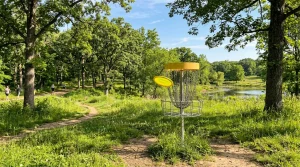
Disc golf has rapidly gained popularity, captivating both casual players and serious athletes. It combines the thrill of traditional golf with the excitement of throwing a disc, making it accessible and enjoyable for everyone, regardless of skill level. In this article, we’ll explore firsthand experiences that highlight what makes disc golf not just a game, but a vibrant community and a rewarding sport. Whether you’re curious about improving your technique, finding the right gear, or simply looking for a new way to connect with nature and friends, our reviews will offer valuable insights. So, stick around as we uncover the joys and challenges of disc golf that keep players coming back for more!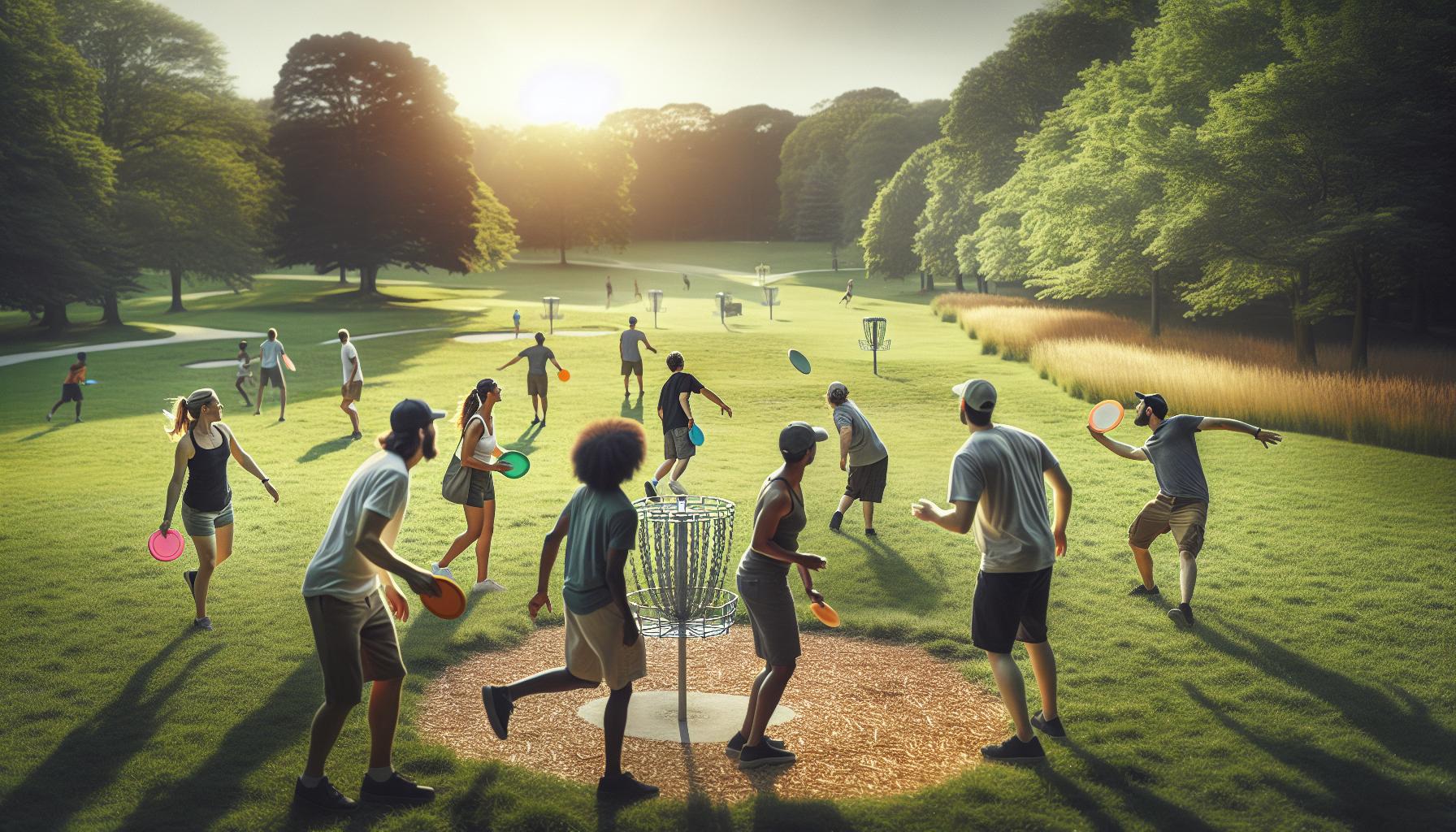
Is Disc Golf Really Fun? Unpacking the Excitement
Disc golf has rapidly gained popularity, and many players often share tales of unforgettable rounds spent with friends amid the great outdoors. The thrill of launching a disc towards a basket, while surrounded by nature, creates a unique blend of relaxation and excitement that many find captivating. Players describe their first experiences with disc golf as surprisingly enjoyable, remarking on how quickly one can pick up the basic mechanics while exploring new techniques and strategies. This accessibility is a significant part of what makes the sport so enjoyable; whether you’re a seasoned athlete or a curious newcomer, the learning curve is gentle yet rewarding.
The sheer variety of courses further enhances the fun of disc golf. Some courses meander through wooded areas, while others take advantage of open fields or even hilly terrains. Each setting presents its own challenges and opportunities for creativity in throwing. Players enjoy discovering their favorite courses, often gathering for weekly rounds to experience different environments and to engage with the local disc golf community. This sense of camaraderie is vital-it’s not just about competing; it’s about connecting with others who share a passion for the game.
Moreover, as players progress, the competitive side of disc golf can ignite a deeper excitement. Tournament play invites athletes to refine their skills, challenge themselves against a diverse skill set, and celebrate their achievements, both big and small. Real player stories reveal how disc golf fosters perseverance and respect for the sport, contributing to personal growth and improvement. These experiences reinforce the notion that disc golf is more than just a game; it’s an engaging, community-driven pursuit that combines physical activity, social interaction, and mental strategy, helping to create a holistic and invigorating experience.
In essence, the exhilaration of the throw, the beauty of the courses, and the friendships formed along the way all intertwine to create a memorable and fulfilling pastime. As more people step onto the tee and raise their discs to the sky, the question of whether disc golf is fun is answered with a resounding yes, echoing through the parks and courses around the world.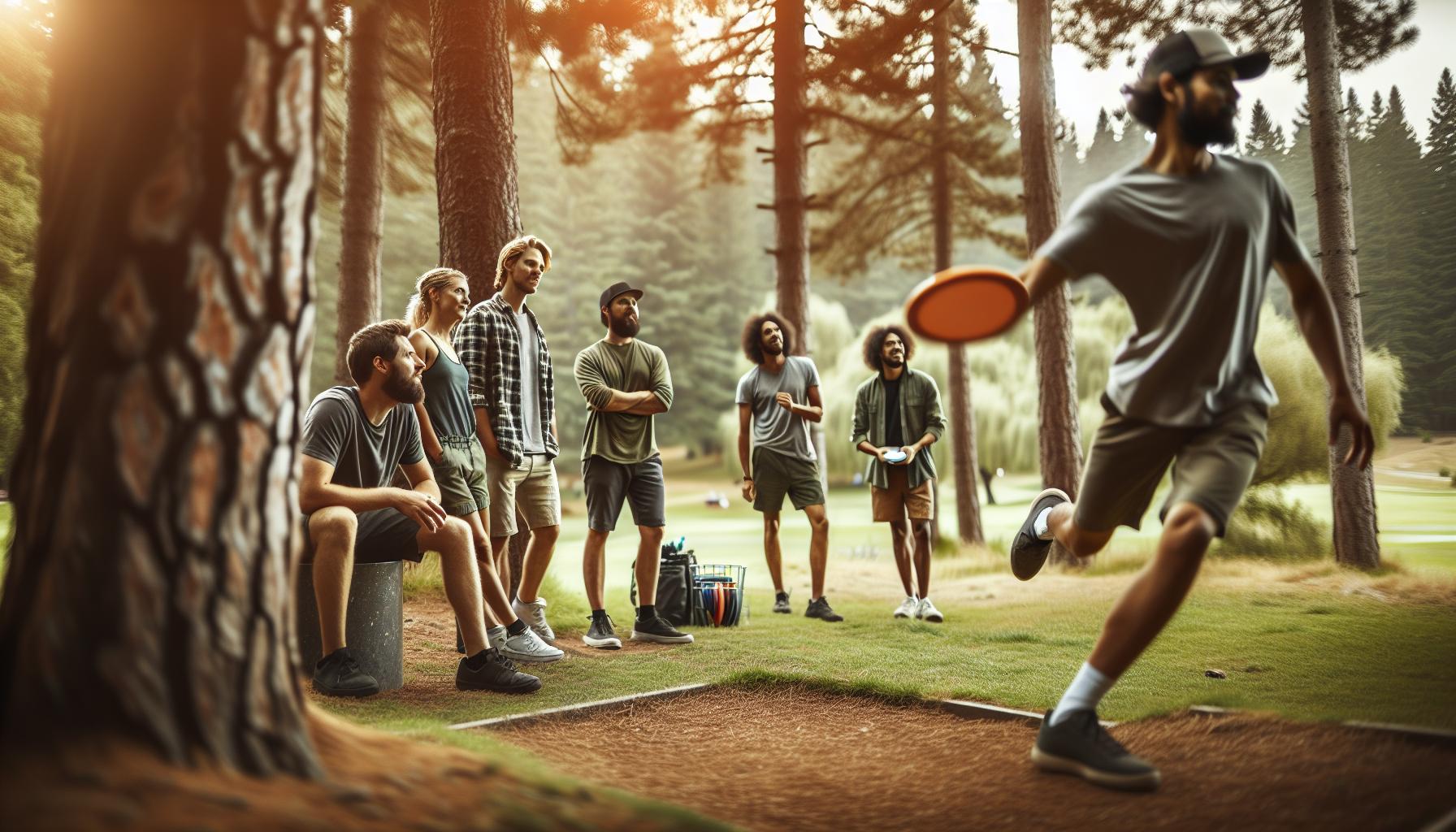
Different Types of Disc Golf Courses: A Complete Guide
The diversity of disc golf courses plays a pivotal role in the sport’s growing popularity, offering unique experiences for players of all skill levels. Each type of course presents different challenges and environments, making every outing an adventure. Whether you’re navigating a densely wooded course or enjoying the spaciousness of an open field, the choice of course can significantly impact your game and your enjoyment of the sport.
One of the most common types is the wooded course, which requires precision and strategic planning. These courses are often tight-knit, filled with trees that can obstruct shots, making it essential for players to develop accurate throwing techniques. Golfers frequently appreciate the challenge of these courses, as they motivate skill improvement through intricate navigation and shot placement.
In contrast, open courses provide ample space for longer drives and are often characterized by fewer obstacles. These settings are perfect for players working on their distance throws, offering a different kind of thrill as they watch their disc soar without many impediments. The vast expanses also allow for varied gameplay, with opportunities to experiment with different throwing styles.
Hilly or elevation courses add another layer of complexity, as players must account for uphill and downhill throws. The changing terrain not only affects disk flight but also introduces unique lies and angles for each hole. Such courses can enhance one’s overall technique, as players learn to adjust their throws to accommodate the slope and varying distances.
While some players may seek out the thrill of challenging courses, others are drawn to urban courses, usually situated within city parks. These courses incorporate elements of the local landscape, providing an exciting blend of nature and city life. They may have unique obstacles, such as benches, steps, and picnic areas, presenting a different kind of playfulness and requiring adaptability from players.
Ultimately, the variety found in disc golf courses contributes not only to the fun of the game but also to the community aspect of the sport. Many players enjoy exploring new courses as part of their routine, often sharing experiences and competing with friends or local leagues. As the sport continues to expand, so does the opportunity to discover a multitude of course types, ensuring that players will always find a fresh challenge and a new joy in the game.
The Essential Gear: Discs and Equipment for Every Player
When diving into the world of disc golf, having the right gear is crucial for enhancing your experience and performance. Unlike traditional golf, disc golf focuses primarily on flying discs, but understanding the nuances of disc selection and equipment can significantly impact your game. The excitement of throwing a disc accurately toward a basket is amplified when you have the right tools at your disposal.
Discs are the heart of the game, and choosing the right ones starts with knowing the three main types: drivers, mid-range discs, and putters. Drivers are designed for long-distance throws and come with the fastest speeds and least stability. They’re perfect for players looking to attain maximum distance. Mid-range discs are versatile, offering more control and accuracy, ideal for shorter approaches. Lastly, putters excel in accuracy and control for those final shots into the basket. Many players find joy in trying out various discs to discover which ones suit their throwing style and preferences the best.
In addition to discs, players should consider investing in a quality disc golf bag. A good bag not only carries your discs but also includes compartments for personal items, water bottles, and even snacks. Comfort is key, especially during longer rounds or tournament play. Opt for a bag that fits well and allows easy access to your discs. For serious players, a cart can enhance mobility and ease the strain on your back during lengthy courses.
Understanding disc flight characteristics-such as speed, glide, turn, and fade-is vital for selecting the right disc for your throw. Discs with higher speed are better for distance, while those with more glide can stay in the air longer. Some disc companies use patented flight numbers to provide insight into how a disc will perform under certain conditions. For example, a disc rated at [Distance: 13, Glide: 5, Turn: -1, Fade: 3] is typically excellent for long throws with a slight draw to the left at the end (for a right-handed backhand throw).
Finally, investing in other accessories can also enhance the disc golf experience. Items like a disc retriever, which helps rescue discs from water or high rough, and marker discs, which allow you to mark your lie, are valuable for both casual and competitive play. As you progress, consider gear like clothing designed for comfort and moisture management during play, as it can make a difference in your overall enjoyment.
Engaging with disc golf is not just about the game itself; it’s about the community and camaraderie that develops through shared experiences. Whether you’re a beginner or a seasoned player, understanding the essential gear will not only improve your game but also enrich your enjoyment of this exhilarating sport.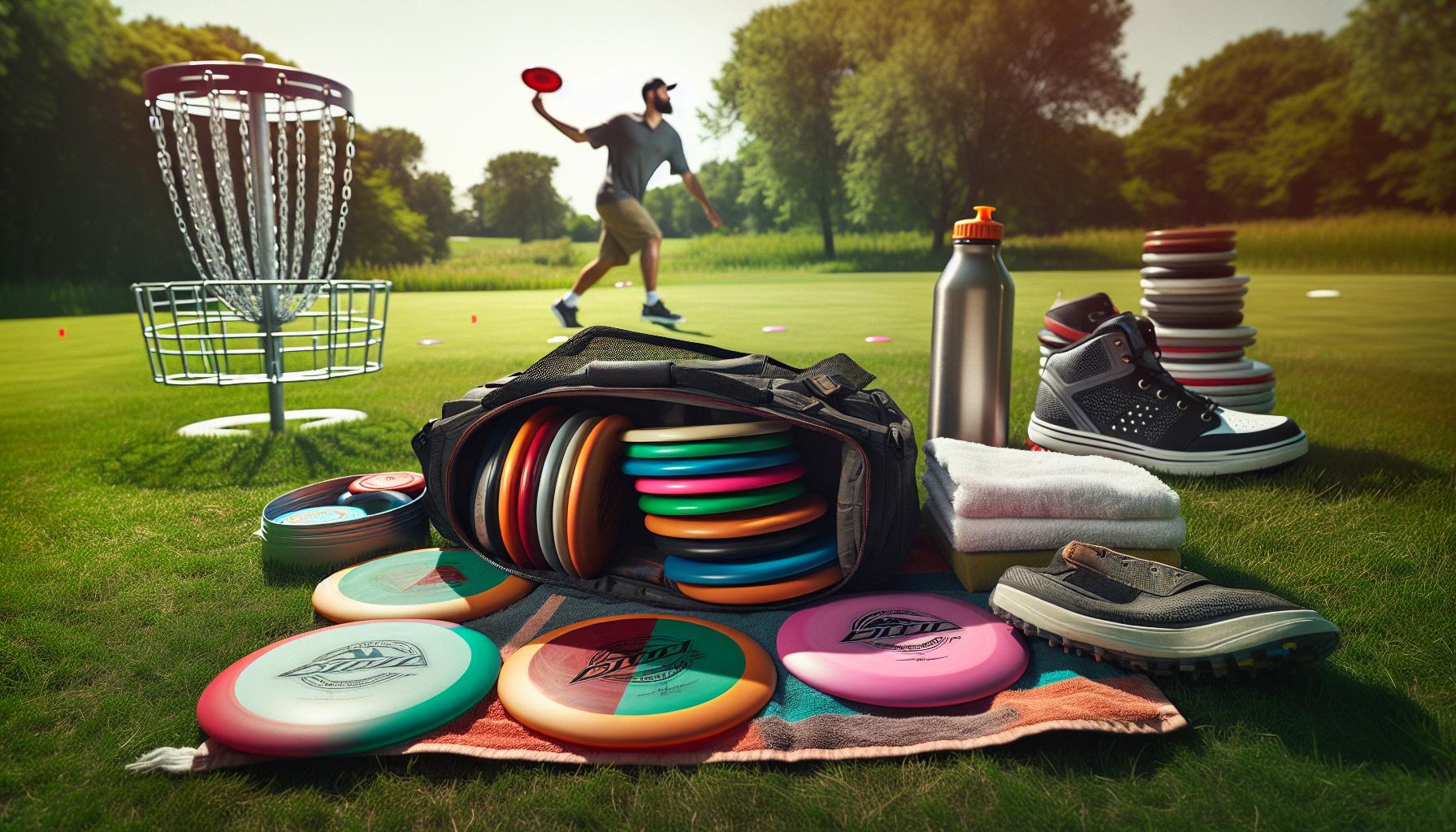
Beginner Tips: How to Start Playing Disc Golf
Getting started in disc golf is as much about having fun as it is about mastering a skill that can lead to amazing experiences and community connections. One of the best things about this sport is its accessibility; whether you’re just having a casual day out with friends or joining a competitive league, the joy of throwing discs towards a basket is universal. As a beginner, the key is to ease yourself into the game while understanding some foundational tips to elevate your experience.
First and foremost, understanding the flight characteristics of different discs will significantly enhance your game. Discs are generally categorized into three types: drivers, mid-range discs, and putters. Here’s a quick overview to help you choose wisely:
| Type | Purpose | Key Features |
|---|---|---|
| Drivers | Long-distance throws | High speed, lower stability |
| Mid-range Discs | Versatile control for different throws | Balanced speed and stability |
| Putters | Precision for close-range shots | High accuracy, very stable |
When you first hit the course, focus on honing your throwing mechanics. Start with the backhand throw, as it is the most common technique. To perform a backhand throw:
- Stand with your feet shoulder-width apart and knees slightly bent.
- Hold the disc firmly, making sure to grip it properly with your thumb on top and fingers on the bottom.
- Pivot your weight from your back foot to your front foot while rotating your shoulders.
- As you push off your back foot, pull the disc across your body in a smooth motion, releasing it with a flick of your wrist for spin.
As for your first rounds, try to play with others. Joining a local league or inviting friends will not only provide you with support and motivation but also introduce you to the vibrant community of disc golf enthusiasts. Sharing tips, experiences, and laughter on the course can transform a solo game into a memorable outing.
Finally, don’t shy away from experimenting with different discs and techniques. Each player has a unique style, and finding what works best for you is part of the fun of disc golf. With practice and a bit of patience, you’ll soon discover the thrilling experiences this sport has to offer, making every throw count toward not just your score, but your enjoyment. Welcome to the world of disc golf!
Throwing Techniques Explained: Mastering Your Shots
To truly enjoy and excel in disc golf, mastering your throwing techniques is essential. The thrill of watching your disc soar through the air and land precisely where you intended is one of the most satisfying experiences in the sport. One of the fundamental throws every player should master is the backhand throw, which offers the best combination of distance and control.
To perform a successful backhand throw, begin with a solid stance. Your feet should be shoulder-width apart, with your knees slightly bent to maintain balance. Make sure you grip the disc properly: place your thumb on top and your fingers underneath, creating a firm but flexible hold. From this position, pivot your weight onto your back foot while simultaneously rotating your shoulders away from your target. This shift in weight is crucial for generating power. As you transition to the follow-through, push off your back foot and pull the disc across your body in a smooth, controlled motion. The key is to release the disc using a flick of your wrist, which adds spin and helps stabilize the flight.
Understanding Disc Flight
Every throw you make will vary based on the type of disc you are using. The flight characteristics of discs can greatly affect your performance on the course. Here’s a simplified overview of how various discs behave during throws:
| Disc Type | Optimal Use | Flight Characteristics |
|---|---|---|
| Drivers | Long-distance throws | Faster speed, less stability, ideal for open spaces |
| Mid-range Discs | Versatile control for various distances | Balanced speed and stability, good for accuracy |
| Putters | Short, precise shots | High stability, designed for accuracy in short-range |
Continuing to refine your throwing techniques will undoubtedly enhance your enjoyment of the game. Each player can develop their unique throwing style based on personal preferences and physical capabilities. As you gain experience, challenge yourself to try different grips and release angles, experimenting to see what works best for you in different scenarios. Embrace the learning process, as each throw brings you closer to being the disc golfer you aspire to be. Engaging with others, sharing experiences, and learning from each other can enhance not only your skill level but also the camaraderie within the disc golf community-ultimately making your journey through this sport not just about the game, but the friendships and memories you create along the way.
Course Strategy: Navigating Your Way to Victory
Every disc golf course presents a unique set of challenges and opportunities that can make or break your game. Understanding the layout, terrain, and distances involved aids players in crafting effective strategies that not only maximize their strengths but also minimize mistakes. Here are some essential elements to navigate your way to victory on the course.
To start, perform a thorough pre-game analysis of the course. Familiarize yourself with the distance of each hole and the type of obstacles you may encounter, such as trees, water hazards, and elevation changes. Utilize course maps if available, and take note of pin placements, as these can shift between rounds. Each hole might require different disc selections; for example, longer drives may call for drivers, while technical shots through narrow gaps often necessitate mid-range discs or putters.
In addition to understanding the course layout, develop a plan for each hole. Assess your throwing strengths-do you excel at backhands, forehands, or a specific disc type? Tailor your strategy to leverage these skills. For instance, if you have a strong forehand throw, utilize it to navigate around leftward obstacles. Another key aspect of strategy is shot selection: sometimes, it’s wiser to play conservatively-taking a safer route to avoid hazards-rather than attempting to reach the basket in one throw.
Another vital consideration is managing your mental game. Disc golf often feels like a battle against not just the course but also your own thoughts. Cultivating a positive mindset and visualizing successful shots can significantly boost your performance. Practice deep breathing and focus on the next throw instead of dwelling on past mistakes. Engaging with fellow players can also enhance your experience, sharing tips and encouragement throughout the round.
Beyond strategy, developing a good rapport with other players can enrich your overall experience. The disc golf community prides itself on camaraderie and support, which not only makes the game more enjoyable but also fosters a deeper understanding of different playing styles. Attend local tournaments or casual meet-ups to connect with others, gain insights from seasoned players, and share your own experiences. By embracing both the competitive and communal aspects of disc golf, you can enhance your skills while having fun on the course.
Real Player Experiences: What Makes Disc Golf Enjoyable
The thrill of disc golf transcends the simple act of throwing a disc toward a target; it encapsulates a blend of strategy, skill, and community that captivates players across all skill levels. For many, it’s not just about the score but the stories shared on the course. Players from various backgrounds often recount memorable experiences that reinforce why they find disc golf so enjoyable. From the excitement of nailing a difficult putt to the camaraderie built during casual rounds, every shot brings unique moments worth celebrating.
Additionally, the accessibility of disc golf makes it appealing to newcomers. Most players can pick up a disc and participate without a steep learning curve. For instance, a player might remember the first time they joined a group of friends for a round at a local park-after debating which discs to bring, laughter ensued as they took turns attempting to navigate through trees and ditches. The casual, supportive environment allows inexperienced players to appreciate the game fully, thanks to the encouragement from seasoned players who happily share tips and tricks.
The Role of Community in Enhancing the Experience
What truly enriches the experience is the sense of community in disc golf. Many players highlight the friendships they’ve formed during tournaments, casual outings, or even during practice sessions. Sharing tips on throwing techniques, disc selection, and course management fosters a sense of belonging. Players often return to their favorite courses, excited not only for the game but to reconnect with friends made through shared passions.
Furthermore, participating in local leagues or tournaments can elevate enjoyment levels, allowing players to gauge their skills while engaging in friendly competition. The thrill of a tournament can be both nerve-wracking and exhilarating; hearing the cheers from fellow competitors or receiving constructive feedback transforms individual play into a collective celebration of the sport.
Ultimately, what makes disc golf enjoyable is the combination of personal achievements, joyous interactions, and the vibrant community that welcomes players of all types. Whether you’re hitting your first birdie or simply enjoying the company of others while navigating a scenic course, disc golf has a remarkable way of bringing people together while providing a sense of accomplishment and fun.
The Community Aspect: Connecting Through Disc Golf
There’s a remarkable phenomenon happening in disc golf: a passionate community thriving alongside the sport itself. Unlike many individual sports, disc golf offers an expansive network of players who forge friendships that extend beyond the course. Whether you’re tossing a disc for the first time or challenging seasoned pros, the welcoming environment is palpable. Players frequently share tales of their experiences, from fun-filled casual rounds to intense tournament play, each memory woven into the fabric of a larger community narrative.
Engaging with fellow players enhances not only the enjoyment of the game but also the learning process. Beginners often find a supportive network ready to guide them through their initial challenges. It’s common for players to exchange tips on throwing techniques and disc selection, creating a collaborative atmosphere that enriches everyone’s experience. This mentorship culture allows newcomers to gain confidence while established players reinforce their skills, ensuring all participants grow together in their love for the game. Such interactions help demystify the sport, making it accessible and enjoyable for all skill levels.
Furthermore, local leagues and tournaments serve as vibrant hubs of connection. These events aren’t just competitions; they are celebrations of camaraderie, where players cheer each other on and share in the thrills of victory and the lessons of defeat. The excitement of playing under pressure, coupled with the support of fellow competitors, transforms individual achievement into a community celebration. Many players recount how moments spent in competitive settings solidify their friendships and deepen their commitment to the sport.
Ultimately, disc golf is as much about the connections formed as it is about the game itself. The community aspect fosters an environment where players can celebrate their achievements, share their journeys, and, most importantly, have fun together. Each round of disc golf not only tests a player’s skill but also cultivates bonds that last long after the final putt is made.
Health Benefits of Playing Disc Golf: Mind and Body
Playing disc golf offers a multitude of health benefits that extend beyond just physical fitness. Engaging in this dynamic sport not only enhances cardiovascular health and promotes physical activity, it also fosters mental well-being through social interaction and time spent in nature. Research suggests that recreational activities, especially those involving dexterity and strategic thinking like disc golf, significantly contribute to improved mental health-reducing anxiety, depression, and stress while boosting overall mood.
As players navigate courses, they instinctively engage various muscle groups. The mechanics of throwing a disc involve core stability, arm strength, and coordination, all of which contribute to better balance and endurance. Spending an afternoon throwing discs around a scenic course often results in walking several miles, providing a full-body workout without the monotony of traditional exercise routines. Emphasizing these physical aspects, even beginners can experience improvements in their strength and flexibility, enhancing their overall athletic ability and confidence.
Furthermore, playing disc golf outdoors is an opportunity to connect with nature, which has been shown to have therapeutic effects. Green spaces and natural settings can reduce stress levels and enhance feelings of tranquility. Players often express that the simple act of being outside, appreciating the beauty of their surroundings while engaging in friendly competition, contributes greatly to their enjoyment of the game. The community formed through disc golf also adds an essential layer of support; camaraderie with fellow players can lead to improved emotional resilience and social bonds, making it not only a sport but a holistic approach to a healthier lifestyle.
By merging these elements-physical activity, social connection, and engagement with the natural world-disc golf stands out as an enjoyable, multifaceted sport that promotes health and well-being for individuals of all ages and skill levels. Newcomers are often welcomed with open arms, ensuring that the benefits of disc golf can be enjoyed by anyone willing to pick up a disc and hit the course.
Competitive Disc Golf: Tournaments and Skill Levels
In the world of disc golf, competition takes the excitement of the game to new heights, drawing players from various backgrounds and skill levels. Tournaments provide a thrilling environment where both newcomers and seasoned players can showcase their skills and enjoy the camaraderie of like-minded individuals. Whether you’re an occasional player or aiming for professional status, understanding the competitive landscape is key to enhancing your experience and mastering the sport.
To get started, it’s essential to familiarize yourself with the different skill levels in competitive disc golf. Competitions are typically divided into several divisions based on age, gender, and skill level. For beginners, “Recreational” and “Novice” divisions offer a welcoming entry point. These categories allow players to compete in a less intimidating environment, gaining experience and confidence. As players improve, they can advance to “Intermediate” or “Advanced” divisions, and ultimately to “Open” divisions, where the best players compete for cash prizes and titles.
Tournaments range from local club events to major professional competitions, such as the PDGA (Professional Disc Golf Association) sanctioned events. Local tournaments often serve as accessible opportunities for beginners to experience the thrill of competition without the high stakes of larger events. Here, you might encounter formats like “Best Disc” or “Match Play,” which invite strategies that differ from regular play, allowing players to think creatively about their techniques and teamwork.
Preparing for Tournaments
Preparation is crucial for a successful tournament experience. Here are some tips for honing your skills and strategizing for competition:
- Practice Regularly: Consistent practice helps you refine your throwing techniques and develop muscle memory. Focus on various shots, including backhands, forehands, and putting.
- Understand Your Discs: Different discs have unique flight paths and characteristics. Experiment with various types to find which works best for your throwing style. Consider speed, glide, turn, and fade ratings during your selection.
- Study the Course: Familiarize yourself with the tournament course layout. Many events provide maps, so take time to strategize your approach for each hole based on your strengths.
- Mindset and Focus: Competitive play can be intense. Practicing mindfulness or visualization techniques can enhance your concentration and calm nerves before and during play.
One inspiring element of competitive disc golf is the sense of community it fosters. Player interactions range from friendly rivalries to lasting friendships, creating a supportive atmosphere that inspires growth and development. Players often share tips, offer feedback, and celebrate each other’s achievements, bridging gaps between skill levels. Real player experiences in these settings illustrate the joy of shared challenges and victories, contributing significantly to why so many find disc golf so enjoyable.
Competitive disc golf continues to evolve, with increasing popularity leading to more events, sponsorships, and opportunities for players at every level. Whether you are working your way through local tournaments or aspiring to compete on the national stage, embracing the competitive aspect can drastically enhance your enjoyment of the sport, making it more than just a game but a vibrant community filled with passion and connection.
Future of Disc Golf: Trends and Growth in the Sport
The rapid growth of disc golf has transformed it into one of the most exciting and accessible sports in recent years, capturing the attention of enthusiasts and newcomers alike. What was once a niche activity has blossomed into a mainstream pastime, attracting diverse players who appreciate the blend of skill, strategy, and social interaction that disc golf offers. As more parks and courses are being built across communities, the sport’s future looks bright, characterized by enhanced visibility, evolving technology, and an increasingly engaged player base.
Recent trends show a surge in participation rates, particularly among younger demographics. Disc golf clubs and local organizations are becoming more common, serving as hubs for competitive events as well as casual meets. This grassroots movement fosters community spirit and encourages new players to join. Local tournaments are not just about competition; they also emphasize skill development and inclusivity, welcoming players of all ages and abilities. The ongoing rise of online platforms and social media channels has made sharing knowledge and experiences easier, connecting players globally and enhancing the sport’s overall appeal.
Discs themselves have also evolved, with manufacturers innovating designs that optimize aerodynamics, grip, and durability. Today’s discs come in a variety of shapes and weights, each tailored to specific throwing styles and skill levels. Players are encouraged to experiment with different plastics and flight paths, enhancing their understanding of how different discs behave in various conditions. This continuous innovation not only keeps experienced players engaged but also helps beginners quickly learn the nuances of the game, making it less intimidating for newcomers.
Furthermore, the perception of disc golf as a legitimate athletic pursuit is growing. More professional tours, such as the Disc Golf Pro Tour and PDGA-sanctioned events, are now on par with traditional sports in terms of organization and viewership. As sponsorships and media coverage expand, the potential for professional players to earn a living through the sport increases. This trend not only highlights the competitive aspect of disc golf but also elevates its status as a respected sport within the broader athletic community.
Strong community ties play a crucial role in this growth. Players often express how the friendships forged on the course enhance their enjoyment of the game. The culture of camaraderie and mutual support contributes to a welcoming environment, encouraging people to pick up the sport and stick with it. Real player testimonials consistently highlight how disc golf brings joy, exercise, and social connection, reinforcing why so many find it fun and rewarding.
As we look ahead, the future of disc golf promises to be dynamic and inclusive, with an emphasis on community building, innovation, and competitive spirit. Whether you are a seasoned pro or just contemplating your first round, you are joining a movement that is not just about throwing discs but about creating lasting memories and connections.
Frequently Asked Questions
Q: What makes disc golf enjoyable for players of all ages?
A: Disc golf is enjoyable for all ages due to its accessibility and the blend of physical activity, strategy, and social interaction. Players can enjoy the game at their own pace, enhancing the experience with friends or family. Whether you’re a beginner or a pro, everyone can appreciate the outdoor beauty while honing their skills.
Q: How does disc golf compare to traditional golf in terms of fun?
A: Disc golf is often considered more fun than traditional golf because it is less formal and has lower costs associated with equipment and course fees. Players can enjoy more spontaneous rounds and a vibrant community vibe, making it a more relaxed and engaging sport.
Q: Is it challenging to learn disc golf as a beginner?
A: Learning disc golf as a beginner can be straightforward since it requires minimal prior experience. With some basic tips, proper equipment, and practice, new players can quickly enjoy throwing techniques and course navigation. Engaging with the community also enhances the learning process and makes it fun.
Q: What are the social benefits of playing disc golf?
A: Playing disc golf offers significant social benefits by creating opportunities to connect with others and build friendships. Regular play fosters a sense of community, where players often collaborate and celebrate each other’s successes. Many courses and clubs host events, allowing for social gatherings beyond just playing.
Q: How important is the right equipment for enjoying disc golf?
A: While having the right equipment enhances the experience, it’s not crucial for enjoyment. Beginners can start with a basic disc and gradually invest in specialized gear as they progress. Choosing discs that suit your style can improve your game and increase overall fun.
Q: Are there health benefits associated with playing disc golf?
A: Yes, disc golf offers numerous health benefits, including cardiovascular exercise, improved coordination, and stress relief. Walking the course promotes physical fitness, while social interaction contributes positively to mental well-being. Playing regularly supports a healthy lifestyle and community engagement.
Q: What types of disc golf courses are available and how do they affect enjoyment?
A: Disc golf courses vary widely, from beginner-friendly to challenging layouts with diverse terrain. The type of course chosen can greatly affect enjoyment-easier courses are great for casual play, while challenging courses can elevate competitive spirits. Explore different styles to find what you enjoy most!
Q: How does participating in disc golf tournaments impact the fun factor?
A: Participating in tournaments can enhance the fun for many players, as it adds a competitive edge and a sense of accomplishment. Tournaments foster camaraderie and allow players to test their skills against others, making it a rewarding experience. Joining one can deepen your connection with the sport.
In Conclusion
As we wrap up our exploration of disc golf, it’s clear this sport offers not just fun but an engaging community and a pathway to improve your skills-whether you’re just starting or aiming for competitive play. Don’t miss out on your chance to experience the thrill of throwing discs! Grab your gear, hit your nearest course, and join the conversation about your own experiences in the comments below.
For more insights, check out our guides on disc flight mechanics and the best equipment for your style. If you’re eager to deepen your involvement, subscribe to our newsletter for exclusive tips and upcoming events. Let’s keep the momentum rolling-your next great disc golf round is waiting just around the corner!
Get our latest guides, news, and insights highlighted in your Google Search & AI Overviews.