As the excitement builds for the Paris 2024 Olympics, many are wondering: will disc golf make its Olympic debut? This beloved sport, with its growing popularity and competitive spirit, seeks recognition on the world stage. For enthusiasts and newcomers alike, understanding the journey of disc golf towards Olympic inclusion is essential. It not only highlights the sport’s evolution but also its potential to inspire new players and broaden its community. This article delves into the current status of disc golf’s Olympic aspirations, discussing the challenges and opportunities that lie ahead. Stay tuned to find out what this could mean for players, fans, and the future of disc golf!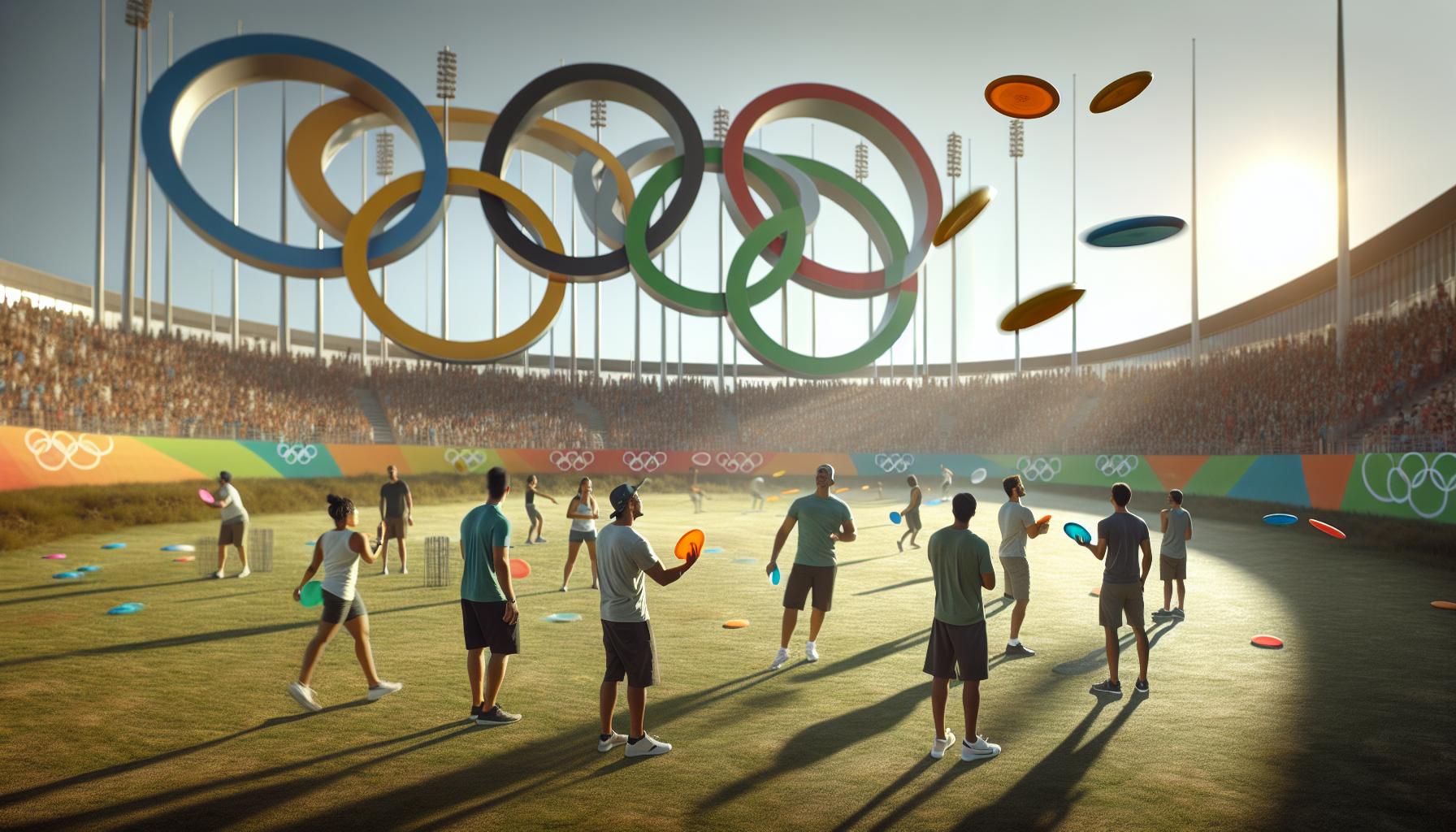
Is Disc Golf In The Olympics 2024? Understanding the Impact
While disc golf has yet to make its debut in the Olympic Games, the conversation around its potential inclusion in 2024 is gaining momentum and interest within the sports community. This growing wave of enthusiasm is reflected in the increasing number of players and fans who recognize disc golf not only as a recreational activity but also as a serious competitive sport. The impact of Olympic inclusion would be profound, introducing the sport to a global audience and further legitimizing it as an athletic pursuit.
One of the key benefits of Olympic participation would be the increase in visibility and sponsorship opportunities for disc golf. The designation of disc golf as an Olympic sport could lead to greater investment in facilities, events, and grassroots programs, helping to cultivate the next generation of players. For competitive players, Olympic recognition might elevate the standard of play and create more structured pathways to professional development, similar to those seen in traditional sports.
Moreover, the community aspect of disc golf-where players often play for the love of the game-could see a shift. Increased competition and media attention may draw in a more diverse player base, bridging gaps between casual participants and elite competitors. Ultimately, the journey toward Olympic inclusion is not just about the games themselves; it encompasses the spirit of growing a sport that emphasizes inclusivity, strategy, and skill. The ongoing efforts by key advocates and governing bodies demonstrate a commitment to pushing disc golf into the limelight, setting the stage for a momentous leap forward in the sport’s history.
History of Disc Golf: From Origins to Today
The journey of disc golf began in the late 1960s when a group of Southern California college students sought a new way to enjoy throwing frisbees. Initially, they played with simple rules, tossing plastic discs at makeshift targets like trees and metal trash cans. This casual pastime evolved into an organized sport in 1975 with the establishment of the Professional Disc Golf Association (PDGA), which created standardized rules and regulations, offering structure to a burgeoning player community.
Over the decades, disc golf has seen exponential growth, fueled by grassroots efforts and a dedication to inclusivity. The 1980s brought the first official disc golf courses, and as technology advanced, so did the sport. High-quality discs made specifically for distance, accuracy, and control emerged, transforming player abilities and the nature of play. As competitions began to gain prominence, the 1990s introduced national tournaments and increased media coverage, capturing the attention of a growing audience.
Presently, disc golf has solidified its place in the sporting world, with thousands of courses worldwide and millions of players of all ages. As the sport continues to thrive, it emphasizes not only competition but also community engagement, fostering a welcoming environment for newcomers. Initiatives aimed at increasing participation among diverse demographics highlight the sport’s commitment to accessibility and growth.
With the push for Olympic inclusion, disc golf’s rich history and continued evolution resonate strongly with its advocates and players alike. The potential to showcase athleticism on a global stage reflects the dedication and passion of those who have nurtured the sport from its humble beginnings to its current status as a competitive, legitimate athletic pursuit.
What It Takes for a Sport to Become Olympic
Becoming an Olympic sport is a complex journey that requires meeting stringent criteria set by the International Olympic Committee (IOC). Major components include widespread global practice, effective governance, and a commitment to fair competition. For disc golf, this journey reflects not only the sport’s growing popularity but also the effort required to align with the values and standards of the Olympic movement.
To start, a sport must have a minimum level of international participation, which means it needs a vibrant global community. Disc golf is making significant strides in this area, boasting a presence in over 40 countries with national associations, local tournaments, and a dedicated player base that continues to expand. Advocacy from organizations like the Professional Disc Golf Association (PDGA) plays a critical role, as they help facilitate competition and growth in these various regions.
Governance and Organization
Another key factor is the governance structure of the sport. Disc golf needs a recognized international governing body that adheres to the Olympic principles of inclusivity and sportsmanship. The PDGA and similar organizations must demonstrate their ability to oversee competitions, manage player registrations, and ensure fair play. This governance lays the groundwork for building trust within the sporting community, which is essential for Olympic acceptance.
Demonstrated Popularity and Media Engagement
Popularity is equally vital, as the IOC is interested in sports that engage audiences. Disc golf is working diligently to enhance its visibility through media coverage, live broadcasting of major tournaments, and greater engagement on social media platforms. As a result of these efforts, the sport is attracting sponsorships and media deals, which significantly bolsters its case for Olympic inclusion.
Commitment to Development and Integrity
Lastly, a strong commitment to anti-doping practices and enhancing the sport’s integrity is crucial. Disc golf must demonstrate its dedication to maintaining a level playing field through rigorous policies and transparency. Building a culture of integrity and respect among players will not only appeal to the IOC but also foster a positive environment for existing and future players.
Ultimately, while the path to Olympic status is challenging, disc golf’s community-driven ethos and structured development approach make it well-positioned to meet the necessary criteria. The ongoing efforts to mainstream the sport will be instrumental in propelling it towards Olympic recognition, allowing it to showcase its unique blend of skill, strategy, and community engagement on the world stage.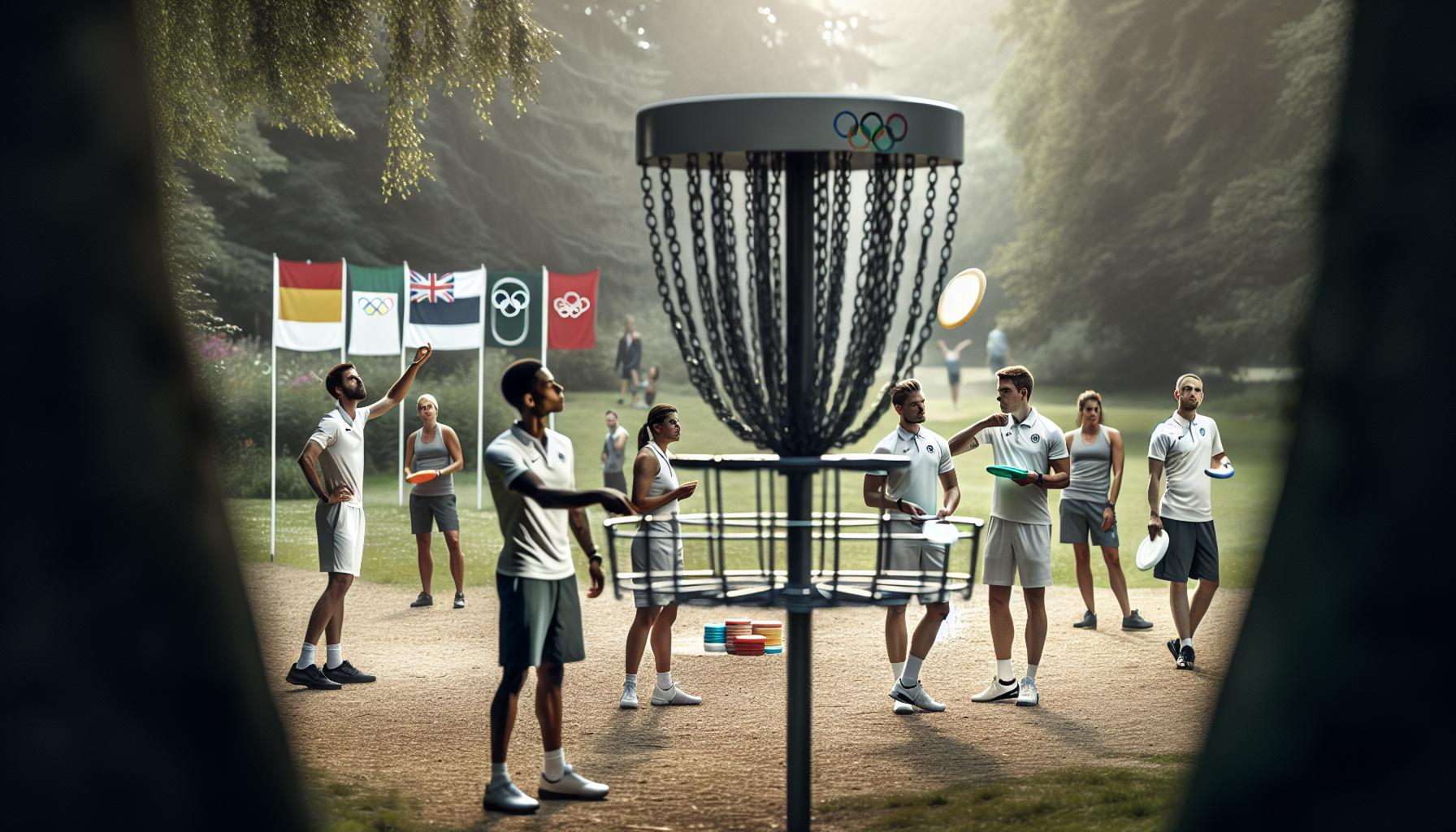
Current Status of Disc Golf in the Olympic Movement
Disc golf is currently at a pivotal point in its pursuit of Olympic recognition, fueled by growing global interest and significant organizational efforts. With an estimated 10 million players worldwide, the sport now boasts a vibrant community that spans over 40 countries, complete with national associations and local tournaments. This impressive landscape showcases the sport’s popularity and potential, making it a compelling candidate for the Olympics. Major tournaments, such as the PDGA World Championships, have also gained traction and visibility, further elevating the profile of disc golf on the international stage.
One of the crucial steps in the journey towards Olympic inclusion is establishing a robust governance structure. The Professional Disc Golf Association (PDGA) serves as the primary governing body, advocating for the sport and ensuring adherence to international standards. The PDGA has been proactive in fostering local and national events, which not only increase participation but also help to standardize rules and regulations. Engaging with the International Disc Golf Federation (IDGF), the PDGA has focused on aligning its practices with the values of the International Olympic Committee (IOC), such as inclusivity and sportsmanship. This collaboration underscores the importance of having a respected governing body to facilitate global competitions and enhance the sport’s integrity.
Furthermore, media engagement plays a vital role in the . With the rise of live broadcasting and enhanced online presence, disc golf is effectively reaching wider audiences. Social media platforms are buzzing with content from tournaments, player highlights, and educational materials that demystify the sport for newcomers. Sponsors are taking notice, with partnerships emerging that not only bring financial support but also boost promotional efforts. This surge in visibility is key to captivating the interest of the IOC, as they tend to favor sports that have broad audience engagement and potential for growth.
In summary, while disc golf is not yet recognized as an Olympic sport, its prospects look promising. The synergy of a dedicated player base, strong governance, and growing media presence lays a solid foundation for future advocacy efforts. By maintaining momentum in these areas, the disc golf community is positioning itself favorably to make a compelling case for inclusion in the upcoming Olympics. With continued grassroots support and enhanced organizational efforts, the dream of seeing disc golf on the Olympic stage could soon become a reality.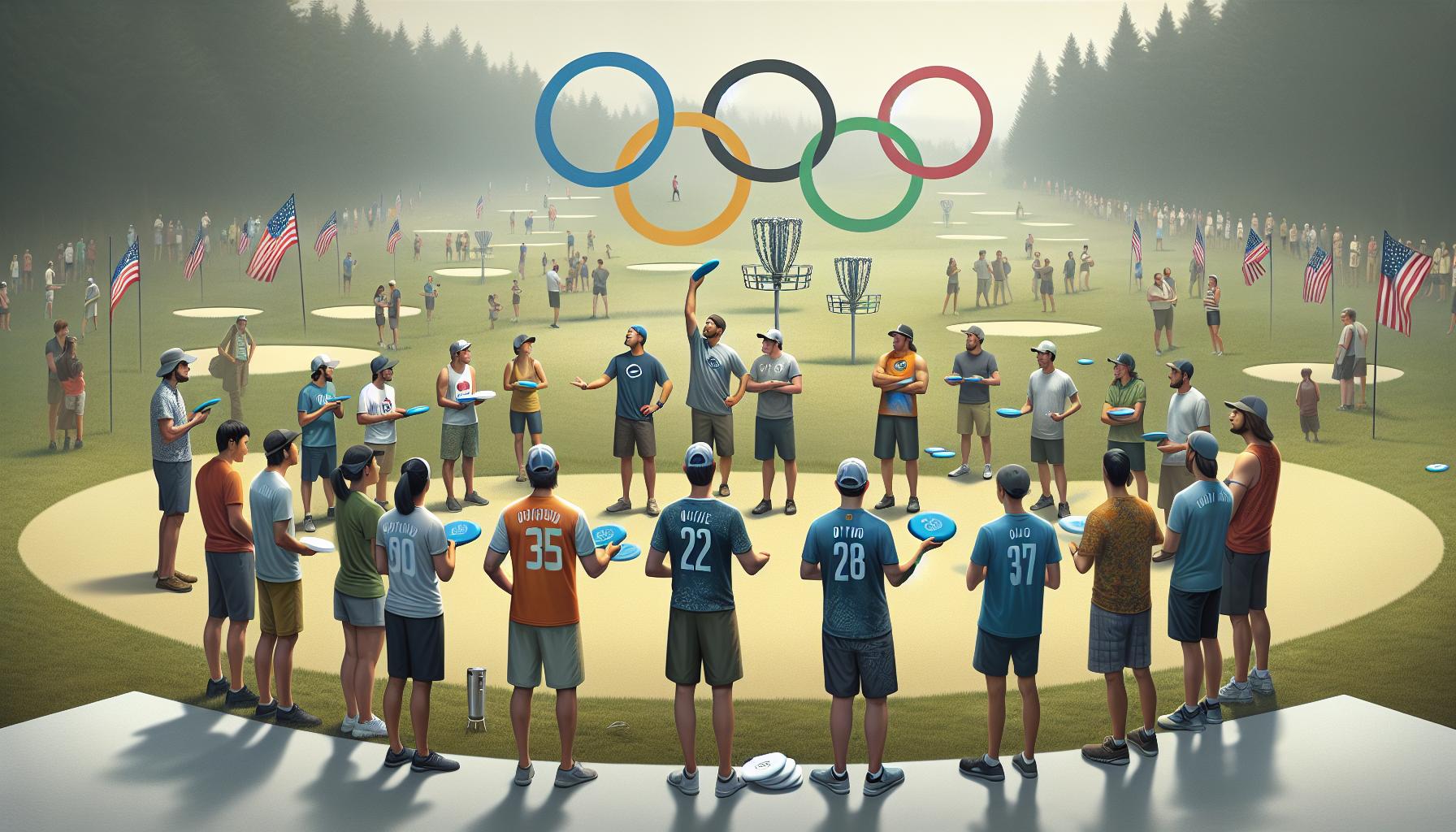
Key Players Advocating for Disc Golf’s Olympic Inclusion
As the movement to include disc golf in the Olympics gains momentum, several key figures and organizations are championing its cause. Among them, the Professional Disc Golf Association (PDGA) plays a pivotal role. Not only does the PDGA govern the sport globally, but it also actively works to engage with the International Olympic Committee (IOC) to align disc golf’s values with those of the Olympics. Their commitment includes facilitating international competitions that showcase the sport’s competitive nature and community spirit, both integral qualities that appeal to the IOC’s vision of inclusivity.
In addition to institutional support, high-profile players also lend their voices to the advocacy for Olympic inclusion. Champions like Paul McBeth and Paige Pierce not only exemplify the athletes’ perspective-demonstrating the seriousness and professional caliber of disc golf-but also engage with fans and new players through social media platforms. Their marketability, along with their passion for the sport, helps raise awareness and excitement about disc golf’s potential as an Olympic sport. The more well-known figures are involved, the larger the audience and support base grows, enhancing the sport’s visibility and legitimacy.
Further supporting this initiative, organizations like the International Disc Golf Federation (IDGF) are crucial in establishing global standards and fostering a unified structure among national disc golf associations. By collaborating closely with the PDGA, the IDGF also works on promoting the sport internationally. This partnership has proven essential in building a cohesive framework that not only elevates the sport’s profile but also prepares it for the stringent requirements set by the IOC.
The journey toward Olympic inclusion requires continuous advocacy and increased participation at all levels. Grassroots efforts-such as community tournaments and educational clinics-foster local engagement, making the sport more accessible to newcomers. These efforts are complemented by strategic collaborations with sponsors and media outlets that help generate interest and investment in disc golf. As supporters unite under a common goal, the collective voices of players, organizations, and fans significantly strengthen the case for disc golf’s rightful place in the Olympic spotlight.
How Disc Golf is Organized Globally: Governing Bodies and Events
Disc golf, a sport that blends the dynamics of traditional golf with the accessibility of disc throwing, has developed a robust global structure. This organization is primarily facilitated by key governing bodies that establish consistent regulations and promote international competition. At the forefront is the Professional Disc Golf Association (PDGA), which is responsible for standardizing the rules and ratings for players, while also coordinating tournaments around the world. Their efforts include not only the organization of events but also the development of initiatives that boost participation at every level, from grassroots to professional leagues.
In tandem with the PDGA, the International Disc Golf Federation (IDGF) plays a pivotal role in the global governance of disc golf. This organization collaborates with national associations to create a unified framework, encouraging the sport’s growth worldwide and ensuring alignment with standards necessary for Olympic inclusion. The IDGF works to host international championships, establishing benchmarks for competition that can elevate disc golf’s recognition and prestige on a global scale.
Key Events and Competitions
A variety of events help showcase the sport and foster community among players. Some notable competitions include:
- The PDGA World Championships – This premier event attracts top players from around the world, creating a platform for showcasing high-level competition.
- The European Open – Known for its scenic courses and fierce competition, this event is a highlight in the international disc golf calendar.
- Local and Regional Tournaments – Organized by clubs and communities, these events are vital in engaging newcomers and established players alike, helping to grow the sport at the grassroots level.
As disc golf continues to gain traction globally, the consistency of its organizational structure-coupled with a growing network of tournaments-positions the sport favorably as it seeks Olympic recognition. By staying informed of governing bodies, participating in events, and supporting local clubs, fans and players alike can contribute to the sport’s momentum towards potential Olympic inclusion.
Public Perception: Is Disc Golf Ready for the Olympics?
The momentum for disc golf’s inclusion in the Olympic Games has been building steadily, reflecting a significant shift in how the sport is perceived by the general public and potential stakeholders. With the sport engaging millions worldwide, many enthusiasts advocate that disc golf possesses the necessary characteristics-affordability, accessibility, and a strong community-to thrive on such a prestigious stage. While traditional sports have rigid barriers to entry, disc golf is approachable, often played in local parks with minimal equipment, making it an attractive option for newcomers and seasoned players alike.
Public perception is evolving, and a growing segment views disc golf not just as a pastime but as a legitimate athletic pursuit. This shift is bolstered by increasing media coverage, social media presence, and professional tournaments that showcase elite players, pushing the boundaries of skill and competition. Many fans resonate with the sport’s community-oriented nature, with local disc golf clubs serving as a hub for social interaction and collective support. This grassroots foundation is crucial as the sport seeks to validate its status among the elite Olympic sports.
Furthermore, the success of individual players who have gained substantial followings-through platforms like YouTube and Instagram-helps bridge the gap between traditional sports and the young, diverse audience of disc golf. As star players share their experiences and techniques, they not only inspire new players but also cultivate a broader appreciation for the sport’s unique complexities, including disc flight variations and throwing mechanics. The way these athletes passionately describe their craft invites a wider audience to engage with disc golf, enhancing its visibility and support.
While the enthusiasm for an Olympic debut is palpable, it’s essential to understand that public perception is but one piece of the puzzle. To truly be ready for the Olympics, disc golf must demonstrate its global reach, competitive integrity, and ability to attract diverse talent. Events like the PDGA World Championships and the European Open are critical, not just for showcasing top-tier competition but also for gathering data on viewership and participation. By continuing to evolve and adapt, the sport is not merely preparing for the Olympics; it is laying the groundwork for a legacy that could flourish on a grander scale than ever before.
Comparing Disc Golf and Traditional Golf in Olympic Context
In the Olympic context, the comparison between disc golf and traditional golf reveals both stark contrasts and surprising similarities. Traditional golf, with its rich history and established presence at the Olympics since 1900, operates under a rigid structure involving elite clubs, substantial sponsorships, and a well-defined competitive framework. On the other hand, disc golf is a relatively young sport, primarily characterized by its grassroots appeal and inclusivity. This fundamental difference highlights how disc golf can harness its unique strengths to carve a niche for itself within the Olympic landscape.
Disc golf courses are usually found in public parks, making them accessible to a wider audience without the barriers of expensive memberships or exclusive venues. This accessibility not only encourages participation but also fosters a vibrant community. Collectively, these elements make the sport inviting for newcomers. In contrast, traditional golf often emphasizes exclusivity, which can deter potential players from engaging with the sport. As the world moves toward inclusivity and increasing participation in sports, disc golf’s model aligns more closely with contemporary values, providing a strong argument for its inclusion in the Olympic Games.
Moreover, the technical aspects of both sports present engaging contrasts. Golf relies on various clubs to traverse the course, requiring strategic shot selection and precision. Conversely, disc golf utilizes different types of discs, such as drivers, mid-range discs, and putters, each designed for specific throws and distances. Understanding disc flight characteristics, which include aspects like stability and glide, plays a crucial role in a player’s success and is similar to how golfers must comprehend their clubs’ characteristics. Bridging this knowledge gap can enhance appreciation for the skill involved in both sports, as players strategize not just based on their physical abilities but also on their understanding of their equipment.
As disc golf aims for Olympic recognition, it can parallel the structure and audience engagement strategies seen in traditional golf. By developing competitive events that not only highlight professional athletes but also attract casual participants, disc golf can enhance its visibility and legitimacy as an athletic pursuit. Understanding these dynamics not only reinforces the sport’s appeal but also helps expand its potential fan base, thereby increasing its standing within the Olympic community. As disc golf charts its course towards Olympic inclusion, its distinct characteristics and community-oriented ethos will play pivotal roles in establishing its legacy on the world stage.
Potential Benefits of Olympic Inclusion for Disc Golf
The potential inclusion of disc golf in the Olympic Games presents numerous exciting opportunities that could significantly elevate the sport on both a global and local scale. Firstly, Olympic recognition could dramatically increase visibility for disc golf, drawing in new players and fans. Being associated with the Olympics can enhance the sport’s credibility, attracting sponsorships and funding which could lead to better facilities, increased prize purses, and more organized competitions. This financial boost would allow for more resources to be allocated towards youth programs and community outreach, fostering an even larger grassroots movement.
Furthermore, with Olympic participation, disc golf could benefit from an influx of diverse talent. This global platform could motivate players from different backgrounds to engage with the sport, resulting in innovative playing styles and technique advancements that could enrich the game. The international exposure could also prompt countries that have yet to adopt the sport to develop local leagues, tournaments, and even national teams, fostering a sense of community and belonging among participants worldwide.
Strengthening the Community and Culture
Olympic inclusion could solidify disc golf’s cultural identity as a serious sport rather than merely a leisure activity. This status can encourage formalized teamwork and organizational structures within local communities, leading to regular tournaments, enhanced coaching opportunities, and mentorship programs. Such development can inspire younger players while providing platforms for experienced players to give back to the sport, creating a cycle of growth and support.
Adoption into the Olympic framework would also allow disc golf to showcase its unique attributes, such as environmental consciousness, inclusivity, and accessibility. Disc golf courses often blend seamlessly with nature, promoting sustainability and active lifestyles, values that resonate well with the Olympic ethos. This alignment can position disc golf as not just a sport, but a lifestyle choice that prioritizes well-being and community engagement, thereby solidifying its appeal to a broad audience beyond traditional sports fans.
In conclusion, the potential benefits of Olympic inclusion are multifaceted, ranging from heightened visibility and increased participation to a strengthened community and cultural identity. Such developments could profoundly impact the growth of disc golf as it navigates its journey toward becoming a recognized Olympic sport. This could not only enhance the experience for current players, but also invite newcomers to join, thus enriching the sport’s community fabric.
Challenges Facing Disc Golf’s Olympic Bid
As disc golf continues its journey toward potential Olympic inclusion, it faces a myriad of challenges that could impact its bid for recognition. One of the critical hurdles is the need for greater global infrastructure and organization. Unlike established Olympic sports, disc golf lacks a unified international governing body with uniform rules and regulations. The Professional Disc Golf Association (PDGA) plays a significant role, but for the sport to be taken seriously on the world stage, it must develop comprehensive guidelines and standards that can be recognized internationally. This includes operational oversight of competitions and establishing clear qualification processes for athletes representing their countries.
Moreover, the sport must consider its current visibility and market presence. While disc golf has seen a surge in popularity over the last decade, particularly in the United States, it remains relatively niche compared to more traditional Olympic sports. Increasing media exposure and sponsorship engagement are essential to elevate the sport’s profile. Efforts to broadcast events and engage with mainstream sports media could facilitate broader public awareness and interest, helping to shift perceptions about the legitimacy of disc golf as a competitive sport.
Another significant challenge is the aspect of funding and resources. For any sport to operate at an Olympic level, substantial financial backing is required-both for the logistics of hosting competitions and for developing facilities that meet Olympic standards. Disc golf must attract sponsorships not only from companies within the sport but also from major corporate partners interested in associating with an emerging global activity. This outreach can help raise the necessary funds to support the infrastructure of the sport and its athletes on an international scale.
Lastly, the community itself must mobilize to advocate for Olympic inclusion. Grassroots efforts, organized rallies, and collaborative campaigns can amplify the voices calling for recognition. This collective advocacy is vital for generating enthusiasm among fans and players alike while fostering relationships with key stakeholders in the Olympic movement. As disc golf enthusiasts rally together, their shared passion could become a powerful driver of change that propels the sport toward Olympic recognition.
In summary, overcoming these challenges requires a strategic blend of organization, promotion, and community involvement. By addressing these areas, disc golf can enhance its profile and increase its chances of learning from the conversation surrounding the Olympics, ultimately paving the way for a potential spot in the sporting event’s landscape.
Upcoming Disc Golf Events to Watch in Preparation for 2024
As anticipation builds for the potential inclusion of disc golf in the Olympics, the excitement surrounding upcoming tournaments provides a glimpse into the sport’s competitive spirit and dedication. Events lined up for 2024 will not only showcase exceptional talent but also serve as crucial stepping stones toward establishing disc golf as a legitimate candidate for Olympic recognition.
One of the marquee events to watch is the PDGA Champions Cup, scheduled for April, which kicks off the major championship season. This prestigious tournament features top players from around the world competing on challenging courses, drawing considerable media attention. Following that, the Disc Golf Pro Tour (DGPT) will be hosting a series of key events throughout the summer, culminating in the Disc Golf Pro Tour Championship in September. This championship will highlight the best players and strategies, further increasing visibility for the sport.
Key Upcoming Events
- PDGA Champions Cup: April 2024
- Disc Golf Pro Tour Events: Various dates through summer 2024
- Disc Golf Pro Tour Championship: September 2024
Engagement in these events can be beneficial for both players and fans. Competitors can utilize these high-stakes environments to sharpen their skills while aspiring to represent their nations in the potential Olympic qualifying rounds. For fans, attending or watching these events online is a fantastic way to deepen their understanding of the game, the disc flight characteristics, and the various throwing techniques.
In addition to these major events, local clubs and organizations will likely hold qualifying tournaments throughout the year. These grassroots efforts are essential for building a broader base of players and fans, thus amplifying the sport’s visibility. The camaraderie developed in these local competitions not only enriches the community but also creates a foundation of support that can be pivotal in advocating for the sport’s Olympic inclusion.
By participating in or closely following these upcoming events, both players and spectators can contribute to the momentum needed as disc golf strives for a place in the Olympic landscape. As the community unites and champions the sport, every throw made on these iconic courses counts towards not just personal achievement, but also the broader goal of securing Olympic status.
What Fans Can Do to Support Disc Golf’s Olympic Journey
As the possibility of disc golf being included in the Olympics gains momentum, fans have an essential role to play in driving awareness and support for the sport. One of the most impactful ways to get involved is to actively participate in local disc golf events and tournaments. Attend these gatherings not only to cheer on your favorite players but also to engage with the community. This grassroots support helps elevate the visibility of disc golf and demonstrates the sport’s passionate following, which is crucial for Olympic recognition.
Online platforms provide another powerful avenue for fans. Following and engaging with disc golf content on social media, joining forums, and participating in discussions can amplify awareness of the sport’s Olympic ambitions. Sharing your own experiences through posts or videos can inspire others and create a sense of community. Use hashtags related to disc golf and the Olympics to broaden your reach, helping to rally more support around this looming opportunity.
Moreover, becoming a member of organizations like the Professional Disc Golf Association (PDGA) can contribute directly to the sport’s growth. Membership not only enhances your connection with the sport but also plays a role in funding grassroots initiatives and promoting competitive events. These organizations often have initiatives aimed at increasing public awareness and securing sponsorships, both vital for fostering Olympic inclusion.
Consider advocating through letters or emails to local and national sports organizations. Expressing your support for disc golf and its potential Olympic status can leave a lasting impression. Highlight the community benefits of disc golf, its increasing participation levels, and the diversity of its players. By showcasing these facts, fans can present a compelling case for why disc golf deserves a seat at the Olympic table. Together, by rallying support through event participation, social media engagement, organizational memberships, and advocacy, fans can make a tangible difference in disc golf’s journey toward Olympic inclusion.
FAQ
Q: Will disc golf be included in the 2024 Olympics?
A: As of now, disc golf is not officially listed as an Olympic sport for the 2024 Paris Olympics. However, there are ongoing discussions about its inclusion in future Olympic events. Keeping an eye on the developments in the Olympic movement can provide updates on this status.
Q: What factors determine if a sport becomes an Olympic sport?
A: Olympic inclusion is determined by factors such as worldwide popularity, governance structure, and adherence to Olympic values. Sports must also have an international federation and be played in multiple countries. This process ensures that sports like disc golf are evaluated on a global scale.
Q: What are the benefits of disc golf being in the Olympics?
A: If disc golf were to be included in the Olympics, it would boost visibility and legitimacy, leading to increased participation and sponsorship opportunities. This could also enhance funding for development programs, improving facilities and resources for players globally.
Q: What challenges does disc golf face in becoming an Olympic sport?
A: Disc golf faces challenges such as limited recognition by international governing bodies and competition from more established sports. Efforts to improve youth participation and mainstream awareness are crucial for overcoming these hurdles.
Q: How can fans support disc golf’s Olympic inclusion?
A: Fans can support disc golf’s Olympic bid by actively participating in local tournaments, promoting the sport on social media, and engaging with disc golf organizations. Joining advocacy groups or signing petitions can also amplify the community’s voice in pushing for Olympic recognition.
Q: What role do professional players play in advocating for disc golf’s inclusion?
A: Professional players are key advocates for disc golf’s Olympic inclusion, as their visibility and success can inspire wider interest. Players participating in outreach programs and public events can help elevate the sport’s status and generate support at various levels.
Q: How does disc golf compare to traditional golf in an Olympic context?
A: While both sports share the goal of getting a projectile into a target, disc golf emphasizes different skills and strategies. Comparisons can highlight the unique aspects of disc golf, such as accessibility and potential for rapid growth, making it an exciting inclusion for Olympic spectators.
Q: When might we see disc golf in future Olympics?
A: Predicting when disc golf will become an Olympic sport is challenging, but ongoing advocacy efforts and rising popularity suggest it could be considered in future Olympics after 2024. Monitoring developments from the International Disc Golf Federation (IDGF) and other governing bodies will provide insights into its trajectory.
Wrapping Up
As we conclude our look at the status of disc golf in the 2024 Olympics, it’s clear that the pathway is being carved for this dynamic sport to gain the recognition it deserves on the world stage. Whether you’re a seasoned player or just starting, now is the perfect time to get involved in the growing disc golf community. Don’t miss out-check out our comprehensive guides on throwing techniques and course strategies to polish your skills and maximize your enjoyment.
Ready to keep the momentum going? Dive into our articles on disc flight characteristics and the latest tournament results. Every interaction counts, so we invite you to share your thoughts in the comments-what does the Olympic status of disc golf mean to you? Stay connected with us for updates and insights, and join our newsletter for exclusive tips and tricks to elevate your game. Let’s champion disc golf together and support its journey toward Olympic glory!