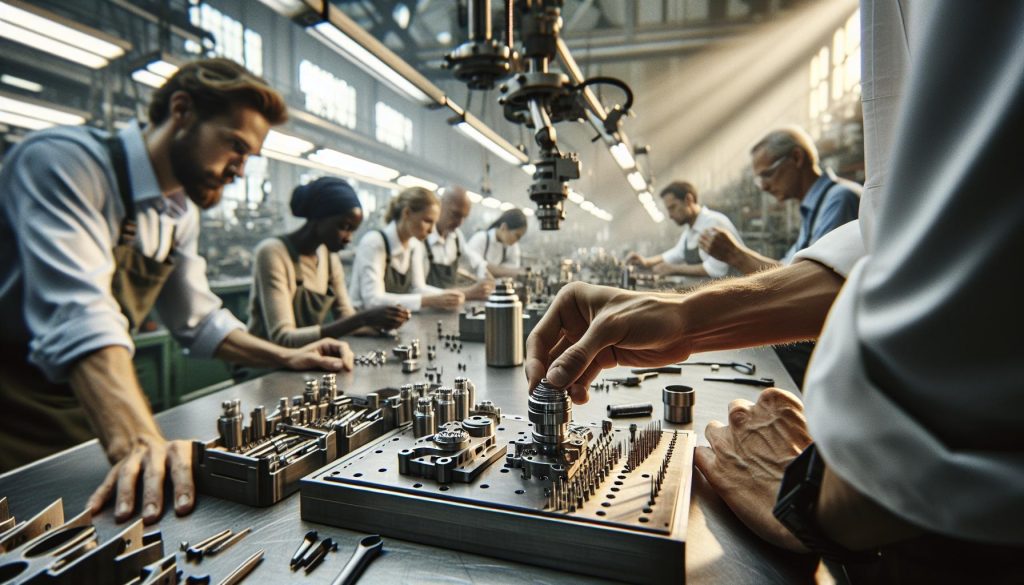
In today’s fast-paced industrial landscape, precision production has emerged as a cornerstone of manufacturing, ensuring quality and efficiency across various sectors. Did you know that even slight deviations in the manufacturing process can lead to significant financial losses and safety concerns? As businesses strive for perfection, understanding the nuances of precision production becomes vital. This approach not only enhances product accuracy but also fosters innovation, reduces waste, and aligns with sustainability goals. Whether you’re a seasoned professional or new to the field, grasping these concepts can empower you to optimize processes and improve outcomes. Ready to explore how precision production can transform your operations and elevate your competitive edge? Let’s delve deeper into its critical components and practical applications.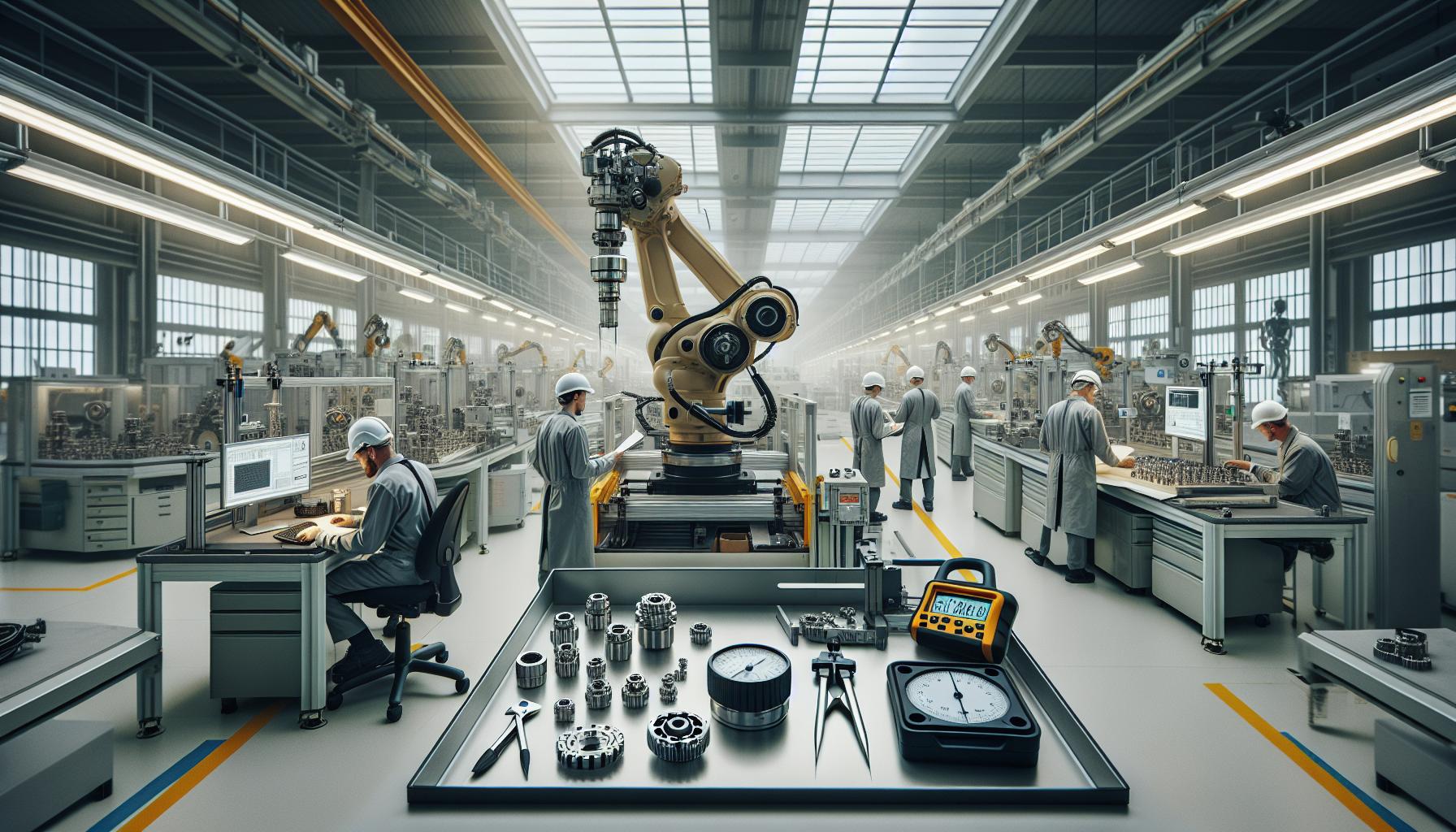
Manufacturing Process: Understanding Precision Production Techniques
In the realm of modern manufacturing, the principles of precision production are essential for ensuring high-quality outputs and competitive advantages in various industries. Precision manufacturing is characterized by its meticulous attention to detail, where even the slightest deviation can lead to significant systemic failures. This meticulousness is not only about the final product but also encompasses every phase of the production process, emphasizing the importance of accuracy, repeatability, and efficiency.
The manufacturing process typically begins with advanced planning and design, where computer-aided design (CAD) software plays a pivotal role. This software enables engineers to create digital models that can be tested and modified before any physical production begins. The next vital step involves selecting high-quality materials that meet stringent specifications, as the choice of raw materials can dramatically affect the precision attainable in the final product. From metals to polymers, each material‘s properties must align with the intended use and durability requirements.
State-of-the-art technological innovations greatly enhance the precision manufacturing process. CNC (Computer Numerical Control) machines have transformed traditional manufacturing, allowing for automated precision cutting, milling, and drilling with remarkable accuracy. These machines can produce complex designs with minimal human intervention, ensuring consistency across production runs. Furthermore, additive manufacturing, such as 3D printing, has begun to make waves in the precision sector by allowing for intricate designs that were previously impossible or too costly to achieve using traditional methods.
Quality control measures are paramount in precision manufacturing. Implementing rigorous testing protocols at various stages ensures that products not only meet specifications but also function as intended under real-world conditions. Moreover, continuous feedback loops can help identify inefficiencies or defects early in the production cycle, thus minimizing waste and maximizing productivity. By integrating tools like statistical process control (SPC), manufacturers can maintain the integrity of their processes, leading to better outcomes and a stronger reputation in the market.
In conclusion, understanding the intricacies of precision production techniques is crucial for any manufacturing entity aiming to thrive in a competitive landscape. By leveraging sophisticated design tools, selecting appropriate materials, employing advanced technology, and maintaining stringent quality standards, manufacturers can produce superior products that meet the evolving demands of consumers and industries alike.
The Importance of Precision in Manufacturing
Precision is not just a technical requirement in manufacturing; it is the heartbeat of the entire production process. In an era where competition is fierce and consumer expectations are higher than ever, precision manufacturing stands out as the key differentiator that can propel a company towards success. Even minor deviations from planned specifications can lead to significant failures, costly recalls, and damaged reputations. Thus, precision is foundational for minimizing waste, enhancing productivity, and ensuring consistent quality across a wide range of products.
The effectiveness of precision in manufacturing can be illustrated through its impact on various industries. For example, in aerospace, components must meet exacting standards to ensure safety and performance. Here, a tolerance of a few microns can be the difference between a safe flight and a catastrophic failure. Similarly, in the medical device industry, the stakes are incredibly high; even the slightest variance in a component’s size or functionality can have serious implications for patient safety. Such scenarios underscore the critical nature of precision, reinforcing that it is not merely a preference but a necessity.
Moreover, precision manufacturing fosters innovation. With the advancement of technologies such as CAD software and CNC machining, manufacturers have the ability to create complex designs that were previously unimaginable. This not only expands the possibilities for product development but also allows for rapid prototyping and quicker time to market. Companies that embrace these technologies can respond swiftly to market demands, adapt to changes, and maintain a competitive edge.
In summary, transcends beyond achieving high-quality outputs. It directly influences safety, efficiency, innovation, and a company’s overall market position. As industries continue to evolve, those who prioritize precision will undoubtedly lead the charge into the future, setting benchmarks for quality and performance that others will strive to meet.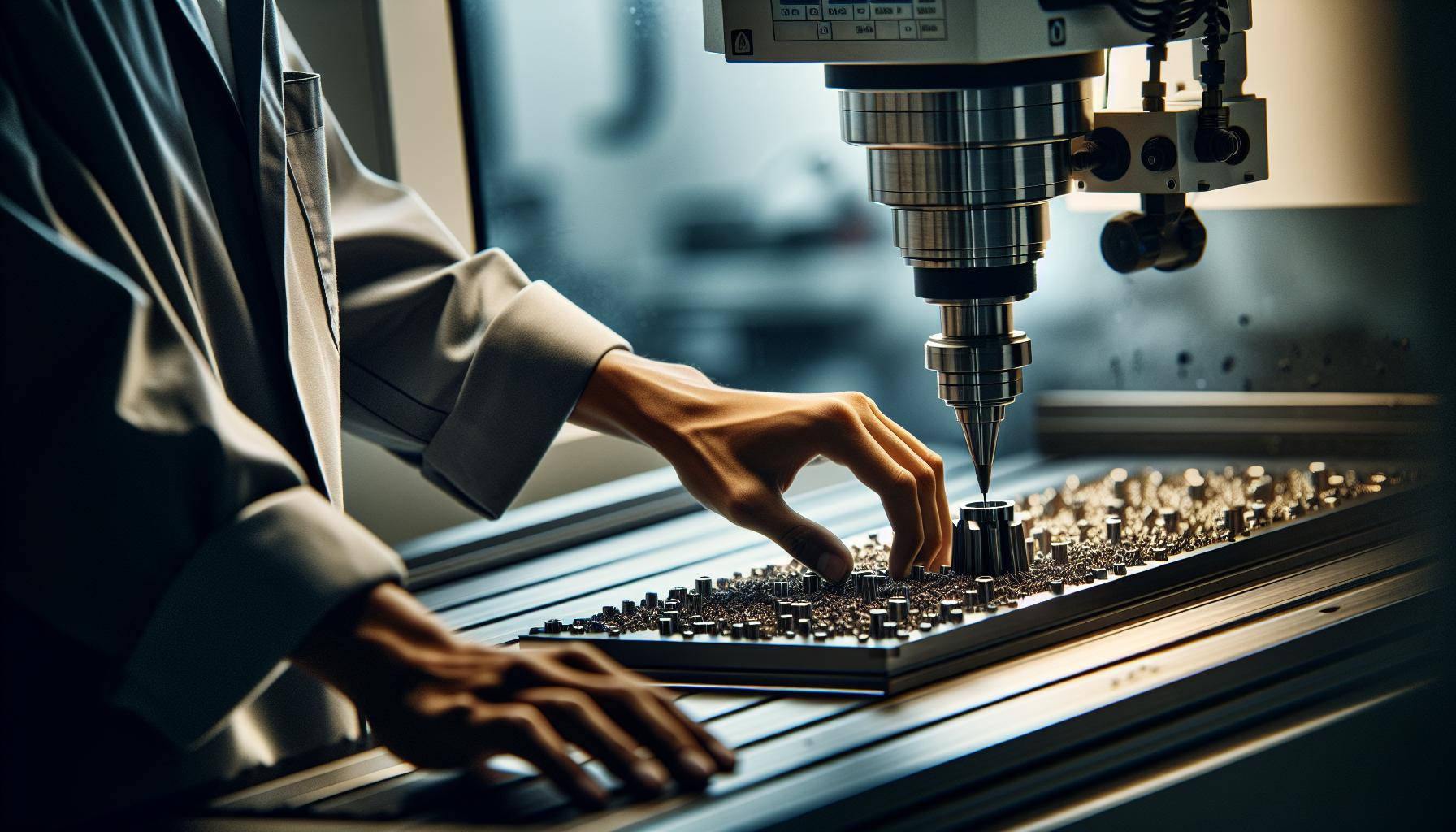
Key Steps in the Precision Manufacturing Process
The precision manufacturing process is a complex orchestration of steps designed to ensure that products meet exacting standards. Each phase relies on a combination of advanced technology, skilled craftsmanship, and stringent quality controls to deliver outstanding results. Understanding these key steps can illuminate how precision manufacturing enhances product reliability and performance.
One of the first crucial steps is design validation, where initial concepts are meticulously reviewed using CAD (Computer-Aided Design) software. This phase is critical as it allows engineers to simulate and analyze performance before any material is used. Following validation, material selection occurs. Choosing the right materials is fundamental to achieving the desired properties and maintaining tolerances throughout production. High-quality metals, composites, and specialized alloys are often selected based on their mechanical properties and compatibility with manufacturing techniques.
Once designs and materials are in place, the focus shifts to machining and production. Advanced techniques like CNC (Computer Numerical Control) machining are prevalent, enabling high precision and repeatability. Here, automated processes reduce human error while maintaining strict adherence to specifications. Techniques such as laser cutting, EDM (Electrical Discharge Machining), and additive manufacturing may also be employed based on the complexity and requirements of the components.
After production comes an essential stage: quality control. Rigorous testing is implemented throughout the process to ensure each part meets industry standards and specifications. This may involve non-destructive testing (NDT) methods, dimensional inspections, and performance evaluations. Only after passing these stringent checks do products advance to the final assembly or distribution phase.
In summary, mastering the precision manufacturing process involves a series of interconnected steps, each vital to achieving high-quality products. By emphasizing rigorous design validation, careful material selection, precise machining, and thorough quality control, manufacturers can ensure their outputs not only meet but exceed customer expectations. This commitment to excellence is what defines precision manufacturing in today’s competitive landscape.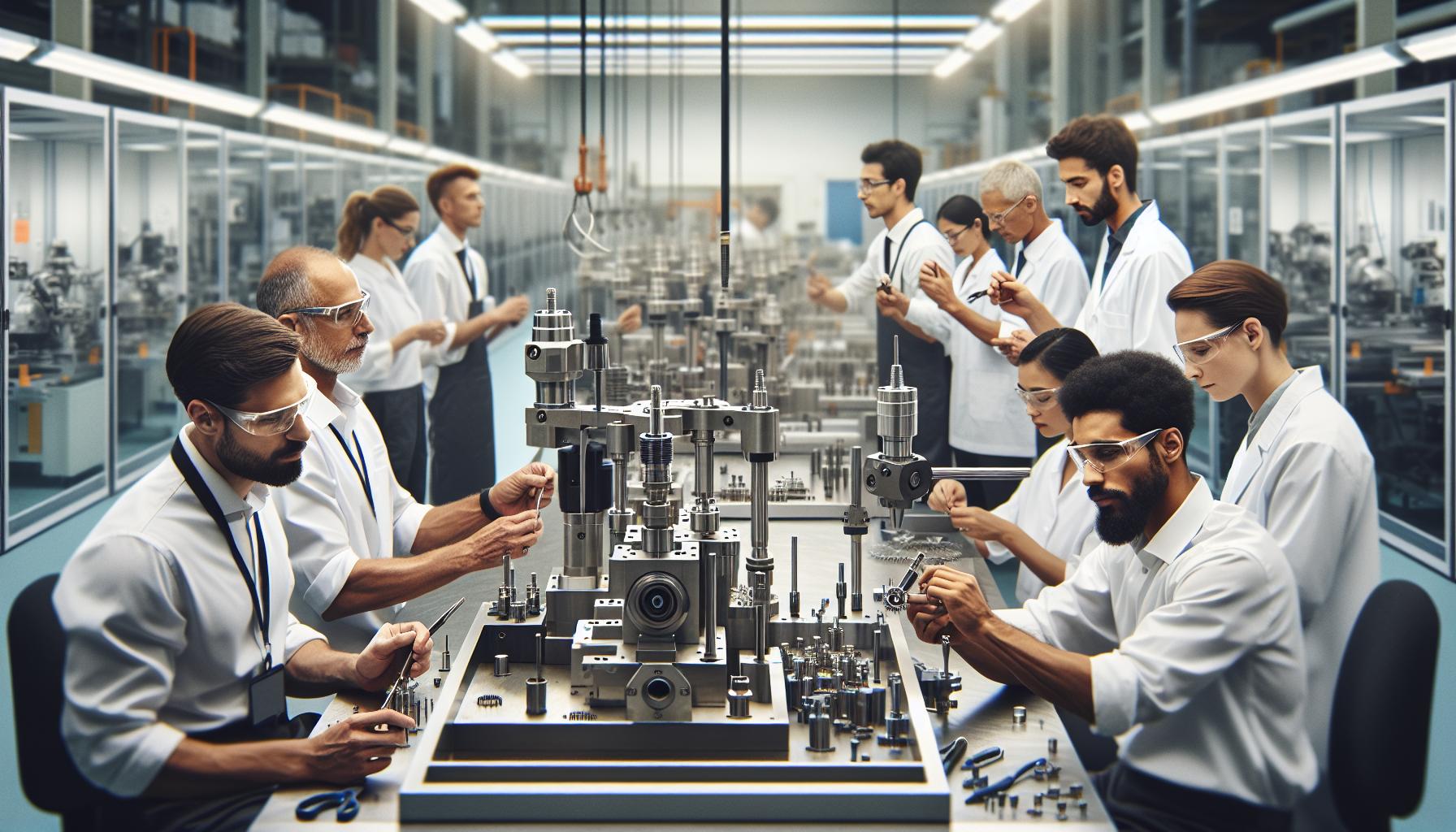
Materials Used in Precision Production
Precision manufacturing relies fundamentally on the careful selection of materials to achieve the desired characteristics and tolerances of the final products. The right materials can significantly influence the performance, durability, and quality of manufactured components. From high-performance alloys to advanced composites, the choices made at this stage can determine the overall success of the production process.
Materials in precision production can be broadly categorized into several key types:
- Metals: Various metals, such as aluminum, stainless steel, and titanium, are widely used due to their excellent mechanical properties, machinability, and resistance to wear and corrosion. Each type of metal offers unique benefits; for instance, titanium is highly sought after in aerospace applications for its high strength-to-weight ratio.
- Plastics: Engineering plastics like polycarbonate, nylon, and acetal are utilized for their lightweight characteristics and ability to be molded into complex shapes. These materials are often chosen for applications that require flexibility and resistance to chemicals.
- Composites: Composites, such as carbon fiber reinforced polymers (CFRP), are becoming increasingly popular in industries like automotive and aerospace. Their high strength and low weight make them ideal for applications where reducing weight is crucial without compromising strength.
- Ceramics: Advanced ceramics are known for their hardness and thermal stability, making them suitable for components that operate in high-temperature environments. They are often used in cutting tools and semiconductor manufacturing.
Importance of Material Characterization
Understanding how materials behave under different conditions is paramount. This includes assessing factors such as tensile strength, fatigue resistance, and thermal conductivity. For instance, high-performance applications in the aerospace or medical sectors demand strict adherence to material specifications to ensure safety and performance over the product’s lifecycle.
Innovations in Material Science
The landscape of is continually evolving through advancements in material science. Innovations such as nanomaterials or bio-based plastics promise to enhance performance while addressing sustainability concerns. As manufacturers seek to stay competitive, investing in the latest material developments can lead to significant improvements in both product capabilities and environmental impact.
In summary, the selection of materials in precision manufacturing is a critical step that influences every aspect of production. With the right choices and a thorough understanding of material properties, manufacturers can produce components that not only meet but exceed the expectations of quality and performance.
Technologies Driving Precision Manufacturing
The landscape of precision manufacturing is constantly evolving, driven by a plethora of advanced technologies that enhance efficiency, accuracy, and flexibility in production. One of the most significant advancements in this field is the integration of Computer Numerical Control (CNC) machines, which utilize precise programming to control tools and machinery with exceptional accuracy. This technology allows for the production of complex parts with intricate geometries that manual processes could not achieve, greatly reducing human error and lead times.
Another noteworthy advancement is the rise of Additive Manufacturing or 3D printing. This technique has revolutionized the way manufacturers approach design and prototyping. By enabling the layer-by-layer construction of components, 3D printing facilitates rapid iteration and customization. Products can be designed with complex internal structures that optimize weight and performance, which is particularly beneficial in aerospace and automotive industries where every ounce counts. Moreover, additive manufacturing minimizes material waste, promoting sustainability-a crucial consideration in today’s environmentally conscious marketplace.
The role of automation and robotics in precision manufacturing cannot be overlooked. Automated systems enhance production capabilities by executing repetitive tasks with speed and precision, allowing human workers to focus on more strategic roles. Collaborative robots, or cobots, work alongside human operators, enhancing safety and efficiency without replacing jobs. As artificial intelligence and machine learning technologies progress, we anticipate increasingly intelligent systems capable of optimizing production schedules, predicting maintenance needs, and adapting to varying manufacturing conditions in real time.
The impact of advanced materials technology also plays a pivotal role in precision manufacturing. New materials such as high-performance alloys, composites, and bio-materials allow designers more freedom in their creations while offering improved performance characteristics that meet stringent industry standards. Furthermore, processes like laser cutting and precision welding have advanced to provide cleaner cuts and stronger joints, enhancing the overall quality and integrity of manufactured components.
As these technologies continue to evolve, they are setting new standards for what is possible in precision manufacturing. Embracing these innovations is critical for manufacturers aiming to remain competitive, as they not only improve existing processes but also pave the way for new applications and capabilities in the future.
Quality Control Measures in Precision Production
In precision manufacturing, where the stakes for quality are exceptionally high, stringent quality control measures are critical to ensuring that products meet the required specifications and standards. This aspect of manufacturing not only safeguards the integrity of the final product but also enhances customer satisfaction and business reputation. Implementing effective quality control processes can prevent costly defects and improve overall efficiency in production.
To ensure high-quality outputs, manufacturers often adopt a multi-faceted approach to quality control. One common practice is the use of Statistical Process Control (SPC), which involves monitoring and controlling production processes through statistical methods. By analyzing data in real time, manufacturers can identify variations and potential problems before they escalate into significant issues, allowing for immediate corrective actions. Furthermore, systematic sampling and inspection at various production stages help maintain oversight of component quality throughout the manufacturing cycle.
Another pivotal quality control measure is the establishment of clear standards and specifications for materials and processes. Specifications should be meticulously documented, specifying tolerance levels, material properties, and operational parameters. Training staff on these standards is equally important, ensuring that everyone involved in the process understands the quality expectations and how their roles contribute to achieving them. For example, in companies like Precision Manufacturing INC, which focuses on high-quality products like tree shears and grapples, adherence to stringent materials standards ensures that the components produced are durable and reliable [1].
Finally, continuous improvement methodologies such as Lean and Six Sigma can be instrumental in refining quality control practices. These methodologies emphasize the reduction of waste and the elimination of defects, fostering an environment where quality is not just a final check but an integral part of the production culture. By engaging all employees in the quest for quality and enabling them to contribute suggestions for improvement, manufacturers can cultivate a proactive attitude toward quality that permeates every level of the organization.
By employing these quality control measures, precision manufacturers can better navigate the complexities of modern production demands while ensuring that their products consistently meet the high standards expected by consumers.
Applications of Precision Manufacturing Across Industries
Precision manufacturing plays a crucial role in a variety of industries, ensuring that products meet high standards of quality and performance. From aerospace to medical devices, the applications of precision manufacturing are diverse and vital to modern production methods. The ability to produce components with exact specifications not only enhances product functionality but also contributes to safety and reliability across sectors.
In the aerospace industry, precision manufacturing is indispensable for fabricating parts that must endure extreme conditions. Components such as engine turbine blades and structural supports require meticulous engineering and quality control. The use of advanced materials, like titanium and carbon composites, paired with precision machining techniques, allows manufacturers to produce lighter and stronger parts, optimizing aircraft performance while adhering to strict regulatory standards.
The medical field is another area where precision manufacturing demonstrates its importance. Medical devices and prosthetics often necessitate customized solutions with strict tolerances. Techniques like computer numerical control (CNC) machining and 3D printing allow for the creation of tailored implants and surgical tools that not only fit the patient perfectly but also enhance surgical outcomes. Moreover, strict regulatory compliance and quality assurance practices ensure that these life-saving devices meet safety and efficacy benchmarks.
Automotive manufacturing also relies heavily on precision techniques. The production of critical engine components and safety features, such as braking systems and suspension parts, requires exact specifications to ensure vehicle performance and safety. Innovative technologies like robotic automation and advanced welding methods are employed to achieve high accuracy and efficiency in mass production, resulting in reliable vehicles.
Furthermore, electronics manufacturing benefits significantly from precision methods. The miniaturization of electronic components, such as circuit boards and microchips, demands exceptional precision in fabrication. Advanced lithography and etching techniques enable the production of these intricate components, which power a vast array of devices from smartphones to computers, underscoring the central role precision manufacturing plays in the tech industry.
In summary, the applications of precision manufacturing are vast and critical to the functionality and safety of products across various industries. By leveraging advanced techniques and technologies, manufacturers can meet the demanding standards required in sectors such as aerospace, medical, automotive, and electronics, ultimately driving innovation and improving quality of life.
Cost Considerations in Precision Production
Precision manufacturing is often perceived as synonymous with higher costs; however, understanding the underlying factors can turn this perception into an opportunity for strategic investment. The upfront costs associated with precision processes can be daunting, including specialized equipment, skilled labor, and intricate materials. Nevertheless, these initial expenditures can lead to significant long-term savings and efficiency gains. For instance, precision manufacturing minimizes material waste by optimizing cutting processes and ensures product quality, which can reduce rework and warranty claims.
One key factor is the role of technology in precision manufacturing. The implementation of advanced robotics, computer numerical control (CNC) machining, and additive manufacturing often requires a substantial investment but can enhance production efficiency and capability. These technologies allow for rapid prototyping and shorter production cycles, enabling manufacturers to respond to market demands more quickly and with higher accuracy. The reduction in lead times can be a game-changer, particularly in industries where speed to market is critical, allowing firms to capitalize on new opportunities faster than their competitors.
Another consideration is the cost of quality. While precision manufacturing systems may demand higher standards and rigorous quality control processes, investing in quality upfront often leads to decreased failure rates and increased customer satisfaction in the long run. Each defect costs a company-not just in terms of materials and labor, but potentially in lost sales and customer trust. By understanding that a focus on quality is a cost-saving measure rather than an expense, businesses can shift their mindset towards viewing precision manufacturing as a strategic asset rather than a liability.
Moreover, workforce training and development are essential budget components in precision manufacturing. Skilled operators are crucial for maintaining the quality and efficiency of precision processes. Investing in employee training enhances productivity and can lead to innovations in production methods or processes. Furthermore, a well-trained workforce can identify inefficiencies or potential improvements in operations, providing a much greater return on investment.
In weighing the cost considerations of precision manufacturing, businesses must adopt a holistic view that encompasses both direct and indirect costs and benefits. By doing so, they transform challenges into avenues for growth, unlocking the potential of precision manufacturing as a pivotal element in their competitive strategy. It is not merely about the costs incurred but about the value created-driving innovation, enhancing quality, and elevating market positioning.
Environmental Impact of Precision Manufacturing
The drive toward precision manufacturing has not only revolutionized production efficiency but has also significantly improved the environmental footprint of manufacturing processes. In a world increasingly focused on sustainability, precision production techniques offer a pathway to reducing waste and minimizing energy consumption, making them a responsible choice for modern manufacturers.
One of the most notable environmental benefits of precision manufacturing is its ability to minimize material waste. Traditional manufacturing methods often involve extensive cutting and reworking of materials, resulting in substantial scrap. In contrast, precision processes, such as Computer Numerical Control (CNC) machining and additive manufacturing, optimize material use by carefully calculating dimensions and applying advanced cutting techniques. This results in a more efficient use of raw materials, translating into less waste and lower environmental impact.
Furthermore, the energy efficiency in precision manufacturing processes greatly contributes to a reduced carbon footprint. By enhancing production accuracy and reducing cycle times, manufacturers can significantly decrease the energy needed for operations. Technologies like automations and robotics not only streamline production but also make it more sustainable. For example, less energy-intensive machines and processes, which operate at higher efficiencies, can lead to lower emissions and reduced reliance on non-renewable energy sources.
Another key aspect is the potential for using eco-friendly materials and production methods. Many precision manufacturers are embracing sustainable sourcing practices. This means selecting materials that are not only high in quality but also have a lesser impact on the environment-from biodegradable alternatives to recycled materials. Additionally, precision manufacturing allows for the design of products that consume less energy during their lifecycle, further enhancing sustainability.
In summary, the is overwhelmingly positive. By reducing waste, enhancing energy efficiency, and supporting sustainable material sourcing, precision production not only meets the demands of profitability but also aligns with global sustainability goals. Manufacturers looking to innovate responsibly should consider adopting precision techniques as a part of their strategic approach to both competitiveness and environmental stewardship.
Future Trends in Precision Production Technologies
As industries evolve at an unprecedented pace, the future of precision production technologies promises to redefine the manufacturing landscape. One particularly compelling trend is the integration of advanced automation and artificial intelligence (AI) within manufacturing systems. Automated systems not only enhance production efficiency but also allow for real-time monitoring and predictive maintenance, dramatically reducing downtime and operational costs. For instance, smart manufacturing setups equipped with AI can analyze vast amounts of data from machinery to optimize workflows and anticipate equipment failures before they occur.
Robotics and Collaborative Robots (Cobots) are also gaining ground, allowing for seamless interaction between humans and machines. These technologies enable manufacturers to enhance workforce capabilities, combining the precision of machines with the creativity and problem-solving skills of human workers. Collaborative robots can adapt quickly to changing tasks, making them invaluable in environments where flexibility and speed are essential.
Another trend to watch is the scope of additive manufacturing, or 3D printing, which continues to expand its applications beyond prototyping into full-scale production. Industries such as aerospace and automotive are increasingly adopting these techniques to create complex geometries that were previously impossible or too costly to produce with traditional methods. The ability to manufacture parts on demand also minimizes inventory costs and reduces material waste, reinforcing sustainability goals in manufacturing.
Furthermore, Internet of Things (IoT) technologies are poised to enhance connectivity across manufacturing processes. By embedding sensors and devices in machinery, manufacturers can collect valuable data that informs everything from supply chain logistics to quality control processes. This interconnectedness will not only improve operational efficiency but also enhance customization capabilities, allowing for more tailored manufacturing solutions that meet specific customer needs.
In summary, the future of precision production technologies is characterized by a fusion of cutting-edge automation, AI, robotics, and IoT, which together are reshaping the way products are designed, produced, and delivered. Manufacturers that embrace these trends will not only boost their competitiveness but also lead the charge towards a more efficient, sustainable, and innovative industry landscape.
Challenges Faced in Precision Manufacturing
Precision manufacturing represents the pinnacle of modern production techniques, yet it is fraught with a unique set of challenges that can impede progress and innovation. One of the foremost hurdles is the cost of technology. Advanced machinery, software, and training programs required for precision manufacturing can represent significant investments. Small and medium enterprises (SMEs) often struggle to allocate budget towards these technologies, potentially limiting their ability to compete with larger firms that have more resources.
Moreover, the skill gap in the workforce poses a critical challenge. As manufacturing becomes increasingly digitized and automated, there is a growing need for workers who are adept in new technologies and methodologies. Many existing workers may lack the necessary skills for operating sophisticated machinery or utilizing data-driven manufacturing processes. This skills gap not only affects productivity but also hampers innovation, as companies may be slow to adopt or fully utilize new systems without adequately trained personnel.
Another significant challenge lies in maintaining quality and consistency in precision manufacturing. As production processes become more complex with the integration of various technologies like IoT and AI, ensuring that each component meets exact specifications becomes more difficult. Variability in materials, machine calibration, and human error can lead to inconsistencies that are costly to rectify. Implementing stringent quality control measures is essential but can also add layers of complexity and expense to the production process.
Lastly, the rapid pace of technological advancement itself can be daunting. Keeping up with trends and updates in manufacturing technology is essential for businesses that wish to remain competitive. However, the constant evolution of tools and techniques requires ongoing training and investment, which can strain smaller companies. Additionally, it can lead to a scenario where firms are hesitant to invest heavily in new solutions for fear that they will become outdated quickly.
In summary, while precision manufacturing opens up possibilities for greater efficiency and product quality, it faces several challenges that must be addressed. By focusing on technology investment, workforce development, quality management, and adaptability to technological changes, manufacturers can better position themselves to navigate the complexities of modern production environments.
Comparative Analysis: Precision vs. Traditional Manufacturing
In today’s manufacturing landscape, the juxtaposition between precision and traditional manufacturing techniques highlights a significant evolution in how products are designed and produced. While both methodologies aim to create quality goods, the differences in their processes, outputs, and efficiencies are crucial for businesses looking to optimize their production lines.
Precision manufacturing is marked by its reliance on advanced technologies and highly controlled processes to achieve tight tolerances and repeatability. This method utilizes computer numerical control (CNC) machines, robotics, and real-time monitoring technologies to ensure that each component is produced to exact specifications. For example, automotive parts must often meet strict criteria in terms of dimensions and weight to ensure safety and performance. This necessity drives the adoption of precision methods, which provide consistent quality at scale.
In contrast, traditional manufacturing typically involves more manual processes and less stringent controls. Techniques such as machining, welding, or assembly lines evolve with human intervention, which can introduce variability. While traditional manufacturing can be more flexible and suited for low-volume production runs where changeovers are frequent, it may not achieve the same level of consistency as precision methods. For example, a factory producing custom furniture might thrive with traditional techniques due to the artistic nature of the products, but a factory producing medical devices would need to employ precision manufacturing to adhere to regulatory standards.
Advantages of Precision Manufacturing
- Consistency: Precision methods reduce variability, thus increasing the quality and reliability of products.
- Efficiency: Automation and technology integration speed up production processes, minimizing waste and downtime.
- Cost-effectiveness: Although initial investments can be high, precision manufacturing can lead to lower costs per unit in large-scale operations due to reduced defects and rework.
When to Use Traditional Manufacturing
- Customization: If a product requires significant customization or has unique specifications, traditional methods may accommodate that flexibility.
- Lower Capital Investment: For smaller businesses or startups, traditional manufacturing methods may require less investment upfront compared to the sophisticated machinery used in precision manufacturing.
Ultimately, the choice between precision and traditional manufacturing depends on the product requirements, production volume, and available technological resources. Companies must evaluate their specific needs to determine the best approach, balancing factors such as throughput, cost, and quality to align with market demands.
Real-World Examples of Precision Manufacturing Success
In the realm of precision manufacturing, numerous companies have leveraged advanced techniques and technologies to achieve remarkable success stories. One prime example is the automotive industry, particularly manufacturers like Tesla, which utilizes precision engineering to create high-performance electric vehicles. By employing a sophisticated mix of CNC machining and robotics, Tesla has not only optimized the production process but also achieved critical safety and performance standards that are essential in the automotive sector. The integration of precision manufacturing has allowed Tesla to maintain tight tolerances on battery components, significantly enhancing efficiency and product reliability.
Another notable case is in the aerospace sector, where precision manufacturing is paramount due to stringent regulations and the need for safety. Boeing’s use of additive manufacturing, or 3D printing, exemplifies this trend. By producing complex components that were previously impossible-or cost-prohibitive-to manufacture using traditional methods, Boeing has reduced weight while increasing fuel efficiency in its aircraft. The ability to create highly customized parts on-demand has not only minimized waste but has also allowed for more agile production timelines, resulting in significant cost savings and improved turnaround for new aircraft models.
In the medical device industry, companies like Medtronic have also harnessed precision manufacturing techniques. By utilizing high-precision machining and rigorous quality control measures, Medtronic has successfully developed life-saving devices with exceptional reliability. Technologies such as micro-manufacturing allow for the creation of intricate components needed in devices like pacemakers and insulin pumps, where even the smallest defect can have serious consequences. This commitment to precision not only meets regulatory requirements but also enhances patient safety and comfort.
These real-world examples illustrate the transformative impact of precision manufacturing across various sectors. By adopting innovative technologies and maintaining unwavering attention to detail, companies can achieve not only operational efficiency but also a competitive edge in their respective markets. As the industry continues to evolve, the commitment to precision will likely drive further advancements, ultimately enhancing product quality and customer satisfaction.
FAQ
Q: What are the key benefits of precision production in manufacturing?
A: The key benefits of precision production include improved efficiency, reduced waste, enhanced quality, and lower costs. By utilizing advanced technologies and techniques, manufacturers can minimize errors and ensure consistent output. This approach is essential in sectors like aerospace and medical devices where quality is critical.
Q: How does precision manufacturing differ from traditional manufacturing?
A: Precision manufacturing focuses on high accuracy and tight tolerances, whereas traditional manufacturing often allows for broader tolerances and may prioritize speed over precision. This distinction leads to better quality control and reliability in products made through precision methods.
Q: What role does technology play in precision manufacturing?
A: Technology is fundamental in precision manufacturing as it enables automation, computer-aided design (CAD), and additive manufacturing. These technologies help in producing highly accurate components and improving overall production efficiency, as seen in the integration of smart factories and IoT.
Q: What challenges do companies face in precision production?
A: Companies in precision production encounter challenges like maintaining cost efficiency, ensuring skilled labor availability, and managing complex supply chains. Additionally, staying updated with rapidly evolving technologies can be daunting.
Q: How is quality control implemented in precision manufacturing?
A: Quality control in precision manufacturing involves rigorous testing, real-time monitoring, and adherence to ISO standards. Techniques like statistical process control (SPC) are employed to ensure that products meet exact specifications and reduce variances.
Q: Why is material selection critical in precision production?
A: Material selection is crucial because it directly impacts the strength, weight, and durability of components. Choosing the right materials, such as alloys or composites, enhances product performance and longevity in demanding applications.
Q: What future trends are emerging in precision manufacturing?
A: Emerging trends in precision manufacturing include increased automation, the use of AI and machine learning for predictive maintenance, and advancements in 3D printing technologies. These trends aim to enhance efficiency, increase customization, and streamline production processes.
Q: How can companies reduce costs in precision manufacturing?
A: Companies can reduce costs by optimizing production processes, investing in efficient machinery, and utilizing lean manufacturing principles to minimize waste. Implementing technology solutions can significantly enhance operational efficiency, leading to overall cost savings.
Wrapping Up
Thank you for exploring the intricate world of precise manufacturing processes with us. As you’ve seen, precision production is essential for delivering high-quality products that meet the needs of today’s demanding markets. We invite you to dive deeper into related topics, such as our comprehensive guides on optimizing efficiency in manufacturing or understanding innovative production technologies. Don’t miss out; subscribe to our newsletter for the latest insights straight to your inbox.
If you have questions or want to explore how our services can elevate your manufacturing operations, consider scheduling a consultation with our experts. Remember, the right strategies and tools can transform your production capabilities and drive success. Join our community of engaged professionals, share your thoughts in the comments below, and discover how precision production can work for you. Your journey to excellence starts now!
Get our latest guides, news, and insights highlighted in your Google Search & AI Overviews.