Did you know that effective time management can boost your productivity by up to 25%? In today’s fast-paced world, mastering the art of managing your time is essential for achieving your goals, whether in your personal life or professional endeavors. Our “Round Duration: Time Management Guide” dives deep into practical strategies that empower you to take control of your schedule. You’ll discover how to prioritize tasks, set achievable goals, and balance your commitments while still making time for what truly matters. Whether you’re a busy professional, a student balancing studies and extracurriculars, or someone simply looking to maximize leisure time, this guide is designed for you. Join us as we explore actionable tips and insights that will transform your approach to time management, allowing you to play your best game in every aspect of your life. Your journey towards more effective time management and enhanced productivity begins here!
Understanding Round Duration in Time Management
Understanding the duration of a round in disc golf not only influences gameplay but also shapes your approach to time management overall. Just like in any sport, the time spent on each hole can significantly impact the rhythm of a game. For both casual players and competitors, being aware of your average round duration can enhance your experience and performance on the course. A round lasting too long might lead to fatigue, while a swift pace can maintain enthusiasm and focus.
Key Factors Influencing Round Duration:
- Course Layout: The complexity of the course significantly affects how long a round takes. A challenging course with varied terrain and multiple obstacles will typically slow down pace.
- Player Experience: More seasoned players generally navigate courses more efficiently. They are familiar with throwing techniques and strategies, which can help expedite gameplay.
- Weather Conditions: High winds or rain can slow down play as players take additional time to decide on their shots and handle their discs.
- Group Size: The number of players in your group can also influence timing. Larger groups often take longer to complete rounds due to wait times at each tee.
To optimize your round duration, consider these strategies:
- Play with Purpose: Establish clear objectives for your game-whether it’s practicing new techniques or focusing on your score. This can streamline decision-making and enhance focus.
- Pre-Round Preparation: Arrive at the course with a warm-up routine and have your gear ready to minimize downtime.
- Time Tracking: Use tools like a stopwatch or a dedicated app to monitor your round duration. This awareness can help you pace yourself better in future games.
Ultimately, understanding and effectively managing your round duration can lead to improved performance and enjoyment in the game. By incorporating these tips, players can find a balance between loose play and efficiency, ensuring each outing on the disc golf course is both productive and enjoyable.
Key Principles of Effective Time Management
Effective time management is the cornerstone of a successful disc golf round, ensuring that you not only enjoy your game but also maximize your performance. Understanding this principle can lead to a more fulfilling experience on the course. The aim is to manage your time wisely, creating a structured approach that allows you to focus on your game without unnecessary distractions or delays. By incorporating effective time management strategies, players can iterate their skills more efficiently while maintaining a competitive edge.
One of the is establishing clear goals for your gameplay. Setting specific objectives, whether it’s improving your throwing distance or honing your putting skills, helps direct your focus and energy towards achieving precise targets. This proactive mindset supports better decision-making, allowing players to stay within their desired pace while navigating the course. Additionally, a pre-round checklist can enhance your preparedness, ensuring that you arrive at the course equipped and ready to play, which reduces downtime.
Another critical aspect is to remain adaptable during your game. Disc golf often presents unpredictable elements-such as other players on the course or changes in weather-that can disrupt your intended pace. By regularly assessing your objectives and the environment, you can adjust your strategy on-the-fly, opting to slow down when necessary or accelerate when conditions permit. For instance, if a storm approaches, knowing when to hurry through your shots can offset potential delays while also allowing enough time to complete your round.
Moreover, tracking your time during rounds can illuminate patterns in your gameplay and duration. Using a simple stopwatch or a dedicated app to log your start and finish times not only informs you about your average round duration but also helps identify areas for improvement. For example, if you notice you consistently linger on certain holes, this data gives you a tangible indicator to work on swapping strategies and refining your focus on those specific moments.
Ultimately, by embracing these time management principles, players of all skill levels can enhance their disc golf experience. Fostering a balance between efficiency and enjoyment allows for a deeper connection with the sport, making each round an opportunity for growth, camaraderie, and fun on the course. Remember, the goal is not solely about the pace but ensuring that your time spent translates into a rewarding and productive outing.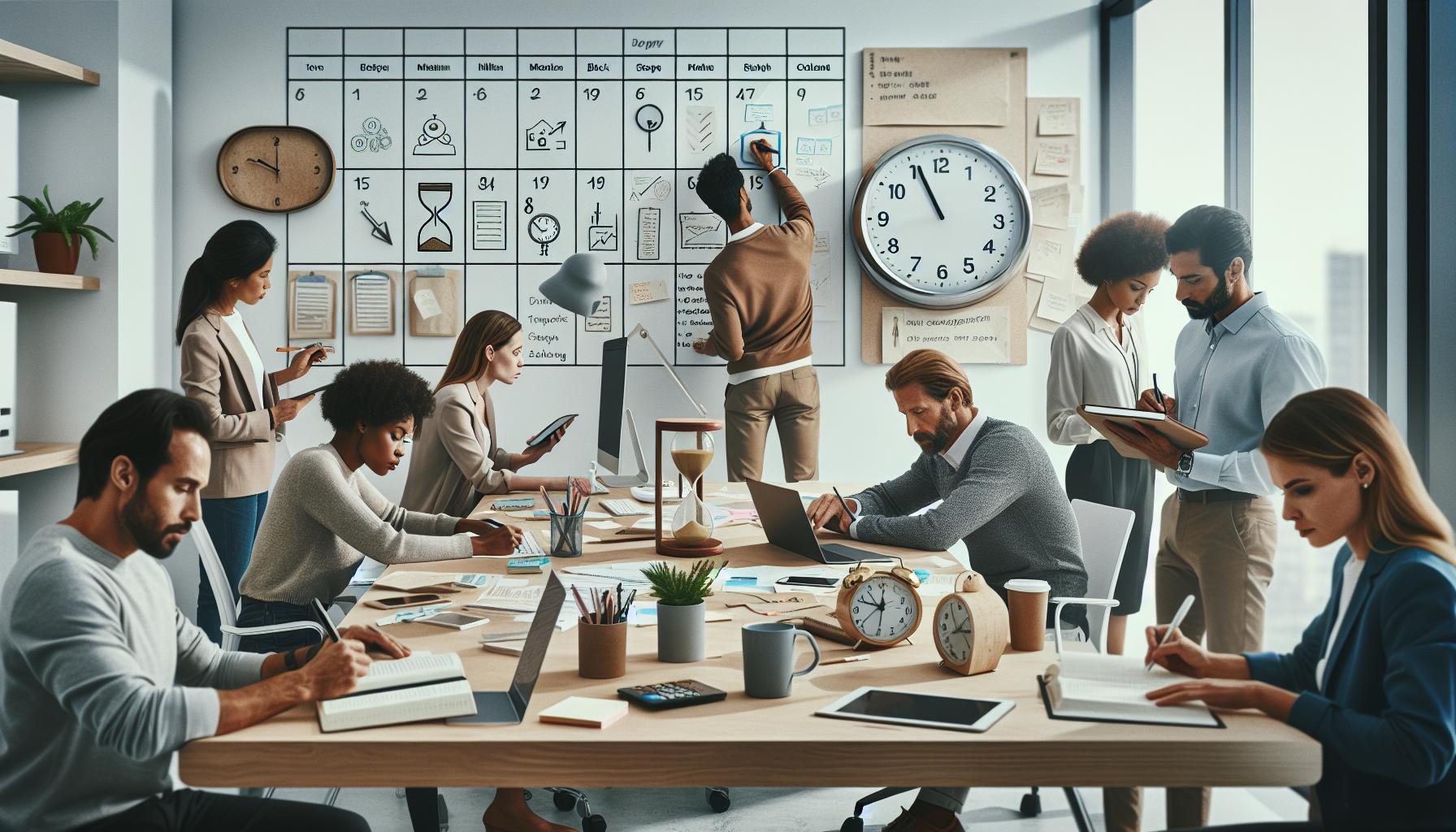
Strategies for Optimizing Your Round Duration
Optimizing your round duration in disc golf is a game-changer, transforming a rushed experience into a well-paced performance that maximizes both enjoyment and efficiency. The key to achieving this lies in a combination of strategic planning and adaptive gameplay. By honing your approach to each round, you can enjoy a more satisfying experience on the course while also enhancing your overall skills.
One effective strategy is to develop a pre-round routine that includes not just warm-up exercises but also a review of your game plan for the day. Before stepping onto the course, take a moment to assess the conditions-consider the weather, the length of play, and even the skill levels of other players. Setting realistic expectations based on these factors can significantly influence your pacing throughout the round. For instance, on a congested day, you might opt for quicker throws on easier holes while saving your focus for more challenging shots.
Effective time allocation for each hole is another crucial tactic. Familiarize yourself with the course layout and the average times for each hole. Dedicate specific time limits for each throw and for walking between holes. Implementing a pacing strategy, such as aiming to complete the first half of your round within a set timeframe, allows you to gauge your speed and adjust your play as needed. This keeps you from feeling rushed and ensures that you maintain momentum without sacrificing shot quality.
Utilizing time management tools, like a stopwatch or a smartphone app, can also enhance your gameplay experience. Track how long you spend on each hole and identify patterns in your performance. If you find yourself frequently taking longer on certain holes, analyze what specifically is causing this delay-whether it’s indecision, setup, or environmental distractions. Adjusting your approach based on this feedback can lead to significant improvements in your efficiency on the course.
Lastly, embrace adaptability. Disc golf is as much about technique as it is about responding to the environment. Be prepared to adjust your strategy based on course conditions and fellow players. For example, if you notice a backup at a tricky hole, using that time to analyze your next shot or mentally rehearse your throw can keep you engaged and focused rather than frustrated.
By incorporating these strategies into your game, you’ll not only optimize your round duration but also enhance your overall performance and enjoyment. Remember, successful time management is about finding the right balance that lets you play your best while making the most of your time on the course.
Techniques for Prioritizing Tasks Effectively
In disc golf, effectively prioritizing tasks can make the difference between a good game and a great one. Whether it’s deciding which shot to take next or determining how to manage your time during play, understanding your priorities allows you to focus on what truly matters and maximize your round duration. One key technique is to break down the round into manageable segments, assessing which holes or shots demand your utmost attention based on their complexity or your familiarity with them.
Evaluate Course Challenges
Recognizing the challenges each hole presents is essential for successful prioritization. For instance, if you’re approaching a notoriously difficult hole, prioritize your time and mental energy on preparing for it. This might include visualizing your throw, discussing strategies with fellow players, or even reviewing past experiences on the same hole. By pre-emptively addressing these challenges, you can enhance your performance when it truly counts.
Use a Priority Matrix
Another effective method is utilizing a priority matrix, which helps you categorize tasks based on their urgency and significance. Divide your pre-round to-do list into four quadrants:
- Urgent and Important: These tasks need immediate attention, like warming up your throwing arm or adjusting your strategy for a tricky course layout.
- Important but Not Urgent: Tasks such as practicing new techniques or familiarizing yourself with the way the wind affects disc flight can fit here-worth your time, but not crucial to your immediate play.
- Urgent but Not Important: These may include responding to messages or casual chat that could distract you right before a throw.
- Not Urgent and Not Important: Things like scrolling social media, which don’t enhance your game and can detract from your focus.
By filtering activities through this lens, you ensure that your energy is directed toward improving your game and completing tasks that enhance your performance.
Focus on Your Game Plan
Establishing a solid game plan before you even step onto the course is crucial. Write down your goals for the day, focusing on areas like improving your putting or mastering a specific throwing technique. When you have goals clearly defined, it becomes easier to prioritize based on what will contribute the most to achieving those objectives. Remember, each throw counts, and strategizing your approach to meet your goals not only improves your skills but can also reduce anxiety by giving you a clear focus.
Incorporating these prioritization techniques not only enhances your strategic play but also creates a more enjoyable experience, allowing you to capitalize on your strengths and manage your weak points effectively. Embrace these principles, and you will not only optimize your round’s duration but also grow as a competitor in this dynamic and exciting sport.
The Role of Breaks in Time Management
Incorporating breaks into your disc golf round not only rejuvenates your physical stamina but also sharpens your mental acuity, facilitating better overall performance. The strategic importance of breaks cannot be overstated; they are opportunities to reset your focus, assess your game plan, and recalibrate your approach to upcoming holes. Just as an athlete takes time to hydrate and stretch, allowing the mind to step away momentarily can enhance your ability to strategize and execute effectively.
It’s essential to understand that breaks can take various forms. Some players benefit from quick mental breaks that last a minute, allowing them to breathe, visualize their next shot, or have a brief chat with teammates. Others might find that stepping aside for a longer pause, perhaps after completing a challenging hole, helps them recharge both physically and mentally. During these intervals, think critically about your previous throws, reflect on what worked and what didn’t, and prepare for the next set of challenges on the course. This approach is akin to reviewing a game film or taking notes between plays, enabling you to adapt your strategy in real-time.
Moreover, the benefits of breaks extend beyond mere recovery. They create community and camaraderie among players, enhancing the overall experience. Sharing insights during a pause or discussing course conditions can lead to collaborative strategizing, making you and your partners more effective throughout the round. Establish a routine that includes intentional breaks after every few holes, making it a part of your game plan. This structure not only keeps energy levels high but also fosters a mindset that values reflection as a critical component of skill development.
In summary, effective time management in disc golf doesn’t solely revolve around how you allocate your shots but also how you seamlessly weave breaks into your play. Regularly taking time to reset will empower you to maintain focus, handle course challenges better, and ultimately elevate your gameplay. Embrace the power of breaks, and transform them from mere pauses into strategic tools that enhance both your performance and enjoyment of the game.
Tracking Time: Tools and Techniques
Tracking your time effectively can make a significant difference in how you approach your disc golf rounds, leading to improved performance and enjoyment. Understanding your round duration is essential, not only for pacing but also for maximizing each shot and maintaining energy levels throughout the game. By employing various tools and techniques to keep track of how long you spend on each hole and your overall round, you can identify areas for improvement and refine your strategy on the course.
One of the simplest yet most effective methods is to use a stopwatch or mobile app specifically designed for time tracking. These tools allow you to monitor not just the time you take per hole but also how long breaks and transitions between holes last. Consider using a popular app that provides statistics and insights, such as UDisc or Disc Golf Metrix. These applications offer additional features like score tracking and round analysis, helping you gauge your efficiency. You can even set personal benchmarks based on your historical data-aiming to improve on previous rounds based on tracking metrics gives you a clearer goal for each game.
Utilizing a digital scorecard can further simplify your tracking process. While some players prefer the old-fashioned pen-and-paper method, digital scorecards allow for real-time updates and can calculate your score, average time per hole, and even suggest optimal pacing based on data from previous rounds. This tool not only keeps your stats organized but also motivates you to stay within a particular time frame, helping to cultivate discipline in your gameplay.
Techniques for Effective Time Management
To enhance your time-tracking capabilities, integrate these techniques into your routine:
- Pre-round Planning: Before starting, estimate the time allocations for each segment of your round, including play and breaks.
- Timed Breaks: Use your tracking tool to set reminders for breaks after a specified number of holes-this ensures you don’t rush or neglect rest periods.
- Post-round Review: After each round, take a few moments to review your time data. Look for patterns, such as holes that consistently take longer, and adjust your strategy accordingly.
By actively monitoring and managing your time on the course with these tools and techniques, you can enhance your overall performance, strategically plan your breaks, and ultimately enjoy your disc golf experience even more. Tracking time in disc golf transcends mere statistics; it’s about cultivating a deeper understanding of your rhythm and pacing, solidifying your approach as a serious athlete in this dynamic and growing sport.
Balancing Work and Life for Better Productivity
Finding the right balance between work and life is crucial for enhancing productivity, especially when engaged in an athletic pursuit like disc golf, where both physical and mental endurance are key. A well-structured approach to managing your time will not only improve your performance on the course but also ensure you’re not sacrificing personal relationships and mental well-being to meet your goals. The essence of time management lies in prioritizing what matters most, allowing you to fully enjoy your leisure time while still excelling in your professional responsibilities.
To create a harmonious balance, begin by implementing a structured schedule that clearly defines your work hours and your disc golf practice or play sessions. Utilize digital calendars or scheduling apps to block out time for both areas of your life. For example, earmarking specific days or times for hitting the course can make your practice routine more intentional. This not only helps in reaching your goals as a player but also relieves the guilt of taking time away from work or family. Remember, consistency breeds familiarity; the more you incorporate your sport into your routine, the more balanced your life will feel.
Additionally, learning to say no to non-essential commitments is important. Assess your daily tasks and determine which ones align with your goals and values. If a work project extends beyond your working hours consistently, discuss adjusting deadlines with your superiors to better fit your personal routine. This kind of open communication can often lead to a more flexible work environment, affording you the opportunity to pursue passions like disc golf without feeling stretched too thin.
Effective Time Allocation Techniques
To manage your time effectively, consider the following techniques:
- Batching Tasks: Group similar tasks together and allocate focused time slots for them, reducing the mental load of switching contexts.
- Use of Downtime: Incorporate small activities during your breaks-like a quick putting drill or stretching focused on your disc golf skills-making productive use of pockets of time.
- Reflection and Adjustment: At the end of each week, review how you spent your time. Identify aspects of your routine that may be consuming too much time or yielding little in return, allowing for necessary adjustments.
Striking a balance between work and play requires discipline and awareness. By effectively managing your time, you will foster an environment where both your professional and personal endeavors can thrive, resulting in heightened enjoyment and success on the disc golf course. Embracing this philosophy not only legitimizes disc golf as more than just a hobby but cements its status as a serious athletic pursuit within a well-rounded lifestyle.
Advanced Time Management Techniques for Professionals
While disc golf is often seen as a leisurely sport, mastering advanced time management techniques can elevate your skills on the course and enhance your overall game strategy. One effective approach is to adopt a Critical Path Method (CPM) for your training sessions. This technique, commonly used in project management, helps you identify the essential steps needed to achieve your goals, whether it’s improving your drive distance or perfecting your putting accuracy. By mapping out these critical tasks, you can allocate your practice round durations effectively, ensuring you focus on what truly matters for improvement.
Another technique involves implementing Time Blocking, where you designate specific blocks of time strictly for different aspects of your training. For example, you could allocate one hour solely for practicing drives followed by a half-hour for putting. This method not only maximizes your focus during each session but also helps prevent the mental fatigue that comes from switching between tasks. Using a digital calendar to color-code these blocks can visually reinforce your commitment to a structured practice schedule, allowing for adjustments based on progress or upcoming tournaments.
Additionally, leveraging Pomodoro Technique-which involves working for 25 minutes followed by a 5-minute break-can boost your productivity during practice. These bursts of concentrated effort are especially helpful during solo rounds, as they keep your mind sharp and engaged. During your breaks, you can incorporate brief physical warm-ups or quick reviews of your disc flight mechanics, which keeps you physically and mentally in tune with your game.
Finally, don’t underestimate the importance of data analysis. Utilize apps that track your performance metrics such as throw distance, accuracy, and even time spent on each hole in practice rounds. Analyzing this data can provide insights into your strengths and weaknesses, allowing you to fine-tune your training focus as you approach competitive events.
Embracing these advanced time management techniques not only boosts your efficiency during training but also reinforces a disciplined approach to your sport, ensuring that your practice translates effectively into improved performance on the course.
Managing Distractions to Enhance Focus
In the quest for improved performance on the disc golf course, managing distractions is crucial for maintaining focus and utilizing practice time effectively. Just like the precision required for a successful putt, the ability to concentrate without interruptions can significantly impact your skill advancement and overall enjoyment of the game. Research has shown that the average person experiences distractions every 3 minutes, which can lead to substantial losses in productivity, particularly during focused training sessions.
To combat this, consider implementing some practical strategies that not only help reduce distractions but also enhance your mental conditioning:
- Create a Dedicated Practice Environment: Choose a practice space that is free from disturbances. Whether it’s a quiet corner at the local park or your backyard, ensure it’s a spot where you can focus solely on your game. This mental separation will help you cultivate an atmosphere conducive to improvement.
- Limit Digital Distractions: Before beginning your practice, turn off notifications on your phone and other devices. Alternatively, use apps that track your performance without bombarding you with updates. This will allow you to engage deeply with your practice rounds without the constant pull of social media or messaging apps.
- Set Clear Goals: Before heading out to practice, outline specific objectives for each session. Whether it’s mastering a particular throwing technique or increasing your putting accuracy, having clear goals minimizes distractions by keeping your mind focused on what you aim to achieve.
- Use Mindfulness Techniques: Incorporate brief mindfulness exercises into your routine. Simple breathing techniques or quick visualization practices can help center your thoughts and refocus your mind, particularly if you find your attention wavering during practice.
Ultimately, mastering the art of distraction management can transform your rounds from merely enjoyable to exceptionally productive. As you implement these strategies, strive to build a discipline that not only prepares you for competitions but also fosters a deeper connection with the sport. Embrace each practice opportunity as a way to enhance not just your technical skills, but also your mental toughness-proving that disc golf is indeed a serious athletic pursuit.
Time Management for Teams: Collaborative Strategies
Establishing a cohesive team in disc golf not only enhances skill development but also maximizes practice efficiency, especially when managing round durations. Collaborative strategies can create a supportive environment where team members motivate each other, share insights, and streamline their practice sessions. For example, setting aside specific times for team rounds along with clear objectives for each session can ensure that all participants are aligned in their training goals, making the most of the time they have together.
Effective communication is essential. Tools such as group messaging apps or dedicated social media groups allow teammates to discuss strategies, share tips, and provide feedback on each other’s performance. Regularly scheduled reviews of each other’s techniques-not only during practice but also through video analysis-can provide valuable insights into areas for improvement. Encouraging each other to analyze not just individual play but also overall team dynamics helps to establish a deeper understanding of things like team strategies during tournament play.
To optimize practice rounds, consider rotating roles during team sessions, such as designating a ‘captain’ for each practice who will lead warm-ups, track scores, and manage time. This not only builds leadership skills among teammates but also ensures that practices are efficient and focused. Additionally, setting up drills that mimic competitive situations can enhance teamwork and improve focus under pressure. Encouraging healthy competition within the group by maintaining friendly leaderboards or setting personal bests helps instill a sense of achievement and camaraderie.
Finally, it’s crucial to remember that taking breaks during collaborative practice is just as important as the practice itself. Designate structured breaks to regroup, share experiences, and discuss what’s working or what isn’t. These moments can foster a more profound team bond and keep energy levels high. Balancing work and play during these sessions cultivates a fun, supportive atmosphere where improvements are made collectively, turning training into a fulfilling and effective experience.
Real-Life Success Stories: Time Management Wins
Imagine stepping onto a disc golf course not just as a challenge but as an opportunity to implement what you’ve practiced in managing your time on the course. Numerous players have transformed their game through the strategic management of round durations, proving that time handling is just as critical as throwing mechanics. Let’s explore inspiring examples from the community where effective time management led to significant on-course successes and improved overall performance.
One notable story is that of professional player Sarah Thompson, who faced challenges balancing her training schedule with tournament commitments. By adopting a structured approach to her practice sessions, she started to allocate specific time slots for different skill sets-putting, driving, and strategic course navigation. This focused training allowed her to maximize her efficiency, cutting her total practice time by 25% while enhancing her skills. As a result, Sarah saw a marked improvement in her tournament scores over the season, illustrating how managing practice times directly correlated with higher performance and less mental fatigue.
Another inspiring case is that of a local league player, James, who implemented a unique tracking system to manage his practice rounds. He utilized a simple app to log the time spent on each hole during practice sessions. By analyzing this data, he identified which holes consistently caused delays and where he needed to sharpen his skills. Armed with this information, James was able to enter tournaments with a better understanding of his pacing, allowing him to finish rounds quicker and with less stress. His practice-turned-strategy not only improved his scores but also significantly reduced his anxiety during competitive play.
Effective time management doesn’t just have to be about individual plays; it can extend to group practices as well. A coaching team of college disc golf players reported that by setting specific time frames for drills and incorporating structured breaks, they boosted team morale and productivity during their training sessions. The players felt more energized and focused during practices, leading to improved team dynamics and performance in competitions. They found that prioritizing time spent together not only enhanced their skills but also strengthened their camaraderie, making their training sessions more enjoyable.
These success stories serve as a testament to the power of time management in disc golf. By implementing structured strategies around round durations, whether through dedicated practice schedules or innovative tracking methods, players can enhance their performance on the course, reduce stress, and foster a stronger community spirit. Celebrate your time as a valuable asset on the course, and remember that how you manage it can define your game.
Exploring the Science Behind Time Management
Understanding the science behind time management can drastically improve your game and overall experience on the disc golf course. Time management is not merely about checking tasks off a list; it involves a deeper understanding of how we process, perceive, and prioritize our time. By applying psychological principles and cognitive theories, players can enhance their focus and make every moment count during their rounds.
One essential concept is the Pomodoro Technique, which breaks down work into intervals, traditionally 25 minutes in length, separated by short breaks. This method leverages our brain’s natural attention span, promoting sustained concentration while avoiding burnout. For disc golfers, applying this technique during practice can help maintain focus during long sessions. For instance, a player might dedicate 25 minutes to practicing putting, followed by a 5-minute break-this maintains high levels of engagement and reduces fatigue.
Additionally, understanding the Pareto Principle, or the 80/20 rule, can transform how players approach their practice and tournament preparation. This principle suggests that roughly 80% of results come from 20% of efforts. In disc golf, focusing on key skills-like your putting or specific drives-can yield significant improvements. For example, a player might analyze their performance data to identify which 20% of throws result in most of their strokes lost; targeting these areas can lead to greater efficiency and better scores during competitive play.
Moreover, it’s crucial to consider the impact of time perception and its relation to stress levels. Research indicates that when we feel pressed for time, our ability to perform effectively diminishes. Emphasizing mindfulness and maintaining a balanced pace during rounds can help alleviate this pressure. Players who practice mindfulness techniques report improved awareness of their environment and enhanced decision-making, allowing them to make more calculated throws rather than rushed judgments.
Finally, the significance of self-discipline and accountability should not be overlooked. Tracking your practice times and outcomes can create a sense of responsibility and motivate you to adhere to a structured schedule. Utilizing apps or systems that log your time spent on each skill or round can provide valuable insights. Just as James did with his unique tracking system, where he recorded the time spent on each hole-this practice not only highlighted areas needing improvement but also fostered a proactive mindset toward time management on the course.
By tapping into these scientific principles and methods, disc golfers can approach their time management with a strategy that empowers them-balancing commitment to the sport with personal growth and enjoyment.
Faq
Q: What is the ideal duration for a productive work round?
A: The ideal duration for a productive work round typically ranges from 25 to 50 minutes, depending on the task complexity. Following this, take a 5 to 10-minute break to recharge. This approach builds on the Pomodoro Technique, enhancing focus and productivity over longer periods. For more strategies, check the section on Strategies for Optimizing Your Round Duration.
Q: How can I extend my focus during long tasks?
A: To enhance focus during lengthy tasks, consider implementing techniques such as the Pomodoro Technique or time-blocking. Alternating between intense focus and scheduled breaks can significantly improve concentration and prevent burnout. Explore more in the The Role of Breaks in Time Management section.
Q: What tools can help manage round duration effectively?
A: Tools like Trello, Asana, and Toggl help manage round duration by allowing you to schedule tasks and track time efficiently. These tools can foster accountability and ensure better adherence to your time management plan. Learn more in Tracking Time: Tools and Techniques.
Q: Why is it important to balance work and life in time management?
A: Balancing work and life is crucial in time management because it prevents burnout and promotes overall well-being. Allocate specific time for personal activities to enhance productivity and job satisfaction. Discover detailed insights in Balancing Work and Life for Better Productivity.
Q: What common distractions should I manage during my work rounds?
A: Common distractions include smartphone notifications, social media, and ambient noise. Managing these by setting boundaries, using apps to limit usage, or creating a dedicated workspace can significantly improve focus. For more tips, refer to Managing Distractions to Enhance Focus.
Q: How do breaks affect my overall productivity during work rounds?
A: Breaks play a vital role in productivity by allowing mental rejuvenation. Regular intervals reduce fatigue and improve cognitive functioning, leading to enhanced focus when returning to tasks. Check out The Role of Breaks in Time Management for more details.
Q: What are some advanced techniques for managing round duration?
A: Advanced techniques such as time blocking, the Eisenhower Matrix, and the Two-Minute Rule can optimize round duration management. These strategies help prioritize tasks effectively and enhance overall efficiency. For an in-depth look, see the section on Advanced Time Management Techniques for Professionals.
Q: How can I encourage my team to improve their round durations?
A: Encourage your team to adopt centralized time management tools, hold regular check-ins, and establish clear goals. Fostering a culture of accountability can lead to improved round durations and team performance. Visit Time Management for Teams: Collaborative Strategies for more effective tips.
In Conclusion
As you wrap up your journey with the “Round Duration: Time Management Guide,” remember that the essence of effective time management lies in implementing the strategies that resonate most with you. By prioritizing your tasks and utilizing tools like our Time Blocking Planner or the Productivity Challenge, you can transform how you spend your time and achieve your goals more efficiently. Don’t let procrastination hold you back-take charge today!
If you’re eager to continue refining your approach, explore our Ultimate Guide to Prioritization Techniques or check out tips on how to Overcome Common Distractions for even more insights. Engaging with this content not only supports your growth but also deepens your understanding of time management principles.
Join our community and share your experiences with time management, or subscribe to our newsletter for regular tips and exclusive tools that help elevate your productivity. Your path to mastering time is just beginning-let’s tackle it together!
Get our latest guides, news, and insights highlighted in your Google Search & AI Overviews.