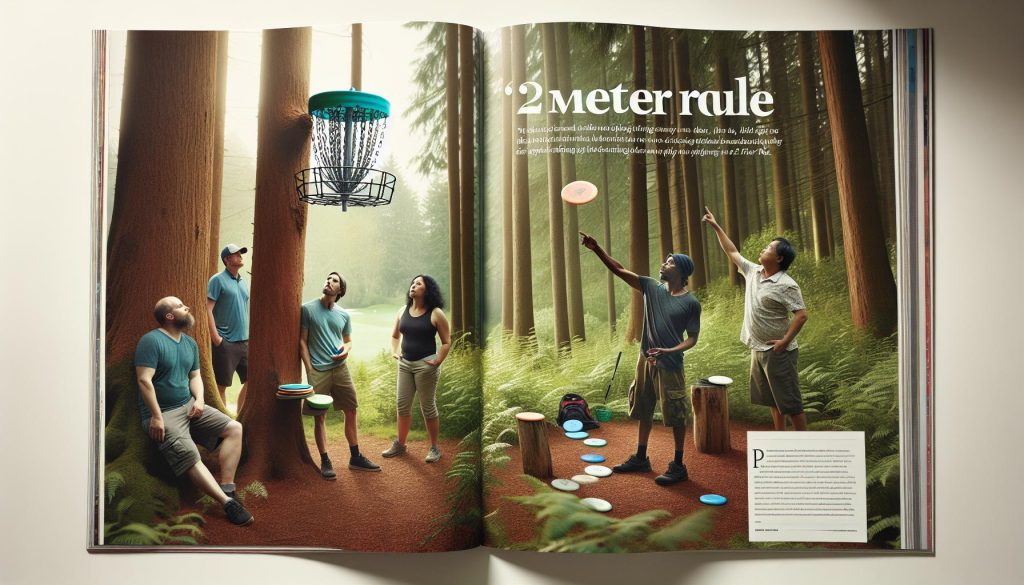
In disc golf, understanding the 2 Meter Rule is crucial for both novice and seasoned players. This rule, which penalizes a throw that lands more than two meters above the ground, adds an extra layer of strategy and skill to the game. It encourages players to think critically about their throws, making each shot not just a measure of distance, but also of height. For newcomers, grasping this rule can spark a genuine interest in how the nuances of disc golf can elevate their gameplay. Meanwhile, experienced players can refine their techniques to ensure they navigate this rule effectively in competitive settings. Whether you’re looking to improve your game or simply gain a better understanding of disc golf rules, the 2 Meter Rule serves as a fascinating gateway into the sport’s complexities and community. So let’s dive deeper into its implications and explore how it shapes the game we love.
What Is the 2 Meter Rule in Disc Golf?
In the realm of disc golf, the 2 Meter Rule serves as a critical yet sometimes misunderstood regulation that affects gameplay and strategy. Introduced to maintain fair play, this rule states that if a player’s disc lands more than 2 meters above the ground (in a tree or elevated location), the player must take a penalty stroke and rethrow from the last point of release. This rule not only adds an exciting layer of challenge but also encourages players to develop strategic throwing techniques and shot placements.
Understanding the implications of the 2 Meter Rule requires considering its impact on course strategy. Players must be mindful of their shot trajectories, particularly when throwing around obstacles that might elevate their disc. In situations where players are aiming for a tight fairway or a basket perched near trees, it becomes essential to choose discs that offer the right amount of stability and lift, minimizing the risk of a higher throw that could incur penalties. Moreover, players often need to modify their typical approach when they know they are playing on a course where the 2 Meter Rule is enforced, contemplating how to navigate shots that could veer too high.
The 2 Meter Rule has evolved and is often debated among players. Some argue it adds unnecessary complexity, while others believe it enhances the challenge essential to the sport. Newcomers to disc golf might find it perplexing, but embracing the nuances of such rules is key to mastering the game. By exploring scenarios where the 2 Meter Rule applies, players can better prepare for competitions, ensuring they avoid common pitfalls that could disrupt their scoring. Ultimately, as the sport continues to grow, understanding and respecting the rules like the 2 Meter Rule fosters a deeper appreciation for the game’s competitive nature.
Understanding the Origin of the 2 Meter Rule
Throughout the history of disc golf, various rules have emerged to maintain the integrity of play and ensure fair competition. One particularly intriguing regulation is the 2 Meter Rule, which has its roots in the need to address unique challenges faced by players on certain courses. The origins of this rule trace back to the early 1990s when players began to notice an increase in instances where discs would end up stuck in trees or perched high on ledges, creating frustration and confusion over how to proceed in such scenarios.
The rule emerged as a response to these situations, aiming to create a consistent method for dealing with discs that land more than 2 meters above the ground. By enforcing a penalty stroke and requiring the player to rethrow from the original release point, the rule not only curtails the advantage that can come from being lucky enough to have a disc lodge in a high position but also adds an additional layer of strategy to the game. Players would need to adjust their throwing techniques and shot selection, ensuring they keep their throws low and controlled to avoid the risk of incurring penalties.
Over time, the 2 Meter Rule has stirred debate within the disc golf community, with some players considering it an unnecessary complication and others championing it as a vibrant part of the game’s unique challenges. The discussion surrounding its application reflects broader conversations about how rules evolve to meet the needs of an expanding sport. For many players, understanding the origins of the 2 Meter Rule is crucial not only for compliant play but also for appreciating the nuances that make disc golf both a challenging and rewarding sport.
Today, the significance of the 2 Meter Rule extends beyond its initial function. It symbolizes the spirit of adaptability and strategic thinking inherent in disc golf. As new players enter the sport, familiarizing themselves with the historical context of such rules can deepen their engagement and elevate their understanding of the game’s competitive nature. Ultimately, this knowledge fosters respect for the community and its ongoing evolution.
How the 2 Meter Rule Affects Gameplay
In disc golf, the 2 Meter Rule serves as a critical aspect of gameplay, introducing a layer of complexity that can significantly impact strategy and execution on the course. When a disc lands more than 2 meters off the ground-often in trees or on high terrain-players face immediate consequences: a penalty stroke and a mandatory rethrow from the original spot. This rule isn’t just a challenge; it’s an opportunity for players to adjust their approach and rethink their shot selection throughout a round.
To effectively navigate this rule, players must develop an acute awareness of their throwing mechanics. For instance, low-flying shots can prevent a disc from potentially exceeding the 2-meter threshold. This necessitates a focus on technique, where players may want to incorporate a more controlled release and consider the disc’s flight characteristics, such as stability and glide. Here’s a practical guide to keep in mind:
- Disc Selection: Choose discs that are known for their low-profile flight paths when throwing in wooded or elevated areas.
- Shot Planning: Assess the target area for potential obstacles; aim to land in open spaces or under canopies where the risk of high elevation is lessened.
- Practice Low Throws: Incorporate low approach shots in your practice to build confidence and consistency under pressure.
The psychological aspect of the 2 Meter Rule cannot be overlooked either. Knowing that a poorly placed throw could result in an additional stroke may lead some competitors to play more conservatively than they normally would. This could result in less aggressive plays, particularly for newer players who might be uncertain about their throw’s trajectory and the risk of hitting a high branch. Conversely, seasoned players might embrace the challenge, using their experience to exploit unique throw angles and dynamic shot strategies to navigate height-related hazards.
Ultimately, the 2 Meter Rule isn’t merely a punitive measure but a testament to the strategic depth of disc golf. It pushes players to innovate and adapt while fostering a community that values both competitive spirit and sportsmanship. By understanding and mastering the implications of this rule, players can enhance their skills and decision-making, contributing to a well-rounded disc golfing experience.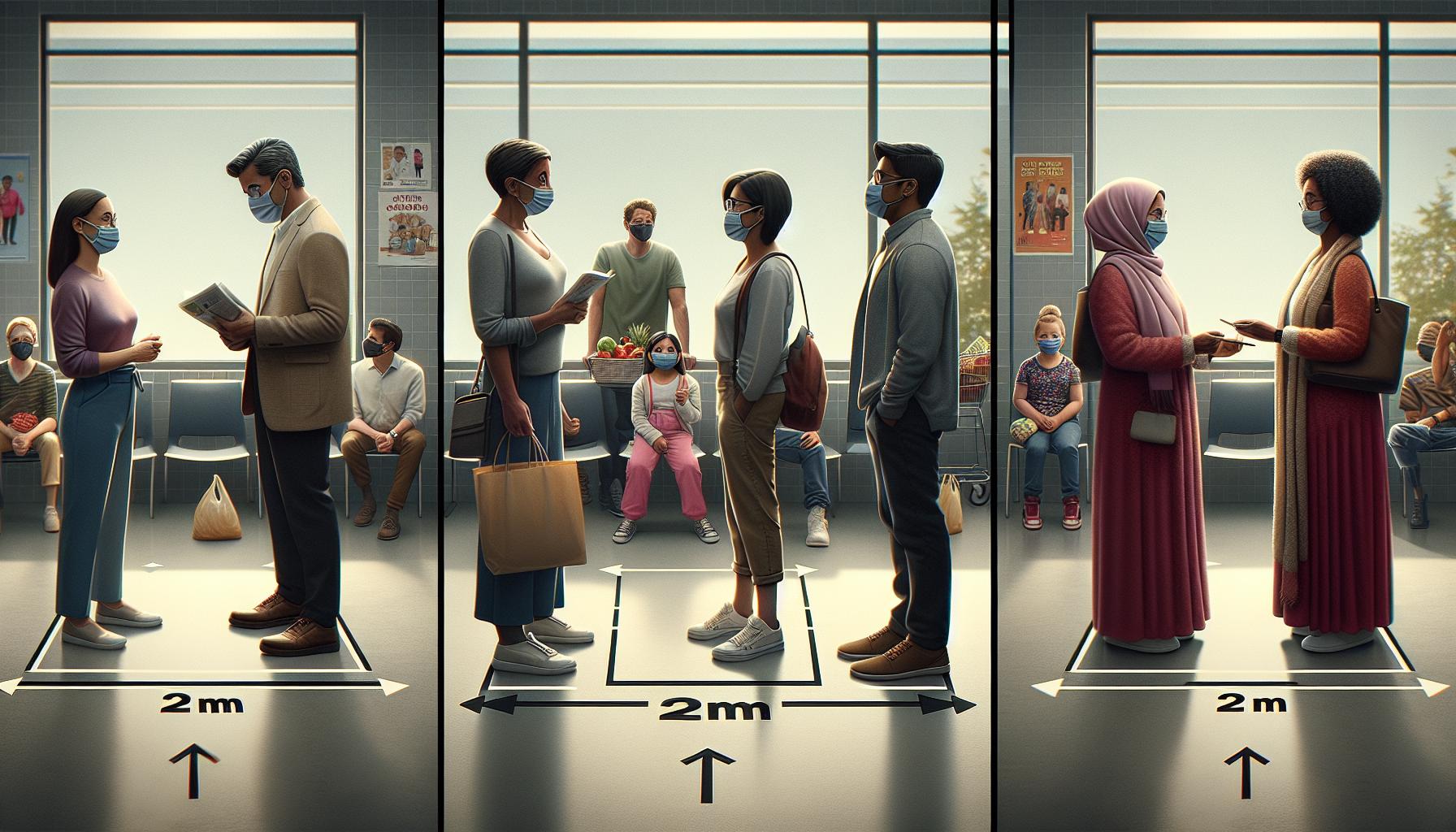
Key Scenarios for the 2 Meter Rule Application
The 2 Meter Rule introduces pivotal scenarios in which players must adapt their tactics and mindset, shaping the landscape of competitive disc golf. Understanding these scenarios can empower players to navigate the course more effectively, minimizing the risks associated with high throws and gaining a strategic advantage during their rounds.
One common situation arises when players are faced with densely wooded areas where trees loom tall. A throw that looks promising could easily rise above the 2-meter mark, landing a disc precariously entreated by branches. In these circumstances, players should prioritize low-angle shots that can curve under branches or slide along the ground. A well-placed forehand roller or an anhyzer approach can be an excellent tactic to avoid a penalty for the disc being airborne. Not only does this approach reduce the possibility of height penalties, but it also fosters a sense of confidence in challenging conditions.
Another scenario occurs near elevated terrain, such as hills or cliffs, where players must be wary of the disc’s trajectory as it descends. When the basket is located on a higher elevation, it can be tempting to execute powerful throws that may inadvertently send the disc soaring past the 2-meter threshold. Here, employing a controlled approach and utilizing stable discs rated for lower flight profiles can mitigate such risks. Practicing launches that prioritize control over power can help players maintain accuracy and keep their discs within the safe height range.
Furthermore, players may occasionally find themselves in the unique position of being in the trees, requiring them to evaluate their odds of dislodging the disc. While a compliant throw might free the disc, the 2 Meter Rule means that any resulting shot that exceeds the threshold could lead to a frustrating penalty. Competitors in these circumstances often lean toward safety, opting for cautious trajectories rather than riskier, ambitious throws. For instance, a player might use a controlled hyzer flip technique to guide the disc lower and ensure that it stays within the coveted 2-meter zone.
In the faced scenarios, awareness, strategic planning, and skillful execution become the cornerstones of navigating the complexities posed by the 2 Meter Rule. By recognizing these patterns and adjusting their methodologies accordingly, players can enhance their gameplay, transforming potential setbacks into tactical advantages on the disc golf course. Embracing this mindset not only fosters personal growth but also enriches the broader disc golf community as players continue to share insights and strategies that elevate the game as a whole.
Understanding Court Rulings on the 2 Meter Rule
The 2 Meter Rule in disc golf often raises questions not just among players but occasionally within the realm of official rulings. It is crucial to understand how this rule has been interpreted in various competitive scenarios, especially when it comes to the nuances of enforcement. In essence, the 2 Meter Rule states that if a disc comes to rest more than 2 meters above the ground, it is considered out of play, resulting in a penalty stroke. Court rulings on the application of this rule have varied, indicating that the competitive landscape continually evolves as more scenarios arise.
In tournaments, the enforcement of the 2 Meter Rule can depend heavily on the tournament director’s discretion and the specific guidelines set forth by the governing bodies of disc golf, such as the PDGA (Professional Disc Golf Association). For example, if a player’s disc lands in a position that technically exceeds the 2-meter height due to an overhanging branch or tree, a ruling may need to be made on whether the disc is indeed “out of play.” Tournament directors often emphasize the importance of consistency in rulings to maintain fair competition. Each situation can present unique challenges, leading to varied interpretations that may be debated among competitors, impacting player strategies.
In practice, players encountering the 2 Meter Rule during a round should be prepared for possible discussions about its application. It’s wise to familiarize oneself with common interpretations and the specific circumstances under which a disc may be deemed out of play. Understanding the rules allows players to sense when and where they might face enforcement challenges, thus adjusting their game plan accordingly. A recent trend among more competitive players is to advocate for a stricter interpretation of the rule, which has implications on shot selection and strategy while navigating wooded areas or elevated terrains.
As the sport continues to grow, so do opportunities for formal review and clarification of its rules. Insights gleaned from court rulings and player experiences constantly shape the conversation around the 2 Meter Rule. Thus, fostering a collaborative dialogue among players and officials is paramount to refining the rules, ensuring they evolve in a way that keeps the spirit and integrity of disc golf intact.
Common Misconceptions About the 2 Meter Rule
Confusion often surrounds the 2 Meter Rule in disc golf, leading many players to harbor misconceptions about its application and implications. One of the most prevalent myths is that any disc resting above 2 meters is automatically out of play, but the rule stipulates that only discs resting more than 2 meters above the playing surface-defined as the ground or any platform-is counted. This means that if your disc is lodged in a tree but not truly above the height of the basket’s rim, players can still contend for it. Simply put, the elevation is relative, and context matters tremendously.
Many players also mistakenly believe that all tournament directors enforce the 2 Meter Rule uniformly. However, interpretations can vary, especially in unique situations, such as discs caught in overhanging branches. The discretion exercised by directors can lead to different outcomes based on the individual circumstances at the time of play. Some players may face penalties where others do not, depending on the director’s judgment on the height determination of where the disc is resting.
Another common misunderstanding is that the 2 Meter Rule is universally adhered to in all competitions. While it is a part of PDGA-sanctioned rules, not every casual or local tournament chooses to implement it, given its complexity and the potential confusion it can create among players, particularly newcomers. This inconsistency means that players should always check specific tournament rules beforehand to avoid surprises during competition.
Lastly, there’s an assumption that the rule hinders players from employing strategic play in wooded or elevated courses. In fact, many experienced disc golfers embrace the rule as a challenge to adapt their game. By understanding its implications, players can develop smarter shot selections that account for height and placement, ultimately enhancing their overall skills and strategic play during competitive rounds. This perspective can transform the way players approach elevation and obstacles, finding creativity in navigating courses that test their limits.
Strategies for Playing Under the 2 Meter Rule
Navigating the complexities of the 2 Meter Rule can significantly impact your strategy on the disc golf course, especially when dealing with shots that risk becoming “stuck” in trees or other elevated positions. One effective approach is to focus on consistent disc control and shot selection. Understanding your disc’s flight characteristics helps in predicting how it will react in various scenarios. For instance, using stable discs for key throws ensures that your shots are less likely to drift unexpectedly into high-risk landing zones.
Additionally, players should adopt a proactive mindset towards course navigation. Familiarizing yourself with the layout and identifying common hang-up spots, such as overhanging branches or sloped terrain, can inform your decision-making process. Strategy in disc selection should also consider potential height fluctuations; for example, when approaching a basket surrounded by tall trees, aim to throw lower and with more stability to keep the disc on a safer trajectory, thus reducing the risk of it ascending to untouchable heights.
Another crucial point is understanding when to play conservatively versus aggressively. If you find your disc in a precarious position, consider whether a cautious push or a bold attempt to recover is the best move. Learning to read the terrain and adjusting your strategy accordingly can save strokes and enhance your overall performance. Practicing different scenarios during training-such as simulating shots that need to remain low-can build confidence and improve your tactical finesse under pressure.
Lastly, communication is key, particularly in tournament settings. Discussing the 2 Meter Rule before you start can help clarify any uncertainties with your fellow competitors and establish a shared understanding of how the rule will be interpreted during play. This level of openness fosters a collective spirit that can not only enhance game integrity but also reinforce a supportive community atmosphere. Embrace the challenge; as you refine your strategies under the 2 Meter Rule, you’ll not only elevate your own game but also contribute to the rich tapestry of disc golf culture.
Comparing the 2 Meter Rule to Other Disc Golf Rules
When it comes to the nuances of disc golf, comparing the 2 Meter Rule to other game regulations reveals significant insights into its strategic implications and its impact on player decisions. Unlike many traditional golf rules that focus primarily on the location and etiquette of play, the 2 Meter Rule introduces a unique layer of complexity. It penalizes players for their disc becoming stuck in trees or elevated positions, which can lead to dramatic shifts in score and strategy.
For example, consider the Out of Bounds (OB) rule, which commonly applies in disc golf. When a disc crosses an OB line, players must take a penalty stroke and rethrow from the previous lie. In contrast, the 2 Meter Rule does not simply apply a stroke penalty; it can completely alter how a player approaches future shots. This rule encourages players to think critically about their throwing angles and disc selection, as the fear of hitting an elevated area can force them to play safer and more strategically. Players may need to forgo potential high-risk, high-reward shots that could lead to birdies, opting instead for safer approaches that maintain control and avoid tough penalties.
Additionally, the 2 Meter Rule interacts interestingly with the rules concerning hazards. In many competitions, players are required to make the best of their situation regardless of the terrain, but the 2 Meter Rule places a specific emphasis on disc elevation. This means players often have to develop adaptive strategies tailored not just to the course layout but also to the verticality of the target area. As players navigate these different rules, understanding when to play aggressively versus conservatively becomes a vital part of managing their overall game plan.
Finally, the introduction of the 2 Meter Rule in competitions can lead to varied player reactions and strategies. Some players embrace it, viewing it as a challenge that adds depth to their tactical approach, while others might see it as frustrating, especially in courses heavily populated with trees or elevated baskets. These differing perspectives highlight how this rule can impact player morale and strategies during tournaments, influencing everything from warm-up routines to in-game decision-making under pressure. Embracing these complexities not only enhances a player’s skills but also enriches their understanding of the game as a whole, contributing to the evolving culture of disc golf.
Player Reactions to the 2 Meter Rule Changes
The recent changes to the 2 Meter Rule in disc golf have ignited a spectrum of reactions among players, revealing both a passionate embrace and a strong critique of how these rules shape gameplay. One of the most captivating aspects of this discussion is how the 2 Meter Rule serves as a double-edged sword for competitors. While seasoned players often see it as an enriching challenge that adds strategic depth to tournaments, newcomers might find it overwhelmingly punitive, elevating their sense of pressure during play.
Strong advocates of the rule argue that it encourages players to refine their skills, particularly in navigating challenging courses where verticality plays a significant role. By penalizing discs that land 2 meters or more off the ground, the rule promotes a thoughtful approach to throwing technique and shot selection. As players adapt their strategies to minimize the risk of high throws that can lead to unplayable situations, many note a newfound appreciation for precision in their game. They emphasize how this added layer of challenge fosters creativity and adaptability, pushing them to develop unique solutions for each hole.
On the flip side, the implementation of this rule has also been met with frustration from some players, particularly those competing on heavily wooded courses or those with numerous elevated baskets. Many have voiced concerns that the penalties for high throws can disproportionately disadvantage players without access to specific throwing techniques or those prone to less consistent disc control. This perspective often leads to heated debates about fairness and the true spirit of the game, sparking calls for potential modifications or clearer guidelines on how to handle situations involving the 2 Meter Rule.
In response to these changes, many players have begun sharing tips and strategies for navigating the complexities of the rule during tournaments. For instance, some suggest incorporating more low-profile throws and utilizing understable discs to reduce the likelihood of reaching those troublesome heights. Others advocate for practice sessions that specifically focus on shots near tree lines or other elevation-challenging scenarios, helping players to feel more confident when facing the unpredictable environments that the 2 Meter Rule introduces.
Ultimately, how players react to the 2 Meter Rule speaks volumes about their investment in the sport and the desire for disc golf to be both a test of skill and a deeply enjoyable pursuit. As the community continues to evolve, these conversations will shape not only the future of the rule itself but also the collective experience of disc golf as a growing athletic activity that balances competition and camaraderie.
Historical Context: The Evolution of the 2 Meter Rule
The history of the 2 Meter Rule in disc golf reflects the sport’s evolution and its ongoing struggles with ensuring fairness and challenging play. Introduced as a means to address unique scenarios in courses with significant elevation variations and dense foliage, the rule emerged from the recognition that discs landing high in trees or difficult terrain could lead to frustrating situations for players. The premise was simple: if a disc is thrown and lands two meters or more above the ground, it becomes unplayable, resulting in a stroke penalty. This rule aimed to encourage players to develop more controlled throwing techniques and foster strategic decision-making.
In the early days of disc golf, the emphasis was primarily on distance and power, with less focus on the nuances of terrain and altitude that some courses presented. However, as the sport grew and courses became more diverse, discussions around gameplay fairness intensified. This led to the adoption of the 2 Meter Rule as a way to level the playing field, ensuring that those with varying skill levels could engage competitively. For instance, in wooded courses where tall trees and underbrush prevail, the risk of overshooting becomes greater, leading to discussions about how penalties should be applied to maintain a fair and enjoyable game.
Over the years, the interpretation and implementation of the 2 Meter Rule have faced scrutiny and varied acceptance within the disc golf community. Some players embrace it as a valuable challenge that refines their ability to navigate complex courses, while others argue it can create inconsistency in play and disproportionately penalize those still developing their skills. The conversation surrounding this rule has highlighted important aspects of sport development, namely balancing competitive integrity with accessibility for newcomers.
As disc golf continues to grow, the evolution of rules such as the 2 Meter Rule illustrates a broader journey toward creating a sport that respects its roots while adapting to the needs of its players. Understanding the context of these rules allows players-both seasoned and novice-to appreciate the strategic depth they introduce while also recognizing the ongoing dialogue within the community about what constitutes fairness in play. By sharing experiences and strategies, players can contribute to refining these rules further, ensuring that disc golf remains a dynamic sport that both challenges and welcomes all who partake.
Expert Tips for Navigating the 2 Meter Rule in Tournaments
Navigating the intricacies of the 2 Meter Rule can elevate your disc golf game and significantly influence your tournament performance. This rule, which penalizes players when their disc lands more than two meters above the ground, adds another layer of strategy to gameplay. Here are some expert tips to help you effectively manage this rule during competitive play.
First and foremost, awareness is crucial. Always assess your surroundings, especially when you’re second-guessing a throw over densely wooded terrain or areas with tall foliage. Keep an eye out for branches and tree heights; understanding these features can help you gauge the likelihood of your disc landing in a problematic spot. If you’re often facing potential 2 Meter scenarios, consider modifying your throwing technique. Focus on precision over raw distance; throwing with a controlled touch increases your chances of landing safely within the two-meter limit.
In terms of equipment, investing in a range of discs can provide you with the flexibility needed to adapt to various situations. Different disc types can help you execute shots that minimize elevation issues. For example, using a stable putter for shorter, technical throws can prevent overshooting, while fairway drivers can assist in long-distance shots without the risk of going too high. Additionally, practice is vital. Frequent play on courses that incorporate significant elevation changes will equip you with the necessary experience to handle the nuances of the 2 Meter Rule.
When you find yourself in a situation where your disc is unplayable, it’s essential to remain calm. Understanding how to handle the penalty is key. If your disc lands in a spot governed by the 2 Meter Rule, you must take a stroke penalty and move to the nearest point directly below where it rests. This adjustment can be challenging, but it’s often a matter of positioning yourself for an optimal next throw. By practicing these scenarios during casual rounds, you can reduce the stress during tournaments.
Lastly, communicate with your fellow competitors to establish clarity on the interpretation of the rule. Variations in application may occur, and staying informed can prevent any misunderstandings on the course. Engaging with the community by discussing strategies, sharing experiences, and asking for tips can significantly enhance your understanding of the rule and its implications for your game. As disc golf continues to evolve, embracing such community interactions will make you a more adaptable and skilled player on any course.
The Future of the 2 Meter Rule in Disc Golf
As disc golf continues to grow in popularity, the future of the 2 Meter Rule presents an intriguing discussion among players, tournament directors, and governing bodies. With changes in course design and an increase in competitive play, the relevance of this rule will likely see adaptations to better align with the evolving nature of the sport. The two-meter rule, which penalizes players when their disc is thrown and lands more than two meters off the ground, adds a layer of strategy, but its effectiveness and fairness are challenging to assess in modern gameplay.
As players become more skilled in disc control and throwing techniques, there is an ongoing conversation about whether the 2 Meter Rule enhances or hinders the overall experience. Some argue that this rule encourages more strategic play, prompting players to consider their shots carefully, especially in densely wooded courses. Others contend that it creates unnecessary penalties that may frustrate players, particularly newcomers who are still mastering their throws. This divergence in opinion suggests a potential reevaluation of the rule in the coming years, aiming to create a more inclusive and enjoyable environment for all skill levels.
Looking ahead, course designers and tournament organizers may adapt their strategies to accommodate the nuances of the 2 Meter Rule. For example, incorporating more open spaces or lower hanging branches in course layouts could mitigate the frequency of penalties related to high throws. Moreover, the introduction of technology, such as drones or advanced cameras, could provide real-time data on disc heights, helping to monitor compliance more accurately while minimizing disputes over judgment calls.
Ultimately, the future of the 2 Meter Rule will hinge on community feedback and empirical observations from tournament play. Dialogue among players-ranging from enthusiasts to professionals-will be crucial in shaping whether this rule remains a staple or evolves into something that better reflects the competitive spirit of disc golf. By fostering collaborative discussions, the sport can continue to grow, tightening the bond between its traditional values and the innovations that keep it relevant.
Frequently Asked Questions
Q: What happens if my disc lands in a tree and is more than 2 meters off the ground?
A: If your disc is more than 2 meters off the ground, the 2 Meter Rule applies. This means your next throw will be taken from the last point your disc was on the ground, effectively adding a stroke to your score. This rule is designed to discourage players from taking advantage of high-hanging throws.
Q: Can the 2 Meter Rule affect my strategy during tournaments?
A: Yes, the 2 Meter Rule can significantly influence tournament strategy. Players may want to avoid risky shots that could result in high throws, particularly near trees. Understanding how to navigate these situations can help in maintaining a competitive edge.
Q: How is the 2 Meter Rule enforced during play?
A: The 2 Meter Rule is enforced by players and officials who observe the height of the disc. If it’s determined that the disc is more than 2 meters in height, the ruling is made based on the last point on the ground. Clear communication among players is crucial for accurate enforcement.
Q: Are there exceptions to the 2 Meter Rule?
A: Under standard disc golf rules, there are no exceptions to the 2 Meter Rule. All discs that land more than 2 meters high must be treated the same, adding penalty strokes. However, local tournaments may have unique rules, so it’s important to check before competing.
Q: When was the 2 Meter Rule introduced in disc golf?
A: The 2 Meter Rule was introduced in the early 1980s as part of an effort to standardize gameplay and ensure fair competition. It has seen amendments over the years, adjusting to the evolving dynamics of disc golf.
Q: Does the 2 Meter Rule apply to all types of discs?
A: Yes, the 2 Meter Rule applies universally to all types of discs in play, regardless of the disc’s weight or manufacturer. This ensures a level playing field across all players and equipment.
Q: How should I prepare for the 2 Meter Rule in competitive play?
A: To prepare for the 2 Meter Rule, practice throws that keep your disc low and learn to gauge distances accurately. Familiarize yourself with course layouts and potential hazards, especially areas with tall trees that can trigger the rule.
Q: Is the 2 Meter Rule the same in all disc golf organizations?
A: While the 2 Meter Rule is generally consistent across major disc golf organizations, such as the PDGA, there can be slight variations in local rules. Always verify the specific regulations for each event you participate in.
Closing Remarks
Now that you understand the 2 Meter Rule in disc golf and its implications for your game, it’s crucial to apply this knowledge on the course. Remember, being aware of this rule could be a game-changer in competitive situations. For more tips on improving your disc golf strategy, check out our guide on disc flight characteristics and throwing techniques.
If you enjoyed this content, consider signing up for our newsletter for the latest tips, tricks, and resources designed to enhance your disc golf journey. Don’t hesitate to share your thoughts or ask questions in the comments below-let’s keep the conversation going! Plus, exploring our sections on competitive tournament insights and player stories can further elevate your understanding of this exciting sport. Keep flying high and happy discing!