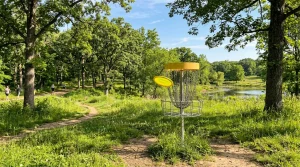
Did you know that disc golf is one of the fastest-growing sports in the United States? This exciting outdoor activity not only promotes physical fitness but also enhances skills such as focus, strategy, and teamwork. As scouts explore the potential of earning a merit badge through this increasingly popular sport, many wonder: does disc golf count? This guide will dive into the requirements, skills, and community aspects of disc golf, showing how it aligns perfectly with the values and objectives of scouting. Whether you’re a seasoned player or a curious newcomer, you’ll discover the rich benefits of engaging with this sport and how it can fit seamlessly into your scouting journey. Join us as we unravel the importance of disc golf in earning your merit badge, while encouraging camaraderie, athleticism, and personal growth along the way.
Scout Merit Badge Requirements for Disc Golf

Participating in disc golf offers an exciting opportunity for Scouts to engage in a sport that combines skill, strategy, and outdoor enjoyment. The requirements for earning a merit badge in this dynamic activity not only highlight the fundamentals of the game but also encourage personal growth and teamwork among Scouts. To begin, a Scout interested in the disc golf merit badge should first understand the essential rules and etiquette. Knowing how to respect the course, fellow players, and the game can greatly enhance the overall experience.
In addition to mastering the basic rules, Scouts are typically required to demonstrate proficiency by completing a series of practical skills. This may include performing specific throwing techniques such as backhand, forehand, and putting, which are crucial for successful gameplay. Additionally, tracking scores over a set number of rounds will illuminate progress and encourage an appreciation for competitive spirit.
Scouts should also be prepared to share their knowledge about different types of discs and how each affects gameplay. For instance, understanding the differences in weight and stability can help in choosing the right disc for individual throwing styles and course conditions. Engaging in discussions on course strategy and demonstrating knowledge of local disc golf courses can further enhance the Scout’s badge requirements.
Finally, involvement in community events or tournaments not only satisfies merit badge requirements but also promotes camaraderie and friendly competition. Scouts can learn from one another, share techniques, and celebrate their achievements together, reinforcing the values of Scouting through sport.
Understanding the Basics of Disc Golf
Engaging in disc golf isn’t just about throwing a flying disc; it’s about understanding the nuances of the game, from the physics of flight to the etiquette on the course. In fact, did you know that disc golf has grown into an organized sport with its own set of rules, competitions, and a vibrant community? This makes it a perfect fit for Scouts looking to earn their merit badge while enjoying physical activity and honing new skills.
At its core, disc golf operates similarly to traditional golf, where the goal is to complete a course in the fewest throws possible. Players start at a designated tee area and throw their discs toward a target, usually a metal basket. The beauty of disc golf lies in its accessibility; players of all ages and skill levels can participate. The specialized discs, designed for various flight characteristics, play a crucial role in gameplay. Understanding the differences between drivers, midrange discs, and putters is essential for selecting the right disc for each throw.
Discs and Their Flight
Discs are categorized based on their design, which affects how they fly through the air. Here are some fundamental characteristics:
- Drivers: These discs are used for long-distance throws. They are typically thinner and more aerodynamic.
- Midrange Discs: Ideal for approach shots, midrange discs offer more stability and control.
- Putters: These are used for short-range throws and putting. They have a deeper rim for better grip.
Understanding how factors like weight, rim width, and plastic type influence disc performance can significantly impact a player’s ability. As Scouts dive deeper into the game, they learn to analyze the unique flight paths of different discs, enhancing their skill set and strategic thinking on the course.
Fundamental Throwing Techniques
Successful disc golf players often master fundamental throwing techniques which include:
- Backhand Throw: The most common technique; it uses the wrist and body rotation to generate power and spin.
- Forehand Throw: Useful for navigating obstacles, this technique utilizes a flicking motion of the wrist.
- Putt: A gentle throw aimed at the basket, requiring precision over distance.
Each technique requires practice and understanding of body mechanics, making it an ideal challenge for Scouts. Not only do they improve their throwing capabilities, but they also develop patience and perseverance-qualities that resonate deeply within the Scouting ethos.
Through exploring the basics of disc golf, Scouts can appreciate the game’s complexity while enjoying a sport that promotes physical fitness, strategy, and community engagement. Whether participating in casual play or local tournaments, each throw and every round presents an opportunity for personal and collective growth.
Is Disc Golf Recognized by the Scouts?

Disc golf, with its roots in both traditional golf and the accessibility of casual play, finds a welcoming environment among the values of Scouting. The growing popularity of disc golf has caught the attention of many youth organizations, including the Scouts. Various Scout programs actively recognize disc golf as a legitimate activity that promotes physical fitness, outdoor engagement, and personal development. This sport not only aligns with the principles of community and teamwork but also offers unique opportunities for Scouts to earn merit badges by engaging in skill-based learning and friendly competition.
Scouts participating in disc golf can explore its rules, strategies, and techniques while enjoying the camaraderie that comes from team play. Disc golf courses often exist in local parks, making them accessible for troop outings and events. Moreover, Scouts gain valuable lessons in leadership and sportsmanship as they navigate courses and foster connections within the growing disc golf community. For those looking to meet specific merit badge requirements, incorporating disc golf into troop activities can provide a fresh and engaging way to cultivate essential skills such as planning, physical activity, and community service.
The recognition of disc golf as part of the Scouts’ broader goals encourages a sense of achievement and belonging among youth. Programs tailored to showcase disc golf can highlight its athletic and strategic components while celebrating each individual’s progress and contributions. With organized tournaments and local competitions, Scouts not only bolster their abilities in this sport but also engage with a diverse network of players and enthusiasts, enriching their overall Scouting experience. Disc golf is more than just a game; it embodies the spirit of adventure that Scouting promotes, making it a noteworthy pursuit for those striving to earn their merit badges.
Physical Fitness Benefits of Playing Disc Golf

Playing disc golf provides a fantastic way for Scouts to enhance their physical fitness while engaging in a fun and social activity. As a sport that requires walking, throwing, and strategic movement, disc golf delivers a full-body workout. On average, a round of disc golf can cover a substantial distance, typically between 2 to 4 miles, depending on the course layout. This means that players not only enjoy the outdoors but also effectively engage in cardiovascular exercise that can boost stamina and overall health.
The performance aspect of disc golf is another element that contributes to physical fitness. Throwing the disc involves a combination of upper body strength, coordination, and agility. Players must engage their core muscles for proper throwing mechanics, which helps improve their strength and flexibility over time. As Scouts practice their throws-from backhands to forehands-they develop not just physical skills but also hand-eye coordination and balance.
Additionally, disc golf is a community-oriented sport that encourages teamwork and social interaction. As Scouts navigate the course together, they develop camaraderie and build relationships, further enhancing their mental and emotional well-being. The combination of physical activity and social engagement makes disc golf an excellent choice for Scouts looking to earn merit badges while embracing a healthy, active lifestyle. By integrating disc golf into their regular activities, Scouts can reap these fitness benefits while fostering a greater appreciation for outdoor recreation.
Incorporating such an enjoyable sport also allows for leadership opportunities and lessons in sportsmanship, where Scouts can learn to support one another, share strategies, and celebrate achievements-all of which are core principles of Scouting. So not only does disc golf count toward fitness goals, but it also enriches the overall experience of Scouts on their journey to earn their merit badges.
How to Incorporate Disc Golf into Scout Activities

Incorporating disc golf into Scout activities opens up a fantastic avenue for fun, camaraderie, and skill development while working toward merit badges. Disc golf is not only an enjoyable outdoor activity, but it also fosters teamwork and strategic thinking, making it perfect for Scouts of all ages. To seamlessly weave disc golf into your program, consider organizing regular outings to local courses. These trips can serve as both practice sessions and friendly competitions, allowing Scouts to cultivate their skills while engaging with nature.
To get started, it’s essential to ensure all participants have access to the necessary equipment. While professional-level discs might be tempting, beginners can start with affordable starter sets. Providing different types of discs-drivers, mid-range, and putters-will help Scouts understand the unique flight characteristics and throwing mechanics of each type. Encourage Scouts to share and explore the differences in disc design, which fosters an environment of learning and collaboration.
Creating a structured curriculum around disc golf can enhance skills and facilitate learning. For instance, plan specific practice sessions focusing on different techniques. Start with the basics of grip and stance, then progress to more advanced techniques like the backhand, forehand, and approach shots. Including drills, such as distance throwing and precision putting challenges, can help Scouts measure their progress. A simple scoring system can be established to track individual and team improvements, fostering a spirit of friendly competition.
In conjunction with skill development, consider organizing a “Scout Disc Golf Day,” where Scouts from different troops come together to participate in tournaments. This community-building event not only promotes sportsmanship but also introduces Scouts to the broader disc golf community. These experiences are invaluable, as they can motivate participants to explore more about the sport, engage in local tournaments, or even aspire to play at higher levels.
By leveraging the social and physical aspects of disc golf, Scout leaders can easily integrate this dynamic sport into their activities. Not only does it provide a great means for Scouts to stay active and connected with each other, but it also aligns perfectly with the values and objectives of Scouting.
Essential Equipment for Disc Golf Enthusiasts
The essential gear for disc golf is not only crucial for performance but can also enhance the overall experience for Scouts participating in the sport. Understanding the right equipment to use can empower both beginner players and seasoned competitors, making every outing more enjoyable and productive.
To get started, every Scout should have their own set of discs. Unlike traditional golf balls, disc golf discs come in various categories, each designed for specific types of throws and distances:
- Drivers: These are the discs designed for long-distance throws. They typically have a sharp edge and are designed to glide through the air effectively. Beginners might prefer a lightweight driver, as it’s easier to control.
- Mid-range Discs: These discs are versatile and perfect for both distance and accuracy. They are generally easier to throw than drivers, making them great for those just starting out. Mid-range discs have a slightly flatter profile.
- Putter Discs: These are the slowest flying discs with a rounded edge, ideal for short, accurate throws, especially when approaching the basket. A good putter can drastically improve a player’s scoring ability on the green.
Additionally, investing in a quality backpack or disc golf bag tailored for carrying multiple discs is wise. Look for bags with adjustable straps and ample padding to ensure comfort during longer rounds. Some bags come with extra pockets for water bottles, snacks, and personal items, which can help Scouts stay prepared and focused.
Accessories for Enhanced Gameplay
While the discs themselves are key, several accessories can significantly enhance an outing:
- Measuring Tape: Perfect for gauging distances on throws and understanding how far you can throw various discs.
- Scorecards and Pencils: Tracking scores is an excellent way for Scouts to see their progress and engage in a little friendly competition.
- Mini Markers: These come in handy for marking the spot where the disc lands, especially on longer courses where it’s difficult to see.
- Water Bottles: Staying hydrated is crucial, especially during hot days on the course.
Choosing the Right Discs and Equipment
When selecting equipment, Scouts should consider factors like their age, strength, skill level, and throwing style. Here’s a brief comparison to guide their choices:
| Disc Type | Recommended Weight Range | Best for |
|---|---|---|
| Driver | 150-175g | Long-distance throws |
| Mid-range | 170-180g | All-around play, accuracy |
| Putter | 170-175g | Short, precise throws |
By equipping Scouts with the right tools, not only can they improve their disc golf skills but also enhance their enjoyment of this growing sport. With the right mindset and gear, disc golf can become a meaningful part of their Scout experience, promoting teamwork, physical activity, and personal growth while working toward merit badges.
Techniques for Successful Disc Golf Throwing
Mastering the art of throwing a disc in disc golf is not just about strength; it’s about technique, timing, and finesse. A successful throw can elevate your game significantly, transforming even a novice player into a formidable competitor. To get started, understanding the basic throwing techniques can make all the difference in a Scout’s achievement in mastering this sport.
Begin with the grip: how you hold the disc is crucial. A proper grip provides stability and control. For most throws, a *power grip* is recommended-this means inserting your fingers deep into the disc’s rim while your thumb rests firmly on top. This grip allows for maximum control and power. When preparing to throw, focus on your stance. Stand with your feet shoulder-width apart, knees slightly bent. Your shoulders should be squared toward your target. This positioning not only helps maintain balance but also sets you up for a more powerful throw.
Next, practice the mechanics of the throw itself. The most common throw in disc golf is the *backhand throw*, where the disc is thrown away from your body and then across your body as you pivot. To initiate the throw, use your legs and hips to generate momentum-push off your back foot while shifting your weight forward. As you swing your arm through, release the disc at waist height for optimal distance. Aim to finish your motion with your wrist flicking the disc, which adds spin-a critical component for longer throws as it stabilizes the flight path.
Throwing Styles and Their Benefits
Different throwing styles can be employed depending on the situation. Here are a few you might consider practicing:
- Backhand Throw: Ideal for distance and control, perfect for open fairways.
- Forehand Throw (or Sidearm): Great for quick turns and navigating around obstacles.
- Overhand Throw (or Tomahawk): Useful for getting over obstacles, especially in wooded areas.
Understanding how to apply these techniques effectively will contribute not only to personal development but also support a community of players who share a love for the sport. Joining local leagues or participating in community tournaments can provide Scouts with motivation and opportunities to improve their skills while engaging with fellow enthusiasts.
Lastly, remember that practice is essential. Set specific goals for each throwing session to track improvements and build confidence. As Scouts become more proficient, they can also share their knowledge and techniques with others, creating a supportive environment conducive to growth and camaraderie in the sport of disc golf. By fostering teamwork and personal achievement, the act of throwing becomes not just a skill but an adventure within their scouting journey.
Popular Disc Golf Courses for Scouts to Explore
For those venturing into the world of disc golf, the opportunity to explore various courses can significantly enhance skills and enjoyment. Many disc golf courses are designed with challenges suitable for all skill levels, making them perfect for Scouts eager to earn their merit badge while experiencing the community spirit of this growing sport. Consider visiting the following types of courses, which offer varied environments and gameplay styles:
- Local Parks with Disc Golf Courses: These often feature beginner-friendly layouts and easy access. Parks such as Blue Sky Disc Golf Park and Lakeview Park typically prioritize open spaces, allowing players to practice their drives without the intimidation of dense woods.
- Wooded Courses: For Scouts looking to challenge their precision and navigation skills, wooded courses provide an excellent opportunity. Courses like Pinecrest Disc Golf Course allow players to learn how to manage flight paths and make strategic positioning, essential skills that contribute to overall growth in the sport.
- 18-Hole Championship Courses: For those ready to tackle more complex challenges, championship-level courses offer a mix of technical throws and distance shots. The Gold Medal Park is a fantastic example that attracts both new and seasoned players, encouraging healthy competition and strategic play.
- Disc Golf Tournaments: Engaging in local tournaments can also provide invaluable experience. Participating in events such as the Scout Challenge Cup not only fosters a sense of community but also gives players a chance to refine their skills against a backdrop of friendly competition.
Visiting various disc golf venues enables Scouts to adapt to different terrain and obstacles, cultivating essential skills that align with the merit badge requirements. Each course presents a unique set of challenges, helping Scouts enhance their throwing techniques and understanding of game strategy. By exploring these diverse environments, they’re not just playing a game; they’re embarking on a journey that fosters teamwork, health, and a spirit of adventure, aligning perfectly with the values of scouting.
Tracking Progress: Scoring and Achievements in Disc Golf
Tracking your progress in disc golf is not just a matter of keeping score; it’s about setting personal goals, recognizing achievements, and enjoying the journey of improvement. Whether you’re a newcomer eager to learn the ropes or a seasoned player looking to sharpen your skills, understanding how to track your performance can enhance your engagement with the sport and align with the requirements for earning a Scout merit badge.
The primary method of keeping track during a round is the scorecard, where players record the number of throws it takes to reach each basket. Traditional scoring in disc golf uses the concept of “par,” which is the number of throws an expert is expected to take to complete a hole. Your score can be tracked as under par (fewer throws than par), par, or over par (more throws than par). Over time, keeping a detailed score of your rounds can help you identify patterns in your game and the areas that need improvement.
For a comprehensive view of your progress, consider maintaining a personal log that includes details such as hole-by-hole scores, throwing averages, and even notes on what strategies worked or didn’t. This ongoing record encourages growth and accountability. Additionally, participating in local or Scout-specific tournaments can provide benchmarks against your peers, adding a dimension of healthy competition. Tracking each tournament’s results, along with personal performance metrics like putting accuracy and driving distance, can serve as vital indicators of improvement over seasons.
Next, consider setting SMART goals (Specific, Measurable, Achievable, Relevant, Time-bound) tailored to your disc golf aspirations. Whether it’s improving your average score by a certain number, achieving a specific number of accurate putts per round, or even completing a beginner‘s tournament, these goals guide your practice and give you milestones to celebrate. Many players find that sharing these goals with fellow Scouts fosters a supportive network that enhances motivation and engagement in the sport.
Engaging with a community of players through events or training sessions also lends itself to a shared learning experience. Ultimately, the journey of tracking progress in disc golf serves not only as a tool for personal improvement but also as a vehicle for building camaraderie and living out the scouting spirit through sportsmanship and collective growth.
Disc Golf Skills Development for Scouts
To thrive in disc golf, Scouts can focus on skill development through a combination of practice, understanding of techniques, and effective use of equipment. As a sport that marries strategy with physical ability, mastering the fundamentals can significantly enhance not only individual performance but also the enjoyment of the game. An essential starting point is familiarizing oneself with the basic mechanics of throwing, which can be broken down into three critical elements: grip, stance, and follow-through.
One vital aspect is the grip, as it directly impacts release and distance. A power grip-a tight hold where all four fingers are wrapped around the disc with the thumb pressed firmly on top-works best for achieving maximum distance. Next, the stance should be shoulder-width apart with knees slightly bent, allowing for a stable base. This stance prepares the body to generate the necessary torque during the throw. As a Scout improves, incorporating a rotational motion from the hips and shoulders can enhance power and accuracy.
Practice Makes Perfect
Regular practice is key to developing these skills. Consider organizing practice sessions with fellow Scouts, targeting specific skills such as putting or driving. Start with short distances and gradually increase as confidence builds. Here are some focused drills to try:
- Putting Practice: Set up a series of baskets at varying distances and focus on making a specific number of putts from each spot.
- Distance Throws: Use a measured field or open space to work on driving for distance, paying attention to your form and the disc’s flight path.
- Accuracy Drills: Set targets within a specified area and practice hitting them consistently from different angles.
In addition to honing technical skills, understanding the characteristics of different discs is crucial. Discs come in various types-drivers, midranges, and putters-each serving a distinct purpose. It can be beneficial to create a comparison table highlighting flight patterns, which aids Scouts in selecting the right disc for each shot:
| Disc Type | Use | Stability |
|---|---|---|
| Driver | Long-distance throws | Generally less stable, more distance-oriented |
| Midrange | Versatile for various distances | Stable, good for approach shots |
| Putter | Short, precise throws | Highly stable, designed for accuracy |
Ultimately, the journey within disc golf not only fosters skills but also builds camaraderie among Scouts, showcasing sportsmanship and collective growth. Participating in local tournaments or friendly competitions can provide valuable experience, reinforce confidence, and encourage a spirit of teamwork. By emphasizing skill development alongside fun, Scouts can fully embrace disc golf as both an athletic pursuit and a cherished activity within the scouting community.
Community and Competitions: Engaging with Disc Golf
The vibrant world of disc golf fosters a unique community where Scouts can connect, compete, and grow. Engaging with this sport goes beyond the game itself; it builds friendships, teaches valuable life skills, and creates lasting memories. Whether participating in local tournaments or simply enjoying a casual round with friends, the opportunities for interaction and camaraderie are abundant. Disc golf not only provides a platform for healthy competition but also emphasizes the values of teamwork, sportsmanship, and respect for others-principles that are central to the scouting ethos.
Getting involved in disc golf competitions offers Scouts a chance to test their skills while being part of a supportive community. Local clubs often host events that welcome players of all ages and experience levels, ensuring a friendly atmosphere for beginners and seasoned competitors alike. Participating in these events allows Scouts to meet fellow players, learn from one another, and celebrate everyone’s progress. For those looking to step up their game, joining a league or participating in higher-stakes tournaments can enhance skills and provide a deeper dive into competitive play.
In addition to competitions, Scouts can organize their own disc golf events to promote teamwork and community spirit. Setting up a fun tournament among patrols or inviting parents and other community members can enhance the scouting experience. Events could include fun challenges, such as putting contests or longest throw challenges, which encourage participation from scouts at all skill levels. As they plan these activities, Scouts gain invaluable experience in event organization, teamwork, and leadership.
Ultimately, disc golf offers a pathway to not only physical fitness and skill development but also to forge lasting connections within the scouting community. By embracing the engaging aspects of both competition and collaboration, Scouts can grow as individuals while enjoying a fantastic sport that continues to gain popularity across all ages.
Real Life Scout Stories: Disc Golf Adventures
Every Scout has a story, and when it comes to disc golf, these stories are often intertwined with laughter, camaraderie, and a shared love for the sport. One tale that stands out is that of a Scout troop in Oregon who decided to incorporate disc golf into their summer camp activities. The Scouts, initially unfamiliar with the game, spent a full day learning the basics, practicing their throws, and even creating makeshift baskets from everyday items. At the end of the day, they organized a friendly tournament, fostering not just competition but friendships that evolved throughout the camp. From that experience, several Scouts received their merit badge, realizing that disc golf can indeed count towards their scouting achievements.
Another inspiring narrative is from a troop that regularly participates in local disc golf tournaments. They saw it as an opportunity to not only enhance their skills but also to give back to the community. They organized a charity event, inviting the local community to join in and raise funds for a local shelter through entry fees. Scouts shared their skills, taught newcomers how to throw, and connected with their peers outside their usual scouting environment. This not only instilled a sense of community service but also allowed them to earn awards for their leadership and teamwork, proving that disc golf can serve as a powerful tool for personal growth and community engagement.
In an enlightening moment during a regional tournament, a young Scout learned about the importance of perseverance. After struggling with his throws in the first few rounds, he felt discouraged but decided to apply the principles of scouting: never give up, and always strive for improvement. With the support of his fellow Scouts cheering him on, he recalibrated his technique, focusing on form and mindset. By the end of the tournament, not only did he improve his score significantly, but he also gained confidence and learned the value of resilience-an experience that would resonate with him long after the competition ended.
Disc golf isn’t just a sport; it becomes a medium for Scouts to develop life skills, and these examples illustrate just how impactful it can be. They show that as Scouts navigate their disc golf journeys, they are not just playing a game; they are forging connections, developing leadership, and building a supportive community that embodies the spirit of scouting. As the sport continues to integrate with Scouting activities, stories like these will only grow in number, highlighting the vital relationship between disc golf and personal development within the Scouting movement.
Tips for Organizing a Scout Disc Golf Event
Organizing a disc golf event for Scouts can be an exciting way to promote teamwork, physical fitness, and skill development. By focusing on a few key aspects, you can create a memorable experience that emphasizes not only the competition but also the camaraderie and community spirit integral to Scouting.
Start by selecting an appropriate location. Look for local parks or dedicated disc golf courses where space allows for a straightforward setup. Ensure the course layout is accessible for all skill levels; this encourages participation and keeps the atmosphere friendly and supportive. You’ll want to create a course that includes a mix of easy and moderately challenging holes, offering opportunities for learning and improvement. You could even create custom mini-courses using portable baskets for a unique experience.
Next, planning the event schedule is crucial. Consider organizing skill workshops before the tournament starts, introducing Scouts to the fundamentals of throwing techniques, rules, and strategies. Encourage older or more experienced Scouts to mentor younger participants, fostering leadership and teamwork. Remember to incorporate time for warm-ups and practice rounds, as these informal sessions can help ease nerves and enhance performance.
Communication is key throughout the event. Clearly outline scoring rules, tournament structure, and expected conduct. Utilize simple scorecards that everyone can understand, and perhaps even create a leaderboard to track performances throughout the day. This not only adds a competitive element but also celebrates participants’ achievements in a tangible way.
Finally, celebrate the community aspect of the event by inviting local families and community members. This could include setting up a small post-tournament gathering with refreshments or encouraging Scouts to share their experiences and learnings. Such engagement not only strengthens local ties but also sets a positive example of community involvement, embodying the values of Scouting. By focusing on these elements, your Scout disc golf event can become a highlight on the calendar, reinforcing skills while building lasting memories.
Frequently asked questions
Q: What merit badges can I earn for playing disc golf?
A: While disc golf itself doesn’t officially offer a merit badge, it can contribute towards physical fitness and teamwork skills. Participating in disc golf can help fulfill requirements for badges like Sports, Family Life, or Personal Fitness. Check the specific requirements in those badges for detailed activities.
Q: How can disc golf enhance skills for Scout merit badges?
A: Disc golf enhances various skills beneficial for Scout merit badges, such as hand-eye coordination, physical fitness, and strategic thinking. Incorporating disc golf into activities can also foster teamwork and leadership, aligning with many merit badge requirements that emphasize personal development and community involvement.
Q: Are there any Scout events focused on disc golf?
A: Yes, many Scout events and camps organize disc golf tournaments and activities. These events not only promote the sport but also encourage teamwork and leadership among scouts. Check local council or troop calendars for upcoming opportunities to participate in disc golf.
Q: What are the benefits of playing disc golf in Scouts?
A: Playing disc golf offers numerous benefits for Scouts, including physical exercise, coordination development, and social interaction. It encourages outdoor activity, and scouts can work together on strategies, fostering teamwork skills essential for various merit badges.
Q: Can disc golf be used for Eagle Scout service projects?
A: Yes, disc golf can be incorporated into Eagle Scout service projects. For example, creating a community disc golf course or organizing a disc golf tournament to raise funds for charity can fulfill service project requirements. Ensure to outline the project’s purpose and impact for approval.
Q: Where can Scouts find local disc golf courses?
A: Scouts can find local disc golf courses through online directories like the Professional Disc Golf Association (PDGA) website or local disc golf clubs. Many parks also feature disc golf courses, making it easy to explore various terrains while participating in the sport.
Q: Why is disc golf a good fit for Scout activities?
A: Disc golf is an excellent fit for Scout activities because it promotes outdoor recreation, teamwork, and fitness. Its accessible nature allows scouts of all skill levels to participate and enjoy, making it a versatile activity that can enhance many merit badge experiences.
Q: What equipment do Scouts need to start playing disc golf?
A: To start playing disc golf, Scouts need basic equipment such as a disc golf driver, mid-range disc, and putter. Comfortable athletic clothing and sturdy shoes are also recommended. Investing in a disc golf bag can help carry the equipment while encouraging organized play.
Closing Remarks
As we wrap up our exploration of whether disc golf counts towards earning your Scout merit badge, remember that advocating for this growing sport can enhance your skills while building valuable teamwork and leadership experiences. If you’re inspired to learn more about disc flight characteristics or throwing techniques, check out our in-depth guides on disc golf basics and equipment comparisons.
Ready to take action? Don’t wait! Join our community of disc golf enthusiasts and sign up for our newsletter for tips, updates on local courses, and upcoming events. Share your thoughts below or connect with fellow enthusiasts on our forum to discuss your journey toward earning that merit badge. Together, let’s celebrate disc golf not just as a game, but as a legitimate athletic pursuit-your adventure starts today!
Get our latest guides, news, and insights highlighted in your Google Search & AI Overviews.