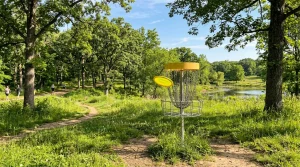
Did you know that disc golf is one of the fastest-growing sports in the world? “Solo Disc Golf: The Complete Playing Guide” is designed to cater to players of all skill levels, from eager newcomers to seasoned competitors looking to refine their game. Disc golf offers not only a chance to enjoy nature and socialize but also a legitimate athletic challenge that can improve your focus and physical fitness.
Whether you’re learning the nuances of disc flight or mastering advanced throwing techniques, this guide serves as your go-to resource. It promises step-by-step strategies, equipment comparisons, and insightful advice on course management tailored to different skill levels. You’ll also find engaging stories from real players and key insights into professional play. By delving into this guide, you’ll discover how to elevate your game while connecting with the vibrant disc golf community. Get ready to unleash your potential and take your solo rounds to new heights!
Understanding the Basics of Solo Disc Golf
Understanding the nuances of solo disc golf can transform your game and enhance your overall experience on the course. Solo disc golf offers the unique advantage of self-paced play, allowing for deep focus on technique and strategy without the distractions of competition or group dynamics. Embracing this solitary approach not only builds your individual skills but also fosters a meditative connection with the game and nature.
At its core, disc golf involves navigating a course designed with various obstacles and challenges, using specialized discs to complete each hole in as few throws as possible. Solo players can take advantage of this format to tailor their practice sessions to specific areas needing improvement. For instance, you can select a few challenging holes and dedicate your time to perfecting each throw, analyzing flight paths, and experimenting with different throwing techniques. This method not only hones your accuracy but also cultivates a deeper understanding of your chosen discs’ flight characteristics.
When it comes to the essentials of solo play, understanding disc types is crucial. Discs are typically categorized into three main types: drivers (designed for maximum distance), mid-range discs (for control and accuracy), and putters (for short-range precision). Familiarizing yourself with these ensures you select the right tool for each situation on the course. Additionally, the weight and stability of the disc can significantly affect performance; lighter discs are generally easier for beginners, while experienced players may opt for heavier options that provide enhanced control in various wind conditions.
Ultimately, solo disc golf is not just about throwing discs; it’s also a chance to cultivate your mental game. Embrace the solitude to reflect on your gameplay, set personal goals, and track your progress. By viewing each round as a unique opportunity for growth, you can develop resilience and concentration, both of which are essential when facing competitive settings.
Essential Equipment for Solo Players
When stepping out onto the disc golf course alone, having the right gear can significantly enhance your experience and performance. The effective solo player understands that while skill and technique are paramount, the equipment you carry is just as critical in shaping your game. Unlike traditional sports, disc golf relies heavily on specialized equipment that can vary dramatically in performance and suitability based on your personal play style and the conditions of the course.
The cornerstone of any solo disc golfer’s gear is, of course, the discs themselves. A well-rounded disc selection typically includes three fundamental types: drivers, mid-range discs, and putters. Each type serves a distinct purpose:
- Drivers: Ideal for long-distance throws, these discs have a sharp, aerodynamic shape and are designed to achieve maximum distance with minimal effort. If you’re looking to stretch your throws out on open fairways, a high-speed driver will serve you well.
- Mid-Range Discs: Great for approach shots or when precision is paramount. Mid-range discs balance speed and stability, making them perfect for those tricky holes where control is necessary, such as navigating wooded areas or short technical layouts.
- Putter Discs: Essential for those short, accurate shots. Putters are slower, with a wider rim, and they are designed for precision, especially when aiming for the basket.
In addition to your disc selection, having a suitable bag to carry your gear is crucial. A well-designed disc golf bag should have enough capacity to hold multiple discs, water, snacks, and other personal items while ensuring easy access during play. Many players also opt for bags with padded straps for comfort, especially during prolonged solo sessions on the course.
Also worth mentioning is the significance of a disc marker. When playing solo, a disc marker aids in precisely indicating where your disc lands, helping you to practice your putting or improve your approach strategies effectively. Furthermore, consider wearable items like a sturdy pair of shoes designed for outdoor activity, which can provide support and traction on varied terrain, and a durable reusable water bottle to stay hydrated throughout your rounds.
Lastly, track your progress with a simple scorecard or an app that allows you to monitor your performance over time. Not only does this practice help you set and reach personal goals, but it also enhances your focus on improvement areas during solo sessions, turning each round into another chance to refine your skills and enjoy the sport.
Equipped with these essentials, solo players can fully immerse themselves in the game, challenge themselves, and discover the joys of disc golf with every throw they make.
Mastering Throwing Techniques and Mechanics
Mastering the intricacies of throwing techniques and mechanics is crucial for any disc golfer aiming to improve their performance and accuracy on the course. When you watch experienced players effortlessly sending their discs soaring through the air, it’s easy to overlook the fundamental mechanics that make those throws possible. A proper throwing technique not only enhances your distance but also increases your control, leading to lower scores-a goal for every solo player.
To begin with, understanding the grip is a fundamental step that can alter the trajectory of your throws. A common grip used among disc golfers is the power grip, which involves placing your index and middle fingers against the rim of the disc while your thumb presses down from the top. This grip ensures a secure hold, allowing you to generate maximum power as you unleash your throw. Another option is the fan grip, often preferred for putters and mid-range discs, where all fingers are spread evenly underneath the disc, providing excellent control.
Once you’ve perfected your grip, the next step is mastering your stance and wind-up. Your feet should be shoulder-width apart, providing a solid base, while your knees bend slightly for balance. As you begin the throw, rotate your torso back, allowing your throwing arm to trail behind. This coiling motion is essential for building power-think of it like winding up a spring. As you unwind, focus on shifting your weight from your back foot to your front foot and extending your arm forward in a smooth, fluid motion. Timing is critical; releasing the disc too early or too late can drastically affect its flight path.
Understanding Disc Flight Characteristics
Every disc has specific flight characteristics, influenced by its weight, shape, and stability. Familiarize yourself with these attributes to leverage them during gameplay. For instance, a disc with a high speed rating is great for covering long distances but may require more skill to control. By understanding how each disc responds to your throw, you can tailor your technique and select the right disc for every situation.
Finally, consistent practice is the key to improvement. Create a practice routine that allows for various throwing techniques and scenarios, such as forehand, backhand, and even overhand throws. As you play solo, take the time to evaluate your throws after each round. Recording your practice sessions on video can provide valuable insights into your form and allow you to track your progress over time. With dedication and focus on these fundamental techniques, you’ll not only enhance your throws but also deepen your appreciation for the sport of disc golf.
The Art of Choosing the Right Discs
Choosing the right disc is akin to selecting the right tool for a job; it can make the difference between a favorable round and one filled with frustration. Understanding the nuances of disc selection is crucial for solo players looking to enhance their game. Discs come in various shapes, weights, and materials, each designed to fulfill specific needs based on a player’s style, skill level, and the environmental conditions they face on the course.
When selecting discs, start by familiarizing yourself with the key flight characteristics: speed, glide, turn, and fade. These qualities are often referred to as a disc’s flight rating and are indicated on the disc itself. A disc with a high speed rating (typically 13+) is designed to cover long distances but might require more skill to control, while a lower speed disc (8 or below) may be easier to handle, making it ideal for beginners. Glide, usually rated from 1 to 7, determines how long the disc stays airborne after release. A disc with high glide can be particularly beneficial in windy conditions as it will carry further.
The turn (negative ratings) indicates how much a disc will veer right (for right-hand backhand throws) before it begins to fade (positive ratings), which is the disc’s tendency to finish left. A stable disc-often with a turn of 0 and a fade of 3 or more-works well for most throws. As you gain experience, you might look for discs with a turn rating that complements your throw style, especially if you’re grasping the nuances of hyzer flips or anhyzer throws.
- Drivers: For long-distance throws, opt for distance drivers made of a lightweight material that is easier to throw. Beginners benefit from fairway drivers for more controlled approaches.
- Mids: Mid-range discs are versatile and ideal for straight shots or small turnovers. Their stability helps in making precise shots when approaching the basket.
- Putters: Choose putters with a soft feel for better grip during short-range throws. They typically have high glide, which is beneficial when putting.
Experimenting with different brands and models will enable you to determine what feels best during your solo practice sessions. Investing in a few discs across these categories-drivers, mid-range discs, and putters-will give you a well-rounded arsenal to tackle various shots and course layouts. As you progress, pay attention to how each disc performs in specific scenarios; recording these experiences can further aid in the selection process, allowing you to decide which discs to keep in your bag for competitive play or casual rounds alike. Enjoy the journey of discovery as you refine your choices to enhance your solo disc golf experience!
Crafting the Perfect Solo Practice Routine
Crafting a successful routine for solo disc golf practice can transform a casual game into a serious training session, designed to sharpen skills and enhance competitive edge. A well-structured practice routine not only helps you focus on specific skills but also incorporates a range of activities to keep your practice dynamic and engaging. Consider this: effective practice can significantly improve your game, leading to better scores and more enjoyment on the course.
To establish an effective solo practice routine, start by setting clear, achievable goals. Identify the areas of your game you want to improve, such as distance driving, putting accuracy, or approach shots. Establish milestones for each practice session, such as executing a specific number of throws or successfully completing a series of drills. Keeping a practice journal can help track your progress and provide insights into what techniques work best for you.
Drills and Activities
Incorporate a variety of drills into your routine to develop different aspects of your game. Here are some suggestions:
- Distance Throws: Set up markers at various distances on the course and challenge yourself to reach them with different discs. Focus on your form and the mechanics of your throw.
- Putting Practice: Create a putting station where you can practice from various distances. Aim for a high number of successful putts in succession to build confidence.
- Approach Shots: Work on your mid-range shots by setting up targets at different angles and distances. Practice both hyzer and anhyzer throws to improve versatility.
Time Management
To maximize your practice efficiency, allot specific amounts of time to each drill. For instance, dedicate 20 minutes to driving, 15 to putting, and 15 to approach shots. This structured approach keeps you focused and prevents you from spending too much time on any one area.
Reflect and Adapt
After each practice session, take time to reflect on what you learned. Were there specific techniques that felt uncomfortable? Did you notice any trends in your performance? Adjust your routine based on these insights to ensure continuous improvement. Building a solo practice routine is a dynamic process; remain flexible and willing to adapt your focus as your skills evolve.
Engaging in a thoughtful and structured solo practice routine not only improves your abilities but also deepens your connection with the sport of disc golf. As you refine your skills, you can enjoy the thrill of personal progress, and perhaps even inspire those around you to take their own practice to new heights.
Sustainable Solo Play: Maintaining Courses
Engaging in solo disc golf not only enhances your skills but also provides an opportunity to give back to the community and the courses that nurture our love for the game. Maintaining the integrity of these courses is vital, as it ensures that they remain enjoyable and accessible for all players. As a solo player, there are several practical ways you can contribute to the sustainability of the courses you frequent, allowing everyone to enjoy a pristine environment.
One of the easiest ways to support course maintenance is by following the “Leave No Trace” principles. This means making a conscious effort to pick up any litter you encounter, whether it’s from snacks you enjoyed during your round or trash inadvertently left by others. Carrying out what you bring in ensures that the course remains clean and inviting. Consider bringing a small trash bag with you during your rounds. If every solo player took a moment to collect trash, the collective impact would be significant.
In addition to keeping the course tidy, engage in minor maintenance activities. Most courses benefit from a little extra care-such as clearing away fallen branches or leaves from fairways and around baskets. If you’re at a course that allows for it, you may even volunteer your time for scheduled course clean-up days. Many local disc golf communities organize these events, and participating offers you a chance to meet fellow disc golfers while contributing positively to the sport you love.
Finally, advocate for sustainable practices in your disc golf community. Whether it’s encouraging responsible behavior among fellow players or discussing the importance of native flora and fauna found on the courses, being a voice for sustainability can inspire others. Some disc golf courses are working towards eco-friendly enhancements, such as adding native plant landscaping or installing more durable benches and signage. Staying informed about these initiatives and sharing information with those around you fosters a culture of respect and responsibility.
By taking these small yet impactful actions, you not only contribute to the upkeep of the courses but also set an example for others. Together, we can create a vibrant and sustainable environment for disc golf to flourish, ensuring that the game remains accessible and enjoyable for generations to come.
Exploring the Mental Game of Solo Disc Golf
Engaging in solo disc golf presents not just a physical challenge but a profound mental journey. Many players underestimate the psychological component of the game, which can be pivotal in improving performance and enhancing the overall experience. Unlike competitive rounds, playing solo allows you the freedom to focus on your own rhythm, mindset, and growth without the pressure of others’ expectations. This meditative aspect can transform your practice sessions into invaluable opportunities for self-reflection and skill development.
One of the first mental strategies to embrace is self-awareness. Recognizing your emotional responses-be it frustration after a poor throw or joy after a successful shot-can significantly influence your game. Employ techniques such as mindfulness and visualization to manage these feelings. For example, before each hole, take a moment to visualize your desired shot, considering not just the mechanics but also how you want to feel during and after the throw. This practice can help calm nerves and improve focus, which is crucial for consistent performance.
Another essential element is setting personal goals. Establishing achievable goals for each solo session can drive your progression and keep you motivated. Whether it’s improving your putting accuracy or mastering a particular type of throw, tracking these objectives can foster a sense of accomplishment. Consider keeping a journal or using apps designed for golfers to note your thoughts, feelings, and improvements over time. This not only adds an element of introspection but can also reveal patterns in your performance and mindset that you may want to address.
As you continue to develop your mental game, don’t underestimate the importance of positive self-talk. Engaging in encouraging dialogues with yourself can counteract negative thoughts that may arise during challenging moments. Phrases like “I am capable,” or “Each throw is a learning experience,” can instill resilience and enhance your confidence. Furthermore, surrounding yourself with inspiring content-such as podcasts or literature from experienced players-can provide fresh perspectives on overcoming mental hurdles.
Lastly, remember that solo disc golf is an individual journey that can also lead to community building. Sharing insights about your mental strategies with fellow disc golfers can cultivate camaraderie. By discussing challenges and breakthroughs, you contribute to a collective growth mindset, reinforcing the idea that while the game is played alone, you are part of a larger community striving for excellence and passion in disc golf.
Tactics for Navigating Various Course Types
Navigating different types of disc golf courses can be a thrilling yet challenging experience, especially when playing solo. Each course presents its own unique characteristics, from open fields to densely wooded areas, requiring a diversified skill set and strategic approach. By understanding the nuances of various course types, you can develop specific tactics that enhance your performance and enjoyment.
One common course type is the open course, characterized by wide fairways and minimal obstructions. Here, players can utilize powerful throws and distance drivers to their advantage. During solo practice, focus on your grip and stance to maximize distance. Aim to clear obstacles and land in the ideal landing zones. Consider this as an opportunity to practice power throws and pinpoint accuracy, honing in on your ability to gauge distance and wind conditions.
In contrast, wooded courses demand precision and finesse. Tight fairways often require a more strategic approach, where controlling your disc’s flight path becomes essential. Use midrange discs for their stability and accuracy. Practice throwing a variety of angles-hyzer, anhyzer, and flat releases-to understand how your discs behave in different situations. When navigating such courses, visualize each shot, considering potential obstacles and ideal lines. Technique drills focused on shorter, controlled throws will be invaluable, helping you develop the consistency needed to hit narrow gaps.
Elevation changes can also significantly impact your solo play. Hilly or mountainous courses introduce variables such as gravity and angle. When playing uphill, be ready to throw with more power to reach the target, while downhill throws may require softer touch to avoid overshooting the basket. Assessing elevation and making adjustments to your stance and disc selection can greatly influence your success on these courses.
Lastly, mixed terrain courses combine the elements of both open and wooded layouts. They may feature shifts between wide open spaces and tight, constricted areas. This variability calls for a versatile bag equipped with a variety of discs, from distance drivers to putters. Be prepared to switch strategies frequently and adapt quickly to the specific challenges presented by each section of the course. Building a comprehensive understanding of disc flight characteristics through solo practice can give you the adaptability needed for these dynamic environments.
Embracing these tactics not only fuels your growth as a solo player but also enriches your overall disc golfing experience. As you continue to explore various course types, each outing will serve as both a challenge and an opportunity to refine your skills, making the pursuit of mastering solo disc golf an engaging journey.
Recording Your Progress: Tracking Performance
Keeping track of your performance in solo disc golf not only enhances your skills but also deepens your connection with the game. As you progress, documenting your rounds can reveal trends, strengths, and areas for improvement that you might overlook during casual play. This data-driven approach transforms your practice sessions into structured learning experiences, allowing you to set milestones and celebrate achievements-big or small.
One effective method to record your performance is by maintaining a disc golf journal. In this journal, you can log details from each round, such as the courses played, weather conditions, and scores. Additionally, make notes on specific shots that felt good or those that did not go as planned. Create a simple template to fill out after every game:
- Date: [Insert date]
- Course: [Course name]
- Score: [Your score]
- Conditions: [Weather, wind, etc.]
- Highlights: [Best shot, learning experience]
- Areas to Improve: [What to work on next time]
By reviewing your journal entries regularly, you can identify patterns that may indicate improvement in certain aspects of your game or highlight areas needing attention. Additionally, consider using mobile apps specifically designed for disc golf tracking, which can automate parts of this process and offer statistics to analyze your play.
Building a Performance Chart
Another powerful tool is a performance chart that tracks key statistics over time. This could include metrics like putting accuracy, average drive distance, and number of birdies or bogeys per round. Here’s a simple format you could adopt:
| Date | Course | Score | Putts Made | Drives Over 300ft |
|---|---|---|---|---|
| [Insert Date] | [Course Name] | [Score] | [Putts] | [Distance] |
This not only keeps your data organized but provides visual feedback showing your growth as a player. Displaying your performances in a chart can motivate you to aim higher and keep striving for improvement through friendly competition with yourself.
Ultimately, tracking your performance in solo disc golf is less about the numbers and more about your journey. Every score logged is a reflection of your dedication and passion. So, whether you’re chasing personal records or just looking to enjoy the game more fully, maintaining an accurate record of your progress will certainly enrich your experience on the course.
Tips for Solo Tournaments and Competitive Play
When stepping into the competitive world of solo disc golf tournaments, preparation and strategy are key to making the most of your experience and performance. One of the best approaches is to treat every tournament like a learning opportunity, focusing not just on your score but also on how the tournament experience can enhance your skills. Begin by setting realistic goals for each event – whether aiming for a specific score or simply to improve on your previous performance. This mindset transforms tournaments into valuable stepping stones in your disc golf journey.
Prior to the tournament, familiarize yourself with the course layout and specific challenges it presents. Reviewing course maps and reading up on the layout can provide insights into where you might face difficulties, allowing you to plan your shots accordingly. Practice specific techniques that will be crucial for the course conditions, such as executing precise approaches or mastering long-distance drives. If possible, play several rounds on the course before the tournament to gain first-hand experience of the terrain and basket placements. Understanding how the course plays can greatly boost your confidence when it’s time for competition.
On the day of the tournament, create a routine that includes mental and physical preparation. Arrive early to warm up and settle into the environment. Consider practicing your putting within the vicinity of the tournament layout; warm-up shots can be a great way to get into the right headspace. Mentally, focus on maintaining a positive attitude, regardless of the unfolding results. Distractions and pressures can mount quickly in competitive settings, so practicing mindfulness techniques can keep you grounded and focused on your game plan.
Finally, make sure to enjoy the camaraderie and spirit of competition. Engage with fellow players, share tips and encouragement, and celebrate the love of the game. Building connections within the disc golf community can provide support, insight, and lasting friendships, enriching not only your tournament experience but your overall journey in the sport. Remember, whether you walk away with a trophy or valuable lessons, every tournament contributes to your evolution as a disc golfer.
Building a Community Around Solo Disc Golf
In the world of solo disc golf, cultivating a community can be a game-changer. While solo play allows for personal reflection and skill honing, engaging with others adds layers of enjoyment and learning opportunities. Communities can form through local clubs, social media groups, and informal meetups, providing a platform for sharing tips, discussing techniques, and celebrating achievements. Imagine heading out to your favorite course, not just to practice alone but surrounded by others who share your passion. This collective energy can motivate you to push your limits and enhance your enjoyment of the game.
To start building connections, consider attending local tournaments, where you can meet fellow players who share your enthusiasm. Even if you’re playing solo, you can strike up conversations, exchange contact information, and set up future practice sessions together. Online platforms, such as Facebook groups or disc golf forums, are great places to connect with players beyond your immediate area, where you can ask questions, share experiences, and pick up valuable insights from more seasoned players. Regular interaction within these forums can lead to friendships that enhance your overall experience in the sport.
Additionally, you can help foster a sense of community by organizing your own events or practice sessions. Create a simple flyer or social media post inviting players of all skill levels to join you for a round of disc golf. Consider setting up themed practice days, where you focus on specific skills such as drives, approaches, or putting. Not only does this encourage participation, but it also positions you as an active contributor to the local disc golf scene. Remember, the more inclusive and welcoming you are, the more likely others will feel connected and eager to participate.
Finally, sharing your journey through social media or a personal blog can also contribute to community building. Document your practices, milestones, and tournament experiences, inviting others to engage with your content. This not only showcases your growth but also encourages others to share their stories, fostering a supportive atmosphere where everyone can learn from one another. Each interaction enriches the fabric of your disc golf community, reinforcing that while solo play is a personal journey, it’s the connections we forge that truly enhance our love for the game.
Safety and Etiquette for Solo Disc Golf Rounds
Disc golf is not only a test of your throwing skills but also a chance to immerse yourself in nature-however, it’s essential to prioritize safety and etiquette during your solo rounds. As you venture out solo, your awareness and consideration for both your environment and others around you are key to creating a positive experience for yourself and for those who may also be on the course. By adhering to basic safety guidelines and etiquette, you ensure that your encounters on the course are enjoyable and respectful.
When playing solo, always be aware of your surroundings. Before you throw, take a moment to scan the area for other players or bystanders. A stray disc can cause serious injury, so it’s crucial to wait until you’re confident that no one is in your line of sight. If you find yourself on a busy course, be patient and ready to communicate. A simple shout of “Clear!” or a wave can signal others that you’re about to throw. Additionally, keep your distance from other players-maintain a reasonable space between yourself and other groups to avoid disruptions.
Respecting the Course and Other Players
Etiquette extends beyond just watching for other players; it encompasses how you interact with the course itself. Respect the natural environment by adhering to established paths and maintaining the cleanliness of the area. Always pick up after yourself, disposing of any trash in designated bins or taking it with you. If you see litter left behind by others, help contribute to the upkeep of the course by picking it up. This fosters a sense of pride and respect within the disc golf community and ensures that the courses remain pleasant for everyone.
If you encounter other players during your round, a friendly nod or greeting can go a long way. It sets a positive tone and encourages goodwill among disc golfers. If you’re practicing specific throws, consider stepping aside briefly to allow other groups to play through. This act of courtesy helps maintain a smooth flow on the course and can lead to camaraderie among players.
Safety First: Staying Prepared
As a solo player, always be prepared for emergencies. Bring along essentials such as a phone, hydration, snacks, and a first aid kit. In case of an injury or unexpected situation, having a fully charged phone can be a lifesaver. It’s wise to familiarize yourself with the nearest exits and locations of emergency services on the course, especially if you’re in a more remote area.
Incorporating safety and etiquette into your solo disc golf rounds not only enriches your experience but also enhances the overall enjoyment for everyone on the course. By being mindful and respectful, you contribute to creating a community that values safety, cooperation, and fellowship, making each round a memorable adventure.
Faq
Q: What are the best beginner discs for solo disc golf practice?
A: The best beginner discs are typically lighter and more stable, such as the Innova Leopard or Discraft Buzzz. These discs provide more control and distance, making them ideal for solo practice. For in-depth disc selection guidance, explore the “The Art of Choosing the Right Discs” section of the guide.
Q: How can solo players improve their putting skills?
A: Solo players can enhance their putting skills by setting specific goals, practicing from various distances, and incorporating drills like the “Around the World” technique. Consistent practice in a focused routine is key to improvement. Check the “Crafting the Perfect Solo Practice Routine” section for effective drills.
Q: What are effective warm-up routines for solo disc golf players?
A: Effective warm-up routines include dynamic stretching, practicing throws with varying discs, and doing some putting drills. A structured warm-up helps prevent injury and prepares you for better performance. For detailed routines, refer to the “Crafting the Perfect Solo Practice Routine” section.
Q: How do I find local courses that allow solo play?
A: To find local courses for solo disc golf, use resources like the UDisc app or check social media groups dedicated to disc golf. Many courses allow solo play, particularly during non-peak hours. Learn more in the “Sustainable Solo Play: Maintaining Courses” section of the guide.
Q: What should I do if I experience mental blocks during solo play?
A: If you face mental blocks, try visualization techniques, set manageable goals, and focus on enjoying the game. Taking short breaks during play can also help reset your mindset. For more on overcoming mental challenges, see the “Exploring the Mental Game of Solo Disc Golf” section.
Q: When is the best time to practice solo disc golf for optimal play?
A: The best times to practice solo disc golf are early mornings or late afternoons when courses are less crowded. This quiet environment allows for focused practice and easier access to various shots. Check out the “Tactics for Navigating Various Course Types” section for more insights.
Q: How can I track my progress in solo disc golf?
A: Tracking progress can be done through scorecards, apps like UDisc, or personal journals. Regularly noting performance helps identify strengths and areas for improvement. For additional tracking methods, consider reviewing the “Recording Your Progress: Tracking Performance” section of the guide.
Q: What are the common mistakes to avoid in solo disc golf practice?
A: Common mistakes include neglecting warm-ups, focusing solely on distance instead of accuracy, and failing to analyze technique. Being aware of these pitfalls helps improve your game. Find tips on avoiding such mistakes in the “Mastering Throwing Techniques and Mechanics” section.
The Conclusion
Thank you for engaging with “Solo Disc Golf: The Complete Playing Guide”! We hope you’re inspired to hit the course with newfound confidence and knowledge about disc flight characteristics, throwing mechanics, and competitive strategies. Remember, whether you’re honing your skills or diving into the competitive scene, practice will elevate your game. Don’t hesitate to explore more resources-check out our detailed equipment comparisons and technique guides that can further enhance your play.
As you embrace your solo disc golf journey, consider signing up for our newsletter for exclusive tips, community stories, and upcoming events that connect you with fellow enthusiasts. If you have questions or want to share your own experiences, drop a comment below! Your insights contribute to our vibrant community, making disc golf accessible and exciting for everyone. Keep throwing, keep learning, and let’s celebrate the stunning growth of disc golf together!
Get our latest guides, news, and insights highlighted in your Google Search & AI Overviews.