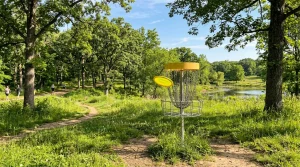
Did you know that disc golf is one of the fastest-growing sports in the world, with millions of players enjoying its unique blend of strategy, skill, and the great outdoors? For newcomers and seasoned players alike, connecting with local disc golfers is essential for enhancing your game, sharing tips, and growing the community. Whether you’re looking to find a casual weekend round or competitive leagues, knowing where to find others who share your passion can transform your experience. In “Tomorrow’s Game: Find Local Disc Golf Players,” we dive into effective ways to connect with fellow enthusiasts, providing insights and resources to help you find playing partners in your area. Discover how to foster relationships that not only elevate your skills but also enhance your enjoyment of this exciting sport. Read on to learn how to take your game to the next level and become part of a vibrant disc golf community!
Explore the Exciting World of Disc Golf
The world of disc golf is not just about throwing discs; it’s a vibrant community of individuals who share a passion for the sport and the outdoors. With over 8,000 courses worldwide, players can find local venues to perfect their skills while enjoying nature. Disc golf offers a unique blend of strategy, skill, and physical fitness, making it an engaging option for everyone, from casual players to competitive athletes. As you embark on your disc golf journey, connecting with local players can enhance your experience and significantly improve your game.
To tap into the local disc golf community, start by visiting nearby courses and participating in casual rounds. Many players are eager to share tips and welcome newcomers. You can also check out the online platforms dedicated to the sport, such as the subreddit for disc golf, which provides resources and connections to fellow enthusiasts (Reddit Disc Golf Wiki). Social media platforms like Facebook also feature local disc golf groups where you can interact with other players, share experiences, and join in on organized play.
Engaging with local disc golf clubs is another fantastic way to meet players and deepen your commitment to the sport. Clubs often host events, competitions, and casual meet-ups that cater to different skill levels. As you attend these gatherings, you’ll not only improve your throwing technique and understanding of disc flight characteristics but also build friendships that extend beyond the course. Whether you’re joining a club or participating in tournaments, the support and camaraderie you’ll find will make your disc golf experience even more fulfilling.
Consider organizing or participating in local tournaments, which can be a great way to foster community spirit and encourage new players to join. Local events provide a platform for players to showcase their skills while enjoying a competitive atmosphere. Remember, every throw is a chance to connect – with nature, with friends, and with the game itself. Embrace the journey of becoming a disc golfer, and you may just find that the connections you make on the course are as rewarding as the game itself.
Identifying Local Disc Golf Communities
Finding your place within the vibrant disc golf community can be one of the most rewarding aspects of engaging with the sport. With thousands of courses scattered across the globe, the essence of disc golf thrives not only in the friendly competition and skill development but also in the connections formed through shared experiences on the course. Whether you’re a novice looking to improve or a seasoned competitor, can significantly enhance your journey.
Start by actively seeking out local courses; many players frequent these areas and are often more than willing to share tips, advice, and camaraderie. You may even discover that your local park hosts informal meet-ups or league play, which can be a fantastic way to engage with others who share your passion for the game. Consider visiting websites like discgolfscene.com where you can find schedules for tournaments, casual rounds, and even clinics aimed at both beginners and advanced players.
Another effective way to immerse yourself is through social media. Platforms such as Facebook and Instagram host a plethora of groups and pages dedicated to disc golf enthusiasts. Here, you can connect with local players, discuss techniques, and stay updated on events happening in your area. Look for clubs that post regularly and don’t hesitate to introduce yourself in these online spaces; you’ll find a welcoming community eager to support newcomers.
Lastly, don’t overlook the power of word-of-mouth. When you’re at a course, take the time to chat with fellow players about other groups or clubs they recommend. Many seasoned players are familiar with the ongoing scene and can guide you to vibrant local leagues or upcoming events, creating pathways to friendships and improvement in your game. Embracing these connections not only enriches your experience but provides a steady source of motivation as you navigate the exciting world of disc golf together.
The Benefits of Playing Disc Golf Together
Playing disc golf together can transform your experience from a solitary pastime into a vibrant social activity that fosters connection and community. The benefits of engaging with fellow players extend beyond just improving your skills; it cultivates friendships and creates lasting memories. Whether you’re lining up a shot or discussing strategies, sharing the course with others adds a layer of enjoyment that enhances the game itself.
One of the key advantages of playing disc golf in a group is the opportunity for skill development through collaboration. When you play with others, it becomes easier to learn new techniques and receive feedback on your form and strategies. Watching experienced players can expose you to various throwing techniques and course management strategies that you might not grasp alone. As you exchange tips and advice, you’ll likely find yourself improving at a faster rate, benefiting from insights that only arise in a communal setting.
Additionally, the camaraderie of playing together nurtures a sense of belonging within the disc golf community. This sport is inherently social, and participating in friendly competition or casual rounds can lead to local friendships and connections that last well beyond the course. Engaging in team play or local tournaments not only boosts your motivation but also introduces the thrill of shared victories and the support of teammates during challenging rounds. The encouragement and competition can ignite a passion for the game, making each outing an opportunity for personal growth and fun.
To capitalize on these benefits, consider organizing regular meet-ups with local players or joining established disc golf clubs. These groups not only host events but often create a welcoming atmosphere for newcomers, helping to break down barriers for anyone hesitant to engage. By playing together, you’ll not only improve your game but also become part of a larger community dedicated to celebrating and growing the sport of disc golf.
How to Find Local Disc Golf Players
Finding local disc golf players can transform your game from a solitary experience into an exhilarating social journey filled with camaraderie and competition. Connecting with fellow enthusiasts not only improves your skills but also enhances your enjoyment of this wonderful sport. The quest to meet fellow players can be approached in various ways, leveraging both online and offline resources to create a vibrant community around the game.
One effective strategy to find local players is to visit local parks or disc golf courses during peak times, such as weekends or after work hours. Observing others in action provides a natural opportunity to introduce yourself and ask if you can join in their round. You can also check bulletin boards at these locations, which often feature announcements about local meet-ups and tournaments.
Additionally, embracing social media can significantly expand your network. Platforms like Facebook and Instagram have dedicated groups and pages where players coordinate games and share information. By joining specific disc golf groups based on your location, you can stay informed about upcoming events, discuss strategies, and connect with local players of all skill levels. Creating engaging posts about your interest in finding players can also attract like-minded individuals eager to join you on the course.
Another avenue worth exploring is your local disc golf clubs or associations. These organizations not only organize tournaments and casual play but also foster a welcoming environment for newcomers. Attending club meetings or events provides a great way to meet experienced players who are often more than willing to share their knowledge and include you in their games. Many clubs also have mentorship programs where seasoned players support beginners, enhancing your learning while deepening community ties.
Ultimately, making connections within the disc golf community involves proactive engagement and openness to new experiences. Whether through casual encounters at the course, online social platforms, or local clubs, each interaction is a step toward building lasting friendships and improving your game. The more you immerse yourself in the community, the more you’ll find that the sport offers not just a way to play but a way to connect.
Utilizing Social Media for Disc Golf Connections
In today’s digital age, social media serves as a powerful tool to connect disc golf enthusiasts and foster vibrant local communities. Utilizing platforms such as Facebook, Instagram, and Reddit can significantly enhance your ability to find players in your area, organize games, and exchange tips and experiences. For instance, joining local disc golf groups on Facebook allows you to instantly tap into a network of players who are eager to connect, as they regularly post about upcoming events, local tournaments, and casual games. By engaging in these groups, you can not only find players to meet up with but also gain insights into the best courses and local disc golf news.
Creating your own posts can also attract attention. Share your own disc golf journey, mention your interest in finding local players, or even ask specific questions about techniques or gear. Enthusiasts enjoy sharing their experiences and can be incredibly welcoming to newcomers. Be proactive in commenting on others’ posts and participating in discussions; this fosters a sense of community and often leads to invitations to play together. Instagram, with its visual appeal, can also be a great platform to showcase your adventures on the course, using hashtags like #DiscGolf or your local area’s name to reach a wider audience.
To strengthen your connections, don’t forget to explore event platforms such as Meetup or local disc golf clubs’ social media pages. These organizations often post about events where disc golfers gather, such as tournaments or casual ‘sky rounds’ designed for players of all skill levels. Participating in these events not only hones your skills but also introduces you to like-minded individuals who share your passion. By attending such gatherings, you’re making invaluable connections while enjoying the sport in a collaborative environment.
By effectively leveraging social media, you can seamlessly transition from a solitary disc golfer to an active participant in a thriving community. Each follow, share, and comment can lead to new friendships and opportunities on the course, enriching your disc golf experience beyond what you might expect. So step into the online world of disc golf; your next round is just a click away!
Joining Disc Golf Clubs and Associations
Joining a disc golf club or association can be one of the most rewarding steps you take to deepen your involvement in the sport. Not only do these organizations provide structure and support, but they also cultivate a sense of community among players of all skill levels. Imagine having a network of fellow enthusiasts right at your fingertips, ready to share tips, plan outings, and even coach you through challenges. The camaraderie fostered in these groups can transform casual play into a vibrant social experience.
When considering membership in a disc golf club, investigate local options that align with your interests and playing style. Many clubs offer different tiers of participation, from casual meetups to competitive leagues, allowing you to choose how serious you want to get. Look for clubs that organize regular events, such as casual rounds, clinics, and tournaments. This consistent interaction doesn’t just improve your skills; it also enhances your enjoyment of the game. You’re likely to meet players who are eager to share their knowledge, whether it’s about mastering a throw or understanding the dynamics of course management.
The benefits of joining are manifold. Most clubs provide access to exclusive member events, discounted rates for tournaments, and even opportunities for gear sponsorships. For instance, being part of an established club can also give you a voice in the local disc golf scene, allowing you to influence decisions regarding course design and maintenance. Additionally, many clubs participate in the larger disc golf community through affiliations with national organizations, which can open doors to regional and national competitions.
To find clubs near you, start with a simple web search or visit platforms like the Professional Disc Golf Association (PDGA) site. Participating in social media discussions and visiting community forums can also yield excellent recommendations. Many local disc golf courses have bulletin boards with information about nearby clubs or upcoming events. Once you find a club that resonates with you, don’t hesitate to reach out and express your interest-clubs are generally very welcoming to newcomers and will be excited to help you get involved.
By embracing the club culture, you’ll not only improve your game and connect with others but also contribute to the ongoing growth of disc golf as a competitive and recreational sport. Your journey in this captivating sport awaits-get ready to elevate your disc golf experience!
Tips for Organizing Local Disc Golf Events
Organizing local disc golf events can ignite a community’s passion for the game and foster friendships among players old and new. The thrill of competition and the camaraderie on the course can elevate the experience for everyone involved, making it a rewarding endeavor. If you’re looking to set up an event, whether it’s a casual round, a fun tournament, or a clinic for newcomers, there are key steps to ensure its success.
Start by identifying a suitable course that accommodates the number of players you expect and is accessible for all skill levels. Once you’ve secured a location, set a date and time that works for most players, considering weekends or evenings for maximum turnout. Promote the event through local disc golf clubs, community bulletin boards, and social media. Using platforms like Facebook, Instagram, or dedicated disc golf forums can help you reach a broader audience and create buzz around your event.
When planning the event itself, determine the format-will it be a singles competition, a team event, or perhaps a fun round with fewer competitive aspects? For competitive formats, gather input on how to score, set up divisions based on player skill levels, and decide if there will be prizes or raffles. It can be beneficial to have a “first-timers” or “novice” division to encourage newer players. Consider providing light refreshments, which can enhance the social aspect of the gathering and keep energy levels high.
Lastly, during the event, ensure to have volunteers or friends to help with logistics, such as setting up signage, managing the scorecards, and assisting newcomers. This collaborative spirit not only makes the event run smoothly but also reinforces the community aspect of disc golf. Celebrate the successes by creating opportunities for everyone to share their experiences and feedback, helping to build excitement for your next event and fostering a culture of inclusion that will help grow the local disc golf scene.
With planning, enthusiasm, and community support, your local disc golf event can be a fantastic way to bring players together, celebrate the sport, and create lasting memories.
Gear Up: Must-Have Equipment for Local Play
To fully enjoy the vibrant sport of disc golf, having the right equipment can make all the difference, whether you’re a seasoned player or just stepping onto the course. At its core, the beauty of disc golf lies in its accessibility, with relatively low barriers to entry for new players. However, investing in the right gear can enhance your performance and enjoyment. Here’s a breakdown of essential equipment that every disc golfer should consider.
First and foremost, discs are your most crucial piece of equipment. There are three main types of discs used in the game: drivers, mid-range discs, and putters. Drivers, designed for distance and speed, are typically used for the initial throw, while mid-range discs offer better control for shorter, accurate shots. Putters are used when you’re closer to the basket, helping you make those crucial final throws. When starting out, it’s wise to choose a few beginner-friendly discs that offer stability and ease of use.
In addition to discs, a good bag to carry your gear is invaluable. Look for a sturdy disc golf bag that has enough capacity for your discs-most beginner bags hold about 8-12 discs comfortably. Some bags also feature pockets for water bottles, snacks, and personal items, which can be particularly beneficial during long rounds. You might also consider a portable foldable chair for comfort during casual rounds with friends.
Don’t forget the importance of apparel and shoes as well-comfort is key while navigating the course. Opt for moisture-wicking clothing and supportive footwear that allows for a full range of motion during throws. Be mindful of the terrain on your local courses, as well; durable shoes with good traction can prevent slips on uneven ground.
Finally, as you improve and perhaps delve into competitive play, consider investing in advanced equipment. A rangefinder can help measure distances accurately, and high-quality discs suited for advanced techniques can elevate your game. For those aiming to play in tournaments, a scorecard holder and an official rule book can also be beneficial.
Equipping yourself with the right gear not only increases your enjoyment of the sport but also builds a sense of community among players. Sharing equipment experiences, asking for recommendations, and finding the right combinations for your style can deepen your involvement and help you connect with fellow disc golf enthusiasts. Embrace the journey of finding your favorite discs and gear-it’s all part of the fun!
Understanding Disc Flight Characteristics
Understanding how discs fly can significantly enhance your performance and enjoyment in disc golf. Each disc is designed with specific flight characteristics influenced by its shape, weight, and stability, which can greatly affect your game. Whether you’re a beginner or a seasoned player, grasping these nuances can help you choose the right disc for every shot and adjust your throws accordingly.
The flight of a disc can be broken down into several key components: speed, glide, turn, and fade. These factors interact to create a disc’s overall flight path.
- Speed: This refers to how quickly a disc travels through the air; it is crucial for achieving distance. Discs with higher speed ratings need more power to achieve optimal distance.
- Glide: Glide indicates how long a disc will stay in the air after being thrown. Discs with high glide can stay aloft longer, making them suitable for controlled throws and longer shots.
- Turn: This is the disc’s tendency to curve to the right (for a right-handed backhand throw) during the initial part of its flight. A disc with a significant turn is great for achieving anhyzer shots or long-distance turnovers.
- Fade: Fade is how much a disc will hook left as it loses speed at the end of its flight. Discs with a pronounced fade are often used for approach shots and finishing drives towards the basket.
Your choice of disc should align with your throwing style and the conditions of the course. Beginners might start with more stable discs that offer a straightforward flight path, while experienced players can utilize a variety of discs to shape their shots based on the required trajectory. For example, a beginner-friendly driver might have a flight rating of 13 / 5 / -2 / 2, indicating decent speed, glide, minimal turn, and moderate fade, which promotes straighter throws.
As you develop your skills, pay attention to how different discs behave in various weather conditions and terrains. Wind can drastically affect flight, so understanding how your disc reacts during windy conditions is important for improving your overall game. Building a diverse bag of discs that caters to every circumstance will set you up for success and allow you to explore the possibilities of your throws, making each round a unique challenge.
Engaging with local players and discussing their favorite discs can provide further insights into how to utilize flight characteristics effectively. As you practice and receive feedback, you’ll begin to notice how subtle adjustments to your grip and throw can enhance performance, reinforcing the importance of community in the sport of disc golf.
Mastering Throwing Techniques for Beginners
Every throw in disc golf offers a chance to improve your game and connect with fellow players. Mastering the fundamental techniques of throwing can dramatically impact your performance and enjoyment on the course. As a beginner, it’s essential to focus on the mechanics of your throw to establish a solid foundation. A good throw is built on three critical aspects: grip, stance, and follow-through.
Start with your grip: holding the disc correctly ensures you have maximum control over its flight. For a backhand throw, use the power grip by placing your thumb on top and your index and middle fingers underneath, gripping the disc tightly. Your ring and pinky fingers should wrap around the disc for support. This grip allows you to generate the necessary spin and distance.
Next, consider your stance. Stand with your feet shoulder-width apart, and position your non-throwing shoulder slightly forward. This alignment prepares your body for a powerful rotational movement. As you prepare to throw, shift your weight to your back foot, drawing the disc back with a smooth motion. This weight transfer is crucial for generating the momentum needed for a successful throw.
Finally, the follow-through is a key component that is often overlooked. After releasing the disc, allow your arm to continue its motion across your body. This follow-through not only helps with accuracy but also prevents injury by promoting a natural motion through your shoulder. Practicing these elements consistently will lead to smoother, more controlled throws.
As you practice these techniques, seek opportunities to throw with local players. Joining casual outings or friendly competitions can provide valuable feedback and foster a sense of community. Observing and interacting with others can deepen your understanding of throwing mechanics while enhancing your overall experience in the sport. Remember, every expert was once a beginner-embracing your learning journey is what makes disc golf not just a game, but a lifelong passion.
Advanced Strategies for Competitive Play
In the competitive realm of disc golf, mastering the course is as much about strategy as it is about skill. The mental game often separates the good players from the elite, emphasizing the importance of preparation, adaptability, and understanding the subtle nuances of each course. Here are some advanced strategies that not only enhance your performance but also help foster local player connections and community.
Understanding the course layout is crucial. Take the time to study each hole before your round. Pay attention to factors like elevation changes, wind conditions, and key obstacles such as trees or water hazards. Many players benefit from mapping out their shots on practice rounds. This allows you to envision your throw trajectory, anticipate where your disc might land, and plan the best possible approach for your next throw. Consider keeping a detailed scorecard that notes your successes and struggles on each hole, which can give you valuable insights for upcoming rounds.
Developing Strategic Throw Plans
When it comes to executing throws during competition, flexibility is key. Begin with a strong foundational strategy, such as deciding when to play conservatively or when to take risks. For instance, if you know a particular hole is best approached with a forehand throw due to its layout, make the necessary adjustments to your stance and grip to ensure that your shot lands perfectly. Conversely, if a hole opens up for a long hyzer throw, don’t shy away from unleashing your full power.
Additionally, keep an eye on your competitors. Observing their techniques and shot choices can provide you insights that enhance your decision-making. Be mindful of their disc selections and approaches, and think critically about how different conditions affect their outcomes. This not only heightens your awareness but also builds camaraderie as you share observations and tips with fellow players.
Creating a Game Plan for Local Events
Engagement in local competitions can also bring new dimensions to your game. Collaborate with local players to form practice teams, exchange techniques, or even organize friendly matches that simulate actual tournament conditions. Such interactions strengthen relationships within the community while fine-tuning your competitive edge.
Here are some actionable tips when preparing for a local event:
- Evaluate Weather Conditions: Wind and rain can drastically alter disc flight. Prepare with appropriate discs and strategies.
- Warm-Up Routines: Establish a strong warm-up regime that includes deep stretching and practice throws to get your muscles ready.
- Mental Focus: Develop a pre-game ritual to calm nerves, whether it’s deep breathing, visualization, or listening to music.
Lastly, stay physically fit and practice a variety of throwing techniques regularly. Engaging in cross-training activities, such as running or yoga, can improve your overall athleticism, stamina, and focus on the course. Embrace the journey, share your experiences with other avid disc golfers, and remember that each round is not just about competition-it’s an opportunity to connect, learn, and grow within a vibrant community.
Real Stories: Local Players and Their Journeys
In the vibrant world of disc golf, local players often inspire and elevate one another through shared experiences and mutual support, leading to a close-knit community reminiscent of a family. Many players begin their journey seeking friendship and fun, only to discover a deeper passion for competition and growth. Take, for instance, John, a newcomer to the sport who first picked up a disc during a neighborhood barbecue. Initially drawn in by the laid-back atmosphere and the camaraderie of fellow players, he gradually fell in love with the nuances of the game, from mastering his throws to understanding course strategy. Now, a few seasons later, John regularly participates in local tournaments and has even mentored younger players through their first rounds.
Stories like John’s are common in disc golf communities, where players often share their unique journeys. Each player’s path can provide insight and inspiration. Amy, another local player, transitioned from recreational play to competitive events after joining a local disc golf club. This club not only provided her with a structured approach to improving her game but also introduced her to a diverse group of players with various skill levels and experiences. They organized regular meetups and practice sessions, which allowed Amy to refine her throwing techniques while forging lasting friendships-lessons she now shares with newcomers, helping them navigate their initial fears and uncertainties.
Emphasizing player stories highlights the importance of local connections in disc golf. Clubs and informal meetups create spaces where both veteran players and enthusiastic beginners can exchange tips, tricks, and personal experiences. Shared training sessions often lead to meaningful discussions about disc flight characteristics, equipment choices, and strategic considerations on beloved local courses. Whether you’re discussing the best way to approach a blind hole or sharing tales of remarkable throws made possible by local community support, these narratives foster a spirit of collaboration and growth.
As you seek out your local disc golf community, remember that each player you meet brings a unique story and expertise to the game. Engage with seasoned players who have navigated various challenges, while also supporting newer players in their journeys. The richness of disc golf lies not only in individual achievement but also in the collective experience of learning, playing, and improving together. This supportive environment bolsters the sport’s growth and makes every round on the course an opportunity for connection and camaraderie.
FAQ
Q: How can I find local disc golf groups in my area?
A: To find local disc golf groups, check platforms like Facebook and Meetup, where many communities share events and gatherings. Additionally, visit local parks that host disc golf courses and ask players if they know of any clubs or regular meet-ups.
Q: What are the benefits of playing in local disc golf tournaments?
A: Playing in local disc golf tournaments offers fun competition, a chance to improve your skills, and an opportunity to connect with other players. You can also win prizes and gain experience that can help you in larger tournaments.
Q: Where can I purchase quality disc golf equipment?
A: You can purchase quality disc golf equipment at local sporting goods stores, specialized disc golf retailers, or online platforms like Amazon or Disc Golf Shops. Make sure to research brands and read reviews before buying to ensure you get the best gear.
Q: What should I know before participating in a disc golf league?
A: Before joining a disc golf league, familiarize yourself with the rules and structure of the league. Understand the schedule, fee structures, and player skill levels. Attending a few informal games can also help ease your transition into league play.
Q: How often do local disc golf meet-ups occur?
A: The frequency of local disc golf meet-ups varies by community, but many groups host weekly or bi-weekly events. Checking local calendars and social media pages is the best way to stay informed about upcoming meet-ups in your area.
Q: What are the rules for casual play at disc golf courses?
A: Casual play rules at disc golf courses typically include respecting other players’ turns, maintaining course etiquette, and following any posted rules. Always yield to faster groups and retrieve your discs quickly after each hole to keep the game moving.
Q: How can social media help me find disc golf players?
A: Social media platforms are excellent for connecting with local disc golfers. Join groups focused on disc golf, follow relevant hashtags, and participate in discussions. You can also share your own interest in finding partners to play with in your area.
Q: What is the best way to learn disc golf throwing techniques?
A: The best way to learn disc golf throwing techniques is to watch tutorial videos online, participate in clinics, or practice with experienced players. Focus on mastering foundational throws, and consider seeking feedback to improve your form.
Key Takeaways
As you embark on your journey to find local disc golf players, remember that community is key! Embrace the chance to connect with fellow enthusiasts who share your passion for the game. If you’re looking to sharpen your skills, don’t miss our detailed guides on disc flight characteristics and throwing techniques, perfect for both beginners and seasoned competitors. Explore our resources on competitive tournaments and course strategies to elevate your game even further.
Act now-join our newsletter for the latest tips and local events, and dive into our forum discussions where you can share experiences and gain insights from other players. Have questions or need support? The disc golf community is here for you; comment below and let’s keep the conversation going. Your next round of disc golf awaits, so get outside and discover the thrill of playing with others who love the sport as much as you do!
Get our latest guides, news, and insights highlighted in your Google Search & AI Overviews.