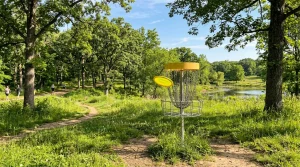
Did you know that the roots of disc golf trace back to a simple, playful pastime that evolved into a thriving sport? The first disc golf course, established in 1975 in California, not only paved the way for an entire community of enthusiasts but also created a unique intersection of both leisure and competition. As we delve into the history of this historic landmark, we’ll uncover the founding principles of the sport, explore the ingenuity behind its development, and celebrate the vibrant culture that surrounds disc golf today. Whether you’re a seasoned pro or a curious newcomer, this journey through disc golf’s origins promises to enrich your understanding and appreciation of this beloved pastime. Join us as we highlight the significance of the first course and its lasting impact on the world of disc golf.
Where Was Disc Golf Born? A Historical Overview
The roots of disc golf trace back to the early 1970s in California, where the sport was born out of a creative convergence of Frisbee culture and traditional ball golf. It all began when a few innovative players started throwing flying discs towards makeshift targets such as trees and parks. The very idea of combining the leisure of tossing a disc with the precision of golf birthed a new recreational activity that would capture the imagination of sports enthusiasts everywhere. The first official disc golf course debuted in 1975 at Oak Grove Park in Pasadena, California, established by the visionary dynamic duo of B. J. Young and the legendary disc golfer Ed Headrick.
This inaugural course not only showcased the potential of disc golf as a legitimate sport but also set the stage for its structured development. Ed Headrick, known as the “Father of Disc Golf,” introduced the concept of a basket as a designated target, revolutionizing how the game could be played. His creation, the Disc Pole Hole™, became a standard fixture on courses, providing players with a reliable way to measure their skills in navigating varying degrees of difficulty on the course. The establishment of Oak Grove not only validated disc golf but also initiated a paradigm shift in recreational sports, combining skill, distance, and strategy while creating an inherently social atmosphere.
As the years unfolded, disc golf evolved significantly, spurred on by an enthusiastic community that embraced the sport’s principles of fun, accessibility, and competition. What began as informal play grew into competitive events, bolstered by organizations like the Professional Disc Golf Association (PDGA) and numerous local leagues that fostered grassroots growth. The legacy of Oak Grove Park continues to resonate, as it remains a point of pilgrimage for players looking to acknowledge the birthplace of a sport that has expanded to thousands of courses worldwide, promoting a connection to nature and community that is fundamental to its identity.
Today, the original course stands as a historic landmark, celebrated not only for its pioneering role but also for how it embodies the spirit of disc golf. For newcomers and seasoned players alike, understanding the birthplace of disc golf enhances appreciation for the sport’s rich history, encouraging a deeper connection to the game. As players gather to share their experiences and strategies on the very grounds where it all began, they contribute to a living history that continues to unfold in parks and courses across the globe.
The Origins of the First Disc Golf Course
The inception of the first disc golf course is a fascinating tale woven into the fabric of American recreational culture. Imagine the warm sun filtering through the trees of Oak Grove Park in Pasadena, California, in 1975. Here, amid the laughter and camaraderie of friends, a new sport was being born-one that would meld the playful nature of Frisbee with the strategic depth of golf. This convergence was not merely a happy accident; it was the product of a visionary collaboration between B. J. Young and Ed Headrick, whose innovations would pave the way for disc golf’s future.
The course they established was groundbreaking. Unlike traditional golf that relied on rigid layouts and fixed targets, disc golf adopted a more dynamic approach with the use of specialized goals. Ed Headrick’s introduction of the Disc Pole Hole™ transformed the way the game was played, introducing a standardized target that ensured consistency. This innovation not only legitimized disc golf as a sport but also sparked a passionate community that embraced its principles of fun, accessibility, and competition. As players adapted to this newfound style of play, they discovered that disc flight characteristics-such as stability, glide, and fade-offered a wealth of strategies unique to this sport.
As the first official disc golf course, Oak Grove Park became a symbolic landmark. Its influence extended beyond its physical boundaries, inspiring countless courses across the globe and igniting an ever-growing passion for disc golf. Today, the course serves as a pilgrimage destination for enthusiasts seeking to connect with the roots of a sport that embodies both recreational enjoyment and serious competition. Players venture there not just to experience history but to honor the legacy of community that has flourished from those initial throws amidst the trees.
Understanding the origins of this course allows newcomers to appreciate the sport’s rich history, while seasoned players can reminisce about their own journeys. With each throw at Oak Grove, players contribute to a living narrative in the disc golf community, celebrating a pastime that brings people together-making every game a tribute to that vibrant spirit of collaboration and innovation that sparked the creation of disc golf.
Key Figures in Early Disc Golf Development
The story of disc golf is interwoven with the contributions of a few innovative individuals whose vision transformed a casual pastime into a recognized sport. At the heart of this evolution are two key figures: Ed Headrick and B. J. Young. Their collaboration set the foundation for what we know today as disc golf.
Ed Headrick, often referred to as the “Father of Disc Golf,” played a pivotal role in the sport’s formalization. He introduced the concept of a standardized target with his invention of the Disc Pole Hole™. This invention provided a uniform target for players, allowing for a consistent scoring method akin to traditional golf. Headrick’s vision extended beyond targets; he also actively promoted the sport through tournaments and competitions, helping to create a structured pathway for aspiring players. His efforts culminated in the establishment of the Professional Disc Golf Association (PDGA) in 1976, which further solidified the sport’s legitimacy and provided a governance framework for athletes.
B. J. Young, another significant contributor, was instrumental in the conceptualization and establishment of the first disc golf course at Oak Grove Park. His enthusiasm for the game and innovative approach led to the incorporation of elements that balanced fun with competitive integrity. Young’s background as an avid Frisbee player helped him understand the dynamic nature of the disc, paving the way for strategic gameplay and shot selection that would become hallmarks of the sport.
Beyond these founders, many early adopters contributed to the grassroots expansion of disc golf, mobilizing community members through local tournaments and informal play. Their efforts fostered an inclusive environment that invited players of all skill levels to participate, creating a vibrant community that remains integral to the spirit of disc golf today.
These pivotal figures laid the groundwork for future developments in disc technology, course design, and competitive play, leading to the diverse and thriving sport we enjoy now. Every time players visit locations like Oak Grove Park, they not only honor the legends of the past but also participate in the living history of disc golf, where every throw reflects the vision and creativity of those who came before.
Exploring the First Official Disc Golf Course
The establishment of the first official disc golf course at Oak Grove Park in Pasadena, California, marked a revolutionary moment in the history of the sport. This landmark, designed in 1975 by Ed Headrick and B. J. Young, transformed disc golf from informal play to a structured sport that invited competitive play. The course was composed of 18 unique holes that each challenged players with varying distances and obstacles, capturing the spirit of both traditional golf and casual disc throwing. This blend of fun and strategy created a framework for what would become an esteemed sporting activity.
One fascinating aspect of Oak Grove Park is its design philosophy. Headrick and Young didn’t just lay out a series of targets; they ingeniously integrated the natural landscape into the course layout. Tree line, elevation changes, and open fields were all utilized to enhance the gameplay experience. Each hole was thoughtfully created to require different throwing techniques, teaching players to navigate their discs with finesse and control. This early emphasis on strategic shot-making has continued to evolve in disc golf course design today.
For newcomers, playing on a historic course like Oak Grove is more than just an outing; it’s a chance to connect with the roots of disc golf. It allows players to appreciate the origins of the game while experiencing the same challenges that early pioneers faced. Beginners may benefit from studying the course layout, as understanding each hole’s design can enhance shot selection and gameplay strategy. A simple tip: practice varying your throws-backhands, forehands, and putts-while focusing on accuracy over distance, mirroring the strategic intent behind the original design.
Whether you’re a first-time player or a seasoned competitor, engaging with the legacy of the first official disc golf course offers invaluable insights into the sport’s rich history. Every throw you make in such a storied locale serves not only to enhance your skills but also to pay homage to the visionaries who shaped the game. As disc golf continues to gain popularity, visiting historic courses like Oak Grove Park provides a meaningful perspective on how far the sport has come, and a glimpse into its bright future.
How the First Course Changed the Game
The establishment of the first official disc golf course at Oak Grove Park in Pasadena, California, in 1975 was a pivotal moment that forever changed the landscape of recreational sports. Prior to this, disc throwing was largely an informal pastime; the introduction of a structured course meant that players could now engage in a competitive format, creating a platform for the sport to grow. This significant shift not only legitimized disc golf as a recreational activity but also set the foundation for its development as a competitive sport.
At Oak Grove, the design principles implemented by Ed Headrick and B. J. Young contributed to the game’s evolution. The course was laid out with 18 unique holes that emphasized varied throwing techniques and strategic shot placement. By integrating natural elements such as trees, elevation changes, and open fields into the layout, the course encouraged players to develop both skill and strategy. Players were no longer simply throwing discs; they were now challenged to think critically about each hole, selecting appropriate techniques to navigate the obstacles ahead. This innovation fostered a deeper appreciation for the sport, where creativity in shot-making became as important as basic athleticism.
As disc golf began to gain traction, the creation of organized tournaments and leagues followed. The competitive nature of play at Oak Grove inspired enthusiasts to establish rules, scoring systems, and standardized equipment-transforming disc golf from a casual game into a recognized sport with a growing community. The course became a training ground for many of the sport’s early adopters, who would later become influential figures in the disc golf world. Their experiences shaped the next generation of players and ultimately led to the surge of interest that continues to define the sport today.
For newcomers stepping onto this historic ground, there’s a profound connection to the sport’s roots. Playing at Oak Grove is not just about improving skills; it’s about honoring the legacy of those who paved the way for what disc golf has become. Understanding the challenges presented by the original course can provide invaluable insights into the strategic elements of gameplay. Practicing different throwing styles, from backhands to forehands, while engaging with the diverse terrain, helps players cultivate the skill set essential for mastering the game.
The transformation initiated by Oak Grove Park resonates in modern disc golf, where courses around the world now reflect a blend of strategic design and community spirit. As enthusiasts explore these historic links, they tap into a lineage of innovation and passion that continues to inspire and attract players from all walks of life.
Significance of the First Disc Golf Course Today
Playing at the first official disc golf course, established at Oak Grove Park in Pasadena, California, is not just an experience; it’s a pilgrimage for enthusiasts and a celebration of the sport’s rich history. This iconic course serves as a testament to how far the sport has come since its inception in 1975. Today, it stands as a living landmark, where every tee box and basket tells a story not only of competition but of community, creativity, and resilience in the face of change.
The significance of Oak Grove extends beyond its physical design; it embodies the spirit of disc golf as an accessible and socially engaging sport. Many players visit to connect with the legacy of the game, absorbing the lessons embedded within the course’s layout. Newcomers benefit immensely from the challenges presented by its unique terrain, which encourages them to experiment with various throwing techniques-essential for developing a well-rounded skill set. By navigating through the natural obstacles and varied elevation, players learn to appreciate the nuances of disc flight and shot selection, vital components of competitive play.
Furthermore, the course’s influence reaches into the competitive realm, where the strategies honed at Oak Grove inform modern tournament preparations. Players regularly analyze historical rounds played here to devise their game plans, drawing on the insights gained from those who have previously tackled its challenges. This ongoing exchange enhances the strategic depth of the sport, helping to foster a vibrant community of players dedicated to improving their skills and understanding of disc golf.
In the context of today’s rapidly growing interest in disc golf, Oak Grove serves as a reminder of the sport’s humble beginnings and its evolution into a legitimate athletic pursuit embraced by diverse populations worldwide. As more people discover the joys and intricacies of the game, the enduring legacy of the first disc golf course continues to spark passion, cultivate talent, and inspire the next generation of players to make their mark in the annals of disc golf history.
Modern Disc Golf Courses: Then and Now
The landscape of disc golf courses has transformed remarkably since the establishment of Oak Grove Park, where the first official course ignited the sport’s popularity. Today, there are thousands of courses worldwide, each offering unique challenges and experiences tailored to players of all skill levels. The evolution from primitive, open fields to meticulously designed layouts illustrates how the sport has matured, evolving into a legitimate athletic pursuit.
Even in its modern form, disc golf retains the playful spirit of its origins. Many current courses incorporate natural landscape features to create dynamic challenges, blending technical precision with the joy of navigating through undisturbed environments. Land use and sustainability have taken center stage as courses now often emphasize eco-friendly designs that respect the natural flora and fauna. The use of native plants, managed landscaping, and minimal disruption of the existing terrain is becoming standard practice, reflecting a growing awareness of environmental impacts.
Course Design Variations
New courses often feature:
- Multi-Use Spaces: Integrating facilities for various sports, fostering community activity.
- Variety in Layout: From beginner-friendly to pro-level designs, the alterations in hole lengths, basket placements, and elevation changes challenge players’ skills.
- Innovative Signature Holes: Unique structures like elevated tees and creatively positioned baskets encourage players to think outside the box while hitting their lines.
This diversity in design not only enhances the gameplay experience but also cultivates a sense of belonging within local communities. Players form groups to maintain these spaces, share tips, and advocate for further developments, creating a grassroots network that emphasizes sport and fellowship.
As technology continues to influence the game, innovations such as advanced disc materials and specialized equipment help players refine their technique and improve performance. Newcomers and seasoned veterans alike can benefit from the array of available gear tailored to various throwing styles and skill levels. The vibrant community around disc golf remains committed to supporting one another, whether through local tournaments or online platforms, further solidifying the sport’s growth.
In essence, modern disc golf courses are not only about playing a game; they are thriving ecosystems of community engagement, athletic development, and innovative design that stand as a tribute to the sport’s rich heritage while paving the way for future generations.
The Evolution of Disc Golf Course Design
The transformation of disc golf course design mirrors the evolution of the sport itself, reflecting changes in tastes, technology, and environmental awareness. The pioneering course at Oak Grove Park laid the groundwork for a discipline that has flourished around the globe. Initially marked by simplicity, these early courses utilized available land to accommodate the needs of community players, often with little regard for the intricacies of course layout. However, as the sport gained traction, the design principles began to evolve, incorporating elements that emphasized not just challenge, but also experience.
Today’s courses are thoughtfully engineered spaces that consider the natural topography and existing ecosystems, blending seamlessly into their surroundings. Designers now prioritize a balance of playability and environmental responsibility. Techniques such as using natural obstacles-like trees and elevation changes-not only enhance the strategic aspects of play but also reduce the ecological footprint by limiting ground disturbance. Modern disc golf courses leverage sophisticated design software and techniques, allowing for precise planning in incorporating a variety of hole lengths, basket placements, and specific challenges that cater to players of all skill levels.
- Intermediate and Advanced Features: Many contemporary courses include unique elements such as elevated tees and sloped fairways, which add complexity and excitement to the game. These design innovations push players to innovate in their throwing techniques, constantly adapting to the course conditions.
- Community Engagement in Design: The role of local disc golf clubs has emerged as crucial in the design phase. Communities often come together to collaborate on course layout decisions, ensuring that courses serve both new players and seasoned pros while fostering a sense of ownership and belonging.
- Multi-Use Environments: Many new designs feature integrated spaces suitable for other sports or activities, promoting broader community usage. This feature not only enhances the visibility of disc golf but also encourages new players to experience the sport.
As the sport continues to grow, we see an impressive variety of course designs tackling various challenges. From urban parks to expansive country landscapes, the possibilities for course design mirror the innovative spirit of disc golfers. Future designers will likely continue to explore the limits of creativity and sustainability, further solidifying disc golf as a beloved sport that both champions athleticism and respects natural habitats. By striking this balance, not only enhances gameplay but also reinforces the community-centric ethos that has always been at the heart of the sport.
Famous Historic Disc Golf Courses Worth Visiting
For those looking to explore the rich history of disc golf, several iconic courses stand as monuments to the sport’s evolution and its community roots. A visit to these remarkable venues not only offers the chance to play but also allows players to immerse themselves in the lore that has shaped disc golf into the beloved sport it is today.
One of the most significant historic courses is Oak Grove Park in Pasadena, California, recognized as the birthplace of disc golf. Established in 1975, this course features a classic layout that incorporates natural elements designed not only for gameplay but also for appreciation of the landscape. The course is a testament to the ingenuity of early disc golfers who transformed a simple park into a challenging disc golf experience. Playing a round here allows you to connect with the roots of the sport while enjoying the same views that early enthusiasts experienced.
Another must-visit is the Mason Park Disc Golf Course in Houston, Texas, where the famed 1986 PDGA World Championships were hosted. This course is notable for its combination of technical shots and open fairways, making it appealing to players of all skill levels. The course maintains a vibrant community presence, often bustling with local players, making it an excellent spot for both newcomers and seasoned competitors to share stories and strategies.
The Journey of Historic Courses
Exploring these courses helps to highlight key developments in disc golf design and playability. Many original courses, like Oak Grove and Mason Park, have retained their classic charm while integrating modern amenities, ensuring they remain relevant in today’s competitive landscape. When you visit, consider bringing along some gear that reflects the vintage style-such as classic discs-to pay homage to the sport’s origins.
Visiting historic disc golf courses is more than just a game; it’s an opportunity to acknowledge the vibrant community that has fostered the sport for decades. Whether you’re walking the same paths as past champions or participating in local events hosted at these locations, you’re contributing to a legacy that spans generations. By engaging with the history embedded in these courses, players not only gain a deeper appreciation for the game but also help keep the spirit of disc golf alive and thriving.
Community Impact: Grassroots Growth of Disc Golf
The grassroots growth of disc golf has been nothing short of remarkable, transforming from a niche activity into a globally recognized sport, thanks largely to community engagement and sheer passion of its players. Since its inception at Oak Grove Park in 1975, the spirit of disc golf has thrived on local involvement, with countless clubs and organizations sprouting across the globe. These community-driven initiatives have not only fostered friendships and camaraderie but have also played a pivotal role in promoting the sport at the grassroots level.
Local disc golf clubs often organize events that bring players of all skill levels together, providing a platform for competition and social interaction. Many clubs host weekly leagues, family-friendly tournaments, and charity events, allowing newcomers to experience the welcoming atmosphere of the disc golf community. For instance, events like “bring a friend” days or casual clinics give beginners a chance to learn from seasoned players, reducing the intimidation factor and enhancing participation across diverse demographics.
Moreover, disc golf’s advocacy for environmental sustainability resonates well with community values. Many courses are designed with minimal ecological disruption in mind, and local groups often engage in upkeep and beautification efforts. This not only maintains the courses but also strengthens the bond between players and the natural settings they cherish. Through initiatives like park clean-up days and tree-planting events, disc golfers actively contribute to their communities, demonstrating that the sport extends beyond the tee pads and into a commitment to environmental stewardship.
As disc golf continues to grow, the grassroots movements thrive by empowering individuals with the skills and knowledge to bring more people into the sport. Whether through organized play, local course developments, or harnessing social media to promote events, communities are actively shaping the future of disc golf. Embracing both competitive and casual play, disc golf not only legitimizes itself as an athletic pursuit but also reflects a vibrant and inclusive community, proving that every throw counts in building a lasting legacy for the sport.
Preserving Disc Golf History: Landmarks and Recognition
The legacy of disc golf is intricately tied to its historical landmarks, particularly the first official disc golf course established at Oak Grove Park in 1975. This site not only marks the birthplace of the sport but also stands as a vital monument for enthusiasts and newcomers alike, offering a tangible connection to the origins of a vibrant, growing community. Preserving the history of disc golf involves not only recognizing these sites but also actively participating in their maintenance and celebration.
One significant aspect of preserving disc golf history is the establishment of commemorative events at these landmarks. Community-driven tournaments, anniversary celebrations, and educational clinics serve to highlight the course’s importance, reminding players of its role in shaping the sport. For example, annual gatherings at Oak Grove Park often feature discussions on disc golf’s evolution, encouraging both seasoned players and newcomers to appreciate the sport’s depth. These gatherings foster a sense of belonging and relevance in a sport that, while rooted in history, is continually evolving.
As we strive to honor these historical sites, it’s essential to consider the creation of protective measures to ensure they remain preserved. Local disc golf clubs and organizations play a crucial role by partnering with park authorities to implement conservation initiatives. This could involve routine clean-ups, habitat restoration, and promotional efforts that highlight the ecological importance of these parks. Such dedication not only maintains the natural beauty of the courses but also reinforces disc golf’s commitment to environmental sustainability.
Additionally, recognition through official channels significantly enhances the legacies of these courses. Nomination for historic registries or recognition by disc golf associations leads to greater awareness and funding opportunities, allowing for continued improvements and accessibility. By actively engaging with local history and celebrating achievements within the sport, the disc golf community guarantees that these landmarks will continue to inspire future generations.
Q&A
Q: Where was the first disc golf course located?
A: The first disc golf course was established in 1975 at Oak Grove Park in Pasadena, California. This historic site laid the groundwork for what would become a globally recognized sport, with its unique combination of frisbee techniques and golf course layouts.
Q: Who designed the first disc golf course?
A: The first disc golf course was designed by Kevin McCoy, who played a pivotal role in formalizing the sport’s rules and structure. His innovative approach combined traditional golf elements with flying disc gameplay, creating a new recreational activity that continues to thrive today.
Q: Why is the first disc golf course considered a historic landmark?
A: The first disc golf course is recognized as a historic landmark because it represents the birthplace of disc golf, a sport that has evolved into a worldwide phenomenon. Its establishment marked the inception of organized disc golf, influencing countless courses and tournaments globally.
Q: What are the features of the first disc golf course?
A: The first disc golf course at Oak Grove Park originally featured 9 holes, designed to incorporate natural terrain and obstacles. These features helped shape the game’s strategy, promoting creativity in shot selection and playing style, foundational elements still evident in modern courses.
Q: How has the first disc golf course influenced modern courses?
A: The first disc golf course influenced modern designs by introducing the concept of varied hole lengths and obstacles, which encouraged strategic play. These innovations have become standard, helping to diversify and enhance the challenge in contemporary disc golf courses globally.
Q: Is the first disc golf course still in use today?
A: Yes, the original course at Oak Grove Park is still operational and has seen renovations over the years. It continues to serve as a nostalgic location for enthusiasts and a training ground for new players interested in the rich history of the sport.
Q: What steps can I take to visit the first disc golf course?
A: To visit the first disc golf course, locate Oak Grove Park in Pasadena, California, and check local resources for current course conditions and availability. Bringing your own discs and understanding the game’s basic rules will enhance your experience while respecting the historical significance of the site.
Q: How can I learn more about the history of disc golf?
A: To learn more about the history of disc golf, you can explore dedicated online resources, visit historical sites like the first course, and participate in disc golf communities. Engaging with local clubs or attending tournaments will also deepen your understanding of the sport’s evolution and culture.
In Summary
Now that you know where the first disc golf course was established, it’s time to explore the rich history and vibrant community that has grown around this sport! Whether you’re a seasoned pro or a curious beginner, our resources can help elevate your game. Don’t miss out on our guides on throwing mechanics and disc flight characteristics, as well as tips for choosing the right equipment.
Join our newsletter for the latest updates on disc golf, and feel free to share your thoughts in the comments below! Curious about how to improve your skills or find upcoming tournaments? Check out our detailed articles on course strategies and competitive play. Your journey in disc golf has just begun-dive deeper, connect with fellow enthusiasts, and embrace the thrill of this growing sport. Let’s keep the conversation going!
Get our latest guides, news, and insights highlighted in your Google Search & AI Overviews.