Did you know that etiquette in sports can significantly enhance the experience for everyone involved? In disc golf, where community and respect are paramount, understanding proper player conduct can make a world of difference. This guide will explore two crucial types of etiquette that not only promote a positive atmosphere but also elevate your game. Whether you’re a seasoned pro or just starting out, knowing the rules of conduct can help you navigate the course confidently while fostering camaraderie among fellow players. By embracing these principles, you’ll not only improve your disc golf experience but also contribute to the growth and enjoyment of the sport as a whole. Let’s dive into the essential etiquette that every disc golfer should know!
Understanding the Importance of Disc Golf Etiquette
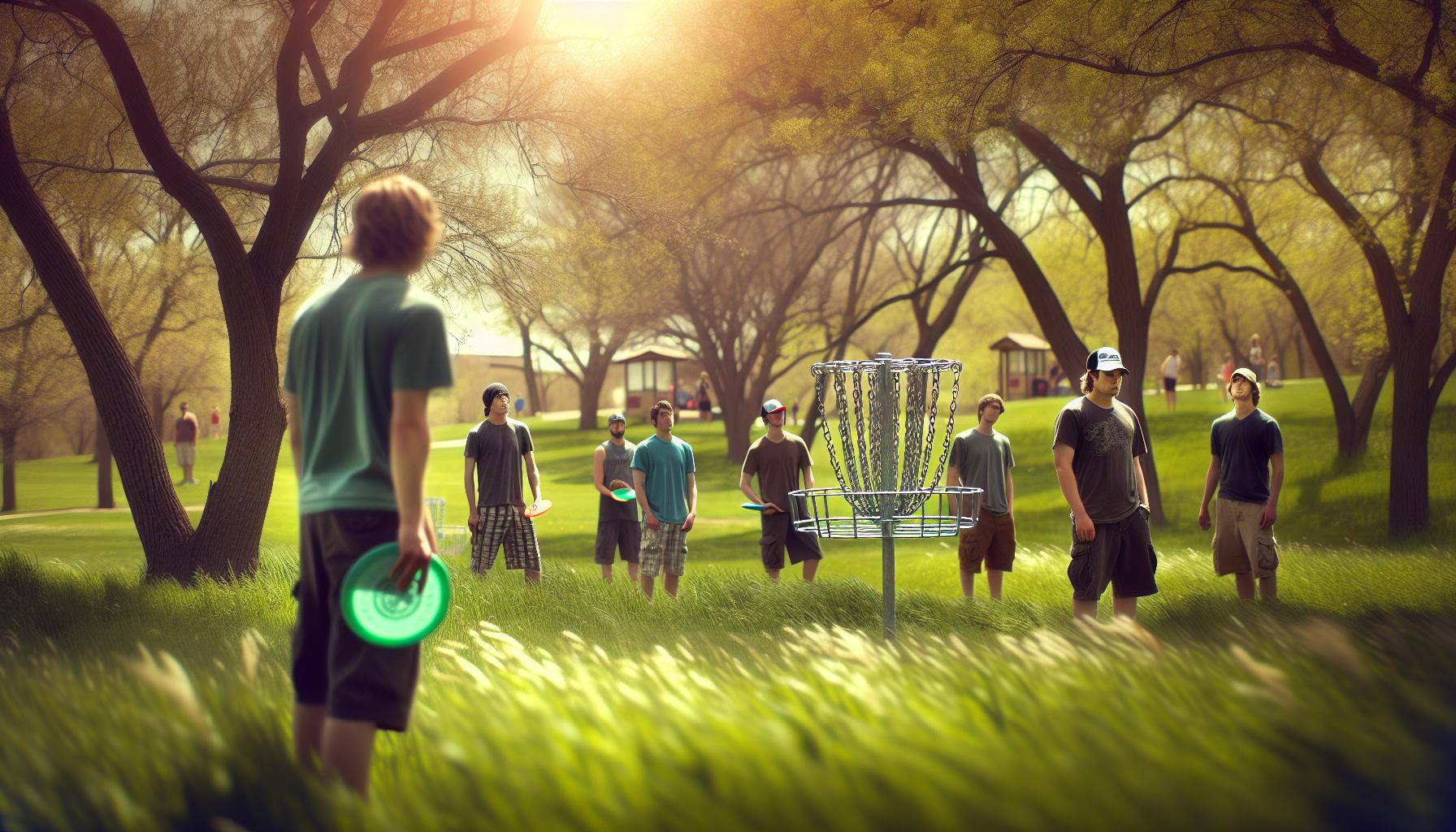
Understanding disc golf etiquette is crucial not only for enhancing your personal experience on the course but also for fostering a welcoming environment for all players. Just as in many sporting arenas, adhering to etiquette guidelines helps maintain respect among competitors, promotes a spirit of sportsmanship, and ensures that everyone can enjoy the game. When players demonstrate good etiquette, they contribute to a culture that elevates the sport, allowing opportunities for collaboration and healthy competition.
Good player conduct begins with the simple notion of respect-towards your fellow players, the course itself, and the broader disc golf community. This can manifest in various ways, from allowing faster groups to play through to minimizing distractions when others are throwing. For example, maintaining silence while someone prepares to throw can significantly impact their focus and performance. Additionally, being courteous about personal space and noise levels follows the unwritten code that disc golfers uphold, ensuring that everyone has a positive experience.
Moreover, etiquette in disc golf extends beyond player interactions; it also includes how individuals treat the course. Responsible behavior such as picking up litter, avoiding trampling on fragile areas, and repairing any damage to the course (like replacing divots) reflects a commitment to sustaining the sport for future players. Such actions not only enhance the playing conditions but also set a standard for newcomers to follow, thereby nurturing a strong, respectful disc golf community.
In conclusion, understanding the importance of etiquette in disc golf is a multifaceted endeavor that enriches the game for everyone involved. By observing and practicing these principles, players can actively contribute to a positive and inclusive atmosphere, ensuring that disc golf continues to grow as both a recreational and competitive sport.
The Basics of Player Conduct in Disc Golf
In the vibrant community of disc golf, player conduct can make or break the experience for everyone involved. Understanding and practicing basic etiquette isn’t just about following rules; it’s about creating an atmosphere of respect, camaraderie, and shared enjoyment on the course. Whether you’re a seasoned pro or a newcomer, embodying good conduct sets the tone for a welcoming and fun environment.
Respect for your fellow players is paramount. This involves several key behaviors that contribute to a better game. For instance, always be ready for your turn to throw, minimizing delays that could disrupt others’ concentrations. When a player is preparing to throw, maintaining silence is not just considerate; it can help enhance their focus and performance. Additionally, if you’re part of a larger group and notice that faster players are waiting behind you, it’s courteous to let them pass. This small act can significantly improve the flow of play and keep everyone’s spirits high.
Equally important is the respect shown toward the course itself. Disc golf courses are often maintained by local communities and volunteers, making it vital that players take care of the environment. This means picking up trash, staying on designated paths to protect flora, and replacing any divots made during play. Such actions reflect a player’s commitment to the sport and ensure that the course remains enjoyable for everyone, as well as for future generations of players. Remember, how you treat the course is a direct reflection of the respect you hold for the game and its community.
By engaging in these basic conduct principles, you not only enhance your playing experience, but you also contribute to a thriving disc golf culture. When everyone on the course embraces these etiquette guidelines, the sport transforms into an inclusive space where players of all skill levels can bond over their shared passion for disc golf.
Respecting the Course: Environment and Maintenance Etiquette
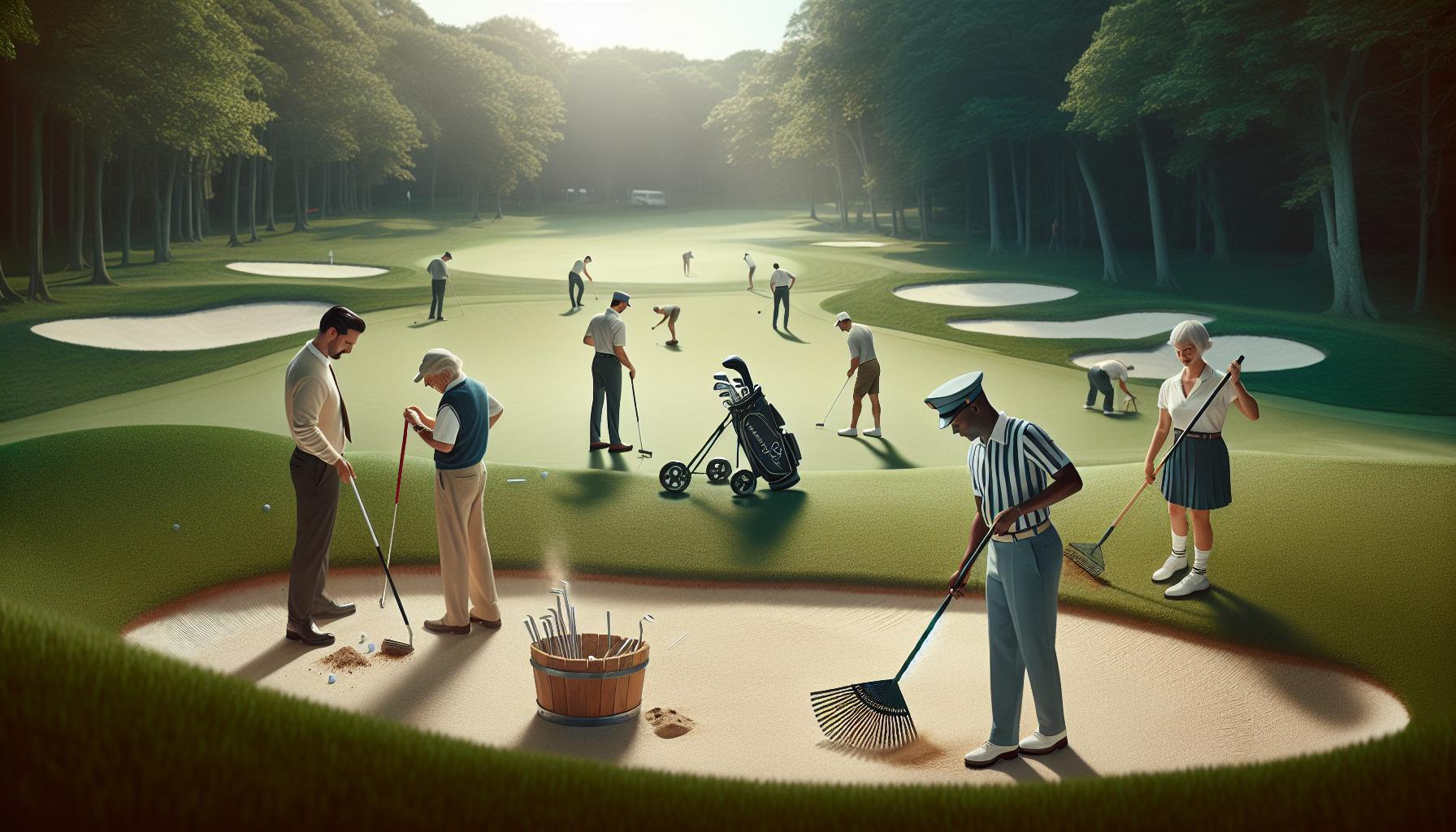
In the realm of disc golf, maintaining the integrity of the course is as vital as honing your throwing skills or perfecting your putting technique. Each player has a responsibility to respect the environment, ensuring that the courses we cherish remain in excellent condition for all who play. This not only enhances individual enjoyment but also fosters a culture of respect and sustainability within the community.
A key aspect of respecting the disc golf course involves proper waste management. Bring a trash bag and leave no trace-after all, every piece of litter picked up contributes to the beauty of the play area. Additionally, try to adhere to the natural paths and avoid trampling on delicate flora. Paths are often established to minimize environmental damage, so sticking to them helps protect the ecosystem surrounding the course. Moreover, if you notice any damage-such as broken branches or upturned soil-taking a moment to fix these issues can make a significant difference.
Another important element is the maintenance etiquette associated with play. This includes replacing any divots from tee shots, raking out areas that may become muddy, and ensuring that the tee pads and basket areas are kept clean. If you come across equipment or signage that has deteriorated, reporting these issues to the course management or community can help maintain the course’s quality. Here are some additional tips to elevate your maintenance etiquette:
- Always throw from designated tee pads and avoid creating new pads, which can lead to soil compaction.
- When playing through wooded areas, be cautious not to disturb the ground or vegetation excessively.
- Be considerate of wildlife; do not disturb nests or habitats while exploring the course.
By embodying these practices, players not only demonstrate their commitment to the game but also help ensure that courses are sustainable for future generations. The impact of each player’s actions can accumulate to foster a stronger community spirit and pride in our shared spaces. Embracing a mindset of stewardship will undoubtedly enhance everyone’s experience on the course, transforming it into a vibrant environment for all disc golf enthusiasts.
Communication is Key: How to Interact with Fellow Players
In the dynamic world of disc golf, effective communication is essential not just for enhancing the game experience, but for fostering camaraderie among players. Engaging openly with fellow competitors shows respect and cultivates a positive atmosphere on the course. A simple fact to keep in mind is that how you interact can significantly impact not only your performance but also the experiences of those around you. Whether you’re a newcomer learning the ropes or a seasoned pro expecting to claim victory, mastering the nuances of communication can elevate your game.
Start with the basics of courtesy and interaction. Greeting others when you arrive, whether familiar faces or newcomers, establishes goodwill and sets a friendly tone for the round. When playing in groups, clear and timely communication about your intentions-such as when it’s your turn to throw-helps maintain the flow of play. Use verbal signals or a simple nod when you’re ready to throw, indicating to others that they should be aware of your actions. This clarity prevents accidents and demonstrates your commitment to the safety and enjoyment of all players involved.
Respecting Communication Boundaries
While communication is key, it’s also important to be mindful of others’ preferences during play. Some players may prefer to focus and keep conversation to a minimum during their throws, while others might enjoy light banter to ease nerves. Pay attention to non-verbal cues-if someone appears concentrated or is wearing headphones, respect their space. After completing a hole, however, feel free to engage in discussions about technique, course strategy, or even share tips for improving throws. This not only enhances learning but also builds a supportive community around your shared passion.
Additionally, in tournament settings or competitive play, maintaining professionalism in communication is paramount. Use respectful language, keep conversations constructive, and avoid talking over others or engaging in negative banter. Remember, good sportsmanship fosters respect and sets a standard for how to behave in competitive environments. Whether celebrating a teammate’s great throw or discussing a disagreement over rules, approach these interactions with a focus on positivity-recognizing that we are all out there to enjoy the sport and improve together.
In conclusion, effective communication in disc golf is a two-way street. It involves being clear and concise, respecting others’ preferences, and fostering a sense of community and sportsmanship. By investing in good communication practices, every player contributes to a more enjoyable and respectful disc golf experience that encourages camaraderie and growth across all skill levels.
The Role of Fair Play in Competitive Disc Golf

In the competitive landscape of disc golf, fair play is not just a principle; it is the foundation that upholds the integrity of the game. Whether you’re battling it out in a local tournament or enjoying a casual round with friends, adhering to the ideals of fair play can profoundly impact not just your performance, but the camaraderie and spirit of cooperation among all players. Acting honestly and honorably fosters an environment of trust, allowing competitors to focus on their skills while minimizing distractions arising from disputes or misconduct.
To embody fair play in disc golf, players need to familiarize themselves with the rules and etiquette specific to their course and the larger disc golf community. This means not only understanding the official rules set forth by organizations like the Professional Disc Golf Association (PDGA) but also recognizing the unwritten codes of conduct that prevail in local situations. For instance, returning to the tee after a missed putt or allowing the group behind to play through when they’re waiting can promote smooth gameplay. By respecting the flow of the game and the rights of your fellow competitors, you contribute to an atmosphere where everyone can enjoy the sport to its fullest.
Moreover, fair play also involves being transparent in your scoring and honest about the outcome of your throws. This means correctly assessing your score and discussing any potential rule infractions or disputes openly with your fellow players. Such an approach not only establishes accountability but also encourages others to follow suit, reinforcing a culture of respect within the community. Remember, every player is responsible for maintaining the integrity of the game, and your commitment to fair play can inspire others to do the same.
In competitive scenarios, demonstrating sportsmanship by acknowledging the accomplishments of peers, regardless of the outcome, mirrors the essence of fair play. Congratulating an opponent on a well-executed throw or recognizing a valuable contribution from a fellow player reinforces the community atmosphere that is vital to disc golf. By fostering relationships built on respect and fair competition, players can navigate the highs and lows of the game with grace and humility, enhancing the shared experience of all involved.
Managing Pace: How to Keep the Game Flowing Smoothly
Maintaining a smooth pace during a round of disc golf not only enhances the enjoyment of the game but also respects the time and effort of all players involved. Players often underestimate the impact of their speed of play on others; however, observant players can easily deteriorate or elevate the atmosphere of a game. A brisk pace, achieved through situational awareness and timely actions, creates a positive environment where everyone can thrive.
To keep the game flowing, be ready to throw when it’s your turn. This means being mindful of your previous shots and preparing your disc selection in advance. During those moments when others are playing, use that time to consider your strategy and mindset. While it’s essential to stay focused and compose your throw with care, knowing when to expedite your selection helps avoid delays. A good rule of thumb is to be prepared to step up to the tee as soon as the preceding player has completed their throw.
Communication is Key
Efficient communication with your group can significantly improve game pace. If you’re playing in a larger group, consider designated ‘first throw’ spots, or communicate your intentions openly: “I plan to go for it; if I miss, I’ll be right back!” This approach not only keeps the group informed but also allows others to strategize their next moves. Additionally, when moving between holes, keep the conversation flowing to maintain engagement and prevent stagnation. If you notice a group ready to play through, gracefully allow them to pass to keep the course moving efficiently.
Managing Group Size and Strategy
While playing with friends is fun, larger groups can lead to longer delays. Strive to keep your playing group to a manageable size-typically, four players is ideal. If you have a larger group, consider splitting into two smaller groups to accelerate play. Moreover, maintain awareness of the groups ahead and behind you; if you find yourself being followed closely, it may be worth discussing whether to move quicker or let the following group play through.
Lastly, remember that part of managing pace is learning from the pros. Aspiring disc golfers might watch high-level tournaments and observe how competitors handle their pace, whether that’s through visual cues or strategic decisions. These insights can enhance their understanding of maintaining effective flow while still focusing on their performance.
Ultimately, being conscientious about pacing reflects not only on your skills but also on your respect for fellow players and the game itself. Emphasizing smooth play fosters a welcoming and enjoyable atmosphere, making disc golf a more rewarding experience for everyone involved.
Unwritten Rules: Navigating Social Norms on the Course
Navigating the implicit social norms on the disc golf course can greatly enhance your experience and foster positive interactions among players. Unlike formal rules, these unwritten guidelines help maintain a welcoming environment that reflects the spirit of the game-community, respect, and sportsmanship. Embracing these conventions not only improves the flow of play but also cultivates friendships and camaraderie among enthusiasts.
One vital aspect of disc golf etiquette is to be mindful of your own space and that of others. For instance, when waiting for your turn, stand back and avoid distractions, like loud conversations or noise that could disrupt a player’s concentration. Additionally, showing deference to those putting on the green is a common courtesy; remain silent and still until they have completed their stroke. Such simple acts reflect a level of respect that is universally appreciated in the disc golf community.
Another critical unwritten rule involves awareness and consideration for the environment and fellow players. If you encounter a group slower than your own, it’s courteous to assess whether they would prefer to let you play through. The community thrives on mutual respect, and being attuned to others’ needs reinforces this connection. A friendly wave or a quick inquiry-“Would you like us to play through?”-can go a long way in maintaining harmony on the course.
Moreover, the aspect of cheerleading and acknowledging good shots among fellow players is crucial. Celebrating a well-executed putt or a difficult drive not only uplifts the players involved but also adds to the overall enjoyment of the game. Developing a rapport through shared appreciation for skills reinforces the community spirit that makes disc golf special.
Ultimately, the unwritten rules of disc golf revolve around respect for others, the course, and the sport itself. By being aware of your surroundings, engaging thoughtfully with fellow players, and fostering an atmosphere of support and acknowledgment, you contribute to a more enjoyable and enriching disc golfing experience for everyone involved. Adopting these social norms not only elevates the enjoyment of the game but also signifies your commitment to the disc golf community.
Safety First: Essential Guidelines for Player Safety
In the vibrant world of disc golf, safety is paramount-not just for individual players but for everyone on the course. Each throw can create unexpected situations, and as the disc soars through the air, it’s essential to keep a mindful eye on your surroundings. Recognizing the importance of safety can prevent accidents and enhance the overall enjoyment of the game, allowing players to focus on skill and strategy rather than worry.
One of the key safety practices involves proper awareness during play. Before taking your shot, quickly scan the area for other players, bystanders, and potential hazards. Be vocal about your intent-calling out “fore!” can alert others of an incoming disc and prevent injuries. Additionally, players should never throw unless they are certain the area is clear. If you’re playing in a busy park or a familiar course, pay close attention to your surroundings. A friendly nod or wave to other groups can serve as a helpful check-in for visibility.
Respecting the Course Environment
Maintaining safety goes hand-in-hand with respecting the course environment. Always be mindful of your footing, especially in areas that may be slippery or uneven. When traversing rugged terrain, wear appropriate footwear to avoid slips and falls. Moreover, refrain from throwing near crowded areas, parking lots, or pathways where people may not be aware of the game in progress. Identifying safe zones to throw from can help maintain a fun atmosphere while reducing the risks of accidents.
Encouraging a Safe Atmosphere
Encouraging an atmosphere of safety extends beyond awareness and respect-it also involves creating a supportive community among players. Share your knowledge of safe practices with newcomers and remind seasoned players of the importance of vigilance. Establishing a culture where safety is prioritized not only enhances individual experiences but also strengthens ties within the disc golf community.
Ultimately, embracing safety guidelines in disc golf is a collective effort that fosters a more enjoyable and secure environment for all players. By being attentive, respectful of boundaries, and proactive in communication, everyone can contribute to a positive experience on the course. Let’s work together to keep this growing sport fun, welcoming, and safe for generations to come.
How to Handle Conflicts or Disagreements on the Course
In the dynamic and exciting world of disc golf, disagreements can occasionally arise between players, whether it’s about a call on the course, the pace of play, or even etiquette issues. Handling these conflicts with grace and professionalism not only preserves the integrity of the game but also enhances the community spirit that disc golf fosters among its participants. When approaching a disagreement, it’s vital to remain calm and composed; your response can set the tone for the resolution process.
One effective method for resolving conflicts is to engage in open and respectful communication with the other player(s) involved. Start by expressing your viewpoint clearly and calmly, using “I” statements to avoid sounding accusatory. For instance, saying “I felt that my disc was in bounds” rather than “You made a bad call” can prevent escalation and promote understanding. Listening actively to the other person’s perspective is equally important; acknowledging their feelings can build mutual respect, allowing both parties to find common ground.
If a situation escalates beyond the initial discussion, consider enlisting the help of a neutral third party. This could be another player on the course or an official tournament official, if applicable. A neutral mediator can help facilitate the conversation, guiding both players toward a solution while maintaining fairness. Remember, the goal is not to “win” the argument but to reach a resolution that respects the spirit of the game and everyone’s enjoyment of it.
Key Conflict Resolution Strategies
- Stay Calm: Take deep breaths and approach the situation with a clear mind.
- Communicate Openly: Use respectful language and listen to the other person’s viewpoint.
- Seek Mediation: If needed, involve a third party to help facilitate the discussion.
- Follow Up: After resolving the issue, reconvene later to ensure both parties feel respected and understood.
By cultivating a culture of open dialogue and respect, players can effectively navigate conflicts while enhancing the camaraderie within the disc golf community. Embracing the values of fairness and sportsmanship will not only strengthen individual relationships on the course but also contribute to the growth of disc golf as a respected athletic pursuit.
Celebrating Sportsmanship: Recognizing Good Conduct in Disc Golf
In disc golf, sportsmanship isn’t just a side note; it’s a core value that fosters a welcoming environment and cultivates respect among players. A great way to celebrate this spirit is by recognizing good conduct on the course, which includes everything from encouraging words to lending a hand with equipment. When players prioritize sportsmanship, they send a clear message that the joy of the game trumps winning at all costs. This mindset not only enhances the experience for everyone involved but also promotes the growth of the sport as a whole.
One of the simplest yet most impactful ways to demonstrate sportsmanship is through encouragement. A well-timed compliment about a great throw or recovery can uplift a fellow player’s spirits, especially after a challenging hole. Furthermore, participating in friendly banter and celebrating each other’s successes goes a long way in creating a positive atmosphere. Shouting “Nice putt!” or giving a thumbs up can transform the course dynamics, turning competition into camaraderie.
Another crucial aspect of recognizing good conduct lies in the etiquette of helping out fellow players. If you see someone struggling with their gear or looking for their disc, offer assistance without being asked. Such gestures reinforce community ties and make the sport more enjoyable for newcomers who are often nervous about fitting in. Remember, we were all beginners once, and showing kindness can help build a supportive network that nurtures newcomers and seasoned players alike.
To further champion sportsmanship, consider establishing informal awards at local tournaments or casual meetups, such as “Best Attitude” or “Most Helpful Player.” These accolades not only honor good conduct but also encourage others to follow suit. Celebrating sportsmanship in this way helps set a standard that players can aspire to, ensuring that respect and kindness remain at the forefront of the disc golf experience. Embracing and promoting these values will not only enhance player experiences today but also lay the groundwork for a vibrant future for the sport.
Etiquette Tips for Spectators and Supporters at Events
The atmosphere at disc golf events is enhanced not just by the players, but also by the spectators and supporters who attend. Their role is crucial in fostering a vibrant community spirit, encouraging athletes, and creating a positive experience for everyone involved. Understanding the etiquette expected from spectators can make a significant difference in the overall ambiance of an event and the performance of the competitors.
One of the most fundamental etiquette tips for spectators is to remain quiet during a player’s throw. Just as in traditional golf, disc golf requires concentration and focus, and distractions can affect a player’s performance. When watching a player line up for a crucial shot, it’s respectful to keep conversations to a minimum and avoid loud noises. Additionally, moving around while a player is preparing to throw can be disruptive; instead, stand still and maintain a respectful distance until the moment is over.
Supporters can also elevate the event experience by cheering and offering encouragement at appropriate times. A well-timed shout of support after a great throw can boost a player’s morale significantly. However, it’s essential to gauge the atmosphere and the moods of those around you. For instance, when competitors are on the final stretch of a tense tournament, maintaining a steady yet encouraging presence can contribute to a supportive environment. Keep your cheers uplifting and inclusive-phrases like “Great job!” or “You’ve got this!” can work wonders for the player’s spirit.
Moreover, respecting the course and its maintenance is another critical aspect of spectator etiquette. Avoid trampling over areas that are roped off and be mindful of keeping trash off the course. Bringing a few extra trash bags can promote a clean environment and show that you care about the venue where the event is held. Not only does this help maintain the course for players and future events, but it also reflects well on the disc golf community as a whole.
Finally, being engaged with the event can enhance the overall experience. This might include learning about the players, understanding the rules of the game, or even clapping for good plays from all players, regardless of team affiliations. Spectators who are knowledgeable and enthusiastic about the sport contribute to a lively atmosphere that players and fellow fans alike appreciate. In the end, the essence of being a spectator in disc golf revolves around respect, encouragement, and celebrating the game-a practice that not only supports the current generation of players but also invites newcomers into the fold with openness and warmth.
Level Up Your Game: Advanced Etiquette for Experienced Players
The world of disc golf is not just about throwing discs; it’s also about the integrity and respect that players bring to the course. Experienced players play a crucial role in setting the tone for the game, and their advanced etiquette can significantly enhance the experience for both themselves and those around them. Mastering the nuances of player conduct can transform a competitive round into a supportive and enjoyable outing, benefiting everyone involved.
To start, understanding the flow of the game is essential. Pace management is vital-not just for yourself but for your entire group. Always be ready to throw when it’s your turn; this minimizes delays and keeps the game moving. Experienced players should also be aware of their surroundings and respect the groups ahead and behind them. If you find yourself playing faster than a slower group, consider letting them play through. This simple gesture of courtesy can significantly improve the overall experience for everyone on the course.
Additionally, fostering positive communication is integral to advanced player etiquette. While it’s nice to be competitive, maintaining an encouraging atmosphere can elevate the overall spirit of the game. When complimenting another player’s skill or a well-executed shot, use constructive language. Instead of just saying, “nice putt,” you might say, “great alignment on that putt; your stance was solid!” This not only acknowledges their skill but also encourages good habits. Moreover, be mindful of your tone and body language-enthusiastic cheers and supportive nods can create a welcoming environment for newcomers and hobbyists alike.
Another aspect of etiquette that often goes unnoticed is course respect. Experienced players should model respect for the environment and maintenance needs of the courses. Use designated paths to navigate rough areas, be diligent about picking up trash-even small items like scorecards and wrappers-and avoid damaging plant life. This commitment to maintaining the integrity of the course speaks volumes about your character and shows care for the local disc golf community.
Lastly, when conflicts or disagreements arise-whether about game rules or disagreements on throws-approach the situation with a calm demeanor. In the heat of competition, it’s easy to let emotions flare; however, taking a moment to breathe and communicate your perspective respectfully can defuse tension and help maintain a positive atmosphere.
In summary, advanced etiquette in disc golf extends beyond just following the rules; it encompasses the spirit of the game-encouragement, respect for the course, and thoughtful communication. By embodying these principles, experienced players not only enhance their own game but also uplift the entire disc golf community, paving the way for a sport that is as respected as it is enjoyable.
FAQ
Q: What are the main types of etiquette in disc golf?
A: The two main types of etiquette in disc golf are course etiquette and player etiquette. Course etiquette involves respecting the environment, such as keeping the course clean and maintaining the safety of the area. Player etiquette focuses on how players interact with each other, including being courteous, waiting for turns, and communicating effectively during play.
Q: How can players ensure they are practicing good player etiquette in disc golf?
A: Players can practice good player etiquette by communicating openly with fellow players, allowing faster groups to play through, and keeping noise levels down to avoid distraction. These actions contribute to a respectful atmosphere on the course and enhance everyone’s experience.
Q: Why is it important to follow etiquette in disc golf?
A: Following etiquette in disc golf is crucial for maintaining a positive and enjoyable environment for all players. It fosters respect, safety, and fair play, ensuring that everyone can enjoy the game without conflicts or distractions, ultimately promoting the sport’s growth.
Q: When should a player address issues of etiquette on the course?
A: Player etiquette issues should be addressed immediately when noticed, but it’s important to do so politely and constructively. If another player’s actions disrupt the game or show disrespect, approach the situation calmly, and discuss it privately if possible to foster understanding and improvement.
Q: Where can I find resources to learn more about disc golf etiquette?
A: Resources on disc golf etiquette can often be found in community forums, on official disc golf organizations’ websites, or local clubs. Reading guides on player conduct and participating in discussions can also enhance your understanding of proper etiquette on the course.
Q: What should I do if someone is violating etiquette during a game?
A: If someone is violating etiquette, first assess whether the behavior is intentional. If safe to do so, politely address the issue directly with the player, focusing on how it affects the game. If the behavior continues, seek help from group members or a course marshal to resolve the issue respectfully.
Q: How can spectators show good etiquette during a disc golf event?
A: Spectators can show good etiquette by remaining still and quiet while players are throwing, not interfering with the flow of the game, and providing positive support to all competitors. This creates an encouraging atmosphere for both players and other spectators.
Q: What is the role of unwritten rules in disc golf etiquette?
A: Unwritten rules in disc golf etiquette guide players on social norms that aren’t formally documented but are widely practiced. These rules enhance the experience by promoting respect for others, helping new players adapt to the game, and ensuring adherence to community values.
Insights and Conclusions
Mastering etiquette in disc golf not only enhances your experience but also fosters a welcoming atmosphere for players at all levels. By embracing respectful conduct and common courtesy, you contribute to the growth of this dynamic community. Looking for more insights? Explore our articles on Disc Golf Techniques and Essential Gear for Beginners to elevate your game and ensure you’re always prepared on the course.
Don’t miss out on staying updated-sign up for our newsletter for expert tips and exclusive content tailored just for you. Have thoughts or experiences to share? Join the conversation in the comments below! By engaging with your fellow enthusiasts, you help cultivate a passionate community that celebrates disc golf as both a sport and a lifestyle. Let’s keep the spirit alive and make every round enjoyable-your next great disc golf moment is just around the corner!