What is a ctp contest is an essential factor in modern disc golf course play, equipment setup, and tactical execution. Our comprehensive guide provides actionable course tips, disc flight mechanics, equipment recommendations, and tournament-tested strategies to help disc golfers optimize their scoring and course performance.
In the dynamic world of disc golf, the term CTP, or “Closest to the Pin,” adds an exciting competitive edge to the game. Imagine standing on the tee, competing not just for points, but also for bragging rights among friends. Understanding CTP is essential, as it signifies not only skillful throws but also strategy and precision. As you navigate through the nuances of this term, you’ll discover how mastering the art of CTP can elevate your game and deepen your connections with fellow players. Whether you’re a seasoned competitor aiming for the win or a newcomer eager to learn the ropes, grasping the concept of CTP is key to enhancing your disc golf experience. Dive in to explore how this simple yet powerful element of the game can transform your understanding and enjoyment of disc golf!
What Does CTP Mean in Disc Golf?
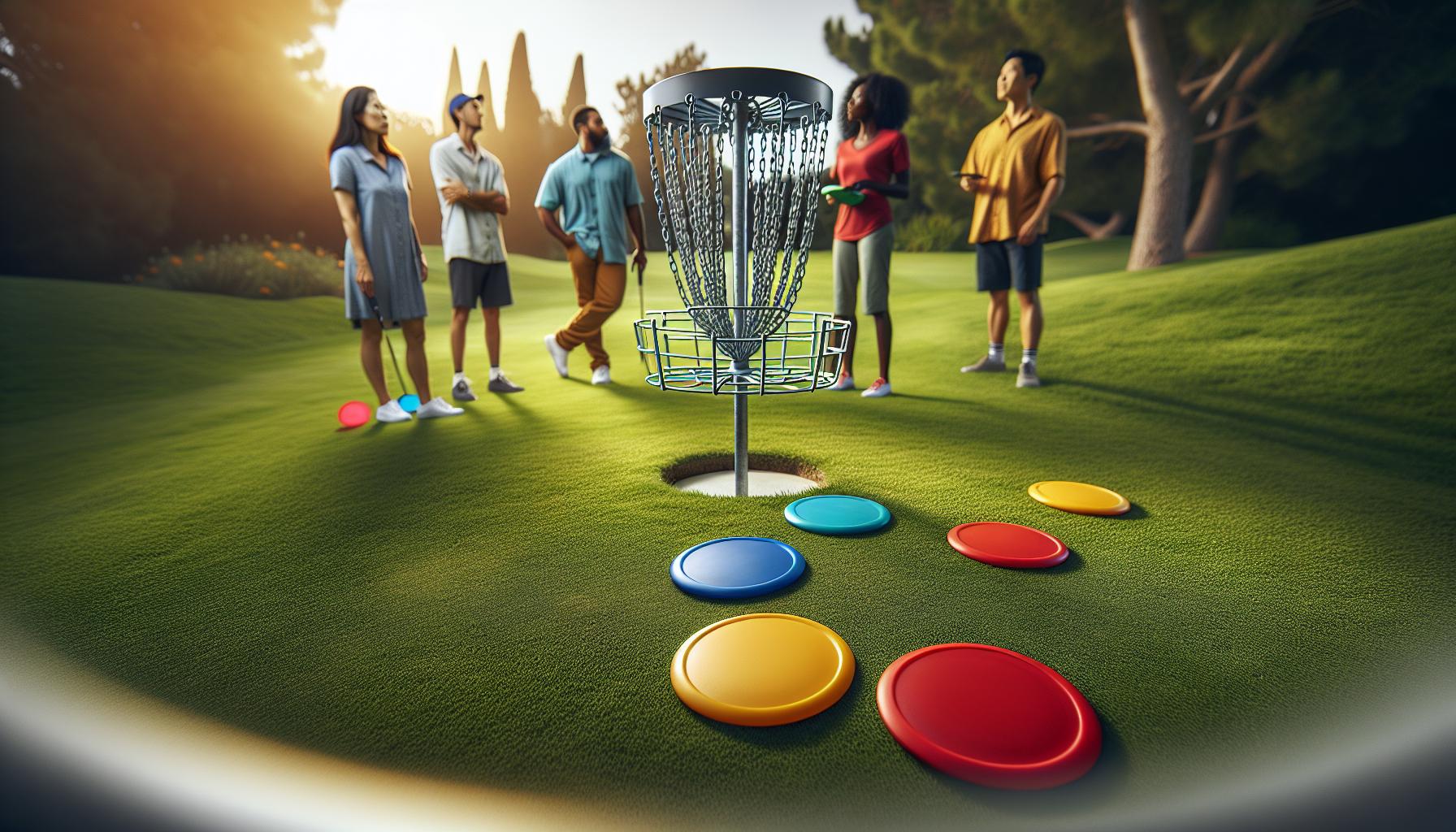
In the vibrant world of disc golf, CTP stands for “Closest to Pin,” a popular format that adds an exciting twist to traditional play. This concept plays a vital role in both casual rounds and competitive events, challenging players to showcase their precision and accuracy on the course. Unlike simply aiming for the basket, CTP challenges often center around a designated area where players must throw their discs as close to a specific target as possible, typically marked by a pin or specific distance. It promotes not only skillful throwing but also strategic thinking about disc selection and throw technique.
CTP events are often staged during tournaments or casual gatherings and serve as a fantastic opportunity for both novices and seasoned players to enhance their competitive edge. In these challenges, players compete to have their disc land closest to the target typically set at a determined distance. The proximity to the target is measured, and the player with the closest disc is celebrated, often receiving prizes such as discs, merchandise, or bragging rights. This format encourages camaraderie and fun while emphasizing precision, making it an inclusive yet competitive aspect of disc golf.
Whether you’re new to the sport or a seasoned veteran, embracing the CTP format can significantly enhance your game. Not only does it require precise throwing skills, but it also fosters a community atmosphere as players gather to watch and cheer on their friends. The thrill of competition, combined with the collective spirit of disc golf, transforms an ordinary day on the course into a memorable experience. By understanding the essence of CTP, players can improve their skills and enjoy the rich social fabric of the disc golfing community.
Understanding the Closest to the Pin Concept

In the world of disc golf, the concept of Closest to Pin (CTP) transforms an ordinary round into an exhilarating competition. Imagine the thrill of all eyes on your throw as you aim for a designated target, striving to land your disc as close as possible. This unique challenge not only captivates players but also adds an extra layer of excitement to any event, from casual outings to professional tournaments.
The CTP format encourages players to display their precision and control in ways that are distinct from traditional gameplay. Each CTP challenge is set up around a specific distance, usually marked by a pin or another visible target, and players compete to see who can get the closest. This format is often integrated into larger tournaments, creating an opportunity for players of all skill levels to engage in friendly competition, win prizes, and celebrate each other’s successes.
An essential aspect of mastering CTP lies in understanding the various factors that affect disc flight. The disc’s weight, shape, and material all influence how it behaves in the air. For example, lighter discs may offer greater distance but can be affected more by wind, while heavier discs provide stability and accuracy. Recognizing these characteristics aids in selecting the right disc for each throw, allowing players to better tailor their strategy to the conditions at hand.
Moreover, CTP events cultivate camaraderie among players. Whether you’re cheering for friends or celebrating a lucky throw, these gatherings foster a sense of community that’s integral to disc golf culture. By focusing on skill, strategy, and good sportsmanship, CTP competitions exemplify the vibrant and inclusive spirit of this growing sport. Embracing CTP not only hones your abilities but enhances your experience on the course, turning each round into an unforgettable adventure.
The Rules and Format of CTP Competitions
In a Closest to the Pin (CTP) competition, players vie for precision and skill as they aim their discs at a designated target, typically a basket or a marked area. The format is straightforward yet competitively rich, making it a favorite among both casual players and seasoned professionals. Each CTP hole is often set up at a predetermined distance, and the rules are usually enforced with a simple objective: the player who lands closest to the defined target wins. This straightforward yet exciting challenge injects adrenaline into the game, fostering not only competition but also camaraderie among players.
General Rules
CTP challenges can vary slightly depending on the tournament or the local club’s decisions, but certain rules remain consistent across events. Typically, players are allowed one throw from a predetermined tee or throwing zone. It’s crucial that players respect the distance markers established by the organizers, as these define the scope of the competition. In many cases, CTP events are featured alongside regular rounds of play, allowing players to engage in both types of contests.
In a formal tournament setting, players may have designated time to make their throws, often within a 30-second window to maintain the event’s flow. In the case of ties, additional tiebreaker throws can be implemented, ensuring that the competition remains fair and exciting for all participants. This rule set not only promotes sportsmanship but also heightens the competitive spirit, pushing players to deliver their best throw under pressure.
Practical Execution
During competitions, markers are often placed to indicate the throw spots, and players will frequently gather around the target area to watch the throws unfold. This community aspect enhances the experience as onlookers cheer on their friends while sharing in the excitement of who will land the closest shot. CTP events can also include special prizes for winners, which encourages participation and adds a layer of motivation.
Players should be mindful of making a clean throw; knowing your disc and how it reacts under different conditions can significantly affect your performance. Wind conditions, for instance, can alter the flight path, making it essential to select the right disc choice for the day. Before you participate in a CTP competition, consider practicing throws at varying distances to fine-tune your aim and build confidence in your throwing technique.
Ultimately, whether you’re a seasoned competitor or a newcomer to the sport, CTP challenges stand out as an exhilarating way to test your skills and engage with fellow disc golf enthusiasts, turning every round into a celebration of precision and community!
Key Strategies for Winning CTP Challenges
Winning a Closest to the Pin (CTP) challenge in disc golf requires a blend of strategy, technique, and mental focus. As the competition often hinges on precision throws within a set distance, it’s crucial to understand the nuances of your throws and how environmental factors can impact performance. Each throw counts, and honing your skills can not only yield victory but also enhance your overall gameplay.
One fundamental strategy for success is preparing for the specific conditions on the day of the event. This includes familiarizing yourself with the course layout and noting any elevation changes or obstacles that could affect your shot. For instance, learning how different wind speeds and directions influence your disc flight is vital. Throwing in a headwind may necessitate a more stable disc to prevent it from flipping over, while a tailwind could allow for a more aggressive throw with less concern for stability. Therefore, practicing in various weather conditions will boost your adaptability and confidence.
Another effective approach is to maximize your throw mechanics. Focus on your grip, stance, and follow-through. Ensuring that your grip remains steady without overly squeezing the disc can enhance the smoothness of your release. Work on a consistent stance that feels comfortable and allows for a balanced throw. The follow-through is often overlooked; however, a proper follow-through not only helps in achieving better distance but also accuracy, as it keeps your body aligned with your intended target. Watching experienced players can provide valuable insights into the nuances of effective mechanics.
In addition to technical skills, mental preparedness plays a significant role in CTP competitions. Visualize your throw before executing it-imagine the flight path of your disc and where it will land. This mental image can create a positive mindset and boost your confidence. During the event, stay calm and focused; take deep breaths if you feel anxious. Remember that CTP contests are as much about community and fun as they are about competition, so enjoy the moment while striving for your best performance.
Finally, equipment selection can’t be emphasized enough. Choose the right disc for the throw. Generally, a putter or a midrange disc is preferred for short, accurate shots, as these discs are designed for stability and control. Experiment with different discs in practice sessions to see which ones fit your throwing style best. Keeping a checklist of your favorite discs for various conditions can also streamline your decision-making process during a competition.
Applying these strategies-focusing on environmental conditions, refining your mechanics, cultivating mental strength, and carefully selecting your equipment-will not only increase your chances of winning a CTP challenge but also enhance your overall disc golf skills. Embrace these practices with enthusiasm, and watch your game reach new heights!
Popular Disc Golf Courses with CTP Events
Many disc golf courses around the country embrace the excitement of Closest to the Pin (CTP) contests, making them a staple in competitive events and casual play alike. These challenges not only test players’ precision but also foster a sense of community among participants. From championship-level courses to local favorites, several venues stand out for hosting engaging CTP events that cater to players of all skill levels.
One such course is Maple Hill Disc Golf Course in Leominster, Massachusetts, known for its picturesque scenery and variety of challenging holes. Hosting the annual Maple Hill Open, this course frequently includes CTP challenges that align with major tournaments, inviting players to showcase their skills on specific holes conducive to accuracy. The unique elevation changes and wooded areas demand thoughtful disc selection and a keen understanding of throw mechanics, making CTP competitions here both competitive and rewarding.
Another notable venue is Hornets Nest Park in Charlotte, North Carolina. This course periodically features CTP challenges that attract a competitive field. The layout, designed for both recreational and advanced players, includes several short and long holes where accuracy is critical. The community-centric events at Hornets Nest often incorporate dynamic formats that engage players beyond traditional rounds, such as team-based CTP contests that encourage camaraderie and fun.
Additionally, Golden Gate Park in San Francisco, California, stands out for its scenic views and vibrant disc golf community. The course holds various local tournaments that frequently include CTP opportunities. The diverse skill levels of participants enrich the experience, making each CTP challenge not only a test of precision but also an opportunity for players to learn from one another and share insights. The lively atmosphere during these events embodies the spirit of disc golf, blending athleticism and enjoyment.
Participation in CTP events across these noteworthy courses helps players refine their techniques while enjoying friendly competition. Whether it’s strategizing the optimal disc choice based on the course’s terrain or learning from fellow competitors, CTP contests foster an environment where players can grow their skills and develop their love for the game. If you’re looking to elevate your disc golf experience, consider seeking out CTP opportunities at these exciting courses!
Equipment Choices for CTP Success
To make the most of your Closest to the Pin (CTP) contests in disc golf, choosing the right equipment is a game-changer. Selecting the appropriate discs, understanding their flight characteristics, and ensuring you have the right gear can dramatically improve your performance. Since CTP challenges emphasize accuracy over distance, focusing on discs that provide reliable control will elevate your play.
Understanding Disc Flight Characteristics
In disc golf, each disc has unique flight attributes dictated by its weight, design, and plastic type. For CTP, the ideal discs are typically mid-range or putters, as these are designed for precision. Look for discs with a high glide rating to help maintain lift and stay on course, and a stable flight path to reduce undesirable movements in the air. Some popular choices among players include:
- Discraft Buzzz – Known for its incredible controllability and slight stability.
- Innova Aviar – A classic putter renowned for its accuracy in short-range throws.
- Dynamic Discs Truth – A great mid-range disc that holds lines exceptionally well.
Essential Accessories for Success
Aside from selecting the right discs, having the appropriate accessories can enhance your CTP experience. A good disc golf bag can help organize your discs efficiently, enabling quick access during competition. Additionally, using disc retrievers can come in handy for those challenging holes where discs may land in rough terrain, ensuring you spend less time looking and more time throwing.
Consider utilizing a measurement tool or a scorecard app to record distances and keep track of your successes during the challenge. Creating a personal log of your results will help you analyze your performances, making adjustments for future contests.
Practice Makes Perfect
Ultimately, the best equipment won’t matter much without practice. Dedicate time to honing your skills with the discs you choose for CTP contests. Regularly practicing your throwing techniques on varied terrains will enhance your confidence on the course. Additionally, enlist fellow disc golfers for friendly practice sessions, where you can exchange tips and strategies while preparing for next-level CTP challenges. By prioritizing equipment choices tailored to your gameplay style and maintaining a consistent practice routine, you’ll position yourself for success in CTP competitions, all while deepening your love for the sport.
How CTP Can Improve Your Disc Golf Skills
The thrill of Closest to the Pin (CTP) contests in disc golf goes beyond just a fun competition; it is an opportunity for players to sharpen their precision and enhance their overall skills. By regularly participating in CTP challenges, players develop their throwing mechanics, understand the nuances of different discs, and improve their focus under pressure. This focus on accuracy not only contributes to a more consistent game but also fosters a deeper appreciation for the sport.
One crucial aspect of excelling in CTP challenges is mastering throwing form. Players often find that practicing for these competitions allows them to refine their techniques. Focusing on mechanics such as grip, stance, and follow-through helps develop muscle memory. Players who consistently work on their form will notice improvements that translate to their overall game, making them more reliable in various competition settings.
Practice Scenarios and Course Strategy
CTP contests present an excellent opportunity to simulate different course conditions and scenarios. Since these challenges emphasize getting as close to the pin as possible, players must adapt their strategies based on distance, wind conditions, and terrain. Utilizing different types of throws, such as hyzers or anhyzers, prepares players for real gameplay situations, helping them to think critically about their shot selection.
Implementing regular practice routines that incorporate CTP targets allows players to analyze their performance critically. Keeping track of progress and understanding which discs work best for specific distances can enhance a player’s strategic approach during tournaments. By embracing the pressure of CTP challenges, players can effectively prepare for the nuances of competitive play and make informed decisions on the course.
The Community and Learning Experience
CTP contests also foster a sense of community among players, allowing both beginners and seasoned players to share tips, challenges, and victories. Engaging with fellow players and learning from their experiences can provide invaluable insight. Collaborating in practice sessions creates an environment of shared growth, where experienced players can mentor newcomers, while less experienced players bring fresh perspectives on challenges.
Overall, CTP contests are more than a simple side event; they serve as a critical tool for developing precision, strategy, and community within the sport. Embracing the challenges of these competitions can lead to significant personal growth, enhancing not just the competitive spirit but also the joy of being an active participant in the disc golf community.
Comparing CTP to Other Disc Golf Challenges
The Closest to the Pin (CTP) challenge is a beloved format in disc golf, focusing on accuracy and skill in a condensed setup, but it is far from the only way players can test their mettle on the course. Comparing CTP contests to other formats like best score, stroke play, or the traditional single- or double-elimination tournaments reveals the unique benefits each brings to players at all levels.
In contrast to CTP, which highlights pinpoint precision in a single shot, traditional formats often require consistency over multiple holes. Stroke play, for example, assesses a player’s overall performance across an entire round, emphasizing endurance, strategy, and adaptability. Here, players must manage a broader range of shot types and navigate varying course conditions, honing skills like risk assessment and decision-making in a way CTP does not challenge.
Different Skill Focuses
While CTP contests sharpen focus and technique in isolation-often requiring specific throwing styles such as hyzer flips or straight shots-other challenges test a full spectrum of disc golf capabilities. For instance, in a typical tournament setup, players might face a range of holes that demand different disc choices and throwing mechanics. This multi-faceted approach encourages players to develop a wider arsenal of skills, such as long-distance drives and strategic approaches.
Moreover, events like “long drive” contests, where the target is simply to achieve maximum distance, focus on power rather than placement. Here, players are encouraged to unleash their strongest throws, which can contrast sharply with the finesse required for a CTP challenge. Understanding these distinctions allows players to customize their practice habits: focusing on accuracy for CTP while also dedicating time to develop distance and overall consistency for broader competition success.
Community and Experience
In the context of community, CTP events often foster camaraderie because they are often seen as lighter, more fun side competitions during larger tournaments. Players of all skill levels feel encouraged to participate, share tips, and enjoy the competitive spirit without the pressure of formal scoring. In contrast, traditional tournaments can create a more intense atmosphere, where every stroke counts and the competition is fierce.
Ultimately, while CTP challenges are invaluable for cultivating precise throwing techniques in a friendly, community-focused environment, exploring other formats is equally important for comprehensive skill development in disc golf. Each format highlights different aspects of the game, allowing players to grow holistically, whether they are novices finding their footing or seasoned competitors seeking to refine their craft.
Famous Disc Golf Players and Their CTP Techniques
When it comes to mastering the Closest to the Pin (CTP) challenge, many professional players have honed techniques that showcase not just their precision, but their strategic mindset when targeting a specific distance. Notably, Paul McBeth, a multi-time World Champion, often emphasizes the importance of understanding disc flight characteristics in CTP situations. Known for his exceptional accuracy, McBeth often selects discs that highlight a stable flight path, combined with well-planned throwing mechanics to ensure his shots land within the smallest margin of error.
Another great example is Paige Pierce, a leading figure in women’s disc golf. She demonstrates a deft ability to manipulate angles and disc selection to her advantage. In her CTP attempts, Pierce emphasizes an understanding of the wind conditions and how that influences disc behavior. In one event, she strategically chose a more overstable disc to combat a headwind, allowing her to park the pin with a controlled throw, showcasing how seasoned players analyze environmental factors to enhance their performance in CTP formats.
A key takeaway from these professionals is the role of practice in honing CTP techniques. Both McBeth and Pierce advocate for dedicated practice sessions focused solely on accuracy rather than distance. They recommend drilling various shots from specific distances, using a variety of discs under different conditions. This approach not only builds muscle memory but increases a player’s confidence in making consistent throws when the pressure is on.
Finally, embracing CTP challenges can significantly elevate your game by encouraging you to pay close attention to specific shot setups and improving decision-making skills on the course. Following the techniques of these players can be a game-changer not only for aspiring competitors but also for casual players looking to enhance their skills in a fun and engaging way.
Tips for Organizing Your Own CTP Competition
Organizing a Closest to the Pin (CTP) competition can be an exciting way to enhance your disc golf experience, whether you’re a casual player or a serious competitor. CTP events not only promote fun and friendly competition but also provide an excellent opportunity for players to hone their skills under pressure. To set the stage for a successful CTP competition, consider these key tips that cater to a range of skills and experiences.
Start by selecting a suitable hole on your course that encourages a fair challenge but is approachable for all skill levels. Ideally, this should be a shorter hole where distance isn’t the sole factor for success. Make sure the area around the basket is clear of obstacles, providing a smooth landing zone for everyone. Set clear rules regarding the measurement of the closest throw, such as whether to use the disc’s edge closest to the basket or the disc itself, and ensure everyone understands these before play.
- Advertise Your Event: Utilize social media platforms and local disc golf communities to spread the word about your CTP competition. This can help attract a diverse group of participants, which enriches the experience for all players.
- Gather Prizes: Incentives can elevate the excitement of the competition. Consider soliciting donations from local businesses or disc golf retailers for prizes, such as discs, apparel, or gift cards, to reward participants.
- Establish a Format: Decide if this is a single event or part of a larger tournament. If it’s standalone, you might want to create multiple rounds or divisions to allow everyone a fair chance at winning.
During the competition, encourage camaraderie among players. Create a relaxed atmosphere where even newcomers feel welcome to participate. Provide some basic guidance on throwing techniques, focusing on aspects such as disc selection and understanding wind conditions, which can significantly affect shot placement.
Lastly, collect feedback after the event to continuously improve your future CTP competitions. Ask participants what they enjoyed and what could be better. This not only helps you develop your skills as an organizer but also builds community connection around the sport. By fostering an engaging and competitive spirit, you can contribute to the growing appreciation of disc golf in your area.
The Future of CTP in Disc Golf Events
Innovation within disc golf continues to rise, and the concept of Closest to the Pin (CTP) competitions is evolving alongside the sport. As more players, from novices to pros, engage with disc golf, CTP events can become a crucial part of the experience, further enhancing community engagement and competitive spirit. The future of CTP challenges not only promises increased participation but also the integration of advanced technology and diverse gameplay formats.
New technologies, such as GPS and disc tracking systems, are paving the way for more precise measurements and data collection during CTP events. This shift could lead to a standardized method of determining the nearest shot, ensuring a fair competition while also providing players with insights into their throwing distances and accuracy over time. Incorporating apps or platforms that allow live tracking of CTP results could enhance player engagement and foster a more dynamic competition atmosphere.
Moreover, as the sport expands globally, we might see CTP competitions tailored to various skill levels and demographics, including beginner-friendly formats that promote accessibility. Initiatives like youth leagues or family-friendly events centered around CTP could engage a wider audience, encouraging players of all ages to participate and enjoy the camaraderie that comes with disc golf. Special events could also feature unique prizes and themed challenges, enticing participants to improve their skills while having fun.
Looking ahead, the integration of CTP competitions into larger disc golf tournaments will undoubtedly elevate their status within the sport. By featuring them prominently in national and international competitions, event organizers can attract sponsorships and amplify community participation, thereby solidifying CTP as a staple of disc golf culture. This focus on CTP could cultivate a new generation of players eager to embrace the thrill of competition while fostering a sense of belonging within the disc golf community. As players continue to innovate and engage with these events, the future of CTP in disc golf appears bright, promising exciting developments that will enrich the sport for all involved.
Frequently asked questions
markdown
Q: What does CTP stand for in disc golf?
A: CTP stands for "Closest to the Pin". This term refers to a competition format where players aim to throw their disc as close as possible to a designated target pin from a set distance. It adds excitement and competitiveness to casual and tournament play.

Q: How is a CTP winner determined?
A: The winner of a CTP contest is the player whose disc lands closest to the target pin. In case of ties, a tiebreaker may be used, often involving measuring the distances or conducting a playoff throw to determine the closest disc.

Q: What are typical distances for CTP competitions?
A: CTP competitions often feature distances ranging from 150 to 300 feet. The specific distance can vary based on the course layout and player skill levels, ensuring a fair challenge for all participants.

Q: How can beginners participate in CTP events?
A: Beginners can join CTP events by registering for local disc golf tournaments or club events. Look for events that provide instruction or have divisions for novice players to ensure a supportive environment for learning.

Q: Are there specific discs recommended for CTP throws?
A: While any disc can be used, drivers are often preferred for distance. Players may benefit from using stable to overstable discs that offer reliability during distance throws. Consulting disc selection articles can help find suitable options.

Q: What strategies can I use to improve my CTP throws?
A: To improve your CTP throws, focus on developing a consistent throwing technique and practice your distance control. Additionally, learning proper grip and stance can enhance accuracy. Engaging with experienced players can provide valuable tips and feedback.

Q: Can CTP challenges be organized informally?
A: Yes, organizing informal CTP challenges is easy! Gather friends on a course, designate a pin, and set a distance. It's a great way to enjoy friendly competition and improve your skills in a relaxed atmosphere.

Q: How does CTP compare to other disc golf challenges?
A: CTP differs from other challenges by emphasizing precision over distance, in contrast to formats like longest drive contests. It's particularly popular in tournaments as it encourages skillful throwing and can be integrated into various competition formats.
Closing Remarks
Now that you understand what CTP, or “Closest to the Pin,” entails in disc golf, it’s clear how this concept can elevate your game and strategy on the course. Whether you’re a seasoned pro or just starting, mastering the nuances of CTP can enhance your competitive edge. Don’t miss the chance to test your skills in upcoming tournaments and take part in local CTP challenges!
For further insights, check out our guide on disc golf throwing mechanics and explore resources on improving your putting. Also, don’t forget to subscribe to our newsletter for regular updates, tips, and community stories that celebrate the vibrant world of disc golf. Share your thoughts and experiences in the comments below, and let’s keep the discussion going! Your next CTP victory might just be around the corner!
Key Course Considerations and Strategic Navigation for What is a ctp contest
When developing a strategic approach around what is a ctp contest, players should account for essential technical and environmental factors:
- Course Layout and Terrain: Elevation changes, tree canopy density, and natural water hazards dictate whether to prioritize distance off the tee or controlled fairway positioning.
- Disc Selection and Flight Ratings: Matching disc speed, glide, turn, and fade to wind conditions and arm speed prevents costly kicks into heavy rough.
- Footwork and Release Consistency: Smooth, balanced run-ups and clean follow-throughs produce repeatable release angles on hyzer, flat, and anhyzer lines.
- Mental Strategy and Risk Management: Assessing landing zones and high-percentage scramble routes preserves par and minimizes double-bogeys during tournament rounds.
Disc Golf Equipment Specifications and Flight Matrix
| Disc Golf Element / Category | Primary Specification | Recommended Flight Characteristic | Strategic Application |
|---|---|---|---|
| Distance Driver | Speed 11–14, Wide Rim | High speed, sharp rim, controlled fade | Maximum distance off tee on open fairways |
| Fairway Driver | Speed 6–9, Moderate Rim | Neutral turn, predictable finish | Tight wood lines, tunnel shots, placement drives |
| Midrange Disc | Speed 4–5, Deep Rim | High glide, straight flight path | Accurate approach shots, control in tight gaps |
| Putt & Approach | Speed 1–3, Blunt Edge | Low glide, minimal skip, bead/beadless | Circle 1/2 putting, layups, short upshots |
Frequently Asked Questions About What is a ctp contest (FAQ)
What is the best way to improve accuracy for What is a ctp contest?
Focus on consistent footwork, maintaining a level reachback, and matching disc stability to your natural throwing speed rather than overpowering the disc.
How do wind conditions affect disc selection?
Headwinds make discs fly more understable (turn more), requiring more overstable discs, while tailwinds make discs fly more overstable (fade earlier), requiring lighter or more understable discs.
What equipment is essential for playing disc golf courses?
A balanced starter set with a putter, midrange, and fairway driver, along with a comfortable disc golf bag, chalk bag, and course-ready athletic footwear.
Get our latest guides, news, and insights highlighted in your Google Search & AI Overviews.