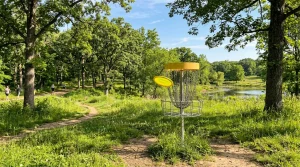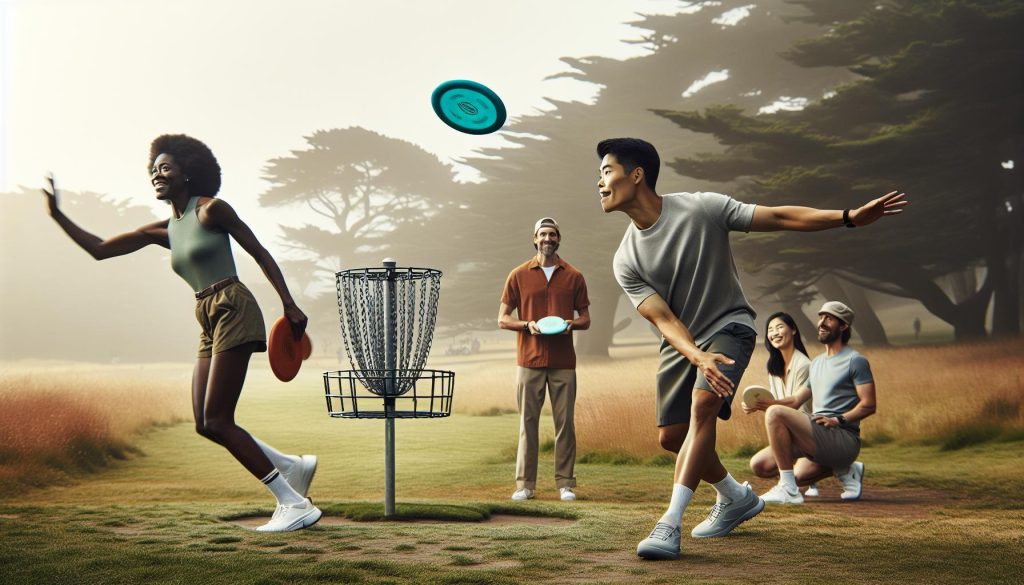
Imagine stepping onto a sun-drenched course, embracing the thrill of tossing discs with friends or honing your skills for competitive play. While often used interchangeably, Frisbee golf and disc golf refer to distinct experiences that are revolutionizing outdoor sports. At its core, disc golf utilizes specialized discs and courses designed specifically for it, while the more casual term “Frisbee golf” can sometimes encompass a broader range of disc-throwing games. Understanding the nuances can enhance your appreciation and enjoyment of both activities. Whether you’re a beginner looking to explore the joys of tossing discs or a seasoned player aiming to deepen your competitive edge, unraveling these differences will elevate your game. Join us as we dive into the fascinating world of disc sports and discover what truly sets Frisbee golf apart from disc golf.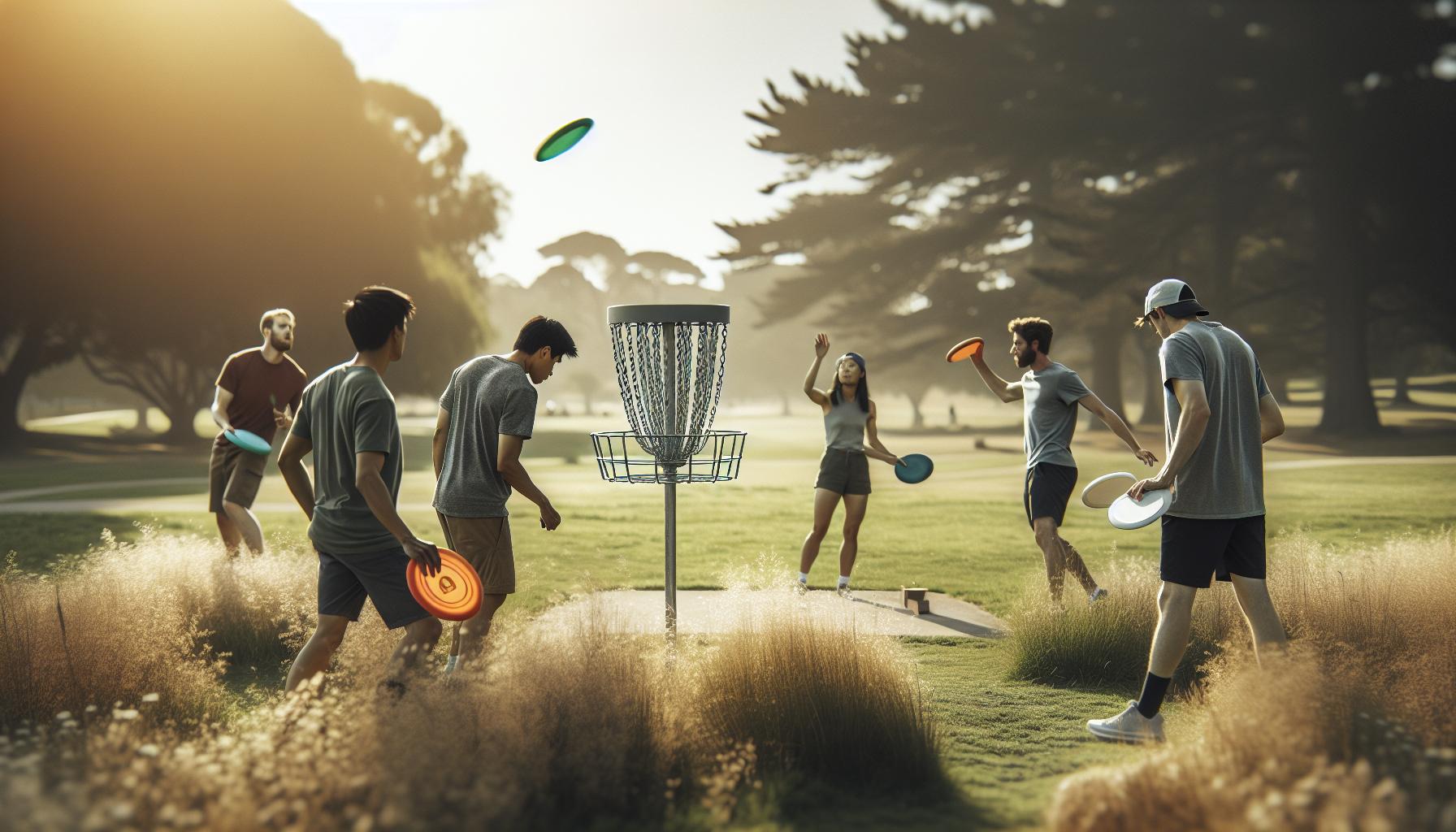
What Is Frisbee Golf and Disc Golf?
Frisbee golf, commonly known as disc golf, is a dynamic and growing sport that merges the fun of tossing a disc with the challenge of navigating a course similar to traditional golf. Players aim to complete the course by throwing a disc from a designated tee area to a series of target baskets, employing a combination of strategy, skill, and precision. While the two terms are often used interchangeably, they highlight the same activity: using a flying disc to complete a course in the fewest throws possible. This exciting outdoor game has captured the hearts of many, offering a mix of physical activity, mental challenge, and social interaction.
One of the key distinctions between the two names often lies in their perception. “Frisbee golf” may evoke a more casual, recreational image, while “disc golf” is embraced by serious enthusiasts and competitors, adding an element of athleticism and professionalism to the sport. Regardless of the label, the objective remains the same: players aim to throw their discs into a target within a set number of strokes, similar to traditional golf where players aim for the hole on the green.
As the sport has evolved, so has the equipment. Disc golf utilizes specially designed discs that are lighter and come in various shapes and weights to accommodate different throwing techniques and distances. Players will commonly use a mix of putters, mid-range discs, and drivers, each serving a unique purpose in the game. Understanding disc flight principles-such as stability, glide, and distance-is crucial for players of all skill levels as they refine their throwing mechanics and strategies. Whether one is a recreational player or a budding competitor, learning about the nuances of disc flight and mastering skilful throws is essential for improving performance on the course.
Key Differences Between Frisbee Golf and Disc Golf
The terms “Frisbee golf” and “disc golf” often spark debate among enthusiasts, revealing a fascinating landscape of perception and branding within the sport. At its core, both terms describe the same activity: throwing a disc into a series of targets in as few throws as possible. However, how people perceive each term can vary greatly. “Frisbee golf” tends to evoke a more casual, recreational image, suggesting a leisurely weekend outing with friends. In contrast, “disc golf” is seen as the more professional and serious approach, often associated with competitive play and athleticism. This distinction helps cultivate a culture around disc golf that emphasizes skill development, strategy, and community.
When examining the difference in terminology, one should also consider how it impacts equipment and play style. Disc golf utilizes specially designed discs that differ significantly in weight, shape, and aerodynamics compared to traditional Frisbees. These discs, designed for maximum performance, are categorized into types such as drivers, mid-range discs, and putters. Understanding the specific purpose of each disc type is essential for players looking to improve their game. For example, drivers are designed for long-distance throws, while putters are used for short, precise shots near the target. This specialization of equipment underscores the sport’s evolution from a casual pastime to a distinct athletic discipline.
Moreover, the community surrounding disc golf thrives on the competitive spirit fostered by its unique challenges. Disc golf courses are carefully designed, often incorporating natural landscapes to create strategic obstacles that require skillful navigation. Players of all levels-whether casual participants or serious competitors-can engage with the sport through leagues, tournaments, and informal gatherings. This mixed dynamic not only enhances personal skill but also builds a sense of camaraderie among players.
Overall, while “Frisbee golf” and “disc golf” might sound interchangeable, they encapsulate different attitudes and practices within the same activity. Understanding these differences provides newcomers and seasoned players alike with a fuller appreciation of what the sport represents, encouraging a welcoming community that celebrates both casual fun and competitive excellence.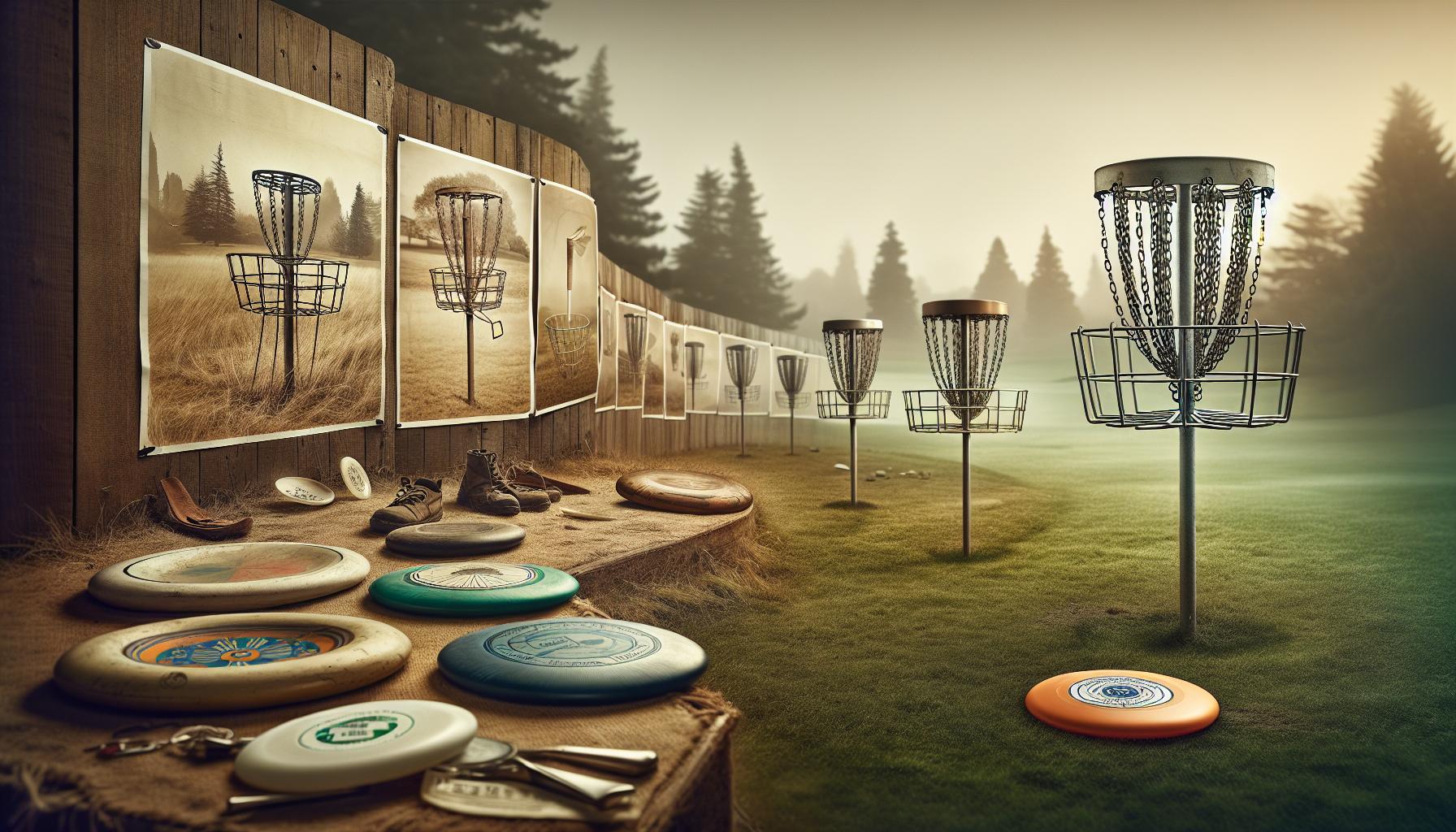
History and Evolution of Frisbee Golf and Disc Golf
In the early days of flying disc sports, the lines between Frisbee golf and disc golf were all but nonexistent. What began as a simple game of throwing a plate-shaped disc at any target available paved the way for the more structured sport that we know today as disc golf. The modern discipline traces its roots back to the 1960s and 1970s when enthusiasts began to formalize the rules and objectives of the game, aiming to make it a legitimate sport rather than just a leisurely pastime. This transformation was fueled by the growing popularity of the Frisbee, introduced by Wham-O, which offered a fun and engaging way for people to enjoy outdoor activities.
The pivotal moment came in 1975 when the first official disc golf course was installed at Oak Grove Park in Pasadena, California. The course utilized traditional objects as targets, including trees, fences, and other park structures, laying the groundwork for how courses would develop in the future. Over the subsequent decades, the sport evolved, as dedicated players and designers began to create courses specifically designed for disc golf, incorporating baskets as targets, which are now a staple in any disc golf course. This shift helped to unify the sport under the “disc golf” moniker, clearly distinguishing it from casual Frisbee tossing.
As disc golf progressed, so too did the technology behind the discs themselves. While traditional Frisbees were adequate for casual play, disc golf introduced a variety of specialized discs-drivers for distance, mid-range discs for versatility, and putters for accuracy-each designed with distinct flight characteristics to enhance player performance. Understanding these differences is crucial for both beginners and serious competitors, as the choice of equipment can significantly impact gameplay. Players quickly learned that utilizing the right disc for each shot could lead to better scores and increased enjoyment.
Today, disc golf enjoys international recognition, fueled by a vibrant community and numerous professional tournaments. The Professional Disc Golf Association (PDGA), established in 1976, has played an instrumental role in standardizing rules, promoting athletic competition, and fostering regional clubs that connect players. The sport has grown immensely in popularity, attracting both recreational players and serious competitors who appreciate the blend of skill, strategy, and community spirit that disc golf embodies. Whether viewed as a casual weekend activity or a competitive sport, the journey from Frisbee golf to disc golf represents a fascinating evolution that continues to engage players of all ages and skill levels.
Understanding the Equipment: Discs and Gear
When stepping onto a disc golf course, the right equipment can make the difference between a good day out and a frustrating one. Unlike casual Frisbee tossing, disc golf equipment is purposefully designed to enhance performance, allowing players to navigate a variety of challenging shots with precision. The core of any disc golfer’s arsenal is their selection of discs, each meticulously crafted to achieve specific flight paths and behaviors.
Discs used in disc golf are categorized into three main types: drivers, mid-range discs, and putters. Drivers are designed for maximum distance, featuring a sharp, aerodynamic profile that helps achieve longer throws off the tee. Mid-range discs, on the other hand, offer more stability and control, making them ideal for approaching the basket or navigating obstacles. Finally, putters, with their thicker edges and more stable flight, are crafted for accuracy on shorter, more controlled throws. Understanding the unique characteristics of each disc type is crucial as it can help players select the appropriate tool for any situation on the course.
To maximize a player’s potential, it’s essential to consider disc flight characteristics-including speed, glide, turn, and fade. The flight rating system, typically printed on the disc, provides valuable insights:
| Disc Type | Best Use | Flight Rating (Example) |
|---|---|---|
| Driver | Long-distance throws | Speed 13, Glide 5, Turn -1, Fade 3 |
| Mid-Range | Controlled, versatile throws | Speed 5, Glide 4, Turn 0, Fade 2 |
| Putter | Short, precise throws | Speed 3, Glide 3, Turn 0, Fade 3 |
Aside from discs, players should also invest in additional gear that enhances their playing experience. This includes disc golf bags for easy transport and organization, which come with specialized compartments for holding multiple discs and personal items. Comfortable shoes are essential, as courses may traverse various terrains, from wooded trails to open fields. Moreover, the use of accessories such as towels, mini markers, and hydration packs cannot be overlooked-these items help players maintain their focus and performance throughout the round.
For newcomers and seasoned players alike, understanding the nuances of discs and the right gear not only improves their game but also enhances overall enjoyment. Engaging with the community, seeking advice, and perhaps sharing personal preferences can also offer invaluable insights-a perfect way to blend personal experiences with the collective knowledge of the rapidly growing disc golf culture.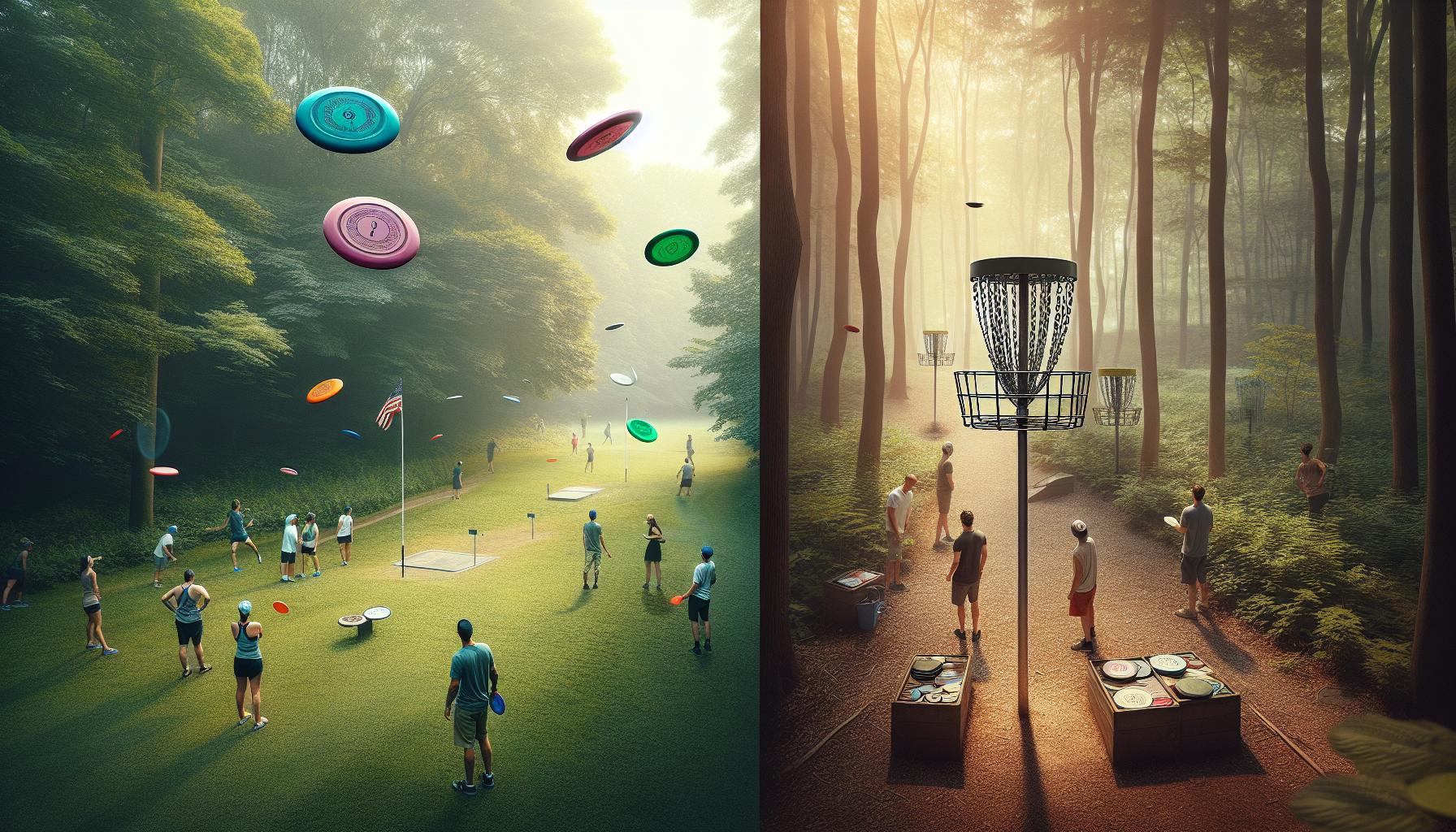
How to Play Frisbee Golf vs. Disc Golf
When stepping into the realm of disc sports, many newcomers find themselves pondering the nuances of how to engage with both Frisbee golf and disc golf. Although often used interchangeably, there are distinct differences in gameplay and approach that each discipline demands, and understanding these can significantly enhance your experience on the course.
In Frisbee golf, players utilize traditional flying discs (Frisbees) that are broader and less specialized than the discs used in disc golf. The objective remains similar: players aim to complete a course in the fewest possible throws by throwing their disc towards a target, typically a pole hole. The throws often mimic casual Frisbee tossing, emphasizing a broader range of throwing styles, distances, and trajectories. Players may favor more stylized throws like tomahawks or scoobers, which can add a fun flair to the game but may be less precise when compared to the specialized techniques required in disc golf.
Conversely, disc golf is more structured and competitive. Players predominantly use three types of specialized discs: drivers, mid-range discs, and putters, each designed for specific purposes within the game. A key element is mastering different throwing mechanics, such as backhand and forehand throws, to achieve precise flight paths that can navigate a variety of challenging course designs. Players must be attuned to the unique characteristics of their discs, focusing on aspects like speed, glide, turn, and fade to play effectively. Moreover, courses are often designed with a higher level of complexity, featuring a mix of obstacles, elevation changes, and varying hole layouts that challenge even seasoned players.
For those looking to start playing, it’s recommended that beginners to disc golf initially practice with stable to understable discs, which can more easily achieve the desired flight paths. Players should focus on developing their throwing form, accuracy, and understanding of the disc properties to build a solid foundation. Joining local disc golf communities can provide vital insights, camaraderie, and opportunities for competitive play, enhancing skill development and enjoyment of the sport. Whether you are tossing a Frisbee casually or honing your skills for a disc golf tournament, both games offer a chance to be part of a flourishing community dedicated to the love of flying discs.
Course Design: Analyzing Both Formats
The design of courses for Frisbee golf and disc golf reveals fundamental differences in their structures, challenges, and the experience they offer to players. While Frisbee golf might resemble a casual game set in parks or open fields, disc golf courses tend to be more meticulously crafted for competitive play. Understanding these design principles can enhance your gameplay and enjoyment, whether you’re a newcomer or a seasoned player.
In Frisbee golf, courses often prioritize accessibility and fun, featuring wide open spaces where players can freely throw traditional flying discs. These courses generally focus on recreational enjoyment rather than complexity, allowing various throwing styles and techniques. The target can be a simple pole or basket set up in a casual manner, making it ideal for a broader audience. Many Frisbee golf courses resemble traditional picnic areas or casual settings where players can engage in playful competition without the pressure of rigorous rules.
On the other hand, disc golf courses are designed with a strategic mindset, incorporating a variety of obstacles such as trees, water hazards, and elevation changes that challenge players to utilize precision and skill. Each hole is often shaped to require specific throwing techniques and disc types, encouraging players to master different skills. For example, a hole might be designed to favor a right-handed backhand throw, necessitating strategic planning and adaptability from players. The baskets used in disc golf are also specialized, featuring chains that help catch the disc effectively, thereby increasing the challenge and the overall competitive nature of the game.
As players explore disc golf courses, they’ll encounter different layouts that test their skills in various ways. The combination of distance, placement of hazards, and elevation can make each course feel unique and differentiates it from standard Frisbee golf-related environments. For newcomers, it’s useful to study a course map beforehand and strategize which discs to use based on hole designs. Experienced players often advocate for practicing specific throws that align with the challenges they might face on the course.
Ultimately, whether you’re enjoying a laid-back game of Frisbee golf in a public park or competing in a disc golf tournament filled with strategically designed challenges, course design plays a pivotal role in shaping the player experience. Embracing the nuances of each format not only increases appreciation for the sport itself but also fosters a community where different skill levels can thrive and learn from one another.
Techniques and Strategies for Beginners
The beauty of embracing disc golf lies not just in the thrill of the game but in the continuous improvement that comes with it. For newcomers, understanding the fundamentals is crucial to enjoying this quickly growing sport. Disc golf and Frisbee golf may share a common heritage, but they are distinct experiences that require different approaches, especially for beginners. By focusing on key techniques and strategies tailored for newcomers, you will not only enhance your skills but also gain confidence as you step onto the course.
Understanding Disc Flight
To master the game, it’s essential to comprehend how discs fly. Discs are categorized by their stability: understable, stable, and overstable. Each type behaves differently in the air and can significantly impact your throw. For beginners, starting with understable discs is advisable, as they are more forgiving and tend to “flip up” to flat, making them easier to control and promote longer distances. In contrast, overstable discs are more challenging to throw accurately as they tend to dive left (for right-hand backhand throws), which can frustrate a newcomer.
Throwing Mechanics
The mechanics of your throw play a significant role in performance. Focus on these basic steps to get started:
- Grip: Use a power grip by holding the disc firmly with your fingers underneath and your thumb on top.
- Stance: Stand with your feet shoulder-width apart, knees slightly bent. Your throwing side should be back, ready to pivot.
- Backswing: As you pull the disc back, rotate your shoulders and hips for a full-body movement.
- Release: Snap your wrist at the point of release to add spin, crucial for maintaining stability in flight.
Practice these mechanics in a comfortable setting to build muscle memory before hitting the course.
Course Strategy
Understanding course strategy can dramatically improve your game. Take time to analyze each hole and consider the following:
- Study the Layout: Familiarize yourself with the course map. Knowing where hazards and baskets are located can inform your throwing strategy.
- Choose the Right Disc: Depending on the distance and obstacles, opt for discs that match the challenge. A distance driver might be suitable for a long, open hole, while a mid-range might be better for tighter spaces.
- Play It Safe: As a beginner, it’s wise to avoid risky shots. Focus on making steady, controlled throws to keep your score low and enjoyment high.
By developing a solid understanding of these techniques and incorporating them into your practice, you’ll cultivate not only skill but also a deeper appreciation for the sport. Community thrives on shared experiences and improvements, and as you grow in your disc golf journey, you’ll find yourself surrounded by fellow enthusiasts eager to support and learn from one another.
Advanced Strategies for Competitive Players
In the competitive world of disc golf, where elite players seek every advantage, understanding the nuances of disc flight, course strategy, and mental game can be the difference between an average outing and a podium finish. Advanced players not only need to refine their physical skills but also cultivate a strategic mindset that allows them to adapt and excel in various conditions. Embracing these advanced strategies will elevate your game, helping you tackle challenges that come from diverse courses and competing against top-tier players.
Mastering Disc Selection and Course Management
Selecting the right disc for each shot goes beyond personal preference; it’s about understanding how different discs respond under specific conditions. Advanced players should develop a comprehensive repertoire of discs, including drivers, midranges, and putters, each designed for various types of throws and distances. Knowing the stability ratings of your discs-understable, stable, and overstable-allows you to manipulate your throws effectively, creating predictable flight paths. For example:
- Understable Discs: Great for hyzer flips and long, controlled anhyser throws.
- Stable Discs: Consistent flight paths ideal for straight shots in moderate wind.
- Overstable Discs: Effective for headwinds and for executing reliable forehand throws.
Additionally, meticulous course management is crucial. Before your rounds, scout the course, noting the topography, potential hazards, and the placement of baskets. Use this information to strategize your approach to each hole, considering factors like wind conditions, which can significantly affect disc trajectory.
Perfecting Your Technique
While consistency in technique is vital, advanced players must also experiment with variations in their throwing style to optimize performance. For instance, practicing different stances-such as straddle or staggered-can provide greater stability and improve your accuracy in challenging lies. Similarly, refining your release angles will enhance your ability to execute shots with precision.
It’s also beneficial to incorporate drills that mimic competitive plays, such as pressure putting or practicing on elevated lies, to simulate the conditions you might face in a tournament. Balancing these practices with regular on-course play will sharpen your skills under pressure.
The Mental Game
Beyond physical prowess, the mental aspect of disc golf plays a significant role in competition. Developing mental resilience can be achieved through techniques like visualization, where you picture the perfect throw or the successful navigation of a tough hole. Furthermore, managing stress and maintaining focus during critical moments-particularly in tournaments-is essential.
Consider adopting a pre-shot routine that calms your nerves and sets you up for success with each throw. Techniques like deep breathing or positive affirmations can bolster confidence and keep your focus on the game rather than the outcome.
By fine-tuning technical skills, strategic course management, and mental resilience, competitive disc golfers can elevate their performance and find greater joy in the game. Each point of improvement becomes not just a strategic advantage, but also a testament to the dedication and passion that defines this exciting sport.
Tournaments: Frisbee Golf vs. Disc Golf Competitions
In the vibrant and competitive world of disc golf, the distinctions between Frisbee golf and disc golf are often a topic of contention among players. While the name “Frisbee” commonly evokes images of carefree summer days at the park, disc golf has emerged as a legitimate sport, complete with tournaments, dedicated players, and professional leagues. This evolution showcases the sport’s growth from casual play to highly competitive events where skill, strategy, and mental fortitude are put to the test.
Tournaments in the realm of disc golf vary in structure and prestige, ranging from local club events to sanctioned competitions that attract top-tier professionals. Although the term “Frisbee golf” is sometimes used colloquially, the competitive community typically refrains from this terminology, favoring “disc golf” to emphasize the sport’s legitimacy. These competitions often feature different categories, allowing participants of varying skill levels-from amateurs to pros-to engage in the sport. Many tournaments adhere to the guidelines set by organizations like the Professional Disc Golf Association (PDGA), which regulates the rules and standards to ensure fair play.
Participating in a tournament not only tests a player’s skills but also fosters a sense of community. Many players find camaraderie among fellow competitors, sharing techniques, strategies, and stories that enhance their game. The pressure of competition can elevate one’s performance, pushing boundaries and encouraging players to innovate in their throwing techniques and course management. For newcomers, entering these tournaments can be an invaluable experience, serving as a chance to learn from more experienced players and immerse themselves in a passionate community.
Moreover, the growing number of tournaments and leagues reflects disc golf’s expanding popularity and acceptance as a bona fide sport. Local clubs frequently host competitions to engage players and grow the sport‘s fan base. For those eager to compete, it’s crucial to research local events, understand the registration process, and prepare not just physically, but mentally for the challenges of tournament play. The thrill of tournament play, alongside the potential for recognition and achievement, makes participating in disc golf competitions a rewarding endeavor that encapsulates the spirit of this exhilarating sport.
The Growing Community: Players and Culture
The community surrounding disc golf has blossomed into a vibrant and diverse collective that embraces players of all skill levels, from casual enthusiasts to elite competitors. As disc golf continues to gain traction, its culture celebrates not only the sport itself but also the camaraderie it fosters among participants. This inclusive atmosphere makes it a welcoming environment for newcomers eager to learn and grow.
A key aspect of the disc golf community is its shared passion for the outdoors and friendly competition. Players often gather at local parks or courses, where they engage in casual rounds, sharing tips on techniques or discussing strategies while enjoying the fresh air. The sense of belonging extends beyond the course; players frequently connect online through forums and social media groups, exchanging experiences, videos, and resources that enrich their understanding of the game. This phenomenon often creates lifelong friendships, formed through a shared love for the sport.
Celebrating Skill and Growth
As players progress, they may choose to participate in local tournaments, which serve as both a challenge and an opportunity for growth. These events are not only about the competition but also about celebrating skill development and the joy of playing. They allow players to test their abilities against others, gain valuable experience, and enjoy the excitement of the sport. Moreover, many seasoned players take joy in mentoring newcomers, offering guidance on everything from equipment choices to throwing techniques, ensuring that knowledge is passed down through the community.
Equipment and Local Clubs
The disc golf community is further strengthened through local clubs and organizations that host events and maintain courses. Many clubs offer introductory workshops, making it easier for beginners to get started with the right gear and understanding of the game. Equipment has evolved significantly, with a broad range of discs designed for different skill levels and styles, enhancing the playability and enjoyment of the sport. Clubs often maintain courses and provide crucial resources-like information on where to find courses and the best local shops for purchasing gear.
Ultimately, the disc golf community is a celebration of passion, skill, and growth. It welcomes players of every background and encourages everyone to participate, learn, and enjoy the game-whether that means casually tossing a disc with friends or participating in competitive tournaments. This unique culture elevates disc golf, positioning it not just as a sport but as a shared journey that brings people together.
Health Benefits of Playing Disc and Frisbee Golf
Playing disc golf, sometimes referred to as frisbee golf, offers numerous health benefits that extend beyond physical fitness. Engaging in this outdoor sport not only enhances cardiovascular health but also promotes mental well-being, making it an appealing choice for individuals seeking a balanced lifestyle. As players traverse varied terrains and navigate courses, they experience a full-body workout that improves endurance, coordination, and flexibility. In fact, walking an 18-hole course can burn between 300 to 600 calories, depending on factors like pace and course difficulty.
The combination of aerobic activity and skillful throwing provides players with a unique workout routine that is both enjoyable and effective. Regular participation can lead to improved muscle tone, particularly in the legs and core, as players frequently execute diverse throwing motions and maintain stability while walking or running. Moreover, the act of focusing on trajectories and distances enhances hand-eye coordination and fine motor skills, which can translate positively into other sports and daily activities.
Mental health benefits are equally significant. The camaraderie fostered within the disc golfing community creates a supportive environment that reduces stress and promotes social interaction. Engaging in conversations with fellow players or simply enjoying the tranquility of nature can alleviate anxiety and enhance mood. For many, the game serves as a fulfilling escape from daily pressures, allowing individuals to immerse themselves in the present moment. The rhythmic motion of throwing, combined with fresh air and natural surroundings, further contributes to mindfulness and overall emotional health.
In summary, disc golf provides a well-rounded workout that improves both physical and mental health. Whether you’re a novice or an experienced player, each round offers an opportunity to connect with nature, engage socially, and enhance your well-being, making it a rewarding sport for people of all ages.
Where to Find Courses and Clubs Near You
Finding a disc golf course or club near you can significantly enhance your experience, providing opportunities to connect with fellow enthusiasts, improve your skills, and enjoy the sport in a community setting. Many cities and towns have embraced the growing popularity of disc golf, with local parks often hosting dedicated courses of various skill levels. To locate a course, consider starting with online resources that provide maps and reviews, including websites like UDisc or Disc Golf Course Review. These platforms allow you to search for nearby courses based on location, difficulty, and amenities.
Local clubs often organize events, leagues, and tournaments, which can be great for both beginners and seasoned players looking to compete in a friendly environment. Joining a club can also offer insights into the best local courses, exclusive access to special events, and opportunities for mentoring by experienced players. You can usually find clubs through social media platforms, Meetup groups, or by visiting local sporting goods stores that cater to disc golf.
If you’re a newcomer, it might be wise to check out courses that are beginner-friendly, featuring shorter holes and fewer obstacles. Many parks will have signage indicating the layout and distance for each hole, making it easier for you to gauge your play strategy and progression. For a more challenging experience, explore advanced courses that incorporate natural terrain, elevation changes, and longer distances, which can help you develop your skills.
Additionally, playing with experienced friends or club members can dramatically speed up your learning process. They can provide helpful insights on throwing techniques, disc selection, and course navigation. Remember, whether you’re in it for the competition, the workout, or the community, discovering the right locations and clubs is your first step towards maximizing your enjoyment of the sport.
Frequently Asked Questions
Q: Is Frisbee golf just another name for disc golf?
A: No, Frisbee golf and disc golf are not the same. While both involve throwing a flying disc towards a target, disc golf specifically uses designed discs and adheres to standardized rules and courses, while Frisbee golf may refer to casual play with any flying disc.
Q: What types of discs are used in Frisbee golf and disc golf?
A: Frisbee golf typically uses lighter, flying discs, while disc golf utilizes specialized discs, including drivers, midranges, and putters, crafted for different throwing styles and distances. Each disc type has unique attributes affecting flight paths and control.
Q: Can anyone play Frisbee golf or disc golf?
A: Yes, both Frisbee golf and disc golf are accessible to players of all skill levels. Beginners can enjoy casual play, while more experienced players can participate in competitive leagues and tournaments, enhancing their skills through practice and community involvement.
Q: How are courses designed for Frisbee golf and disc golf?
A: Frisbee golf courses are usually informal and may vary in design, while disc golf courses are strategically structured with specific par and target specifications. Disc golf courses challenge players with obstacles, elevation changes, and different hole lengths, ensuring a comprehensive playing experience.
Q: What are the main goals of Frisbee golf compared to disc golf?
A: In Frisbee golf, the primary goal is to have fun with friends, often in an informal setting. In contrast, disc golf focuses on completing the course in as few throws as possible, adhering to competitive rules and scoring systems.
Q: Do Frisbee golf and disc golf require the same skills?
A: While both sports involve throwing techniques, disc golf places a greater emphasis on precision and strategy due to its competitive nature. Skills like distance control, putting accuracy, and strategic course management are more critical in disc golf.
Q: Are there organized leagues for Frisbee golf or disc golf?
A: Yes, organized leagues primarily exist for disc golf, promoting competitive play and community engagement. Frisbee golf may have informal gatherings and events, but regular competitive play is more characteristic of disc golf.
Q: What are the health benefits of playing Frisbee golf and disc golf?
A: Both Frisbee golf and disc golf provide considerable health benefits, including cardiovascular fitness, improved coordination, and stress relief. As players walk and throw, they engage in physical activity beneficial for overall health.
Future Outlook
Now that you understand the key differences between frisbee golf and disc golf, you can confidently choose the right sport for you! Remember, while both offer unique recreational benefits, disc golf often provides a more structured experience with specialized equipment and gameplay rules. If you’re new to the game, check out our comprehensive guides on disc flight characteristics and throwing techniques to refine your skills and enhance your play.
Feeling inspired? Join our community of disc golf enthusiasts by subscribing to our newsletter for the latest tips, tricks, and tournament updates. Don’t forget to explore our in-depth articles on beginner strategies and advanced competitive insights-they’re just a click away! Share your thoughts or experiences in the comments below, and let’s keep the conversation going. Your journey into the exciting world of disc golf starts now-dive in and discover all it has to offer!
Get our latest guides, news, and insights highlighted in your Google Search & AI Overviews.