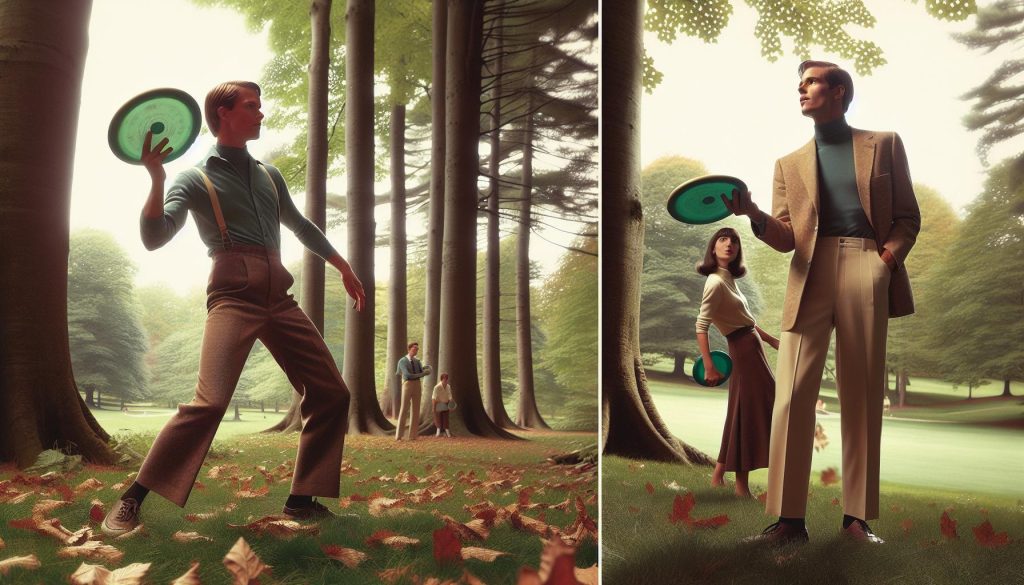
Did you know that disc golf combines the precision of traditional golf with the fun and casual atmosphere of outdoor sports? Originating in the 1960s, this rapidly growing sport not only offers a challenging way to connect with nature but also fosters community among players of all skill levels. Understanding the origins of disc golf is essential for appreciating its evolution and significance in the realm of recreational activities and competitive sports. Whether you’re a seasoned player or a curious newcomer, exploring the history of disc golf will deepen your connection to this engaging pastime. Join us as we journey through the fascinating beginnings of disc golf and uncover the factors that have propelled it into a mainstream sport enjoyed by millions today.
The Origins of Disc Golf: A Historical Overview
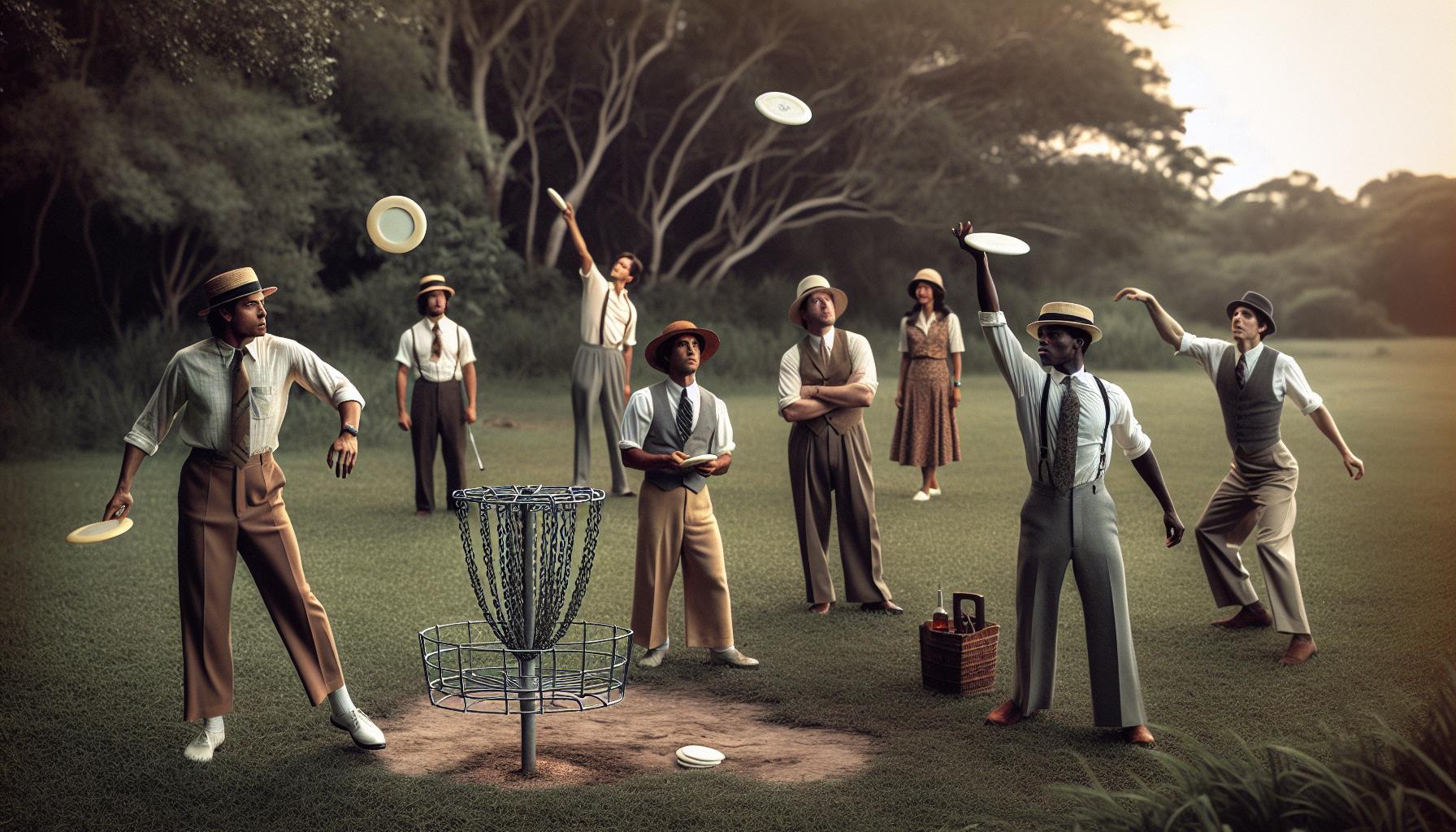
The inception of disc golf can be traced back to the 1960s when the playful act of tossing flying discs began to transform into a formalized sport. Although the concept of throwing objects to reach a target is ancient, the modern sport of disc golf finds its roots in the innovative spirit of those early enthusiasts who sought to create something new from a recreational activity. The pivotal moment came in 1975 when a California man named Ed Headrick developed the first official disc golf target, known as the DiscPole, which featured hanging baskets. This structure was not just a game-changer for players; it laid the groundwork for the standardization of disc golf courses across the globe.
As the sport gained traction, the formation of organizations such as the Professional Disc Golf Association (PDGA) in 1976 established official rules and guidelines for play, further legitimizing disc golf as a competitive sport. Early tournaments attracted players who embraced the challenge of navigating courses that blended natural landscapes with the finesse required to throw discs accurately. The 1980s and 1990s saw growth in both player participation and course construction, as local clubs formed and courses were installed in parks, sparking a community passion that remains strong today.
The evolution of disc golf from informal play into a recognized sport reflects not only the ingenuity of its pioneers but also the enduring attraction of disc throwing. Players appreciate different aspects of the game, from the technical skills involved in mastering disc flight to the camaraderie fostered among participants. As disc golf continues to flourish, it maintains the spirit of innovation and inclusivity that characterized its early days, setting the stage for future advancements and a vibrant community dedicated to the sport.
Key Figures in the Development of Disc Golf
The story of disc golf is as much about the players as it is about the sport itself. As this unique activity transformed from informal play into a competitive pursuit, key figures emerged who shaped its development and popularization. One of the most influential individuals in this journey is Ed Headrick, often credited as the “Father of Disc Golf.” His invention of the DiscPole in 1975 revolutionized the game by introducing an official target for players to aim for. This invention not only set the stage for standardized course design but also ignited the fire for organized play.
Another pivotal figure is Dave Dunipace, who co-founded Innova Discs and played a crucial role in creating disc technology that enhanced gameplay. His dedication to craftsmanship led to the development of the first professional-grade discs, which significantly improved the precision and distance players could achieve. Under his leadership, Innova became a leading brand in the disc manufacturing industry, nurturing future talent and fostering a competitive environment that celebrated innovation.
Moreover, the growth of disc golf would not be complete without acknowledging the contributions of the Professional Disc Golf Association (PDGA), which was established in 1976. Founders like Chuck Kennedy and others worked tirelessly to formalize the sport, producing rules and guidelines that allowed for fair competition while promoting responsible play and safety. The PDGA has since played an essential role in organizing events and providing resources that support players across all skill levels.
The vibrant community surrounding disc golf is also shaped by numerous local players and clubs who dedicate their time to growing the sport. From grassroots tournaments to local courses, these individuals embody the welcoming spirit that defines disc golf. Stories of players-ranging from youth competitors to seasoned professionals-highlight how the sport fosters camaraderie and inclusivity. Their journeys inspire newcomers, proving that disc golf is not only about competition but also about enjoyment and connection with others.
Together, these figures and the communities they build lay the foundations for a sport that continues to thrive, evolve, and welcome new players to the course. The passion for disc golf remains alive, showcasing a journey marked by innovation, collaboration, and a love for the game.
Major Milestones in Disc Golf History
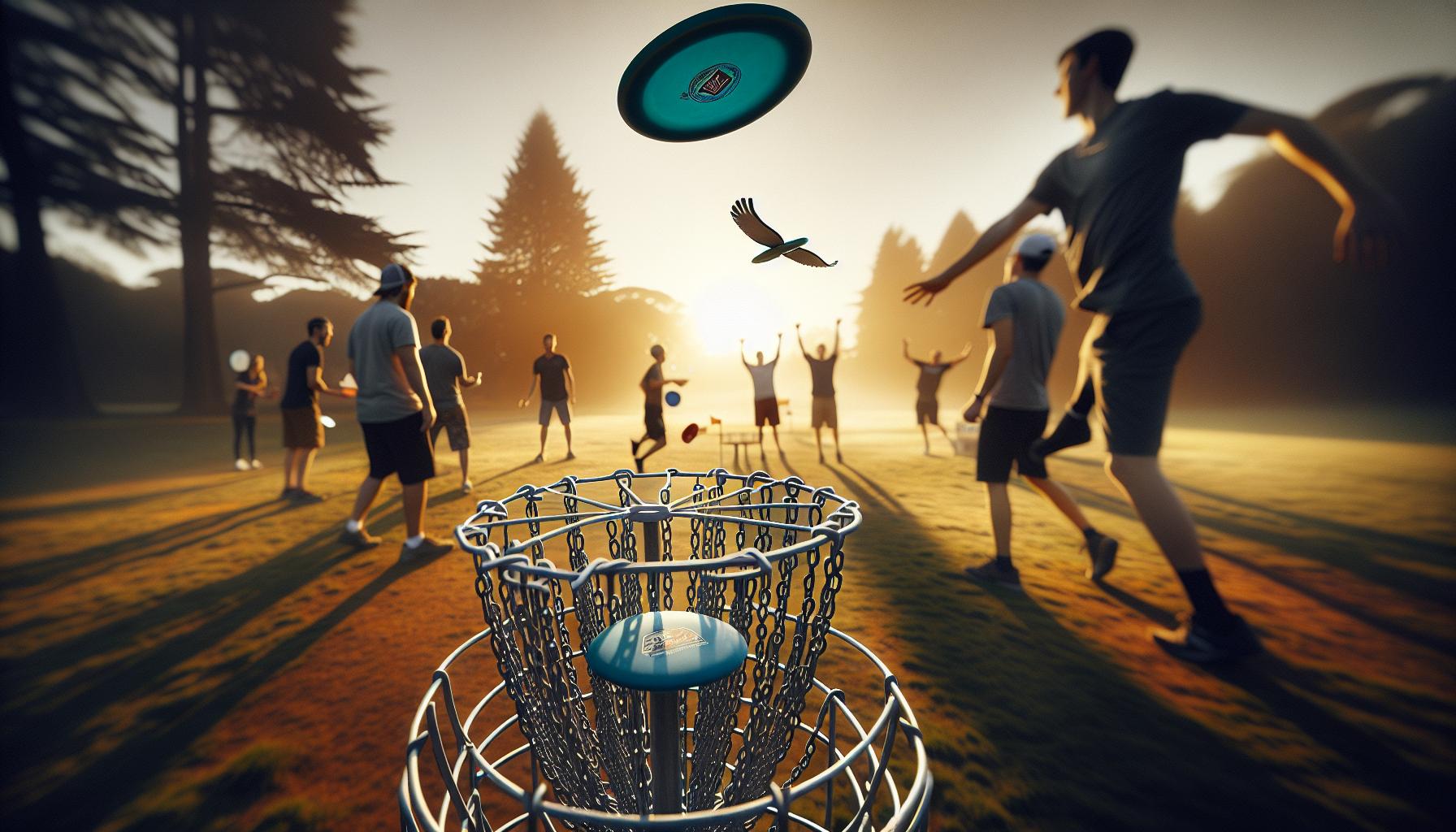
The history of disc golf is punctuated by significant milestones that mark its transition from a casual pastime to an organized sport enjoyed by millions worldwide. One of the most critical moments was the introduction of the first official target for disc golf: the DiscPole, invented by Ed Headrick in 1975. This innovation not only provided players with a consistent target to aim at, but it also laid the groundwork for standardized course designs, making it the cornerstone on which modern disc golf is built.
In 1976, the establishment of the Professional Disc Golf Association (PDGA) further solidified the sport’s legitimacy. The PDGA created a structured environment for players, establishing rules, guidelines, and a competitive framework that fueled growth. The inaugural PDGA tournament in the same year attracted over 1,000 participants, showcasing the burgeoning interest in the sport and helping to pave the way for larger-scale events.
Another major milestone came in the 1980s with the introduction of professional discs that significantly improved gameplay. Companies like Innova Discs began producing a variety of disc types tailored for different throwing styles and conditions. This investment in disc technology, spearheaded by innovators like Dave Dunipace, elevated the level of play, allowing for greater distance, control, and accuracy-traits essential for competitive play.
The 1990s saw the birth of major national championships, with the PDGA World Championships becoming a pinnacle event for players. With growing media coverage and the advent of the internet, disc golf gained visibility, attracting sponsorship and professional athletes who showcased their skills in tournaments across the globe. This period marked a significant expansion of the sport beyond local clubs to a widespread and competitive community.
As disc golf entered the 2000s, the rise of grassroots movements and local clubs became crucial to its development. New courses sprouted up in public parks and recreational areas, making the sport more accessible to newcomers. The sense of community grew stronger, as players of all skill levels connected through leagues, tournaments, and casual rounds, fostering a culture of inclusion and support.
These milestones collectively underscore the evolution of disc golf, illustrating how each step-be it technological, organizational, or community-driven-has contributed to the rich tapestry of this sport. As disc golf continues to thrive, it builds on the foundations laid by these pivotal moments, encouraging new players and maintaining a vibrant, competitive environment for existing fans.
How Disc Golf Evolved Throughout the Decades
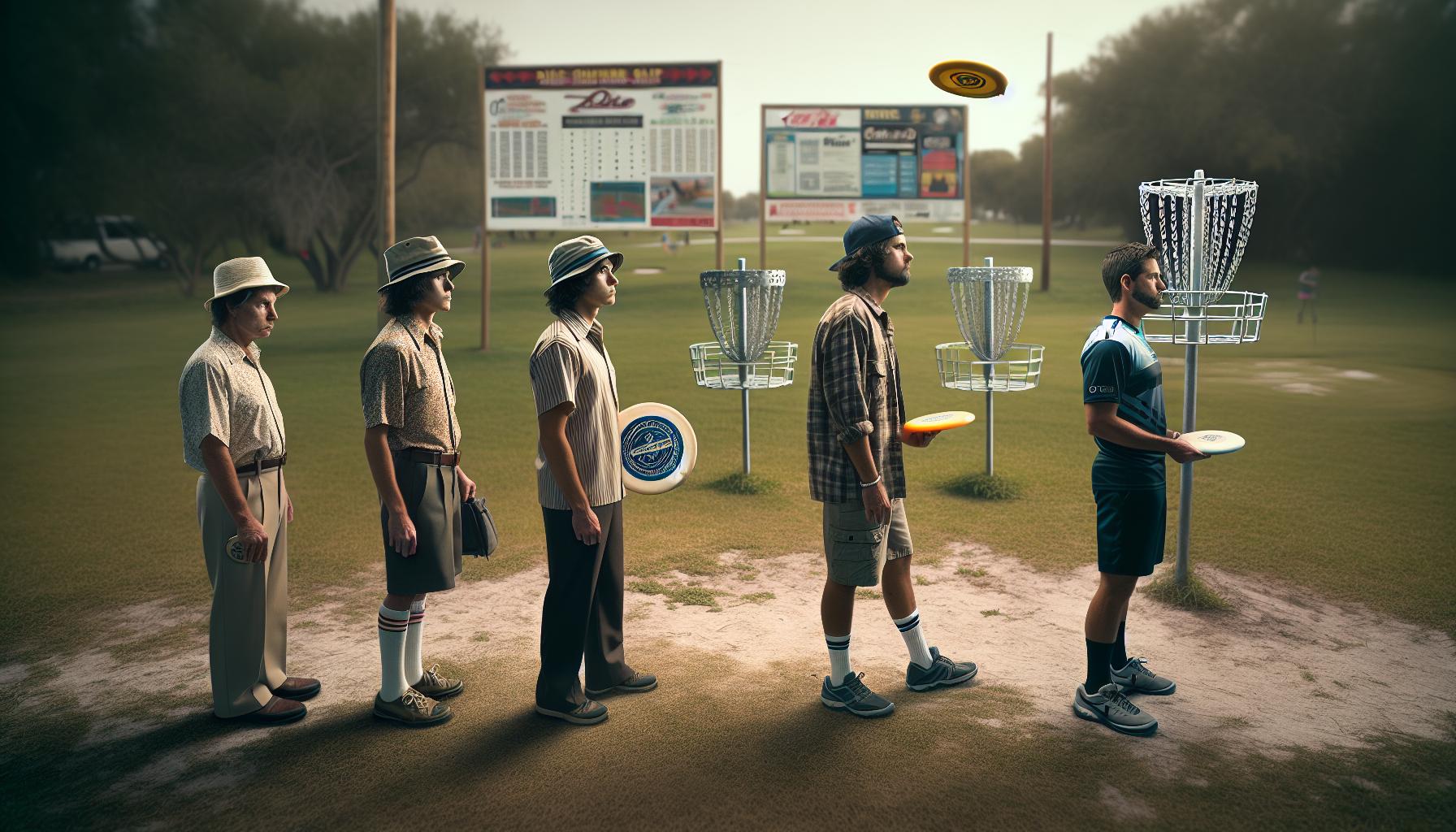
Disc golf has transformed remarkably since its inception, evolving from a fun backyard game into a globally recognized sport. The evolution reflects broader changes in community engagement, equipment innovation, and competitive structure. In its early days, players would creatively adapt items like Frisbees and targets such as trees or fences for a leisurely experience. However, as interest grew, the need for more organized play became apparent, leading to the dedication of resources towards establishing formal courses and standardized equipment.
By the late 1970s and into the 1980s, revolutionary advancements started to surface, particularly with the introduction of the modern disc and the official target: the DiscPole. This period marked a significant shift as discs were designed specifically for the sport, providing tailored flight characteristics that enhanced performance. Companies like Innova and Discraft pioneered technology that led to increased selection in disc types, catering to various throwing styles, which not only improved gameplay but also attracted a wider audience of enthusiastic players-from novices to seasoned athletes.
As the sport matured into the 1990s and 2000s, the formation of clubs and leagues fostered local communities while allowing disc golf to gain traction at larger tournaments. This grassroots phenomenon was crucial; local clubs nurtured players through organized events that cultivated camaraderie and competition. The establishment of the PDGA World Championships highlighted disc golf‘s importance on the global stage, presenting opportunities for players to showcase their skills and ambitions.
Today, disc golf continues to flourish, driven by technology and community. Players can now access a wealth of resources, including online tutorials and equipment reviews, enhancing their skills and understanding of the game. With the ongoing rise of digital platforms, players share insights and experiences, actively contributing to a dynamic culture centered around inclusivity and support. From its playful beginnings to a structured sport, disc golf’s evolution is a testament to the enduring passion of its community and its commitment to welcoming newcomers while respecting the competitive spirit.
Disc Golf vs. Traditional Golf: A Comparative Analysis
Contrary to the serene fare of traditional golf, disc golf invites players into a vibrant and dynamic world, where the act of throwing replaces the stroke of a club. While both sports share the fundamental goal of navigating a course to complete play in as few “strokes” or throws as possible, they diverge significantly in terms of equipment, play styles, and overall accessibility. Understanding these differences can illuminate why disc golf has gained such momentum, especially among new players seeking an engaging pastime.
In traditional golf, players utilize a variety of clubs designed for specific types of shots – drivers for long distances, irons for approach shots, and putters for short, precise landings. Typically, a golfer carries a maximum of 14 clubs, leading to considerable investment in both equipment and membership fees for courses that can be prohibitively expensive. In comparison, disc golf players might carry a handful of discs, each crafted with unique specifications for different flight paths, including distance drivers, mid-range discs, and putters. This simplicity not only lowers the financial barrier to entry but also makes it easier for newcomers to learn the ropes. Players can often start with two to three discs to get a feel for the game, allowing for a less intimidating introduction.
Moreover, the nature of both games promotes vastly different environments and pacing. Traditional golf courses typically span expansive green areas, requiring more time per round, often lasting upwards of four hours. On the other hand, disc golf courses can be found in parks and recreational areas, attracting players of all ages and skill levels. A round of disc golf can generally be completed in about an hour or two, making it a more accessible option for the time-constrained. This quicker pace encourages casual play alongside competitive tournaments, reinforcing the community-focused ethos that characterizes disc golf culture.
Equipment Comparison
| Aspect | Disc Golf | Traditional Golf |
|---|---|---|
| Equipment Cost | Low (discs range from $10-$20) | High (clubs can exceed $100 each) |
| Course Accessibility | Public parks and open spaces | Private clubs or public courses with fees |
| Number of Items Played | 3-5 discs | Up to 14 clubs |
| Time per Game | 1-2 hours | 4+ hours |
Both sports require skill and strategy, but the learning curve in disc golf is often viewed as less steep for newcomers. The various throwing techniques, such as backhand, forehand, and thumber throws, offer players diverse ways to engage with the game. As players advance, they can dive deeper into the subtleties of disc flight dynamics – understanding speed, glide, turn, and fade – fostering an environment of continuous improvement that can be highly gratifying.
Ultimately, while disc golf and traditional golf provide unique experiences rooted in personal skill and tactical gameplay, disc golf’s approachability, community feel, and accessible nature make it a rapidly growing sport, inviting players from all walks of life to participate and enjoy.
Understanding the Equipment: Discs and Gear Essentials
Disc golf equipment is the foundation of the sport, offering players a delightful blend of simplicity and diversity. At the heart of the game are the discs, specially designed to achieve various flight characteristics and meet the needs of different throwing techniques. Knowing the key differences among disc types is essential for both newcomers and seasoned players who want to enhance their performance.
Discs primarily fall into three categories: drivers, mid-range discs, and putters. Drivers, which are designed for maximum distance, are typically used for the first throw off the tee pad. They come in varying degrees of stability, which affects their flight path; for instance, stable drivers can hold a straight line, while overstable drivers will finish to the left (for right-hand backhand throwers). Mid-range discs offer a balance of distance and control, making them perfect for approach shots, while putters are engineered for accuracy and short-range throws, especially on the green.
Aside from choosing the right discs, understanding their specifications is crucial. Each disc has a rating based on four key factors: speed, glide, turn, and fade. Speed indicates how quickly a disc can be thrown, glide represents how long it can stay in the air, turn describes its ability to move right (for right-handed backhand throws) during the initial part of its flight, and fade indicates how much it will hook left at the end of its path. By experimenting with different discs, players can discover what best suits their throwing style and course conditions, leading to improved scores and enjoyment.
Beyond discs, players also benefit from investing in additional gear such as bags, towels, and markers. A lightweight, durable disc golf bag can hold multiple discs, helping players stay organized during their rounds. Accessories like towels are useful for drying off discs after a throw, ensuring consistent performance. Good shoes with adequate grip and comfort can significantly enhance a player’s stability and endurance on the course.
Ultimately, understanding disc golf equipment goes beyond just knowing the different types of discs. It’s about embracing the variety of choices that allow each player to craft their unique game and approach. Whether you’re throwing for fun or competing at a high level, the right equipment can make all the difference in navigating the course and enjoying this vibrant sport.
Popular Formats and Rules in Disc Golf
The vibrant and eclectic world of disc golf offers a variety of formats and rules that cater to players of all skill levels, making it accessible yet competitive. At its core, disc golf mimics traditional golf, where players aim to complete a course in the fewest throws possible, but it introduces unique elements that excite both casual throwers and seasoned pros.
Most commonly, disc golf is played in a standard format that involves 18 baskets, though many local courses feature 9-hole layouts for shorter games. Players start at a designated tee and take turns throwing their discs toward the basket, which is typically an elevated metal structure with hanging chains that catch the disc. The player with the lowest total strokes wins the round. However, variations exist, including “match play,” where players compete head-to-head across the same course, earning points for each hole won, and “stroke play,” where individual scores are tallied throughout the tournament.
Popular Rules and Etiquette
Understanding the rules is crucial for ensuring a fair and enjoyable game. Here are a few key rules that every player should be aware of:
- Tees and Fairways: Players must begin each hole from the designated tee area. Once the disc is released, players follow the disc until it lands in the basket.
- Throwing Order: The player with the best score on the previous hole throws first on the next hole, a rule that promotes fair play and strategy.
- Out of Bounds: Certain areas may be marked as out of bounds (OB), indicated by specific signs or lines on the course. Discs landing in these areas incur a penalty stroke, adding an element of strategy as players aim to avoid these hazards.
- Fouls: Players should be mindful of their surroundings. When a throw interferes with other players or non-players (e.g., pedestrians or golfers), it is considered a foul, and the offending player must rethrow.
Adhering to proper etiquette enhances the overall experience-players should always keep pace, minimize noise during others’ throws, and remain respectful on the course.
The Transition to Competition
As disc golf grows in popularity, so does the competitive scene. Players can enter local disc golf tournaments, often formatted in a variety of ways, from casual rounds to professional events governed by organizations such as the Professional Disc Golf Association (PDGA). Each tournament typically features specific rules, including defined divisions for skill levels, ranging from amateur to pro, ensuring every player can find their place in the competitive landscape.
In addition to traditional formats, the rise of “flex starts” and “caddy book” systems offer players flexibility in how they compete. A flex-start tournament allows players to choose their start time within a given window, which can make scheduling easier and more accessible for busy players.
By embracing these formats and rules, disc golf not only welcomes newcomers into the fold but also celebrates the sport’s rich competitive spirit, inviting all to participate in an activity that is both recreational and athletic. Whether you’re throwing for fun or aiming for that next tournament win, understanding the game’s structure will enhance your experience and engagement with this exciting sport.
The Rise of Disc Golf Tournaments and Their Impact
The surge of disc golf tournaments in recent decades marks a pivotal shift in the sport’s trajectory, propelling it from casual play to a recognized competitive discipline. In the early days, disc golf was often played informally among friends, but as players sought to challenge themselves and showcase their skills, formal tournaments began to emerge. One fascinating example is the first official tournament, which took place in 1975 at La Mirada Park in California, laying the groundwork for a tradition that has only grown in popularity. Today, tournaments attract players from all walks of life, ranging from local amateurs to elite professionals competing for substantial prize money.
The proliferation of sanctioned tournaments has profoundly influenced the growth and legitimacy of disc golf. Organized by the Professional Disc Golf Association (PDGA) and other local entities, these events create structured environments that not only measure skill but also foster community spirit. Players can participate in a variety of tournament formats, including stroke play, match play, and casual rounds, ensuring that everyone can find their niche. Moreover, with detailed divisions for different skill levels, it’s easier than ever for newcomers to step into the competitive arena alongside seasoned veterans.
Impact on the Community
The impact of tournaments transcends competition. They serve as gatherings that strengthen community bonds, with local and regional events often drawing large crowds of supporters. This camaraderie is amplified at larger championships, such as the PDGA World Championships, where players can witness firsthand the best that disc golf has to offer. For many, these experiences are about more than just the competition; they are opportunities to connect, learn, and celebrate a shared passion.
Furthermore, the tournament scene has sparked increased interest in early training programs and clinics, helping aspiring players hone their skills. Newcomers are encouraged to embrace their potential with resources designed to demystify advanced techniques and strategies. By establishing a robust competitive framework, disc golf tournaments play a crucial role in elevating the sport, cultivating new talent, and ensuring that the legacy continues for generations to come.
The rise of disc golf tournaments has not only ignited a competitive flame but has also solidified the sport within the broader sporting community. As more players step up to the challenge, they help pave the way for future developments, shaping disc golf’s evolution and elevating its status as a serious, respected athletic pursuit.
Grassroots Growth: Local Clubs and Communities
In the vibrant landscape of disc golf, local clubs and communities have played an indispensable role in nurturing and expanding the sport. These grassroots organizations provide not only a platform for formal play but also foster friendships and camaraderie among players at all skill levels. This community-oriented approach has been a driving force behind the sport’s popularity, enabling it to flourish in parks, schools, and open spaces worldwide.
Many local clubs initiate their journey by organizing casual meetups and clinics that invite newcomers to experience the thrill of disc golf. These gatherings often bring together a mix of experienced players eager to share their knowledge and beginners looking to learn the ropes. For instance, clubs often host “learn to play” days or workshops where participants can hone their throwing techniques, understand disc flight characteristics, and get familiar with the essential equipment. A common yet effective practice is to pair newcomers with seasoned players, creating a mentorship atmosphere that strengthens community ties and accelerates skill development.
Events and Community Engagement
Local clubs also thrive on organizing events that cater to a diverse audience. From friendly competitions to themed tournaments, these events attract participants from various backgrounds and skill levels. For example, families may enjoy a casual tournament designed to accommodate all ages, while more competitive players can join leagues or series designed for skilled participants. This accessibility encourages ongoing participation and helps cultivate a welcoming environment. Moreover, local clubs often partner with schools and youth programs, introducing younger generations to the sport and establishing junior leagues to foster talent from an early age.
The support from local clubs extends beyond play; it often encompasses initiatives aimed at course maintenance and community outreach. Many clubs volunteer their time for park cleanups or fundraising activities to ensure that courses remain welcoming and well-kept. This stewardship not only enhances the playing conditions but also raises awareness about the sport, drawing in new enthusiasts who may pass by a beautifully maintained course.
As disc golf continues to grow, local clubs will remain at the heart of its expansion, providing sustenance for the community spirit that characterizes the sport. Their commitment to education, engagement, and environmental stewardship ensures a bright future for disc golf, where both casual players and serious competitors can thrive together.
The Role of Technology in Disc Golf Advancement
Advancements in technology have significantly transformed the landscape of disc golf, enhancing both the competitive edge for serious players and the recreational experience for newcomers. Tracking and performance analysis tools have become increasingly accessible, enabling players to gather real-time statistics on their throws, such as distance, accuracy, and flight path. This data not only helps enthusiasts fine-tune their techniques through personalized feedback but also adds a new layer of enjoyment as players can track their progress over time.
Disc Technology Enhancements
Modern disc manufacturing now employs advanced materials and engineering techniques, leading to discs that fly more predictably and perform better in various weather conditions. For instance, the introduction of varying types of plastics has allowed for different levels of grip and durability, giving players a wider selection tailored to their throwing style and preference. Additionally, disc shape and weight adjustments have contributed to the creation of discs designed specifically for beginners, intermediates, and professionals-making the sport more inclusive and accessible.
Course Technology and User Engagement
Technology has also made its way into the design and maintenance of disc golf courses. Many installations now feature digital signage with interactive maps and score tracking capabilities, enriching the player experience by providing real-time updates on leaderboards and upcoming events. Furthermore, mobile applications dedicated to disc golf allow users to locate nearby courses, plan rounds with friends, and even participate in tournaments, making social engagement easier than ever.
As the sport continues to evolve, the integration of technology plays a vital role in fostering a more knowledgeable and engaged disc golf community. Through innovative equipment, digital tools, and enhanced course experiences, both casual players and serious competitors can dive deeper into the sport, elevating their passion for disc golf while welcoming new participants into the fold. Whether through a simple app that tracks your scores or the high-tech design of a new driver, the intersection of technology and disc golf is set to pave the way for an exciting future.
Future Trends: Where is Disc Golf Headed?
As disc golf continues to grow in popularity, its future appears bright and promising. The sport has captured the hearts of millions, fostering a vibrant community that spans all ages and skill levels. Recent trends indicate that disc golf is not merely a passing fad; rather, it is establishing itself as a legitimate sport on par with traditional golf, marked by increasing participation, professional tournaments, and widespread recognition.
One pivotal trend shaping the future of disc golf is the ongoing investment in course development. With municipalities recognizing the benefits of outdoor recreation, many are incorporating disc golf courses into their parks. These courses offer inexpensive access to a sport that encourages physical activity and social interaction. As a result, a greater number of players are discovering disc golf, which in turn attracts more attention from sponsors and media outlets. This growing visibility is likely to spur even more investment, helping courses to become more accessible and well-maintained.
Additionally, technology plays a crucial role in the sport’s evolution. Advances in disc design, such as improved aerodynamics and materials, are making it easier for players to achieve greater distances and enhanced performance. Furthermore, apps that track scores and provide course details are revolutionizing how players engage with the game. This technology not only helps enthusiasts hone their skills by providing data-driven insights, but it also creates a more engaging and immersive experience for newcomers looking to learn the game.
The competitive scene is also witnessing significant growth. More tournaments are being organized globally, and professional players are beginning to attract sponsorships akin to those seen in traditional athletics. This influx of talent and resources is nurturing a professional circuit that promises to elevate the sport’s status. As disc golf continues to flourish, we can anticipate a future filled with expanded opportunities for players, innovative equipment, and deeper community engagement, solidifying its place in the sporting world.
Celebrating Disc Golf Culture: Stories from the Community
The vibrant culture of disc golf is woven with countless stories that illustrate the sport’s community spirit and the shared passion of its players. From the first informal games played in the early 1970s to the current growth of local clubs and international competitions, the narratives that emerge reveal a tapestry of friendship, discovery, and competition. Players often recount how they found disc golf, many sharing stories of stumbling upon a course in a park or being introduced to the sport by relatives or friends who were already avid players.
One of the hallmark stories within the community is that of grassroots clubs that sprang up across neighborhoods. These clubs not only provide a place for players of all skill levels to gather but also serve as incubators for the sport’s growth. A prime example is the Green Mountain Disc Golf Club in Vermont, which has organized events ranging from casual weekend meet-ups to professional tournaments that attract top players from around the world. These local clubs foster camaraderie among members, creating lasting bonds through shared experiences on the course. Their commitment to inclusivity has made disc golf accessible to everyone, encouraging families, veterans, and young newcomers to join in on the fun.
In addition to these community clubs, many players also contribute to the sport through storytelling and sharing their experiences online. Social media platforms and disc golf forums are flooded with accounts of “ace runs” (hitting a hole in one) and tournaments that feel more like family reunions than competitive events. Players often celebrate not just personal achievements but also the collective joy of being part of this growing movement. The stories shared extend beyond victories; they include tales of overcoming challenges, like learning how to throw a hyzer shot or the thrill of navigating a course for the first time.
As the sport continues to evolve, the fabric of disc golf culture remains strong, with players celebrating both their individual journeys and the community that supports them. Events like the Disc Golf Pro Tour not only highlight professional play but also inspire new players. The spirit of disc golf thrives on the encouragement and stories from fellow players, making it a sport rich in legacy and full of potential for anyone willing to pick up a disc and play.
Q&A
Q: What year did disc golf officially begin?
A: Disc golf is generally recognized as originating in 1975 when the first formal course was established at Oak Grove Park in Pasadena, California. This marked the start of organized play and the evolution of the sport as we know it today.
Q: Who was the pioneer behind the creation of disc golf?
A: George Sappenfield is credited as a pioneer of disc golf. He helped create the first disc golf course and co-founded the Professional Disc Golf Association (PDGA) in 1976, laying the groundwork for the sport’s growth and official recognition.
Q: How has disc golf evolved since its inception?
A: Since its inception in the 1970s, disc golf has evolved significantly with the introduction of better equipment, more organized tournaments, and growing participation. The PDGA’s formation and increasing sponsorships have further advanced the sport, making it one of the fastest-growing recreational activities globally.
Q: What are some key milestones in disc golf history?
A: Important milestones include the establishment of the PDGA in 1976, the first disc golf world championship in 1982, and the rise of major tournaments like the USDGC (United States Disc Golf Championship) in 1998, which helped raise the profile of the sport.
Q: What is the difference between disc golf and traditional golf?
A: The primary difference is in equipment and course structure. Disc golf uses specialized flying discs instead of balls and clubs, and courses are typically designed with different obstacles. While traditional golf focuses on putting the ball in a hole, disc golf entails throwing a disc into a basket.
Q: What is the significance of the PDGA in disc golf?
A: The Professional Disc Golf Association (PDGA) plays a crucial role in establishing rules, organizing competitions, and promoting the growth of the sport. It serves as the governing body for disc golf, fostering community and providing resources for players and courses.
Q: How do local clubs contribute to the growth of disc golf?
A: Local clubs are vital for disc golf’s grassroots growth, as they organize events, promote courses, and engage communities. They often provide a supportive environment for beginners and advanced players alike, enabling social interaction and competition that fosters player development.
Q: What trends are shaping the future of disc golf?
A: Emerging trends include an increase in professional tournaments, enhanced technology in disc design, and innovative player engagement through social media. The sport’s accessibility continues to attract diverse participants, promising excitement for its future growth and expansion.
In Retrospect
As we wrap up our exploration of the origins of disc golf, it’s clear that this sport has evolved from simple beginnings into a beloved pastime for many. Understanding the history not only enriches your appreciation for the game but also connects you to the vibrant community that continues to grow. Whether you’re a beginner eager to learn or a seasoned pro ready to refine your skills, there’s always something new in the world of disc golf.
Don’t miss out on more valuable content! Dive deeper into our guides on disc flight characteristics and throwing mechanics, or check out our latest articles on competitive strategies for tournaments. Ready to take your game to the next level? Subscribe to our newsletter for exclusive tips and updates that will keep you informed and inspired.
Join the conversation-share your thoughts in the comments below, and connect with fellow disc golf enthusiasts. Let’s celebrate this amazing sport together and continue to explore its fascinating journey. Your next adventure in disc golf awaits!
Get our latest guides, news, and insights highlighted in your Google Search & AI Overviews.