A disc golf app about discs digital tool comparison is an essential factor in modern disc golf course play, equipment setup, and tactical execution. Our comprehensive guide provides actionable course tips, disc flight mechanics, equipment recommendations, and tournament-tested strategies to help disc golfers optimize their scoring and course performance.
Did you know that the choice of disc can drastically affect your game in disc golf? With the sport rapidly gaining popularity, players from beginners to seasoned pros are searching for ways to optimize their performance and elevate their skills. “A Disc Golf App About Discs: Digital Tool Comparison” is designed to connect these players with the essential tools they need to make informed choices about their equipment. This article delves into various digital resources that compare disc characteristics, such as flight patterns, stability, and material differences, enabling you to select the right disc for your playing style. Whether you’re looking to improve your throws or simply curious about the latest advancements in disc technology, understanding these comparisons is vital for your growth as a player. Join us as we explore how the right digital tools can transform your understanding of discs and enhance your overall disc golf experience.
Understanding Disc Golf: Essential Basics for Beginners
The beauty of disc golf lies not just in its accessibility but also in the numerous layers of strategy and skill development that can engage players of all levels. As a newcomer stepping onto a disc golf course, it’s essential to understand the fundamental elements that define the game and set the stage for a fulfilling experience. Disc golf is played similarly to traditional golf, where players aim to complete a series of holes in the fewest throws possible, but instead of balls and clubs, players use specialized flying discs, or discs.
One of the first things to grasp is the equipment. Discs come in various shapes, weights, and styles, each designed to perform different roles throughout a round. Understanding the differences between disc types-such as putters, midranges, and drivers-is vital. Putters are designed for accuracy; they have a thicker rim and are best used for shorter, controlled throws. Midranges provide versatility for various situations, striking a balance between distance and control. Drivers, with their thinner rims and streamlined shapes, are crafted for maximum distance but require a bit more skill to handle efficiently.
When you step onto the course, your approach to throwing will also greatly affect your performance. Key concepts in throwing mechanics include grip, stance, and release angle, which all interact to determine how a disc flies. Beginners can benefit significantly from practicing these fundamentals in controlled environments, honing the mechanics necessary to achieve consistent results. To facilitate your learning process, consider digital applications dedicated to disc golf, which provide tutorials, technique videos, and even performance tracking features. These tools can offer valuable insights and help you monitor your progress, making the game as much about personal development as about competition.
Disc golf is more than a sport; it’s a community and a growing movement that encourages players of all skill levels to embrace the outdoors, improve their skills, and enjoy friendly competition. As you embark on your disc golf journey, remember that every pro started as a beginner, and exploring the basics will pave the way for future improvements and enjoyment of the game.
Key Features of Disc Golf Discs Explained
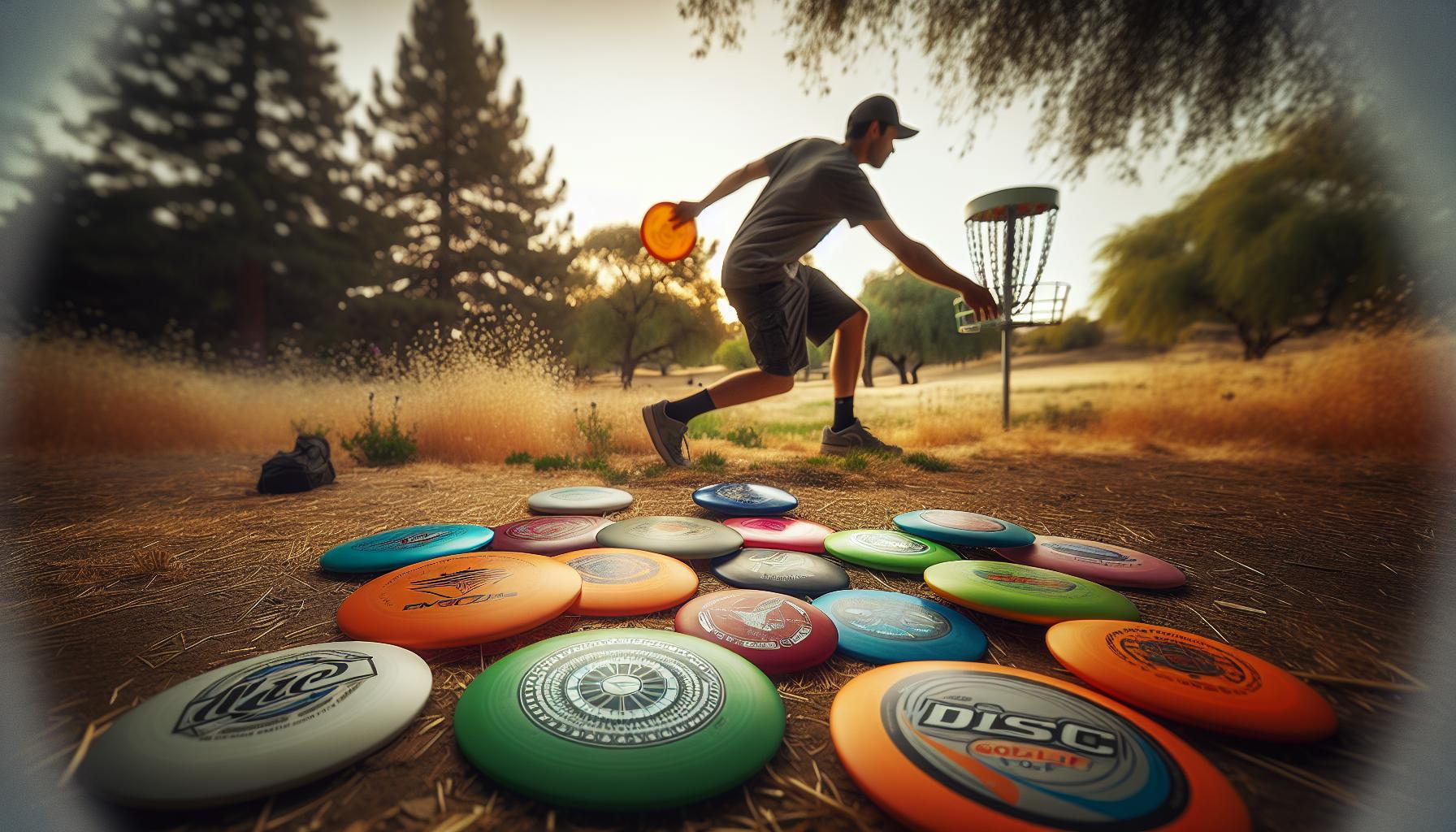
Choosing the right disc for your game can significantly impact your performance and enjoyment on the course. The key features of disc golf discs revolve around their stability, weight, material, and design, and understanding these elements can empower you to make informed decisions. Each disc has its unique characteristics that can affect how it flies, the distances it can cover, and how well you can control your throws, all of which are crucial for players at any skill level.
When it comes to stability, discs are classified as stable, understable, or overstable. Stable discs fly straight with little turn and fade, making them ideal for beginners who are still mastering their throws. Understable discs, on the other hand, will turn to the right (for right-hand backhand throws) before fading left, which can be useful for achieving longer throws and unique shot shapes. Overstable discs finish to the left, providing reliable control for more experienced players who need to navigate tricky shots or windy conditions.
Another crucial aspect is the weight of the disc. Light discs (around 150-170 grams) are easier to throw and can be beneficial for beginners or those with a slower throwing speed, while heavier discs (170-180 grams) tend to be more stable in the wind and provide a more predictable flight path once you develop your technique. The material (or plastic type) of the disc also plays a significant role in its performance. Higher-end plastics offer more durability and grip, which can enhance your control and consistency. For instance, discs made from premium blends often maintain their flight characteristics longer than cheaper alternatives.
To help players evaluate different discs, many disc golf apps feature detailed specifications and comparisons, allowing users to search for discs by their characteristics, manufacturer, and even specific flight metrics. Utilizing these digital tools can streamline the selection process, as you can filter discs based on your unique throwing style and requirements. With robust guidance on the characteristics and applications of each disc type, these apps serve as an essential resource, enabling both novices and seasoned pros to optimize their gear and elevate their game.
How Disc Flight Characteristics Impact Performance
Every disc golf player, from novice to expert, must grasp how disc flight characteristics can dramatically impact performance on the course. The way a disc flies is influenced by its stability, weight, and shape, and understanding these factors is crucial for making informed choices about which disc to use in various situations. For instance, a seasoned player might choose an overstable disc for windy conditions to ensure reliable performance, while a beginner may favor a stable or understable disc to foster confidence and control.
When you throw a disc, the physics of flight come into play. The flight path can typically be broken down into specific phases: the initial launch, the midflight, and the fade. Analyzing these phases can help players appreciate how different features of a disc translate into real-world performance. For example:
- Stable Discs: These discs fly straight with minimal turn and finish with a slight fade. Ideal for beginners, stable discs help players develop consistent form by providing predictable outcomes.
- Understable Discs: They will turn right for right-hand backhand throws before fading left. This characteristic can help players shape shots and achieve longer distances, though it may also make it trickier for those who haven’t mastered their throw.
- Overstable Discs: Designed to resist turning, these discs finish left, which is useful for navigating challenging course layouts or dealing with wind. Experienced players often rely on them for reliable control and to make hyzer shots.
By utilizing a disc golf app, players can gain deeper insights into how flight characteristics affect their performance. Many apps allow users to compare discs based on specifications such as speed, glide, turn, and fade, facilitating a personalized selection process. By entering your throwing style and desired outcomes, you can quickly filter through options, ensuring that you choose a disc that matches your skill level and conditions.
Moreover, integrating technology with practice can significantly elevate a player’s understanding of their game. Take, for instance, the player who regularly tracks their throws using an app. By analyzing data on their disc selections and performance outcomes, they can identify trends and make adjustments, ultimately leading to improved precision and consistency. Whether you’re perfecting your form or exploring new discs, leveraging these digital tools can help demystify disc flight dynamics and enhance your enjoyment of the sport.
Comparing Disc Types: Putters, Midranges, and Drivers
Dividing the world of disc golf into three main categories-putters, midranges, and drivers-provides players with a structured approach to selecting the right disc for their game. Each type plays a crucial role in achieving successful shots on the course, and understanding their unique characteristics can significantly enhance a player’s performance.
Putters are the workhorses of any disc golfer’s arsenal, designed primarily for short-range precision. With a slower speed and lower glide, they offer maximum control for putting and short approaches. Putters tend to have a more rounded edge which helps to reduce glide, allowing for more accurate placements near the basket. Beginners often benefit from using putters for all throws within a limited range, as this can foster confidence in their throwing mechanics.
Midrange discs, on the other hand, serve as the bridge between putters and drivers. They usually have a moderate speed and provide a good balance of control and distance. Midranges are versatile, making them suitable for various shots from 100 to 250 feet away. They often feature a more concentrated weight distribution, enhancing stability while still allowing for some turn characteristics. Players can use midranges for approaches, upshots, and even for longer putts when precision is needed but distance cannot be sacrificed.
Drivers are built for distance and speed, making them essential for longer throws off the tee. They come in two main varieties: distance drivers and fairway drivers. Distance drivers are crafted for maximum speed and glide, allowing skilled players to achieve impressive distance. Fairway drivers provide a blend of control and distance, ideal for more technical shots that require precision over sheer length. Understanding the subtle differences between these driver types can empower players to tackle a diverse range of course layouts successfully.
Incorporating a disc golf app into your training can help you compare different putters, midranges, and drivers based on specific metrics like speed, glide, turn, and fade. This data-driven approach will enable you to refine your disc selection process tailored to both your throwing style and course conditions. Whether you’re just starting or looking to optimize your game, knowing when to throw each type of disc and utilizing available technology can elevate your skills on the course dramatically.
Choosing the Right Disc for Your Skill Level

Selecting the right disc can feel overwhelming, especially with the variety available on the market. However, understanding your skill level is pivotal to making the right choice, as it directly influences the types of discs you should consider. A putter may work wonders for a beginner trying to hone basic throwing mechanics, while an experienced player might thrive on the precision of a high-speed driver, allowing them to achieve maximum distance.
One great way to navigate this decision is to utilize a disc golf app, which can provide personalized recommendations based on your skill level. These apps often allow users to input their throwing experience, preferred shot types, and even environmental factors like wind speed. By comparing different discs’ flight characteristics (speed, glide, turn, and fade), you can make an informed decision that matches your individual throwing style.
Skill Level Insights
For beginners, the best approach is to start with discs that offer more stability and are user-friendly. Putters are ideal as they help in developing precision without the intimidation of distance. As you grow more comfortable, you might transition to Midrange discs, which are versatile and allow experimenting with varying throwing styles.
Intermediate players, on the other hand, should consider investing in a mix of Midrange and Fairway Drivers. These discs will help you bridge the gap between control and distance, enabling you to refine your accuracy while tackling more challenging courses.
Advanced players, familiar with their throws and techniques, should explore Distance Drivers that cater specifically to their throwing power and style. High-speed discs are crafted to cover great distances, but require an understanding of advanced mechanics to use effectively.
Overall, aligning your disc choice with your current skill level fosters both growth and enjoyment in the sport. By leveraging the insights and comparisons available through disc golf apps, you’re not just making a purchase; you’re investing in a tool that enhances your playing experience. This personalized approach ensures that you not only enjoy your time on the course but also see improvements that elevate your game.
Maximizing Throwing Mechanics for Consistency

Maximizing your throwing mechanics is crucial for achieving consistency and control in disc golf. The beauty of the game lies not just in the physical act of throwing but also in the subtle intricacies that can significantly impact your performance. By honing your technique, you increase your chances of landing the disc where you intend, whether that’s in the basket or on the fairway.
One effective approach to improving your throwing mechanics is to focus on the key components of your throw: grip, stance, reach-back, and follow-through. Start with your grip; ensure that you hold the disc firmly but not too tightly, as this can affect the release. Utilize the appropriate grip for the type of throw-whether it’s a backhand or forehand. Next, your stance should provide a solid foundation; a wider stance can help with balance, while a narrower stance allows for quicker pivots.
Step-by-Step Throwing Technique
To refine your mechanics, follow these steps:
- Grip: Experiment with power grips (for distance) and fan grips (for control) to find what feels comfortable.
- Stance: Position your knees slightly bent and feet shoulder-width apart to enhance stability.
- Reach-Back: Pull the disc behind your body while pivoting your hips, keeping your elbow above the disc.
- Release: As you throw, snap your wrist forward to create spin, and ensure your follow-through is smooth, allowing your arm to extend fully.
Using disc golf apps can significantly enhance your training by offering tools like video analysis to assess your form. Many apps allow you to record your throws and compare them with instructional videos or even your previous attempts. Analyzing your mechanics in this way can reveal areas needing improvement and help establish a more consistent throwing motion, aligning your physical techniques with the disc’s flight characteristics.
Incorporating metrics into your practice session, such as measuring the distance and accuracy of your throws, can also foster a sense of accountability and progression. Whether you’re competing in tournaments or enjoying casual rounds with friends, these small adjustments to your throwing mechanics can lead to substantial improvements in your overall game. Remember, consistent practice is the key; the more you throw with intention and focus on your mechanics, the more natural these movements will become. Celebrate your improvements-every step forward enhances your connection to this growing sport and its vibrant community.
Best Apps for Tracking Disc Golf Performance
In the world of disc golf, tracking your performance can be a game-changer. With the right apps at your fingertips, you can elevate your skills, analyze your throws, and immerse yourself in this growing sport. Many disc golf enthusiasts have discovered that digital tools not only help in monitoring their progress but also contribute to a deeper understanding of their gameplay mechanics.
Among the top contenders for disc golf performance tracking, apps like UDisc and Disc Golf Buddy stand out, each offering unique features tailored to enhance your game. UDisc, for instance, is highly recognized for its intuitive course mapping and scorekeeping capabilities. Players can easily log their rounds, track their scores, and even compare performance statistics over time. The app also features a built-in course directory, which is invaluable for those exploring new local courses.
On the other hand, Disc Golf Buddy appeals to players looking for social interaction in addition to performance tracking. It allows you to connect with friends, set up challenges, and share your scores in a community setting. This social aspect can motivate players to improve their skills while engaging in friendly competition. Both apps provide users with the ability to analyze throwing stats such as distance, accuracy, and even putt success rates, which are crucial for identifying strengths and weaknesses in your gameplay.
For those who appreciate a visual approach, several apps include video analysis tools, allowing players to record and review their throws. This feature empowers athletes to refine their form by comparing their mechanics to professional tutorials and past performances. Incorporating a tracking app into your routine fosters a sense of accountability and ensures that your practice sessions are both productive and focused.
Ultimately, whether you seek a comprehensive performance tracker or a community-driven experience, the right app can significantly enhance your disc golf journey. Embrace these digital tools to not only track your performance but to celebrate your improvements and engage with a vibrant community of fellow disc golfers.
Evaluating the Top Disc Golf Apps Available
Evaluating the best disc golf apps can profoundly enhance your playing experience, offering tools that track performance, analyze throws, and even foster community engagement. With the growing popularity of disc golf, several apps have popped up-each equipped with distinct features catering to different player needs. Whether you’re a newcomer hoping to grasp the essentials or a seasoned competitor looking to refine your skills, understanding these options can help you choose the right digital companion.
One of the most notable apps, UDisc, stands out due to its robust functionality. UDisc offers real-time scorekeeping, detailed statistics, and a comprehensive course directory that makes it easy to find new places to play. Additionally, it enables players to log their rounds and analyze key performance metrics like throwing distance and accuracy. This depth of data empowers players to identify areas for improvement, turning casual rounds into focused practice sessions.
In contrast, Disc Golf Buddy emphasizes social interaction alongside performance tracking. This app allows you to connect with friends, join challenges, and share scores in a vibrant community setting. This social aspect can be particularly motivating, as it nurtures a sense of camaraderie and encouragement among players. With features designed to foster friendly competition, it transforms practice into a shared experience, appealing to those who thrive on interaction and community engagement.
When evaluating these apps, consider the following aspects to determine which best fits your needs:
- User Interface: Look for an app that is easy to navigate, especially if you are new to technology.
- Feature Set: Identify whether you need in-depth stats or social features. Some players may prioritize detailed analysis while others seek community engagement.
- Accessibility: Ensure the app is available on your preferred platform, whether iOS or Android.
- Cost: Many apps offer basic features for free but charge for premium services. Evaluate what features are essential for your development.
By carefully assessing these factors, you can select an app that not only tracks your progress but also enhances your enjoyment of disc golf. Digital tools have revolutionized how players approach the sport, allowing for a more analytical, connected, and fulfilling disc golf experience! Remember, whether you’re just starting or aiming for competitive play, the right app can be a game-changer on your disc golf journey.
In-Depth Comparison of Popular Disc Golf Apps
In the ever-expanding world of disc golf, the right app can make a significant difference in how players track their performance and engage with the community. With various options available, understanding the features and benefits of popular disc golf apps can help players choose a tool that aligns with their style and objectives. Apps like UDisc and Disc Golf Buddy cater to different needs and preferences, creating a rich landscape of digital tools available to players at all levels.
UDisc shines as a comprehensive scorekeeping app, offering users the ability to log their rounds while accessing detailed statistics. Beyond merely tracking scores, players can monitor statistics such as throwing distances, fairway hits, and overall accuracy. This may be invaluable for competitive players seeking data-driven improvements. UDisc also boasts an extensive course directory, allowing players to discover new locations to play and compete. This feature deepens the experience by nurturing a culture of exploration and improvement in players, encouraging them to try out diverse cards and environmental conditions.
Conversely, Disc Golf Buddy emphasizes social connectivity, introducing a vibrant community aspect to the game. It allows players to connect with friends, join challenges, and share scores, fostering a sense of camaraderie. For those who thrive on competition and community interaction, this app transforms solitary practice into engaging experiences with friends. It suits players looking for motivation or encouragement through shared goals and friendly rivalries, manifesting the sport’s communal spirit that can make disc golf even more enjoyable.
When considering which app to use, players should evaluate their priorities:
- Functionality: Decide if detailed statistics or social interaction is more beneficial based on your playing goals.
- User Experience: Choose an app that you find intuitive and easy to navigate, which can enhance your overall user experience.
- Community Engagement: If social connections are important to you, look for features that facilitate interaction with other players.
- Pricing: Many apps provide free basic functions but may charge for premium features; consider what you’re willing to invest.
Understanding these distinctions lets players curate their disc golf experiences while setting them on a path to improvement, whether through analytics or community support. Each app carries unique strengths that can enhance training and enjoyment, nurturing a well-rounded approach to mastering the game.
User Reviews: Insights on the Best Disc Golf Tools
In the world of disc golf, the right tools can significantly influence a player’s journey, particularly when it comes to selecting a disc golf app. User reviews provide invaluable insights into what players truly value in their digital experiences. For instance, one common sentiment among users of the UDisc app is its robust stat-tracking capabilities. Many users appreciate the ability to analyze detailed metrics such as throwing distances and accuracy over time. This data-driven approach not only helps competitive players refine their skills but also gives novice players clear benchmarks for improvement. Several users have remarked on how tracking their progress has motivated them to practice more and explore new techniques.
On the other hand, app users seeking a more social experience often gravitate towards Disc Golf Buddy. Reviews highlight the app’s emphasis on community engagement, allowing players to challenge friends, share scores, and even set friendly competitions. Users have shared stories of how these features have sparked a greater enjoyment of the game, transforming casual rounds into exciting events filled with camaraderie and friendly rivalry. The ability to keep up with friends’ performances encourages players to stay committed and engaged in their practice routines.
When evaluating which app to choose, players should consider feedback reflecting their priorities. Some reviews emphasize the importance of user-friendly interfaces and quick navigation, which are crucial for those who prefer a seamless experience. Others point out that while many apps offer free functionality, some premium features can significantly enhance the user experience and provide deeper insights. This brings us to a crucial piece of advice: assess not only the features available but also how those tools will help you achieve your specific goals on the course.
Ultimately, user feedback showcases the diverse needs within the disc golf community. Whether you’re a competitive player looking for analytics or a casual player wanting to connect, understanding what resonates with others can guide you toward the best app for your style of play. By listening to player reviews and considering their experiences, you can enhance your disc golf journey and find digital tools that not only track your performance but also enrich your time spent on the course.
Tips to Enhance Your Disc Golf Game Using Apps
In the dynamic world of disc golf, utilizing apps can elevate your game significantly. A compelling fact is that players who meticulously track their performance using dedicated disc golf apps often see marked improvements in their skills. Leveraging technology not only helps manage your statistics but can also guide you in making informed choices about your equipment and techniques on the course.
One effective way to enhance your game is by using stat-tracking features. Apps like UDisc allow players to log their throws, analyze their accuracy, and monitor their progress over time. Take advantage of detailed metrics by consistently recording data from your rounds. This practice enables you to identify patterns-such as common mistakes or successful throws-leading to targeted practice sessions that hone your skills where it counts.
For those seeking community engagement, using social features within apps can enhance your enjoyment of the game. Consider challenging friends through platforms like Disc Golf Buddy where you can compete for the best score or share your progress. Engaging with fellow players adds a social layer to your practice, making rounds more fun while motivating you to improve through friendly rivalry. Don’t underestimate the value of shared experiences; they can inspire new techniques or strategies that you might not explore on your own.
Finally, dive into the educational resources many apps offer. Some provide instructional videos, throwing technique breakdowns, and tips from professional players. By sipping from this wealth of knowledge, you can discover mechanics that suit your style and even tailor your equipment choice accordingly. As you progress, revisiting these resources keeps your skills fresh and can reveal nuances that significantly improve your throw and overall performance.
By combining careful tracking of your game, engaging with the disc golf community, and utilizing educational resources, you can build a powerful toolkit that supports your growth as a player. Embrace these digital tools and watch your disc golf capabilities flourish as you enjoy the sport more than ever!
The Future of Disc Golf: Technology and Community Impact
The increasing integration of technology into disc golf is revolutionizing how players of all skill levels engage with the sport. With disc golf apps becoming a staple for both novices and seasoned veterans, the landscape of the game is enhancing, fostering greater community interaction and performance tracking. Players can now benefit from tools that not only record their performance but also connect them with like-minded enthusiasts, enhancing the sense of camaraderie that is essential to the sport.
One of the most impactful changes brought by these apps is the ability to analyze game data with precision. By logging throws, players can discern patterns in their performance, identifying strengths and areas for improvement. Apps like UDisc and Disc Golf Buddy empower users to track important metrics, such as throw distance, accuracy, and course results, which can inform their training regimen. Moreover, these insights lead to actionable goals, making practice sessions more efficient and targeted.
Community Building Through Technology
Another significant advantage of modern disc golf apps is their ability to foster community engagement. Players can connect with friends and compete against them virtually, adding a layer of fun and motivation to the game. Features that allow users to create challenges or share scores encourage friendly rivalries, which can be a powerful driver for improvement. Additionally, many apps incorporate social networking capabilities that expand one’s local and even international disc golf connections, making it easier to find partners for a round or discover new courses.
Educational Resources and Player Development
Beyond just tracking statistics and engaging with the community, these apps often serve as educational platforms. Many provide access to tutorials, strategies from experienced players, and instructional videos, which cater to various skill levels. Newcomers can learn the fundamentals of throwing techniques, while more experienced players might delve into advanced strategies and course management. As players utilize these resources, they enhance their understanding of disc flight characteristics, equipment selection, and mental game principles, paving the way for improved on-course performance.
As technology continues to evolve, the landscape of disc golf will expand, creating more opportunities for learning, connection, and enhanced gameplay. Players who embrace these tools not only gain a significant advantage in their performance but also contribute to a vibrant community that thrives on shared passion and continuous improvement.
Frequently asked questions
markdown
Q: What should I consider when choosing a disc golf app?
A: When choosing a disc golf app, consider features like course maps, performance tracking, community engagement, and user reviews. Additionally, assess compatibility with your device and whether it provides personalized recommendations based on your skill level. This will help enhance your overall playing experience.

Q: How do disc golf apps compare in terms of user experience?
A: User experience can vary significantly among disc golf apps. Look for intuitive interfaces, ease of navigation, and how quickly you can input scores or access features. Apps with tutorials or community features tend to have better engagement and help users feel supported.

Q: Why is tracking performance important in disc golf?
A: Tracking performance is crucial as it allows players to identify strengths and weaknesses in their game. By analyzing past rounds, you can adjust strategies, improve throwing mechanics, and choose better discs, ultimately enhancing your overall skill level in disc golf.

Q: What are the benefits of using a disc golf app for scoring?
A: Using a disc golf app for scoring simplifies the process, allowing for quick input and real-time scorekeeping. It often includes features like automatic score calculation, statistics tracking, and the ability to share scores with friends, fostering a more engaging playing environment.

Q: How do I choose the right disc for my app's recommendations?
A: To choose the right disc based on your app's recommendations, consider your skill level, throwing style, and the type of courses you play. Many apps offer a disc recommendation feature that takes into account your throwing distance and preferred disc types, ensuring you select equipment that matches your game.

Q: What features should I look for in a disc golf course map?
A: A good disc golf course map should include hole layouts, distances, scenic views, and nearby amenities. Features such as GPS navigation and the ability to view alternate tee placements can significantly enhance your course navigation experience.

Q: How can technology enhance my disc golf experience?
A: Technology can enhance your disc golf experience through performance tracking, virtual coaching, and facilitating connections within the disc golf community. Apps that offer personalized feedback and analytics can help you make data-driven improvements to your game.

Q: Are there any free disc golf apps worth trying?
A: Yes, several free disc golf apps provide valuable features such as score tracking, basic course maps, and community interaction. Some popular options include UDisc, Disc Golf Course Finder, and PDGA Mobile, which can enhance your gameplay without any cost.
In Summary
Thank you for exploring “A Disc Golf App About Discs: Digital Tool Comparison.” We hope you found the insights on disc flight characteristics, throwing techniques, and equipment specifications valuable as you navigate your journey in disc golf. Ready to level up your game? Don’t miss out on our in-depth guides on course strategy and competitive play. Check out our articles on top disc reviews and throwing mechanics to bolster your skills today!
Your feedback is essential to us-share your thoughts in the comments below, and don’t forget to subscribe to our newsletter for the latest tips and tricks! Remember, whether you’re a newcomer or an experienced player, the right tools and strategies can make all the difference on the course. Embrace the community, stay engaged, and let’s continue celebrating this fantastic sport together!
Key Course Considerations and Strategic Navigation for A disc golf app about discs digital tool comparison
When developing a strategic approach around , players should account for essential technical and environmental factors:
- Course Layout and Terrain: Elevation changes, tree canopy density, and natural water hazards dictate whether to prioritize distance off the tee or controlled fairway positioning.
- Disc Selection and Flight Ratings: Matching disc speed, glide, turn, and fade to wind conditions and arm speed prevents costly kicks into heavy rough.
- Footwork and Release Consistency: Smooth, balanced run-ups and clean follow-throughs produce repeatable release angles on hyzer, flat, and anhyzer lines.
- Mental Strategy and Risk Management: Assessing landing zones and high-percentage scramble routes preserves par and minimizes double-bogeys during tournament rounds.
Disc Golf Equipment Specifications and Flight Matrix
| Disc Golf Element / Category | Primary Specification | Recommended Flight Characteristic | Strategic Application |
|---|---|---|---|
| Distance Driver | Speed 11–14, Wide Rim | High speed, sharp rim, controlled fade | Maximum distance off tee on open fairways |
| Fairway Driver | Speed 6–9, Moderate Rim | Neutral turn, predictable finish | Tight wood lines, tunnel shots, placement drives |
| Midrange Disc | Speed 4–5, Deep Rim | High glide, straight flight path | Accurate approach shots, control in tight gaps |
| Putt & Approach | Speed 1–3, Blunt Edge | Low glide, minimal skip, bead/beadless | Circle 1/2 putting, layups, short upshots |
Frequently Asked Questions About A disc golf app about discs digital tool comparison (FAQ)
What is the best way to improve accuracy for A disc golf app about discs digital tool comparison?
Focus on consistent footwork, maintaining a level reachback, and matching disc stability to your natural throwing speed rather than overpowering the disc.
How do wind conditions affect disc selection?
Headwinds make discs fly more understable (turn more), requiring more overstable discs, while tailwinds make discs fly more overstable (fade earlier), requiring lighter or more understable discs.
What equipment is essential for playing disc golf courses?
A balanced starter set with a putter, midrange, and fairway driver, along with a comfortable disc golf bag, chalk bag, and course-ready athletic footwear.
Get our latest guides, news, and insights highlighted in your Google Search & AI Overviews.