Did you know that the type of disc you use in disc golf can significantly impact your performance on the course? With various disc shapes, weights, and materials, understanding the differences is crucial for players aiming to improve their game, whether you’re a beginner seeking better control or a seasoned competitor looking for that extra edge. In this complete guide, we’ll explore the diverse types of discs available, from drivers that can launch long distances to putters designed for precision on the green. By grasping the unique flight characteristics and intended uses of each disc type, you’ll be equipped to make informed choices that align with your throwing style and goals. Join us as we delve into the essential aspects of disc selection, ensuring you have the right tools to enjoy and excel in this rapidly growing sport.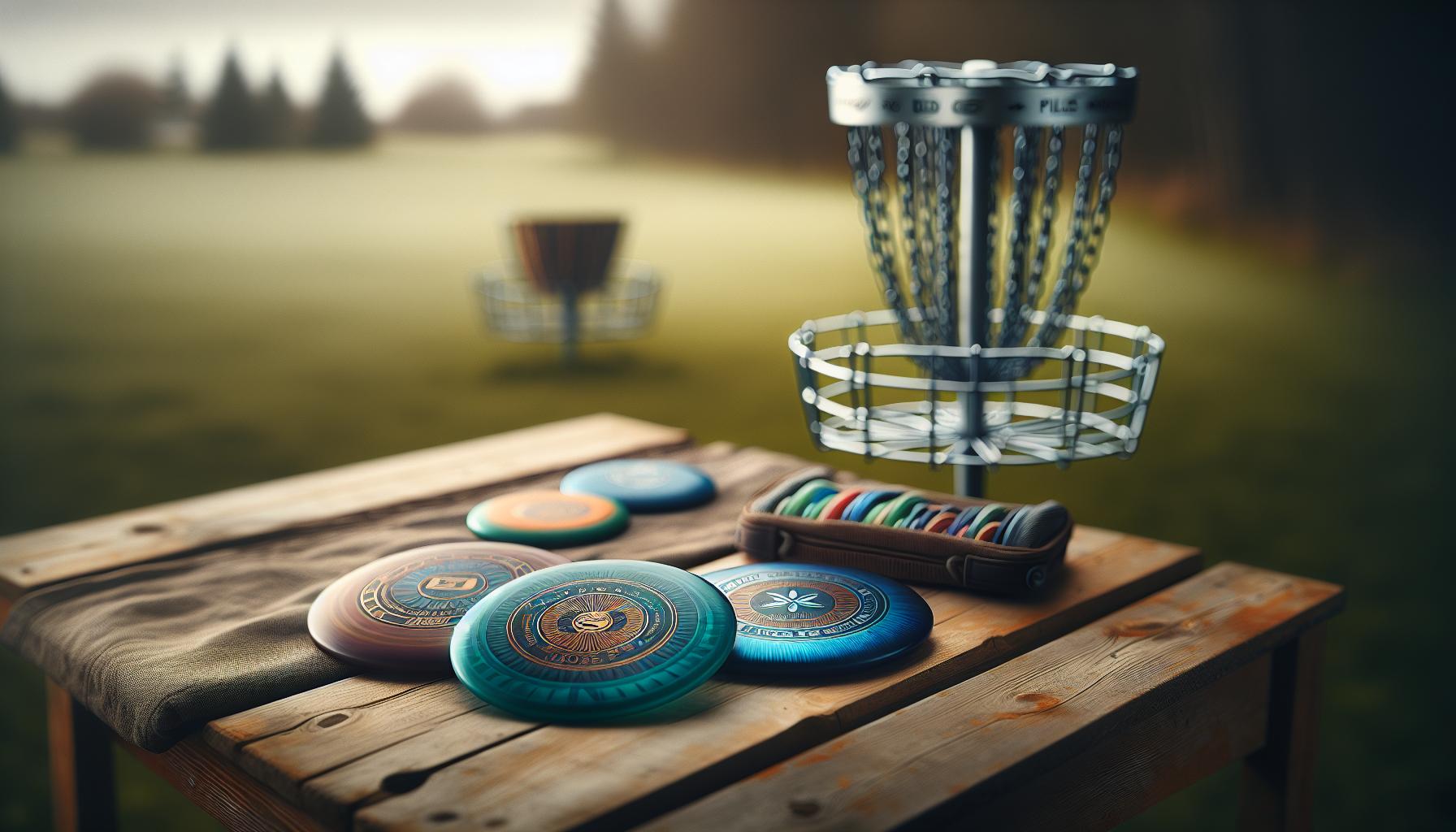
Types of Discs: Overview for Beginners
When stepping onto the disc golf course for the first time, one of the most exciting realizations is the variety of discs available, each designed for a specific purpose. Understanding these types is foundational for any beginner eager to elevate their game. In disc golf, three primary categories dominate: drivers, midranges, and putters. Each type serves a unique function, helping players navigate both the challenges of the course and their personal skill development.
Drivers
Drivers are designed for maximum distance and speed, making them ideal for long throws off the tee. With a sharp nose and a blend of stability, these discs are perfect for players looking to achieve impressive distances. They typically have a lower profile and are available in various weights and plastic types to suit different throwing styles and conditions. Beginners should look for a fairway driver, which offers a more manageable flight path compared to distance drivers.
Midranges
Midrange discs offer versatility, making them the go-to choice for many shots. They provide a balance between distance and accuracy, featuring a wider rim compared to drivers but a more stable flight path. Midranges shine in short to medium-range throws, and their designs allow for controlled hyzer and anhyzer angles, helping beginners learn how to manipulate disc flight with ease.
Putters
Putters, as the name implies, are designed for short-range shots and are essential for the game’s putting phase. They have a larger diameter and a more rounded edge, which helps with stability when thrown at lower speeds. Their design allows for a gentle glide, making them perfect for approaching the basket or completing a round. New players should prioritize learning how to putt effectively, as this skill greatly influences overall performance.
Understanding the distinctions between these disc types not only enhances a player’s strategy but also boosts confidence. As you explore the dynamic world of disc golf, remember that the correct disc for each situation can turn a challenging hole into an enjoyable experience. Building a collection that includes all three types can significantly improve your game, allowing you to adapt to various course challenges and conditions with ease.
Understanding Disc Flight Characteristics
Understanding how discs fly can significantly improve your performance on the course. Disc flight characteristics are determined by several key factors: speed, glide, turn, and fade. Together, these attributes define how a disc will behave in the air and are critical in selecting the right disc for any given situation.
When evaluating disc speed, it refers to how quickly a disc can be thrown to achieve optimal distance. Speed ratings typically range from 1 to 14, with higher numbers indicating faster discs. Beginners often benefit from using slower discs, as they provide more control and are less prone to unintended turnovers. Following speed is glide, which measures how well a disc maintains altitude during its flight. Discs with high glide ratings can travel farther without dropping quickly, making them advantageous for achieving longer throws with less effort.
The turn and fade characteristics are crucial for understanding how a disc will break left or right (for right-handed backhand throws). Turn refers to the tendency of a disc to move to the right (in the case of a RHBH throw) at the beginning of its flight; this is particularly important while navigating obstacles or planning approaches. A disc with a high turn rating (negative numbers, e.g., -3) will curve significantly to the right, while a low turn (positive numbers) maintains a straighter line or even hooks left. Fade represents the disc’s finishing motion, describing how it will behave towards the end of its flight. Discs with a pronounced fade are better for hyzer throws and approaches, as they hook back towards the left, ideal for hitting specific landing zones.
Each of these characteristics plays a role in your throwing technique, whether you are aiming for a straight shot, a controlled anhyzer, or a reliable hyzer. Understanding these disc flight traits enables players to strategize effectively, allowing them to select the right disc for various shots and course conditions. Embracing this knowledge not only enhances gameplay but can also deepen one’s appreciation for the sport as an athletic pursuit, fostering both individual improvement and community engagement in the vibrant world of disc golf.
The Mechanics of Throwing: Mastering Your Technique
Mastering the technique of throwing in disc golf is like learning to dance; it requires rhythm, balance, and precision. Whether you’re a newcomer trying to navigate your first course or an experienced player aiming to perfect your form, understanding the mechanics of your throw can make all the difference. It’s crucial to develop a solid foundation, as this will allow you to unleash the full potential of the various disc types available to you, from drivers to putters.
To begin, focus on your grip. A consistent grip can influence your throw significantly. Hold the disc firmly but not overly tight, ensuring that your fingers are appropriately positioned-usually, your thumb on top, with your index and middle fingers under the rim. This grip provides the necessary control while allowing you to transfer power effectively through your arm.
Next, stance and body movement play a vital role in your technique. Set your feet shoulder-width apart, with your non-dominant foot slightly forward. As you prepare to throw, rotate your hips back while extending your throwing arm. This hip rotation acts as a coil, storing energy that will be released in your throw. As you step forward, push off the back foot, allowing your hips to lead your movement toward the target. Your throwing arm should follow this motion; aim to reach back fully, bringing the disc close to your body before leading the throw with your elbow while maintaining a straight line to your target.
Key Steps in the Throwing Motion
- Grip: Proper grip is essential for control and power.
- Stance: Establish a balanced and stable position.
- Hip Rotation: Wind up to store energy for a powerful release.
- Follow-through: Ensure a complete follow-through to maximize distance and accuracy.
As with any athletic skill, practice is paramount. Spend time focusing on different types of shots: straight throws, hyzers, and anhyzers, and experiment with how different discs react to your throwing style. Observing experienced players and seeking feedback can also accelerate your learning curve.
Ultimately, mastering your throwing technique not only enhances your performance but also deepens your appreciation for the sport. Each successful throw is a blend of physics and artistry, connecting you to the growing community of disc golfers who share your passion for this exciting and dynamic game.
Comparing Disc Types: Drivers, Midranges, and Putters
When venturing into disc golf, understanding the different types of discs is essential to honing your skills and elevating your game. Each disc serves a unique purpose, and knowing how drivers, midranges, and putters fit into your strategy can transform your approach on the course. These three categories reflect varying flight characteristics, handling, and applications, allowing players to select the right tool for each situation.
Drivers are built for speed and distance. With sharp edges and a streamlined design, they are meant to cut through the air, achieving maximum velocity and long-range capability. Commonly, players will use drivers for tee shots or where distance is crucial. A typical driver might have a high speed and low to moderate glide, making it excellent for straight, long-distance throws or controlled fades. Understanding the specific driver categories-distance drivers for maximum range and fairway drivers for more accuracy-can help players make more informed choices based on their throwing style and the course layout.
In contrast, midrange discs are your go-to for versatility. They often feature a more rounded edge, providing better control and a smoother glide compared to drivers. Midranges excel in a variety of situations, from approach shots near the basket to shorter drives on tight holes. With a lower speed and more stable flight path, midrange discs are perfect for players looking to hone their accuracy over distance. Learning to master a midrange disc can significantly improve your overall game as they bridge the gap between power and precision.
Finally, putters are designed for short-range, high-precision throws, making them essential in any disc golfer’s bag. Their thicker rims and settled shape allow for greater stability and control, especially when making approaches or putting. A putter’s design minimizes the risk of turning over, allowing players to focus on accuracy over distance. For beginners, investing time in mastering putt mechanics can lay a solid foundation for developing a well-rounded game.
Understanding the purpose of each disc type not only enhances your performance but also increases your enjoyment of the sport. By selecting the appropriate disc for every throw and understanding its flight characteristics, you can become a more strategic player, navigate courses more effectively, and enjoy the nuances that make disc golf a captivating and challenging sport.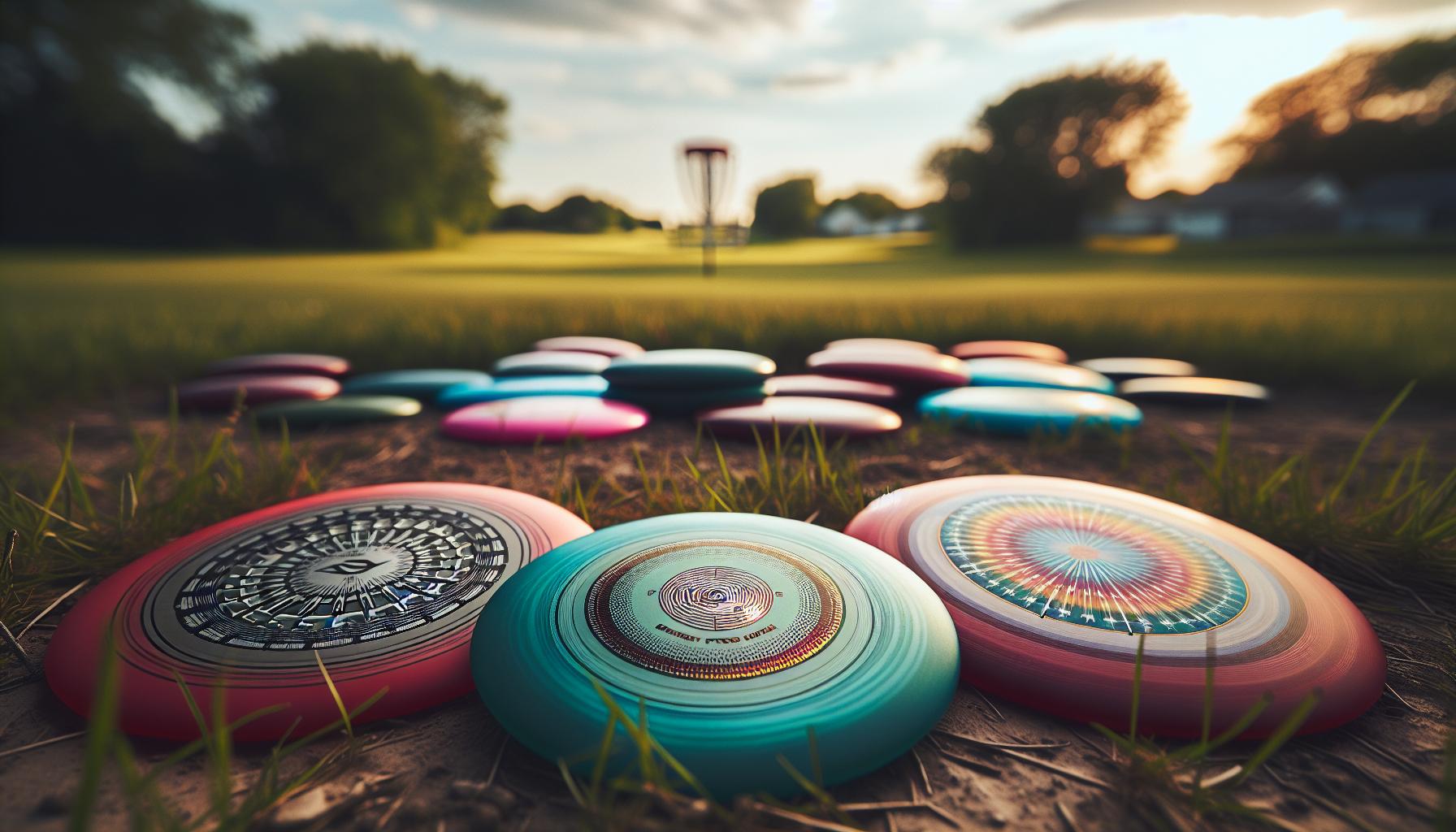
Specialty Discs: What Are They and When to Use Them
Specialty discs might not be the first items that come to mind when assembling your disc golf bag, but they play a critical role in expanding your game strategy and adapting to different course challenges. These unique discs are designed for specific situations and can help you tackle obstacles that standard drivers, midranges, and putters might struggle with. From unique flight patterns to specialized uses, understanding when and how to employ specialty discs can elevate your performance on the course.
Types of Specialty Discs
There are several categories of specialty discs that cater to various gameplay scenarios. Some noteworthy examples include:
- Overstable Discs: These are ideal for headwind throws or when you need a hard left turn (for right-handed backhand throws) at the end of the flight. They help maintain accuracy in challenging weather conditions.
- Understable Discs: Perfect for beginners, these discs can turn right (for right-handed throws) and are useful for rollers or achieving long turns to the left. They can also serve well as annhyzer shots when you want to carve tight corners.
- Utility Discs: Includes specialized discs like the “Spike Hyzer,” designed for sky-high throws that drop straight down, making them great for getting around obstacles or making difficult approaches.
- Special Edition or Collectible Discs: While these are often about aesthetics or brand loyalty, some of these special editions can offer unique flight characteristics due to subtle variations in mold or plastic type.
When to Use Specialty Discs
Knowing when to pull out a specialty disc can greatly enhance your tactical options during a round:
- Course Challenges: If you’re facing a tightly wooded course or throwing downhill, an understable disc may help navigate tricky terrain and maximize your chances of making the fairway.
- Wind Conditions: Overstable discs shine on windy days. By utilizing these, you can ensure that your throws are predictable even when the weather tries to disrupt your game.
- Specific Shot Shapes: If you need to execute a shot that requires a unique flight path, such as a roller or a tricky hyzer flip, that’s when specialty discs can come in handy. They allow players to become more versatile in their approach.
- Learning Tool: For newer players, specialty discs can facilitate the learning of effective throwing techniques. Understable models can help novices understand how to achieve desired curve patterns without the risk of turning over too easily.
Incorporating specialty discs into your game not only enhances your skill set but also makes playing more enjoyable as you explore various throwing techniques and strategies. Whether you’re navigating a complex course or just looking to add a little flair to your game, these discs open up a world of possibilities that can help you tackle any challenge on the course.
Choosing the Right Disc for Your Skill Level
When venturing into the world of disc golf, selecting the right disc can dramatically impact your game. Understanding your skill level and the specific attributes of different discs is essential for maximizing performance and enjoyment on the course. Each player has a unique throwing style, physical capabilities, and playing conditions that influence the choice of discs.
For beginners, lightweight discs are often recommended. These discs are not only easier to grip and throw but also tend to be more forgiving on less-than-perfect throws. Beginners should focus on categories such as putters and mid-range discs, which are designed to offer control and stability. Mid-range discs, in particular, tend to provide a straighter flight path, making them ideal for introducing players to various throwing techniques without overwhelming them with added complexity.
As players develop their skills, they can start incorporating drivers into their repertoire. Fairway drivers are a fantastic starting point for intermediates, allowing for improved distance while maintaining control. Advanced players might venture into the realm of maximum distance drivers, but it’s crucial for them to understand their throwing power and technique; too much speed can lead to inconsistent results.
Another crucial factor in choosing discs that suit your skill level is understanding weight and stability. Typically, lighter discs (under 170 grams) offer more distance for beginners, while heavier discs tend to provide better control and are less affected by wind. That being said, a player’s individual throwing strength and technique should guide the final decision.
Ultimately, trying out various discs and seeking advice from more experienced players can help new enthusiasts find what works best for them. Whether you’re a novice just getting started or a seasoned competitor refining your bag, selecting discs tailored to your skill level enhances not only your performance but also your love for the game. Embrace the journey of discovery as you explore the vast selection of discs available, and remember that each throw is an opportunity to learn and grow in this exciting sport.
Disc Plastic Types: Durability and Feel Explained
The choice of plastic type can significantly influence your experience and performance in disc golf. Discs come in various plastics that cater to different preferences in terms of durability, grip, and feel, impacting how a disc behaves on the course. Whether you are a beginner just starting out or a seasoned pro looking for advanced performance, understanding these plastic types is crucial.
One of the most common types is base plastic, which is often found in starter discs. Base plastics are typically softer and provide great grip, making them user-friendly for beginners. However, they are less durable and can wear down faster, especially if you play frequently.
On the other hand, premium plastics offer superior durability and often come in a range of options such as Z-line, ESP, or Lucid. These discs are designed to withstand impacts and maintain their flight characteristics over time. Although they might have a slightly slicker feel than base plastics, many players appreciate how these materials can enhance distance and stability once they’ve adjusted to the grip.
In addition to durability, specialty plastics, such as Glow-in-the-Dark or Metallic, provide unique visual appeal and can enhance visibility during night rounds or in low-light conditions. These discs may also come with additional benefits, such as added firmness or flexibility, catering to specific throwing styles.
When selecting a disc, consider how a particular plastic type feels in your hand and how it performs in various weather conditions. For instance, colder weather can make certain plastics stiffer and less grippy, while warmer conditions can improve their pliability. Finding the right plastic can enhance your comfort and performance on the course, ultimately leading to a more enjoyable round.
How Weather Affects Disc Performance
The impact of weather on disc performance is a crucial consideration for players seeking to optimize their game. Factors such as temperature, wind, and precipitation can dramatically alter how a disc behaves in flight, affecting everything from distance to accuracy.
One of the most significant influences is temperature. In colder conditions, plastics tend to stiffen, making discs less forgiving and cutting into your grip with every throw. In sharp contrast, warmer weather allows the plastic to become more flexible, enhancing grip and increasing the likelihood of achieving greater distance and stability. Players should be mindful of adjusting their technique and disc selection depending on the forecast. For instance, a driver that performs well in mild spring conditions may underperform on a chilly winter day.
Wind also plays a vital role in performance. Strong gusts can influence flight patterns, adding unpredictability to your throws. It’s essential to adapt by utilizing more stable discs when facing headwinds to maintain control and accuracy. Conversely, tailwinds can push your disc further, so lighter, more understable options might work best in such conditions. Following local weather patterns and adjusting your strategy accordingly can significantly enhance your overall performance on the course.
Lastly, humidity and precipitation are not to be overlooked. High humidity levels can add weight to your discs due to moisture absorption, leading to more unpredictable flight paths. When rain is in the forecast, consider the choices of grip-enhancing accessories or opting for a more durable plastic that can withstand the elements. Paying attention to these details can make the difference between a good day on the course and a frustrating round where conditions diminish your performance.
Understanding how these weather factors influence disc dynamics allows players of all skill levels to prepare effectively for a range of conditions, ultimately fostering a deeper appreciation for the sport.
Essential Accessories for Disc Golf Enthusiasts
Equipping yourself properly can elevate your disc golf game from enjoyable to exceptional. While mastering the various disc types is essential, the right accessories can ensure your experience is comfortable and effective on the course. Whether you’re a novice eager to improve or a seasoned player perfecting your skills, having the right gear can make all the difference.
Must-Have Accessories for Every Disc Golfer
The essentials begin with a Quality Disc Golf Bag. Look for one that has enough room for a variety of discs while also offering pockets for accessories. Features like padded straps can make long rounds much more enjoyable. In addition to a bag, consider investing in Towels and Grip Enhancers. Playing in various weather conditions means moisture can be a significant concern; a quick-drying towel will help keep your discs and your grip intact no matter what. Grip enhancers can also play a pivotal role; products designed for disc golf provide better handling during humid or rainy days, ensuring you maintain control during your throw.
Marker Discs and Mini Baskets can also enhance your game. Markers help you keep track of your lie during play, while mini baskets offer a fun way to practice putting at home or with friends. For those looking to train hard, practice nets allow you to work on your throwing technique in any available space.
Don’t forget about extra clothing items such as caps or visors to shield yourself from the sun, and comfortable, moisture-wicking activewear that keeps you dry during your rounds. Lastly, consider functional hydration solutions like cooler bags or water bottles that can keep drinks cold. Staying hydrated is crucial for maintaining focus and performance throughout your rounds.
Incorporating these accessories into your disc golf routine not only adds convenience but also enhances your overall enjoyment of the sport. Whether you’re playing a casual round with friends or competing in a tournament, being prepared with the right accessories can give you a significant edge and help you fully embrace the growing community of disc golf enthusiasts.
Popular Disc Golf Brands: A Comparative Guide
In the vibrant world of disc golf, the brand of disc you choose can significantly impact your game. Each manufacturer brings unique innovation, disc designs, and flight characteristics to the table, catering to different skill levels, throws, and player preferences. As you embark on your disc golf journey, understanding the popular brands can help you make informed choices that enhance your performance on the course.
Innova is often regarded as the pioneer of disc golf discs, having been established in the early 1980s. With a diverse lineup including drivers, midranges, and putters, Innova caters to players of all skill levels. Their iconic “Destroyer” driver and “Aviar” putter are staples in many players’ bags due to their reliability and performance.
Similarly, Discraft holds a formidable reputation, especially known for the “Buzz” midrange disc and the “Buzzz SS,” which are favored for their versatility and accuracy. Discraft is also heavily involved in professional disc golf events, sponsoring many top players, which boosts their visibility and credibility in the sport.
In recent years, MVP Disc Sports has gained popularity thanks to their unique overmold technology that offers a distinctive feel and performance. Their “Ion” putters and “Envy” midranges have found homes in the bags of both casual players and competitive athletes alike. MVP is also known for their commitment to sustainability, producing eco-friendly disc options that appeal to today’s environmentally conscious players.
Emerging brands like Kastaplast and Dynamic Discs have made a notable mark as well. Kastaplast is celebrated for its slick designs and quality plastics, while Dynamic Discs offers a wide range of discs with excellent durability and performance attributes. With their engaging marketing and community-focused initiatives, both brands are attracting a new generation of disc golf enthusiasts.
As you explore various brands, it’s essential to consider not just their popularity but also how their discs align with your individual throwing style and preferences. Many players find that trying out different discs from various manufacturers helps them discover what suits their game best. Remember, the right disc can truly elevate your experience on the course. Embrace the diversity of brands and take the time to find what works for you!
The Role of Weight and Stability in Disc Selection
When selecting a disc for your game, understanding the significance of weight and stability can enhance your performance and help you navigate various course conditions effectively. Each disc comes with specific weight classifications and stability ratings that can profoundly impact flight characteristics and overall control.
The weight of a disc typically ranges from 150 grams for lightweight options to 180 grams or more for heavier choices. Lighter discs tend to be favored by beginners or players with slower arm speeds, as they are easier to throw and can help achieve greater distances with less effort. However, heavier discs offer more stability and can withstand wind better, making them suitable for stronger players or challenging conditions. Here’s how to choose according to weight:
- Lightweight Discs (150-165 grams): Ideal for beginners or those with slower throwing speeds. Great for anhyzer shots and easier distance.
- Mid-weight Discs (165-175 grams): A balance of control and distance, good for intermediate players who want stability without sacrificing distance.
- Heavy Discs (175-180 grams): Best for experienced players needing wind resistance and stability. Ideal for precise throws in challenging weather.
Stability, quantified as the disc’s ability to resist turning during flight, is categorized into classes such as overstable, stable, and understable. Overstable discs are favored when throwing into the wind or for hyzer shots, while understable discs cater to those looking to achieve longer turnovers or flat releases that curve to the right (for a right-handed backhand throw). Here’s a brief breakdown of stability:
Stability Ratings
- Overstable: These discs resist turning and are excellent for power throws or windy conditions.
- Stable: Balanced discs that hold a straight line when thrown at optimal speed.
- Understable: These discs will turn to the right, allowing for easier anhyzer shots and longer distances for lower arm speeds.
When selecting the right weight and stability for your discs, consider not only your skill level but also your playing style and the types of courses you frequently navigate. A well-considered combination of weight and stability can lead to improved control, accuracy, and enjoyment on the course. Many experienced players recommend experimenting with various discs from different manufacturers, as understanding your unique throwing mechanics will guide you to the ideal setup that complements both your technique and the environmental factors encountered in your disc golf journey.
Tips for Building a Versatile Disc Golf Bag
Building a versatile disc golf bag is essential for adapting to various course conditions and improving overall gameplay. A well-rounded selection of discs allows you to tackle any shot situation while enhancing your confidence on the course. Consider a strategic approach in selecting your discs, focusing not only on your current skill level but also predicting your growth as a player.
Start by curating a balanced mix of drivers, midranges, and putters. Each category serves a distinct purpose: drivers are built for distance off the tee, midranges offer accuracy for approach shots, and putters excel at getting you in the basket. As a general guideline, aim for at least three to four discs from each category to cover a range of scenarios. For instance, having both a stable driver for long, controlled throws and an understable driver for sweeping curves will add versatility to your tee game.
Essential Additions to Your Bag
Don’t overlook the value of specialty discs, such as utility discs and overstable discs for windier days. A reliable utility disc can help navigate tricky obstacles or execute specific shot shapes when needed. Additionally, including a couple of lighter-weight options can be beneficial for achieving long, soaring throws, especially when facing challenging downhill shots.
It’s also important to pay attention to the material and grip of the discs you choose. Different plastics offer varying degrees of durability and tactile feel, which can impact your grip and throw consistency. For example, premium plastics tend to be more durable, while softer blends may provide better grip in wet conditions. Experimenting with different plastic types can help you find what feels best in your hand and aligns with your throwing style.
Regular Evaluation and Updates
As you progress in your disc golf journey, regularly assess your disc selection. What worked for you at the beginning may not suit your evolving style or skill level. Keeping your bag fresh ensures you can adapt to new challenges and continuously improve your game. Engage with the disc golf community for feedback and recommendations, as experienced players can offer unique insights into what discs perform well in different scenarios.
By carefully selecting and regularly updating the discs in your bag, you can ensure a versatile setup that fosters growth, confidence, and enjoyable rounds of disc golf, whether you’re out practicing or competing on the course.
Q&A
Q: What are the main types of discs used in disc golf?
A: The main types of discs in disc golf are drivers, midranges, and putters. Each is designed for specific throwing distances and accuracy. Drivers are for long distances, midranges for versatile approaches, and putters are best for short, controlled shots. Understanding these differences is crucial for effective gameplay.
Q: How do I choose the right disc for my skill level?
A: To choose the right disc for your skill level, consider factors like your throwing distance and accuracy. Beginners often benefit from using lightweight and stable discs that are easier to control. As you progress, you can select discs based on your preferred throwing styles and the specific needs of the course.
Q: What is the difference between a stable and an overstable disc?
A: A stable disc flies straight with a slight fade at the end, making it ideal for beginners. In contrast, an overstable disc turns left (for right-handed backhand throwers) more quickly, producing reliable, predictable flight paths for advanced players aiming for specific shots or wind conditions.
Q: When should I use specialty discs in my game?
A: Use specialty discs like rollers or hyzers when unique shot shapes or techniques are required. Specialty discs are beneficial for maneuvering around obstacles or when you need specific throws that regular discs cannot provide. Evaluate the course layout to determine when these can be effectively employed.
Q: How does disc weight affect performance?
A: Disc weight significantly affects performance; lighter discs tend to achieve greater distances but are influenced more by winds. Heavier discs offer more control and stability, particularly in windy conditions. Choose a weight that balances your power and throwing style for optimal performance.
Q: Are there different disc plastic types, and do they affect flight?
A: Yes, different plastic types impact a disc’s durability, feel, and flight characteristics. More durable plastics generally last longer and maintain their stability, while softer plastics can offer better grip but may wear down more quickly. Choosing the right plastic type can enhance overall performance and comfort.
Q: How can weather conditions affect my disc golf game?
A: Weather conditions can significantly influence disc performance. Wind can alter a disc’s flight path, while humidity and temperature affect how a disc feels and flies. For example, in windy conditions, using overstable discs can help maintain control. Always consider the weather when planning your strategy for the course.
Q: What should I consider when buying my first disc golf set?
A: When buying your first disc golf set, consider purchasing a driver, midrange, and putter to cover all throwing needs. Choose discs that are lightweight and have a stable flight path to help improve your learning curve. Look for sets that offer value without compromising on quality.
The Way Forward
Thank you for joining us in exploring the diverse world of disc golf discs! Now that you understand the various types of discs and their unique flight characteristics, it’s time to choose the right one for your next game. Whether you’re looking for the perfect driver, midrange, or putter, having the right disc can significantly enhance your performance on the course.
Don’t stop here-check out our in-depth guides on throwing techniques and disc maintenance to elevate your skills even further. If you’re ready to dive deeper into the community, visit our resources on local tournaments and clubs where you can connect with other players.
Time to gear up and hit the course! Remember, every great disc golfer started just like you. Share your thoughts in the comments below or connect with us on social media. Your journey in disc golf is just beginning, and we’re here to support you every step of the way!