
Disc golf is more than just a pastime; it’s a booming sport that attracts both casual players and serious competitors. Understanding the costs associated with disc golf discs is crucial for anyone looking to enhance their game. Prices can vary widely based on brand, material, and design, making it essential to know what to look for when investing in your equipment.
In this price guide, we’ll explore the factors that influence disc costs and offer insights into selecting the right discs for your skill level and playing style. Whether you’re a beginner looking to get started affordably or a seasoned pro aiming to refine your collection, this guide will help you navigate the diverse offerings in the disc golf market. Get ready to discover the best options that fit your budget and elevate your game!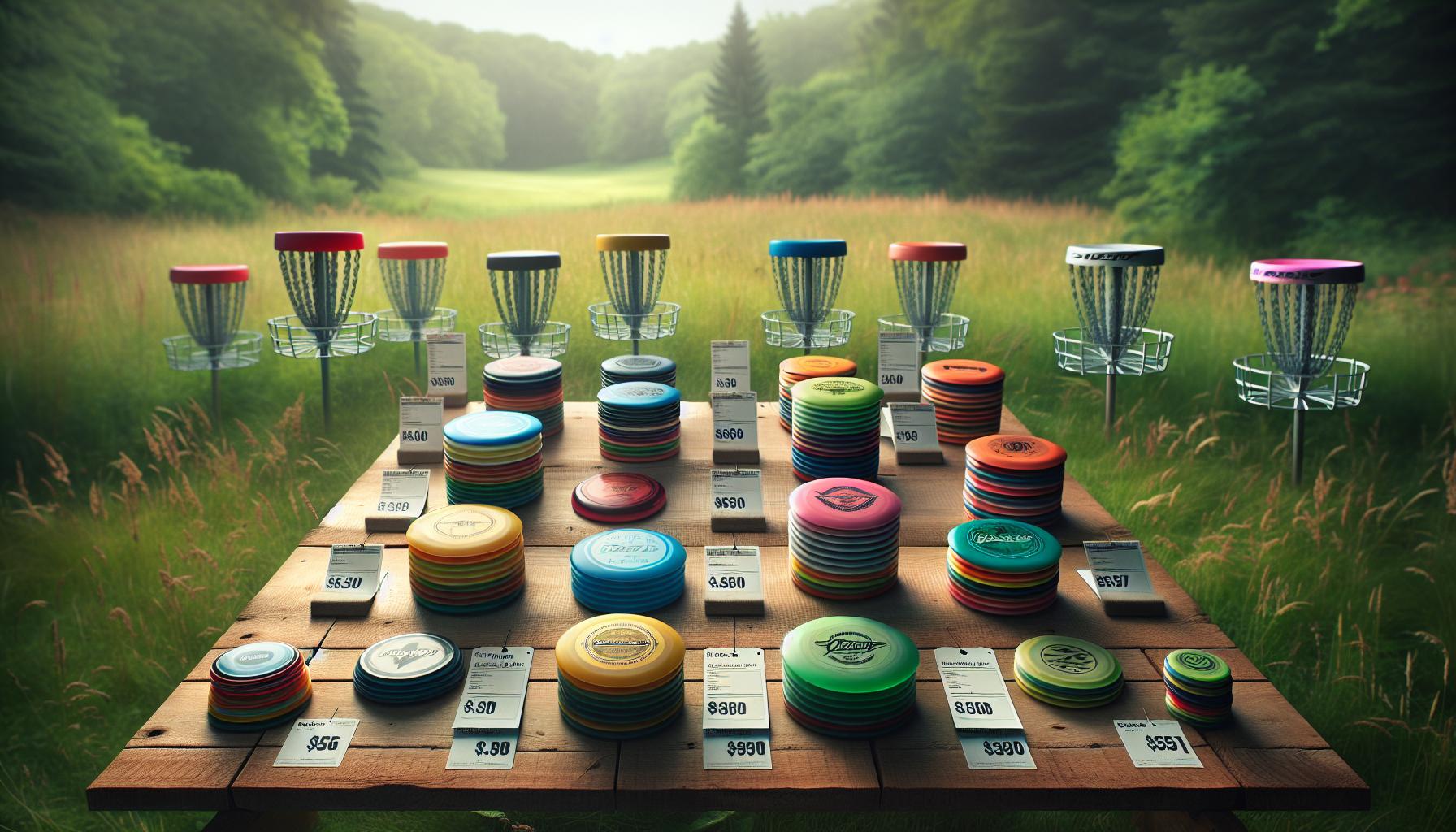
Understanding Disc Golf Discs: Types and Materials
Understanding the variety of disc golf discs available can dramatically enhance your game, making it crucial for both new and experienced players to grasp the fundamentals of the types and materials used. There are essentially three main categories of discs: drivers, mid-range discs, and putters. Each type has specific characteristics designed for particular throwing techniques and course situations.
Types of Discs
- Drivers: Typically the longest flying discs, drivers are used for initial throws from the tee pad. They are designed for speed and distance, often featuring a sharp edge and a thinner profile. Within drivers, you will find distance drivers for maximum reach and fairway drivers for more control on tighter holes.
- Mid-range Discs: These discs offer a balance between distance and accuracy, making them versatile for approaches and shorter drives. Their thicker rim and wider surface allow for more stable flight paths, benefiting players who need a reliable, controllable throw.
- Putters: Used primarily for short-range throws, putters are the most stable and slowest discs. They are designed to provide accuracy and a straight flight, which is essential for sinking shots into the basket. The softer material allows for better grip and precision.
Materials Matter
The material used in disc manufacturing greatly impacts performance and how they handle wear and tear. Common materials include:
- Plastic: Different types of plastic provide varying degrees of grip and durability. For example, firm plastics tend to be more durable but less grippy, while softer varieties improve grip and feel at the expense of wear.
- Specialty Plastics: Many brands produce unique blends intended to enhance flight characteristics, including additional grip or increased durability in specific weather conditions. This makes understanding the material crucial when selecting a disc.
By recognizing the purpose and construction of different types of discs, players can make informed decisions, optimizing their game to improve both distance and accuracy on the course. Whether you’re just beginning your disc golf journey or looking to refine your skills, knowing your equipment is vital for success.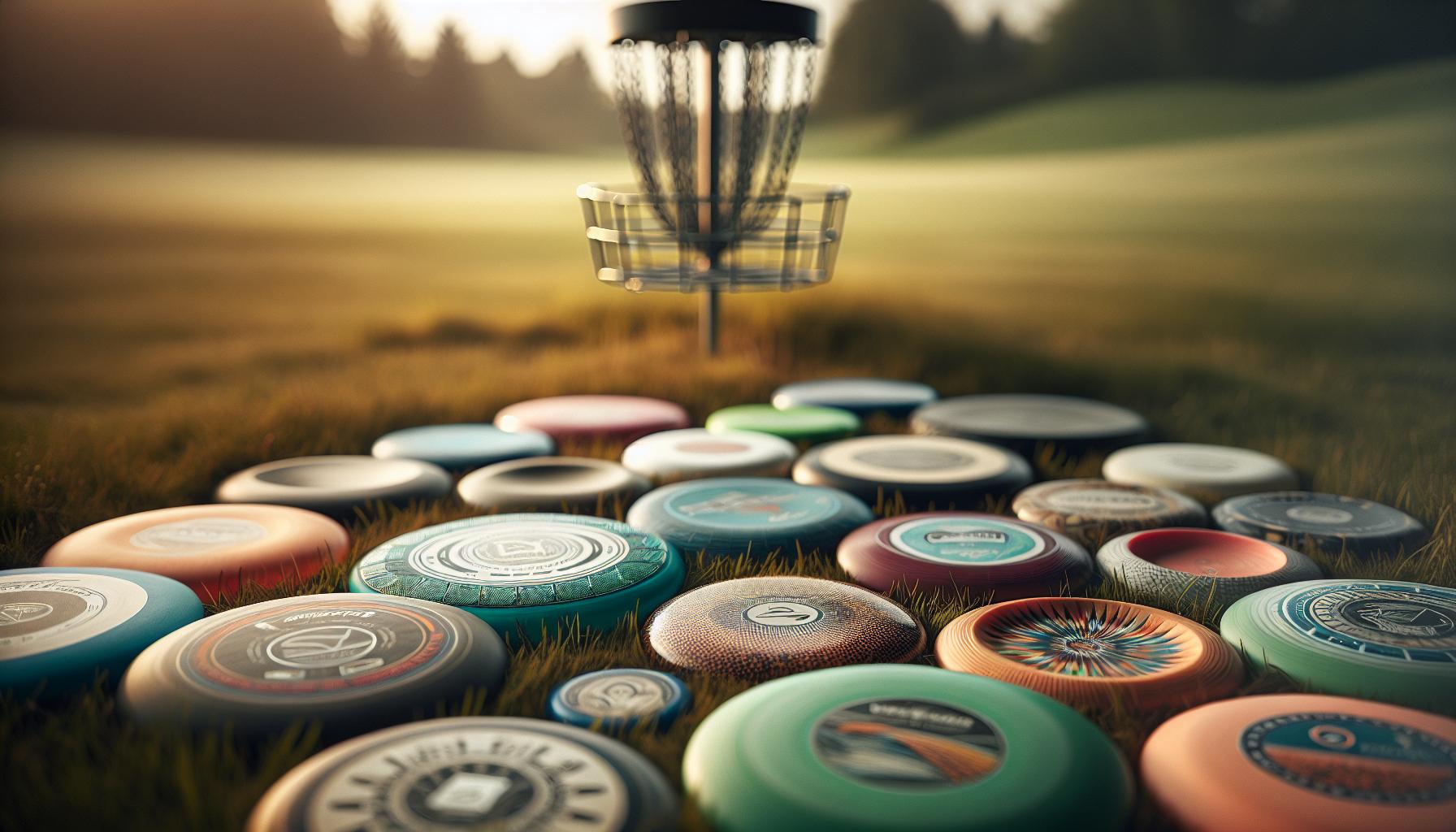
Factors Influencing Disc Golf Disc Prices
Understanding the price of disc golf discs can feel overwhelming, especially for those new to the sport. It’s fascinating to note that prices can range significantly-from budget-friendly options around $10 to premium discs that can exceed $30 or $40. Several factors contribute to this price variation; by unpacking these elements, players can make better-informed purchasing decisions that best suit their playing style and budget.
The first major factor influencing disc prices is brand reputation. Well-established brands like Innova, Discraft, and Dynamic Discs are often more expensive due to their durability, flight consistency, and community recognition. These brands invest in research and development, producing advanced materials and designs that cater specifically to player needs. Additionally, limited edition or specialty discs from popular brands often command higher prices due to collector interest and perceived value.
Another key aspect is material quality. Discs made from premium plastics typically offer better grip, durability, and resistance to wear. For example, a disc crafted from a special blend designed for specific weather conditions might perform better in those conditions, justifying a higher price point. Furthermore, the manufacturing process, including whether discs are produced in small batches or are mass-produced, affects costs as well. More intricate designs and processes result in higher production expenses that are passed on to the consumer.
Functionality and design also play crucial roles in determining prices. Discs tailored for professional-level players, such as advanced drivers with specific aerodynamic features, cost more due to the precision engineering involved. Conversely, beginner discs, which prioritize ease of use and stability, are typically more affordable.
Lastly, market demand can cause fluctuations in pricing. If a particular disc sees a surge in popularity, prices may rise due to scarcity, particularly for models favored by professional players or those featured in prominent tournaments. Understanding these dynamics not only helps players select the right disc but also informs how to budget effectively for their disc golf journey, ensuring they get the best value for their investment.
By considering these factors, disc golfers-regardless of their skill level-can navigate the marketplace with confidence, ultimately enhancing their game while being mindful of their budget.
Comparing Costs: Beginner vs. Professional Discs
When stepping onto the disc golf course for the first time, many players find themselves faced with a crucial decision: which discs to invest in. Understanding the price differences between beginner and professional discs can help players make informed choices that align with their skill level and budget. Generally, beginner discs are priced between $10 and $20, offering a great entry point for newcomers to the sport. These discs are typically designed for maximum stability and easier control, which is essential as players learn proper throwing techniques.
In contrast, professional discs tend to cost more, ranging from $20 to $40 or even higher for limited editions. These discs are engineered for advanced performance, featuring specialized aerodynamics that can enhance distance and accuracy for experienced players. They are often crafted from high-quality materials that provide superior grip and durability, making them an attractive investment for serious competitors. Players often find that the precision and advanced designs of these discs significantly impact their gameplay, reflecting the higher price point.
For those trying to find the right balance, it’s essential to consider how often you plan to play and what your goals are. If you’re just starting out, a few well-chosen beginner discs might suffice. However, as your skills progress, investing in professional-grade discs could lead to improved performance and enjoyment of the game. Remember, the right disc can make a huge difference in not only your score but also your confidence on the course.
In summary, while beginner discs are budget-friendly and ideal for learning, professional discs offer advanced features that enhance gameplay for serious athletes. This dynamic provides an exciting spectrum for players to explore as they develop their skills and refine their disc golf experience. Whether you opt for an entry-level disc or a high-end model, what’s most crucial is finding a disc that feels right in your hand and complements your throwing style.
Top Brands and Their Price Ranges
When diving into the world of disc golf, knowing the major brands and their price ranges can significantly influence your purchasing decisions. The market is bustling with a variety of manufacturers, each offering unique products tailored to both new and seasoned players. Prominent brands like Innova, Discraft, Dynamic Discs, and Latitude 64 not only shape the landscape of disc golf but also provide a plethora of disc options ranging from budget-friendly choices to premium models that deliver exceptional performance.
Innova
Innova is widely recognized as the pioneer in disc golf and continues to be a favorite among players. Their discs typically range from $10 to $25, depending on the model and material. The popular Innova Champion plastic or limited-run discs can push prices closer to $30 or more, especially for newer releases or special editions. For beginners, their Rookie series offers great quality at an accessible price.
Discraft
Discraft is another major player in the industry, known for its high-quality and stable discs. Prices usually hover between $12 and $25, with some unique models exceeding $30. The Buzzz and Apache models are particularly celebrated for their reliability and are often recommended for players looking to improve their game without breaking the bank.
Dynamic Discs
Dynamic Discs is recognized for its commitment to quality and innovation. Their discs typically range from $10 to $30, with a variety of plastic types catering to various playing styles. For instance, their Lucid and BioFuzion lines offer durability while maintaining affordability, making them excellent choices for players transitioning from beginner to intermediate levels.
Latitude 64
Latitude 64 has gained a loyal following due to their high-quality craftsmanship and aesthetically pleasing designs. Their discs are generally priced between $12 and $30. Players appreciate their Gold Line and Diamond series, which provide excellent grip and flight performance, crucial for disc golf enthusiasts wanting to enhance their skills.
An important aspect of selecting discs is also understanding how prices fluctuate with customization options. Many brands offer personalized discs, which can range from $20 to $50, depending on the level of customization and artistic detail. Keeping an eye out for seasonal discounts or bundle deals can also help you save considerably, allowing you to build a diverse collection without exceeding your budget.
Overall, familiarizing yourself with these leading brands and their respective price points will empower you to make informed decisions that fit both your playing style and budget. Whether you’re just starting out or aiming to fine-tune your disc golf arsenal with high-performance discs, there’s a wide spectrum of options to explore that caters to every player’s needs.
Buying vs. Customizing: Cost Considerations
When navigating through the vibrant world of disc golf, one enticing decision you’ll face is whether to purchase standard discs or delve into the realm of customization. Customizing your disc can be a thrilling way to express your personality, but it’s essential to understand how these choices align with your budget and playing goals. Regular discs can often be found in the $10 to $30 range, making them a budget-friendly option for beginners and casual players. Brands like Innova and Discraft provide a range of affordable models that cater to various skill levels, ensuring you can find a reliable disc without breaking the bank.
On the other hand, customized discs, which can range from $20 to $50 or more, offer unique design options that can enhance your connection to the game. Many players choose customized discs not only for their aesthetic appeal but also to commemorate special moments or achievements in their disc golf journeys. For example, a personalized disc featuring your name or a favorite quote can enhance your enjoyment on the course. It’s important to weigh the added sentimentality and flair of custom discs against the practical needs of your gameplay. While highly personalized discs can boost your confidence and serve as conversation starters, they might not always provide the same performance attributes as some established models.
Consider your playing frequency and ongoing commitment to the sport when deciding on customization versus standard purchase. If you’re just starting your disc golf journey, investing in a quality set of regular discs may be a more sensible financial move. However, as you grow in your skills and passion for the game, customizing a disc or two can provide an inspirational reminder of your progress and achievements. Moreover, some brands even allow for the customization of specific flight characteristics, ensuring that not only your disc stands out visually but also meets your performance needs.
Ultimately, whether you decide to go for off-the-shelf discs or delve into customization, understanding how these choices intersect with price considerations will help you create a disc golf set that reflects both your personal style and practical requirements on the course. The thrill of the game lies in both the journey and the community, so choose discs that inspire you, whether they come straight off the shelf or are tailored specifically for your unique experience.
Where to Buy: Retailers vs. Online
When diving into the world of disc golf, one of the first decisions you’ll face is where to purchase your discs. The options can feel endless-should you head to a local brick-and-mortar retailer or browse online stores from the comfort of your home? Each approach comes with its own set of advantages and potential drawbacks, and understanding these can help you make a wise, wallet-friendly choice.
Shopping at local retailers can provide the tactile experience that many players appreciate. You can feel the weight and grip of different discs, which is particularly valuable for newcomers trying to find what suits their style. Plus, local shops often have knowledgeable staff who can offer tailored advice on the best discs for your skill level and preferences. Supporting local businesses also helps foster community ties and may lead to discovering local disc golf events or leagues. However, the selection might be limited, and prices can sometimes be higher compared to online options due to overhead costs.
On the other hand, online shopping provides access to a much wider array of discs and brands-perfect for enthusiasts and competitive players looking for that specific model or a limited-edition release. Websites often feature customer reviews, which can guide your decisions and help you weigh the pros and cons of different discs before purchasing. Additionally, online stores may frequently run promotions and discounts, allowing savvy shoppers to snag deals that can be hard to find in-person. That said, the downside can be not being able to physically assess the disc’s feel and weight beforehand. It’s also important to remember that shipping costs can add up, and returns may be more cumbersome.
Ultimately, whether buying in-store or online, it’s essential to compare prices and selections across both avenues. Combine the two approaches for the best outcome-perhaps starting in local shops to get a feel for things, then exploring online options for specific needs or deals. By approaching your disc purchases strategically, you can build a collection that enhances your game while respecting your budget.
Key Considerations:
- Local Retailers: Try before you buy; knowledgeable staff available; supports community.
- Online Shopping: Wider selection; potential for discounts; customer reviews for informed choices.
Discounts and Deals: How to Save Money
Finding the right disc golf discs at an affordable price can feel like navigating a tricky course, but with the right strategies, you can avoid overspending while building your collection. One savvy approach is to keep an eye on seasonal sales. Many retailers, both online and in-store, offer discounts during holidays, end-of-season clearances, and annual sales events like Black Friday or Cyber Monday. Subscribing to newsletters from your favorite disc golf brands or retailers can alert you to exclusive deals and promotional codes, allowing you to snag your desired discs for less.
Additionally, loyalty programs and membership discounts are worth considering. Many local shops as well as large online retailers reward returning customers with points, which can lead to significant savings over time. If you’re part of a disc golf club, inquire about group purchases or discounts, as some stores are willing to offer lower prices for bulk orders. Community events often host raffles or giveaways, presenting a fun opportunity to acquire new discs without spending a dime.
Searching for used discs can also be a cost-effective strategy. Online marketplaces and disc golf forums often have members selling discs in great condition at a fraction of their original price. While it’s essential to assess the quality before purchasing, this method can yield some hidden gems that might even add unique options to your bag. Just remember to weigh the potential risks, as used discs can vary significantly in condition.
Lastly, don’t overlook the power of social media. Many disc golf brands and retailers announce flash sales or special promotions to their followers. Engaging with these platforms not only keeps you informed but can also open doors for exclusive offers that simply aren’t available through traditional sales channels. By combining these strategies, you can skillfully navigate the buying process to enhance your disc golf game without breaking your budget.
Used Discs: Value and Risks
Finding used disc golf discs can be a treasure hunt for players, filled with potential for exceptional savings and unique additions to your collection. Many players seek out pre-loved discs to add variety to their bags or to find discontinued models that are no longer available at retail prices. Purchasing used discs can often come at a fraction of the cost of new ones, making it an attractive option for budget-conscious players or those just starting in the sport. Even beginner players can hone their skills with well-maintained used discs, and enthusiasts might thrill at discovering a rare disc that suits their throwing style perfectly.
However, buying used discs is not without its pitfalls. The quality and condition of used discs can vary greatly, and without careful inspection, you might end up with a disc that has too much wear or damage, affecting its flight characteristics. Here are a few important factors to consider when evaluating used discs:
- Condition: Check for signs of wear, such as deep scratches, cracks, or significant scuffing. Discs with minor scratches may still perform well, but structural damage can alter flight paths.
- Type and Mold: It’s vital to know the disc’s intended use (driver, midrange, or putter) and the specific mold, as different molds have unique flight paths and characteristics that suit various throwing techniques.
- Seller Reputation: When buying from online marketplaces or forums, assess the seller’s credibility through reviews or the feedback from prior buyers.
Despite these risks, the rewards from careful shopping can be substantial. You may not only find quality discs at a low price but also connect with other players in the community-many of whom are eager to share their knowledge of disc flight dynamics and mechanics. Moreover, exploring the world of used discs can enhance your understanding of how different factors, such as wear and age, can influence performance.
In the broader context of building a disc golf collection, used discs often hold their value well over time, especially if they are sought-after models. While new discs can depreciate as soon as they are used, well-chosen used discs can remain desirable within the community. Thus, buying second-hand not only saves money but also allows you to potentially flip them later for a good price, contributing to an environmentally friendly approach to disc golf. Make sure to research local disc golf clubs or social media groups where players often buy, sell, or trade discs, and you’ll find a wealth of options to enhance your game without straining your wallet.
Maintenance Tips for Disc Longevity
Maintaining your disc golf discs is crucial for ensuring they perform at their best and last as long as possible. Discs can be a significant investment, and taking the time to care for them can save you money in the long run while enhancing your game. Here are some essential tips to keep your discs in optimal condition.
First, clean your discs regularly. Dirt, mud, and debris can accumulate on the surface, affecting grip and aerodynamics. Use a soft cloth or sponge and warm, soapy water to gently clean your discs after a round. Avoid harsh chemicals or abrasive materials that could scratch the plastic. Additionally, many players find it beneficial to have a small towel or cloth in their bag to wipe the discs clean during play, especially after throws in wet or muddy conditions.
Next, consider the storage of your discs. Keeping them in a well-ventilated and cool environment prevents warping or damage from excessive heat. When transporting your discs, use a padded disc golf bag that provides support and reduces movement during transit. Be mindful of placing heavy items on top of your discs in your bag, as this can lead to bending or other deformities.
Another key aspect of maintenance is monitoring for damage. Regularly inspect your discs for any signs of deep scratches, cracks, or scuffing. Minor wear might not affect performance immediately, but significant damage can alter the flight characteristics of your disc. If you notice a disc is significantly worn, consider retiring it from competitive play and using it for practice or casual rounds.
Lastly, understanding how to properly break in new discs can also extend their longevity. For instance, avoid excessive force during initial throws, and instead use gradual practice to help the disc reach its intended flight characteristics. By following these simple maintenance tips, you’ll not only ensure your discs last longer but also improve your overall performance on the course. Enjoy the game, and treat your gear right-it’ll pay off!
Essential Accessories and Their Costs
When diving into the world of disc golf, it’s essential to understand that the right accessories can significantly enhance your experience on the course and ultimately improve your game. While the cost of discs tends to dominate discussions about disc golf expenses, the accessories necessary for a fulfilling experience should not be overlooked. For instance, a sturdy, well-designed disc golf bag is crucial for carrying your discs and other essential items. Entry-level bags can start around $20, while premium options with specialized compartments and extra padding can climb to $150 or more.
Carts have gained popularity in the disc golf community, especially for players who prefer to tackle longer courses or carry a larger number of discs. A decent cart can range from $70 to $300, depending on the brand and features. Similarly, towels, mini markers, and scorecards are small yet important tools that ensure you stay organized and ready to play. Expect to spend around $5 to $20 on towels and mini markers, while accessories like scorecard holders can cost approximately $10 to $30.
Investing in apparel, such as moisture-wicking shirts and hats for sun protection, also plays a role in enhancing your disc golf experience. Quality sportswear can range from $15 to $50, depending on the brand and materials used. Lastly, don’t forget about specialized training aids, like putting mats or distance markers, which can vary widely in price but often provide great value for players looking to improve their skills at home.
In summary, while the initial focus may be on the cost of discs, investing in essential accessories can create a more enjoyable and efficient disc golf experience, ultimately contributing to your skill development and enjoyment of this fast-growing sport. Balancing the various costs associated with the game will not only provide you with the tools needed but also deepen your connection to the vibrant disc golf community.
Budgeting for a Full Disc Golf Set
When it comes to playing disc golf, budgeting effectively for a complete set can make a significant difference in your experience on the course. A well-planned approach not only enhances your overall enjoyment but also helps in your development as a player. Beginners might be surprised to learn that assembling a competitive yet budget-conscious disc golf kit can be accomplished in various ways, balancing quality with affordability.
To start, a basic disc golf set typically comprises three essential discs: a putter, a midrange, and a driver. Prices for these discs can range widely based on brand and materials. For starters, you can find beginner-friendly discs in the $10 to $15 range each, while professional-grade discs may cost anywhere from $15 to $25 or more. Here’s a rough breakdown to consider when budgeting your initial purchase:
- Putter: $10 – $15
- Midrange Disc: $10 – $20
- Driver: $15 – $25
This brings the total for just the discs to around $35 to $60. As you progress in skill, you may want to invest in additional discs suited for specific conditions or shots, which can increase your overall investment.
In addition to discs, consider the accompanying accessories that elevate your game. A quality disc golf bag, which is essential for carrying your gear, can range from $20 for a basic model to upwards of $150 for high-end options with specialized features. Other accessories like towels, mini markers, and scorecard holders add up; expect to allocate another $30 to $100 here, depending on your preferences and needs.
Moreover, if you’re keen on keeping your budget tight, look for opportunities to buy used equipment or take advantage of sales and discounts available at local shops or online outlets. Many retailers offer bundled sets that can provide significant savings, plus seasonal sales often reduce prices across the board.
In summary, involves not just acquiring the necessary discs but also planning for essential accessories. By understanding the range of costs and making informed choices that reflect both your needs and aspirations, you can create a comprehensive set-up that enhances your disc golf experience without breaking the bank. Whether you’re just starting out or looking to refine your skills, thoughtful budgeting is key in embracing this vibrant and growing sport.
Exploring Disc Golf Discs’ Resale Value
While some may see disc golf discs as just another piece of equipment, their resale value can reveal fascinating insights into the sport’s popularity and community engagement. Discs often retain a surprising portion of their initial value, particularly if they are well-maintained and from reputable brands. Factors influencing a disc’s resale price include its condition, rarity, and how well it performs. A limited-edition or signature disc can fetch a higher price, especially among collectors and enthusiasts.
One of the most effective ways to gauge a disc’s resale value is by exploring online marketplaces and community forums dedicated to disc golf. Websites like Facebook Marketplace, eBay, or specialized disc golf selling platforms can provide a wealth of information on current trends and prices. A typical resale range for used discs can vary significantly, often falling between $5 to $25 depending on their condition and demand. Rare models may sell for significantly more, while heavily used discs might only bring in a few dollars.
Another consideration when thinking about resale is strategy: buying popular discs at retail price and holding onto them can be a wise investment if you’re part of the disc golf community. If you find new discs are being released or older models are phased out, the value can appreciate over time. Additionally, participating in local disc golf events or tournaments can provide chances to trade discs with others, potentially increasing their value if you find collector’s items or highly sought-after molds.
Ultimately, understanding the resale value of disc golf discs not only equips players with knowledge beneficial for finances but also enhances involvement in a welcoming community. The interplay of supply and demand in this growing sport means that players of all levels can both enjoy and benefit from investing in quality discs that may appreciate over time.
FAQ
markdown
Q: How much do beginner disc golf discs typically cost?
A: Beginner disc golf discs usually range from $10 to $20. These discs are generally more affordable, making them accessible for newcomers looking to start without a significant investment. Look for popular beginner options in local shops or online retailers.

Q: What is the price range for professional disc golf discs?
A: Professional disc golf discs can cost between $15 and $30 or more. High-performance discs often feature advanced materials and designs tailored for competitive play. Investing in quality discs can enhance your game experience significantly!

Q: Are there discount options for purchasing disc golf discs?
A: Yes, many retailers offer discounts during off-seasons, holidays, or through special promotions. Additionally, online platforms often provide clearance sales or bundle deals, allowing you to save money while stocking up on your favorite discs.

Q: Where can I find the best prices for disc golf discs?
A: To find the best prices for disc golf discs, check both local sporting goods stores and online retailers. Websites like Amazon or specialized disc golf shops often have sales and customer reviews to guide your choice.

Q: Do custom disc golf discs cost more?
A: Yes, custom disc golf discs usually cost $20 to $50, depending on the design complexity and materials used. Custom options provide personalized flair but at a higher price point compared to standard models. Consider this if you want a unique touch for your game.

Q: How do used disc golf discs affect cost?
A: Used disc golf discs can significantly lower costs, averaging between $5 and $15. While they may show wear, many used discs still perform well. Ensure you check the disc's condition, weight, and integrity to know you're making a good purchase.

Q: When is the best time to buy disc golf discs for savings?
A: The best time to buy disc golf discs for savings is during seasonal sales, such as post-holiday sales or when new models are released. Retailers often discount older stock, allowing you to snag quality discs at reduced prices.

Q: What factors contribute to the price variance among disc golf discs?
A: The price variance among disc golf discs stems from factors like brand reputation, materials, disc type (driver, putter, mid-range), and artwork. Higher-quality materials and specialized designs increase costs, as do limited editions from top brands.
Wrapping Up
Now that you’ve explored the pricing details in our “How Much Are Disc Golf Discs: Price Guide,” you’re equipped to make informed decisions about your next purchase. Remember, investing in the right discs can significantly enhance your game, whether you’re a novice or a seasoned pro. Don’t wait-check out our recommendations on the best discs for beginners or dive into advanced throwing techniques to elevate your skills on the course!
For more disc golf insights, explore our articles on throwing mechanics and equipment essentials. If you’re looking for personalized advice, consider subscribing to our newsletter to stay updated on the latest trends and exclusive tips to help you navigate the exciting world of disc golf. Join the community, share your thoughts in the comments, and connect with fellow enthusiasts-we’re excited to grow together in this thrilling sport!
Get our latest guides, news, and insights highlighted in your Google Search & AI Overviews.