When it comes to disc golf, the right equipment can significantly influence your performance, and basket chains are no exception. Did you know that the length and link specifications of chains can affect putt acceptance and rebound? Understanding these specifications is crucial for players striving to enhance their game. As you navigate the world of disc golf, whether you’re a novice exploring the sport or a seasoned competitor refining your skills, knowing how different chain designs interact with your throws can elevate your play and improve your overall experience on the course. Dive into the details of basket chains and discover how they contribute to making each hole a thrilling challenge while ensuring every putt counts. With insights on the variations in chain lengths and link types, you’ll be equipped to choose the right setup that aligns with your style and goals. Let’s unravel the intricacies of basket chains together and see how they can transform your game.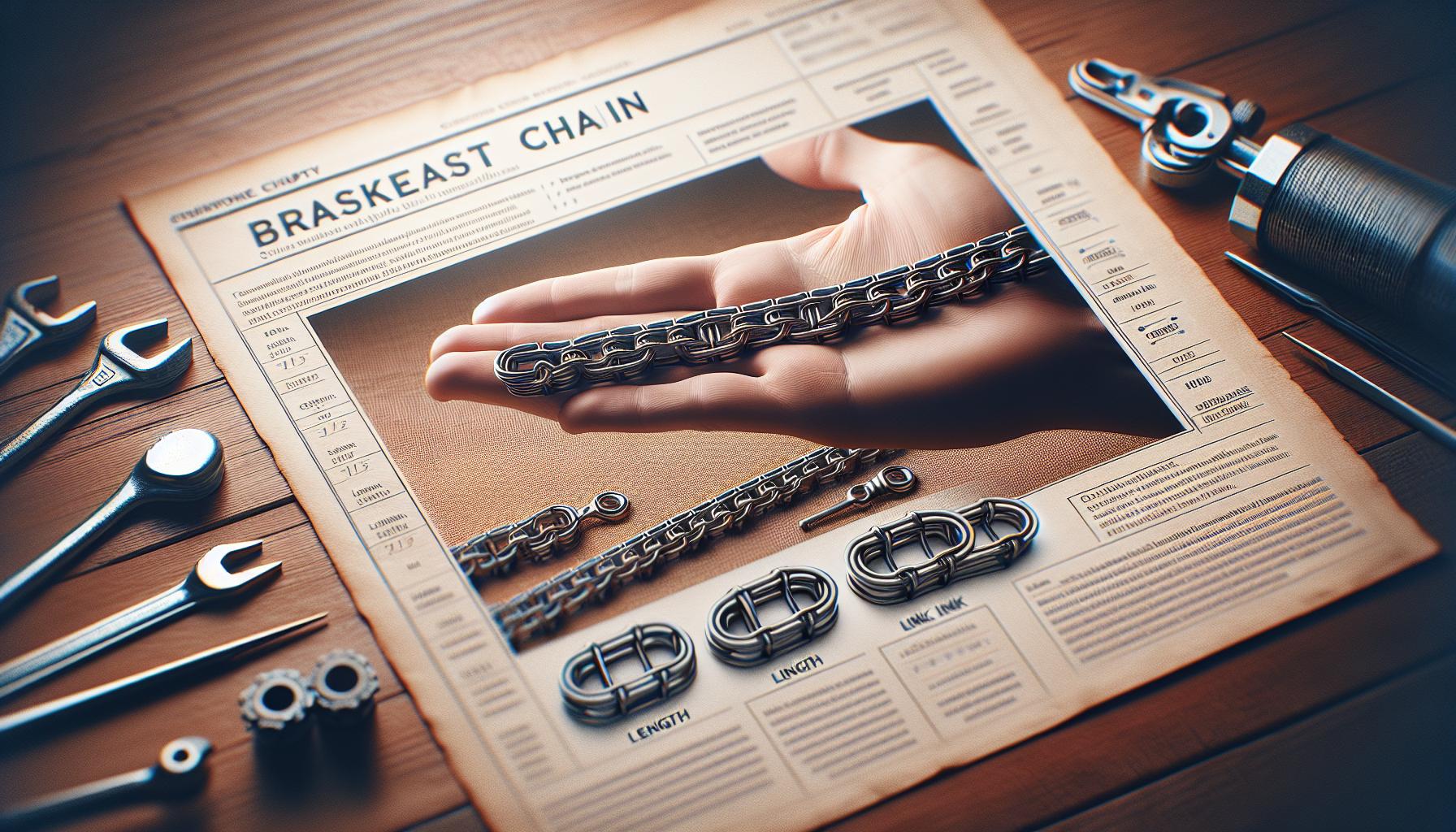
Basket Chains: Understanding Lengths and Links
In the realm of disc golf, the functionality of basket chains is paramount to ensuring a consistent and rewarding playing experience. The ideal chain length and configuration can significantly influence how well discs are caught in the basket, making it essential for players to understand the mechanics behind chain specifications. Chains typically come in various lengths, generally ranging from 18 to 24 inches, with most baskets employing a combination of inner and outer chains to maximize catchability. The longer the chain, the more movement it can provide, which is crucial for absorbing the impact of a disc, thus helping it drop cleanly into the basket.
When selecting a chain for your disc golf basket, consider how different lengths interact with disc flight characteristics. A chain that is too short may not absorb enough energy, leading to a higher chance of bounce-outs, especially with high-speed throws. Meanwhile, an optimal length allows for a more forgiving interaction with the disc, encouraging it to settle inside the basket rather than rebound away. The configuration-whether straight or angled-also plays a vital role in how effectively chains can catch discs. Having a well-thought-out arrangement can enhance the likelihood of successful captures while reducing frustrating misses.
Moreover, the material of the chains greatly affects their performance under varying weather conditions; rust-resistant materials or those with special coatings are usually preferred for longevity. As you explore your options, keep in mind that baskets designed with links that are thicker and closer together tend to perform better in rainy conditions or during winter play, where reliability becomes key. Understanding these specifics can aid in making informed decisions about which basket chains will best suit your playing style and environment, ensuring that your gear serves you well on the course.
It’s not just about performance, though; a robust understanding of how chains work contributes to the overall enjoyment of the game. Novice players will find that investing time in this knowledge will translate to improved game performance and strategy, while seasoned players can optimize their equipment choices to gain that competitive edge on the course. Embrace this technical aspect of the game and celebrate the science that enhances your disc golf experience!
Choosing the Right Chain Length for Your Needs
Choosing the right chain length can be the difference between a frustrating round of disc golf and a satisfying, rewarding experience. The interaction between your disc and the basket’s chains plays a critical role in ensuring successful catches. When selecting chain lengths for your basket, it’s essential to consider how those specifications will affect gameplay. Chains typically range from 18 to 24 inches in length, and each offers unique advantages depending on various factors, including the player’s throwing style and the types of discs used.
Longer chains may provide increased movement, which can enhance the basket’s ability to absorb the impact of incoming discs. This is particularly crucial for players who deliver high-speed throws, as a longer chain effectively reduces the chance of bounce-outs by allowing the disc to settle more gently into the basket. A well-placed chain reduces the impact force, making every putt feel more rewarding. In contrast, shorter chains may not absorb energy as effectively, resulting in frustrating misses that can hinder performance, especially for novice players still mastering their technique.
To help you navigate your options, consider the following factors when choosing chain lengths:
- Disc Type: Different discs behave differently when thrown-overstable discs may require longer chains for optimal catch, while under-stable models can be more forgiving.
- Throwing Style: Power throwers may benefit from longer chains due to the speed and power they generate, while casual players might find shorter lengths sufficient for their game.
- Course Conditions: On hilly or wind-prone courses, a longer chain can help stabilize catches, making it a better choice for those challenging environments.
- Player Experience: Newcomers often prefer a longer chain setup for added forgiveness in catching, while experienced players might opt for a more compact option to refine their skills.
Engaging with local disc golf community members or seeking advice from seasoned players can also provide invaluable insights into which chain lengths work best in specific conditions. By considering these parameters, you not only enhance your own performance but also contribute to the collective knowledge and enjoyment of the sport among your peers. Embracing the technical aspects of basket chains will undoubtedly lead to better outcomes on the course, making your disc golf experience not just about play, but about mastering an ever-evolving sport.
Link Materials: Durability and Performance Comparison
Selecting the right materials for basket chains can significantly affect both durability and performance, enhancing every player’s disc golf experience on the course. Chains are primarily made from metal-a material renowned for its strength-but the specific type and treatment of the metal can vary, leading to different outcomes regarding longevity and functionality. For instance, galvanized steel chains resist rust and corrosion, making them ideal for outdoor courses exposed to moisture. Stainless steel offers even greater durability and a slicker surface, reducing friction to improve catch rates during gameplay.
In terms of performance, the thickness of the chain links also matters greatly. Thicker links may provide additional resistance against impact, enhancing the basket’s ability to catch and secure spinning discs. However, they can also result in a less forgiving catch, particularly for players who might not hit the target perfectly. Conversely, thinner links, while more forgiving due to their flexibility, may wear out faster and could require more frequent replacement. Finding a balance in link thickness is key; too thick, and you risk bouncing discs; too thin, and you compromise durability.
The intricate design of links also influences performance, with some baskets featuring additional features like beaded or polymer-coated chains to enhance catching ability. These innovations can significantly alter how discs interact with the chains, making them worth considering for players focused on improving their putting game. Furthermore, the configuration of the links can impact how well the chains catch discs; a more dispersed pattern allows for better spread upon impact, which distributes the energy and helps secure the disc rather than allowing it to bounce out.
When choosing chains, players should also consider their course conditions. Baskets located in high-traffic areas or exposed to harsh weather may benefit from more robust materials, while those in sheltered locations might prioritize performance characteristics. Engaging with fellow players or consulting with local retailers can provide insights into which materials have proven most effective in specific environments, further enhancing your ability to choose wisely for long-term satisfaction and success on the course.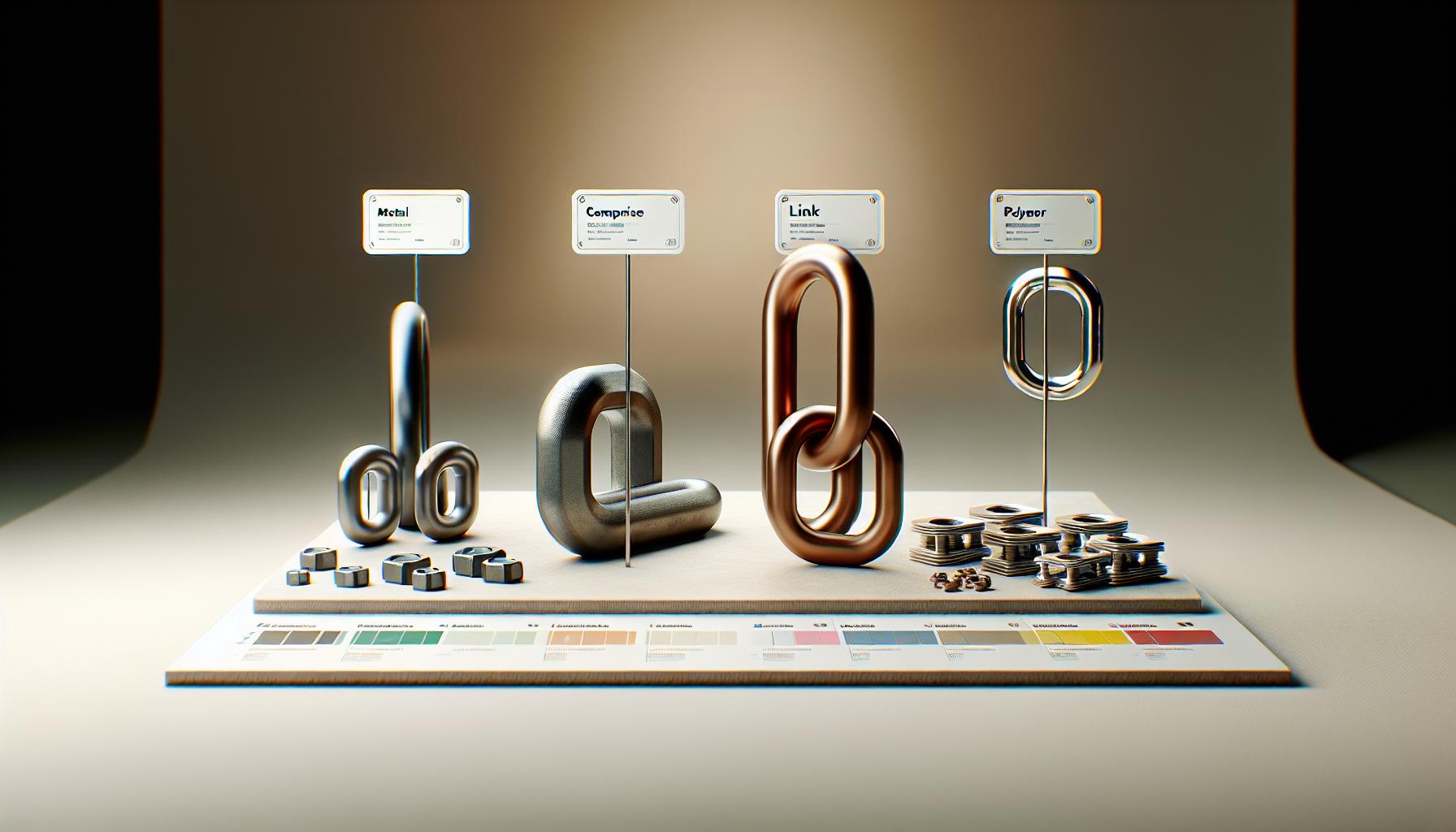
Common Basket Chain Specifications Explained
In disc golf, understanding the specifications of basket chains is crucial for both performance and enjoyment of the game. The design and properties of the chains profoundly influence how well the basket catches the discs, and various specifications can dramatically affect gameplay. Key specifications include the length, link thickness, and the chain layout, each playing a unique role in how baskets perform in various conditions.
Chain Length and Thickness
The length of individual chain links typically varies, but most baskets use links between 3 to 5 inches. This length ensures a good balance between catchability and durability. Moreover, the thickness of these links often ranges from 3/16 inch to 1/4 inch in diameter. Thicker links can withstand heavier impacts, making them a solid choice for high-traffic courses where discs frequently come in fast and hard. However, this increased thickness can also lead to a stiffer catch, potentially causing well-placed putts to bounce out if not perfectly aligned.
Chain Configuration
The arrangement of the chains within the basket can also affect catch rates. A common configuration is the “2-1” pattern, where two rows of chains hang in a diagonal or criss-cross manner. This design is favored as it maximizes the surface area that interacts with incoming discs, which helps absorb energy and reduces the likelihood of discs rebounding back into the air. Additionally, some baskets utilize staggered or staggered-chain arrangements, encouraging better distribution of force across the chains upon impact.
Durability Considerations
When exploring basket chain specifications, consider the environmental factors they’ll face. Baskets in humid or rainy climates should opt for galvanized or stainless steel chains to prevent rust and deterioration. Conversely, players on courses with dry conditions might prioritize chains that offer enhanced performance characteristics over durability. For instance, some players may find that lighter chains made from softer metals provide a satisfying catch at the cost of longevity.
By selecting the right specifications for basket chains, players can tailor their disc golf experience, catering not only to personal preferences but also to the unique challenges posed by their local courses. Adapting your equipment to match your playing style and course conditions can enhance your overall game and enjoyment while supporting the growth of this dynamic and engaging sport.
How Chain Length Affects Disc Golf Game
In the world of disc golf, the length of basket chain links plays a more significant role in gameplay than many might realize. Players often underestimate how the nuances in chain length can affect their putting performance and overall success on the course. Generally, chains that are set at lengths between 3 to 5 inches provide an ideal mix of catchability while ensuring durability, striking a balance that is crucial, especially on high-traffic courses.
The impact of chain length becomes apparent during critical moments on the putting green. Shorter links tend to create a tighter catch, which can be beneficial for quick rebounds and reducing the chance of discs bouncing out. However, they may also limit the overall movement of the chain and reduce its ability to absorb energy from the disc. Conversely, longer chains allow for more movement and give the basket the ability to soften the impact of fast-approaching discs. This elasticity can aid in better absorption of speed, which often leads to a more reliable catch, especially important for players looking to sink those crucial putts under pressure.
Ultimately, understanding how chain length interacts with disc dynamics can be a game-changer for players of all skill levels. For beginners, experimenting with different basket types on practice courses can offer valuable insights into one’s putting style and preferences. More advanced players might delve into the physics of their tomahawk throws or hyzer putts to benchmark how different chain lengths affect their specific throwing dynamics. By adapting equipment choices-whether through chain length, thickness, or configuration-players enhance not just personal performance but also contribute to the broader community’s understanding of this exciting sport. Emphasizing the importance of chain links and their specifications fosters a deeper appreciation of disc golf, allowing both newcomers and seasoned competitors to thrive in this engaging athletic pursuit.
Maintenance Tips for Basket Chains and Links
Regular maintenance of basket chains and links is essential for ensuring optimal performance and longevity in your disc golf equipment. Much like how athletes warm up before a game, your basket requires a bit of attention to keep it in top shape. Chains that are well-maintained are crucial for consistent catch rates and can significantly influence your putting success on the course.
To start, inspecting your chains regularly is key. Look for any signs of rust, wear, or damage that could affect performance. Rusted links can lead to a noisy catch and may even hinder disc absorption, affecting how well your putts stick. Perform a visual and tactile check: run your fingers along the links to feel for any rough spots or breaks. If you notice significant deterioration, it may be time to replace individual links or consider a new chain setup altogether.
Another vital aspect of maintenance is cleaning your chains. Over time, dirt and debris can accumulate and impede the chain’s movement. A simple solution is to use a mixture of warm water and mild soap. With a soft cloth or sponge, gently wash the links, being careful not to damage the finish. Rinse thoroughly to remove any soap residue, which can become slippery when wet, and allow the chains to dry completely to prevent rust. For an added protective layer, consider applying a light coat of silicone spray to repel moisture and enhance glide.
Finally, tightening loose links can be a straightforward yet impactful maintenance step. A loose chain link can lead to inconsistent catching behavior and diminish your basket’s efficiency. Using a wrench or pliers, ensure all connections are snug but not overly tight, as this could hinder movement. Keeping everything in its optimal position will ensure that your basket can effectively absorb the speed of oncoming discs, ultimately supporting your game when every putt counts.
By adopting these maintenance tips, you can enhance the longevity and performance of your basket chains, helping you to stay focused on your game rather than worrying about your equipment. Investing this time into your gear pays off, especially as you go to sink those key putts under pressure; a well-cared-for basket can make all the difference in a close match.
Innovative Features in Modern Basket Chains
Modern basket chains have undergone significant innovation, enhancing not just their aesthetic appeal but also their performance on the disc golf course. The latest designs incorporate features that improve catchability, durability, and resistance to wear in various weather conditions, making them essential for both casual players and serious competitors.
One standout innovation is the use of anti-wobble technology, which stabilizes the chain system and minimizes side-to-side movement. This is particularly beneficial on windy days when traditional chains might allow discs to bounce out. Discs are designed to hit at different angles, and with advanced configurations, the alignment of chains ensures that catches remain reliable, enhancing your putting confidence.
Another exciting feature is the incorporation of weather-resistant materials. High-grade stainless steel links and advanced coatings are now standard in many premium chains, providing protection against rust and ensuring longevity even when exposed to rain and humidity. This durability allows players to focus on their game, knowing their equipment can withstand the elements.
Additionally, some modern baskets now offer multi-layered chains in varying lengths, which can be customized based on the thrower’s skill level and throwing style. For beginners, a longer, denser chain configuration might help catch discs more effectively, while experienced players might prefer a setup that emphasizes speed and precision. This versatility ensures that players of all levels can find the right balance for their personal play style.
Furthermore, innovative designs often feature color-coded links or markings that help players quickly assess chain condition from a distance. This allows for proactive maintenance and immediate responses to any visible wear, enhancing the overall playing experience. As these features evolve, it becomes increasingly important for each player to understand and choose the basket chain configuration that best supports their gameplay, making informed decisions that improve their scores and overall enjoyment of the sport.
Chain Configuration Options for Maximum Catch Rate
Choosing the right configuration for your disc golf basket chains can dramatically impact your game. The arrangement and density of the chains are critical in maximizing catch rates-ensuring that your disc sticks and doesn’t pop out upon impact. Experts suggest that a multi-layered chain design, often incorporating both longer and shorter links, provides the best chance of catching discs that approach at various angles.
In particular, if you’re transitioning from a beginner to an intermediate level, consider utilizing baskets with a denser chain configuration. This setup can absorb high-speed throws more effectively, minimizing the chance of rebounds. It is also beneficial in conditions where wind can interfere with disc flight, as a more robust chain will better handle irregular impacts. On the other hand, advanced players might prefer configurations that favor fewer, strategically angled chains, which can enhance precision for well-placed throws.
When evaluating different chain setups, pay attention to the spacing and alignment across layers. Chains that are too far apart may allow discs to pass through, while those that are too close might create a tunnel effect, reducing catch efficiency. A balance is essential; thus, testing various configurations in practice rounds can lend insight into what works best for your style.
Ultimately, understanding your throwing mechanics and preferences guides the choice of chain configuration. By selecting the right setup tailored to your game, you’ll boost your confidence in putting and enjoy a more successful round on the course. Whether you are a casual player or a serious competitor, investing thought into chain configuration can lead to tangible improvements in your game.
Basket Chain Standards: What You Need to Know
Understanding the critical role of chain standards in disc golf is essential for players seeking to enhance their game. Chains not only ensure that your disc stays in the basket but also influence how well the basket performs in various conditions. The International Disc Golf Federation (IDGF) has set specific standards for baskets to promote consistency and fairness in the sport, which can significantly affect player performance.
To make informed decisions when choosing a basket, consider the following specifications:
- Chain Count: Most professional baskets have at least 18 chains, but some may feature up to 30. More chains generally enhance catchability, especially for errant throws.
- Chain Length: Chains come in different lengths, typically ranging between 20 to 24 inches. Longer chains can increase the likelihood of a disc catching, while shorter chains might make it easier for a disc to drop early.
- Material and Build: Durable materials like galvanized steel or powder-coated finishes not only help withstand weather conditions but also ensure longevity in tough gaming environments.
- Link Structure: Baskets typically use varying link styles: standard links, wider links, or even a mix. A mixed approach can provide better catch rates, accommodating different disc approaches.
The geometry of the chains matters as well; the design should allow for a broad, inviting area for discs to settle in. The angle at which chains are configured can dictate how well they respond to high-speed throws, making some baskets more suited for advanced players, while others may favor casual competitors.
Ultimately, becoming familiar with these standards empowers players to select a basket that aligns with their playstyle, whether they’re throwing for fun or competing at an elite level. As the sport of disc golf continues to grow, understanding the nuances of basket chain standards not only improves individual performance but also elevates the overall enjoyment of the game.
Comparing Budget vs. Premium Basket Chains
When it comes to selecting the perfect basket chain for your disc golf game, understanding the distinctions between budget and premium options is crucial. Just as in any sporting gear, choosing the right chain set can significantly influence your game experience, whether you’re an enthusiastic beginner or a seasoned competitor. Budget chains may save you money upfront, but often compromise on materials, durability, and performance. Premium chains, while typically pricier, are designed for longevity and superior functionality that can enhance your game substantially.
Budget basket chains generally consist of basic materials, such as lower-quality steel or plastic finishes. These might suffice for casual play or temporary setups but often wear down quickly, lose their catchability, or rust after prolonged exposure to the elements. Players might experience more frustrating misses due to inadequate chain designs. On the other hand, premium chains are crafted from robust materials like galvanized steel with powder-coated finishes that resist corrosion and can endure rough weather and high-demand play conditions.
Performance and Catchability
Performance varies distinctly between budget and premium options as well. Premium baskets usually feature a higher chain count and innovative design elements that improve catchability. For instance, baskets with 30 chains create a wider area for discs to settle, while their optimized link configurations enhance response to off-angle throws. This means that players using premium chains may find that their discs are more likely to stay put, leading to a more consistent and satisfying game.
In conclusion, while budget chains can be appealing for those just starting out, investing in premium chains can elevate the overall experience and reliability of your disc golf bag. As players progress and seek to refine their skills, the advantages offered by higher-quality chains become far more apparent, enabling players to fully enjoy the dynamic challenges of the sport.
Expert Recommendations for Different Skill Levels
When considering the right basket chain for your disc golf game, it’s essential to align your choice with your specific skill level and playing style. There’s a vast array of options available, and understanding what works best for you can enhance your performance and enjoyment on the course.
For Beginners: As a newcomer to disc golf, your primary goal should be to develop a consistent throwing technique while engaging in enjoyable, casual play. For this reason, budget-friendly chains can be an ideal starting point. They often provide sufficient catchability for recreational use and allow you to familiarize yourself with the sport without a significant upfront investment. Look for chains that feature at least 24 links; this configuration typically offers decent functionality and helps improve your skills without overwhelming you.
For Intermediate Players: As you progress, your understanding of throwing mechanics and course strategy will become more sophisticated. Players at this level should consider chains with enhanced materials and construction, as you’ll likely want to practice on more challenging courses. Chains with a higher count, such as 30 links, are recommended as they provide better disc retention and performance. Features like galvanized steel construction and an optimized link setup will help you refine your skills further, allowing for increased confidence as you tackle more advanced techniques and throwing angles.
For Advanced Players: Competitive players should invest in premium basket chains that prioritize durability and performance. At this stage, your game is more localized to precision and strategy, meaning the choice of equipment will significantly impact your performance in tournaments or high-stakes matches. Premium options not only boast robust materials but often include advanced features like interwoven chains designed to maximize catchability from various angles. Consider chains that offer customizable configurations for the best personal fit according to your style of play.
Conclusion: Selecting the right basket chain isn’t merely about cost; it’s about matching the equipment to your developmental stage in the sport. By making informed choices that align with your experience level, you can both enhance your skill set and enjoy the community of disc golf to the fullest. Investing in quality chains as you advance will ensure that your gear grows with you, supporting not only your current needs but also your future aspirations within the sport.
Checklists for Selecting Your Perfect Basket Chain
Selecting the right basket chain can dramatically enhance your disc golfing experience, allowing you to focus on developing your skills while also enjoying a rewarding game. Whether you’re a seasoned player or just starting, having the right specifications tailored to your game can make a world of difference. When evaluating basket chains, consider the following crucial checklists to ensure you make the most informed choice.
Chain Length and Link Count
- Beginner: Look for chains with at least 24 links to balance catchability and cost.
- Intermediate: Aim for 30 links for improved performance and disc retention as you face more challenging courses.
- Advanced: Select chains that offer customizable link configurations and possibly more than 30 links to maximize catchability from diverse angles.
Material and Durability
- Galvanized Steel: This standard material provides excellent weather resistance and durability for all playing conditions.
- Stainless Steel: For a premium choice, stainless steel offers superior resistance to corrosion, ideal for long-term outdoor use.
- Coated Chains: Consider chains with additional coatings to improve visibility and minimize wear over time.
Innovative Features
- Interwoven Chains: Look for baskets that use interwoven chains designed to catch discs effectively from various angles.
- Modular Links: Some chains allow for easy adjustments and replacements, making maintenance simpler.
- Height Configuration: Ensure the basket can accommodate different heights to suit your local course’s standards.
By following these checklists, you can align your choice of basket chains with your skill level, playing style, and the specific challenges you wish to tackle on the course. The journey through disc golf is as much about your personal development as it is about the equipment you use, and with the right basket chain, you’ll create a more enjoyable and effective playing experience.
Frequently asked questions
Q: What is the standard length of basket chains in disc golf?
A: The standard length of basket chains typically ranges from 20 to 30 inches. Choosing the right length can affect catch efficiency, with longer chains often providing more forgiveness on off-center throws. Refer to the Chain Configuration Options for Maximum Catch Rate section for more insights.
Q: How does chain link diameter affect performance?
A: The diameter of chain links can significantly impact performance. Links usually measure between 3/8 inch to 1/2 inch. Thicker links tend to be more durable, while thinner links can improve catchability. Explore the Link Materials: Durability and Performance Comparison for a detailed assessment.
Q: How many chains does a standard disc golf basket have?
A: A standard disc golf basket often features 18 to 24 chains arranged in multiple tiers. This design helps to improve the overall catch rate by providing more surface area for discs to contact. For further details, see the Common Basket Chain Specifications Explained section.
Q: What materials are most commonly used for basket chains?
A: The most common materials for basket chains include galvanized steel and stainless steel. Galvanized steel offers excellent resistance to rust, while stainless steel provides durability and a sleek finish, ideal for varying weather conditions. Check the Link Materials: Durability and Performance Comparison for an in-depth look.
Q: How does chain length influence disc flight characteristics?
A: Chain length can influence the disc flight characteristics by altering how a disc interacts with the chains upon entering the basket. Longer chains can help prevent bounce-outs, enhancing your overall performance. Learn more in the How Chain Length Affects Disc Golf Game section.
Q: What are the maintenance tips for basket chains?
A: Regular maintenance includes inspecting chains for rust and wear, ensuring they are properly tensioned, and cleaning them to remove debris. This prolongs their lifespan and maintains optimal performance. For specific maintenance strategies, refer to the Maintenance Tips for Basket Chains and Links section.
Q: Why are some basket chains more effective than others?
A: The effectiveness of basket chains can depend on various factors, including chain configuration, length, and material. Baskets designed with strategic chain arrangements and high-quality materials tend to capture discs more reliably. Check the Innovative Features in Modern Basket Chains for advanced options.
Q: When should I replace my basket chains?
A: Replace basket chains when you notice significant rust, wear, or sagging. Regular checks will help ensure optimal performance and safety. For a comprehensive checklist, visit the Checklist for Selecting Your Perfect Basket Chain section for detailed signs to watch for.
In Summary
As we wrap up our exploration of “Basket Chains: Length & Link Specifications,” remember that the right basket can significantly enhance your disc golf experience, whether you’re a casual player or aiming for competitive success. If you found this guide helpful, don’t hesitate to check out our related articles on optimal throwing techniques and disc flight characteristics. Understanding these fundamentals will take your game to the next level.
Don’t wait to elevate your game! Explore our basket recommendations and join our newsletter for exclusive insights and updates. If you have any lingering questions about basket specifications or need help choosing the perfect gear, leave a comment below, and our community will help you out. Your journey in disc golf is just beginning-stay informed, stay engaged, and keep throwing!
Get our latest guides, news, and insights highlighted in your Google Search & AI Overviews.