Did you know that the length of the chains on a disc golf basket can significantly impact your game? Selecting the perfect chain setup not only influences how well your disc catches and stays in the basket but also affects your overall putting confidence. In this guide, we’ll explore the ideal number of chains for optimal performance, helping you understand their role in the flight path and landing strategy of your disc. Whether you’re a casual player looking to improve your skills or a serious competitor aiming for that edge, mastering your basket setup is key. Join us as we delve into the nuances of chain lengths, shedding light on how these details can elevate your disc golf experience.
Understanding the Disc Golf Basket Components
Understanding the components of a disc golf basket is crucial for both newcomers and seasoned players aiming to perfect their game. At its core, a disc golf basket consists of several key elements that work together to effectively catch and hold flying discs. The basket itself is typically made of metal wires that form a cylindrical shape with a top, commonly referred to as the “basket” or “target.” This is where discs land after being thrown towards it.
One of the most significant components is the chain assembly, which is comprised of multiple chains hanging in a configuration around the basket’s opening. This is designed to slow down and capture the disc effectively. The ideal number of chains can depend on various factors such as target design and desired catching effectiveness. Baskets with more chains tend to be more forgiving, as they create more contact points that can help deflect or absorb incoming discs, improving overall catch rate.
Moreover, the height and stability of the basket are also crucial components that can affect gameplay. The standard height from the ground to the top of the basket is typically around 1.5 meters (about 5 feet). However, basket height can vary slightly based on course design and player feedback. A well-set basket should be sturdy enough to withstand weather conditions yet designed for optimal gameplay, allowing for a fair challenge for players of all skill levels.
By understanding these components, players can choose the right basket for their needs, whether it’s for casual play in a backyard setup or for serious tournament competition. This insight not only aids in selecting quality equipment but also enhances the overall experience of learning and mastering disc golf.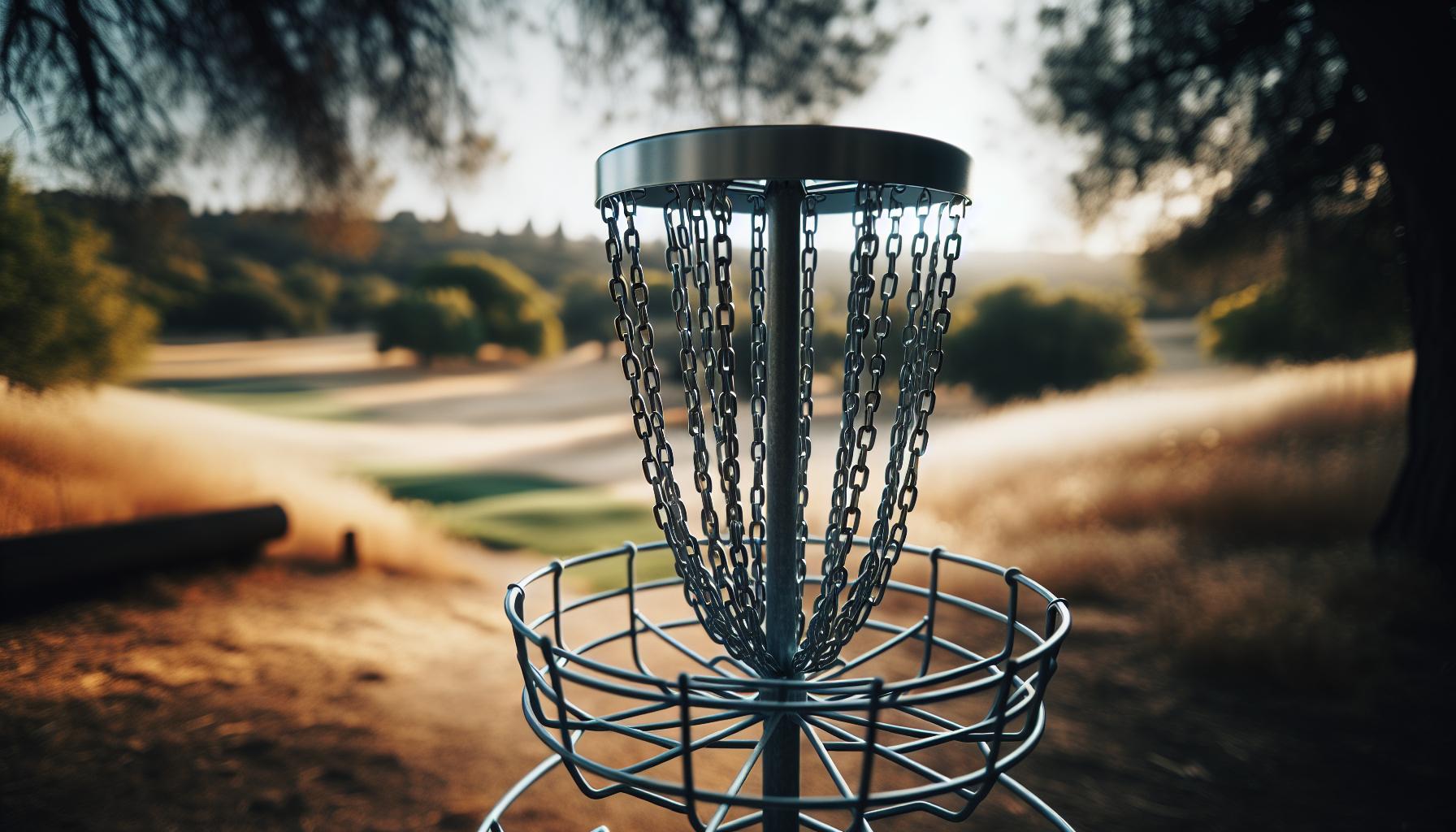
Ideal Chain Length for Disc Golf Baskets
For players of all skill levels, understanding the nuances of chain length on disc golf baskets can significantly enhance their game. The chain assembly is not just a design feature; it’s a critical component that influences how effectively a disc is caught. Typically, baskets come equipped with chains that hang between 18 to 30 inches long. This length is carefully chosen to balance the dynamics of disc flight and catch consistency. Shorter chains may allow for quicker disc deflection, while longer chains can provide a softer landing zone, improving capture rates during play.
A key aspect of chain length is its relationship with the basket’s catch efficiency. When discs approach at varying angles and speeds, the length of the chains contributes to how well the disc interacts with the assembly. Longer chains often absorb more energy from the disc, which can lead to more successful captures, especially in windy conditions or during high-speed throws. This aspect makes the choice of chain length paramount, especially for competitive players looking to minimize missed putts.
Another vital consideration is the configuration of these chains. Some baskets utilize a staggered or layered chain arrangement, which can help prevent the disc from bouncing out after hitting the chains. This setup works best when combined with the ideal chain length, creating a more forgiving target that rewards accurate throwing. If you’re looking to improve your disc golf basket setup, testing different lengths and arrangements can help determine the best configuration for your specific needs and local conditions.
Ultimately, choosing the right chain length is about personal preference and play environment. Newcomers might benefit from longer chains that increase catch reliability, while seasoned competitors may prefer shorter lengths for a challenge. Tailoring your basket choice to your throwing style can elevate your disc golf experience from a casual hobby to a competitive pursuit, solidifying your skills and confidence on the course.
How Chain Configuration Affects Disc Capture
When it comes to the performance of a disc golf basket, the configuration of the chains plays a pivotal role in determining how effectively a disc is captured. A well-designed chain setup not only enhances the likelihood of successful catches but also influences how players approach their shots. The arrangement and design of the chains can define the overall experience for both casual players and competitive athletes.
Many disc golf baskets utilize a combination of chain formats, including vertical, horizontal, and staggered arrangements. The primary goal of these configurations is to maximize the ability of the chains to catch discs, particularly when they arrive at various angles and speeds. For instance, a staggered chain setup tends to create a more dynamic catch zone, helping to deflect the disc downward more effectively rather than allowing it to ricochet off the front of the basket. By using chains that are suspended at different heights or angles, players can benefit from increased capture reliability, minimizing the chances of a disc bouncing out.
In addition to the configuration style, the density of chains used is another crucial factor. Baskets with more chains generally provide a greater opportunity for discs to make contact and ‘stick’ upon entry. However, it’s essential to strike a balance; overly dense chains can cause a phenomenon known as ‘chain-wobble,’ where too much movement can lead to reduced catch efficiency. Thus, experimenting with varying numbers of chains and observing their impact can be an enlightening exercise for players looking to optimize their personal or course setup.
Ultimately, understanding these configurations allows players to tailor their throws and strategies more effectively. For beginners, choosing baskets with forgiving chain setups can help build confidence, while advanced players might opt for more challenging configurations that encourage precision and skill refinement. A deep appreciation for how chain design influences play not only enhances individual performance but also contributes to the overall enjoyment and progression of the sport. By embracing the technical aspects of disc golf basket construction, players can elevate their game and elevate the competitive standard within their community.
Factors Influencing Disc Golf Basket Height
When it comes to disc golf, the height of the basket can significantly impact gameplay and player performance. Understanding how basket height influences both casual play and competitive dynamics is crucial for course designers and players alike. Typically, a standard disc golf basket is set at a height of 52 inches from the ground to the top of the rim, a measurement that has become widely accepted in professional and competitive settings. However, several factors can play a role in determining if this height is appropriate or if adjustments are needed.
One of the primary influences on basket height is the skill level of the players using the course. For beginner-friendly courses, slightly lower baskets can help learners build confidence by making successful putts more attainable. This encourages beginners to engage with the sport without the intimidation of higher, more demanding targets. Conversely, competitive players may benefit from standard or higher basket setups, challenging them to enhance their precision and control.
Additionally, environmental factors such as terrain and wind conditions must also be considered. In areas with strong winds, a higher basket can help minimize the effect of gusts on disc flight, offering players a stable target. Moreover, courses located in wooded or hilly regions may necessitate adjustments for visibility and accessibility, ensuring players can easily approach the basket after their throw.
Ultimately, finding the perfect basket height involves a balance between accommodating skill levels and meeting environmental challenges. For course designers, experimenting with various height configurations during the planning stage can yield valuable insights. By engaging the community and gathering feedback, designers can ensure that their courses cater to a diverse range of players, enhancing both enjoyment and performance across all skill levels.
Perfecting Your Disc Golf Basket Setup
To achieve the optimal disc golf basket setup, understanding the critical balance between the components of design and functionality is essential. Disc golf baskets, particularly their chains, are integral in ensuring successful disc capture, and selecting the appropriate quantity can make a significant difference in gameplay. Generally, the consensus among players is that a minimum of 12 chains is recommended for effective performance; however, more complex baskets incorporate additional chains for improved catching efficiency.
The arrangement and type of chains used in a basket can drastically influence how well it captures incoming discs. Traditional shapes like the “double chain” design, which combines both inner and outer arrangements, often outperform single chain setups by providing enhanced depth and resilience against missed putts. This is particularly beneficial when accounting for the varying throwing techniques and disc types players use; a broader setup helps reduce the chances of disc bounce-outs, which can be frustrating and detrimental to a player’s score.
When perfecting your basket setup, consider essential factors such as placement, accessibility, and visibility. Positioning the basket too close to trees or obstacles can create complications during play, leading to fewer successful putts and a less enjoyable experience overall. Additionally, community involvement in basket placement decisions can enhance player satisfaction, ensuring that feedback from diverse skill levels is taken into account.
Maintenance also plays a crucial role in ensuring that the basket continues to perform well over time. Regular checks on chain integrity, ensuring there are no dislocations, and that the basket remains securely anchored will help maintain optimal functionality. A well-maintained basket not only captures discs effectively but also stands as a reliable target for players at all skill levels, affirming the legitimacy and growth of disc golf as a popular sport.
Overall, refining your disc golf basket setup is about understanding the unique dynamics at play within the game-it’s an intersection of equipment, course design, and community engagement that shapes the player experience. Embracing these elements and seeking continuous improvement will elevate both casual rounds and competitive play, fostering a vibrant disc golf culture.
The Science Behind Effective Disc Catching
The mechanics of disc catching are as much about physics as they are about design. When a disc approaches a basket, a host of factors-including speed, angle, and the specific design of the basket-come into play, making the role of chains crucial. Research shows that baskets with optimal chain configurations can dramatically increase the likelihood of successful putts. With a traditional double-chain configuration, the depth and angle of the chains allow the disc to be effectively slowed down, reducing bounce-outs and ensuring that discs find their way into the basket more consistently.
The ideal chain length for disc golf baskets is generally around 18 inches. This length strikes a balance between allowing the chains to capture the disc effectively while preventing them from resounding too loudly upon impact. Chains that are too short may not adequately redirect a disc traveling toward the basket, while overly long chains can introduce excessive slack, leading to unpredictable catches. Maintaining a stable, consistent chain length across your basket setup is fundamental to promoting reliability in gameplay.
Another vital aspect of disc catching is understanding how different types of throws, such as hyzer or anhyzer angles, influence how discs interact with the basket. When a disc approaches at varying angles, the configuration (or orientation) of the chains can make a significant difference in how well a disc is captured. For instance, a greater number of inner chains can catch a disc that’s coming in with a lower angle, often seen when players attempt to throw from further distances. Elevating baskets slightly can also enhance catch rates by allowing discs more room to settle into the chains rather than glancing off at odd angles.
Lastly, continuous engagement with the disc golf community provides invaluable insights into effective catching strategies and preferred equipment. Players often share anecdotes about their experiences, revealing what configurations and setups have yielded better success rates in their local courses. Gathering this community wisdom, combined with a nuanced understanding of the science of disc catching, is essential for honing one’s game and making well-informed decisions when selecting or maintaining equipment.
Choosing the Right Basket for Your Needs
Choosing the right disc golf basket for your needs can significantly affect your gameplay and practice sessions. With various brands, designs, and features available, finding the perfect basket often comes down to your skill level, course requirements, and personal preferences. One pivotal consideration is the number of chains; while most baskets have a standard configuration ranging from 18 to 25 chains, baskets with additional inner chains can provide improved capture rates, enhancing your disc-catching success during practice or competition.
When evaluating baskets, it’s essential to match the basket type with its intended use. For instance, permanent installations on a disc golf course typically feature heavy-duty models designed for the outdoors. These baskets weather the elements and stand the test of time. Conversely, if you’re looking for a portable option to take to different locations or use in casual play, lightweight models that can be easily assembled and disassembled are ideal. You might also consider baskets that cater to specific training needs, such as those designed with wider openings or adjustable heights for honing accuracy.
Another aspect to think about is the budget. Disc golf baskets can commonly range from $100 to over $500, depending on the brand and features. It’s wise to tap into community wisdom, as many experienced players are keen to share their insights on what baskets have proven effective in various settings. Visit local courses, check out reviews online, and don’t hesitate to ask for recommendations from fellow disc golfers; their experiences can guide you toward making a more informed decision.
Moreover, when making your choice, pay attention to the aesthetic elements. A basket that complements your home course or fits well with your backyard setup can enhance your practice environment, making it more enjoyable. Whether you prioritize durability, portability, or chain configuration, selecting the right basket tailored to your needs will elevate both your skills and enjoyment of the sport.
Comparing Different Disc Golf Basket Brands
When diving into the world of disc golf, selecting the right basket can be as crucial as perfecting your throwing technique. With a plethora of brands available, each offering unique features and performance metrics, understanding how they compare can elevate your game. Several popular brands stand out for their quality, performance, and specific designs tailored for various aspects of play.
One of the leading brands in the disc golf basket market is Innova, known for its durable construction and widespread acceptance at tournament-level play. Their baskets typically feature a chain configuration optimized for catching discs effectively, often with 18 to 25 chains depending on the model. The Innova DISCatcher series is particularly revered for its portability and ease of assembly, making it a favorite for casual players and serious competitors alike.
Another notable manufacturer is Dynamic Discs, whose Dynamic Discs Recruit model combines affordability with solid performance. It has a unique chain arrangement that enhances disc capture while being lightweight enough to transport easily. Many players appreciate how this basket performs under various conditions, proving its reliability as both a practice tool and an addition to a course setup.
MVP Disc Sports introduces a distinctive approach with their MVP Black Hole series, emphasizing a unique aesthetic and advanced engineering. The chain configuration is meticulously designed to provide consistent catching for both putters and drivers, making them a fantastic choice for competitive scenarios. The MVP baskets also feature a powder-coated finish that ensures they stand up against wear and the elements, appealing to outdoor installations.
In the realm of permanent baskets, Prodigy Disc offers models such as the Prodigy T3 that shine in stability and aesthetics. With a robust design, it not only holds up to rigorous use but also maintains a visually appealing presence on any course. Their specific focus on enhanced chain dynamics caters to players who understand that capturing the disc effectively can make a significant difference in their game.
When comparing these brands, consider factors such as weight, portability, price, and most importantly, chain configuration. A thorough understanding of the unique characteristics of each model can lead to optimal performance in tournaments or casual play. Visiting local courses, observing the baskets in use, and engaging with other players about their experiences can also provide invaluable insights, allowing you to make an informed choice that aligns best with your personal disc golfing style and needs.
Community Insights: Best Basket Setups
When it comes to setting up the ideal disc golf basket, insights from the community can be invaluable in shaping your decisions. A well-executed basket installation can significantly enhance your game, ensuring your discs are caught effectively and consistently. Many players emphasize the importance of chain configuration; a common insight is that having chains arranged in an overlapping pattern can improve disc capture rates. Most players recommend baskets with 18 to 30 chains, as this provides a balance between cost, weight, and performance.
Practical setups often vary based on local course conditions and the skill levels of players. For instance, at our local park, several players have adapted their baskets by adding mesh nets below the chains to catch any missed putts, minimizing frustrating rollaways. Others have taken to customizing their baskets with bright color paint to improve visibility from far away, enhancing the playability for newcomers. Communities often share tips on forums about which setups yield the best results for certain throwing styles and conditions, such as wind or rain.
Another interesting observation from the field is the versatility of portable baskets among casual players. Many disc golfers appreciate models like the Innova DISCatcher Lite for their easy transport to different locations, allowing skill practice in varied settings. Portable baskets are often set up with makeshift targets during local tournaments or friendly matches. The consensus is that regular use of different baskets not only sharpens putting skills but also helps players understand how varying chains and configurations can affect their throw.
Ultimately, your choice of basket setup should reflect your playing style, course conditions, and personal preferences. Engaging with fellow players and sharing experiences regarding your setups can dramatically influence your understanding of disc dynamics and enhance your overall disc golf experience. By continually learning and adapting, you can ensure your basket not only meets your practical needs but also contributes to a deeper engagement with this ever-evolving sport.
Tips for Maintaining Your Disc Golf Basket
Maintaining your disc golf basket is crucial for ensuring optimal performance and longevity, particularly if you want to make the most of your tournament practice or casual play. A well-kept basket not only enhances your game but can also make your course more enjoyable for others. Here are some practical tips to help you keep your basket in top shape.
Start with regular inspections. Periodically check the chain configuration and overall stability of your basket. Look for any signs of wear, rust, or damage that could affect its functionality. If you notice frayed chains or loose components, consider replacing or tightening them promptly to maintain proper disc capture effectiveness. Adjustments and repairs can often be made easily with basic tools, ensuring your basket retains a professional standard of performance.
It’s also beneficial to clean your basket routinely. Dust and debris can accumulate, especially in outdoor environments, affecting the appearance and performance of the chains. Use a soft cloth or a gentle brush to remove dirt from the basket and chains, and rinse with water if necessary. Avoid harsh chemicals that could corrode or tarnish the metal components. Keeping your basket clean not only improves its longevity but also enhances its appearance, making it visually appealing to both you and fellow players.
Additionally, consider the environment where your basket is placed. If it’s left outdoors, aspects like rain and sunlight can take a toll. When possible, cover your basket when not in use or invest in a high-quality basket that can withstand various weather conditions. For those with portable setups, ensure you store the basket in a dry area, and be cautious of how it’s transported to avoid dents or scratches.
Finally, engage with your disc golf community. Share tips and experiences about best maintenance practices and potential upgrades with fellow players. Collaborating on upkeep or participating in community clean-up days can foster friendships while ensuring that local baskets remain in excellent condition. Ultimately, regular maintenance of your disc golf basket will not only enhance your game but contribute to the overall quality and enjoyment of the disc golf environment.
Common Mistakes in Basket Setup and Use
When setting up a disc golf basket, many enthusiasts overlook critical elements that can significantly affect both gameplay and safety. A common mistake is neglecting the height at which the basket is installed. The PDGA has specific regulations regarding basket height, which stipulate that the top of the basket rim must be 1.2 meters (approximately 4 feet) off the ground. Failing to adhere to this standard can create inconsistencies in gameplay, as players often encounter baskets that are either too high or too low, which may not accurately reflect typical playing conditions. Setting the basket at the proper height is essential for equal play across courses, so always double-check the installation specifications before securing your basket.
Another frequent error is placing the basket in areas with inadequate drainage or high foot traffic. Instead of opting for a picturesque setting, consider the practicalities of the location. A basket positioned in muddy patches can be detrimental to both players and the basket itself. Over time, moisture can lead to mold and rust on the chains and frame. Aim to position your basket on a well-drained surface, enhancing both the durability of the equipment and the overall experience for players.
In addition, chain configuration plays a vital role in the effectiveness of disc capture. Many new players or casual installers may overlook the importance of ensuring the chains are evenly distributed. Incorrect chain lengths can lead to a less consistent catching experience, resulting in discs bouncing out more frequently than they should. Ideally, there should be a balanced distribution of chains that allows for optimal capturing from multiple angles. If you’re investing in a quality basket, take time to arrange the chains per the manufacturer’s recommendations for the best results.
Finally, do not underestimate the power of surrounding vegetation. Placing a basket near trees or thick brush can obstruct throws and lead to frustrating gameplay. While it might seem inviting to have natural obstacles add to your course’s challenge, too many can diminish the enjoyment for players who may lack the experience or skills to navigate such hazards. Consider the overall design of your course and balance obstacles wisely to ensure a fun and challenging game.
By avoiding these common mistakes, you’ll not only improve your setup but also contribute to a more enjoyable environment for players at all levels. Whether you’re a novice or a seasoned pro, the right setup can make all the difference in performance and enjoyment when playing disc golf.
Transforming Your Course with the Right Baskets
To elevate your disc golf course from a basic layout to a destination for enthusiasts of all skill levels, the selection and strategic placement of baskets is paramount. The right baskets not only enhance gameplay but also elevate the visual appeal of your course, contributing to a well-rounded disc golf experience. Investing in high-quality baskets with optimal chain configurations can severely impact disc capture efficiency, leading to a more satisfying experience for both recreational players and serious competitors.
When it comes to chain length and configuration, a common standard is the use of 18 chains, typically configured in a two-tier arrangement. This setup ensures that discs are caught effectively at varying angles, minimizing the chances of bounce-outs and enhancing player confidence during every throw. A well-designed basket should feature chains that are spaced appropriately to create a forgiving but consistent catching area. Given the nuances of disc flight dynamics, incorporating a basket with a longer chain length can also be beneficial in slowing down the disc’s momentum, thus promoting a reliable catch.
Consider the conditions that your course will face. Will the location be subjected to weather elements or high foot traffic? Selecting baskets that are durable and weather-resistant is crucial. For instance, baskets made from galvanized steel not only resist rust but also stand up well against the physical demands of frequent use. Permanent baskets, such as those recommended by the community, often offer the best long-term investment for dedicated courses, while portable options may be ideal for temporary setups or casual play environments.
In the realm of course transformation, engaging community input can provide invaluable insights. Host discussions or surveys with local players about their preferences and experiences with different baskets. You might find that specific styles or brands stand out as local favorites for their performance or durability. Moreover, integrating feedback when selecting new baskets can strengthen community ties and enhance player satisfaction, as it reflects a collective investment in the course’s development.
By taking careful consideration of basket types, chain configurations, and the input of your disc golf community, you can greatly transform your course. A well-structured and designed layout promotes not only competitive play but also fosters growth in the sport itself, allowing both novices and seasoned players to enjoy the vibrant pastime of disc golf in an optimal setting.
FAQ
Q: How many chains are typically used in a disc golf basket?
A: Most disc golf baskets use 18 chains arranged in a double-layered configuration. This design enhances disc capture by providing multiple points of contact, improving the chances of catching discs of varying sizes and weights as they fall into the basket.
Q: What is the ideal chain length for maximizing disc capture in a basket?
A: The ideal chain length for disc golf baskets is usually around 22 to 24 inches. This length strikes a balance between allowing discs to enter the basket easily and preventing them from slipping through the chains during play. For more details, check the Ideal Chain Length for Disc Golf Baskets section of the article.
Q: How does the chain configuration affect disc catching?
A: Chain configuration greatly impacts disc catching effectiveness. A double chain configuration ensures greater surface coverage and reduces the likelihood of discs bouncing out, which is a common issue with single-chain setups. Explore how these aspects influence gameplay in the How Chain Configuration Affects Disc Capture section.
Q: What factors should I consider when setting my disc golf basket height?
A: The recommended height for a disc golf basket is between 30 to 36 inches from the ground. Factors such as local regulations, terrain, and player skill levels should be considered. For more detailed advice, refer to the Factors Influencing Disc Golf Basket Height section.
Q: Why is the placement of a disc golf basket important in course design?
A: The placement of a disc golf basket is crucial as it affects playability and challenge. Considerations include wind patterns, elevation changes, and nearby obstacles. Proper placement can enhance the overall course experience for players, which is elaborated on in the Perfecting Your Disc Golf Basket Setup section.
Q: Can the type of chains used in a disc golf basket change gameplay dynamics?
A: Yes, different types of chains, such as shorter, thicker, or even lighter versions, can influence gameplay by changing how discs interact with the basket. Thicker chains may absorb more impact, while lighter chains can allow for a quicker rebound. More on this is available in the Science Behind Effective Disc Catching section.
Q: What maintenance tips should I follow for my disc golf basket?
A: Regular maintenance includes inspecting and tightening chains, cleaning the basket from debris, and ensuring the pole is stable. Check for rust or wear over time to prolong the lifespan of your basket and maintain its performance. For comprehensive tips, see the Tips for Maintaining Your Disc Golf Basket section.
Q: Are there any common mistakes to avoid when setting up a disc golf basket?
A: Yes, common mistakes include incorrect height placement, inadequate chain tension, and overlooking the surrounding landscape. Ensuring proper setup will enhance gameplay and improve the overall experience. For more insights, visit the Common Mistakes in Basket Setup and Use section.
Final Thoughts
As we wrap up our exploration of how many chains for a disc golf basket represent the perfect length setup, remember that the right configuration not only enhances your game but also boosts your confidence on the course. If you’re still wondering about the ideal chain count or how to improve your disc flight and throwing techniques, check out our detailed guides on disc flight dynamics and throwing mechanics.
Don’t let uncertainty hold you back-enhance your disc golf experience today. Explore our resources and connect with the community; whether you’re a seasoned pro or just starting, there’s something here for everyone. Be sure to subscribe to our newsletter for the latest insights and tips delivered straight to your inbox. We want to hear from you, so share your experiences or questions in the comments below, and let’s grow together in this exciting sport!
Get our latest guides, news, and insights highlighted in your Google Search & AI Overviews.