Did you know that a simple dye job can transform your disc golf game? Custom dyed discs not only showcase your creativity but also help identify your discs on the course. As disc golf continues to grow in popularity, players are increasingly looking for ways to personalize their gear. Understanding what materials to use for dyeing your discs is essential for achieving vibrant, lasting colors without compromising performance.
Whether you’re a newcomer eager to make a statement or a seasoned competitor seeking an edge, the right dye can extend the life of your discs while making them stand out. In this guide, we will explore the types of dyes available, their application techniques, and best practices to ensure your dyed discs not only look great but also fly true. Get ready to elevate your game and showcase your style-let’s dive into the world of disc golf dye materials!
Choosing the Right Dye for Disc Golf Discs
Choosing the right dye for your disc golf discs can significantly impact both the aesthetic appeal and the performance of your discs. With a variety of dye options available, it’s essential to understand how different materials behave on various disc plastics. The most commonly used dyes in the disc golf community include fabric dyes, liquid dyes, and specialized disc dyeing kits. Each choice offers unique coloring capabilities, which can affect not only the vividness of the color but also the disc’s grip and weight distribution.
When selecting a dye, consider the base material of your disc. Most disc golf discs are made from different types of plastic, including Durability Rated plastics like Pro, Premium, and Soft. Each of these materials reacts differently to dyeing. For instance, polyethylene (used in many lower-cost discs) takes dye well but may not hold the color as deeply, while more rugged materials might require specific types of dyes that can permeate the plastic adequately. Consequently, it’s wise to test a small area or a spare disc before committing to an entire design.
For those new to dyeing, starting with a simple liquid dye is a practical choice. These dyes are easy to apply and can yield vibrant results when done correctly. Specialized disc dyeing kits often come with everything you need, including gloves, gloves for safety, and instructions, making them user-friendly for those who may feel intimidated by the process. Remember to also check the manufacturer’s recommendations, as some brands offer their own dye products which are designed specifically for their discs.
Beyond the materials used in dyes, it’s also crucial to consider factors such as heat application, time, and dyeing environment, which can all affect the final outcome. Combining the right dye with appropriate techniques ensures that your discs not only look exceptional but also maintain their performance attributes on the course.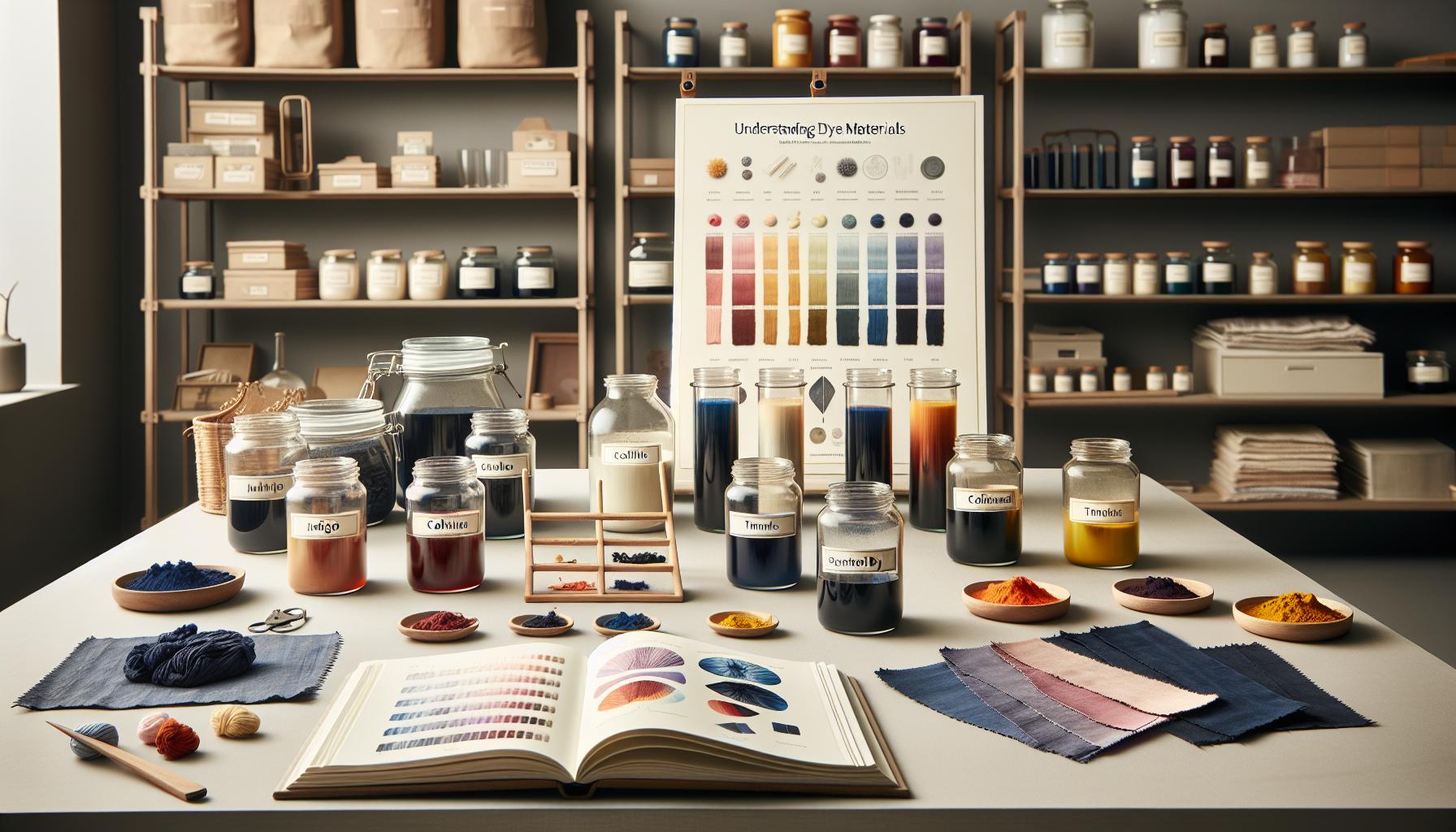
Understanding Dye Materials and Their Properties
Choosing the right dye for your disc golf discs can feel daunting given the variety of materials and options available. Understanding how different dye materials interact with various disc plastics is essential for achieving vibrant colors that are long-lasting and aesthetically pleasing. Most commonly, disc golf players utilize synthetic dyes due to their stability and durability when applied to high-density plastic materials like polyethylene or blended plastics. These materials can be challenging, as they may not absorb dye equally, leading to uneven coloration if not approached correctly.
The primary dye options are liquid dyes and powder dyes. Liquid dyes, such as those offered by ProChem and iDye Poly, are generally user-friendly and provide consistent results. They tend to be easier to apply and manipulate, making them a popular choice for beginners. Conversely, powder dyes typically require a bit more finesse to mix and apply but can yield remarkably vivid results when used correctly. The choice between liquid and powder often comes down to personal preference, desired intensity, and working method.
When selecting a dye, consider the plastic type of your disc. For example, polyethylene discs absorb color differently than premium materials. While lower-cost discs made from polyethylene offer better absorption, they might not hold color as well as more durable options. This is crucial for players who frequently use their discs in various weather conditions, as the wear and tear can affect the longevity of the dye. Testing a small area or an unused disc can save you significant time and resources before committing to an entire design.
Finally, understanding the heat application and environment where dyeing will take place is vital. Different dye materials may require varying degrees of heat to set effectively. Moreover, maintaining a clean and stable workspace helps ensure that dust and contaminants do not ruin your work. With the right combination of dye materials and proper application techniques, you can enhance not just the visual appeal of your discs, but also their grip and overall functionality on the course.
Natural vs. Synthetic Dyes: Pros and Cons
Choosing the right dye for your disc golf discs can dramatically impact both their appearance and performance on the course. When it comes to dye types, the debate often centers around natural versus synthetic dyes. Understanding the advantages and disadvantages of each can help you make an informed decision depending on your goals and preferences.
Natural dyes, derived from plant, mineral, or animal sources, offer a unique appeal. They are generally viewed as environmentally friendly options, with minimal chemical usage. When used correctly, natural dyes can produce beautiful, subtle hues that many find aesthetically pleasing. However, one of the significant challenges with natural dyes is their inconsistency; color fastness can vary based on the disc’s material and the dyeing technique employed. Additionally, achieving vibrant shades can require experimentation and a deep knowledge of dyeing processes, which may be daunting for beginners.
On the other hand, synthetic dyes, such as those from brands like ProChem and iDye Poly, provide greater reliability in terms of color intensity and adherence. These dyes are specially formulated to work with the high-density plastics commonly used in disc golf discs, ensuring a more uniform application. Synthetic options are often easier to handle, making them ideal for novices or players looking for consistent results. However, they sometimes carry concerns regarding environmental impact and toxicity, necessitating careful handling and disposal.
Ultimately, your choice between natural and synthetic dyes should align with your priorities-whether that be eco-friendliness and uniqueness or consistency and ease of use. Testing different dyes on various disc materials may also yield the best insights, allowing you to refine your technique and achieve the perfect look for your discs. Embracing both approaches can offer a delightful challenge and enhance your creativity on and off the course.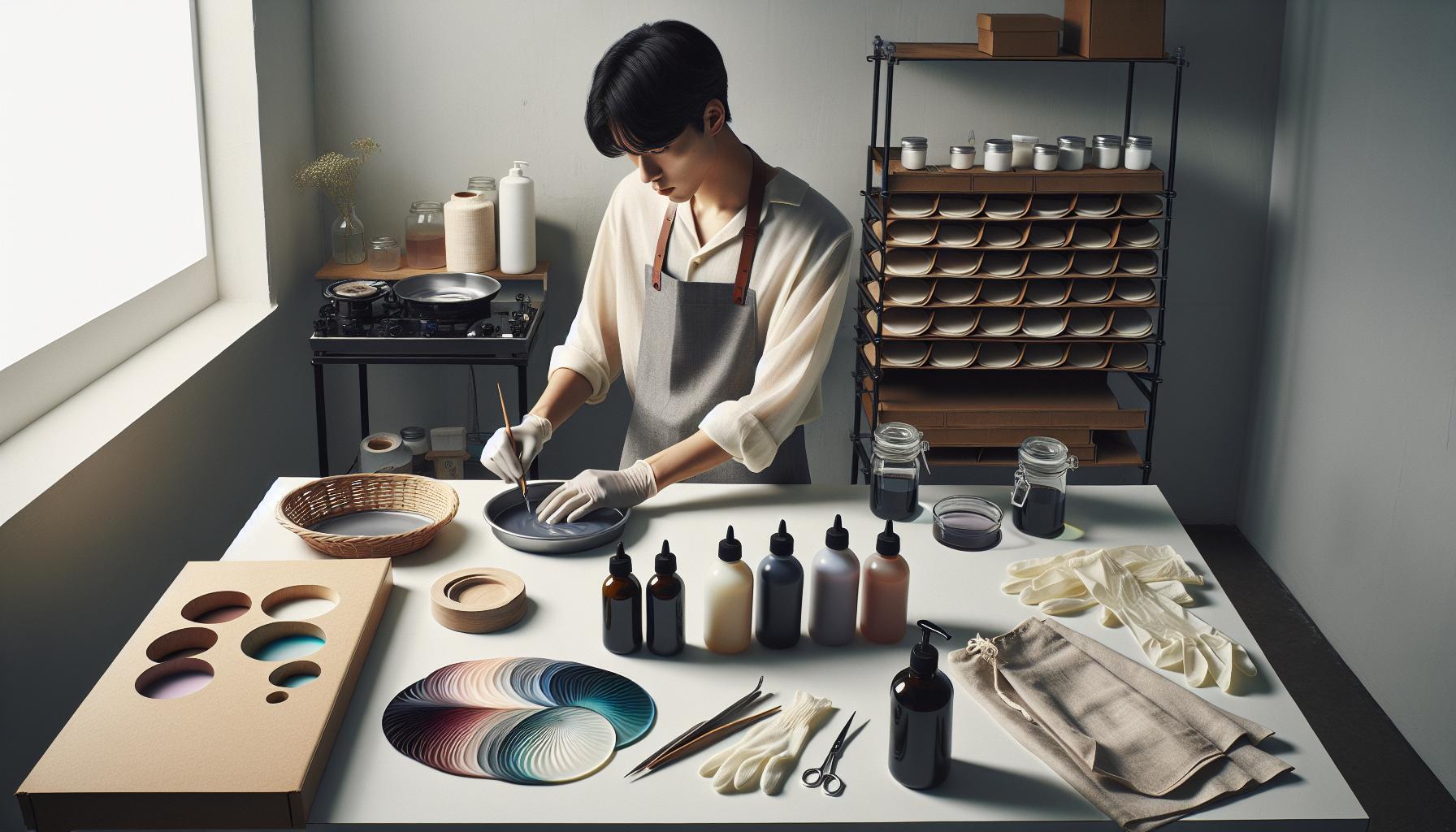
Step-by-Step Guide to Dyeing Discs
The world of disc golf is as vibrant as the discs themselves, and dyeing your own discs not only allows for personal expression but can also enhance your performance on the course. The process may seem daunting at first, but with the right approach, anyone can create stunning, customized designs. Here’s a concise guide to help you through each step of dyeing your discs, ensuring you achieve the perfect result whether you’re a beginner or a seasoned crafter.
To start, gather your materials. You will need:
- Disc golf discs (preferably made of high-density plastic)
- Dye (such as synthetic dye powders or natural dye solutions)
- Hot water for mixing dyes
- A heat source (like a stovetop or microwave)
- Containers (that can handle hot liquids)
- Protective gloves and work surface protection (newspapers, plastic sheets)
- Sponge or cloth for cleaning
Once your supplies are ready, you’ll want to clean the disc thoroughly to remove any dirt or oils. Use a damp sponge to wipe down the surface before dyeing. Next, prepare your dye mixture according to the instructions, typically by dissolving the dye powder in hot water. This step is crucial; the dye must be thoroughly mixed to ensure an even color application.
When your dye is ready, it’s time to immerse the disc. Carefully place your disc into the dye bath, ensuring it is fully submerged. The soaking time will vary based on the desired color intensity-shorter for lighter shades and longer for deeper hues. As the dye interacts with the plastic, you may notice it start to take on the color almost instantly. After you’ve reached your preferred color depth, carefully remove the disc and rinse it under cold water to stop the dyeing process.
Now for the finishing touches. Allow your disc to dry completely before using it. If you wish to create unique patterns, consider using techniques such as stenciling or tie-dyeing, which can add complexity and flair to your design. Additionally, remember that the dye can affect the disc’s flight characteristics, so it’s worth experimenting on less valuable discs as you master the process.
Custom dyeing not only showcases your personality but can also set your discs apart on the course. By following these steps and applying your creativity, you’ll be on your way to producing eye-catching discs that perform well while reflecting your unique style. Enjoy the journey into this rewarding hobby and the sense of pride that comes from throwing a disc you’ve personalized!
Best Techniques for a Professional Finish
Achieving a professional finish on your dyed disc golf discs is not just about picking the right colors; it’s about mastering techniques that ensure vibrant, clean results. From initial preparation to final touches, each step plays a crucial role in your end product. One fundamental aspect is the cleanliness of the disc: before you even think about dyeing, make sure your disc is free of oils and dirt. A simple wash with warm soapy water followed by a thorough rinse ensures that the dye adheres properly, avoiding unwanted splotches and uneven coloring.
To create those stunning, custom designs, consider using resist techniques like stenciling or tape masking. By applying tape in your desired patterns, you can achieve sharp lines and unique shapes, allowing for creativity without compromising the integrity of your design. When the dyeing process begins, immersing the disc fully in the dye bath and allowing it to sit for the correct amount of time is essential. Be mindful; colors will deepen with time, so start with shorter intervals and gradually increase as necessary until you reach the desired shade.
Another technique to elevate your dyeing game involves utilizing layering. After dyeing the base color, allow it to dry, then apply additional colors carefully to create gradients or multi-colored effects. This technique can yield incredible depth and variation in color, making your disc truly one-of-a-kind. Just make sure each layer is fully dried before applying the next, as this ensures that the colors don’t muddle together in an unintended way.
Finally, the finishing process can’t be overlooked. After rinsing the dyed disc under cold water to halt the dye action, let it dry completely in a shaded area-not in direct sunlight, which could cause fading or warping. Once dry, consider applying a protective clear coat to preserve the vibrancy of the colors and enhance durability. No matter your level of expertise, these techniques not only protect your investment but also enhance your competencies as you personalize your discs, readying them for the course with flair and style.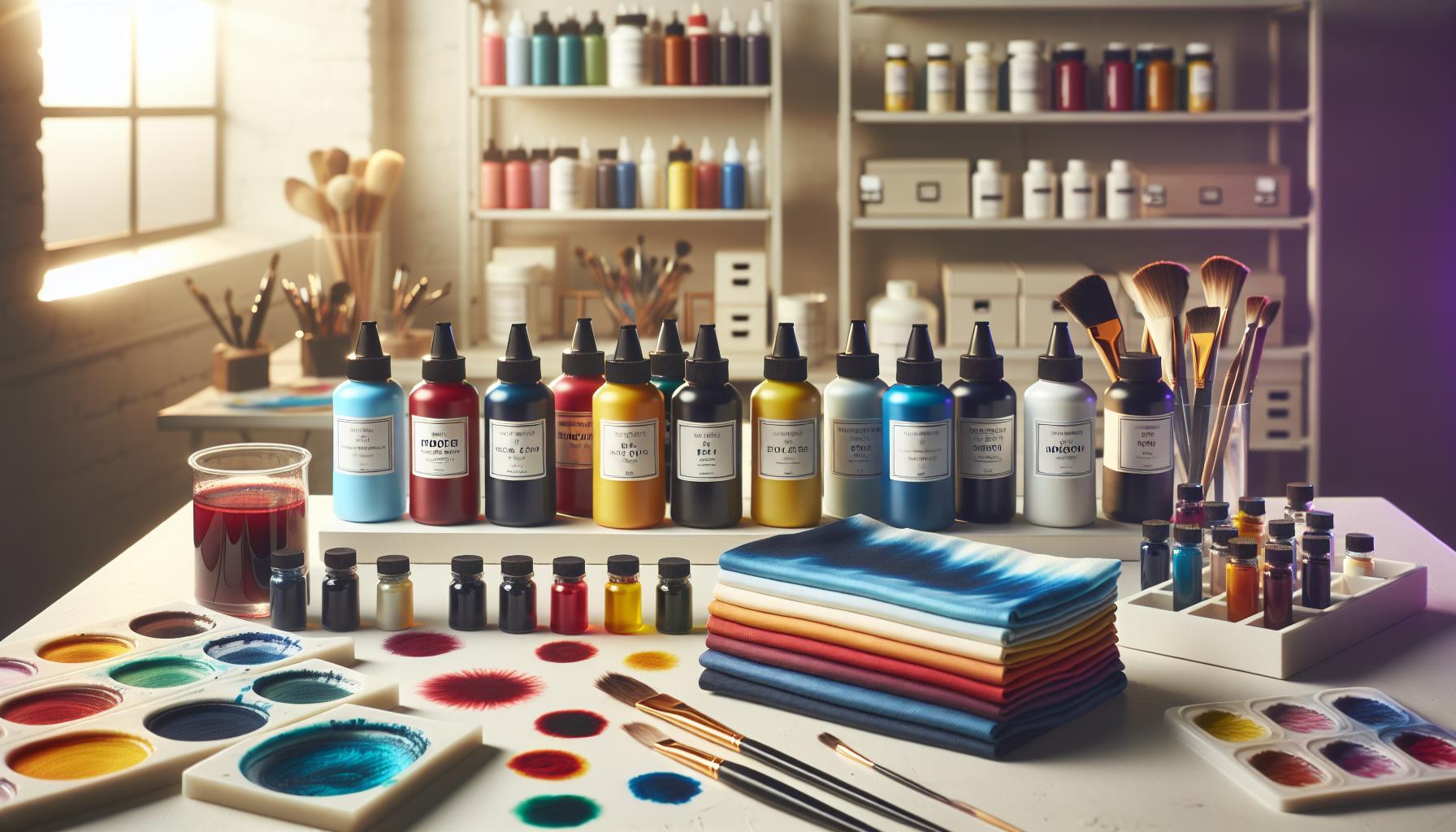
Popular Dye Brands You Should Consider
When diving into the vibrant world of disc dyeing, selecting the right dye is crucial for achieving stunning, durable designs. Several brands have gained popularity among the disc golf community due to their reliability, ease of use, and exceptional results. Exploring these options can help you create personalized discs that not only stand out on the course but also perform beautifully.
One popular choice is Idye Poly, known for its versatility and wide range of colors. This dye works particularly well on polycarbonate discs, making it a favorite among enthusiasts looking for bright, long-lasting results. For those focused on beginner-friendly options, Rit Synthetic Dye represents a great balance between accessibility and quality. Easily found at craft stores, it offers various shades and is effective on various disc materials.
If you prefer a more comprehensive kit, Pro Chemical offers specialized dye kits designed for disc golf, such as the Pro Chemical Disc Golf Dye Kit. This kit includes everything you need for a successful dyeing process, including easy-to-follow instructions. Many users praise the results for their vibrancy and durability, making it a worthy investment for both novices and experienced dyers alike [2].
Additionally, brands like Wormdip and ProChem have developed strong followings for their unique formulations and color fastness. Wormdip, in particular, has attracted attention for its creative approach, often yielding more artistic and intricate designs.
With these brands in mind, you’re equipped to choose the right dye for your next project. Remember, the right dye not only enhances the visual appeal of your discs but also lasts through numerous rounds of play, making your artwork a permanent fixture in your disc golf gear.
Safety Measures When Using Dyes
Dyeing your disc golf discs can be an exciting way to express your personality and style on the course, but it’s essential to prioritize safety throughout the process. Many dyes contain chemicals that can be hazardous if not handled properly, so understanding the necessary precautions is crucial for both novice dyers and seasoned pros.
First and foremost, always work in a well-ventilated area. This is because the fumes released during the dyeing process can be harmful when inhaled. Utilize windows, fans, or even outdoor spaces when possible to ensure fresh air circulation. Additionally, wearing personal protective equipment (PPE) is highly recommended. This includes gloves to protect your skin from staining and irritation as well as goggles or a mask if you’re working with powdered dyes or sprays, which can pose respiratory risks.
It’s equally important to read the labels on all dye products carefully. Different dyes may have unique handling instructions and safety measures, especially those that require heat. Following these guidelines not only keeps you safe but also assures the best results. Create a dedicated workspace with drop cloths to avoid staining surfaces and have a first aid kit handy just in case.
Lastly, proper disposal of dye materials is vital. Do not pour leftover dye down the drain or throw it in the regular trash; research local disposal regulations for hazardous materials. Many communities offer special waste disposal days where you can safely discard these items. By taking these safety measures seriously, you not only protect yourself but also contribute to a more sustainable environment while enjoying your creative endeavor.
Creative Ideas for Customizing Your Discs
Customizing your disc golf discs through dyeing can transform a standard piece of equipment into a unique expression of your personality and style. With a myriad of techniques and materials at your disposal, the creative possibilities are nearly endless. Whether you aim to create a vibrant swirl of colors, a sophisticated gradient, or intricate designs that reflect your favorite themes or hobbies, exploring the right methods and dyes will enhance both your discs’ looks and your enjoyment of the game.
One exciting approach is utilizing different dyeing techniques to achieve unique visual effects. Shaving cream dyeing not only provides a fun way to blend colors but also creates stunning marbled patterns. Simply spread shaving cream on a flat surface, mix in your dyes, and press the disc into the mixture. For a more polished look, consider stencils or vinyl masks to create clean lines and designs. This method allows you to add logos, symbols, or personal quotes, giving you a way to showcase your individuality on the course.
Incorporating materials such as glow-in-the-dark dyes can also be a standout choice, particularly for night rounds or tournaments. These dyes can be mixed into your standard colors or applied in specific patterns to make your discs visible even after daylight fades. Furthermore, think about experimenting with transparent dyes over lighter disc colors to maintain a balanced look while adding a subtle tint. For the adventurous, combining natural elements like leaves or flowers into your dye process can result in organic prints that are truly one-of-a-kind.
The key to a successful customization project is to allow your creativity to flow while keeping some practical considerations in mind. Always test your dyeing method on small areas or spare discs first to ensure the results meet your expectations. Remember to document your processes; you may uncover new techniques or color combinations that you’d want to replicate in the future. By forging your unique designs, not only will your discs stand out aesthetically but they will also carry a personal touch, making each throw feel even more special as you hit your favorite courses.
Troubleshooting Common Dyeing Problems
If you’re eager to express your creativity through dyeing disc golf discs, you might encounter some common challenges along the way. Understanding how to navigate these hurdles can ensure you not only achieve the vibrant results you want but also maintain the integrity of the discs you love. From splotchy colors to unwanted bleeding, knowing how to troubleshoot issues can save you time and frustration.
One frequent problem is inconsistent dye coverage. This often happens when the dye is not applied evenly or when the disc isn’t sufficiently prepped. To combat this, make sure to clean the disc thoroughly before dyeing to remove any residues or oils. Applying the dye in light, even layers is key, and consider using an airbrush or spray bottle for a more uniform application. For those interested in specific patterns, using vinyl stencils can give you defined edges and avoid overlaps that cause colors to blend unintentionally.
Bleeding, where one color runs into another and creates a muddy effect, is another common issue, especially with humid conditions or incorrect dye mixtures. This can be avoided by allowing each color to dry completely before applying another. Alternatively, consider using a fixative after the first layer of dye to set it before applying further colors. This will ensure that your vibrant designs remain sharp and distinct.
Furthermore, some dyers might notice that their dyed discs don’t have the intended vibrancy or depth of color. This can often stem from using the wrong type of dye or insufficient dye concentration. For stronger colors, test different brands known for their intensity, like those available from specialty suppliers. Additionally, using powdered dyes mixed with acetone may enhance color saturation compared to liquid dyes alone, giving your discs that radiant look you’re aiming for.
As shared by experienced dyers, documenting your dyeing process with notes and photographs not only helps track what works but serves to inspire for future projects. With every successful dye job, you build a repertoire of techniques and styles that reflect your unique personality on the course. By , you can turn challenges into beautiful, customized artwork that stands out in every throw.
Enhancing Disc Grip and Performance with Dye
Creating a custom dyed disc golf disc can not only elevate its aesthetic appeal but also potentially enhance its grip and performance. The grip of a disc is a crucial factor in achieving the right release and spin, both of which contribute significantly to the distance and accuracy of your throw. When selecting a dye, it’s essential to consider how different materials might affect the disc’s texture and grip.
Using dyes that are compatible with the plastic type of your disc is vital. Natural dyes, such as those derived from food or plant materials, may alter the disc’s texture less than some synthetic options, preserving a sticky feel that many players prefer. Synthetic dyes, while offering vibrant colors, might lead to a change in grip depending on their concentration and the disc’s surface. For optimal performance, it’s advisable to conduct tests with small samples-this could involve applying dye to a less critical disc to observe the effects on grip before committing to a beloved one.
Additionally, the method used for dye application plays a significant role. Dyes applied through airbrushing or stamping can create a more uniform finish, which might help maintain the disc’s original texture over its entire surface. Conversely, immersion dyeing might lead to a slicker feel if the dye saturates the disc too deeply. A little creativity can go a long way-consider using fabric or vinyl stencils alongside dyeing techniques to add designs without compromising the grip on various sections of the disc.
For those in competitive settings, maintaining an ideal grip can be easily overlooked during the dyeing process. Be mindful of the post-dye treatment; allowing adequate drying time and avoiding excessive handling during this period can preserve the integrity of the grip. In summary, choosing the right dye for your disc golf discs not only allows for personal expression through visual style but also helps you retain the essential grip that can make a difference in your game performance.
Community Spotlight: Unique Disc Golf Dye Projects
There’s an undeniable charm in personalizing your disc golf gear, and the growing trend of dyeing discs has unleashed a wave of creativity within the community. From intricate designs to vibrant color patterns, disc golf enthusiasts are taking their skills and artistry to new heights. This section celebrates some remarkable projects, showcasing the diverse approaches players have taken to transform their discs into unique works of art.
Many players are experimenting with various dyeing techniques to elevate their gear. One popular method is using shaving cream, which allows for a swirling color effect that can produce stunning results without risking significant alteration to the disc’s grip. Players often layer colors and create textures that mimic natural phenomena, such as lakes or galaxies. Sharing techniques in forums and social media groups has sparked a collaborative spirit, encouraging players to learn from one another’s successes and challenges.
Another innovative approach involves stencil art, where players craft personalized designs using vinyl or fabric. This method not only showcases individual style but also ensures that the disc’s grip is maintained in areas not covered by dye. Community members have reported using stencils to create themed discs, such as floral patterns for spring or Halloween motifs, adding a festive touch to their game. The result is a diverse gallery of discs that reflect personal stories, local culture, or even causes that players are passionate about.
As the disc dyeing culture evolves, it’s inspiring to see more players sharing their projects through social media platforms, turning their hobbies into a vibrant community experience. By featuring unique dye projects, players inspire others to unleash their creativity while reinforcing that disc golf isn’t just a sport; it’s a canvas for expression. Engaging with fellow enthusiasts can result in newfound techniques and collaborative efforts that elevate the community as a whole, making every throw and putt a little more colorful.
Expert Tips for Maintaining Dyed Discs
Caring for your dyed disc golf discs is essential to ensure they maintain their vibrant colors and unique designs over time. With the right maintenance techniques, you can help preserve your creative expression while enhancing the functional aspects of your gear. Here are expert tips to keep your dyed discs looking fresh and performing well.
First and foremost, proper cleaning is vital. After a round of disc golf, rinse your discs with cool water to remove dirt and debris, which can cause the dye to fade or the surface to become rough. Use a soft cloth or sponge to gently wipe away any stubborn marks. Avoid harsh chemicals or abrasives; instead, consider a mild soap solution if necessary. Always ensure your discs are completely dry before storing them, as moisture can lead to mold or damage.
In addition to cleaning, storing your dyed discs correctly can help maintain their quality. Keeping them in a protective case or in a cool, shaded area will prevent prolonged exposure to direct sunlight, which can cause colors to fade. If you’re storing your discs for an extended period, use cloth bags or padding to prevent scratches and dings that can mar their surface.
Moreover, take care when throwing or practicing with your dyed discs. While the dye adds a personal touch, the underlying plastic can still be susceptible to scuffs and dents from hard surfaces. Rotate your used discs regularly to distribute wear and tear more evenly and consider limiting use on rough terrain until you’re more accustomed to their handling characteristics.
Lastly, if you notice the colors starting to dull, you can enhance the appearance of your dyed discs with a quick refresh. Applying a thin layer of clear coat or sealant can help protect the design and add a glossy finish. This step not only enhances visual appeal but also aids in improving grip consistency. With these maintenance strategies, your dyed discs can remain as colorful and functional as the day you personalized them.
FAQ
Q: What types of dye are safe to use on disc golf discs?
A: Synthetic dyes specifically designed for plastics are safe and popular choices for disc golf discs. Procion MX dyes are also favored for their vibrant colors and adherence to plastic surfaces. Always check dye compatibility with your disc’s plastic type for the best results.
Q: Can I use fabric dye on disc golf discs?
A: Using fabric dye is not recommended for disc golf discs as it may not adhere properly to the plastic and can lead to fading or washing off. Instead, opt for dyes specifically made for synthetic materials, like Rit DyeMore or Procion MX.
Q: What materials do I need for dyeing a disc golf disc?
A: To dye a disc golf disc, you’ll need dye, a dye soaking container, plastic gloves, a sponge or brush, and possibly adhesives like clear glue for designs. Make sure to clean the disc well before starting to ensure the dye adheres correctly.
Q: How can I create designs when dyeing my discs?
A: You can use clear glue or stencils to create unique designs on your disc before dyeing. Apply the glue or place the stencil on the disc, allowing it to resist the dye during the application process. This technique helps achieve detailed and customized patterns.
Q: Are there eco-friendly dyes available for disc golf discs?
A: Yes, there are eco-friendly dye options, such as natural dyes made from roots or fruits. However, these might not yield the same vibrant colors as synthetic dyes. It’s essential to research and select dyes that meet your environmental standards while also adhering well to plastic.
Q: How do I prepare my disc for dyeing?
A: Before dyeing, thoroughly clean your disc with soap and water to remove any dirt or oils. Rinse it well, and optionally, use sandpaper to scuff the surface lightly, promoting better dye adhesion. Ensure the disc is completely dry before applying any dye.
Q: What safety measures should I take when dyeing discs?
A: Always wear gloves and protective eyewear when dyeing discs, as dyes can stain skin and eyes. Work in a well-ventilated area and avoid inhaling dye fumes. It’s also wise to cover your workspace with newspaper or plastic to avoid stains.
Q: Where can I purchase disc golf disc dyeing materials?
A: You can find dyeing materials at local craft stores, online retailers like Amazon, or specialty disc golf shops. Popular brands include Rit DyeMore and Procion MX, which are known for their effectiveness on synthetic materials used in disc golf discs.
In Summary
As we wrap up our exploration of the best dyes for disc golf materials, remember that choosing the right dye can elevate not only the aesthetics of your discs but also enhance your game. Whether you’re an experienced player customizing your gear or a newcomer eager to personalize your first disc, picking the right dye is crucial. Don’t let the choice overwhelm you; dive deeper into our guides on disc golf basics and advanced dye techniques to further your knowledge.
If you loved this content, consider subscribing to our newsletter for exclusive tips and updates on disc golf techniques, equipment reviews, and community events. Have questions or experiences to share about dyeing your discs? We encourage you to drop a comment below! Your insights help strengthen our disc golf community. Keep experimenting, stay passionate about your game, and take your skills to the next level with the right tools and techniques. Happy throwing!