
Did you know that disc golf is one of the fastest-growing sports in the U.S., attracting both casual players and serious competitors? Whether you’re stepping onto the course for the first time or considering how to enhance your game, understanding how many discs you need is crucial. While a beginner can start with just a few discs, having the right selection can significantly improve your experience and help you develop your skills. In this guide, we’ll explore the essential types of discs and offer tips on building a starter set that meets your playing style and enhances your enjoyment of this vibrant sport. So, if you’re eager to launch your disc golf journey, keep reading to find out how to make informed choices that will elevate your game on the course!
Understanding Disc Golf: What You Need to Know
Disc golf offers a unique blend of strategy, skill, and enjoyment, captivating players from all walks of life. For those just stepping onto the course, understanding the fundamental aspects of the game is crucial. Disc golf is similar to traditional golf, where players aim to complete a course in the fewest throws possible while navigating a series of metal baskets. The beauty of disc golf lies not only in its accessibility but also in the variety of throwing techniques and disc types that cater to different skill levels and playing styles.
As a beginner, navigating the world of discs can be overwhelming, but knowing your options will empower your gameplay. There are various types of discs, including drivers, mid-range discs, and putters, each designed with specific flight characteristics. For instance, drivers are lightweight and aerodynamic, perfect for long-distance throws. Mid-range discs are versatile for shorter, controlled throws, while putters are best for accuracy on shorter distances and close-range shots. Understanding how these different discs behave in-flight will significantly impact your performance, enabling you to make more informed choices during play.
When starting out, the number of discs you need can vary based on personal comfort and playing frequency, but a solid starter set typically includes at least one of each type-driver, mid-range, and putter. This balanced selection allows you to experiment with various throws and develop your skills, all while ensuring that you aren’t overwhelmed by an extensive collection. As you progress, adding more discs tailored to your specific throwing style will enhance your game, offering you more options depending on the course layout and conditions.
Engaging with the disc golf community can also provide invaluable insights and firsthand experiences. Joining local clubs or participating in friendly matches allows beginners to learn from seasoned players, grasp different strategies, and refine their techniques. This camaraderie not only enhances the enjoyment of the sport but fosters an environment where one can share knowledge and passion for disc golf. By embracing both the technical aspects and the community spirit, newcomers can seamlessly transition into this thrilling athletic pursuit.
Essential Types of Discs for Beginners
When you’re beginning your journey in disc golf, understanding the variety of discs available can significantly enhance your experience and performance on the course. At its core, disc golf revolves around three essential types of discs: drivers, mid-range discs, and putters. Each of these categories serves a distinct purpose, designed to support different throwing techniques and flight paths.
Drivers
Drivers are your go-to discs for long-distance throws. Typically, they are more aerodynamic and designed for maximum speed and distance. Their lightweight nature allows them to cut through the air with ease. For beginners, a stable driver can help achieve straighter shots, while a distance driver might be more challenging to control due to its speed and potential for turns.
- Key Characteristics:
– Weight: Usually ranging from 150 to 175 grams.
– Flight Characteristics: Tees off flat and flies straight or with a hyzer or anhyzer finish.
Mid-Range Discs
Mid-range discs bridge the gap between drivers and putters. They provide versatility, allowing for various shot types from moderate distances. Beginners will find these discs easier to handle, as they are designed for controlled shots that require accuracy rather than sheer distance.
- Key Characteristics:
– Weight: Typically 170 to 180 grams.
– Flight Characteristics: More stable than drivers; ideal for approaching the basket or navigating obstacles.
Putters
Putters are meant for short-range accuracy, particularly when you’re near the basket. They are characterized by their thicker rims and more significant stability at low speeds, making them essential for final shots on the green. This is the disc you’ll want to master for putting, as well as for shorter throws needing precision.
- Key Characteristics:
– Weight: Generally 150 to 175 grams.
– Flight Characteristics: Flies straight with less distance but greater control; suitable for controlled, short-distance shots.
Conclusion
For a balanced beginner’s collection, it’s often recommended to start with at least one of each type: a driver, a mid-range, and a putter. This trio will allow you to explore various throws and develop your skills without feeling overwhelmed. As you become more familiar with these disc types and their specific flight characteristics, you can selectively add to your collection based on your playing style and preferences. Engaging with fellow players about their experiences can also provide additional insights into choosing the right discs for your game. Remember, the right equipment not only enhances performance but contributes to the enjoyment of learning and growing in this exciting sport!
How Many Discs Do You Really Need?
In disc golf, the question of how many discs you really need is one that many newcomers grapple with. While it might be tempting to follow seasoned players who often carry a vast collection of discs, beginners should focus on starting small and gradually expanding their selection. Generally, a beginner can get by with just a few essential discs: one driver, one mid-range disc, and one putter. This trio allows for a wide range of shots and will help you become proficient without feeling overwhelmed by choices.
The beauty of disc golf lies in its accessibility, making it ideal for players of all skill levels. Starting with three discs means you can learn how to actually throw each type before delving into more specialized options. As you develop your skills, you’ll start to identify which aspects of your game need improvement. For example, perhaps you find that you need more distance from your drives, so you might choose to invest in an additional driver with a unique flight pattern. Alternatively, if you struggle with short-range accuracy, adding another putter can help refine your skill in that area.
It’s worth noting that the recommended number of discs can also vary based on your playing style and the courses you frequent. Some players might find joy in carrying a comprehensive bag of 15 or more discs, including specialty discs for certain situations or conditions. However, for practical daily play, especially as a beginner, simplifying your collection enables you to gain confidence in your throws and builds a solid foundation.
Ultimately, the number of discs in your bag should complement your growth in the game rather than complicate it. Emphasizing quality over quantity will help you focus on what truly matters: mastering your throws and enjoying your time on the course. As your experience and understanding of different flight paths evolve, you can naturally expand your set to suit your specific preferences and strategies.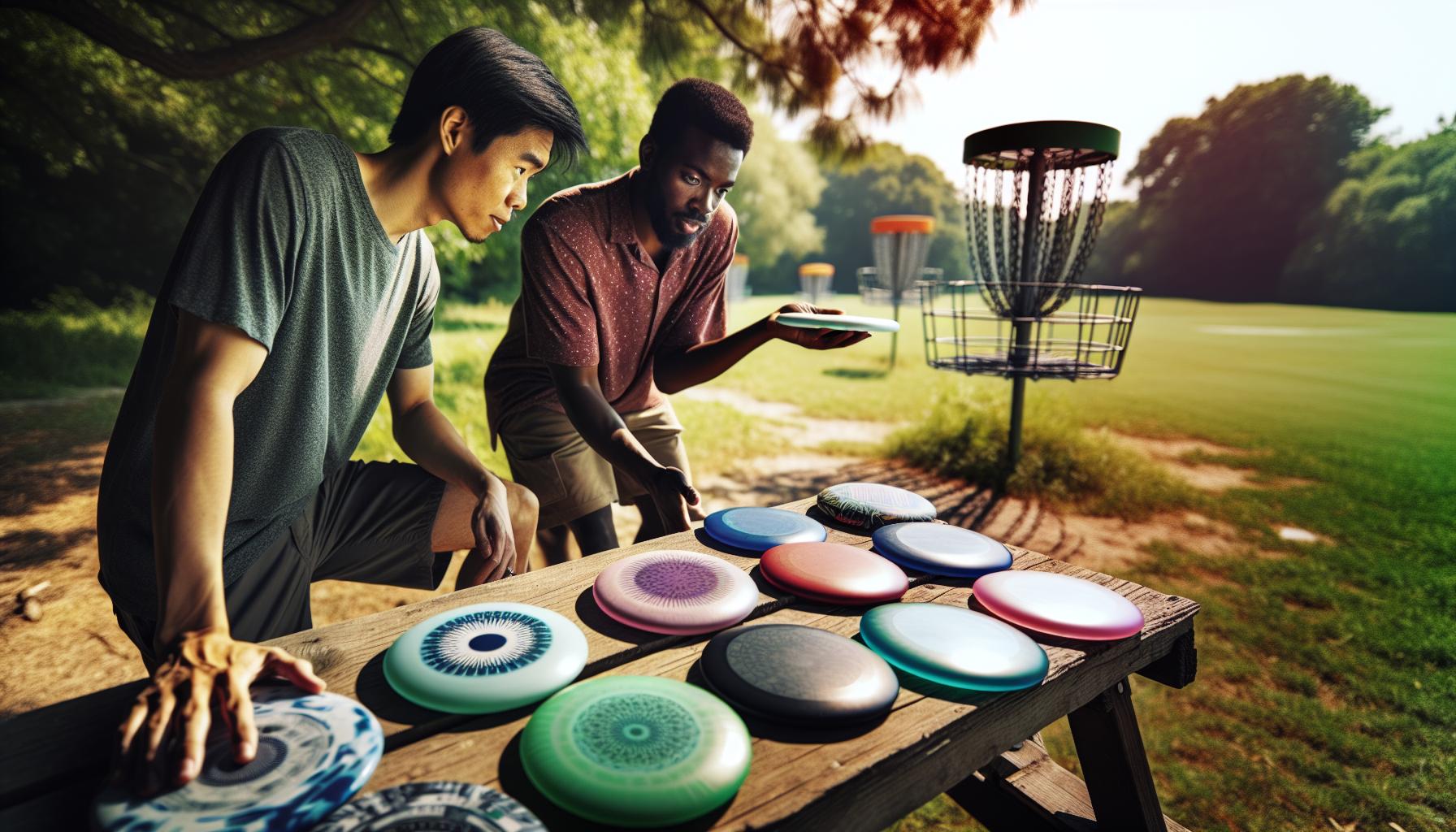
Choosing the Right Discs for Your Playstyle
Choosing the right discs for your individual playstyle can significantly enhance your performance and enjoyment on the course. Each player has their unique throwing mechanics, preferred shots, and strategies, which necessitate a thoughtful approach to disc selection. Understanding the different types of discs and their characteristics will allow you to tailor your bag to fit your game and help you progress.
- Distance Drivers: If you have a strong arm and prefer long-distance throws, distance drivers are ideal. These discs are designed for maximum speed and distance, typically with a sharp, aerodynamic profile. They work best for thrown shots like drives off the tee, especially on open courses.
- Fairway Drivers: For players who value accuracy and control but still want distance, fairway drivers offer the best of both worlds. They tend to have a lower speed than distance drivers, allowing for more manageable throws and more nuanced adjustments during gameplay.
- Midrange Discs: When you find yourself needing a reliable, versatile disc for various distances, midrange discs shine. These discs are great for approach shots and can provide more consistent stability than drivers.
- Putter Discs: A solid putting game is essential to score well. Putters are typically slow, with a blunt edge, allowing for better control during short throws and putts. Finding the right putter that feels comfortable in your hand can make all the difference when you’re on the green.
It’s also crucial to consider disc stability-how discs behave in flight. Stable discs tend to fly straight, while overstable discs will finish left (for right-handed backhand throws), making them suitable for windy conditions or those playing hyzer shots. Understable discs, on the other hand, will flip right, which can be advantageous for specific lines or rolling tricks. Each of these stability characteristics fits different throwing techniques and allows players to express their unique style.
As you start playing, take note of which shots you feel comfortable executing and identify areas for growth. Opt for a well-rounded set of discs that includes drivers, midranges, and putters, focusing on stability and weight that suit your throwing style. For beginners, it’s advisable to start with a few discs (one of each type) and gradually explore other options as your skills develop. This also prevents overwhelming you with too many choices at the beginning, allowing you to hone your skills through repetition and confidence-building.
Ultimately, the right disc selection empowers you to compete effectively, whether you’re casually enjoying a round with friends or gearing up for a challenging tournament. Explore various discs to find your favorites, engaging with local communities for tips and suggestions, and remember to enjoy the process as you grow into an adept disc golfer.
The Role of Disc Weight and Stability
Understanding how disc weight and stability affect performance can dramatically enhance your game. The weight of a disc influences its flight characteristics significantly. Discs typically range from about 150 grams to 175 grams, with lighter discs offering more distance potential for beginners. A lighter disc can be easier to throw, especially for those new to the sport or those with less arm strength. However, it’s essential to balance weight with stability- underwhelming stability can lead to unpredictable shots.
When it comes to stability, discs are categorized as overstable, stable, and understable. Overstable discs are great for experienced players needing reliable hooking turns, especially in windy conditions. They tend to finish left (for right-handed backhand throws), making them dependable for hyzer shots or sharp turns. Stable discs fly straight, making them the best choice for a variety of shots, including straightforward drives. Conversely, understable discs can provide unique shot shapes, flipping right and allowing for longer turns or roller shots.
Choosing the right weight and stability combination helps players optimize their throwing techniques. For example, a beginner might start with a lightweight stable disc to build confidence and ability, while a seasoned player may prefer heavier overstable discs that tolerate strong winds and enhance controlled hyzer throws. The right disc allows for improved precision and distance as throwing mechanics become more refined.
Seek out diverse options incorporating various weights and stability ratings, ensuring the ability to tackle different course challenges. As you practice and learn, pay attention to how different discs perform in your hands, and gradually expand your collection to suit your evolving playstyle. This understanding not only elevates your game but also deepens your appreciation for the nuances of disc golf, turning a simple round with friends into a formidable challenge against your own skills.
Affordable Starter Disc Sets: A Guide
Starting your journey in disc golf doesn’t have to break the bank. With the right affordable starter disc sets, you can equip yourself with everything you need to hit the course confidently. Many newcomers to the sport wonder, “What’s a good number of discs to start with?” The answer typically lies in having a balanced selection that covers different types of shots without overwhelming your budget or your skill level.
A standard starter set usually contains three to five discs: a distance driver, a midrange, and a putter. These discs will provide you with the fundamental tools necessary to learn the game. A distance driver will help you maximize distance on longer throws, while a midrange disc is perfect for versatile shots and navigating tighter fairways. The putter becomes essential for approaching the basket and sinking those all-important final throws. When selecting discs, consider starting with those that are stable or slightly understable, as these are generally more forgiving for beginner throwers.
When searching for affordable sets, look for reputable brands that offer quality without a hefty price tag. Many companies produce combo packs specifically designed for beginners. These sets often include a well-rounded selection of discs, and can usually be found for under $30-50. You can also check local disc golf shops or online retailers for sales or entry-level packages, which can provide significant savings. As you progress, you may want to explore more specialized discs tailored to your evolving skills and style.
| Disc Type | Typical Use | Recommended Weight |
|---|---|---|
| Distance Driver | Long throws | 165-175g |
| Midrange | Versatile shots | 160-180g |
| Putter | Close-range and putting | 170-175g |
Incorporating community knowledge can be beneficial as well. Many local disc golf groups host events or workshops for beginners, where you can test various discs before committing to a purchase. Additionally, consider seeking advice on local courses that may have specific challenges or features that could influence your choice of initial equipment. As you grow more familiar with your throwing style and the courses you frequent, you’ll naturally refine your collection, transitioning from starter sets to the specialized discs that best suit your game.
Comparing Disc Brands: What to Look For
Choosing the right disc for your game goes beyond just picking a color or brand; it involves understanding the characteristics that differentiate each manufacturer. The world of disc golf is rich with diverse brands, each with its unique offerings and innovations, catering to different skill levels and throwing styles. When comparing disc brands, consider factors such as flight stability, plastic quality, and the variety of available disc types.
Many brands specialize in different types of discs, from powerful distance drivers to precise putters. For instance, Innova, one of the oldest and most recognized brands, is known for its extensive selection and varying flight ratings, allowing players to find discs that suit their throwing style. Discraft, on the other hand, is praised for its unique blend of stability and glide, particularly appreciated among beginners and experienced players alike. Align your choices with the specific uses you envision-like power throws, approach shots, or putting-ensuring each disc in your bag complements your abilities.
Additionally, the plastic composition of a disc significantly impacts how it performs under various conditions. High-quality plastics often provide better grip and durability, although they may come at a higher price point. Look for brands that offer multiple plastic blends, as this can affect not just the disc’s feel but also its longevity and how well it withstands wear over time. Check for user reviews or community recommendations to guide your choices, as they can provide insights into how specific discs perform in real-world scenarios.
Ultimately, while exploring various brands, attend local disc golf events or join community groups where you can test discs firsthand. Such experiences can be invaluable, helping you discover what feels right in your hand and meets your playing style. As you gain more knowledge about different disc brands and their offerings, you’ll be better equipped to select discs that not only enhance your gameplay but also make your disc golf journey more enjoyable.
Expert Tips on Building Your Disc Collection
Building a disc collection is one of the most exciting aspects of getting into disc golf. With a plethora of options available, you can curate a selection that not only suits your current skill level but also accommodates future growth. For beginners, the journey starts with an understanding of the essential types of discs and how they can complement your evolving game.
To start, it’s important to include a mix of disc types in your collection. A well-rounded set should typically comprise a distance driver, a fairway driver, a midrange disc, and a putter. These categories serve different purposes on the course, allowing you to tackle various throws with confidence. A distance driver will help you achieve greater distances, while a fairway driver provides control for more precise shots. Midrange discs are versatile, suitable for a range of situations, and putters are ideal for accurate shots around the basket. For novices, focusing on a lightweight option in each category can enhance your ability to learn proper throwing techniques without struggling with heavier discs.
As you grow more comfortable, consider the subtle variations in disc stability and plastic types. Stability affects a disc’s behavior in flight; for example, beginner players might benefit from discs that are more understable, which tend to turn right (for right-hand backhand throws) and have a gentle fade at the end. This makes them more forgiving on combinations of throws and angles. In addition, you’ll find multiple plastic blends which influence grip and durability. Starting with a budget-friendly set is a practical choice, as there are plenty of affordable starter sets that provide a good range of discs without overwhelming you financially.
Beyond the basic discs, actively engaging with the community can offer invaluable insights into building your collection. Many players love to trade discs that no longer suit their needs or to recommend personal favorites that work for them. Local meetups or disc golf events are great opportunities to try out different discs firsthand, and you might even discover hidden gems that suit your throwing style perfectly. Don’t forget to keep track of your progress and preferences; perhaps create a simple log or spreadsheet of your discs, including their flight ratings, conditions, and how they perform on the course. This will not only help you understand which discs you favor but also assist you when it comes time to purchase additional ones or replace worn-out favorites.
By taking a strategic approach to building your disc collection, you’ll enhance your enjoyment of the game while continuing to grow as a player. Allow your experiences on the course to guide your choices, and embrace the diverse offerings within the world of disc golf. Happy throwing!
Crafting Your Strategy: Disc Selection for Courses
Disc golf is a game of precision, strategy, and, importantly, the right disc selection. Each course offers unique challenges, such as varying distances, obstacles, and terrain types that demand a thoughtful approach to which discs you bring along. Understanding how different discs perform in various conditions can significantly elevate your gameplay, especially for beginners just starting to learn the lay of the land.
A well-rounded disc selection for any given round typically involves three to four key types, ensuring versatility to tackle challenges effectively. Here are foundational categories to include:
- Distance Driver: This is essential for long throws when you need maximum distance. It’s designed to cut through the air and achieve great length, making it ideal for wide-open holes.
- Fairway Driver: Known for its precision, fairway drivers provide control on slightly shorter throws where distance is essential, but accuracy is equally important.
- Midrange Disc: Perfect for a variety of situations, midrange discs offer the best balance of distance and accuracy. They are especially useful for navigating through tighter fairways.
- Putter: For those final approaches to the basket, a good putter helps you make accurate shots within close range, critical for lowering your score.
When it comes to crafting your strategy, consider the specific features of the course. Assess the layout: does it have tight wooded areas, open fields, or elevated greens? Each environment may benefit from different discs, particularly regarding disc weights and stability. Lighter discs can be more forgiving, allowing for smoother throws, while heavier discs provide distance under windier conditions.
Another vital aspect of your strategy is understanding disc flight patterns. Knowing when to use an understable versus an overstable disc can save strokes; understable discs can help you shape shots around obstacles, while overstable discs can provide reliable fades at the end of their flight. Pay attention to the course conditions-whether it’s windy, rainy, or sunny can also guide your disc choices. As conditions change, being adaptable with your selection can make all the difference in your score.
Ultimately, beginners should focus on gaining experience by playing different courses and trying out various discs. Additionally, engaging with local players can lead to insights and recommendations, allowing you to refine your strategy as you discover what works best for your unique skill set. Embrace the journey of learning; disc golf is as much about enjoying the game as it is about the competitive aspect. Your disc selection is not just about the number of discs but about making informed choices that enhance your experience and growth as a player. Happy throwing!
Maintenance and Care for Your Discs
Taking care of your discs is crucial for ensuring their longevity and performance on the course. A well-maintained disc not only performs better but also enhances your playing experience by providing consistency in your throws. Improper care can lead to a decrease in flight stability and distance, affecting your overall game. Here are some practical tips and techniques to keep your discs in peak condition, allowing you to focus on your game rather than equipment issues.
First, it’s essential to clean your discs regularly. After each round, wipe them down with a damp cloth to remove dirt, mud, and debris. This simple step helps maintain the disc’s grip, which is critical for achieving controlled throws. For tougher stains, use warm soapy water and avoid harsh chemicals that can degrade the plastic over time. Make sure to dry them thoroughly after cleaning to prevent any moisture-related issues, like mold or slippery surfaces.
Storage Matters
Proper storage of your discs is also vital. Keep them in a dedicated bag or container that offers protection from extreme temperatures and direct sunlight, which can warp the plastic. Ideally, store your discs vertically to prevent them from getting misshapen. If you’re not using certain discs regularly, consider using a disc sleeve or wrap to protect them from scratches and other surface damage.
Handling Techniques
It’s not just about cleaning and storing; how you handle your discs during play can also impact their condition. Avoid dropping them on hard surfaces, as this can lead to chips or cracks. When retrieving discs from challenging areas, like bushes or water, be gentle and mindful to prevent unnecessary wear. Remember that while a dent may not seem significant, it can alter the disc’s flight path, affecting your game.
Finally, understanding the wear patterns associated with different discs is part of being a conscious player. Over time, a disc will break in and become less stable, which can be desirable for some types of throws. Keep track of the condition of your discs; consider retiring or replacing them when they no longer meet your performance needs. By implementing these maintenance tips, you’ll not only keep your discs in great condition but also ensure that you continue to improve your skills and enjoy the sport of disc golf. Happy throwing!
Real Player Experiences: Disc Golf Journeys
Joining the disc golf community often starts with one question: how many discs do you really need? While some experienced players could fill a small room with their collections, beginners are often surprised to learn that you don’t need an extensive array to get started. For many newcomers, just a handful of well-chosen discs can provide all the versatility needed to enjoy the game.
For instance, Jessica, an enthusiastic beginner from Colorado, started her journey with just three discs: a stable driver, a midrange, and a putter. She quickly realized that these choices allowed her to navigate various course challenges effectively. “I learned that each disc has a unique flight path and feel,” she recalls. “With just those three discs, I experimented with my throwing styles and learned how different weights and shapes influenced my game.” Jessica’s experience underscores a crucial aspect of disc golf: understanding a few basic discs can greatly enhance your performance and enjoyment.
For those just entering the sport, a starter set typically includes a distance driver, a midrange disc, and a putter. Here’s a quick breakdown of what each does:
- Distance Driver: Designed for maximum distance, these discs typically offer more speed and less stability, ideal for long throws.
- Midrange: These discs provide control for shorter, precision throws and are useful in tight spaces.
- Putter: Designed for accuracy, putters have a slower speed and are perfect for finishing holes, emphasizing control over distance.
As you gain experience and learn your preferences, many players like Aaron from Oregon recommend gradually expanding your collection. “After a few months, I found myself wanting more options for different situations,” he notes. “It becomes less about how many discs you have and more about how well you understand their flight characteristics and when to use them.” This perspective highlights the journey of personal growth and strategy in disc golf, turning it into not just a game, but a lifelong pursuit of skill enhancement.
In this vibrant community, many players emphasize the importance of sharing experiences and knowledge. Whether you’re a complete beginner like Jessica or someone who’s just added a few discs to their bag, remember: it’s about enjoying the journey and learning how to navigate the course both in gameplay and in the friendships you build along the way. So grab that starter set, hit the course, and let the exploration begin!
Growing the Sport: Community and Resources for New Players
The world of disc golf is not just about the discs; it thrives on the vibrant community that supports and celebrates players at all levels. From casual rounds with friends to competitive tournaments, the camaraderie found in this sport fosters an atmosphere where everyone can grow together. New players often find that one of the best ways to enhance their learning experience is to engage with the community. Local clubs and online forums are great starting points for connecting with like-minded enthusiasts who share tips, experiences, and opportunities for play.
Many regions have dedicated disc golf clubs that organize regular events, tournaments, and casual meet-ups. Joining these groups provides newcomers with valuable resources, such as mentorship from seasoned players who can offer insights into disc choice, throwing techniques, and course management strategies. Many clubs have social media presence where they share information about upcoming events and tournaments, making it easier for new players to jump in. Additionally, platforms like Facebook and Reddit host active disc golf communities where one can ask questions, seek advice, and find local players to team up with.
A wealth of online resources also exists to help new players navigate the early stages of their disc golf journey. Websites and YouTube channels dedicated to disc golf frequently post instructional videos that cover everything from the basics of throwing mechanics to advanced strategies for course play. These platforms can significantly enhance your skill set and understanding of the game. Many disc manufacturers have robust online guides that provide information on disc weight, stability ratings, and optimal usage, allowing players to make informed choices as they build their collections.
Building a network through local outings and online interactions not only helps players improve their game but also injects a sense of belonging into their disc golf experience. As you engage in friendly competition or simply enjoy a casual round, you’ll discover that the friendships forged on the course are as rewarding as mastering a new throw. For those starting, the path is not just about accumulating discs but about connecting with a community that shares a passion for the sport, enriching both your game and your social life. So, get out there, meet fellow players, and let the journey of growth in this dynamic sport unfold!
FAQ
markdown
Q: How many discs should a beginner use for disc golf?
A: A beginner should ideally start with three to five discs. This usually includes a driver, a mid-range, and a putter. Starting with a small selection helps players focus on mastering basic techniques before expanding their collection. Check the section on Essential Types of Discs for Beginners for more details.

Q: What types of discs are best for new players in disc golf?
A: New players should focus on using a driver, a mid-range disc, and a putter. These three types cover the essential needs for various shots on the course, allowing beginners to develop a well-rounded skill set. For more options, see our guide on Affordable Starter Disc Sets.

Q: Why is it important to choose the right disc weight for beginners?
A: Choosing the right disc weight is crucial for control and distance. Lighter discs are generally easier to throw for beginners, allowing for a better learning curve and increased distance. Consult the section on The Role of Disc Weight and Stability for more insights.

Q: When should a player consider expanding their disc collection?
A: A player should consider expanding their disc collection after mastering basic throws and gaining consistent distance. This is often after playing regularly for several months. Check the Expert Tips on Building Your Disc Collection for guidance on adding more discs effectively.

Q: Where can I buy affordable starter discs for disc golf?
A: Affordable starter discs can be found at local sporting goods stores, online retailers, and disc golf specialty shops. It's wise to compare prices and selections to find the best deals. For recommendations, see our Affordable Starter Disc Sets: A Guide section.

Q: How do disc golf discs vary in stability?
A: Disc stability affects how they fly, influencing left or right turning during a throw. Understanding these differences is critical for selecting the right discs for your throwing style. Explore our section on The Role of Disc Weight and Stability for detailed explanations.

Q: What should beginners know about disc care and maintenance?
A: Beginners should regularly clean their discs and store them properly to prolong their lifespan. Avoid leaving discs in extreme temperatures. For detailed tips, refer to the Maintenance and Care for Your Discs section.

Q: Why is community important in disc golf?
A: Community plays a vital role in disc golf, offering support, tips, and camaraderie. Engaging with local players can enhance your experience and encourage improvement. For more about growing in the sport, see Growing the Sport: Community and Resources for New Players.
To Wrap It Up
Now that you have a clear understanding of how many discs are needed for starting your disc golf journey, it’s time to take the next step! Whether you’re just beginning or looking to refine your skills, choosing the right discs will set the foundation for your game. Remember, selecting a few essential discs can vastly improve your enjoyment and performance on the course.
If you’re eager to explore more, check out our guides on disc flight characteristics and throwing techniques to enhance your skills. Don’t forget to subscribe to our newsletter for the latest tips, community stories, and product reviews! Your feedback is invaluable, so share your thoughts in the comments below or ask any lingering questions you might have. Dive deeper into the disc golf world and transform your skills into something extraordinary! Each round on the course is a new opportunity to grow-let’s seize it together!
Get our latest guides, news, and insights highlighted in your Google Search & AI Overviews.