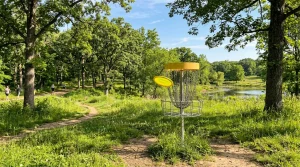
Losing a disc golf disc can be a frustrating experience for players of all levels, but did you know that nearly 50% of disc golfers have experienced losing a disc on the course? Whether you’re a seasoned competitor or a casual player, understanding the ins and outs of disc recovery is essential. Not only does it save you money on replacements, but it also allows you to continue honing your skills with your favorite discs, which can influence your game significantly. In this guide, we’ll explore effective strategies and tips for locating lost discs, helping you turn what could be a disappointing day on the course into a triumphant recovery. Get ready to deepen your connection to the sport and enhance your game as we delve into practical and engaging recovery methods that every disc golfer should know!
How to Organize Your Disc Golf Bag for Easy Retrieval
Efficient organization of your disc golf bag can significantly enhance your gameplay and recovery efforts, especially when those elusive discs go missing. Picture this: you’re on the course, the sun is bright, and your throws are soaring, yet you can’t seem to find that trusty putter you just flung into a thicket. By implementing a logical storage system within your bag, you can minimize the time spent rummaging through discs and maximize your focus on the game.
To start with, consider categorizing your discs based on their function. Use different compartments or color-coded sleeves to separate drivers, mid-range discs, and putters. This way, you can quickly access the right disc for any situation without having to search through a jumbled pile. Labeling the outside of your bag can also help-mark sections for specific types of discs so you can locate them at a glance.
Another fantastic practice is to maintain a consistent order for your discs, arranging them from the most used to least used. For example, keep your go-to drivers and putters at the top or at the most accessible spot. Incorporate a small pocket or pouch for accessories like scorecards, pencils, and rangefinders, ensuring everything is in one place. Additionally, consider investing in a bag with specialized compartments designed for disc golf, which can provide built-in organization options, including cooler sections for beverages.
By mastering the art of organization, you not only speed up retrieval time during a round but also set yourself up for success in recovery situations. When a disc is lost, knowing exactly where to find your other gear or tools becomes invaluable. Adopt these organizational techniques, and you’ll find that both your gameplay and disc recovery efforts are far more efficient.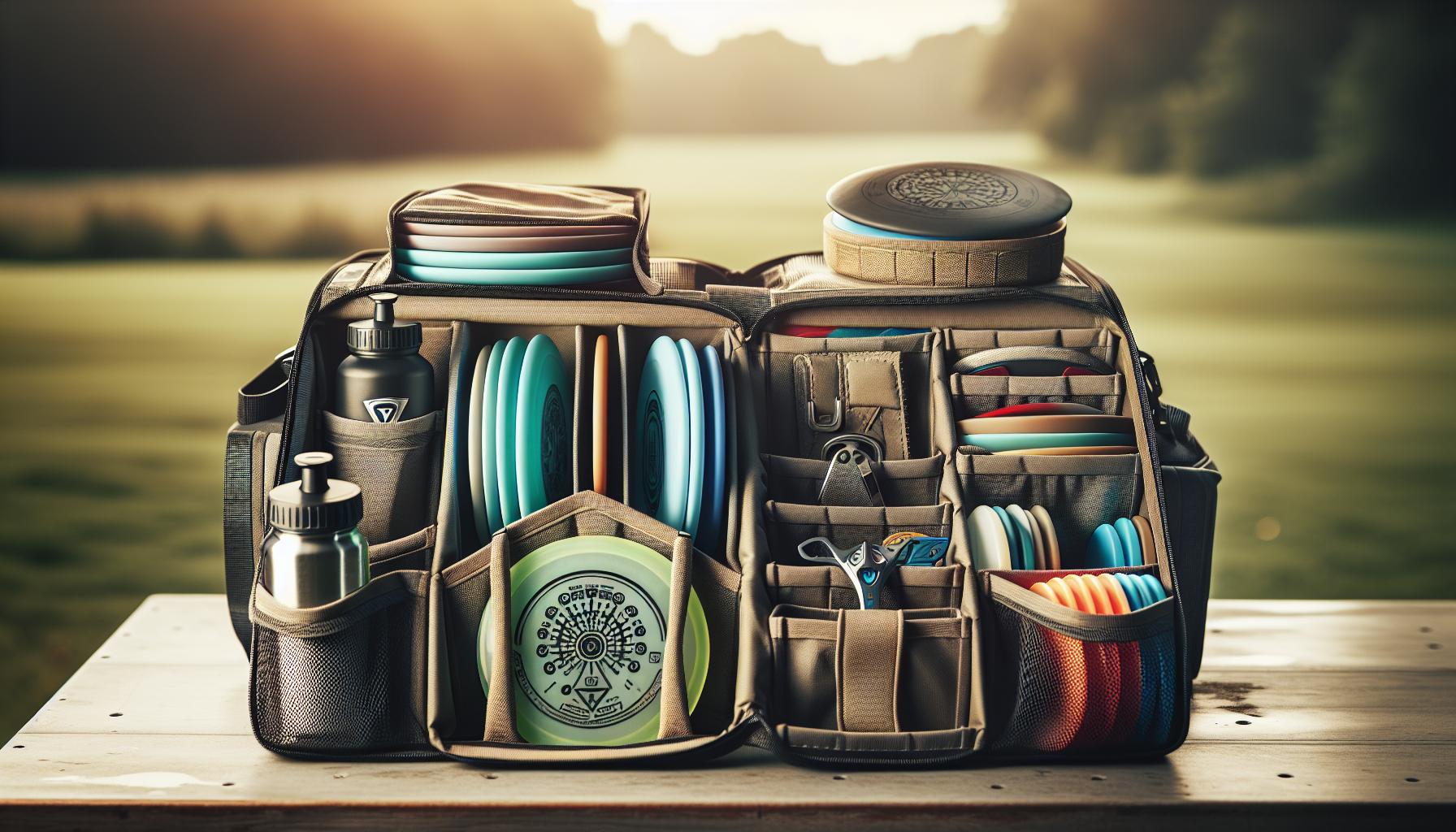
Essential Tools for Disc Recovery: What You Need to Know
In disc golf, the thrill of the game can sometimes lead to the unfortunate situation of losing a disc. Fortunately, being prepared with the right tools can significantly aid in the recovery of lost discs. Having a well-equipped approach not only helps you locate your discs more efficiently but also enhances your overall experience on the course.
First and foremost, a quality flashlight is an invaluable tool, particularly for those early morning or late evening rounds. A strong light can help you see into bushes, trees, and other nooks where a disc might be hiding. Additionally, consider a tall retrieval pole or extendable reacher; these can assist in retrieving discs from water hazards or deep vegetation without putting yourself at risk of injury or getting wet.
Another essential is a well-crafted disc recovery tool, such as a specially designed disc retriever with a hook or claw mechanism. This device makes it easier to grab discs that are just out of reach or stuck in tricky spots. Don’t forget to pack a notepad or recovery guide in your bag-having a log where you can note down the areas where you’ve lost discs can help with future searches, especially if there are established patterns in your game.
Additionally, it’s wise to carry a compass or GPS device. Understanding the layout of the course and areas you’ve already searched can save time while trying to recover a lost disc. Furthermore, consider adding a small first aid kit to your gear; while it’s not directly related to disc recovery, it ensures you’re prepared for any minor injuries that might occur while searching through overgrown areas or along rugged terrain.
By equipping yourself with these essential tools, you empower your disc recovery efforts and enhance your enjoyment of the game. Preparedness not only improves your chances of finding your beloved discs but also cultivates a proactive mindset that can contribute to your success on the course. Happy hunting!
Understanding Disc Flight Paths and Where to Look
The journey of a disc through the air is more than just a random arc; it’s a delicate dance of physics influenced by factors such as the disc’s design, the thrower’s technique, and the environmental conditions. To effectively locate a lost disc, understanding its flight path is crucial. Each disc has a unique profile that dictates how it behaves when thrown, including its speed, glide, turn, and fade, which are represented numerically on the disc itself. The combination of these traits helps predict where a disc might land after being thrown.
When searching for a lost disc, it’s beneficial to visualize the trajectory of your throw. If you know the type of throw executed-such as a hyzer or anhyzer-this will guide you to potential landing zones. For example, a hyzer throw typically arcs to the left for a right-handed backhand thrower, while an anhyzer throw tends to drift right. Understanding these flight dynamics allows you to narrow your search area effectively. Use landmarks, course maps, and your memory of the throw to deduce where the disc most likely landed.
Key Factors to Consider When Searching:
- Throw Angle: The angle at which you released the disc (hyzer, flat, anhyzer) directly influences where it may have landed.
- Wind Conditions: Wind can significantly alter a disc’s path. A strong headwind may cause the disc to drop sooner than expected, while a tailwind might give it extra distance.
- Disc Type: Certain discs are designed to not only fly differently but to settle in various environments. A putter, for instance, is likely to land softly in grass, while a driver may skip further into a dense area.
- Terrain: The landscape can change how far a disc travels upon landing. In wooded areas, dense vegetation might hide the disc, while in more open spaces, the landing site may be clearer.
By employing these insights, you can systematically evaluate your surroundings and increase your odds of recovering a lost disc. Remember, the more you understand about how your disc behaves in the air, the better equipped you’ll be to conquer the challenges of disc recovery. Happy searching!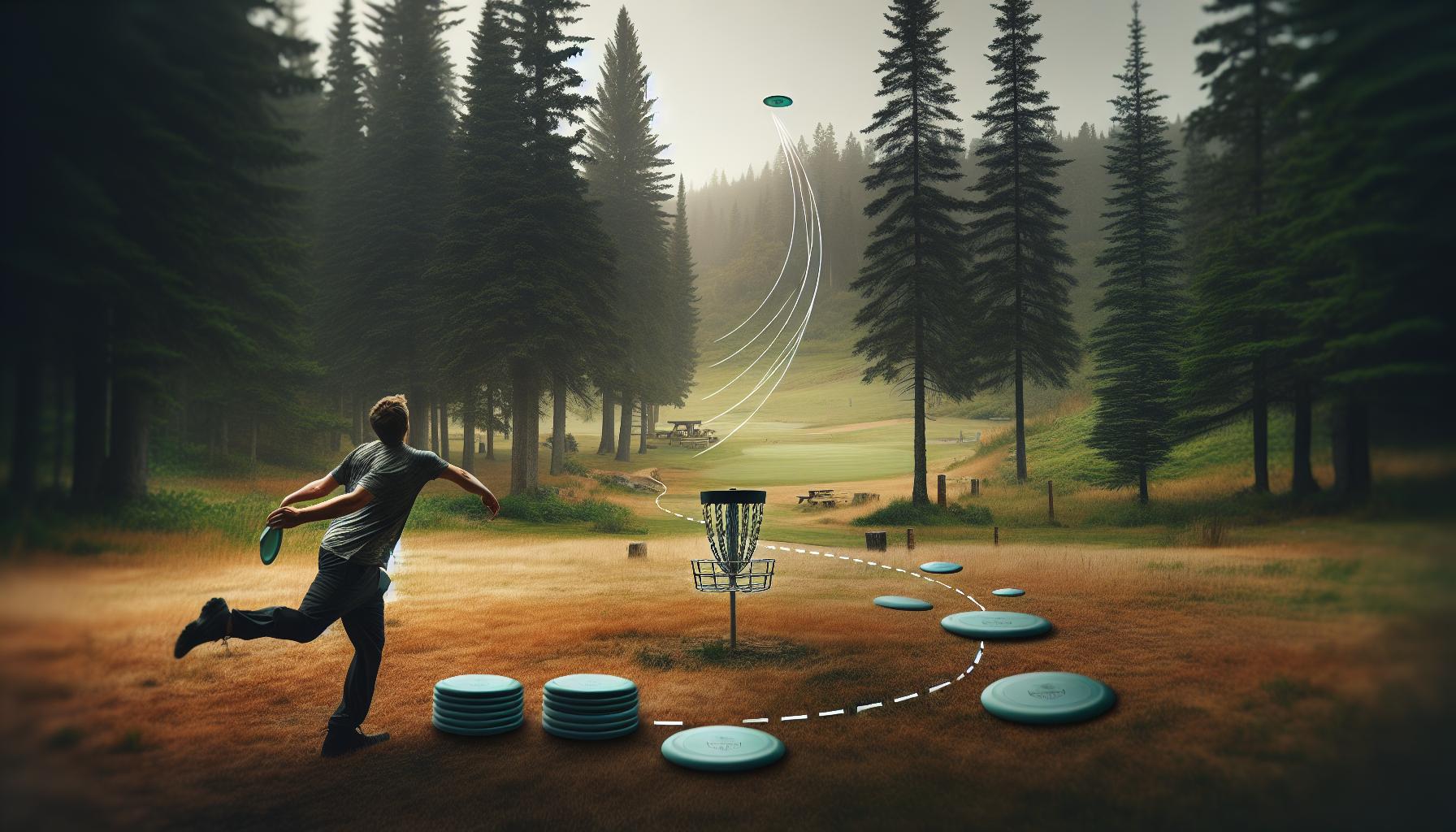
Techniques for Searching: The Art of Disc Recovery
When you find yourself on the course searching for a lost disc, patience and technique can mean the difference between success and frustration. The art of disc recovery begins with a strategic approach, blending observational skills with an understanding of the disc’s flight characteristics. For instance, considering the throw angle-whether it was a hyzer, flat, or anhyzer-can provide crucial clues about where to start your search. A hyzer throw typically creates a leftward arc (for right-hand backhand throws), while an anhyzer will drift right, helping to narrow down potential landing zones.
Methodical Search Techniques
To efficiently locate your disc, employ a systematic grid approach. This means moving methodically back and forth across the suspected area, overlapping your search zones slightly. Here are some practical tips to enhance your search:
- Use Landmarks: Identify key features on the course like trees, bushes, or rocks to guide your search path.
- Time of Day: Early morning or late afternoon can provide better visibility as the sun casts long shadows, making it easier to spot buried discs.
- Group Efforts: If playing with friends, coordinate your searches to cover more ground. Communicate clearly about the last known throw and potential hazard zones.
- Stay Calm: A focused and composed mindset will keep your energy levels steady, enhancing your observational abilities.
For competitive players, time spent searching can affect overall performance, so developing a personal strategy is key. Incorporating regular practice sessions that simulate lost disc scenarios can help refine your skills and ease the tension during actual play.
Real-World Applications
Many players have shared stories of epic recoveries. One notable example involves a player whose disc landed deep within a thorny thicket. By leveraging a friend’s flashlight, they searched at night, ultimately recovering the disc that had significant sentimental value. This incident highlights not only the critical role of teamwork but also the importance of utilizing any available tools, such as lights or reflective gear, especially when searching in low visibility conditions.
Remember, searching for a lost disc is not just about finding it; it’s also an opportunity to reflect on your game style and enhance your skills. The more familiar you become with your disc’s behavior in various conditions, the better equipped you’ll be for successful future plays. Each recovery mission can cultivate resilience and enhance your overall enjoyment of the game, turning potential loss into a rewarding experience.
Utilizing Technology: Apps and Tools to Find Lost Discs
In today’s digital age, technology has become an invaluable ally for disc golfers, especially when it comes to recovering lost discs. With the right apps and tools at your fingertips, the hunt for your favorite discs can be transformed from a frustrating task into a more manageable process. Whether you’re an occasional player or a seasoned competitor, incorporating technology into your recovery efforts can save time and enhance your overall experience on the course.
There are several apps designed specifically for disc golf enthusiasts that can aid in tracking and finding lost discs. For instance, UDisc is a popular choice, not only for its course mapping features but also for its disc tracking capabilities. Players can log their throws, keep track of where their discs land, and even use GPS to mark locations on the course. This functionality can be invaluable for pinpointing potential search areas after a missed throw. Additionally, DiscGolfPark offers similar features with community-driven elements, allowing players to share reports of lost discs or sightings, creating a communal effort in recovery.
Using technology doesn’t stop at apps; simple tools like portable Bluetooth trackers can be attached to your discs. These devices emit signals that can be tracked through a smartphone, providing real-time location updates. While these may require some initial investment, the peace of mind they offer is often worth it, especially for players with favorite or high-value discs.
Moreover, engaging with online communities dedicated to disc golf can provide insights and tips from fellow players. Platforms like Facebook groups or Reddit forums often have members sharing stories or strategies about recovering lost items. Embracing technology not only enhances your ability to find lost discs but also fosters a sense of community among players, reinforcing the collaborative spirit that makes disc golf such a beloved sport.
In conclusion, utilizing technology can significantly improve your chances of recovering lost discs. From specialized apps that track your throws to community advice and innovative tracking devices, there are myriad resources to help you reclaim your gear and enhance your disc golf experience overall. As you embark on your next round, consider integrating these tools into your routine-not just to find lost discs, but also to elevate your game.
Player Stories: Epic Disc Recovery Missions
In the world of disc golf, the thrill of a perfect throw is matched only by the sinking feeling of losing a beloved disc to the depths of a dense forest or the glimmers of a water hazard. Fortunately, the stories of epic recoveries can inspire confidence and adrenaline in players of all levels. One such tale comes from avid player Jamie, who recounts her dramatic recovery mission during a tournament at a local course notorious for its water holes. After missing a crucial shot, Jamie watched as her favorite disc-a limited edition driver-sailed into a pond. Undeterred, she enlisted the help of her fellow competitors and began a cooperative search effort.
The recovery operation quickly turned into a community bonding experience. Armed with makeshift tools, including extendable nets and flashlights, the team scoured the muddy banks and searched beneath the surface. The camaraderie became palpable as stories were shared-everyone having faced their own losses at some point. Days later, much to Jamie’s delight, a sharp-eyed teammate spotted the vibrant disc partially buried in the mud, earning them both cheers and high-fives. It highlighted not only the resourcefulness of players but also the strong community spirit that is a hallmark of disc golf.
Another unforgettable story comes from Josh, who faced an unexpected disc recovery challenge during a solo practice session. After a particularly ill-advised throw over a treacherous cliff, Josh felt his heart drop as he realized that his disc had tumbled into a thorny thicket below. Instead of succumbing to defeat, he decided to embark on a careful descent, equipped with a long stick to prod the brush and a pair of heavy-duty gloves to protect against thorns. After a tense ten minutes, during which he nearly lost hope multiple times, he spotted the familiar colors of his disc just out of reach among the brambles. With a bit of patience and perseverance, he finally extracted it, emerging scratched but triumphant-a testament to the lengths players will go to reclaim their gear.
These narratives are reminders that, while disc loss can be disheartening, the journey to recover those cherished discs can become tales of adventure, laughter, and even new friendships. Whether you’re part of a tournament crowd or out on a casual round, the essence of disc golf embraces challenges and victories alike, cultivating a rich culture of support and resilience. As you navigate your own disc golf adventures, remember these stories the next time you lose a disc-there’s a community out there ready to help you on your epic recovery mission!
Preventive Measures: Keeping Your Discs Safe on the Course
In the exhilarating game of disc golf, the case of losing a cherished disc can sometimes overshadow the joy of playing. However, a proactive approach to safeguarding your discs on the course can significantly reduce the chances of loss, allowing you to focus on your game and enjoy the experience to the fullest. By implementing a few strategies, you can enhance your disc safety and ensure that your throws remain within reach.
One of the most effective ways to keep your discs safe is to adopt proper throwing techniques based on an understanding of disc flight paths. Knowing how different discs behave in the air-whether they are understable, stable, or overstable-can help you make smarter throw choices that reduce the likelihood of errant shots landing in hazards. For instance, when attempting a challenging hole with thick woods or water nearby, consider selecting a disc that has a more controllable flight path for that situation. Additionally, practicing your throws in safe environments before hitting the course can build your confidence and accuracy.
Another key preventive measure lies in being mindful of your surroundings. Before taking a shot, take a moment to assess the terrain and potential obstacles. Look out for dense foliage, steep drop-offs, or bodies of water that could claim your disc. By visualizing your shot’s trajectory in advance, you can make informed decisions about which shots to take or when to play conservatively. When it comes to retrieving an errant disc, it’s crucial to remain patient and cautious-especially when searching in unsafe areas.
Moreover, marking your discs not only helps you identify them but also acts as a deterrent against theft or accidental taking by others. Use permanent markers to write your contact information discreetly on the disc. This way, if your disc is lost and subsequently found by another player, it increases the likelihood that it will be returned. Equip yourself with some bright-colored discs or even custom designs that stand out in various environments, further enhancing the chances that you’ll spot them easily in case of a mishap.
By adopting a mindset of vigilance and consideration when playing, you can extend the life of your discs and enjoy each round with less worry. Engaging with your fellow players, sharing tips, and collaborating during games can create a supportive community atmosphere that fosters mutual respect for both the sport and each other’s gear. With a few simple precautions and a bit of awareness, you can keep your prized discs safe and spend more time reveling in the camaraderie and challenges that disc golf has to offer.
Community Resources: Connect with Local Disc Golfers
Connecting with local disc golfers can transform your experience on the course and significantly enhance your disc recovery efforts. The disc golf community is vibrant and welcoming, filled with dedicated players who share a genuine love for the sport and a commitment to helping each other out. By tapping into local resources, whether through clubs, online forums, or informal gatherings, you can gain invaluable support and insights when it comes to hunting down lost discs.
Start by exploring social media platforms, where many disc golf groups convene to share tips, organize meet-ups, and report lost and found discs. Facebook groups dedicated to local disc golf often feature sections dedicated to lost discs, where members can post about their missing gear. Engaging in these communities is a straightforward way to expand your local network. Don’t hesitate to introduce yourself, ask questions, and share your experiences; this openness can lead to connections that enhance your recovery and overall enjoyment of the sport.
Moreover, many cities have established disc golf clubs that host events, tournaments, and clean-up days at local courses. Participating in these activities not only improves your skills but also fosters camaraderie among players. Regularly attending meet-ups helps you build relationships with fellow disc golfers who are likely to keep an eye out for your discs as well. As your network grows, so does the community’s collective knowledge about specific courses, including their trickier areas where lost discs are often found.
Consider also utilizing apps designed for disc golfers, which often feature community functions where users can report lost discs and assist in recovering them. Some of these platforms allow you to track your discs and view maps of local courses, including feedback on known obstacles and hazards, which can guide your throws and help avoid losses in the first place. With every interaction and shared experience, the journey not only becomes more enjoyable but enriches the spirit of community that defines disc golf as an athletic pursuit and a friendly competition.
Seasonal Considerations: Recovering Discs in Different Conditions
As you venture out onto the disc golf course throughout the changing seasons, understanding how various weather conditions influence disc recovery can greatly enhance your skills and strategies. Each season presents its own unique challenges and opportunities for re-locating your plastic. Whether you’re navigating through piles of fall leaves or trudging through snow, having a strategy tailored to the season can improve your odds of finding your lost discs.
During the spring and summer months, lush vegetation makes it easy for discs to hide. Overgrown grass, thick bushes, and flowering plants can engulf lost discs, obscuring them from view. When searching in these conditions, consider bringing a sturdy walking stick or a bright-colored flag that can assist in navigating through dense foliage. It’s also beneficial to visit the area early in the morning or later in the evening when shadows are longer, making it easier to spot the contrasting colors of your disc against the ground.
As temperatures drop and leaves fall, autumn can pose a different kind of challenge. Discs can easily blend into the colorful underbrush, and fallen leaves can obscure their location. During this season, use a methodical approach: take a few paces between each search area and mentally note prominent landmarks to retrace your steps. If you’re playing in particularly wooded areas, consider employing a partner; one person can throw while the other watches the disc’s landing and potential bounce.
Winter poses the greatest challenge, but with the right tactics, you can still be successful. Snow can cover discs entirely, so be prepared for an intensive search by bringing a shovel or a sturdy stick to probe beneath the snow’s surface. Brightly colored discs or those with special markings will stand out against the backdrop of white snow, increasing your chances of spotting them. Additionally, following trusted lines from your throws can guide you back toward the potential landing zones where discs are likely to settle.
Regardless of the season, maintaining a positive attitude during your search is essential. Engaging with fellow players not only brings camaraderie but can also lead to shared insights about local vegetation and terrain that could help locate lost discs. As you continue to refine your search techniques for different seasonal conditions, you’ll not only improve your recovery odds but also reinforce the community spirit intrinsic to the game of disc golf.
When to Accept Loss: Tips for Moving On and Replacing Discs
Losing a disc can be one of the most frustrating experiences for a disc golfer. The emotional attachment to a favorite disc, especially one that has helped you achieve great throws or has been part of your journey, can make accepting loss feel challenging. However, understanding when to move on is crucial not just for your mental well-being but also for enhancing your enjoyment of the sport.
First, it’s essential to assess the situation realistically. If you’ve retraced your steps, searched all potential landing zones, and sought assistance from fellow players but still can’t find your disc, it may be time to let it go. Holding onto hope can sometimes lead to unnecessary frustration. Instead, try to remember the positive experiences you had with that disc-the memorable rounds, the personal bests, and the fun you shared with friends. Celebrate those memories rather than fixate on the loss.
Once you’ve made peace with the situation, consider the next steps in replacing your disc. This can be an opportunity to explore new options that may even enhance your game. Think about what aspects of your lost disc made it special: Was it its stability, the distance it provided, or perhaps its unique feel? Use these characteristics as a benchmark when looking for a replacement. Visit a local pro shop or check online retailers; many provide charts comparing disc flight paths so you can find a similar model. Don’t hesitate to ask for recommendations from fellow players-they can often guide you toward discs you might not have considered.
Finally, it may be beneficial to take proactive measures to prevent future losses. Marking your discs with your name and phone number or using unique, identifiable designs can help establish ownership and increase the chances of getting your discs back if they are found by others. Ultimately, every disc golfer faces the reality of losing discs; learning to move on while keeping a positive perspective can enrich your experience on the course, allowing you to focus on developing your skills and enjoying the sport.
Best Practices for Marking Your Discs to Avoid Loss
Marking your discs effectively is one of the simplest yet most powerful ways to prevent loss on the course. Just like any athlete develops personal strategies for peak performance, disc golfers can cultivate smart habits to protect their equipment and ensure their favorite discs come home after every round. With the potential for lost discs looming with every toss, employing best practices for marking can significantly enhance your chances of retrieving a stray disc.
To begin with, it’s essential to engrave or write your name and contact information directly on the disc. Use a permanent marker that won’t easily come off during play, preferably in a color that contrasts with the disc’s surface. This can be something as simple as your name followed by your phone number. In addition, consider personalizing the disc with a unique symbol or design that resonates with you. This not only makes it easier for others to recognize your disc but also adds a personal touch that reflects your style as a player.
Another effective approach is to utilize disc labels or custom stickers that adhere well to the disc without altering its flight characteristics. There are various online retailers that offer waterproof stickers specifically designed for this purpose, which can include QR codes linking directly to your social media or contact information. This means if someone finds your disc, they can easily reach out to you. Notably, keeping your instructions clear and concise on these labels ensures anyone finding your disc understands it belongs to you.
Moreover, encourage awareness within the disc golf community by sharing your methods at local courses or tournaments. An informal chat with fellow players about the importance of marking discs can foster a culture of accountability and care. By being proactive in marking your discs and advocating for this practice among peers, you help build a supportive environment where the loss of discs is minimized.
In summary, actively marking your discs not only increases the likelihood of their return but also enhances your overall experience in the sport. These simple yet effective practices transform a frustrating situation into an opportunity to connect with the community, reduce losses, and celebrate the many rounds spent honing your skills on the course.
Environmental Awareness: Respecting Nature While Searching
While searching for lost discs can sometimes feel like navigating a jungle, it’s crucial to remember that we are guests in these natural environments. Disc golf courses often traverse beautiful landscapes, from parks to wooded areas, and it’s our responsibility to maintain the integrity of these spaces while retrieving our equipment. Being mindful of our surroundings not only ensures the safety of the ecosystem but also reflects our respect for the sport and the community.
When venturing off the beaten path to find a lost disc, take care to avoid trampling on delicate flora and fauna. Stick to established trails whenever possible and remind fellow players to do the same. Consider using tools such as a long grabber tool to reduce the need for excessive moving through dense brush, which can inadvertently harm plants or disturb wildlife. Moreover, be conscious of the local wildlife inhabiting the area: if you find yourself too close to nests or other habitats, it’s best to return to the trail and let nature take its course.
Leave No Trace principles are essential for all outdoor activities, and disc golf is no exception. Carry a trash bag to pick up any litter you encounter while searching for your disc or during your rounds. Not only does this foster a cleaner environment, but it also helps enhance the experience for all who visit the course. Sharing this commitment to environmental stewardship can even forge stronger connections with other golfers, creating a community ethos centered around respect for nature.
Lastly, familiarize yourself with the rules and regulations of the area you are playing in. Some parks may have specific guidelines regarding off-trail access or guidelines for dealing with lost equipment. Following these guidelines not only shows respect for the environment but also encourages the continued enjoyment of disc golf for future generations. As an adventurer in the world of disc golf, your actions can set an example-a pathway toward sustainability and environmental awareness that enhances the sport’s reputation and ensures the beauty of nature remains intact.
FAQ
Q: What should I do first if I lose my disc golf disc?
A: If you lose your disc golf disc, immediately retrace your steps to the last spot you remember throwing it. Search the immediate area thoroughly, checking under leaves and in dense brush, as discs often land close to their last point of flight.
Q: How can I increase my chances of finding a lost disc golf disc?
A: To increase your chances of finding a lost disc, use a buddy system-team up with fellow players to search together. Additionally, expand your search area methodically, checking likely landing zones based on the disc’s flight path and the course layout.
Q: What tools are helpful for recovering lost disc golf discs?
A: Helpful tools for recovering lost discs include a sturdy stick or pole to poke around in thick foliage and binoculars for scanning areas at a distance. Consider using a flashlight if searching in low-light conditions to spot the disc’s color or shine.
Q: Are there any apps to help find lost disc golf discs?
A: Yes, you can use disc golf-specific apps like UDisc which allow users to mark lost discs on a map. These apps often include community features, enabling you to connect with others who might assist in your search efforts.
Q: What are the best places to look for lost disc golf discs?
A: The best places to look for lost discs are near water hazards, under bushes, and in thick grass or wooded areas. Discs tend to land where they have a clear line of sight, so focus on open spaces along the throwing line.
Q: How can I prevent losing my disc golf discs in the first place?
A: To prevent losing your discs, always mark your discs with your name and contact information. Use a spotter for challenging throws and pay attention to the terrain when you throw, noting where your disc lands.
Q: What should I do if I can’t find my disc after searching?
A: If you can’t find your disc after a thorough search, accept the loss gracefully. You can use this opportunity to upgrade your gear and learn from the experience to improve your throwing technique and choice of equipment in the future.
Q: Should I report my lost disc to the local disc golf community?
A: Yes, definitely report your lost disc to the local disc golf community! Posting on social media groups or community boards can connect you with individuals who may have found it or can help look for it during their rounds.
Final Thoughts
Now that you’re equipped with the strategies to recover your lost disc golf discs, it’s time to put them into action! Remember, engaging with your local community and utilizing tools like spotters and GPS tracking can significantly enhance your chances of finding those elusive discs. Don’t let a lost disc discourage you; every throw counts towards your growth as a player!
For those looking to deepen their understanding of disc flight characteristics or refine their throwing mechanics, check out our in-depth guides on disc types and effective throwing techniques. You might also find valuable tips in our article on maximizing your performance on the course.
If you found this guide helpful, subscribe to our newsletter for the latest tips and resources, or explore our shop for essential disc golf gear that can elevate your game. Let’s keep the conversation going! Share your recovery stories in the comments below and be part of our passionate disc golf community. Together, we can make every round a successful adventure!
Get our latest guides, news, and insights highlighted in your Google Search & AI Overviews.