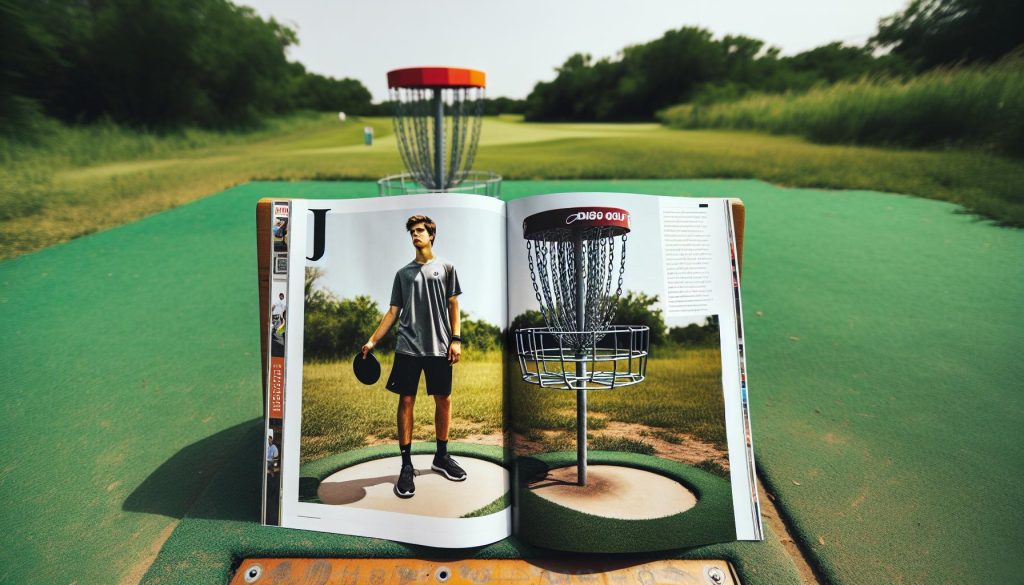
Did you know that nearly every disc golf player has questioned their stance at some point? Understanding the rule regarding whether your foot can leave the tee box is crucial for both casual players and serious competitors. This clarification not only impacts your next round but can elevate your game by ensuring you play within the rules and maximize your throwing potential. By grasping the nuances of stance rules, you’ll enhance your confidence on the course, avoid unnecessary penalties, and refine your technique. Join us as we explore the intricacies of foot placement during your throw, unraveling the details that could make all the difference in your disc golf performance.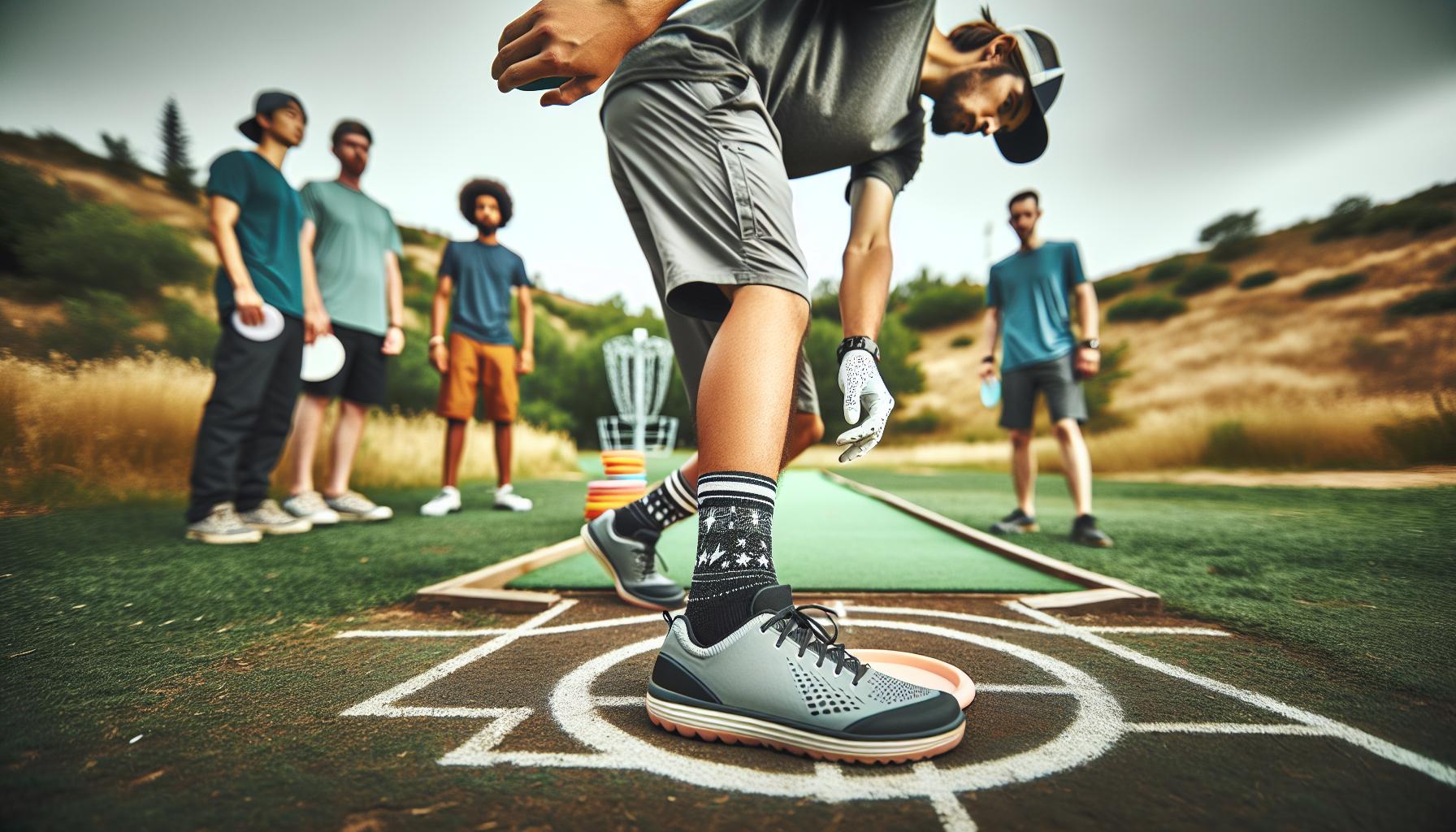
Understanding the Stance Rule in Disc Golf
In the competitive and growing world of disc golf, understanding the stance rule is fundamental for both novice players and seasoned pros alike. This rule is designed to maintain fairness and consistency in play, particularly on the tee box. The basic principle stipulates that players must have at least one foot within the boundary of the tee area while making their throw, with the other foot allowed to extend beyond. Failing to adhere to this can lead to being assessed a foot fault, which may result in penalties or disqualification from a tournament, depending on the severity and frequency of the infractions.
To clarify, the “tee box” is marked off by boundaries, and it’s crucial that players respect these limits during their throw. A common misconception is that players can reposition themselves just outside of the designated areas; however, this is not permissible by the rules of the game. Foot placement is not just about staying within the lines; it significantly influences balance, power, and accuracy while throwing. A solid stance can lead to more controlled and powerful throws since improper footing can impact a throw’s mechanics, reducing distance and accuracy.
Improving one’s stance begins with practice. Players should focus on finding a posture that feels both stable and comfortable. Positioning your weight evenly across both feet and aligning your shoulders with the direction of the throw can enhance your overall performance. Moreover, experimenting with various foot placements during practice sessions can help develop a better understanding of how these adjustments affect throw outcomes. By mastering the stance rule, players not only refine their technique but also contribute to the integrity of the sport, fostering a more respectful and competitive atmosphere.
The Importance of Proper Foot Placement
In disc golf, proper foot placement can dramatically affect your performance on the course. A strong stance not only contributes to your stability but also enhances your throwing mechanics, ultimately leading to more accurate and powerful throws. Players often underestimate the importance of how they position their feet on the tee box, but this fundamental aspect can make a significant difference in the outcome of their throws.
Maintaining at least one foot within the designated boundaries of the tee box is crucial to avoid foot faults, as these can lead to penalties in tournament play. However, the right foot placement goes beyond mere compliance with the rules-it plays a critical role in your balance and weight distribution. When you set your feet correctly, you align your body for a powerful throw, allowing you to harness your core strength and generate maximum momentum. In practice, this means positioning your feet shoulder-width apart to ensure stability, with your weight balanced and leaning slightly into your throw.
Experimenting with different foot placements can also yield insights into personal preferences and throwing styles. Some players find that angling one foot toward the target aids in their accuracy, while others might prefer a more parallel stance for stability. As you practice, try visualizing and adjusting your foot stance to see how it affects your throw’s trajectory and distance. This level of understanding is especially beneficial in competitive environments where every inch counts.
Ultimately, proper foot placement is a blend of adherence to the rules and optimization for performance. By cultivating a mindful approach to how you position your feet on the tee box, you’re not just playing by the book; you’re setting yourself up for success on the course and contributing to the competitive spirit of disc golf.
Common Mistakes Players Make with Tee Box Stance
In the competitive world of disc golf, the smallest details can make the biggest difference, especially when it comes to the stance you take at the tee box. Many players, both experienced and newcomers, often make common mistakes that can affect their throw and potentially lead to penalties. One of the most frequent issues is misjudging foot placement within the designated tee box area. Players might unconsciously shift their feet beyond the boundaries, risking a foot fault, which can cost them precious strokes in tournament play. Remember, at least one foot must remain within the box during your throw to stay compliant with the rules.
Another prevalent mistake is being too rigid with foot positioning. Some players plant their feet in one way and stick to it, regardless of the course conditions or their throwing motion. This rigidity can hinder performance; flexible foot placement allows for better weight distribution and adaptability to various lie situations. For instance, if you’re faced with an uphill throw, angling your feet can help generate more power and stability compared to a flat stance. Think of your foot position as a dynamic setup-adjust your stance to fit the situation rather than forcing the same position every time.
Overlooking the importance of balance is also something many players struggle with. A common error is leaning too far back or forward instead of maintaining a centered position. Balance is crucial for generating momentum and power during your throw. You should aim to keep your weight distributed evenly, feeling a slight lean towards your throwing side while maintaining control over your stance. Practicing this can enhance your stability and lead to more consistent and controlled throws.
Lastly, some players fail to visualize their stance entirely. They might not recognize how subtle changes in their foot placement can directly impact their throw’s trajectory. Developing a habit of visualizing the ideal stance for each hole can promote better shot execution. Consider taking a moment before your throw to assess how your stance aligns with your target, making real-time adjustments for maximum effect. Embracing these strategies not only can elevate an individual player’s game but also enrich the overall competitive spirit of the disc golf community.
Visualizing Your Foot Position During a Throw
In disc golf, the power and precision of your throw begin with the foundation of your stance. Visualizing your foot position can significantly influence the trajectory and distance of your disc flight. When preparing for a throw, it’s important to mentally map out not just where you will place your feet but how each position affects your center of gravity and balance. For instance, if you’re facing an uphill lie, visualizing angling your feet slightly forward can help you maintain stability, enhancing your power transfer into the throw.
To effectively visualize your foot position, consider the following practical steps:
- Stand Still, Breathe, and Assess: Before each throw, take a few moments to notice your surroundings and the specific challenges of the shot. This helps ground you and sets the stage for your body awareness.
- Align Feet with Target: Picture a straight line from your back foot through your front foot to your target. Your feet should be angled appropriately based on the desired trajectory-this can often mean adjusting based on wind conditions or terrain.
- Practice Visualization Techniques: Off the course, practice visualizing various stances and their effects. Work on scenarios where your foot placement might need to adapt, such as on sloped hills or uneven lies.
- Use Feedback: After your throw, take note of the disc’s flight pattern and your stance. Did you maintain your foot placement within the box? Did your visualized angle result in the intended trajectory? Use this feedback for future practices.
In competitive play, visualizing your foot placement becomes critical, especially under pressure. If you can internalize the optimal set-up for each throw while being mindful of the stance rules-keeping at least one foot within the tee box-you enhance not just your aim but your confidence as well. It shifts your focus from the anxiety of potential penalties to the exhilarating strategy of dynamic footwork, making your approach to disc golf as athletic as it is enjoyable. Embrace this mental exercise; over time, it can transform your game and deepen your connection to the sport.
Step-by-Step Guide to a Legal Stance
When it comes to establishing a legal stance in disc golf, every player must master the specifics of foot placement within the tee box-this becomes crucial under the pressure of competitive play. Knowing that at least one foot must remain within the designated area while executing a throw can significantly impact both your strategy and execution. By following a simple, structured approach to your stance, you can enhance your consistency and overall performance.
First, stand at the back of the tee box, taking a moment to visualize your shot. Assess your target and any potential obstacles between you and your desired landing zone. As you prepare to throw, place your feet shoulder-width apart to create a stable base; this not only supports better balance but also allows for more power to be generated through your lower body.
Next, ensure that at least one foot is clearly within the boundaries of the tee box. This fulfills the legal requirement and helps you establish a grounding point for your throw. If you’re using a traditional backhand throw, you might find that your back foot is positioned slightly backward while your front foot points forward towards the target. This positioning provides stability while allowing an effective transfer of weight from your back foot to your front foot during the throw.
Practice Makes Perfect
Once you’ve established a stance, develop a routine to ensure repetition and comfort. Incorporating drills focused on foot placement can greatly enhance your muscle memory, allowing for a smoother and more fluid throwing motion over time. For instance, set up cones or markers to represent the ideal foot placements for different angles and throws. This not only reinforces the rules but also improves your adaptability to various lies and terrain.
In competitive scenarios, players often overlook how foot placement affects their throw. Understanding the mechanics can translate into effective strategic decisions, particularly when dealing with challenging course layouts. Remember to keep your eyes on your target as you execute your throw; just like in golf, a clear focus helps maintain both confidence and execution integrity. By adhering to these principles and practicing consistently, you’ll not only remain compliant with the rules but also maximize your potential on the course.
Advanced Techniques: Mastering Footwork
When it comes to optimizing your performance in disc golf, mastering footwork is a game-changer. While many players focus solely on their throwing mechanics, the foundation of a great throw lies in how effectively you position your feet. Not only does your foot placement impact the legality of your shot-ensuring that at least one foot remains within the boundaries of the tee box-but it also significantly affects your balance, power, and accuracy during the throw.
To elevate your game, start by focusing on the concept of balance. A strong base formed by proper foot placement allows for a smoother weight transfer during your throw. Experiment with wider stances as well as shoulder-width apart; some players may find that slightly wider stances give them more stability, particularly on hyzer or anhyzer throws. This stability can prevent foot faults and ensure compliance with stance rules during competitive play.
In addition to balance, integrating advanced footwork techniques can further refine your compactness and dynamic movement. Techniques such as the “triple-step” or “X-step” can maximize the torque and energy you transfer from your lower body through to your upper body. This not only generates greater power, but it also ensures that you maintain the required position within the tee box. Practice this by simply stepping back into a comfortable stance before your throw, as visualizing the movement helps build muscle memory.
Furthermore, drills focusing on lateral movements can enhance your response to course layouts where tee boxes are unconventional or on slopes. Try setting up a series of cones to navigate through as you throw, replicating varied conditions that require quick foot adjustments while ensuring your stance remains compliant. This kind of practice not only builds muscle memory but also conditions your mental game, preparing you to focus on foot placement even in high-pressure situations. Remember, a solid understanding and execution of footwork will give you an edge on the course, allowing you to throw with confidence and reliability.
How Foot Placement Affects Throwing Mechanics
Proper foot placement can dramatically influence your throwing mechanics in disc golf, as it serves as the foundation for generating power, maintaining balance, and ensuring accuracy. When players neglect this aspect, they often face a host of challenges that can undermine their overall performance. For instance, a common misstep is allowing one foot to drift outside the designated boundaries of the tee box-this not only raises the risk of a foot fault but can also disrupt your center of gravity during the throw.
Achieving an effective stance means anchoring your feet firmly and ensuring that your weight is properly distributed. This foundational position allows for optimal weight transfer, which is crucial for generating the necessary torque during your throw. Here are a few practical tips to consider:
- Experiment with Stance Width: Depending on the throw type, you may benefit from varying your stance width. A shoulder-width stance promotes stability, while a slightly wider stance may provide increased balance, especially on uneven ground or when executing specific shot types like hyzer.
- Focus on Weight Distribution: Your weight should shift dynamically during the throw-from your back foot, through the hips, and finally to the front foot. Ensuring that your feet remain firmly planted within the tee box during this transfer is critical to executing a legal throw.
In addition to these considerations, different throwing techniques can also affect foot placement. For example, executing a more complex footwork pattern, such as the “X-step,” can enhance your throw’s power while ensuring that you remain within the tee box limits. Practicing these movements creates muscle memory, allowing them to feel more natural over time.
By understanding and refining how your foot placement impacts throwing mechanics, you build a solid foundation that translates into better performance on the course. As you work on these skills, keep in mind that consistency is key. Regularly practicing with intention will enhance your overall game, providing you with the confidence to tackle challenges head-on during competitive play.
Real Player Stories: Stance Successes and Failures
The path to mastering your stance in disc golf is often peppered with personal anecdotes that illuminate both the successes and the stumbles players experience on the tee box. One player, Jenna, recalls her initial days on the course, where a seemingly minor deviation from proper foot placement during her throws ended with her repeatedly landing her drives out of bounds. “I would feel a correction in my throw-like a wild horse pulling me off course-but couldn’t figure out why until my buddy pointed out my foot was nudging over the line,” she shared. This newfound awareness ignited a commitment to refine her stance, eventually transforming her game and helping her secure her first tournament win.
Conversely, there are also tales of risk-taking that do not end well. Tom, a more experienced competitor, thought he had perfected his X-step and was eager to showcase his skills at a local disc golf championship. Caught up in the excitement, he stepped off-center during his balance check and his foot inadvertently crossed the tee box boundary. The result? A quick disqualification for a foot fault which not only deflated his spirits but also served as a harsh reminder of the precision required in this sport. Tom now shares his experience with others, emphasizing the importance of staying grounded in your stance to avoid costly mistakes.
Both these stories reinforce the reality that foot placement is not merely a technicality; it is a foundational aspect of throwing mechanics that can dictate the outcome of a game. Players often discover that refining their stance not only enhances their physical performance but also builds confidence in their abilities. Through practice and awareness, they learn that every part of their foot position, from width to weight distribution, plays a crucial role in their success on the course. Engaging with such personal tales encourages novice and seasoned players alike to reflect on their own journeys, fostering a supportive community dedicated to improving both individual and collective gameplay.
Ultimately, the journey of adjusting your stance is bound to include hurdles and achievements, but each experience offers valuable lessons that contribute to growth in the sport. Embracing these lessons transforms not just players’ technique but also cultivates a culture of resilience within the disc golf community.
Analyzing Foot Faults in Competitive Play
Understanding the subtle nuances of foot faults can be the difference between a flawless drive and a disqualification in competitive disc golf. Even the most skilled players may inadvertently encounter foot faults, often caused by a momentary lapse in focus during a high-pressure scenario. The importance of adhering to the stance rules can’t be overstated, as it not only affects the legality of a player’s throw but also serves as a reflection of their discipline and skill.
When analyzing foot faults, it is crucial to comprehend the specifics of foot placement during the throw. According to the rules, players must establish their stance behind the tee markers. If any part of a player’s foot touches or crosses the line before the disc is released, it constitutes a fault. The most common mistakes occur during the X-step, where players can become overly excited and step beyond the boundary while checking their balance. For example, an amateur at a tournament might not realize they’ve stepped slightly forward, resulting in a foot fault that undermines their carefully measured throw.
Identifying Common Foot Fault Scenarios
To prevent foot faults, players should be mindful of several common scenarios:
- Improper Stance Setup: Ensure your foot is clearly behind the markers before initiating your throw.
- Excited Movement: Maintain control during your X-step or transition, focusing on smooth movements rather than hurried ones.
- Forgetting to Ground Yourself: Regularly check your balance as you prepare to throw; a slight shift can lead to an unintended foot violation.
Practicing in a controlled environment can help players develop muscle memory for proper foot placement. Start with a drill focusing solely on stance without throwing any discs. Have a friend observe your foot position, ensuring it remains behind the tee box at all times. In competitive settings, it might be beneficial to take a slow mental scan of your foot placement before each throw-this quick check can greatly reduce the risk of foot faults occurring.
In essence, every violation serves as an opportunity to learn and refine technique. Whether you are a beginner embracing the fundamentals or a seasoned player looking to perfect your game strategy, understanding foot faults deepens your appreciation for the sport. As you develop this awareness, you not only improve your performance but also contribute to the integrity and competitive spirit that defines the disc golf community. Engaging with others about these experiences fosters a collective growth mindset, enhancing both personal and shared journeys through this vibrant sport.
Tips for Practicing Your Stance at Home
Practicing your stance at home is a valuable opportunity to refine your technique without the pressure of competition. Enhancing your foot placement can dramatically improve your overall game, helping you stay behind the tee markers and avoid foot faults. One effective way to visualize and correct your stance is through simple drills that focus explicitly on your foot positioning. Begin by marking a tee box area in your living room or backyard using tape or chalk, simulating the environment of a disc golf course. This controlled space allows you to practice maintaining your foot position behind the markers before engaging with the throw itself.
Incorporate exercises that develop muscle memory. For instance, perform stance drills where you repeatedly position your feet behind the line, ensuring that no part of your foot crosses it. It can be beneficial to have a friend or family member observe you during these drills, offering feedback on your foot placement. As you practice, focus on the mechanics of your stance during the X-step, the critical movement where many foot faults occur. A relaxed mind and controlled body movement will help you establish a fluid motion, minimizing the risk of crossing that crucial line. Use a mirror or video recording to monitor your balance and foot alignment, allowing you to make necessary adjustments in real-time.
Drills for Home Practice
Establishing a routine can ease the learning curve for newcomers and seasoned players alike. Here are some drills to incorporate into your practice sessions:
- Static Stance Drill: Stand with your feet behind a marked line, practice the posture and feel of a proper stance. Hold this position for a few seconds. Repeat until it feels natural.
- X-Step Practice: Simulate the motion of your X-step while ensuring your leading foot stays behind the line. Pay attention to body control and fluidity.
- Foot Placement Checks: Before practicing your throws, perform a mental scan of your feet to ensure they’re behind the markers. This habit can translate into improved focus during competitions.
By taking these steps, not only do you enhance your stance but also solidify your understanding of the legal requirements associated with gameplay. Practicing at home can establish crucial habits that translate effectively onto the course. Remember, disc golf is as much about mental discipline as it is about physical execution, and honing your stance is the first step to mastering your overall game. Engage with your local disc golf community to share feedback and learn from others’ experiences with stance development.
Disc Golf Equipment That Supports BetterFootwork
When engaging in disc golf, your foot placement can significantly influence your game, particularly when it comes to maintaining a legal stance during your throw. However, the right equipment can provide the support and stability necessary for you to keep your feet planted correctly throughout your movements. There are several tools and accessories that can enhance your footwork, allowing you to focus on technique and execution without the distraction of discomfort or instability.
A reliable pair of shoes specifically designed for disc golf can make a substantial difference in your performance. Look for footwear that offers excellent grip and support, as this will help you maintain a stable base during your throws. Brands like Innova and Discmania often provide shoes with the right balance of traction and comfort that can keep your feet grounded, even on uneven or challenging terrains. Additionally, high-top styles may provide added ankle support, reducing the risk of sprains when executing powerful shots or when navigating around the course.
Another helpful item is a specialized tee pad or traction mat that mimics the conditions of a real tee box. Practicing on a similar surface at home can help you become accustomed to balancing your weight and positioning your feet while ensuring that you remain behind the designated line. These mats not only provide a realistic surface for practicing legal stances but also help you visualize the boundary constraints critical for compliance during gameplay.
In addition to footwear and practice surfaces, consider utilizing training aids like balance boards or stability discs. These devices are excellent for building the muscle memory needed to maintain proper form in your foot placement. Regular use during your training will strengthen your core and lower body, translating into more consistent stances on the course. This awareness can ultimately enhance your confidence and overall footwork, leading to improved performance.
Investing in the right equipment helps reinforce good habits while also building a strong foundation for your disc golf career, whether you’re a newcomer or an experienced competitor. By addressing both your technique and supporting equipment, you’ll be well on your way to mastering the nuances of foot placement, and ultimately, your game.
Join the Community: Share Your Stance Experiences
Engaging with the disc golf community can be an eye-opening experience, especially when it comes to understanding the nuances of the stance rule. Many players have faced the dilemma of whether their foot can leave the tee box during their throw-a question that sparks lively discussions and varied interpretations. Sharing personal stories can provide valuable insights and deepen your understanding of the rule while connecting with others who share your passion for the sport.
Consider your own journey: maybe you’ve experienced a foot fault during a crucial tournament, or perhaps you’ve mastered the perfect placement that gives you the confidence to unleash your throws. These experiences can serve as invaluable lessons for other players. For instance, a golfer might recount how practicing in front of a mirror helped them visualize their foot position during their approach, while another might explain how they developed a pre-shot routine to ensure they always stay behind the designated line. Every story shared can help others refine their technique and enhance their gameplay.
Moreover, joining a community doesn’t just mean sharing successes; it also includes discussing failures. Analyzing foot faults in competitive play can help players identify common mistakes, fostering an environment of learning and improvement. You might share strategies on how to avoid pitfalls, like practicing on varied surfaces to simulate course conditions, or focusing on balance and support during your stance. These discussions not only validate individual challenges but also emphasize that mastering foot placement is a collective journey.
Connecting with fellow disc golfers can also be an avenue for discussing the equipment that can aid in achieving a legal stance. Whether it’s the right shoes or innovative training tools, there’s always something new to learn from one another. Encouraging players to share their tips on enhancing footwork or describing tools that have made a difference in their performance enriches the overall experience of being part of this vibrant community. So, step up, share your stories, and let’s elevate our game together!
FAQ
Q: Can I step off the tee box when I throw in disc golf?
A: No, you must keep at least one foot within the boundaries of the tee pad during your throw in disc golf. Stepping outside the tee box constitutes a foot fault and can lead to penalties, affecting your overall score.
Q: What happens if I accidentally leave the tee box during my throw?
A: If you leave the tee box while throwing, it is considered a foot fault. The throw does not count, and you must re-throw from the original tee position. This rule emphasizes the importance of maintaining proper foot placement for a valid throw.
Q: How much of my foot needs to be on the tee pad in disc golf?
A: At least one part of your foot must be touching or within the boundaries of the tee pad before your disc is released. This rule ensures compliance with stance requirements and prevents foot faults.
Q: Can I jump from the tee box when I throw?
A: You may use a jumping motion as part of your throw, but you must ensure that you have at least one foot inside the tee box until your disc is released. Doing otherwise will result in a foot fault.
Q: Are there different stance rules for casual play versus tournament play in disc golf?
A: Generally, stance rules are consistent regardless of play type. However, tournament play may enforce these rules more strictly. It’s essential to understand the rules specific to the event if you’re participating in a sanctioned tournament.
Q: How can I practice keeping my foot within the tee box?
A: To improve your stance, practice your throws on a flat surface where you can mark the boundaries of the tee box. Pay attention to your foot placement during throws, ensuring that at least one foot stays within the marked area.
Q: What are common mistakes players make regarding tee box stance in disc golf?
A: Common mistakes include not being aware of foot position, stepping off the tee box during the throw, and failing to visualize the proper stance before executing a throw. Awareness and practice can help mitigate these issues.
Q: Why is it important to follow stance rules in disc golf?
A: Following stance rules is crucial for ensuring fairness in gameplay and maintaining the integrity of the sport. Proper stance helps with technique and consistency, leading to better throw performance overall.
For more tips on perfecting your stance, check out our article sections on Advanced Techniques and Common Mistakes.
Wrapping Up
Understanding the stance rule in disc golf is crucial for improving your game and ensuring fair play on the course. Remember, your foot placement at the tee box can significantly influence your throw, so always stay informed about the guidelines! If you found this clarification helpful, explore our detailed guides on disc flight characteristics and throwing mechanics to elevate your skills further.
Don’t miss out on our community insights and player stories that can inspire your next round. Consider subscribing to our newsletter for the latest tips, tricks, and resources tailored for both beginners and competitive players alike. Join the conversation-leave your thoughts below, and share this article with fellow disc golf enthusiasts. Let’s keep the discussion going and grow together in this exciting sport!
Get our latest guides, news, and insights highlighted in your Google Search & AI Overviews.