Did you know that the distance the average disc golfer can throw varies widely, influenced by factors like skill level, technique, and environmental conditions? Understanding how far beginners and seasoned pros can send their discs is essential for any player looking to improve their game. Whether you’re striving to add those extra feet to your throws or simply curious about the benchmarks in the sport, knowing the average distances can guide your practice and enhance your strategy on the course. In this guide, we’ll explore the statistics behind disc golf throwing distances and what they mean for your development as a player. Get ready to gain valuable insights that can elevate your disc golf experience!
Understanding the Average Throw Distance in Disc Golf
The average disc golfer can expect to throw around 250 to 300 feet, but this figure varies significantly based on several factors including skill level, physical fitness, and technique. A strong throw can be exhilarating, providing an immediate sense of accomplishment and connection to the sport. Novice players may start with shorter throws, generally achieving around 150 to 200 feet, while experienced players can push those distances considerably. For instance, data shows that intermediate players often comfortable with their technique can reach distances of 300 feet or more, showcasing how practice and skill development can leaven performance.
Understanding the dynamics of disc flight is essential to maximize your distance. The shape and weight of the disc, for example, influence how it interacts with the air. Heavier discs can cut through wind more easily and maintain distance but may require more power to throw effectively. Additionally, the angle at which you release the disc-be it flat, hyzer, or anhyzer-dramatically affects its flight path and distance.
It’s also critical to consider that environmental conditions play a pivotal role in throwing performance. Windy weather can hinder distance, while a slight tailwind can enhance it. Moreover, throws made on downhill terrains generally achieve greater distances than those made on flat or uphill layouts. By focusing on refining throwing technique and understanding how various elements impact throws, players can see noticeable improvements in their overall distance, solidifying their enjoyment of disc golf as both a competitive and leisure activity.
Incorporating drills focused on wrist snap and follow-through can make a marked difference in distance achievement. Engaging with the community, whether through local leagues or online forums, offers invaluable insights from seasoned players, further accelerating your growth in the sport. Remember, every throw is a chance to learn; embrace the journey towards becoming a more proficient disc golfer.
Factors Influencing Throw Distance
The distance a disc golfer can throw is not just a reflection of raw athleticism; rather, it is an intricate dance of technique, physical conditioning, and equipment choice. Disc golf enthusiasts often assume that bigger throws come from stronger players, but countless variables contribute to this sport’s playful complexity.
One significant factor influencing throw distance is the throwing technique. Proper mechanics involve a blend of arm movements, wrist snap, and body rotation. A common mistake is relying solely on arm strength; instead, engaging the whole body can create a more effective transfer of power. The ideal technique includes a strong follow-through, as this allows for a smoother, more aerodynamic release, enhancing distance.
Equipment also plays a crucial role in maximizing throw distance. The weight, grip, and aerodynamics of discs can vary widely. Heavier discs typically maintain their trajectory against the wind more effectively, while lighter discs can achieve higher speeds with less effort. Players often experiment with different disc types to find optimal performance based on their personal throwing style. Additionally, the type of disc-whether a driver, midrange, or putter-affects how it cuts through the air and builds momentum.
Environmental conditions, such as wind speed and direction, cannot be overlooked. A light tailwind can add valuable distance to a throw, while headwinds can significantly hinder effort. Similarly, the topography of the course influences throws. Players may achieve greater distances on downhill slopes than on flat or uphill terrains, highlighting the importance of course strategy in improving performance.
By mastering technique, selecting appropriate equipment, and understanding the significance of environmental factors, players can significantly improve their throw distances. Participating in community events and seeking feedback from more experienced disc golfers can further refine skills and strategies, ultimately contributing to their growth in this exciting sport.
Disc Golf Throwing Techniques for Beginners

The foundation of successful disc golf play rests on mastering the fundamentals of throwing techniques. Many beginners may feel overwhelmed by the complexities of finessing their throws, but understanding a few key techniques can dramatically improve distance and accuracy. Whether you’re aiming to toss a straight-line shot down the fairway or curving around obstacles, knowing how to harness your body mechanics will set you on the path to becoming a more confident player.
One essential technique for beginners is the backhand throw, often considered the most straightforward and intuitive. Here’s a step-by-step breakdown to get started:
- Grip: Hold the disc with your thumb on top and your index finger pointing underneath the rim, while your remaining fingers curl around the bottom. Ensure a firm grip without straining your hand.
- Stance: Position yourself with your feet shoulder-width apart, knees slightly bent, and weight balanced. Your non-throwing shoulder should face your target, creating a coiled tension in your upper body.
- Wind-up: Rotate your shoulders away from the target while bringing the disc back to your hip. This coiling action stores energy that will be released during the throw.
- Throw: Initiate the throw by shifting your weight from your back foot to your front foot while rotating your hips toward the target. Simultaneously, bring your throwing arm forward in a smooth, whipping motion. Aim to release the disc at waist height, allowing for a clean flight path.
- Follow-through: After releasing the disc, allow your arm to continue its natural arc, finishing high to promote a better release and prevent injury.
Practice this technique consistently, focusing on your body mechanics rather than just arm strength, as a more holistic approach enables a smoother and more powerful throw.
Additional Techniques to Explore
As you gain confidence with the backhand throw, consider experimenting with other throws such as the forehand (or sidearm) and overhand shots. The forehand throw allows for versatility and can be highly effective, particularly for quick turns or tight shots. Similar to the backhand, the key components involve grip, stance, and follow-through, but the motion relies more on your wrist and arm snapping forward rather than a full body rotation.
The Role of Equipment
While mastering technique is vital, selecting the right disc can enhance your performance. Beginners often benefit from using midrange discs due to their stability and ease of control. As you progress, incorporating drivers specifically designed for distance can help you achieve even greater throws.
By focusing on these essential throwing techniques and understanding their mechanics and the role of equipment, you can effectively increase your throw distance, setting a strong foundation for your disc golf journey. Keep practicing, and most importantly, enjoy the process of improving your game!
Advanced Throwing Mechanics: Mastering the Drive
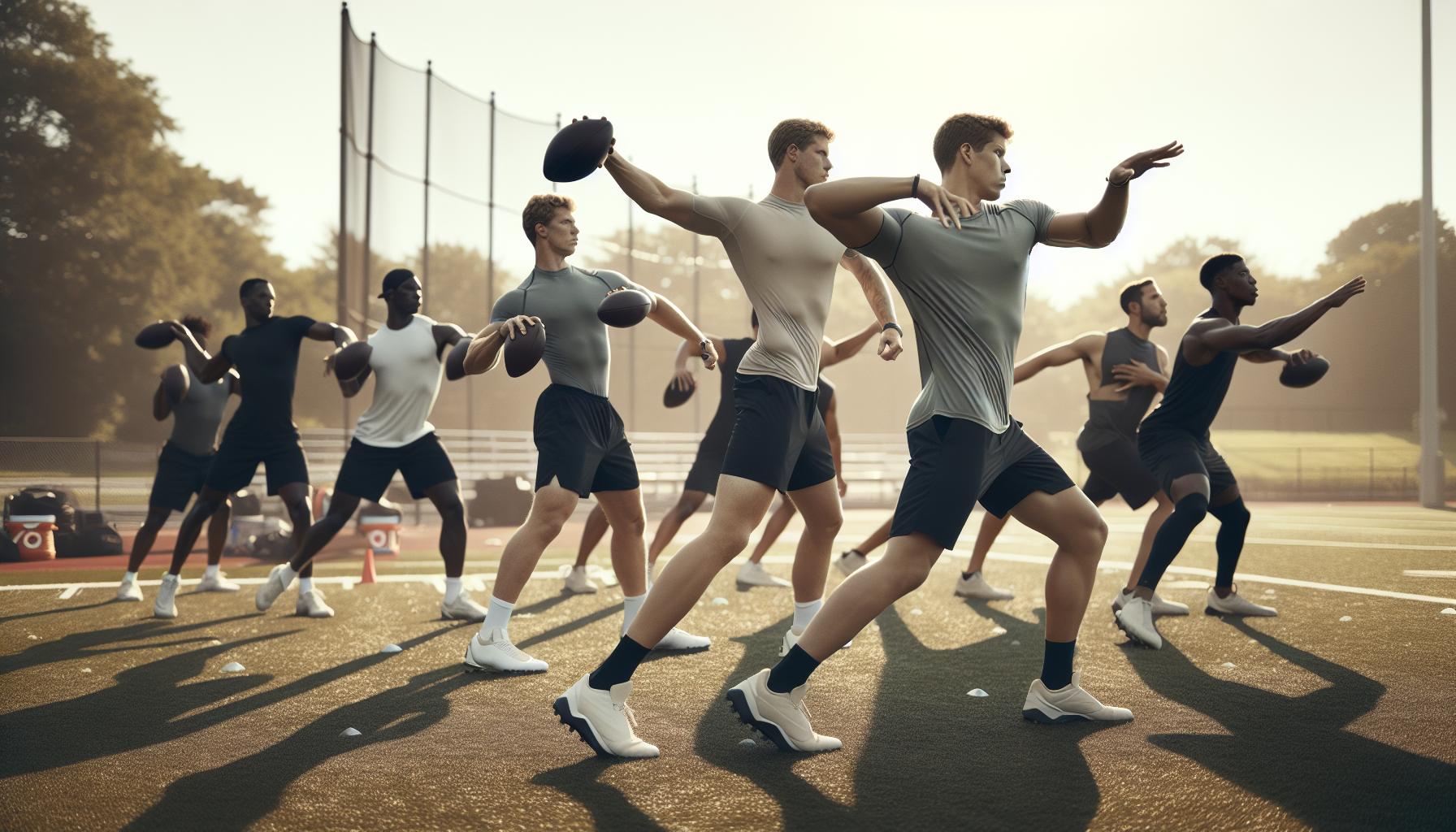
Mastering the drive in disc golf can significantly elevate your game, often serving as the gateway to achieving greater distances on the course. For many players, the drive is a unique blend of technique and power, making it crucial to understand the mechanics involved. Advanced throwers have honed their skills to maximize not just their distance, but also their accuracy. By refining your drive, you can unlock the potential to consistently reach the pins in fewer throws.
To begin with, the core mechanics of a powerful drive hinge on a few fundamental elements: grip, stance, and body rotation. A proper grip involves holding the disc firmly while allowing for a slight wrist snap at release. Weight transfer is another vital component; shifting your body weight from your back foot to your front foot creates the necessary momentum. It’s essential to maintain a balanced stance with your knees flexed, as this allows for greater stability during the throwing motion.
Once you have your grip and stance dialed in, concentrate on your hip rotation. As you prepare to throw, wind up your body by rotating your hips back and away from your target. This coiling maximizes the force you can generate during your throw. When you release the disc, ensure that your elbow is at shoulder height and that you maintain a smooth follow-through to prevent injury and promote distance. Remember, the goal is not just to throw hard but to throw smart, harnessing both technique and body mechanics to achieve that elusive distance.
Now, let’s touch on the importance of selecting the right equipment, as it can significantly impact your driving performance. Utilizing distance drivers that suit your throwing style can make a notable difference. Beginners may find it beneficial to choose discs with a lower stability rating, allowing for more forgiving flights. Additionally, practicing with various weights and sizes can help you identify the best fit for your unique throwing mechanics. Regularly tuning these aspects of your game will ensure you’re continually improving and capable of throwing further, making every round an opportunity for growth and mastery.
Ultimately, approaching your drive as a multifaceted skill that integrates technique, equipment, and conditioning will not only enhance your performance but also deepen your appreciation for the sport. As you practice and refine your mechanics, you’ll find that each drive not only moves you closer to the basket but also contributes to your overall enjoyment of the dynamic and growing world of disc golf.
Equipment That Enhances Throwing Performance
Elevating your disc golf game often hinges on the equipment you choose. Just as the right tools can make or break a craft, the right discs can significantly enhance your throwing performance. When considering how far the average disc golfer can throw, it’s essential to understand the impact of disc design, weight, and overall fit for your throwing style.
A critical factor in optimizing your distance is selecting the appropriate disc type. Distance drivers are specifically engineered to slice through the air and maintain speed over longer throws. These discs tend to have a lower profile and sharper edges, designed to reduce drag and improve glide. However, not all distance drivers are created equal. Beginners may benefit from stable discs, which provide more control and predictability during flight. As you gain proficiency, experimenting with overstable and understable discs can help you achieve varying flight paths, ultimately leading to greater distances as you harness the potential of each disc.
Another key element to consider is the weight of the disc. Heavier discs typically cut through the wind better, making them suitable for experienced players who can generate enough power to utilize these discs effectively. In contrast, lighter discs may offer more distance for less experienced players or for those throwing under gentle wind conditions, providing an easier throw. An ideal approach is to have a range of weights in your bag and practice with each to discover which feels most comfortable and effective for you.
Lastly, maintaining a relationship with your equipment goes beyond simply choosing the right discs; it involves regular practice and understanding your own mechanics. Properly blending your equipment with a strong technique will amplify your distance. Consider engaging in training sessions that involve working with a coach or seasoned player who can offer insights tailored to your specific setup, ensuring that you are not only relying on your gear but also on developing your own skills.
Ultimately, whether you are just starting your disc golf journey or striving to compete at a higher level, the equipment you choose can profoundly impact your throwing performance and distance. Approach your selection process with care, and allow your equipment to empower your personal growth in this dynamic sport.
Disc Types and Their Impact on Distance
Selecting the right disc can make a significant difference in how far you can throw, impacting not only distance but also accuracy and control. Disc golf discs are generally categorized into three main types: putters, mid-range discs, and drivers, each designed with specific flight characteristics that correlate with a player’s skill level and throwing style.
Distance drivers are the most aerodynamically advanced discs; they feature a sharp edge and a more streamlined profile aimed at maximizing speed and distance. For seasoned players, these discs can achieve impressive distances, often surpassing 400 feet with the right technique. However, beginners might struggle with distance drivers due to their tendency to turn or fade unpredictably. It’s crucial for new players to start with discs that offer more stability and predictability, such as fairway drivers, which blend the characteristics of both drivers and mid-range discs. These provide a balance that helps in developing technique while still allowing for respectable distance.
Another important aspect is the weight of the disc. Generally, heavier discs (175 grams or more) are preferred by experienced players as they cut through wind better and maintain their stability through rough conditions. Conversely, lighter discs (165 grams or less) are easier to throw for those still perfecting their skill set, as they respond to less force and can be thrown with a smoother stroke. Understanding your strength and comfort level when it comes to disc weight can lead to better performance on the course.
To help you visualize this, consider this table comparing the different disc types:
| Disc Type | Best For | Typical Distance |
|---|---|---|
| Putters | Short throws, putting | 50 – 200 feet |
| Mid-range | Approach shots | 150 – 300 feet |
| Fairway Drivers | Controlled throws | 250 – 400 feet |
| Distance Drivers | Maximum distance throws | 300 – 500+ feet |
In summary, understanding the different types of discs and how they impact distance is vital for any disc golfer aiming to improve their game. Whether you’re selecting a distance driver for maximum throw or a mid-range for more control, choosing the right disc tailored to your skill level and throwing mechanics can help unlock your true potential on the course.
Comparative Analysis: Recreational vs. Pro Player Distances
When examining the differences in throwing distances between recreational and professional disc golfers, the disparities can be quite striking. Recreational players often average throws around 200 to 300 feet, while seasoned professionals routinely surpass the 400-foot mark, with elite players frequently throwing distances exceeding 500 feet. This vast gap isn’t simply a byproduct of physical strength; it’s a combination of technique, training, and equipment choices.
One of the key factors that differentiates recreational throwers from professionals is the throwing technique. Professionals have honed their skills through years of practice, which includes developing a fluid throwing motion that maximizes power transfer from their body to the disc. They utilize techniques such as the “X-step” in their run-up, which helps build momentum while keeping their balance. In contrast, newer players may rely heavily on arm strength, which often results in less distance and more unpredictable flight paths.
Furthermore, the types of discs used can significantly influence throwing distances. Professionals typically select high-speed distance drivers made to glide effortlessly and cover more ground. These discs are engineered with advanced aerodynamics, allowing them to maintain speed over long distances. Recreational players may not yet be familiar with the subtle weight differences and stability ratings of discs, often opting for heavier options that can lead to less effective throws. By understanding which discs are best suited for their skill level and throwing style, amateur players can work towards improving their distance.
Lastly, the practice routines diverge significantly between these two categories of players. Pros often engage in specific drills designed to improve distance and consistency, regularly working with coaches to refine their techniques. Recreational players, while passionate, may not always incorporate disciplined training into their routines. By prioritizing targeted practice and learning from experienced players, newcomers can bridge the gap and progressively enhance their throwing capabilities.
In summary, while the average distances differ substantially between recreational and pro players, understanding and applying the right techniques, equipment choices, and training routines are essential steps towards unlocking greater potential on the course.
Distance Records: What the Best Players Achieve
The thrill of watching a top disc golfer unleash a drive that travels over 600 feet is nothing short of breathtaking. While most players may be amazed by such feats, it’s important to understand how these records are achieved and what separates the extraordinary from the average. The current world record for the longest verified throw is held by Simon Lizotte, who launched a disc an astonishing 1,109 feet during a competition. Such distances reflect not only remarkable physical strength but also perfected technique and an intimate knowledge of disc physics.
What Contributes to Record-Setting Throws?
Strong record-setting distances are a culmination of several factors:
- Technique: Throwing mechanics play a pivotal role in achieving maximum distance. Top players refine their techniques over years, focusing on elements such as hip rotation, follow-through, and timing.
- Disc Selection: The type of disc used also greatly influences distance. High-speed drivers designed for optimal glide can contribute to longer throws. Pros often test and select discs that match their unique throwing styles.
- Practice Routines: Regular, targeted practice allows players to work on specific skills necessary for distance throws. This could include distance drills, strength training, and learning to read wind conditions.
- Physical Conditioning: Many elite players include fitness regimes that enhance their athleticism, focusing on core strength, flexibility, and overall power.
Moreover, it’s essential to recognize that environmental factors such as wind direction, elevation of the playing field, and course design can also significantly affect the distance of a throw. Some disc golf courses, particularly those in hilly or open areas, may create opportunities for additional distance that struggling players may not experience on flatter or more wooded layouts.
The Community and Competitive Spirit
Every record-breaking throw contributes to the growth and development of the sport, fueling inspiration among players of all skill levels. As more players seek to improve their distance, the community becomes engaged in sharing tips and techniques that embody both the competitiveness and camaraderie found in disc golf. By learning about the exceptional abilities of the pros, aspiring players can align their practice habits and equipment choices with the goal of not just matching, but potentially surpassing their personal bests.
Celebrating achievements in the sport legitimizes disc golf as a serious athletic pursuit, continuously drawing in newcomers and seasoned players alike who seek to push their limits. Whether you are a weekend warrior or a budding professional, understanding what the best players achieve and how they do it can guide your own development and appreciation of this exciting sport.
Course Design and Its Influence on Throwing Distance
The layout and design of a disc golf course can dramatically influence how far players are able to throw during their rounds. Courses are often constructed with a combination of elevation changes, turf conditions, and strategic placements of obstacles, all of which can either enhance or hinder throwing distances. For instance, courses set in hilly terrains can provide a natural advantage for throws downhill, creating opportunities for longer distances due to gravity. Conversely, courses with steep inclines may require players to exert additional effort to overcome the elevation, thereby affecting their overall throwing performance.
Another key aspect of course design is the use of open versus wooded areas. Open courses typically allow for unhindered throws where players can unleash their power without worrying about trees limiting their flight paths. The absence of obstacles means players can achieve greater distances as they’re able to throw with maximum speed and accuracy. In contrast, wooded courses often require more precision and a controlled throwing technique, which can limit the distance but encourage players to refine their skills and focus on technical shots.
Environmental features also play a crucial role. Wind conditions can either assist or impede throw distances significantly. For instance, a tailwind can propel a disc further, enhancing the distance, while a headwind might force players to adjust their throwing technique or select a different disc. Additionally, the type of surface on which players are throwing-whether grass, dirt, or gravel-can affect how discs interact upon landing, influencing both distance and approach strategies.
Course designers often aim to create a balance between distance challenges and technical accuracy, which not only tests the abilities of advanced players but also offers recreational players room to grow. By understanding how course design elements interact with throwing mechanics, players can strategize their approach to each hole, potentially enhancing their overall distance and improving their game. Whether navigating a steep hill or adjusting to strong winds, players can learn to leverage course design to elevate their disc golf performance.
Training Routines to Improve Throw Distance
To unlock greater throwing distances in disc golf, establishing a well-rounded training routine is essential. Did you know that improving your throw distance not only depends on strength but also on technique, consistency, and understanding the equipment? Players at all skill levels can benefit from structured practice regimens tailored to enhance specific aspects of their game.
One effective approach to boosting throw distance is incorporating strength and conditioning exercises into your routine. This includes:
- Core Strength Training: A strong core ensures stability during throws. Exercises such as planks, Russian twists, and medicine ball throws can develop the necessary core muscles.
- Shoulder and Arm Conditioning: Building shoulder strength is key. Resistance band exercises and shoulder presses can improve muscle endurance, which directly impacts throw distance.
- Leg Workouts: Your legs are crucial for generating power. Squats, lunges, and plyometric exercises can enhance explosive strength, allowing you to drive with more force.
In addition to physical conditioning, focusing on technique through targeted throwing drills will significantly contribute to distance. Beginners can start with:
- Form Focus: Spend sessions simply practicing your grip, stance, and follow-through. Slow-motion throwing helps you identify flaws in your mechanics.
- Distance Drills: Use progressively heavier discs or perform standstill throws to emphasize snap and wrist action, critical for maximizing distance.
- Target Practice: Set up targets at varying distances to challenge your accuracy while working on power. This method encourages you to use your whole body effectively.
As you progress, consider integrating video analysis of your throws. Watching playback allows you to see your form critically and identify areas for improvement. Seeking feedback from more experienced players can also provide insights that enhance your game.
Lastly, remember that consistency is crucial. Regular practice is necessary to adapt these physical and technical skills to real-game scenarios, whether you’re playing casually or competing. By systematically approaching your training, you pave the way not just for increased throw distance, but for overall improvement in your disc golf game, making the sport even more enjoyable and rewarding.
The Role of Conditions: Wind, Terrain, and Elevation
Weather conditions can have a profound impact on how far an average disc golfer can throw. One key factor is wind; its direction and speed can either hinder or enhance your throw. For instance, a headwind can impede a disc’s flight, causing it to drop short of your target. On the other hand, a tailwind can provide that extra push, allowing for longer flights. Choosing the right disc and adjusting your throwing technique can help mitigate windy conditions. Throwing with a more stable disc can help maintain the desired line against the wind, while adjusting the angle of your release can enhance distance in favorable winds.
Terrain also plays a significant role in how far a disc can travel. Throws made from elevated positions tend to gain more distance due to the increased vertical launch angle. Conversely, throwing from a downhill slope can help generate speed but may require a different technique to maintain disc stability. It’s crucial to learn how to adjust your stance and weight distribution based on the Undulating terrain, ensuring you maintain balance while maximizing your throw’s potential.
Elevation is another crucial consideration. Players in mountainous regions may find that their distance is enhanced due to thinner air at higher altitudes, leading to less air resistance. However, this can also complicate adjustments since disc flight patterns might differ compared to low-altitude throws. Practicing at varying elevations can help golfers understand these dynamics better and develop a strategy that accommodates altitude effects.
To optimize performance across varying conditions, consider keeping a practice log that tracks your results based on wind, terrain, and elevation. Over time, this will reveal patterns unique to your throwing style. By understanding and adapting to these environmental influences, you’ll have a well-rounded approach that strengthens not just your distance but overall game play in disc golf.
Real Stories: How Players Improved Their Throwing Distance
Many disc golfers find themselves on a perpetual quest to increase their throwing distance, and the journey often reveals compelling transformations within both technique and mindset. One grassroots story comes from a player named Mike, who, after struggling to reach beyond 250 feet, committed to a consistent practice regimen. He focused on his form, recording each throw to analyze his mechanics. Over time, Mike discovered that refining his grip and adjusting his stance significantly impacted his distance, leading him to eventually exceed 350 feet in power throws. His experience underscores a vital lesson: self-assessment and incremental adjustments can yield substantial improvements.
Another inspirational account is that of Sarah, a former competitive athlete who turned to disc golf for both recreation and competition. Initially, Sarah was frustrated with her ability to throw consistently past 200 feet. Influenced by her athletic background, she adopted a training approach mimicking strength and conditioning programs. By incorporating exercises that improved her core strength and shoulder stability, she not only enhanced her throwing power but also gained confidence on the course. Today, Sarah often throws upwards of 300 feet, sharing her journey with newcomers on community forums and during local clinics.
Meanwhile, the story of James highlights the importance of equipment choice. Initially, a regular disc worked for him, but after consulting with more experienced players, he switched to a distance driver recommended for his throwing style. This tailored choice, combined with targeted drills focusing on wrist snap and follow-through, propelled his average throws from 250 to 400 feet. James’s journey illustrates that understanding disc specifications and refining techniques are crucial in maximizing throwing potential.
These narratives reflect a broader truth in the disc golf community: improvement is not solely about physical prowess but also involves mental strategies, informed choices in equipment, and a willingness to adapt and learn from one’s experiences. As newcomers and seasoned players alike share their stories, they weave a rich tapestry of growth and achievement that embodies the sport’s spirit, encouraging everyone to push their limits and enjoy the process of getting there.
Frequently asked questions
Q: How far can an average disc golfer throw a disc?
A: The average disc golfer can throw a disc about 250 to 300 feet. Factors like experience level, throwing technique, and environmental conditions significantly influence this distance.
Q: What are the key factors that affect disc throwing distance?
A: Key factors that affect throwing distance include throwing technique, strength, disc type, and environmental conditions. For detailed insights, check the section on Factors Influencing Throw Distance in our article.
Q: How can beginners improve their disc throwing distance?
A: Beginners can improve their throwing distance by focusing on proper technique, using the right equipment, and practicing regularly. Consult our section on Disc Golf Throwing Techniques for Beginners for specific drills.
Q: Do wind conditions impact how far a disc can travel?
A: Yes, wind conditions can significantly impact disc flight distance. Headwinds can reduce distance, while tailwinds can enhance it. Learn more about this in the Role of Conditions section of our article.
Q: What throwing techniques help achieve maximum distance?
A: Techniques such as the backhand throw and forehand throw, coupled with proper body movement and timing, can help achieve maximum distance. Check out our Advanced Throwing Mechanics section for professional tips.
Q: How does the type of disc influence throwing distance?
A: The type of disc plays a crucial role in distance. Distance drivers are designed for maximum speed and distance, while midranges and putters are used for different types of throws. For a detailed comparison, refer to our article on Disc Types and Their Impact on Distance.
Q: What is the distance record for professional disc golfers?
A: The distance record for professional disc golfers exceeds 1,000 feet, showcasing the remarkable capabilities of elite players. For more on this topic, refer to the Distance Records section of our article.
Q: Are there specific training routines to enhance throwing distance?
A: Yes, incorporating strength training, flexibility exercises, and specific throwing drills can enhance distance. Explore our Training Routines to Improve Throw Distance for practical exercises and tips.
Concluding Remarks
Thanks for joining us as we explored how far the average disc golfer can throw! Remember, mastering throwing distances not only enhances your game but also boosts your confidence on the course. If you’re eager to take your skills to the next level, check out our detailed guides on throwing techniques or explore essential equipment comparisons to find the perfect disc for your style. Don’t miss our community discussions where you can share your experiences and learn from seasoned players!
Ready to improve your throw today? Subscribe to our newsletter for expert tips and exclusive content, or dive into our tutorials for step-by-step advice on disc flight characteristics and mechanics. Your journey to disc golf excellence starts now-keep practicing, and let’s elevate the game together!
Get our latest guides, news, and insights highlighted in your Google Search & AI Overviews.