Driving is the cornerstone of disc golf, as a powerful throw can set the stage for a successful round. Did you know that mastering your drive can significantly enhance your overall performance and enjoyment of the game? Whether you’re a newcomer eager to learn the basics or an experienced player aiming to refine your technique, understanding driving mechanics is crucial. In this guide, we’ll delve into effective driving techniques that will help you add distance and accuracy to your throws. From selecting the right equipment to the nuances of disc flight characteristics, we will explore everything you need to elevate your game. Get ready to transform your disc golf experience and impress your friends on the course!
Driving Fundamentals for Disc Golf Success
Driving a disc golf disc requires not only physical skill but also an understanding of the core principles that underpin successful throws. One fascinating aspect of disc golf is its combination of technique, physics, and personal style, allowing players of all skill levels to express their unique approach while striving for excellence on the course. Whether you’re a newcomer eager to learn or a seasoned competitor looking to refine your skills, grasping the fundamentals of driving can significantly enhance your performance.
A solid drive begins with your stance and grip. Position your feet shoulder-width apart for balance, and angle your body toward the target. The grip is paramount-many players favor the power grip, which involves placing your fingers deep in the disc’s rim for maximum control and torque during your throw. This grip, combined with a deliberate wind-up of your upper body, creates the necessary force for a powerful release. Practicing this grip can lead to increased distance and accuracy, as you develop muscle memory that enhances your throwing capabilities over time.
Understanding the mechanics of throwing is equally crucial. When you initiate your drive, utilize your hips, legs, and core to generate momentum, transferring this energy through your arm as you swing the disc forward. The ideal throwing motion resembles a whip: start slowly and build up speed, culminating in a swift snap of your wrist at the release point. Maintain a straight line from your body to your target, ensuring your follow-through is complete to promote stability in your throw. By honing this technique, you can achieve a smoother, more controlled flight path, allowing the disc to travel further and with greater precision.
In addition to these techniques, consider the flight characteristics of different discs. Each disc is designed for specific conditions and throwing styles, so experimenting with various options can help you determine what feels best for your gameplay. Keep in mind that factors such as weight, stability ratings, and mold design will affect how your disc flies, especially during drives. Embrace the learning process-from the initial frustrations to the exhilarating breakthroughs-as each session on the course contributes to your growth as a disc golfer. Ultimately, by integrating these fundamentals into your practice, you’ll be well on your way to mastering the art of the drive, enhancing both your enjoyment of the game and your competitive edge.
Key Grip Techniques for Powerful Throws

The grip you use when throwing a disc is often the unsung hero of your performance on the course. A well-executed grip can enhance your throw’s power and accuracy, making it a fundamental element of effective driving techniques. Whether you’re launching your disc down the fairway or navigating tricky hole layouts, mastering grip techniques is essential for any serious disc golfer.
One of the most popular grips is the power grip. To adopt this grip, start by placing your thumb firmly on top of the disc, creating a solid cap. Your fingers should curl underneath, pressing against the disc’s rim. The most effective way to get leverage is to tuck your index finger deeply into the inner rim, while your middle, ring, and pinky fingers lie flat against the disc. This grip helps maximize control and torque during your throw, allowing for a more explosive release. As you practice this grip, pay attention to your finger placement; slight adjustments can lead to dramatically different throw results.
For those looking to experiment, the fan grip offers an alternative that can be beneficial in certain scenarios, such as when throwing for accuracy over distance. With the fan grip, fingers are spread out more evenly across the disc, which can provide exquisite touch on shorter throws. This grip may sacrifice some power compared to the power grip, but it can enhance your finesse, especially on approaches or technical shots where precision is crucial.
Consistency in your grip can be a game-changer. Regular practice with your chosen grip will build muscle memory, leading to more dependable throws. Try practicing different grips in various conditions and distances to find what best suits your playing style. As you become more comfortable and confident in your grip technique, you can adapt to different discs and throwing situations with greater ease, ensuring you are always ready to tackle any challenge the course throws your way!
In summary, investing time in developing a solid grip is crucial for achieving powerful and accurate throws. Keep refining your technique through practice and experimentation to elevate your game to new heights. Remember, the grip is not just about holding the disc; it’s about setting the stage for a successful drive that aligns with your skill level and strategy.
Understanding Disc Flight Dynamics
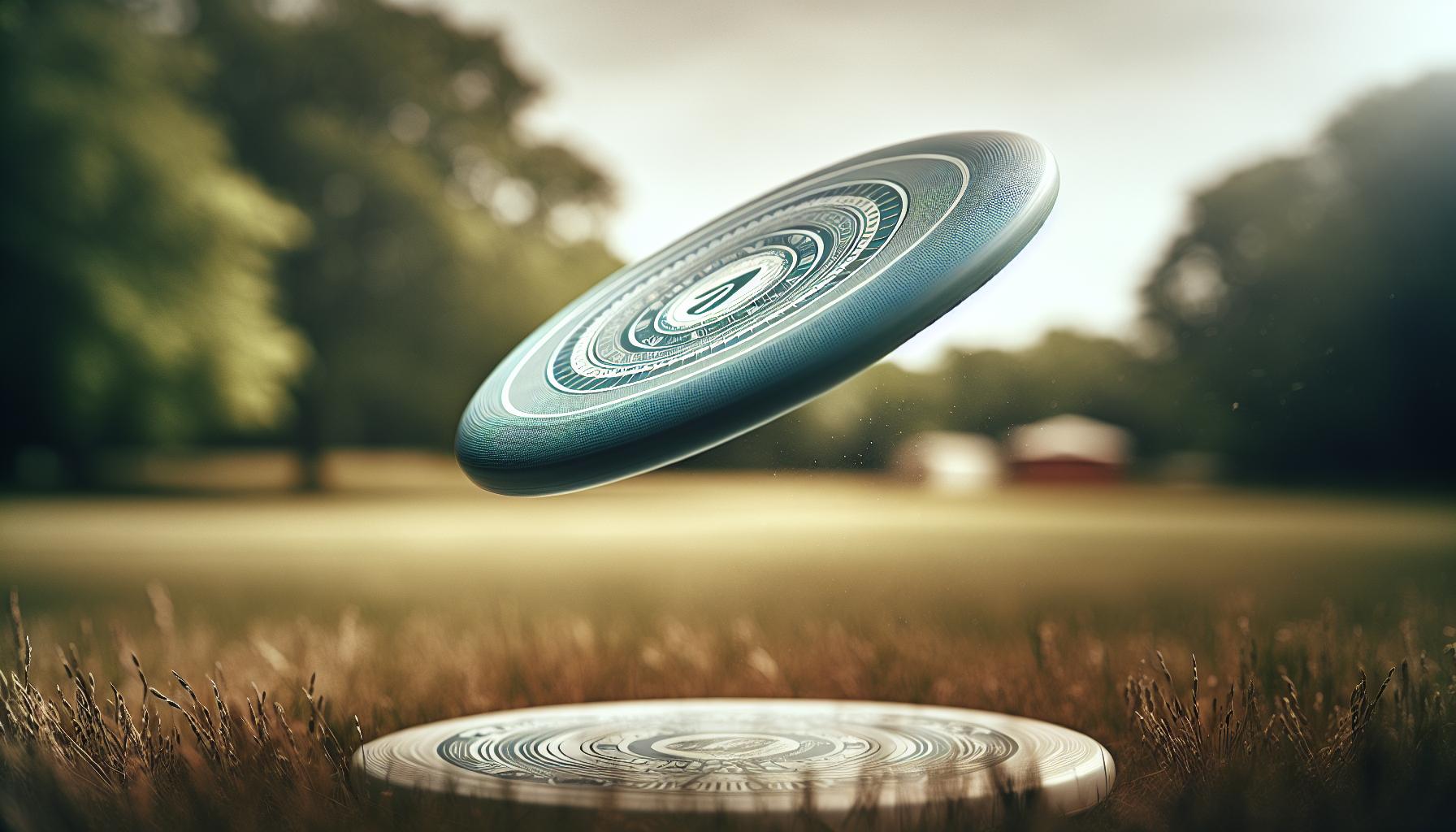
Understanding how a disc flies is crucial for mastering your driving techniques in disc golf. Each disc is engineered with specific flight characteristics that dictate how it behaves when thrown, influenced by factors such as speed, glide, turn, and fade. The interplay of these elements not only determines how far your disc will travel but also the accuracy and stability of your throw, making them essential concepts for both beginners and seasoned players.
When assessing a disc’s flight, consider the following flight ratings, typically presented as a four-number system: speed, glide, turn, and fade. Speed reflects how fast a disc must be thrown to achieve optimal flight. A higher speed rating means the disc is designed for powerful throws. Glide indicates how well a disc maintains elevation during its flight-discs with high glide ratings will stay in the air longer. Turn refers to the disc’s tendency to veer to the right (for right-handed backhand throws) during the initial part of its flight; discs with a significant turn are great for achieving longer hyzer flips. Finally, fade describes how a disc returns to the left at the end of its flight. Understanding these features will help you select the right disc for varying course conditions and your intended shots.
Additionally, disc stability is a crucial component of understanding flight dynamics. Discs are generally categorized as “understable,” “stable,” or “overstable.” An understable disc is easier to manipulate for finesse shots, while an overstable disc is more reliable in windy conditions and ideal for achieving consistent hyzers. For example, if you’re facing a right-to-left dogleg, an overstable distance driver will help you navigate that curve more effectively compared to an understable disc.
To effectively adapt your driving technique to these dynamics, it’s essential to practice with different discs and throw styles. Experimenting with various speeds and flight paths can provide insights into how each disc responds to your grip, angle, and power during throws. As you refine your techniques, focus on how subtle changes in your throw mechanics affect the disc’s flight. Watching how different discs react in various conditions will sharpen your skills and help you make more informed decisions on the course. With time and practice, will become second nature, leading to more successful drives and an overall improved game.
Step-by-Step Guide to the Backhand Throw

The backhand throw is a fundamental technique in disc golf that often sets the stage for a successful drive. Understanding the mechanics of this throw can dramatically improve your distance, accuracy, and overall game performance. To unleash the potential of your backhand, follow these essential steps:
1. Grip and Stance
Begin with a solid grip on your disc. For the backhand throw, use a power grip: place your thumb firmly on top of the disc and your fingers underneath it, ensuring a snug fit; this allows for maximum control and spin. Your stance is crucial; stand with your feet shoulder-width apart, positioning your non-throwing shoulder toward the target. This alignment helps generate power and sets the body for an effective rotation.
2. The Wind-Up
As you initiate the throw, shift your weight to your back foot while keeping your disc near your hip. This wind-up is essential for creating torque and generating power. Rotate your hips and shoulders away from your target, ensuring your non-throwing arm is extended outward to maintain balance. Focus on keeping your head down and eyes on the target to enhance focus and precision.
3. The Throwing Motion
To execute the throw, push off your back foot and shift your weight forward as you begin the throwing motion. Uncoil your hips followed by your shoulders, and pull your arm across your body in a smooth, fluid motion. It’s important to snap your wrist at the end of the throw to add spin and stabilize the disc’s flight. Aim to release the disc around shoulder level for optimal distance.
4. Follow-Through
A strong follow-through is equally important. After releasing the disc, allow your throwing arm to continue its motion. Your body should naturally rotate toward your target, with your feet pivoting as you finish the throw. This not only helps maintain balance but also allows for a more powerful shot, extending both the distance and accuracy of your throw.
By practicing these steps regularly, you can refine your technique and enhance your overall performance. Keep in mind that every player has their unique throwing style; experimenting with small adjustments will lead to a more personalized and effective backhand throw. Remember to stay patient and consistent in your practice-becoming proficient will take time, but the rewards in terms of game improvement are well worth the effort!
Mastering the Forehand Drive Technique
To excel in disc golf, mastering the forehand drive is essential, as it offers players versatility on the course and can significantly enhance their overall game. Known for its unpredictable shape and ability to navigate obstacles such as trees and tight fairways, the forehand throw-also referred to as the sidearm throw-requires a blend of technique, grip, and body mechanics that can be practiced and refined.
The first step to executing a proficient forehand drive is achieving the right grip. Use a “power grip” by placing your index and middle fingers inside the rim of the disc, while your thumb should press down firmly on top. This grip allows for a controlled release and maximizes spin. When positioning your body, keep your feet shoulder-width apart, with your non-throwing side facing the target. If you’re aiming for maximum distance, slightly angle your body back to create torque as you prepare for your throw.
As you initiate the throw, the key is in your wind-up and body rotation. Begin by shifting your weight to your back foot while keeping the disc at your side, around hip level. As you rotate your hips back, engage your core to generate torque. This step is critical; it’s what will ultimately propel your throw. Focus on maintaining balance and ensure your eyes remain on the target throughout the motion to help with aim.
When you’re ready to execute the throw, pivot off your back foot and explode forward, releasing the disc with a snapping motion of your wrist. Timing is crucial here; you want your hips to lead the throw, followed by your shoulders and lastly, your arm. Keep the disc level and aim to release it at or slightly above shoulder height. A good follow-through is important; allow your arm to continue the motion across your body, which helps in achieving further distance and accuracy.
For beginners, practicing this technique in an open area can help. As you gain confidence, consider throwing against a wall or a target to refine your accuracy. Watching professional players can also provide insights into the nuances of the forehand drive, illustrating how different grips and techniques can impact performance on varied courses. Whether you’re a newcomer or a seasoned player, continually adapting and perfecting your forehand drive can be a game-changer in your disc golf journey.
Common Mistakes and How to Fix Them
Every player, regardless of skill level, faces common pitfalls when driving in disc golf. Identifying these mistakes and knowing how to correct them can dramatically improve performance on the course. One frequent issue is the grip; many players either grip the disc too loosely or too firmly. An improper grip can hinder spin and control at the moment of release. To fix this, utilize a “power grip,” ensuring that your index and middle fingers press firmly against the rim while your thumb stabilizes the disc from above. This grip not only enhances your control but also maximizes the spin, allowing for greater distance and accuracy.
Another prevalent mistake is improper body mechanics during the throw. Players often forget to engage their core and hips, leading to weak throws. For a powerful drive, initiate your throw by shifting your weight to your back foot while maintaining a solid stance. As you begin your forward motion, focus on rotating your hips and shoulders in unison-a misalignment here can drastically reduce throwing distance. Practicing the motion slowly at first can help you internalize the correct mechanics, where the hips lead the shoulders, and then the arm completes the throw.
Additionally, many disc golfers struggle with their follow-through. A common error is to stop the throwing motion abruptly, resulting in slices or hooks. To correct this, emphasize a full follow-through; after the release, let your arm continue its trajectory across your body. This not only promotes a more fluid throwing motion but also ensures that the disc maintains its intended line. Providing consistent, fluid motion throughout your drive is key to achieving reliable results on the course.
Lastly, mental errors such as rushing the throw or losing focus can also negatively impact performance. Practicing mindfulness techniques before a dive can enhance concentration and composure. Take a moment to visualize your throw, breathe deeply, and set a rhythm before engaging with your shot. As you recognize these common mistakes and implement these corrections, you will find a marked improvement in your driving capabilities, setting the stage for success on the course.
Essential Equipment for Driving Excellence
The right equipment can make all the difference in maximizing your performance on the disc golf course. When it comes to driving, selecting the proper disc and understanding its nuances are crucial for achieving distance and accuracy. Discs are categorized into several types, with drivers being the most significant for distance throws. Within the category of drivers, distance drivers are designed for maximum speed and long-distance capabilities, while fairway drivers offer more control, making them suitable for both distance and accuracy.
When choosing a driver, consider the weight and stability of the disc. Heavier discs tend to cut through the wind better, while lighter discs might provide increased distance for players with slower arm speeds. Additionally, stability ratings (understable vs. overstable) can dramatically influence how the disc behaves during flight. For instance, an overstable disc is more likely to resist turning over, making it ideal for players with stronger throws who want reliable fades at the end of their flight path. Conversely, an understable disc can help beginners achieve a longer flight with gentle turns.
Another piece of essential equipment to consider is your bag. A well-organized bag allows you to carry not only multiple drivers, but also mid-range discs and putters, essential for various situations you might encounter on the course. Look for bags with padded straps for comfort during long rounds and an arrangement that allows for easy access to your discs. Scouting bags specifically designed for disc golf can enhance your game by streamlining your gear management.
Finally, don’t overlook the importance of a solid footwear choice. Disc golf often involves uneven terrain, so a good pair of shoes with adequate grip and support is vital. Look for options that provide stability, especially when making powerful throws, to prevent slips that could hamper your technique. With the right equipment tailored to your playing style, you can elevate your game and enhance your driving skills, setting yourself up for success on each hole.
Wind Conditions: Adapting Your Drive
When battling the wind on the disc golf course, understanding how to adapt your drive can significantly enhance your performance. Wind conditions can drastically affect disc flight, so it’s crucial to anticipate the wind’s behavior and adjust your technique and equipment accordingly. For instance, a stable disc thrown into a headwind will require additional power and a slightly lower release angle, as the wind will cause it to rise more than usual. Conversely, when throwing with a tailwind, players might need to aim a bit higher to help the disc maintain its desired flight path.
One essential tip for throwing in windy conditions is to choose the right disc. A more overstable disc tends to perform better in sustained winds, as it resists turning over and provides a reliable finish. Conversely, lighter, understable discs can be beneficial in tailwinds, allowing for longer flights by taking advantage of additional lift. Also, consider the direction of the wind. A crosswind can lead to lateral movement, necessitating slight adjustments in your aiming line. Aim further into the wind to counteract this effect, allowing the disc to carry back toward the intended target.
In practical terms, here’s how you can adjust your drive based on wind conditions:
- Headwind: Use a more overstable driver, grip it tightly, and throw with added power to maintain control.
- Tailwind: Opt for lighter, understable discs to maximize distance, lifting the disc higher during release.
- Crosswind: Adjust your angle of release to account for potential blow-off, aiming further upwind than usual.
Different types of throws can also help in windy conditions. A lower, flatter throw can be more conducive to cutting through wind than a high-arcing throw. Additionally, practicing your releases-especially varying stances like a standstill or a run-up-can help you develop versatility in responding to different wind scenarios. By experimenting with these adjustments during your practice sessions, you’ll gain confidence and adaptability for your next round, making wind conditions less of a hindrance and more of an element to master on your journey to disc golf success.
Analyzing Driving Techniques from Top Players
In the world of disc golf, observing and analyzing the driving techniques of top players can provide invaluable insights for players looking to elevate their game. Many elite athletes have honed their skills through years of consistent practice and strategic adaptation, each bringing unique elements to their driving style. For instance, players like Paul McBeth and Ricky Wysocki showcase their distinct grips and throws that allow them to navigate varying course conditions with ease and precision. By understanding their techniques, aspiring disc golfers can incorporate proven strategies into their own game.
Top players often emphasize the importance of body mechanics in achieving powerful drives. This starts with a strong stance and proper weight distribution. Many elite throwers utilize a wide base when initiating their throw, which allows for greater stability and control. For example, using a lower center of gravity helps prevent over-rotation and can lead to a more consistent contact point with the disc during the throw. Additionally, observing how professionals shift their weight from their back foot to their front foot in a fluid motion illustrates the kinetic chain in action, which is crucial for generating maximum power.
Another key aspect of driving shared by top players is their approach to disc selection and flight characteristics. Many professionals have an impressive array of discs that they can adjust based on specific course layouts and wind conditions. For instance, during high-stakes tournaments, players might opt for overstable discs in windy conditions to maintain control and predictability, ensuring a reliable flight path. Understanding the stability ratings of discs helps players choose the right one for each situation, ultimately leading to improved distance and accuracy.
Finally, mental focus plays a pivotal role in the driving success of elite athletes. Many champions emphasize visualization techniques before taking their shot, allowing them to mentally rehearse the ideal trajectory of their throw. Incorporating this visualization practice can significantly enhance a player’s consistency and confidence. By studying the methods of top players and applying these principles-emphasizing body mechanics, disc choice, and mental preparation-amateur disc golfers can refine their skills and elevate their game to new heights.
Course Strategy: Choosing the Right Drive
When it comes to excelling in disc golf, choosing the right drive for each hole is as crucial as perfecting your throw. The strategic selection of your drive can determine not only your distance but also your accuracy, helping you navigate obstacles and reach the basket efficiently. A thoughtful approach to course strategy allows players to adapt their technique and disc choices based on unique course conditions, creating a pathway to lower scores and improved performance.
Understanding the layout of the course is paramount. Take note of the following factors that can influence your drive selection:
- Distance to the Basket: Assess how far you need to throw. If you’re close enough, a controlled drive can be more effective than trying to maximize distance.
- Elevation Changes: Uphill throws often require more power and a more stable disc, while downhill shots may benefit from lighter, more understable discs that can glide toward the basket.
- Wind Conditions: Strong winds call for overstable discs that can fight against the gusts and help maintain a straight line.
- Obstacles: Trees, bushes, and other hazards should dictate your choice-sometimes a forehand throw may help you navigate tight spaces more effectively than a backhand.
- Pin Placement: Whether the basket is on a slope, tucked behind a cluster of trees, or in the open, this should inform your decision on disc choice and angle of approach.
Alongside these factors, consider your own throwing abilities. A confident player will naturally execute better-to-choose discs that play to their strengths. For instance, if you excel at hyzer throws, pick discs that complement that skill, ensuring you’re playing to your strengths rather than forcing a throw that feels unnatural.
Finally, remember that the game of disc golf is both mental and physical. Before each shot, take a moment to visualize your drive-imagine the path your disc will take, the angle of release, and how it will respond after the throw. This mental practice can enhance focus and consistency, transforming your strategy into a tangible score on the scoreboard. By masterfully combining course knowledge with personal skill and mental visualization, you’ll find yourself making smarter drive choices, setting you up for success in every round.
Advanced Driving Techniques for Competitive Play
To truly elevate your game in competitive disc golf, mastering advanced driving techniques is essential. In high-level play, small adjustments can lead to significant performance enhancements, pushing you ahead of your competitors. One of the most effective strategies involves fine-tuning the mechanics of your throw, which not only maximizes distance but also improves accuracy-two critical factors for success on the course.
A powerful technique you should integrate is the use of explosive hip rotation during your drive. By engaging your core and generating force through your legs and hips, you can create a whip-like effect that transfers energy efficiently from your lower body through to your arm. Focus on initiating your throw with your hips, allowing them to lead while your shoulders follow. This synchronization not only increases your throw’s velocity but also helps maintain balance and trajectory. Aim for a smooth follow-through, as this not only helps with distance but also with maintaining control over your disc’s flight path.
Understanding the flight characteristics of your discs is another pivotal aspect of competitive driving. Selecting the right disc based on the distance and conditions can make or break your performance. For instance, if you’re battling headwinds, consider using overstable discs that cut through the wind effectively. Conversely, understable discs can provide additional distance on hyzer flip shots, especially when thrown with sufficient power and angle. Be sure to practice with different disc types to develop a feel for their behaviors in various conditions, which will help you make informed decisions during tournament play.
Additionally, the mental aspect of disc golf cannot be overlooked, especially in high-pressure situations. Visualization techniques can significantly enhance your performance. Before executing a throw, take a moment to visualize not just the disc’s trajectory, but also its interaction with the course layout. Picture the path it will take past obstacles and settle near the basket. This mental practice sharpens focus and boosts confidence, which can be invaluable during competitive rounds.
Lastly, consistent practice under varying conditions will help embed these advanced techniques into your routine. Challenge yourself with different course layouts and weather scenarios to strengthen your adaptability. The better you are at modifying your driving style based on real-time assessments, the more competitive you will be in high-stakes situations. Armed with these techniques, you’ll be better prepared to face your rivals and enjoy the thrill of competitive disc golf.
Tips for Improving Your Driving Consistency
Improving your driving consistency in disc golf can significantly enhance your performance on the course, transforming your game from merely satisfactory to outstanding. One essential aspect of driving consistency is developing a repeatable routine before each throw. This routine may include a series of deliberate and calming actions, such as a pre-throw checklist where you visualize your target, grip your disc, and take a few deep breaths. This rhythmic approach not only helps calm nerves but also prepares your body and mind for the upcoming throw.
To further enhance your consistency, focus on your grip and stance-two critical components that can have a tremendous impact on your throw’s reliability. Experiment with different grip styles, such as the power grip for maximum distance or the fan grip for more control. Find what feels comfortable for you, and practice it until it becomes second nature. Similarly, your stance should be stable and balanced; whether you prefer an open stance or a staggered stance, ensure that your weight is evenly distributed and that you’re positioned correctly to perform the throw you intend.
Additionally, incorporating drills into your practice sessions can help you identify and eliminate inconsistencies in your throws. For instance, practice driving with two different discs in each round-one overstable and one understable-to see how they behave under similar conditions. You could also focus on specific aspects of your throwing motion, such as the timing of your hip rotation or the follow-through, by using video analysis or feedback from fellow players. Recording your throws allows you to compare and contrast, helping you make necessary adjustments.
Finally, remember that mental resilience plays a vital role in consistent driving. Practice mindfulness techniques to sharpen your focus and manage any performance anxiety. Visualizing successful shots can boost your confidence, while reflecting on past rounds can provide insights into areas for improvement. By applying these strategies, you will find yourself making powerful, consistent drives that contribute to lower scores and an overall enhanced experience on the course.
Frequently Asked Questions
Q: What is the best way to improve my disc golf drive distance?
A: To improve your disc golf drive distance, focus on maximizing your grip strength, refining your throwing technique, and practicing your timing. Incorporate drills that enhance your upper body strength and core stability. Also, work on your footwork to ensure a balanced and powerful drive.
Q: How can I adjust my throwing technique for different wind conditions?
A: Adjust your throwing technique for wind conditions by modifying your angle and disc selection. For headwinds, throw with a flat release for stability; in tailwinds, tilt the disc slightly upwards. In crosswinds, choose a more overstable disc to prevent turning over. Practicing in various winds will enhance your adaptability.
Q: What common mistakes should I avoid when driving in disc golf?
A: Common mistakes to avoid include improper grip, inconsistent foot placement, and rushing your throw. Ensure your grip is secure, establish a balanced stance, and practice a smooth, controlled motion. Taking time to analyze your form, possibly through video feedback, can also aid in correcting these issues.
Q: How important is disc selection for driving?
A: Disc selection is crucial for effective driving. Choose a disc that complements your throwing style and conditions. Lighter discs are easier to throw but may not handle wind as well, while heavier discs provide stability. Experiment with different weights and types to find what best suits your throw.
Q: What drills can help enhance my disc golf driving technique?
A: Drills such as the “one-step” throw and “X-step” drill can significantly enhance your driving technique. Focus on your upper body mechanics and follow-through in these drills. Additionally, practice throwing against a wall or target to work on your accuracy and power simultaneously.
Q: When should I consider using a forehand throw instead of a backhand throw?
A: Use a forehand throw when you need to navigate obstacles or when it allows for better angle control. It can also be beneficial for shots that require a quick release or when you’re throwing around a corner. Practice both techniques to determine when each is most effective for you.
Q: How can I track my progress in driving distance and accuracy?
A: Track your progress by maintaining a detailed journal of your practice sessions, noting your driving distance and accuracy with different discs. Utilize apps or devices that measure distance and analyze your throws. Regularly reviewing your stats will help identify trends and areas for improvement.
Q: What role does body mechanics play in driving a disc golf disc?
A: Body mechanics play a significant role in driving distance and accuracy. Proper alignment, weight transfer, and follow-through are essential for generating power and maintaining control. Focus on using your core and legs in conjunction with your arms to optimize your throw and prevent injuries.
In Conclusion
Now that you’ve mastered the essential driving techniques in disc golf, it’s time to apply what you’ve learned on the course! Whether you’re refining your throwing mechanics or choosing the right equipment, remember that practice is key to improving your game. Don’t hesitate to explore our guides on advanced strategy and course management to elevate your skills even further.
If you found this tutorial helpful, be sure to check out our in-depth reviews of the best drivers on the market and our tips for perfecting your follow-through. Have questions or tips of your own? Join the discussion in the comments below, and share your journey with the community! Your growth as a player begins with action-so grab your discs and hit the course today! Let’s continue this exciting journey together-subscribe to our newsletter for more expert insights and resources tailored just for you!
Get our latest guides, news, and insights highlighted in your Google Search & AI Overviews.