Did you know that mastering the “nose down” technique in disc golf can significantly improve your throwing distance and accuracy? This method ensures the disc glides smoothly through the air, preventing unwanted tumbling and maximizing your potential on the course. Whether you’re a beginner striving for more consistency or an experienced player looking to refine your skills, understanding how to throw with the nose down is crucial. It not only enhances your control over the flight path but also boosts your confidence during competitive play. In this guide, we’ll break down the mechanics of the nose down throw, explore the impact of disc angles, and offer practical tips to help you elevate your game. Get ready to unlock your true throwing power and enjoy the growing sport of disc golf!
How Nose Down Disc Golf Affects Flight Path
Throwing a disc with a nose-down angle can dramatically influence its flight path, leading to more precise and controlled throws. When a disc is angled down at the front, it cuts through the air more efficiently, reducing drag and allowing it to achieve greater distance. This is especially crucial for both beginners looking to improve their throw consistency and experienced players refining their technique. Understanding how the nose-down angle impacts flight dynamics can help players make better choices on the course and enhance their overall performance.
The physics behind a nose-down throw is rooted in aerodynamics. A disc is designed with specific flight characteristics that dictate how it interacts with air. When thrown nose down, the lower front edge of the disc faces the direction of travel, which minimizes lift and helps the disc maintain a more stable flight. This position often results in a smoother, straighter release, reducing the likelihood of unwanted hyzer or anhyzer angles. Consequently, players can expect a more predictable fade at the end of the throw, which is crucial for accuracy during gameplay.
Additionally, achieving the proper nose-down angle requires a combination of technique and body mechanics. Using a full body motion that emphasizes hip rotation and follow-through is essential for maintaining this angle throughout the throw. Players can practice this by starting with shorter, controlled throws to focus on alignment and gradually increasing the distance as their technique improves. Integrating drills that emphasize the nose-down approach will aid players in recognizing the feel of an effective throw, ultimately allowing them to transfer these skills to real-life scenarios on the course.
Overall, mastering the nose-down technique not only enhances distance and accuracy but also builds confidence in a player’s ability to tackle challenging courses. By understanding the mechanics of their throw and practicing with intention, players can unlock new levels of performance and strategy in their game.
The Physics of Nose Down Throwing Mechanics
Throwing a disc at a nose-down angle can significantly influence its flight behavior, a fact that every aspiring disc golfer should embrace. When a disc is oriented with its front edge angled downwards, it experiences less drag, allowing for a cleaner, more efficient flight path. This aerodynamic advantage is not merely theoretical; it transforms the way the disc behaves in the air, ultimately resulting in both increased distance and stability. Understanding the underlying physics of this throwing technique is essential to mastering your throws and enhancing your overall performance on the course.
At its core, the mechanics of a nose-down throw hinge on aerodynamics. A disc is engineered with a specific shape that dictates how it interacts with the air. When launched with the nose angled down, the thrower can minimize lift while maximizing the disc’s cutting ability through the air. This reduced lift means the disc can maintain a straighter trajectory, leading to a smoother release. Unlike throws with the nose up, which can easily cause unwanted hyzer or anhyzer angles, a nose-down release promotes a more predictable fade at the end of the throw. For players striving for precision, this predictability is invaluable, particularly in competitive settings where each stroke counts.
Achieving the ideal nose-down angle isn’t just about the wrist flick; it involves a full-body commitment. Proper technique incorporates hip rotation and an effective follow-through, which helps sustain the angle throughout the throwing motion. New players can start by practicing shorter, controlled throws, paying attention to their alignment, and emphasizing a downward nose angle. Gradually increasing the distance while keeping the focus on technique allows players to internalize the mechanics of a successful nose-down throw. Engaging in targeted drills can aid in developing muscle memory for this technique, ensuring that the performance translates well when it counts on the course.
Ultimately, refining the nose-down technique fosters not just greater distance and accuracy but also bolsters a player’s confidence. By understanding the mechanics at play, golfers can approach even the most challenging courses with a strategic mindset, fully equipped to tackle obstacles and leverage their skills. With dedication to practice and a deeper appreciation of the physics involved, any disc golfer can elevate their game and revel in the camaraderie and excitement that this growing sport offers.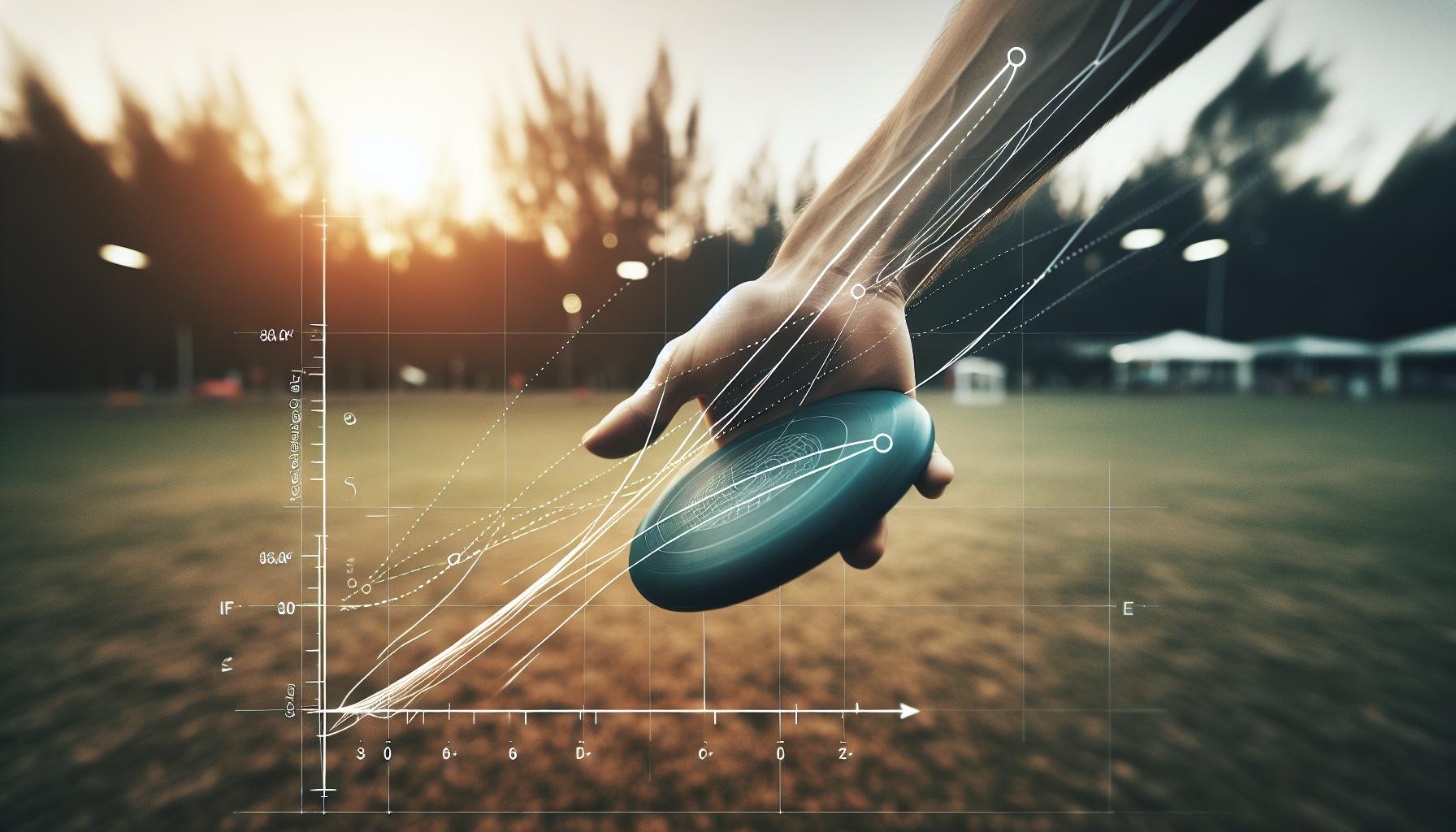
Step-by-Step Guide to Mastering Nose Down Throws
Mastering the art of throwing a disc at a nose-down angle can elevate your gameplay, enabling you to navigate challenging courses with confidence and precision. To harness the benefits of this technique, consider following a structured approach that will guide you through the essential mechanics of the throw.
Begin with your stance. Position your feet shoulder-width apart for stability, with your throwing foot slightly ahead to generate power. As you prepare to throw, shift your weight onto your back foot to create a spring-loaded effect that will be released during the throw. This weight transfer is crucial for achieving the right momentum.
Next, grip your disc firmly-but not overly tight. A consistent grip is essential for control. Hold the disc with your thumb on top and your fingers underneath. Ensure that your wrist is straight and relaxed, which is vital for achieving the optimal nose-down angle. As you initiate your throw, focus on keeping the nose of the disc pointing downward. This angle is key; it reduces lift and enhances the disc’s cutting action through the air.
Now, let’s break down the actual throwing motion:
- Engage Your Core: Use your core muscles to drive the throw. This engagement helps control the angle and power.
- Hip Rotation: As you begin your motion, rotate your hips towards the target. This rotation aids in generating speed and maintaining the trajectory.
- Follow Through: After releasing the disc, allow your throwing arm to follow through in the direction of your throw. This not only enhances accuracy but also reinforces the downward angle of the nose.
Practice is crucial here. Start with shorter distances to refine your mechanics before gradually increasing the distance as you gain confidence. Tools like marker discs can help you visualize the optimal angle during practice sessions. It’s beneficial to film your throws to analyze your technique or to seek feedback from fellow disc golfers.
Remember, every player’s style is unique, and refining your nose-down throws entails a level of experimentation. Some players might favor more power, while others may prioritize precision. As you progress, incorporate feedback and adapt your techniques. By dedicating time to practice these steps, you’ll unlock the potential of your nose-down throws, enhancing your overall performance and enjoyment of the game.
Common Mistakes in Nose Down Techniques
Throwing at a nose-down angle can significantly enhance your disc golf performance, but many players fall into common pitfalls that can undermine their technique. One prevalent mistake is failing to maintain the appropriate nose down angle throughout the throw. It’s tempting to focus solely on the power behind the throw, but if the disc’s nose rises even slightly during the release, it can lead to unstable flight and an unpredictable trajectory. Practicing maintaining that nose-down position through all stages of the throw is crucial; consider visualizing a straight line from the disc to the ground as a guide.
Another mistake is improper grip tension. Many players either grip the disc too tightly, which can lead to over-exertion and a lack of fluid motion, or too loosely, risking control issues. The ideal grip should feel secure but relaxed enough to allow for a natural throw. Striking the right balance helps in achieving that smooth release while keeping the nose angled down. Remember, your wrist position is pivotal here; a relaxed, straight wrist will help promote the desired angle more effectively than a tense one.
Additionally, a common error lies in the footwork and weight transfer mechanics. Some players rush their movements, leading to residual weight on the front foot during the throw rather than a full follow-through. This can cause the disc to lift unintentionally and lose that vital downward angle. To avoid this, focus on a smooth weight transition from your back foot to your front foot, ensuring that by the time you release, all your weight has shifted toward your target.
Ultimately, recognizing and rectifying these mistakes takes time and practice. Recording your throws or working with a partner for feedback can provide invaluable insights into your mechanics. Acknowledging these pitfalls not only enables you to refine your technique but also enhances your overall enjoyment of the game as you watch your skills develop and your confidence grow on the course.
Choosing the Right Discs for Nose Down Throws
Choosing the right disc for nose down throws can dramatically enhance your performance on the course. The flight characteristics of a disc-its stability, speed, glide, and fade-play critical roles in how well it can maintain a downward angle throughout its trajectory. Understanding these factors will empower you to make informed choices tailored to your playing style and the specific throwing conditions you encounter.
First, consider the disc’s stability. A stable to overstable disc is often preferable for nose down throws because it resists flipping up and allows for a more controlled flight path. When selecting a disc, pay attention to the stability ratings provided by manufacturers-look for options labeled as “stable” or “overstable.” Discs such as the Innova Champion Firebird or the Discraft Buzzz SS are excellent choices that provide reliable performance when thrown at a nose down angle.
Next, the disc type also plays a pivotal role. For maximum control, many players opt for mid-range discs for their versatility. Mid-ranges like the Dynamic Discs Truth offer a good balance of speed and accuracy, making them suitable for approach shots and controlled drives. Additionally, utilize putters when performing shorter, precise throws, as they tend to have a pronounced glide, helping maintain that nose down position effectively.
When it comes to material, opt for discs made from durable plastic blends. Premium plastics can help maintain the disc’s integrity and stability over time, ensuring longevity in your equipment and consistent performance during throws.
Lastly, don’t forget to experiment and find discs that feel comfortable in your hand. A disc that feels good in your grip will enhance your confidence and overall technique. Engage with your local disc golf community or shop to try out different models; hands-on experience is invaluable. As you refine your selection process, observing how each disc reacts to your throwing style will play a crucial role in perfecting your nose down technique and improving your scores on the course.
Adjusting Your Grip for Optimal Control and Accuracy
To achieve precise nose down throws in disc golf, mastering your grip is crucial. A well-adjusted grip not only enhances control but also significantly impacts the accuracy and consistency of your throws. Many players underestimate the importance of grip pressure and finger placement, which can lead to less than ideal release angles and flight paths.
Start by holding the disc with your dominant hand, ensuring that your fingers securely wrap around the rim. The power of your throw begins with a solid grip. Use a firm but relaxed grip to prevent squeezing the disc too tightly, which can cause tension in your wrist and arm. Grip pressure should be just enough to maintain control while allowing for a natural follow-through.
Pay attention to your finger placement. For nose down throws, consider the following adjustments:
- Index Finger: Place your index finger on the inner rim, which helps to guide your throw and adds stability during the release.
- Middle Finger: Position your middle finger under the disc for additional support. This finger is essential for obtaining the snap needed for a successful throw.
- Ring and Pinky Fingers: These should grip the bottom of the disc, helping to anchor it and provide added balance.
Experiment with the positioning of your fingers – little adjustments can lead to significant changes in your throw’s effectiveness. Many experienced players recommend using a slightly pulled back grip, where the disc is held a bit deeper into the palm. This adjustment can further support a nose down throw, allowing more of your hand’s strength to come into play at release.
Incorporate these gripping tips into your practice sessions. As you get comfortable with this adjusted grip, you’ll likely notice improved accuracy and control, giving you the confidence to tackle even the most challenging disc golf courses. Creating a habitual grip that feels right for you will take time, but the benefits-both in your score and overall enjoyment of the game-are well worth the effort.
Enhancing Your Approach with Nose Down Throws
A well-executed nose down throw can dramatically change the way your discs behave in flight, allowing for lower and more controlled shots that glide smoothly through the air while cutting through wind resistance. This technique is particularly effective in disc golf, where precision and technique can mean the difference between a perfect approach and an errant throw. To enhance your approach with nose down throws, you should focus on body positioning, arm mechanics, and the timing of your release.
Begin by ensuring that your stance is balanced and stable, with your feet shoulder-width apart and knees slightly bent to allow for a smooth, fluid motion. As you step into your throw, be mindful of the angle at which you hold the disc. The key is to keep the nose of the disc angled downward. This nose down position will help achieve a more aerodynamic flight path, reducing the chances of the disc stalling or getting affected negatively by wind conditions.
When executing the throw, utilize your hips and shoulders to generate power. As you rotate your hips and bring your arm forward, focus on a smooth and controlled follow-through. Timing your release is crucial; aim to let go of the disc at the peak of your arm’s motion while maintaining that nose down angle. A gentle flick of your wrist at the last moment can add snap and control, enhancing the overall distance and accuracy of your throw. Remember, the goal is to release the disc flat or slightly downward while maintaining spin to keep it stable through its flight path.
Incorporate practicing drills that reinforce these techniques, such as standing still and focusing solely on your release angle, or practicing with a partner to get immediate feedback. Observing how different discs respond when thrown with a nose down angle can also provide insights. Experiment with various speeds and weights of discs to find what works best for you, further enabling you to adapt to different course conditions and scenarios effectively. Embracing the nose down throw not only helps in improving your game but also adds a fun and challenging element to your practice sessions.
Practicing Drills to Perfect Your Nose Down Technique
To achieve consistent and accurate nose down throws in disc golf, practicing specific drills can significantly enhance your technique. These drills not only reinforce the mechanics of the throw but also build muscle memory, making it easier to execute under pressure during a round. Here are some effective drills to incorporate into your practice routine.
Begin with the Static Release Drill. Stand with your feet shoulder-width apart, holding the disc at about waist height. Focus solely on the angle of the disc as you throw it. The goal is to ensure that the nose stays down throughout the release. Start by exaggerating the downward angle, then gradually work to a more natural position, maintaining that nose down orientation. This drill helps you acclimate to the proper release angle without the complexity of a full throw.
Next is the One-Step Drill. From a standing position, take one step into your throw and release with a nose down angle. This simplified motion focuses on the body mechanics of your throw without the full momentum that can complicate the release. Pay attention to your shoulder rotation and core engagement as you execute the throw. Doing this drill repeatedly allows you to focus on timing and angle while building confidence before adding more steps.
Another valuable exercise is the Partner Feedback Drill. Pair up with another player and take turns throwing. As you throw, have your partner stand at a distance where they can observe the angle of your release. They can provide immediate feedback on whether the disc is leaving your hand with the proper nose down tilt. You can switch roles after a set number of throws to get varied perspectives and insights, which helps in refining your technique based on real-time advice.
Incorporating these drills into your practice sessions can dramatically improve your nose down throwing technique, ultimately enhancing your game. The key is to focus on consistency and gradually introduce complexity as you become more comfortable with the mechanics. With dedication and practice, you’ll find that your accuracy and control increase, setting you up for success on the course.
Understanding Wind Effects on Nose Down Throws
When throwing a disc golf disc with a nose-down angle, understanding the effects of wind can dramatically influence your game. The flight path of any disc is largely determined by its aerodynamics, and this becomes particularly critical when wind conditions change. For instance, throwing into a headwind requires different considerations compared to throwing with a tailwind or across a crosswind.
In a headwind, a nose-down throw can help you achieve a more stable flight. The angled front of the disc cuts through the wind, reducing the likelihood of the disc stalling or flipping over. For this reason, many experienced players opt for slightly more overstable discs when faced with headwinds, as they help mitigate the risk of unwanted hyzer flips. Conversely, when throwing with a tailwind, the nose-down orientation may lead to an excessive distance and potential overshoot, as the wind can lift the tail of the disc, causing it to travel further than intended.
Crosswinds present an even greater challenge. A nose-down throw can result in the disc being pushed off course if the wind hits it at an angle. To combat this, players should adjust their body angle and stance, creating a more direct line against the wind. Often, this could mean aiming slightly more towards the ground in the direction of the wind to counteract its push and ensure that the disc maintains a more predictable flight path.
To optimize performance in varying wind conditions, consider these tips:
- Know Your Discs: Familiarize yourself with how different discs respond in wind; more overstable discs are usually better for headwinds.
- Adjust Your Throwing Mechanics: Modify your grip and angle of release to adapt to wind. A slightly more aggressive throw can help against a headwind.
- Practice in Windy Conditions: Regular practice in a variety of wind conditions will enhance your adaptability and comfort during rounds.
By embracing these strategies, you’ll not only improve your ability to throw nose-down in windy conditions but also enhance your overall disc golf game. Understanding how to manipulate your throws against wind influences can make you a much more formidable competitor on the course.
Analyzing Professional Players’ Nose Down Techniques
Top professional disc golfers often demonstrate extraordinary skill in executing nose-down throws, which can yield impressive benefits for players at all levels. A compelling example is found in the techniques of players like Paul McBeth and Ricky Wysocki, who have perfected their nose-down throwing mechanics to achieve better distance control and trajectory. Understanding their approach can significantly enhance your own game.
One key aspect of professional players’ nose-down techniques is their grip and release strategy. They maintain a firm grip, allowing for a clean and explosive release, which gives the disc a nose-down angle while ensuring it does not flip over prematurely. Players typically utilize a thumb-forward or fan grip, providing stable control during the throw. Additionally, timing and body rotation play a critical role; professional players often emphasize core engagement and a fluid motion that generates momentum towards the target, giving their throws precision and power.
Another element professionals leverage is the careful selection of disc types tailored for different situations. Many top players choose overstable discs slightly more than neutral ones when aiming for powerful nose-down throws. This selection helps minimize the risk of “turning” the disc, particularly in varying wind conditions. For instance, McBeth often opts for a specific line of discs during competition, allowing him to execute nose-down throws that cut cleanly through the air, maintaining a powerful yet controlled flight path.
Lastly, professional players regularly analyze their throws through video reviews and practice sessions to refine their mechanics. This continual feedback loop fosters a deeper understanding of their throwing angles, contributing to consistent performance. Aspiring players can draw significant insights from watching tournament footage, focusing on how these players adjust their technique in real time based on wind conditions, bringing to light the nuances of effective nose-down technique.
By studying these techniques and the commitment professionals demonstrate towards mastery, players can cultivate their own skill set and elevate their disc golf game. Whether you’re a beginner or a seasoned competitor, understanding the intricacies of nose-down throwing can provide valuable insights into improving accuracy, distance, and overall performance on the course.
Strategies for Course Management with Nose Down Throws
To navigate a disc golf course effectively, leveraging nose-down throws can be crucial for strategic play and maximizing performance. When you execute a throw with a controlled nose-down angle, it not only stabilizes the flight path but also enhances your ability to tackle various course layouts. Players who master this technique can significantly optimize their approach, especially when facing elements like trees, water hazards, or unpredictable wind.
One effective strategy involves selecting the right hole-shaping throws. For instance, on a dogleg left hole, a nose-down throw with a stable disc can help maintain a straight flight path before gradually fading to the left. This precision allows you to avoid potential obstacles while positioning your disc accurately towards the basket. Additionally, when approaching an elevated green, a nose-down throw can reduce the risk of overshooting the target, as the controlled descent helps the disc settle more softly on the terrain.
Understanding the environmental conditions is another key aspect of course management. Wind can heavily influence disc flight, and employing a nose-down angle can mitigate the wind’s effect, particularly on approaches and long drives. If you are faced with a headwind, aiming slightly higher and adjusting your power can ensure the disc cuts through the air more effectively, maintaining its intended line and achieving optimal distance.
Moreover, assessing your own skill level and picking moments to use nose-down throws strategically can lead to significant improvements in your score. If you’re in a tricky lie or faced with a narrow lane, opting for a nose-down technique can provide that extra assurance needed for an accurate throw. By consistently practicing this method, you not only enhance your technical abilities but also build confidence in your decision-making on the course. Engaging with these strategies allows players at any level to refine their approach and elevate their disc golf game.
Exploring Advanced Nose Down Throw Variations
Throwing a disc golf disc at a controlled nose-down angle isn’t just a technique-it’s an art form that can significantly influence the outcome of your shot. One of the most exciting aspects of mastering this technique is the ability to explore advanced variations that can add depth to your game. By understanding these advanced nose-down throw variations, players can adapt their approach to suit different courses and conditions, allowing for greater versatility and success on the course.
One of the key variations is the Nose Down Anhyzer throw. This technique involves tilting the disc slightly on an angle as you release it, aiming to allow the disc to turn right (for a right-handed backhand thrower) before eventually fading back to the left. The nose-down angle helps the disc to maintain its stability through the air while it executes the desired turn. This can be particularly useful when navigating against wind or obstacles, as it promotes a smoother flight path and minimizes unwanted lift.
Another advanced variation is the Nose Down Hyzer Flip. In this throw, you’ll start with the disc angled down on release (nose down) but, instead of a sharp turn, you aim for a gradual flip that allows the disc to rise before reaching its peak and then fading. This technique is incredible for achieving distance while maintaining accuracy, especially on longer holes where you need both length and precision. Mastering this throw requires perfect timing and a well-honed release to ensure the disc flips without losing control.
Incorporating Nose Down Flicks-or forehand throws-can further expand your arsenal. This underutilized advanced variation engages different muscle groups and allows you to navigate tighter angles or obstacles. The key to the nose-down flick is maintaining a solid grip and flicking your wrist upon release. This creates a powerful snap that sends the disc spiraling while keeping it stable and low, making it ideal for sharp turns or low-hanging branches.
Lastly, practicing these advanced variations requires commitment to consistency and understanding how your body mechanics interact with each throw. Regularly filming your practice sessions can provide valuable feedback, allowing you to analyze your throwing form and make necessary adjustments. By incorporating these advanced nose-down throw variations into your practice routine, you can elevate your game, whether you’re a beginner developing your skills or a seasoned competitor aiming to outplay your opponents.
Frequently Asked Questions
Q: What is a nose down throw in disc golf?
A: A nose down throw in disc golf is when the front edge of the disc is angled downward at release. This technique helps achieve a stable, controlled flight path, maximizing distance and minimizing the risk of turnovers. Understanding this method is crucial for improving your throwing precision.
Q: Why is the nose down angle important for disc golf throws?
A: The nose down angle is essential because it influences the disc’s flight dynamics. A proper nose down angle allows for greater stability and distance, reducing the chances of an erratic flight and ensuring the disc glides smoothly toward the target.
Q: How can I improve my nose down throwing technique?
A: To improve your nose down technique, focus on your grip, stance, and release angle. Integrate specific drills that promote the correct wrist snap and follow-through to maintain a consistent nose down angle throughout your throw. Regular practice is key to mastering this skill.
Q: What discs are best for performing nose down throws?
A: The best discs for nose down throws are typically stable or overstable models, as they handle a downward release better. Look for discs designed for distance and control, ensuring they maintain their intended flight path despite the angle.
Q: Can wind conditions affect nose down throws?
A: Yes, wind conditions can significantly impact nose down throws. A headwind may lift the nose, resulting in less control, while a tailwind can help maintain stability. Adjust your technique and disc choice based on current weather conditions for optimal performance.
Q: How do advanced players utilize nose down techniques?
A: Advanced players use nose down techniques to enhance shot variety and course strategy. They may employ different nose down angles to achieve specific flight patterns, like hyzers or anhyzers, allowing them to navigate complex course layouts effectively.
Q: How does body positioning affect a nose down throw?
A: Body positioning is crucial for a successful nose down throw. Ensure your shoulders are aligned with your target and your weight shifts correctly during the throw. Proper alignment helps maintain the desired angle and balance throughout the throw, leading to improved accuracy.
Q: What drills can help with mastering nose down throws?
A: Drills like the “one-arm throw” and “step-through drill” can greatly enhance your nose down technique. These exercises promote focus on wrist snap, elbow position, and follow-through. Consistent practice will help solidify your mechanics and control over the throw.
In Summary
Ready to elevate your disc golf game? Applying the nose down throwing technique can significantly enhance your accuracy and distance, making your plays more strategic and effective. Don’t let uncertainty hold you back-grab your favorite disc and hit your local course to practice what you’ve learned!
For deeper insights, check out our guides on mastering disc flight mechanics [[link1]] and selecting the right equipment for your style [[link2]]. If you’re eager to join a thriving community, don’t forget to sign up for our newsletter for exclusive updates and tips.
Now’s the time to put theory into practice! Share your experiences in the comments, or explore more techniques to refine your skills. Remember, every great player was once a beginner-keep pushing your limits and enjoy the journey!
Get our latest guides, news, and insights highlighted in your Google Search & AI Overviews.