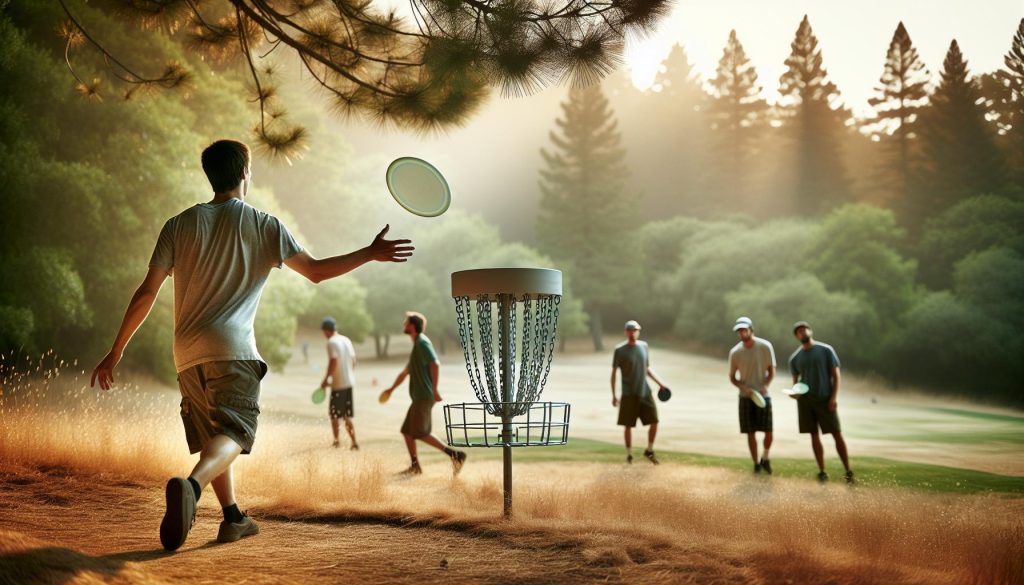
Did you know that disc golf is one of the fastest-growing sports in the world, with millions of players hitting the courses every year? Understanding the objective of disc golf is key to enjoying this unique blend of skill, strategy, and camaraderie it offers. At its core, the goal of disc golf is simple: to complete each hole in the fewest strokes possible by throwing a disc from a tee pad to a target, typically a metal basket. However, it’s not just about scorekeeping; it’s about mastering your throws, understanding disc flight dynamics, and developing a tactical approach to navigate various course challenges. Whether you’re a seasoned competitor or just curious about this dynamic sport, grasping the objectives of disc golf can elevate your game, enhance your enjoyment, and deepen your appreciation for the community surrounding it. So, let’s dive deeper into the goals and intricacies that make disc golf an engaging pursuit for players of all skill levels!
What Makes Disc Golf Unique and Fun?
The beauty of disc golf lies in its perfect blend of challenge, skill, and enjoyment, making it a truly unique experience for players of all levels. Rooted in the principles of traditional golf, but distinctively its own, disc golf introduces players to a vibrant community and a myriad of environments-all while promoting healthy, outdoor activity. One of the most captivating aspects is the diverse range of courses, from lush parks lined with trees to more open landscapes, each presenting its own set of hurdles and strategic opportunities. This vast variety fosters creativity in gameplay and encourages players to adapt their strategies, making every round a unique adventure.
In addition, the camaraderie found within the disc golf community enhances the fun factor. Players often share tips and strategies while bonding over their mutual love for the game. Organized tournaments and casual meet-ups help solidify friendships and provide a platform for healthy competition, yet they maintain a welcoming atmosphere for newcomers and seasoned players alike. Furthermore, disc golf is incredibly accessible; whether you’re throwing your first disc or you’re a competitor in a national tournament, you can easily engage with fellow enthusiasts across the country or around the world.
The equipment aspect also significantly contributes to the sport’s appeal. Discs come in various shapes and weights, each designed for specific purposes-from finessing your throws around tight corners to achieving long-distance drives. This variety allows players to personalize their arsenal while learning the nuances of disc dynamics, transforming each throw into an opportunity for self-expression and improvement. Whether it’s nailing a precise putt or executing a long-range hyzer, the satisfaction derived from mastering different throwing techniques is a key component of the game’s allure.
Ultimately, disc golf is more than just a game; it’s a way to immerse oneself in nature, foster lasting friendships, and experience the thrill of athletic achievement, all while enjoying the simplicity and fun inherent in throwing a disc toward a target.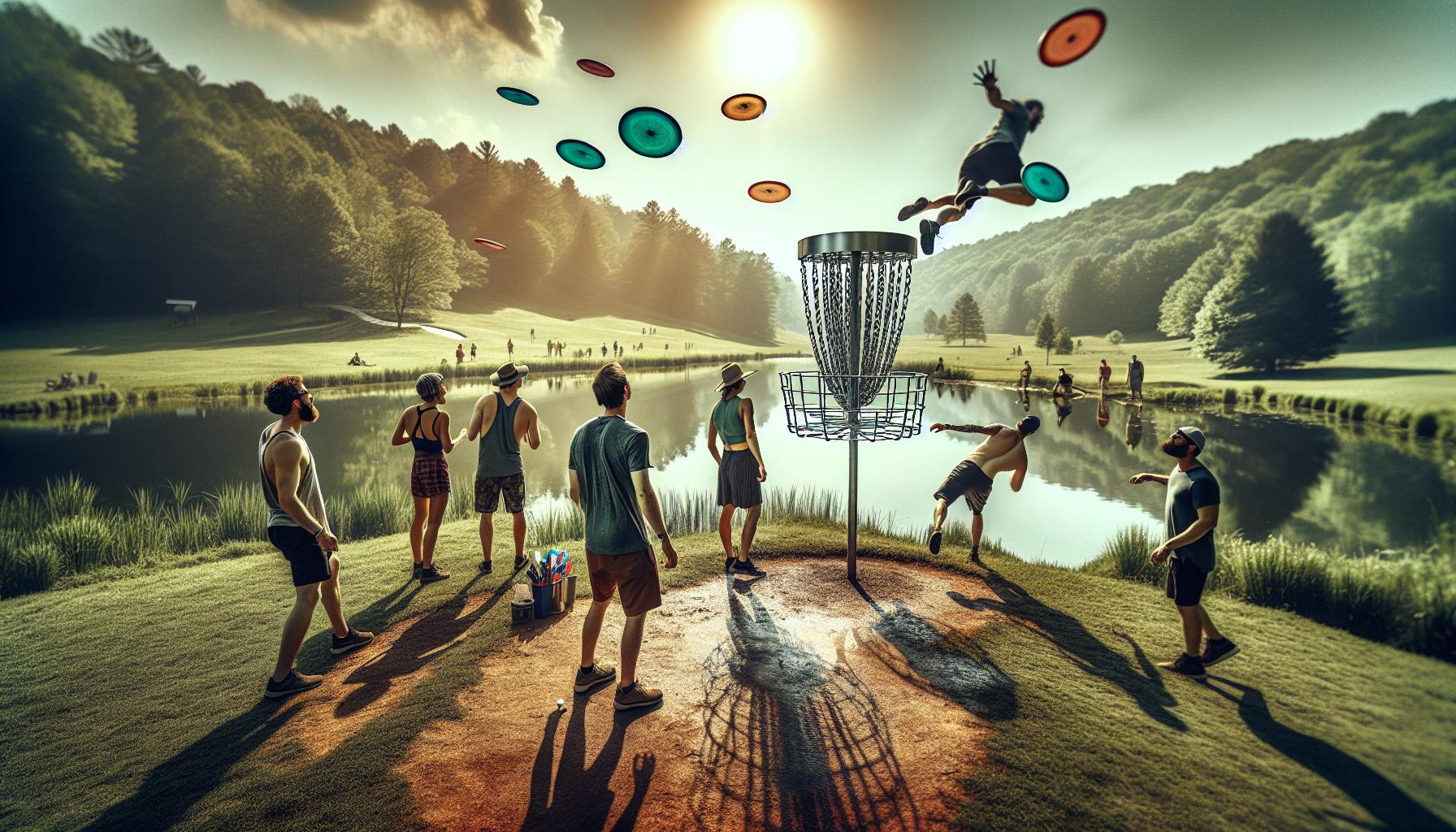
Understanding the Basic Rules of Disc Golf
The distinctive allure of disc golf lies not only in its engaging gameplay but also in the simplicity and clarity of its rules. At its core, disc golf is similar to traditional golf, where the primary objective is to complete the course in the fewest strokes – or, in this case, throws. Players aim to navigate a course comprised of multiple “holes,” each beginning at a tee pad and culminating at a target, typically a metal basket. The beauty of this sport is that even newcomers can quickly grasp the essential rules, allowing them to join in the fun without feeling overwhelmed.
To fully appreciate the game, it’s important to understand how points are scored. Each player takes turns throwing their disc from the tee until they successfully land it in the target basket. The total number of throws taken to complete the hole constitutes the player’s score for that hole-less is always more! A round of disc golf consists of completing a series of holes, with the player who finishes the round with the lowest cumulative score declared the winner. Familiarizing yourself with terms like “par,” which indicates the expected number of throws for a hole, or “birdie,” which signifies finishing a hole one throw under par, can enhance your gameplay experience.
Furthermore, while the sport is accessible, it also incorporates rules that can accommodate competitive play. For example, players must throw their discs from behind the marked tee area and must not step past the marker disc until the disc has been released. These basic rules ensure fair play and maintain the game’s flow. Additionally, understanding relief options-like those addressed in the PDGA rules-enables players to navigate obstacles and enforce integrity in competitive settings. Knowing when and how to take relief from obstacles is crucial for veteran players who want to optimize their strategies on the fly.
Most importantly, disc golf is about community and enjoyment. Whether you’re playing casually with friends or entering a competitive tournament, the rules create a framework that enhances the social experience. Casual games encourage sharing strategies and tips, which fosters camaraderie among players, while tournaments challenge individuals to refine their skills and compete at higher levels. This blend of relaxed and competitive elements makes disc golf not just a sport, but a thrilling social activity that anyone can enjoy.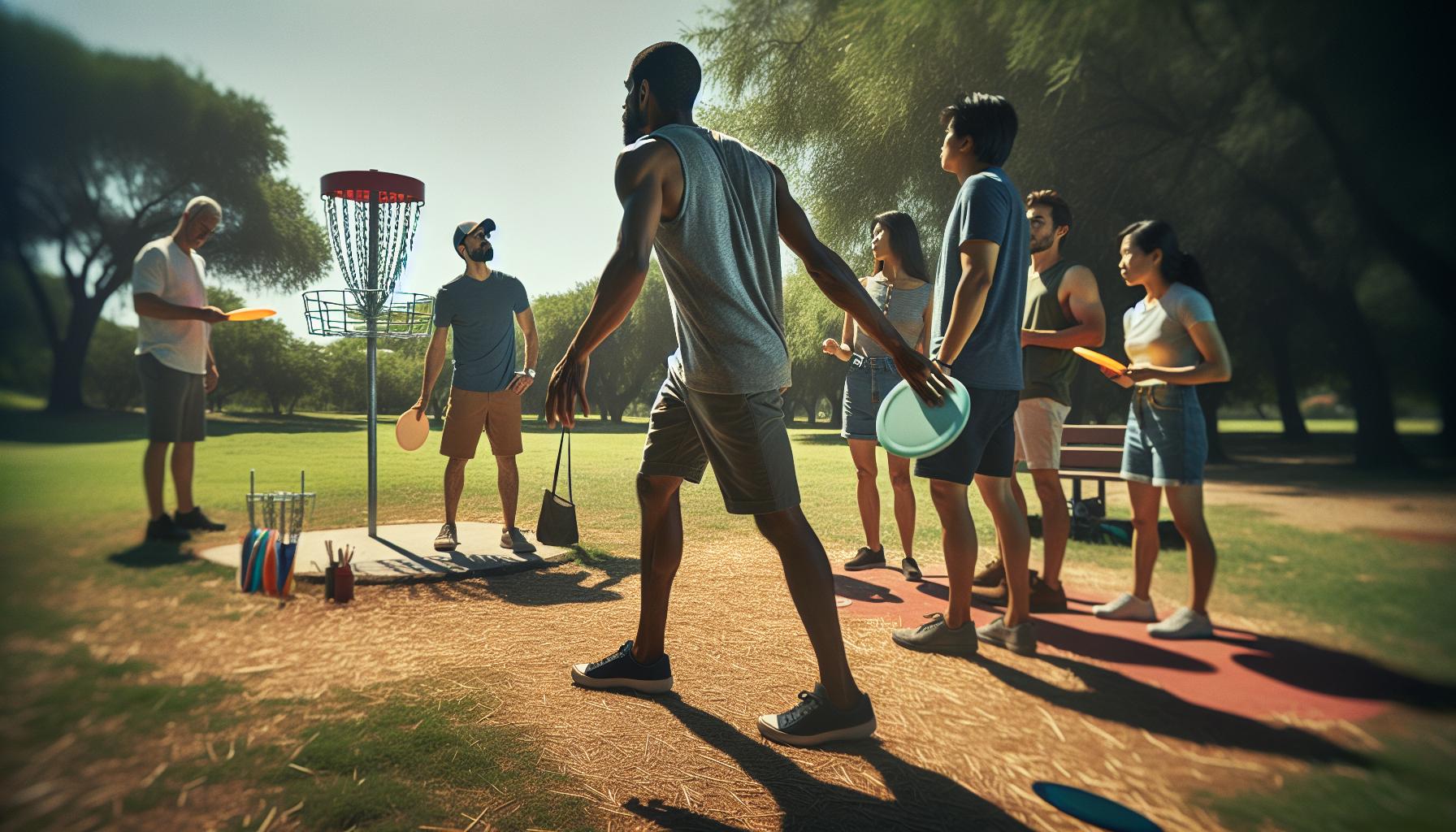
The Objective of Disc Golf: Point Scoring Explained
Understanding the objective of disc golf is essential for enjoying the game and enhancing your skills. At its core, the goal remains simple: complete a predetermined number of holes in as few throws as possible. Each hole begins on a tee pad and requires players to navigate through various obstacles-be they trees, pathways, or elevation changes-until their disc lands in the target, typically a basket.
To illustrate how scoring works in disc golf, consider the concept of par, which provides a benchmark for each hole. If a hole is designated as a par 3, it means a skilled player is expected to complete it in three throws. Achieving a throw count lower than par, known as a birdie, is a mark of skill and brings a sense of accomplishment. Conversely, scoring higher than par results in a bogey, which can motivate players to improve their technique. For example, if you finish a par 4 hole in 5 throws, you scored a bogey, while finishing it in 3 throws would grant you a birdie.
Competitive play adds layers to these fundamental goals. Players must adhere to rules that dictate how throws are made, including maintaining proper stance and following specific relief options when encountering obstacles. For instance, players typically throw from behind the marked tee area and must adhere to relief rules to ensure fair play during competitive rounds. Knowing these rules allows players to strategize effectively, particularly in high-pressure tournaments where every throw counts.
As you embrace the challenge of disc golf, understanding how your score is calculated aligns your efforts with broader goals-whether you’re aiming to refine your skills, enjoy friendly competition, or simply revel in a day outdoors. This understanding not only enhances your gameplay experience but also integrates you into a welcoming community of players who share your enthusiasm for this engaging sport.
Essential Disc Golf Equipment You Need to Succeed
Equipping yourself with the right tools can significantly enhance your experience and performance in disc golf. While the concept of throwing a disc at a target might seem straightforward, the variety of equipment available allows for both personalization and optimization of your game. Understanding how different discs perform can shift your ability from merely playing to truly competing, making your choice of equipment essential.
Selecting the right discs is a fundamental step in your journey as a disc golfer. Here are the primary types you’ll encounter:
- Driver: These are designed for long-distance throws. They’re typically lightweight and aerodynamic, allowing for greater speed and distance.
- Midrange: Perfect for making accurate throws at moderate distances, midrange discs provide better control and stability.
- Putter: These discs are used for short, precise throws. Their design helps with accuracy when putting into the basket.
The flight characteristics of each disc vary widely based on factors like weight, shape, and grip, which means understanding these properties can greatly impact your throws. For beginners, starting with a midrange disc is often recommended for its balance of distance and control. As you progress, choosing a driver suited to your throwing style can help you excel in power and distance.
It’s also important to consider other essential equipment. The right bag is crucial for carrying your discs and staying organized on the course. A good disc golf bag offers compartments for discs, accessories, and personal items, ensuring you have everything you need at your fingertips while you’re navigating the course. Additionally, accessories like a towel for drying your discs, a scorecard, and maybe even a portable chair can enhance your comfort and focus during a round.
Finally, investing in some quality footwear can be a game-changer. Comfort is key; look for shoes with good grip and support, especially if you’re playing on varied terrain. Engaging in disc golf not just fosters a love for the game but also builds a deeper connection with the community. Whether you’re playing for fun, competition, or personal improvement, having the right equipment can make all the difference in achieving your disc golfing goals.
Mastering Throwing Techniques for Every Skill Level
Mastering the art of throwing is a fundamental skill that can set the tone for your entire disc golf experience, influencing both enjoyment and performance. Many players may not realize that the way you grip and throw a disc can dramatically change its flight path and accuracy. Understanding the mechanics of different throwing techniques can help players of all skill levels improve their game and achieve the ultimate objective of disc golf: completing each hole in the fewest strokes possible.
To start, let’s break down the essential throwing techniques that every disc golfer should master. The three primary types of throws are the backhand, forehand (or sidearm), and overhead (or tomahawk). Each throw has its unique benefits and is applicable in various game situations:
- Backhand: This is the most common throw used in disc golf. It involves swinging the disc from behind your body and releasing it in front. A solid backhand can achieve impressive distance and accuracy, making it ideal for straight and hyzer shots.
- Forehand: This technique is sometimes preferred for its quick release and ability to produce a more consistent trajectory. It utilizes a wrist flick and is great for making sharp turns and avoiding obstacles.
- Overhand: The overhand throw (such as the tomahawk) is beneficial when you need to clear an obstacle. This throw sends the disc high into the air and downwards, useful for getting above trees in the fairway.
Understanding Disc Flight Characteristics
To truly excel, players must also familiarize themselves with disc flight characteristics, which are influenced by the disc’s weight, shape, and materials. The flight path of a disc can be affected by how fast you throw, the angle of release, and the throw technique used. Most disc manufacturers provide a flight rating, which indicates how the disc will behave in the air. Here’s a simplified overview of the four key components of disc flight:
| Component | Description |
|---|---|
| Speed: | The disc’s ability to cut through the air; higher speed ratings are optimal for longer throws. |
| Glide: | The disc’s ability to stay in the air; discs with high glide can travel farther, especially after the initial throw. |
| Turn: | How much the disc will curve to the right (for backhand throws) during its flight; a negative number indicates it turns more. |
| Fade: | The disc’s tendency to hook left (for backhand throws) towards the end of its flight; high fade means it will finish strongly left. |
Practicing Your Technique
Improving your throwing technique takes practice. Here are some tips to help players at all levels refine their skills:
- Practice with Purpose: Set specific goals for your practice sessions. Whether it’s improving distance with your backhand or accuracy on your putts, focus on one skill at a time.
- Video Analysis: Record your throws and review your technique. Look for areas where your form may be breaking down, such as your grip, stance, or follow-through.
- Play with Others: Engage in games with players of different skill levels to learn from their techniques and strategies. Observing how others approach certain shots can provide valuable insights.
- Join a Workshop: Many local clubs offer workshops led by experienced players or coaches. These sessions can provide personalized feedback that can accelerate your learning process.
By investing time into mastering these techniques and understanding disc dynamics, players can dramatically enhance their performance on the course. Developing a strong foundation in throwing mechanics not only helps in achieving personal goals but also fosters a deeper appreciation for this unique and growing sport, making it accessible for everyone from casual players to competitive athletes.
Exploring Disc Flight Characteristics and Dynamics
Understanding how discs fly can significantly elevate your disc golf game. Each disc behaves differently based on its characteristics, including weight, shape, and material, and knowing these nuances allows players to strategize effectively for each hole. Flight path dynamics are crucial for achieving the ultimate objective: completing each hole in the fewest strokes possible.
A disc’s performance is distilled into four main flight characteristics: speed, glide, turn, and fade.
| Component | Description |
|---|---|
| Speed: | The disc’s ability to cut through the air; higher speeds are essential for longer throws and achieving distance. |
| Glide: | The disc’s capacity to stay aloft; discs with higher glide ratings can maintain flight longer, helping on those longer courses. |
| Turn: | The amount the disc turns to the right during the initial part of its flight when thrown with a backhand; a negative turn indicates a tendency to turn more. |
| Fade: | The disc’s tendency to hook left at the end of its flight (also from a backhand throw); discs with higher fade finish with a sharper left turn. |
Making the Most of Disc Flight Characteristics
When you understand these characteristics, you can select the right disc for every situation on the course. For example, if you’re looking to navigate a wooded area, a disc with a slight turn and high fade can help control how it veers around trees. Conversely, for open holes where distance is key, opting for a disc with high speed and glide will maximize your throws.
Moreover, it’s important to consider how your throwing technique can affect these characteristics. The angle at which you release the disc (known as the angle of attack) plays a significant role in how a disc reacts during flight. Practicing different release angles can help players discover which techniques produce their desired flight paths, inviting opportunities to experiment with various disc types and throwing styles.
Ultimately, mastering the flight dynamics of your discs not only enhances individual performance but fosters a greater appreciation for the sport. Whether you are a casual player working on your skills or an experienced competitor honing your strategy, understanding the relationship between disc characteristics and flight can transform your disc golf experience into a more engaging and successful endeavor.
Strategies for Navigating Disc Golf Courses
In the journey of mastering disc golf, navigating the unique challenges of each course can significantly influence your performance and enjoyment of the game. Understanding the layout, terrain, and potential obstacles allows you to formulate effective strategies that will help lower your score and enhance your overall experience on the course.
One of the first steps is to study the course map and familiarize yourself with the layout of each hole. Pay close attention to the par for each hole, any unique challenges such as doglegs, narrow fairways, or elevated baskets, and the locations of hazards like water or dense foliage. Breaking down the course into manageable segments empowers you to plan your throws more effectively. Consider varying your approach based on the distance and your skill set; for instance, use a driver for long, open holes but switch to a mid-range disk when precision is required in wooded areas.
Another crucial aspect of course navigation is choosing the right disc for each throw. For example, when faced with a long, open hole, opt for a disc with high speed and glide that enhances your ability to achieve maximum distance. Conversely, a hole with tight turns may call for a disc with a moderate speed that offers more control and stability. Familiarize yourself with the characteristics of your discs-understanding their speed, glide, turn, and fade can guide you in selecting the optimal disc based on the specific requirements of each hole.
Practical strategies during gameplay also come into play. Don’t hesitate to take a conservative approach if the situation warrants it; sometimes an easy, controlled throw can save you strokes in the long run. Always plan your next shot while completing your current one. A sniper’s mindset-focusing on one target at a time-can help reduce errors. And don’t forget to incorporate practice rounds into your routine; these allow you to test different strategies and disc choices without the pressure of competition.
Ultimately, successfully navigating a disc golf course is about combining knowledge, skill, and strategy. Whether you are a newcomer learning the ropes or a seasoned veteran looking to refine your approach, mastering course navigation will foster greater enjoyment of the game and enable you to achieve your goal of completing each course in the fewest strokes possible. Embrace the challenge and keep evolving as a player; every round provides opportunities for learning and improvement.
How to Improve Your Game: Tips from Professionals
Improving your disc golf game requires dedication and a keen understanding of the sport’s nuances, but the payoff is heightened enjoyment and better performance. One of the best ways to enhance your skills is by observing the pros-many elite players have shared invaluable insights that can help you reap tangible benefits on the course.
First, practice is paramount. Professional disc golfers often emphasize the importance of consistent practice routines. Instead of just playing rounds, designate specific time to work on various aspects like putting, mid-range throws, and drive mechanics. Set focused goals for each practice session, such as improving your throwing distance by a few feet or achieving a higher accuracy rate on your putts. For example, you might spend one session exclusively practicing your backhand and another focusing on forehands. Make use of tools like distance markers to gauge progress.
Mental strategies are equally important; many professionals highlight the significance of a pre-shot routine. This involves visualizing your throw and the desired outcome before releasing the disc. Engage in mental exercises to build confidence, such as tracking your rounds to see your scoring trends and identifying areas for improvement. Maintaining a positive mindset throughout your game is essential, as negative thoughts can impact your performance.
Lastly, gear selection can make a noticeable difference in your game. Understanding the specific characteristics of your discs, including speed, glide, turn, and fade, allows you to select the right disc for each unique hole challenge. Take the time to get familiar with your discs; note how each behaves in different conditions and adjust your throw technique accordingly. As you progress, consider testing out advanced disc types recommended by experienced players to expand your throwing arsenal.
By intertwining regular, focused practice, adopting the mental strategies used by professionals, and meticulously choosing your equipment, you will not only enhance your skills but also develop a deeper appreciation for the art of disc golf. Embrace the journey of improvement and watch as your scorecards reflect your hard work and dedication.
Competitive Disc Golf: Tournaments and Affiliations
Participating in competitive disc golf opens up a world of engagement, excitement, and camaraderie among players. With hundreds of tournaments held worldwide each year, from local leagues to prestigious PDGA (Professional Disc Golf Association) events, players of all skill levels find opportunities to challenge themselves and elevate their game. These events aren’t just about winning; they foster a sense of community that celebrates both the sport and the friendships formed along the way.
To get involved in competitive disc golf, players can start by finding local clubs or organizations affiliated with the PDGA. These clubs often host weekly leagues or sanctioned tournaments that help participants gain experience and improve their skills. Registration is typically straightforward: players can sign up online, pay entry fees, and choose their divisions based on skill level-ranging from beginners to advanced competitors. Many tournaments employ a tiered structure, ensuring that everyone can compete on an equal playing field, fostering sportsmanship and fair play.
Competing not only enhances individual skills but also introduces players to the latest disc golf technologies and innovations. Top brands often showcase their cutting-edge equipment at tournaments, allowing players to test new discs and gear in real-time, further informing their choices on the course. Furthermore, many tournaments feature side events such as putting contests or distance challenges, adding additional layers of fun and competition that make the overall experience engaging.
Whether you’re watching seasoned pros battle for a championship, participating in your first local tournament, or simply cheering on friends, competitive disc golf offers a dynamic environment rich with learning and growth. The shared passion for the game among players, spectators, and sponsors alike exemplifies the sport’s growth trajectory, suggesting a robust future for disc golf as it continues to captivate new enthusiasts.
Building a Community: Engaging with Other Disc Golfers
Engaging with other disc golfers can transform your experience from merely playing a sport to becoming part of a thriving community. With disc golf’s rapid growth, there are numerous opportunities to connect with like-minded individuals who share a passion for the game. Whether you’re a beginner hoping to learn the ropes or an experienced player looking to refine your skills, fostering community is essential for enriching your journey in disc golf.
One of the best ways to build connections is by joining local disc golf clubs or participating in community events. Many regions host casual meet-ups, leagues, or clinics designed to both introduce newcomers to the sport and create a welcoming environment for seasoned players. By getting involved, you can not only enhance your skills through practice and feedback but also form lasting friendships. Take the time to socialize, share tips, and learn from players of different skill levels; this communal atmosphere fosters a sense of belonging that’s hard to replicate elsewhere.
Participating in Tournaments
For those eager for a bit more excitement, entering local or even regional tournaments can be a game-changer. These competitions often bring together a diverse group of players, providing a platform not only for showcasing your talent but also for meeting fellow enthusiasts. Between rounds, engage in conversations with other competitors about strategies, disc choices, or even favorite courses. Many players appreciate the chance to discuss their methods and experiences, which can lead to valuable insights that enhance your own game.
Another pivotal aspect of community engagement is the wealth of online platforms dedicated to disc golf. Websites, forums, and social media groups where players share their journeys, progress, and advice can serve as excellent resources. Here, you can seek guidance, celebrate achievements, and discuss the latest equipment trends. Connecting with disc golf communities online allows you to tap into a global network of players who can provide support and suggestions tailored to your specific needs.
By immersing yourself in the disc golf community-whether through local clubs, competitions, or online forums-you unlock invaluable opportunities not only for personal improvement but also for fostering friendships that enhance the overall experience of the sport. Embrace the enthusiasm surrounding disc golf, and you’ll find that it’s more than just a game; it’s a shared passion that contributes to your development as a player and an integral part of a growing athletic community.
Benefits of Playing Disc Golf for Health and Wellness
Playing disc golf is not just an engaging sport; it is also a fantastic way to enhance your overall health and wellness. As players navigate the course, they benefit from a unique mix of physical activity and mental stimulation. If you’re looking for a way to stay active while enjoying the great outdoors, disc golf could be the perfect match for you.
The activity itself involves walking, throwing, and sometimes even running, which together can provide a solid cardiovascular workout. On average, a round of disc golf can involve walking over two miles, depending on the course layout. This level of physical activity promotes cardiovascular health, improves endurance, and helps maintain a healthy weight. Furthermore, playing with friends or a group fosters social connections, reducing stress and increasing overall happiness.
Mental Health Benefits
Disc golf also offers significant mental health benefits. Spending time outdoors has been shown to improve mood and reduce symptoms of anxiety and depression. The focus required to perfect your throw and the challenge of navigating the course can help clear your mind, allowing you to escape from daily stresses. Engaging with nature while playing is a restorative experience that can enhance emotional well-being.
Additionally, the strategic elements of the game-such as assessing wind conditions, understanding disc flight dynamics, and planning your shots-stimulate cognitive function and improve focus. As players navigate different courses with various terrains and challenges, they continuously enhance their critical thinking and problem-solving skills.
Community and Support
Finally, the sense of community that disc golf fosters can further improve emotional health. By participating in leagues, tournaments, and clubs, players build connections that provide a support network. This social aspect not only enriches your game but also helps create friendships, which can be vital for emotional resilience.
In conclusion, the benefits of playing disc golf extend far beyond the physical. It serves as an excellent opportunity for exercise, mental engagement, and social interaction, making it an ideal pastime for those seeking a fulfilling and health-oriented activity. Whether you’re a seasoned competitor or just starting your journey in disc golf, every round can contribute positively to your health and well-being.
Exploring the Future of Disc Golf as a Sport
The rise of disc golf as a popular sport is accompanied by a growing awareness of its objectives and unique gameplay mechanics. While many players initially get enthralled by the casual nature of tossing a disc around a park, understanding the finer details of the game’s goals adds layers of depth and strategy, making it even more engaging. The primary objective in disc golf is straightforward: complete each hole in the fewest number of throws, navigating through various challenges laid out by the course design.
As the sport evolves, so do the tactics players employ to master their game. Newcomers often focus on basic throw mechanics and simple scoring, but the competitive landscape requires a more nuanced understanding of factors impacting performance, such as disc selection based on flight characteristics, the influence of wind on projection, and the psychological aspect of maintaining composure under pressure. As more players delve into competitive play, concepts like achieving birdies (completing a hole in one fewer throw than par) become more common, enhancing the thrill of the game and encouraging players to continuously improve their skills.
Meanwhile, the community aspect of disc golf cannot be overstated. Tournaments and organized leagues foster not only competition but an environment of camaraderie. Clubs and local meetups allow players to share tips, strategies, and experiences, facilitating knowledge exchange that benefits all skill levels. As interest in disc golf expands, its inclusion in schools and community programs highlights its value as a lifelong sport, introducing new players to the objectives and strategies that define successful gameplay.
With the burgeoning popularity of disc golf, it is crucial to emphasize the significance of maintaining the sport’s integrity, welcoming players with different abilities while pushing the boundaries of competitive excellence. Every disc thrown is not just a point scored but a step in the journey of mastering a unique and vibrant game. As the future unfolds, disc golf holds the promise of further integration into mainstream sports culture, potentially leading to the establishment of partnerships with brands, streaming of tournaments, and enhanced training methodologies that could redefine how the game is played and perceived altogether.
Frequently asked questions
Q: What are the main objectives of playing disc golf?
A: The main objectives of playing disc golf are to complete each hole in the fewest number of throws possible. Players aim to throw a disc from a tee area to a target, typically a metal basket, while navigating obstacles along the course. This blends skills in strategy, precision, and technique.
Q: How does scoring work in disc golf?
A: Scoring in disc golf is similar to traditional golf. Players receive one stroke for each throw, and the objective is to get through the course in the least number of strokes. The total strokes taken across all holes determine the winner.
Q: What are common challenges beginners face in disc golf?
A: Common challenges for beginners in disc golf include mastering throwing techniques, understanding disc flight dynamics, and effectively navigating varying course layouts. Beginners should focus on practice and learning from experienced players to improve their gameplay.
Q: Why is strategy important in disc golf?
A: Strategy is crucial in disc golf as it affects how players choose their throws and navigate the course. Knowing when to take aggressive shots versus conservative ones can significantly impact scoring and overall performance, especially in competitive play.
Q: What are some key techniques to improve disc golf performance?
A: Key techniques to improve disc golf performance include mastering different throwing styles (backhand, forehand, etc.), understanding wind effects on disc flight, and practicing putts from various distances. Regular practice and feedback from more experienced players can also aid improvement.
Q: How does disc selection impact gameplay in disc golf?
A: Disc selection impacts gameplay significantly as different discs have varying flight characteristics, stability, and speed. Players should choose discs based on their skill level, the specific course conditions, and the type of throw required for each shot to enhance performance.
Q: What role does community play in disc golf?
A: Community plays a vital role in disc golf by providing support, organization of events, and opportunities for social interaction. Engaging with other players helps foster a sense of belonging, encourages improvement, and promotes the sport’s growth.
Q: How can I find local disc golf courses to practice?
A: To find local disc golf courses, use online directories or apps dedicated to disc golf that map out courses by location. Additionally, check community boards, social media groups, and local disc golf clubs for information on nearby courses and events.
The Conclusion
Now that you understand the objective of disc golf, it’s time to take your enthusiasm to the next level! Whether you’re just starting out or looking to refine your strategy, remember that mastering the game involves practice and a deep appreciation for the community. Explore our comprehensive guides on throwing mechanics and equipment comparisons to enhance your skills and make every throw count.
Don’t miss out on your chance to join the vibrant disc golf community-subscribe to our newsletter for updates, tips, and exclusive content. Interested in tournament strategies? Check out our section dedicated to competitive play to fuel your competitive spirit.
Your journey in disc golf doesn’t end here-continue to explore, learn, and share your experiences with fellow enthusiasts. Comment below with your thoughts or questions, and let’s celebrate this amazing sport together!
Get our latest guides, news, and insights highlighted in your Google Search & AI Overviews.